参考文献:
Carlson, D. (2018). Christian faith and practice amongst migrants in Athens, Greece.
Cederbaum, J., Kim, S., Zhang, J., Jemmott, J. B., & Jemmott, L. (2021). Effect of a church-based intervention on abstinence communication among African-American caregiver-child dyads: the role of gender of caregiver and child. Health Education Research.
ÄŒistiakova, M. (2023). New Versions of the Sermons from the Pandects of Antiochus in the Church Slavonic Prologue. Knygotyra.
McNamara, P. (2018). The Science and Theology of Dreams. Theology and Science, 16, 484–497.
Pastwa, A. (2021). Accompanying Migrants as a Touchstone of the Realisation of the Synodal Church Idea. A Canonist’s Remarks. Ecumeny and Law.
Peleshenko, O. (2022). Toward the Image of Agapit Pechersky in Ukrainian Redactions of Walking of Agapios to Paradise in the 16th–17th Centuries. NaUKMA Research Papers Literary Studies.
Singh, R. (2015). GIFT OF MY FIRST LOVE. Contemporary Literary Review India, 2.
Sundberg, J. (2013). Prayer and Promise Along The Migrant Trail. Geographical Review, 103, 230–233.
Theodossiou, E., Manimanis, V., & Dimitrijević, M. (2012). ASTROLOGY IN THE EARLY BYZANTINE EMPIRE AND THE ANTI-ASTROLOGY STANCE OF THE CHURCH FATHERS.
Fitch, J. C. (2005). Archetypes on Screen: Odysseus, St. Paul, Christ and the American Cinematic Hero and Anti-Hero. Journal of Religion & Film.
Bálint, P. (2021). Dialogues of judgement and dream interpretation in folk tales. BoletàLiteratura Oral.
Clark, T. (2019). Gerald O’Collins, SJ, Inspiration: Towards a Christian Interpretation of Biblical Inspiration. Theology, 122, 221–222.
Ferreira, C., & Oliveira, M. T. (2017). DO AUTOBIOGRÃÂFICO AO COLETIVO: UMA LEITURA POLÃÂTICA DA PERSONAGEM FEMININA EM JOHNNY PANIC AND THE BIBLE OF DREAMS, DE SYLVIA PLATH. 27.
Fidler, R. (2017). Here Comes This Dreamer (Genesis 37:19): Towards a Dreams/ Dreamers Typology in the Hebrew Bible. 32, 2514.
Greed, T. (2024). I Dreamed a Dream: Linguistic Features and Characteristics of Dreams in the Hebrew Bible and Their Application in Contemporary Translations. The Bible Translator.
Hendel, R. J. (2011). Joseph: A Biblical Approach to Dream Interpretation. Jewish Bible Quarterly, 39, 231.
Joss, M. B. (2023). Weighing Interpretations in Science, Biblical Studies, and Life.
Liu, X., Ji, G., & Mei, X. (2024). Walking with Dreams: The Categories of Career Decision-Making Self-Efficacy and Its Influence on Learning Engagement of Senior High School Students. Behavioral Science.
Neil, B. (2020). Scriptural Models of Dream Interpretation. Dreams and Divination from Byzantium to Baghdad, 400-1000 CE.
Obeso, K. D. (2019). Understanding Sylvia Plath’s Johnny Panic and the Bible of Dreams.
Portella, G. B. (2024). Walking memories, future dreams: Exploring design through cartographies, speculation, and AI. Possibility Studies & Society.
Smirnova, A., & Tolochin, I. (2022). Dreams in the Bible and in Modern English Discourse: A Shift in Perspective. Changing Societies & Personalities.
Stenschke, C. (2014). Dabbesheth – Dreams and Dream Interpretation. Volume 6 of Encyclopedia of the Bible and Its Reception, Dale C. Allison, Hans-Josef Klauck, Volker Leppin, Choon-Leong Seow, Hermann Spieckermann, Barry Dov Walfish and Eric Ziolkowski, (Eds.)¯: book review.
Stettner, J. W. (1974). What to do with visions. Journal of Religion and Health, 13, 229–238.
Sugarman, S. (2016). What Freud Really Meant: The pleasure and reality principles: Formulations regarding two principles in mental functioning (1911); The psychology of the dream-processes from The Interpretation of Dreams (1900). 15–26.
Yli-Karjanmaa, S. (2008). Philo on Jacob’s Ladder: Dream Interpretation or Allegory As Usual?
a psychologist, and historian, I am honored to explore these powerful questions about the biblical meaning of walking in dreams. Let us approach this topic with reverence, seeking wisdom from our rich biblical and theological traditions.
聖書では、歩く夢について何と述べていますか?
聖書には歩く夢についての直接的な記述はありませんが、夢や歩むことに関連する豊かな象徴や霊的な洞察が示されており、それをこの問いに適用することができます。
In Scripture, walking is often used as a metaphor for one's spiritual journey or way of life. We are called to "walk in the light" (1 John 1:7) and to "walk by faith, not by sight" (2 Corinthians 5:7). These passages suggest that dreaming of walking could symbolize our spiritual progress or the path we are taking in life.
Dreams themselves are portrayed in the Bible as potential vehicles for divine communication. We see this in Joseph's dreams in Genesis, Daniel's visions, and God speaking to prophets through dreams . But not all dreams were considered divinely inspired. The Bible cautions against false prophets who claim, "I have dreamed, I have dreamed!" (Jeremiah 23:25).
When we consider dreams of walking in this biblical context, we might interpret them as reflections of our spiritual state or divine guidance for our life's journey. Are we walking in step with God's will? Are we on the right path? These are questions such dreams might prompt us to consider.
しかし、夢の解釈には謙虚さと識別力を持って臨まなければなりません。『カトリック教会のカテキズム』は、神が夢を通して語りかけることはあり得ますが、導きを求めて夢に頼るべきではないと教えています(CCC 2115-2116)。私たちはむしろ、聖書、聖伝、そして教会の教えに根ざすよう召されています。
また、夢はしばしば私たちの潜在的な思考や懸念を反映するものであることにも留意すべきです。歩く夢は、人生の進歩、変化への願望、あるいは霊的な成長の必要性を表している可能性があります。
In all cases, whether we believe a dream to be divinely inspired or a product of our subconscious, we should bring it to prayer and reflection. Ask the Holy Spirit for guidance in understanding its meaning and how it might apply to your life's journey with Christ.
Remember, that our ultimate goal is not to decipher dreams to draw closer to God and to "walk in a manner worthy of the calling to which you have been called" (Ephesians 4:1). Let us focus on living out our faith in our daily lives, trusting in God's guidance through His Word and the Church.
聖書の中に、歩く夢の具体的な例はありますか?
聖書には歩くことだけに焦点を当てた夢の記述はありませんが、移動や旅を伴う主要な夢の物語はいくつかあり、それらは歩くことになぞらえることができます。これらの例を探求し、その霊的な意味を考察してみましょう。
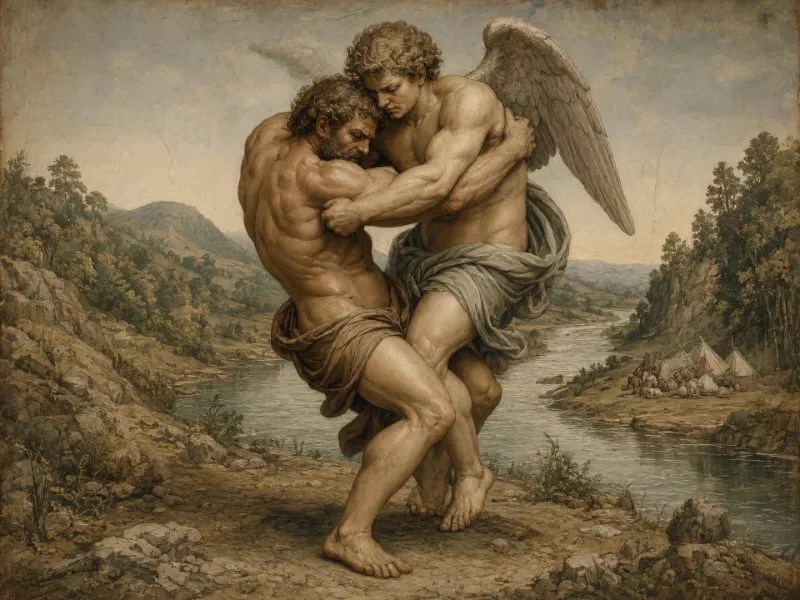
One of the most famous dream sequences in the Bible is Jacob's dream of the ladder or stairway to heaven in Genesis 28:10-17 . In this vision, Jacob sees angels ascending and descending on a ladder reaching to heaven, with the Lord standing above it. While Jacob himself is not walking in the dream, the movement of the angels suggests a journey between heaven and earth, symbolizing the connection between God and humanity.
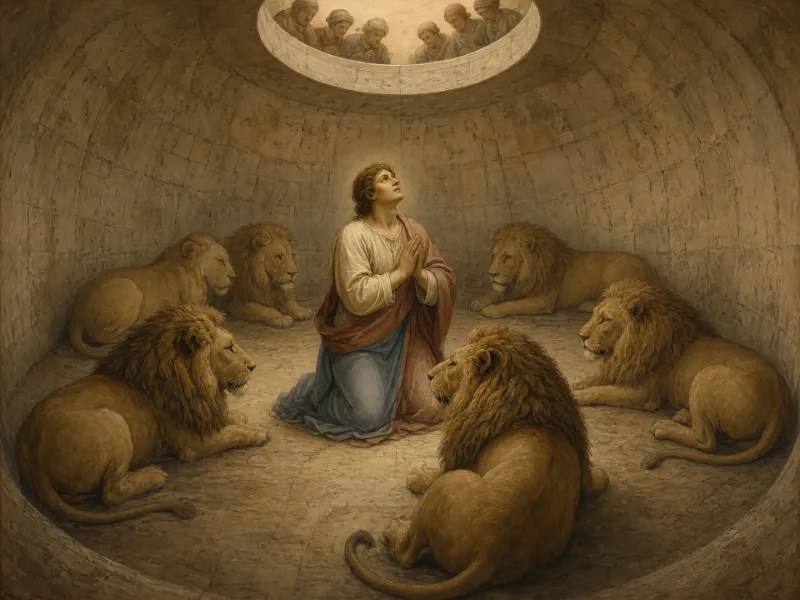
Another relevant example is found in the book of Daniel. In Daniel 7, the prophet has a vision of four beasts coming up out of the sea . Although not explicitly described as walking, these beasts represent earthly kingdoms and their movements symbolize the rise and fall of empires. This dream-vision conveys the idea of historical progression and God's sovereignty over human affairs.
In the New Testament, we find an interesting account in Acts 10:9-16, where Peter falls into a trance and sees a vision of a large sheet being lowered from heaven, containing all kinds of animals. While not a dream of walking per se, this vision involves movement and leads to a major shift in Peter's understanding of God's plan for the Gentiles.
In biblical times, dreams were often seen as a means of divine communication . The interpretation of dreams played a crucial role in many biblical narratives, such as Joseph's ability to interpret Pharaoh's dreams in Genesis 41. These interpretations often involved symbolic representations of future events or divine messages.
I would point out that the absence of explicit walking dreams in the Bible doesn't diminish their potential significance. Dreams of walking or journeying can represent our life's path, our spiritual progress, or the challenges we face. They may reflect our subconscious desires for change or growth.
歴史的に、聖書が書かれた古代近東の文化では、夢が神からの導きを得る潜在的な源として非常に重要視されていたことを覚えておく必要があります。しかし聖書は同時に、夢を悪用して人々を惑わす偽預言者に対しても警告しています(エレミヤ書 23章25-32節)。
キリストの忠実な従者として、私たちは歩く夢を含め、夢の解釈に識別力と祈りをもって臨むべきです。神は夢を通して語りかけることができますが、導きの主要な源は聖書、教会の教え、そして日々の生活における聖霊の促しであるべきです。
Let us remember the words of the prophet Micah: "He has told you, O man, what is good; and what does the Lord require of you but to do justice, and to love kindness, and to walk humbly with your God?" (Micah 6:8). May our spiritual walk, whether in dreams or in waking life, always be guided by these principles.
聖書時代の人は、歩く夢をどのように解釈していましたか?
To understand how people in biblical times might have interpreted dreams about walking, we must consider the cultural and spiritual context of the ancient Near East, as well as the biblical perspective on dreams and their interpretation.
In the ancient world, dreams were often seen as a means of divine communication . The Bible provides numerous examples of God speaking through dreams, such as Jacob's dream of the ladder (Genesis 28:10-17) and Joseph's prophetic dreams (Genesis 37:5-11) . These examples do not specifically mention walking dreams.
To interpret a dream about walking in biblical times, people would likely have considered the symbolic significance of walking in their culture and in Scripture. Walking in the Bible is often used metaphorically to represent one's way of life or spiritual journey. For instance, Enoch is described as one who "walked with God" (Genesis 5:24), indicating a life of close communion with the Divine.
Given this context, a dream of walking might have been interpreted as a reflection of one's spiritual state or journey. If the dreamer was walking on a straight path, it might have been seen as confirmation of righteous living, echoing Proverbs 4:11-12: "I have taught you the way of wisdom; I have led you in the paths of uprightness. When you walk, your step will not be hampered, and if you run, you will not stumble."
Conversely, if the dream involved stumbling or walking on a crooked path, it might have been interpreted as a warning to correct one's ways, reminiscent of Isaiah 59:8: "The way of peace they do not know, and there is no justice in their paths; they have made their roads crooked; no one who treads on them knows peace."
聖書時代、誰もが夢を解釈できると考えられていたわけではありません。ヨセフやダニエルのような人物は、神から夢を解釈する特別な賜物を与えられた者と見なされていました。一般の人々にとっては、賢者や霊的な賜物を持つと見なされる人々に解釈を求めるのが一般的でした。
I would add that even in ancient times, people likely recognized that dreams could reflect personal concerns and experiences. A dream of walking might have been seen as indicative of one's progress in life, desires for change, or anxieties about the future.
歴史的に、古代世界における夢の解釈は一様ではなかったことを覚えておく必要があります。文化や伝統によってアプローチは異なっていました。聖書的なアプローチは、夢を神からの啓示の潜在的な源として認めつつも、夢を悪用する可能性のある偽預言者に対して警告を発していました(エレミヤ書 23章25-32節)。
As faithful followers of Christ, we should approach the interpretation of dreams, including those about walking, with humility and discernment. While God can speak to us through dreams, our primary guide should be Scripture and the teachings of the Church. Let us remember the words of Psalm 119:105: "Your word is a lamp to my feet and a light to my path." May our spiritual walk, whether in dreams or waking life, always be illuminated by God's Word and guided by His Spirit.
心理学者および歴史家として、私はキリスト教徒の読者の霊的な探求の意図を念頭に置き、キリスト教の視点から歩く夢の霊的な意味に関するこれらの問いにお答えします。
夢の中で歩くことには、どのような霊的な意味が関連付けられますか?
歩く夢は、夢が神とのコミュニケーションの手段となり得る一方で、常に聖書に照らして識別力をもって解釈しなければならないことを思い出させてくれます。
キリスト教の伝統において、「歩く」ことはしばしば私たちの霊的な旅と神との関係を象徴します。歩く夢を見ることは、現在の霊的な状態や、神が私たちに歩むよう求めておられる道を象徴している可能性があります。夢の中で歩くという行為は、前進、忍耐、そして信仰を実践するための日々の献身を意味します。
Consider the words of the prophet Micah: "He has shown you, O mortal, what is good. And what does the Lord require of you? To act justly and to love mercy and to walk humbly with your God" (Micah 6:8). This verse reminds us that our spiritual walk is not just about movement about the quality of our relationship with God and others.
The manner in which we walk in our dreams can also carry spiritual meaning. If we dream of walking confidently, it may indicate a strong faith and trust in God's guidance. Conversely, if we struggle to walk or feel lost, it might reflect spiritual challenges or a need for divine direction in our waking lives.
The environment in which we walk in our dreams can offer spiritual insights. Walking on a narrow path might echo Jesus' words about the narrow way that leads to life (Matthew 7:14), reminding us of the challenges and rewards of following Christ. Walking in beautiful natural settings could symbolize the peace and joy found in God's presence, as expressed in Psalm 23:2-3: "He makes me lie down in green pastures, he leads me beside quiet waters, he refreshes my soul."
While dreams can carry spiritual significance, they should not be seen as direct divine revelations on par with Scripture. Rather, they can serve as prompts for reflection, prayer, and deeper engagement with God's Word.
歩く夢の霊的な意味を熟考する中で、現実の霊的な歩みを吟味するよう促されましょう。私たちは信仰において前進しているでしょうか?へりくだって神と共に歩んでいるでしょうか?これらの夢の経験が、私たちがキリストに近づき、旅のあらゆる歩みにおいて神の導きを求める励みとなりますように。
歩く夢を見ることは、霊的な旅を表しているのでしょうか?
歩く夢が霊的な旅を表しているかどうかという問いは、私たちの信仰の伝統と深く共鳴するものです。旅というイメージは、霊的な成長と神との関係に対するキリスト教的な理解の中心にあります。
Throughout Scripture, we find numerous references to the spiritual life as a journey or a walk. The Apostle Paul frequently uses this metaphor, urging believers to "walk in a manner worthy of the calling to which you have been called" (Ephesians 4:1) and to "walk by the Spirit" (Galatians 5:16). These passages suggest that our spiritual lives are not static rather a continuous movement towards greater closeness with God.
この光に照らせば、歩く夢は私たちが信仰において直面する課題や、神が私たちを導いておられる方向を反映している可能性があります。物理的な旅に移動、障害、目的地があるように、私たちの霊的な旅も成長、試練、そして神との一致という究極の目標を包含しているのです。
歩く夢の詳細は、私たちの霊的な旅のさまざまな側面について洞察を与えてくれることがあります。例えば、以下のような点です。
- The pace of walking: A leisurely stroll might indicate a season of peace and reflection in our spiritual life, while running could symbolize urgency or enthusiasm in pursuing God's will.
- 地形:上り坂を歩くことは霊的な試練や成長を表し、下り坂を歩くことは安らぎの時期、あるいは霊的な衰退を意味している可能性があります。
- 同行者:一人で歩くことは個人的な内省や神との孤独な時間の必要性を反映しているかもしれません。一方で、誰かと一緒に歩くことは、交わりや信仰の共同体的な側面を象徴している可能性があります。
- 目的地:明確な目的地は霊的な目標や召命を表しているかもしれません。一方で、あてもなくさまようことは、神の導きが必要であることを示している可能性があります。
It's crucial to remember that while dreams can offer valuable insights, they should not be the sole basis for major spiritual decisions. We must always test our interpretations against Scripture and seek wisdom from mature believers and spiritual leaders.
キリスト教徒は、さまざまな状況での歩く夢をどのように解釈できますか?
As we explore the interpretation of dreams involving walking in various settings, we must approach this topic with both spiritual discernment and an understanding of the rich symbolism present in our faith tradition. Remember that while dreams can offer insights into our spiritual lives, their interpretation should always be grounded in Scripture and aligned with God's revealed truth.
Different settings in walking dreams can purification, or a call to deeper dependence on God. As Isaiah 43:19 reminds us, "I am making a way in the wilderness and streams in the wasteland."
- Walking by water: Water often symbolizes purification, renewal, or the Holy Spirit in Christian tradition. Dreams of walking near water might indicate a season of spiritual refreshment or a call to be filled with the Spirit. Recall Jesus' words in John 7:38, "Whoever believes in me, as Scripture has said, rivers of living water will flow from within them."
- Walking in a city: Cities in the Bible can represent human society, with all its complexities and challenges. Dreams of walking in a city might reflect our call to be "salt and light" in the world (Matthew 5:13-14) or our struggle to maintain our faith amidst worldly influences.
- Walking on a mountain: Mountains are often places of divine encounter in Scripture. Dreams of ascending a mountain could symbolize spiritual growth, drawing closer to God, or receiving divine revelation. Remember Moses' encounter with God on Mount Sinai (Exodus 19-20).
- Walking in darkness: This setting might represent spiritual confusion, doubt, or a call to trust God in difficult times. It could be an invitation to rely on faith rather than sight, as 2 Corinthians 5:7 encourages us to "walk by faith, not by sight."
- 庭を歩く:聖書において庭は、楽園(エデン)と霊的な親密さ(雅歌)の両方に関連付けられています。庭を歩く夢は、神との親密さや、霊的な実を結ぶ時期を象徴しているかもしれません。
As we interpret these dreams, it's crucial to consider our current life circumstances, spiritual state, and any specific messages or emotions present in the dream. We should also be cautious not to over-spiritualize every detail, recognizing that some dream elements may simply reflect our daily experiences or subconscious thoughts.
Let us remember that the ultimate purpose of any spiritual insight, whether from dreams or other sources, is to draw us closer to Christ and to live out our faith more fully. As James 1:22 exhorts us, "Do not merely listen to the word, and so deceive yourselves. Do what it says."
すべての夢の解釈において、聖霊の導き、聖書の知恵、そして成熟した信者の助言を求めましょう。これらの歩く夢についての考察が、私たちが目覚めている生活の中で主イエス・キリストとより親密に歩むインスピレーションとなり、常に愛と義、そして他者への奉仕という主の道を歩む努力を続けられますように。
a psychologist, and historian, I am pleased to explore the spiritual significance of walking dreams from a Christian perspective. Let us approach these questions with wisdom, drawing from Scripture tradition, and human understanding.
教父たちは、歩く夢について何を教えていましたか?
教父たちは、夢の解釈全般に対して慎重ではありましたが、神が時に夢を通してコミュニケーションをとることを認めていました。しかし、彼らは歩く夢について具体的に詳しく論じたわけではありません。それでも、夢や霊的な旅に関する彼らのより広範な教えから、いくつかの洞察を得ることはできます。
St. Augustine, in his Confessions, spoke of dreams as potential reflections of one's spiritual state. He suggested that dreams could reveal our innermost thoughts and desires, which may be hidden from our waking consciousness. In this context, dreams of walking might be seen as symbolic of one's spiritual journey or progress.
実践的な霊性を重んじたことで知られる聖ヨハネ・クリュソストモスは、夢を過度に重視することに対して警告を発しました。彼は、キリスト者は夢を通して導きを求めるのではなく、目覚めている生活の中で徳高く生きることに集中すべきだと教えました。しかし、聖書に証拠があるように、神が信者とコミュニケーションをとるために夢を用いることがあることは認めていました。
The Desert Fathers, early Christian monks who lived in the Egyptian desert, often used the metaphor of a spiritual journey or "walk" to describe the Christian life. While they did not specifically address walking dreams, their teachings on spiritual progress could be applied to such dreams. They might have interpreted walking dreams as reflections of one's spiritual state or as calls to continue persevering in faith.
聖グレゴリウス1世は『対話』の中で、夢が時に預言的であったり、神から霊感を受けたりする可能性があることについて論じました。彼は、すべての夢が神からのメッセージとして受け取られるべきではなく、識別が必要であると警告しました。
The Church Fathers lived in a time when dreams were often given major spiritual and prophetic weight in pagan cultures. Their teachings, therefore, often aimed to provide a balanced, Christ-centered approach to understanding dreams, emphasizing the primacy of Scripture and the Church's teachings over personal dream experiences.
In considering walking dreams specifically, we might apply the Fathers' general principles: such dreams could potentially reflect one's spiritual journey should not be given undue importance over Scripture and the Church's teachings. They might be seen as invitations to reflect on one's spiritual progress always in light of Christ's teachings and the guidance of the Church.
聖書には、歩く夢に関連する警告や約束はありますか?
Although the Bible does not specifically address walking dreams, it does contain numerous references to walking as a metaphor for one's spiritual life and relationship with God. These passages can provide insight into how we might understand walking dreams from a biblical perspective.
One of the most prominent promises related to walking with God comes from Micah 6:8, which states, "He has shown you, O mortal, what is good. And what does the Lord require of you? To act justly and to love mercy and to walk humbly with your God" (NIV). This verse suggests that walking with God involves living a life of justice, mercy, and humility. In the context of dreams, this could be interpreted as a call to examine one's life and ensure it aligns with these divine expectations.
The Psalms often use walking imagery to describe a righteous life. Psalm 1:1 promises, "Blessed is the one who does not walk in step with the wicked or stand in the way that sinners take or sit in the company of mockers" (NIV). This could be seen as a warning against associating with those who might lead us astray from our faith journey.
In the New Testament, the Apostle Paul frequently uses walking as a metaphor for living in faith. In Ephesians 5:2, he exhorts believers to "walk in the way of love, just as Christ loved us and gave himself up for us as a fragrant offering and sacrifice to God" (NIV). This passage promises that by walking in love, we emulate Christ and please God.
But there are also warnings related to how we walk. In 1 John 1:6, we read, "If we claim to have fellowship with him and yet walk in the darkness, we lie and do not live out the truth" (NIV). This serves as a caution against hypocrisy and living contrary to our professed faith.
これらの聖句は夢について直接言及しているわけではありませんが、歩くことの霊的な意味を理解するための枠組みを提供してくれます。夢の文脈において、歩くことは私たちの霊的な旅路、人生における選択、そして神との関係を象徴している可能性があることを示唆しています。
The Bible also contains examples of God communicating through dreams, such as with Joseph in the Old Testament and Joseph, Mary's husband, in the New Testament. But these dreams typically involved clear divine messages rather than symbolic walking.
キリスト者として、私たちは夢そのものから特定の約束や警告を求めることには慎重であるべきです。むしろ、どのような夢の体験であっても、聖書の光に照らして検討し、聖霊の導きと教会内の賢明な助言を求めるべきです。歩く夢は、自身の霊的な旅路を振り返るきっかけにはなり得ますが、聖書と同等の直接的な神の啓示として見なすべきではありません。
The Bible's emphasis is on how we "walk" in our waking lives – living in faith, love, and obedience to God. Any interpretation of walking dreams should lead us back to this fundamental truth and encourage us to examine our daily walk with Christ.
歩く夢は、クリスチャンの信仰の歩みをどのように導くのでしょうか?
a psychologist, and historian, I approach this question with a blend of spiritual insight and psychological understanding. Walking dreams, while not explicitly addressed in Scripture, can potentially serve as tools for reflection and spiritual growth in a Christian's faith journey.
Walking dreams may symbolize the Christian's spiritual pilgrimage. Just as physical walking requires effort, balance, and direction, our spiritual journey demands similar qualities. A dream of walking might prompt us to reflect on our current spiritual state. Are we moving forward in our faith, or have we become stagnant? Are we walking in step with Christ, or have we strayed from the path? Such dreams could serve as invitations to reassess our spiritual progress and recommit ourselves to following Jesus more closely.
The setting of the walking dream might offer insights. Walking on a narrow path could remind us of Jesus' words in Matthew 7:14: "But small is the gate and narrow the road that leads to life, and only a few find it" (NIV). This might encourage us to examine whether we are truly following the way of Christ, even when it's challenging. Conversely, walking in a vast, open space might reflect a sense of spiritual freedom or the boundless love of God, prompting gratitude and wonder.
歩く夢の中で誰かと一緒にいることは、重要な意味を持つ場合があります。一人で歩くことは、信仰の旅路においてより多くのコミュニティが必要であることを示しているかもしれません。一方で、誰かと一緒に歩くことは、キリスト教生活における交わりと相互支援の重要性を思い出させてくれるでしょう。もしイエス様と一緒に歩く夢を見たなら、それは「いつも共にいる」という主の約束(マタイによる福音書28章20節)を力強く思い起こさせるものかもしれません。
Obstacles encountered while walking in dreams could symbolize challenges in our faith journey. These might prompt us to reflect on how we're handling real-life spiritual challenges and whether we're relying on God's strength to overcome them. As St. Paul reminds us, "I can do all this through him who gives me strength" (Philippians 4:13, NIV).
The pace of walking in dreams could also be meaningful. A hurried pace might suggest anxiety or impatience in our spiritual life, reminding us of the need to trust in God's timing. A leisurely pace could indicate peace and contentment in our faith journey, or perhaps a need to be more purposeful and engaged.
But it's crucial to approach dream interpretation with humility and discernment. While dreams can offer valuable insights, they should not be elevated above Scripture or the teachings of the Church. As St. John of the Cross wisely cautioned, we should not rely too heavily on subjective experiences, including dreams, for spiritual guidance.
Instead, walking dreams should be seen as potential starting points for prayer, reflection, and dialogue with spiritual mentors. They might highlight areas of our faith that need attention or affirm aspects of our spiritual journey. The key is to always bring these reflections back to Scripture and the teachings of the asking how they align with God's revealed truth.
The goal of any spiritual reflection, including that prompted by walking dreams, should be to draw us closer to Christ and to live out our faith more fully in our daily lives. As we "walk" through our faith journey, may we always keep our eyes fixed on Jesus, "the pioneer and perfecter of faith" (Hebrews 12:2, NIV).
キリスト教徒は、歩く夢の解釈を求めるべきでしょうか?
心理学者であり歴史家でもある私は、牧会的な配慮、心理学的な洞察、そして歴史的な視点を持ってこの問いに向き合います。この問題は
—
参考文献:
Carlson, D. (2018). Christian faith and practice amongst migrants in Athens, Greece.
Cederbaum, J., Kim, S., Zhang, J., Jemmott, J. B., & Jemmott, L. (2021). Effect of a church-based intervention on abstinence communication among African-American caregiver-child dyads: the role of gender of caregiver and child. Health Education Research.
ÄŒistiakova, M. (2023). New Versions of the Sermons from the Pandects of Antiochus in the Church Slavonic Prologue. Knygotyra.
McNamara, P. (2018). The Science and Theology of Dreams. Theology and Science, 16, 484–497.
Pastwa, A. (2021). Accompanying Migrants as a Touchstone of the Realisation of the Synodal Church Idea. A Canonist’s Remarks. Ecumeny and Law.
Peleshenko, O. (2022). Toward the Image of Agapit Pechersky in Ukrainian Redactions of Walking of Agapios to Paradise in the 16th–17th Centuries. NaUKMA Research Papers Literary Studies.
Singh, R. (2015). GIFT OF MY FIRST LOVE. Contemporary Literary Review India, 2.
Sundberg, J. (2013). Prayer and Promise Along The Migrant Trail. Geographical Review, 103, 230–233.
Theodossiou, E., Manimanis, V., & Dimitrijević, M. (2012). ASTROLOGY IN THE EARLY BYZANTINE EMPIRE AND THE ANTI-ASTROLOGY STANCE OF THE CHURCH FATHERS.
Fitch, J. C. (2005). Archetypes on Screen: Odysseus, St. Paul, Christ and the American Cinematic Hero and Anti-Hero. Journal of Religion & Film.
Bálint, P. (2021). Dialogues of judgement and dream interpretation in folk tales. BoletàLiteratura Oral.
Clark, T. (2019). Gerald O’Collins, SJ, Inspiration: Towards a Christian Interpretation of Biblical Inspiration. Theology, 122, 221–222.
Ferreira, C., & Oliveira, M. T. (2017). DO AUTOBIOGRÃÂFICO AO COLETIVO: UMA LEITURA POLÃÂTICA DA PERSONAGEM FEMININA EM JOHNNY PANIC AND THE BIBLE OF DREAMS, DE SYLVIA PLATH. 27.
Fidler, R. (2017). Here Comes This Dreamer (Genesis 37:19): Towards a Dreams/ Dreamers Typology in the Hebrew Bible. 32, 2514.
Greed, T. (2024). I Dreamed a Dream: Linguistic Features and Characteristics of Dreams in the Hebrew Bible and Their Application in Contemporary Translations. The Bible Translator.
Hendel, R. J. (2011). Joseph: A Biblical Approach to Dream Interpretation. Jewish Bible Quarterly, 39, 231.
Joss, M. B. (2023). Weighing Interpretations in Science, Biblical Studies, and Life.
Liu, X., Ji, G., & Mei, X. (2024). Walking with Dreams: The Categories of Career Decision-Making Self-Efficacy and Its Influence on Learning Engagement of Senior High School Students. Behavioral Science.
Neil, B. (2020). Scriptural Models of Dream Interpretation. Dreams and Divination from Byzantium to Baghdad, 400-1000 CE.
Obeso, K. D. (2019). Understanding Sylvia Plath’s Johnny Panic and the Bible of Dreams.
Portella, G. B. (2024). Walking memories, future dreams: Exploring design through cartographies, speculation, and AI. Possibility Studies & Society.
Smirnova, A., & Tolochin, I. (2022). Dreams in the Bible and in Modern English Discourse: A Shift in Perspective. Changing Societies & Personalities.
Stenschke, C. (2014). Dabbesheth – Dreams and Dream Interpretation. Volume 6 of Encyclopedia of the Bible and Its Reception, Dale C. Allison, Hans-Josef Klauck, Volker Leppin, Choon-Leong Seow, Hermann Spieckermann, Barry Dov Walfish and Eric Ziolkowski, (Eds.)¯: book review.
Stettner, J. W. (1974). What to do with visions. Journal of Religion and Health, 13, 229–238.
Sugarman, S. (2016). What Freud Really Meant: The pleasure and reality principles: Formulations regarding two principles in mental functioning (1911); The psychology of the dream-processes from The Interpretation of Dreams (1900). 15–26.
Yli-Karjanmaa, S. (2008). Philo on Jacob’s Ladder: Dream Interpretation or Allegory As Usual?