
 English
 Chinese
 Dutch
 Arabic
 Spanish
 Portuguese
 Russian
 French
 Italian
 German
 Japanese
The Bible describes love mainly as something done rather than felt. John’s letter defines it by pointing to the cross: “By this we know love, that he laid down his life for us” (1 John 3:16).
The rest of the New Testament’s teaching on love follows from that, including the passage in 1 Corinthians 13 read at many weddings. The verses below cover where love starts, what it is, what is commanded, and what it does between people.
Where it starts
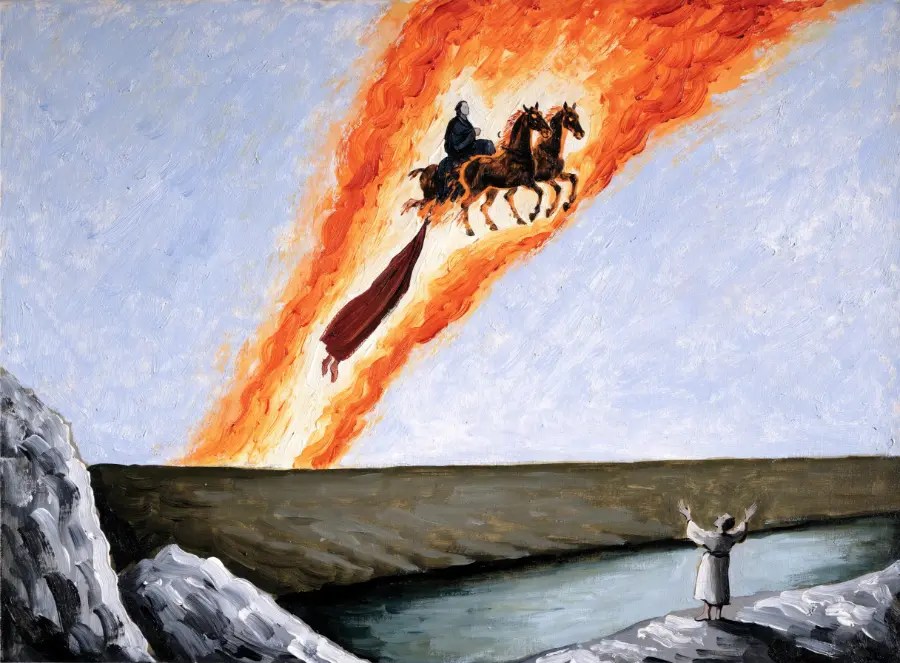
1 John 4:8
“Anyone who does not love does not know God, because God is love.”
Reflection: John says “God is love” twice in this chapter (4:8, 16). He also writes “God is light” (1:5), but love is the word he keeps returning to, and he ties knowing God to loving others.
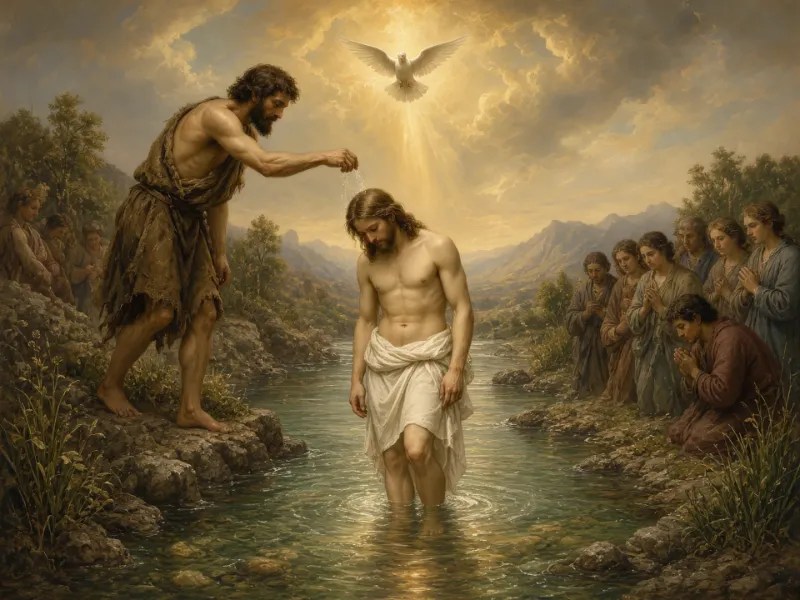
1 John 4:9-10
“In this the love of God was made manifest among us, that God sent his only Son into the world, so that we might live through him. In this is love, not that we have loved God but that he loved us.”
Reflection: John places the origin of love with God: “not that we have loved God but that he loved us.” It is his second definition of love, alongside 3:16.
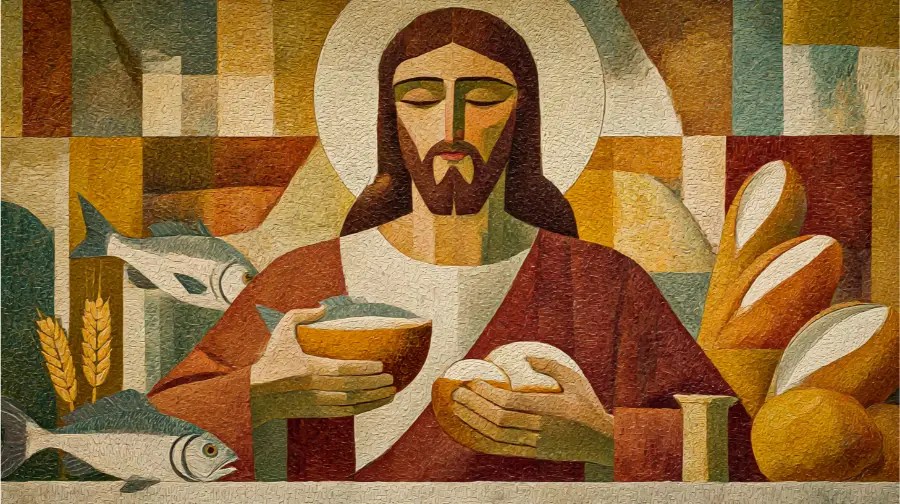
Romans 5:8
“But God shows his love for us in that while we were still sinners, Christ died for us.”
Reflection: Paul marks the timing: Christ died while we were still sinners, before any change or request.

John 3:16
“For God so loved the world, that he gave his only Son, that whoever believes in him should not perish but have eternal life.”
Reflection: The main verb is “gave.” Love is measured here by what the giver gave up.

1 John 4:19
“We love because he first loved us.”
Reflection: Love is a response: people love because God loved them first.
What it is

1 John 3:16
“By this we know love, that he laid down his life for us, and we ought to lay down our lives for the brothers.”
Reflection: The definition and the obligation are in the same verse. The act that defines love, the cross, is also the pattern for how believers are to love one another.
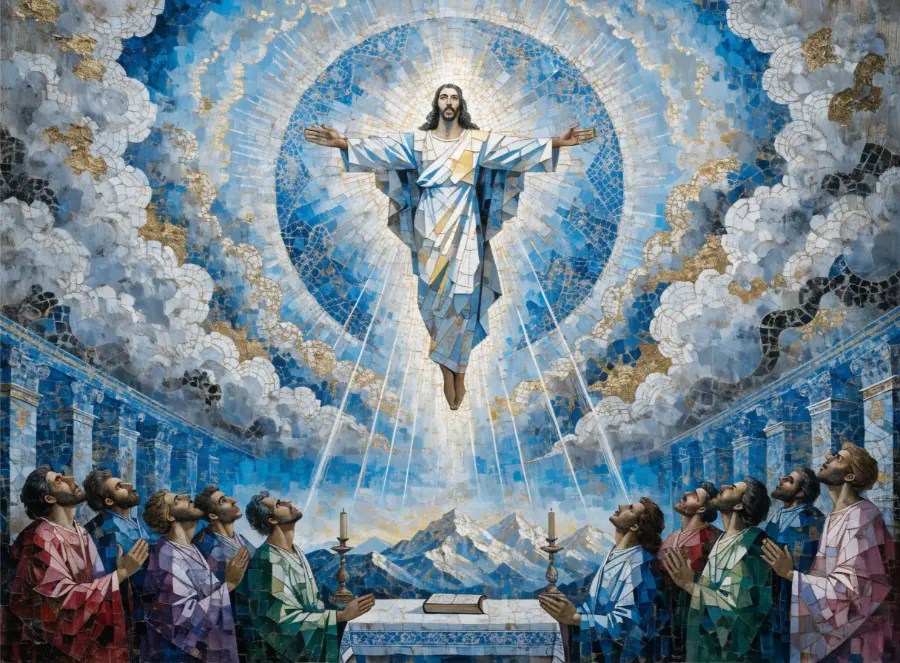
John 15:13
“Greater love has no one than this, that someone lay down his life for his friends.”
Reflection: Jesus says this at the Last Supper, the night before his death, and in the next verse he calls his disciples “my friends” (15:14).
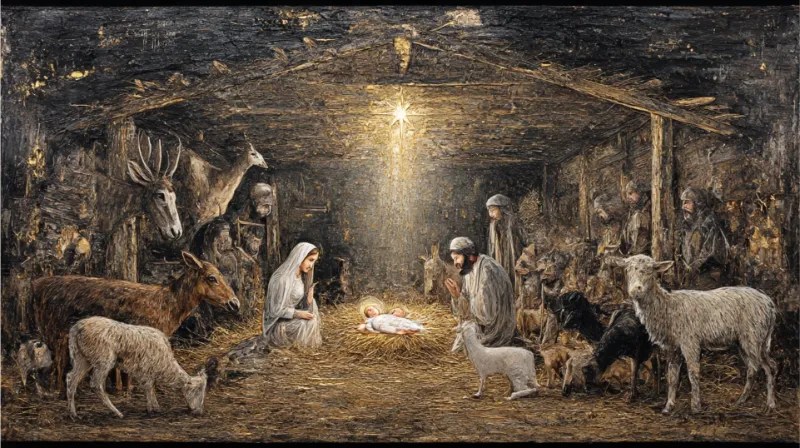
1 Corinthians 13:4-7
“Love is patient and kind; love does not envy or boast; it is not arrogant or rude. It does not insist on its own way; it is not irritable or resentful; it does not rejoice at wrongdoing.”
Reflection: Paul wrote this to a church where members were taking each other to court (6:1) and the poor were humiliated at the Lord’s Supper (11:21-22). Every item on the list is a behavior, so each can be done by someone who does not feel like it.

1 Corinthians 13:8
“Love never ends. As for prophecies, they will pass away; as for tongues, they will cease; as for knowledge, it will pass away.”
Reflection: The Corinthians were competing over spiritual gifts (chapters 12 and 14). Paul says prophecy, tongues and knowledge will pass away, and love will not.

1 Corinthians 13:13
“So now faith, hope, and love abide, these three; but the greatest of these is love.”
Reflection: Faith, hope and love all abide, and Paul names love as the greatest of the three.
What is commanded
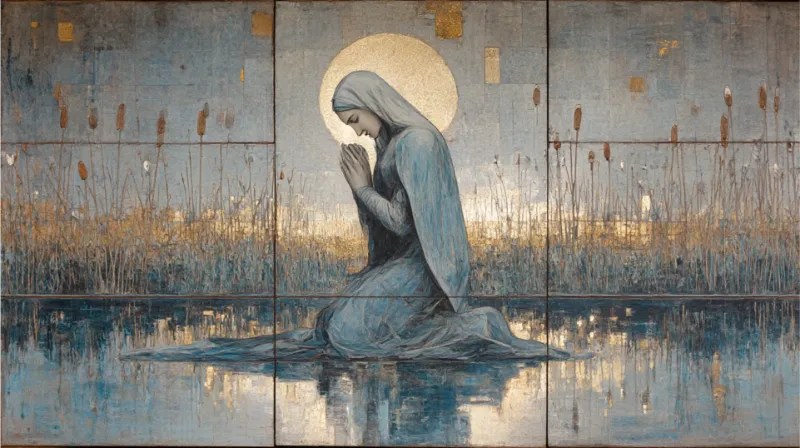
Matthew 22:37-38
“And he said to him, ‘You shall love the Lord your God with all your heart and with all your soul and with all your mind. This is the great and first commandment.’”
Reflection: Asked which commandment was greatest, Jesus quotes the Shema, the command Israel was told to talk of “when you lie down, and when you rise” (Deuteronomy 6:7).

Deuteronomy 6:5
“You shall love the Lord your God with all your heart and with all your soul and with all your might.”
Reflection: Heart, soul and might together leave no part of a person outside the command.

John 13:34-35
“A new commandment I give to you, that you love one another: just as I have loved you, you also are to love one another. By this all people will know that you are my disciples.”
Reflection: Loving one’s neighbor was already commanded in Leviticus 19:18. What is new is the measure, “just as I have loved you,” and the sign by which the disciples of Jesus would be recognized.
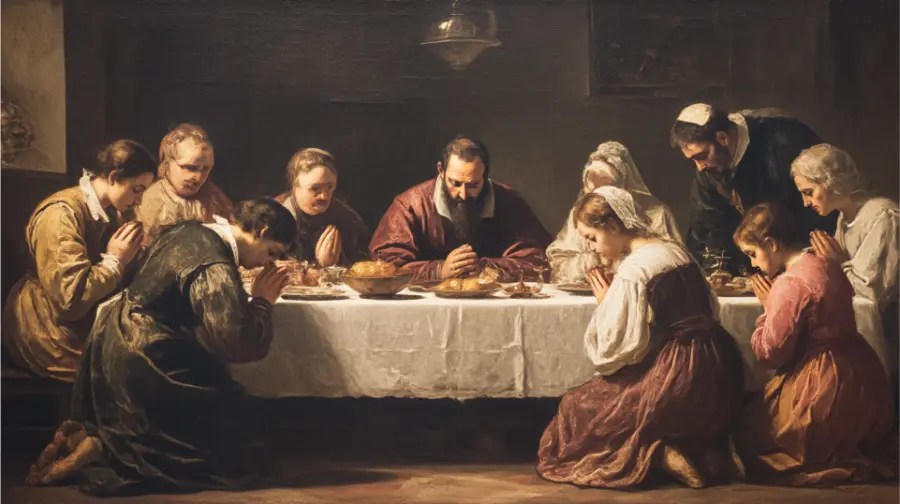
John 14:15
“If you love me, you will keep my commandments.”
Reflection: Jesus connects love and obedience in a single sentence.

1 John 5:3
“For this is the love of God, that we keep his commandments. And his commandments are not burdensome.”
Reflection: John defines love for God as keeping his commandments, and adds that they are not burdensome.
What it does between people
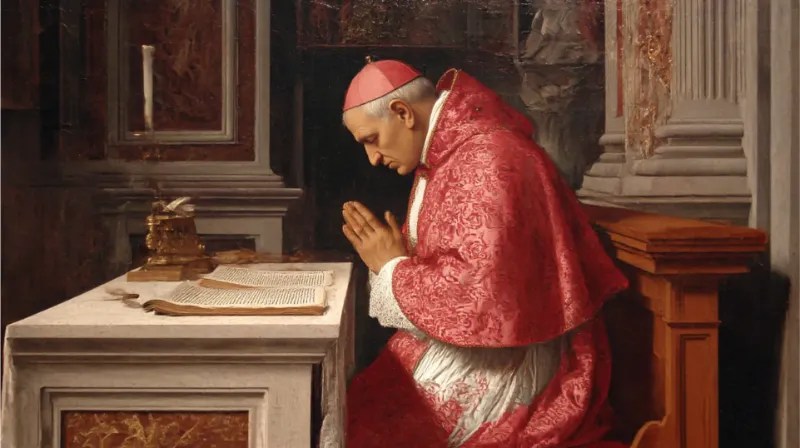
Colossians 3:13
“Bearing with one another and, if one has a complaint against another, forgiving each other; as the Lord has forgiven you, so you also must forgive.”
Reflection: “Bearing with one another” assumes there will be complaints in any shared life, and the instruction is to forgive as the Lord forgave. For words to pray for those you live with, there are prayers for family.

1 Peter 4:8
“Above all, keep loving one another earnestly, since love covers a multitude of sins.”
Reflection: Peter echoes Proverbs 10:12. Covering sins means declining to keep a record of them.
Ephesians 4:32
“Be kind to one another, tenderhearted, forgiving one another, as God in Christ forgave you.”
Reflection: The standard is what believers have already received: forgiveness from God in Christ.
1 John 4:12
“No one has ever seen God; if we love one another, God abides in us and his love is perfected in us.”
Reflection: No one has seen God, John says, yet when believers love one another, God abides in them and his love is perfected in them.
What to do with all this
If love were only a feeling, most of these instructions would be impossible, because a feeling cannot be commanded. Paul’s list in 1 Corinthians 13 would describe a temperament rather than instruct a quarreling church.
Because love is an action, these verses can be followed on an ordinary day: bearing with someone, declining to keep a record of wrongs, being kind before the feeling arrives. The feeling often follows later.
Falling in love in Genesis

Genesis 29:20
“So Jacob served seven years for Rachel, and they seemed to him but a few days because of the love he had for her.”
Reflection: Jacob had met Rachel at a well and “Jacob loved Rachel” (Genesis 29:18), so he offered Laban, her father, seven years of work for her. The narrator measures his love by how the time passed: the years felt like a few days. The story does not end there, because Laban brought Leah to him in Rachel’s place (Genesis 29:23-25), and Jacob “served Laban for another seven years” (Genesis 29:30).
Genesis 2:23
“Then the man said, ‘This at last is bone of my bones and flesh of my flesh; she shall be called Woman, because she was taken out of Man.’”
Reflection: The man speaks after God has made the woman from his rib and brought her to him (Genesis 2:21-22). “This at last” sets her apart from the animals he had just named, among whom no fitting helper was found.
The Song of Solomon: two people in love
Song of Solomon 2:16
“My beloved is mine, and I am his; he grazes among the lilies.”
Reflection: The woman says this of the man, and the claim runs both ways: he belongs to her, and she to him. It follows his invitation “Arise, my love, my beautiful one, and come away” (Song of Solomon 2:10, 13) and comes just before her call for him to “turn” to her “until the day breathes and the shadows flee” (Song of Solomon 2:17).
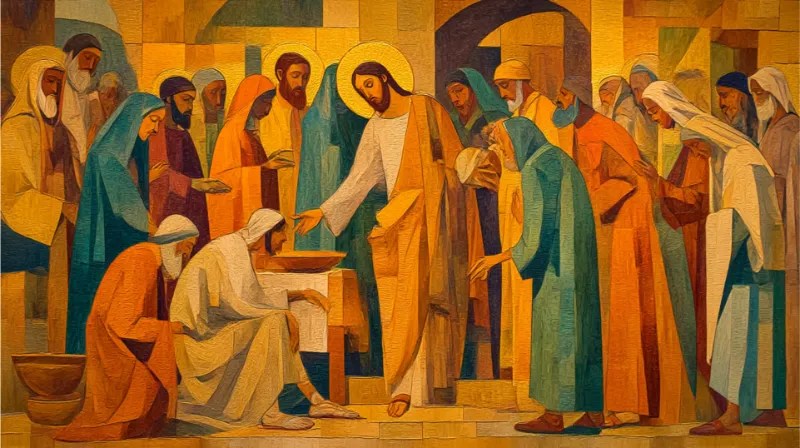
Song of Solomon 3:4
“Scarcely had I passed them when I found him whom my soul loves.”
Reflection: The woman tells of searching for him on her bed at night and then through the streets and squares of the city, asking the watchmen if they have seen him (Song of Solomon 3:1-3). When she finds him, she holds him and will not let him go until she has brought him into her mother’s house. The phrase “him whom my soul loves” comes four times in four verses.
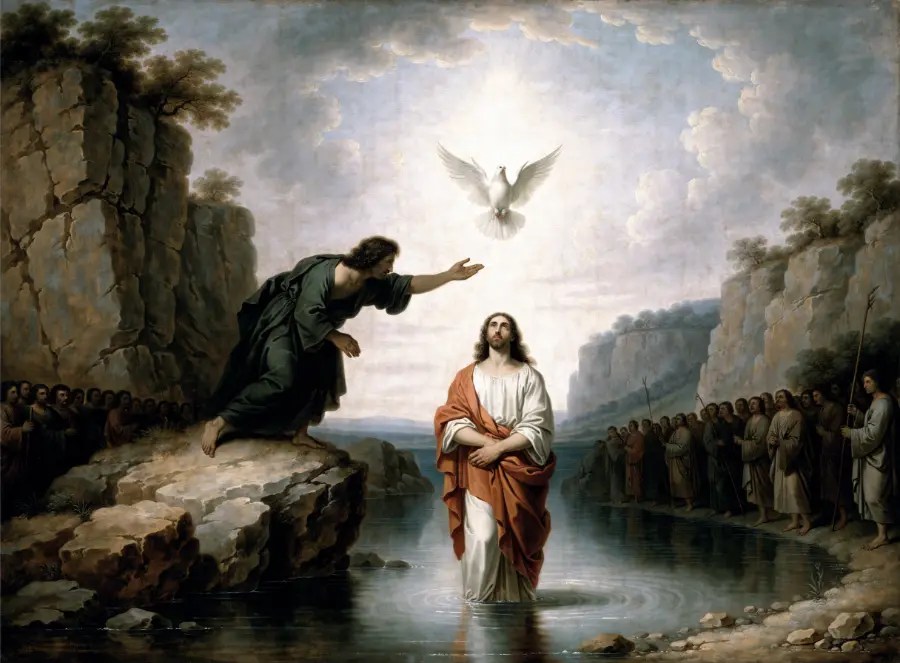
Song of Solomon 4:9
“You have captivated my heart, my sister, my bride; you have captivated my heart with one glance of your eyes, with one jewel of your necklace.”
Reflection: The man is speaking, and he calls her “my sister, my bride,” a pairing he repeats in the next verse: “How beautiful is your love, my sister, my bride! How much better is your love than wine.” A single glance and a single jewel are enough to take his heart.
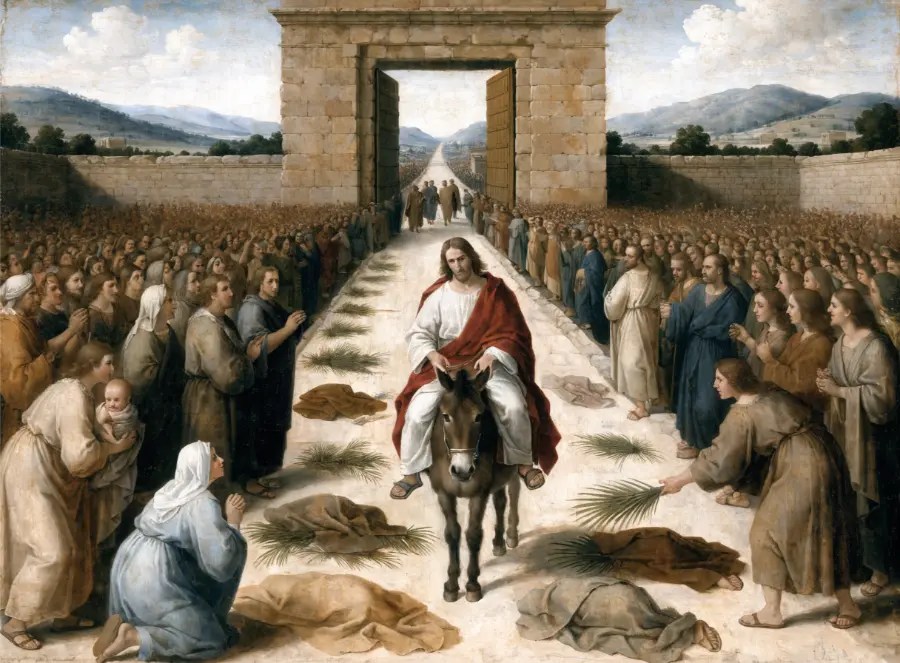
Song of Solomon 2:7
“I adjure you, O daughters of Jerusalem, by the gazelles or the does of the field, that you not stir up or awaken love until it pleases.”
Reflection: The woman charges the daughters of Jerusalem not to stir up love before its time. The same charge comes again at Song of Solomon 3:5 and 8:4, each time after the two lovers have been together. The Song describes desire without holding back, and it also tells the onlookers to wait for it.
How strong love is
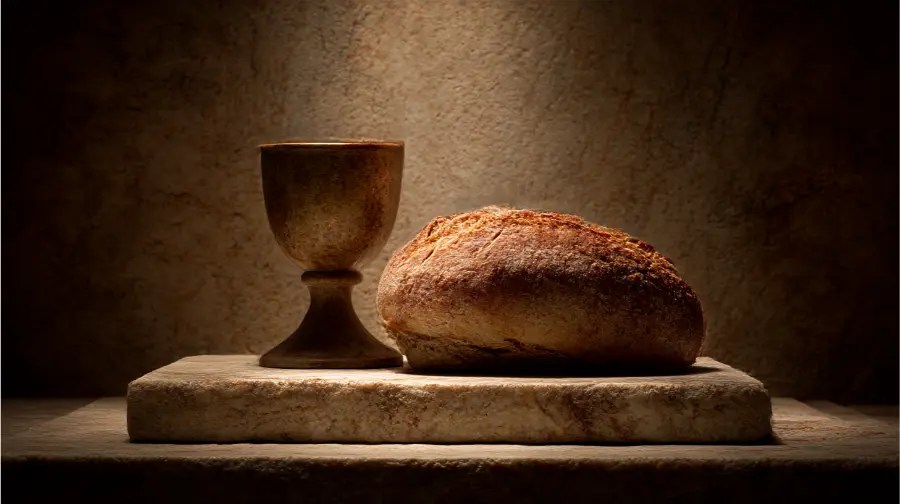
Song of Solomon 8:6
“Set me as a seal upon your heart, as a seal upon your arm, for love is strong as death, jealousy is fierce as the grave. Its flashes are flashes of fire, the very flame of the LORD.”
Reflection: A seal was pressed into clay or wax to mark something as its owner’s, and here the speaker asks to be set on the beloved’s heart and arm. Love is compared to death and jealousy to the grave. The last line calls its flashes “the very flame of the Lord.”
Song of Solomon 8:7
“Many waters cannot quench love, neither can floods drown it. If a man offered for love all the wealth of his house, he would be utterly despised.”
Reflection: The verse continues the claims of the one before: water cannot put love out, and money cannot buy it. Anyone who offered all the wealth of his house for love “would be utterly despised.”
Love that becomes a marriage
Genesis 2:24
“Therefore a man shall leave his father and his mother and hold fast to his wife, and they shall become one flesh.”
Reflection: The narrator draws a conclusion from the man’s words in the verse before: a man leaves his parents and holds fast to his wife. The next verse adds that “the man and his wife were both naked and were not ashamed.” Jesus quotes Genesis 2:24 in Mark 10:7-8, and Paul quotes it in Ephesians 5:31.
Mark 10:9
“What therefore God has joined together, let not man separate.”
Reflection: Pharisees asked Jesus whether a man may divorce his wife, to test him. He answered from Genesis, “God made them male and female” and “the two shall become one flesh,” and added, “So they are no longer two but one flesh.” The joining in this verse is God’s work, and Jesus says no person should undo it.

Proverbs 5:18-19
“Let your fountain be blessed, and rejoice in the wife of your youth, a lovely deer, a graceful doe. Let her breasts fill you at all times with delight; be intoxicated always in her love.”
Reflection: A father speaks to his son, and the passage around this verse warns against the “forbidden woman” (Proverbs 5:20). The answer it gives is delight in his own wife: he is told to rejoice in her and to be “intoxicated always in her love.” Proverbs 5:15 puts the same advice in a picture: “Drink water from your own cistern.”
Ephesians 5:25
“Husbands, love your wives, as Christ loved the church and gave himself up for her.”
Reflection: Paul gives husbands a measure for their love: Christ, who “gave himself up” for the church. A few verses later he tells them to love their wives “as their own bodies,” quotes Genesis 2:24, and says the mystery “refers to Christ and the church” (Ephesians 5:28-32). The passage ends with each husband loving his wife as himself and the wife respecting her husband (Ephesians 5:33).
Where love starts: God’s love for people
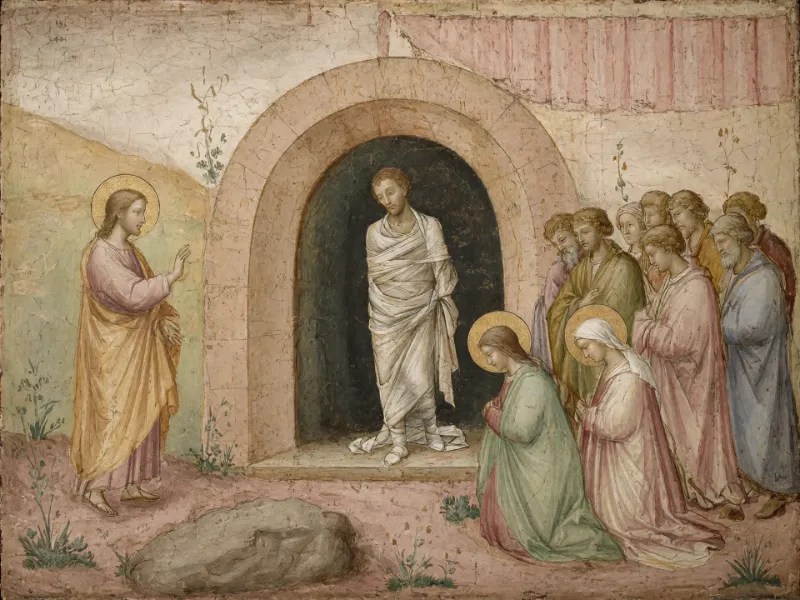
Deuteronomy 7:9
“Know therefore that the Lord your God is God; he is the faithful God, keeping his covenant of love to a thousand generations of those who love him and keep his commandments.”
Reflection: Moses tells Israel why God chose them: not for their numbers, “for you were the fewest of all peoples,” but “because the Lord loved you and kept the oath he swore to your ancestors” (verses 7-8). The “covenant of love” is love bound by a promise, kept “to a thousand generations” of those who love God and keep his commandments.
The commands to love

1 John 4:7-8
“Dear friends, let us love one another, for love comes from God. Everyone who loves has been born of God and knows God. Whoever does not love does not know God, because God is love.”
Reflection: The reason given for loving one another is where love comes from: “love comes from God.” The test in verse 8 runs the other way: a person who does not love “does not know God, because God is love.”

Galatians 5:13
“You, my brothers and sisters, were called to be free. But do not use your freedom to indulge the flesh; rather, serve one another humbly in love.”
Reflection: Paul tells the Galatians they were called to be free and then limits how that freedom is used: the alternative to indulging the flesh is to “serve one another humbly in love.” Verse 14 sums up the whole law in Leviticus 19:18, and verse 15 describes the opposite: “If you bite and devour each other, watch out or you will be destroyed by each other.”
What love does between people
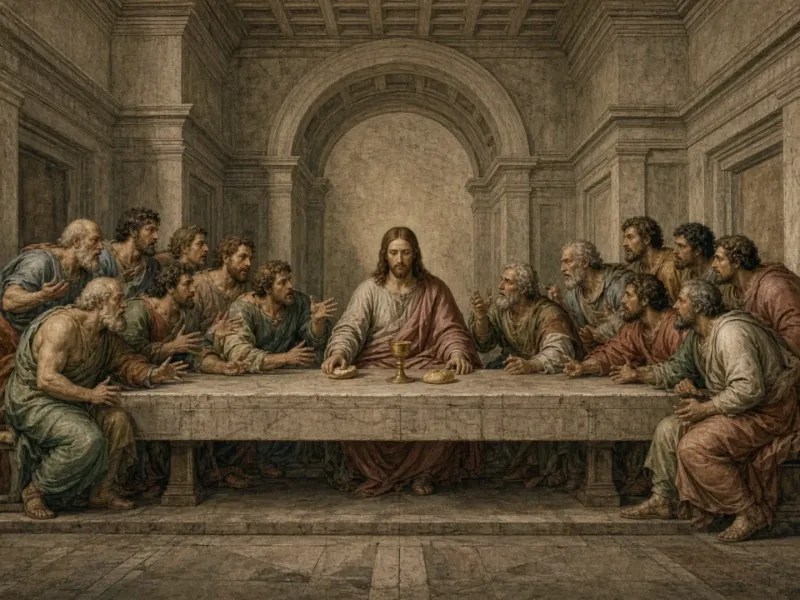
Romans 12:9-10
“Love must be sincere. Hate what is evil; cling to what is good. Be devoted to one another in love. Honor one another above yourselves.”
Reflection: These lines open a list of instructions to the church in Rome, after Paul has described its members as one body in which “each member belongs to all the others” (verse 5). “Love must be sincere” is followed at once by “Hate what is evil; cling to what is good.” Verse 13 adds sharing with those in need and practising hospitality.
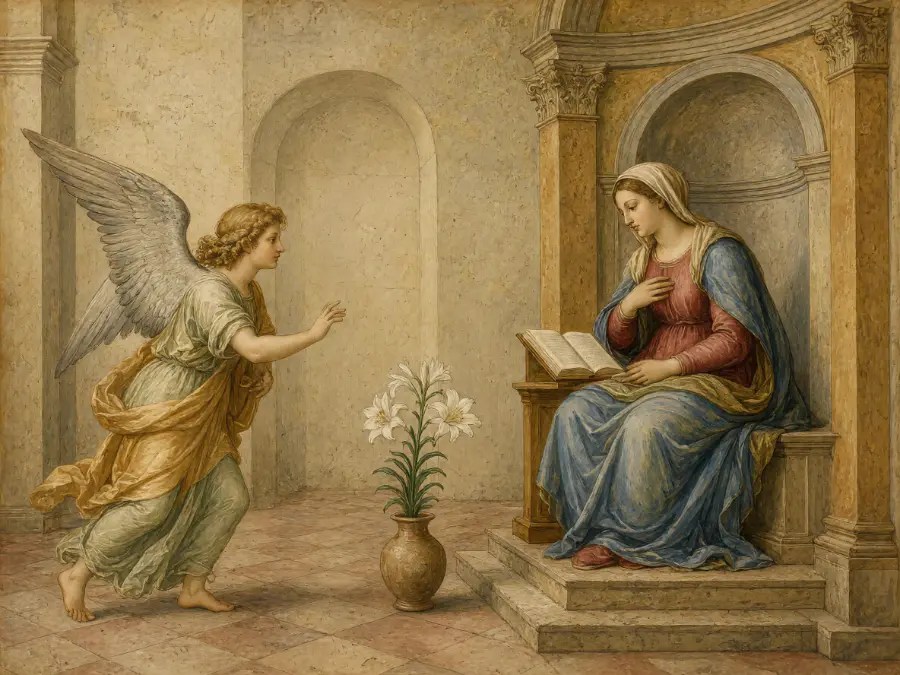
1 John 3:18
“Dear children, let us not love with words or speech but with actions and in truth.”
Reflection: Verse 16 gives the pattern: “Jesus Christ laid down his life for us. And we ought to lay down our lives for our brothers and sisters.” Verse 17 gives an everyday case, a person with possessions who sees a brother or sister in need and has no pity. Love “with words or speech” is set against love “with actions and in truth.”

Colossians 3:14
“And over all these virtues put on love, which binds them all together in perfect unity.”
Reflection: Verses 12-13 list what God’s people, “holy and dearly loved,” are to put on like clothing: compassion, kindness, humility, gentleness, patience, and forgiveness “as the Lord forgave you.” Love is put on “over all these virtues,” as the one that “binds them all together in perfect unity.”
Love in marriage
Proverbs 31:10
“A wife of noble character who can find? She is worth far more than rubies.”
Reflection: The question opens the poem that closes the book of Proverbs, describing the wife it asks about. Her husband “has full confidence in her,” and she “brings him good, not harm, all the days of her life” (verses 11-12). Near its end the poem says what to value in her: “Charm is deceptive, and beauty is fleeting; but a woman who fears the Lord is to be praised” (verse 30).

Song of Songs 8:6-7
“Place me like a seal over your heart, like a seal on your arm; for love is as strong as death, its jealousy unyielding as the grave. It burns like blazing fire, like a mighty flame. Many waters cannot quench love; rivers cannot sweep it away. If one were to give all the wealth of one’s house for love, it would be utterly scorned.”
Reflection: In the NIV’s speaker headings, these are the woman’s words to the man she loves, near the end of a book of love poetry between the two. She asks to be set like a seal on his heart and arm, and compares love’s strength to death and the grave. No flood can put it out, and no fortune can buy it.
Friends, family and community
Proverbs 17:17
“A friend loves at all times, and a brother is born for a time of adversity.”
Reflection: The proverb sets friendship and kinship side by side. The friend’s love holds “at all times,” and the brother’s place is “a time of adversity.”
Ecclesiastes 4:9-10
“Two are better than one, because they have a good return for their labor: If either of them falls down, one can help the other up. But pity anyone who falls and has no one to help them up.”
Reflection: The Teacher writes these lines just after describing a man “all alone” with “neither son nor brother,” who asks, “For whom am I toiling?” (verses 7-8). The benefits of two are practical: help up after a fall, warmth at night and defence against attack, and the passage ends, “A cord of three strands is not quickly broken” (verse 12).

Psalm 133:1
“How good and pleasant it is when God’s people live together in unity!”
Reflection: The heading calls the psalm a song of ascents, of David. It compares God’s people living in unity to the anointing oil running down Aaron’s beard and to the dew of Hermon falling on Mount Zion, and ends, “For there the Lord bestows his blessing, even life forevermore.”


Leave a Reply