
 English
 Chinese
 Dutch
 Arabic
 Spanish
 Portuguese
 Russian
 French
 Italian
 German
 Japanese
The Bible presents the land as a gift promised to Abraham’s descendants, held on God’s terms and lost in exile when those terms were broken. The promise runs from Genesis 12:1-3 and 15:18 through the law’s statement that “the land is mine” (Leviticus 25:23).
Second Chronicles 7 ties the people’s hold on the land to their faithfulness, Psalm 137 and Jeremiah 29 speak from exile in Babylon, and the prophets look ahead to a Jerusalem where “nation will not take up sword against nation” (Isaiah 2:4). The NIV does not use the name Palestine. Before Israel enters the land, Genesis calls it Canaan (Genesis 12:5; 17:8); afterwards it is “the land of Israel” (Ezekiel 37:12). Where the King James Version has “Palestina” (Exodus 15:14) and “Palestine” (Joel 3:4), the Hebrew is Pelesheth, Philistia, the territory of the Philistines, and the NIV translates it that way. The New Testament passages below take up the questions the land raises: who counts as Abraham’s offspring, and what Jesus said when asked about restoring the kingdom to Israel.
The promise of the land to Abraham
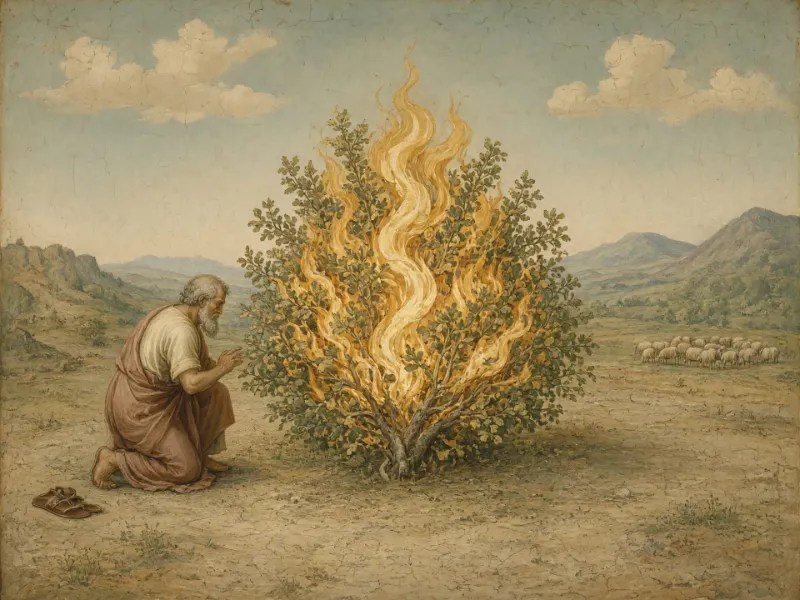
Genesis 12:1-3
“The Lord had said to Abram, ‘Go from your country, your people and your father’s household to the land I will show you. I will make you into a great nation, and I will bless you; I will make your name great, and you will be a blessing. I will bless those who bless you, and whoever curses you I will curse; and all peoples on earth will be blessed through you.’”
Reflection: God calls Abram away from his country and household “to the land I will show you” without yet naming it. Abram sets out from Harran at seventy-five and travels to Shechem, where the chapter notes that “the Canaanites were in the land” (12:6). There God adds the promise these verses leave open: “To your offspring I will give this land” (12:7). The blessing in verse 3 reaches beyond one people: “all peoples on earth will be blessed through you.”
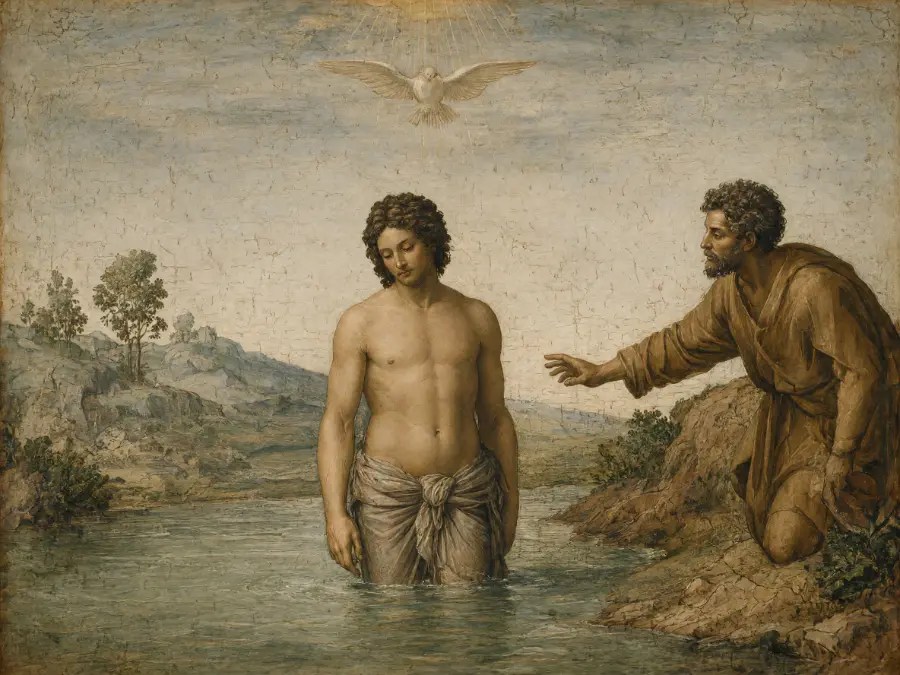
Genesis 15:18
“On that day the Lord made a covenant with Abram and said, ‘To your descendants I give this land, from the wadi of Egypt to the great river, the Euphrates.’”
Reflection: The covenant is made at sunset, when a smoking firepot and a blazing torch pass between the halves of Abram’s sacrifice (15:17). Just before it, God tells Abram that his descendants will be strangers and slaves in another country for four hundred years and will return “in the fourth generation,” because “the sin of the Amorites has not yet reached its full measure” (15:13-16). The verses after it list the peoples already living in the land, from the Kenites to the Jebusites (15:19-21).
Whose land it is, and on what terms
Leviticus 25:23
“The land must not be sold permanently, because the land is mine and you reside in my land as foreigners and strangers.”
Reflection: The law forbids selling land permanently and gives the reason in God’s own words: “the land is mine.” Israel holds it as “foreigners and strangers,” the same terms Abraham lived under when Genesis 17:8 calls Canaan the land “where you now reside as a foreigner.”
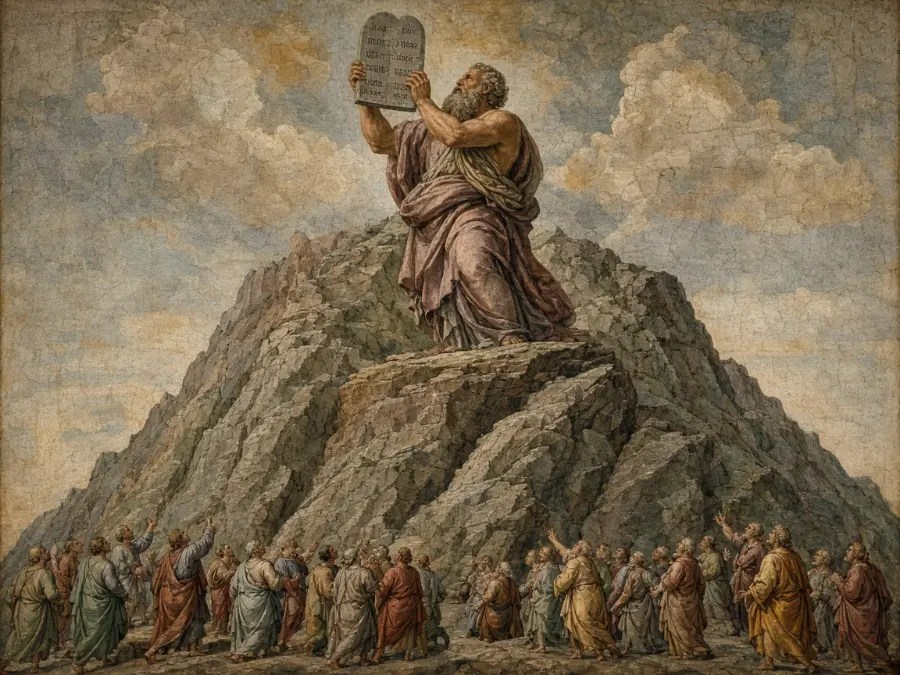
Deuteronomy 8:7-9
“For the Lord your God is bringing you into a good land—a land with brooks, streams, and deep springs gushing out into the valleys and hills; a land with wheat and barley, vines and fig trees, pomegranates, olive oil and honey; a land where bread will not be scarce and you will lack nothing.”
Reflection: The description is given to Israel before it enters the land: water from brooks and springs, wheat, barley, vines, figs, pomegranates, olive oil and honey, and, in the rest of verse 9, iron and copper in the hills. The next verse says what is to follow eating: “When you have eaten and are satisfied, praise the Lord your God for the good land he has given you” (8:10).
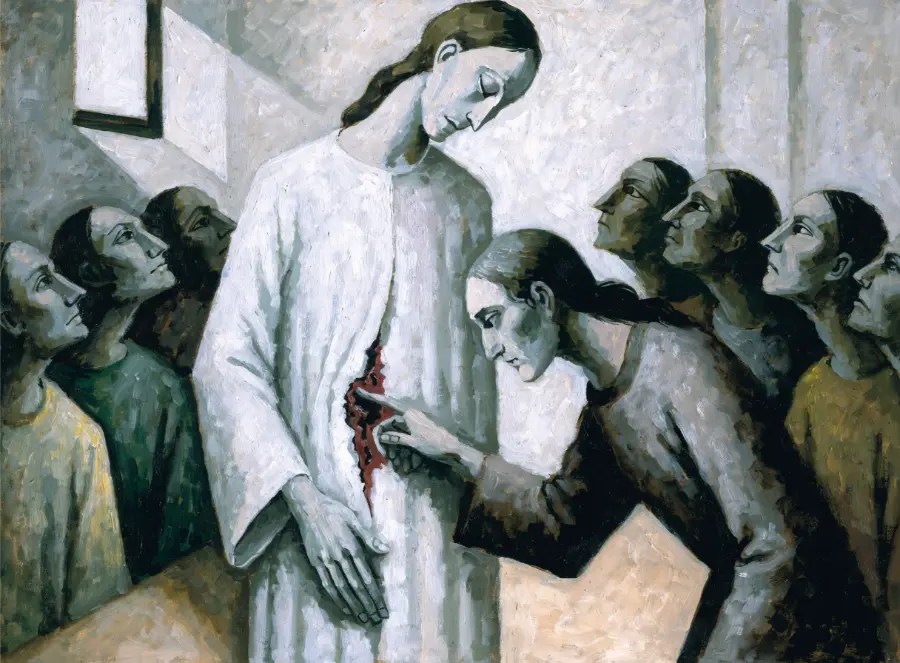
2 Chronicles 7:14
“if my people, who are called by my name, will humble themselves and pray and seek my face and turn from their wicked ways, then I will hear from heaven, and I will forgive their sin and will heal their land.”
Reflection: God appears to Solomon at night after the temple is finished, answering his prayer of dedication (7:11-12). The promise is set against drought, locusts and plague (7:13), and “heal their land” means the land of Israel. The same speech warns that if the people turn to other gods, “I will uproot Israel from my land, which I have given them” (7:19-20).
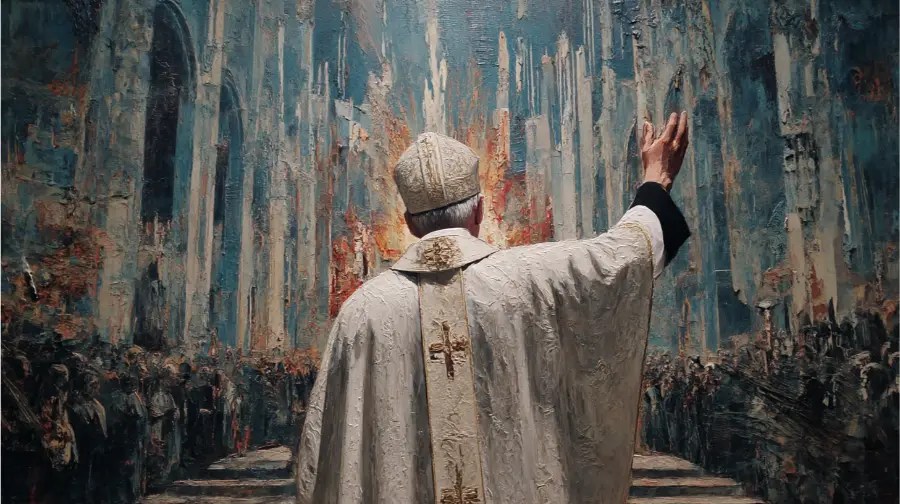
Ezekiel 47:22
“You are to allot it as an inheritance for yourselves and for the foreigners residing among you and who have children. You are to consider them as native-born Israelites; along with you they are to be allotted an inheritance among the tribes of Israel.”
Reflection: In the division of the land among the tribes at the end of Ezekiel, foreigners who live among Israel and have children receive an inheritance with them and are counted “as native-born Israelites.” The next verse gives them their share in whatever tribe they live (47:23). Leviticus 19:34 gives the reason for treating the foreigner as native-born: “for you were foreigners in Egypt.”
Exile from the land

Psalm 137:1-4
“By the rivers of Babylon we sat and wept when we remembered Zion. There on the poplars we hung our harps, for there our captors asked us for songs, our tormentors demanded songs of joy; they said, ‘Sing us one of the songs of Zion!’ How can we sing the songs of the Lord while in a foreign land?”
Reflection: The singers are captives in Babylon, mocked by guards who ask for “songs of Zion.” The psalm goes on to an oath never to forget Jerusalem (137:5-6), a plea that the Lord remember what Edom did when the city fell (137:7), then a blessing on whoever repays Babylon, ending with the line about infants dashed against the rocks (137:8-9). It records the grief of exile without softening the anger that came with it.
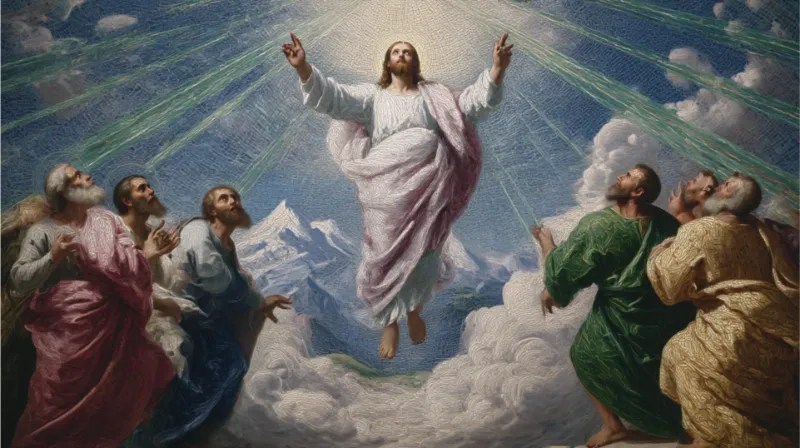
Jeremiah 29:7
“Also, seek the peace and prosperity of the city to which I have carried you into exile. Pray to the Lord for it, because if it prospers, you too will prosper.”
Reflection: The message goes to “all those I carried into exile from Jerusalem to Babylon” (29:4), and it tells them to build houses, plant gardens and raise families there before it tells them to pray for the city. Jeremiah warns them not to believe prophets promising a quick return (29:8-9). The return comes “when seventy years are completed for Babylon” (29:10), and verse 14 promises to gather them “from all the nations” and bring them back to the place they were taken from.
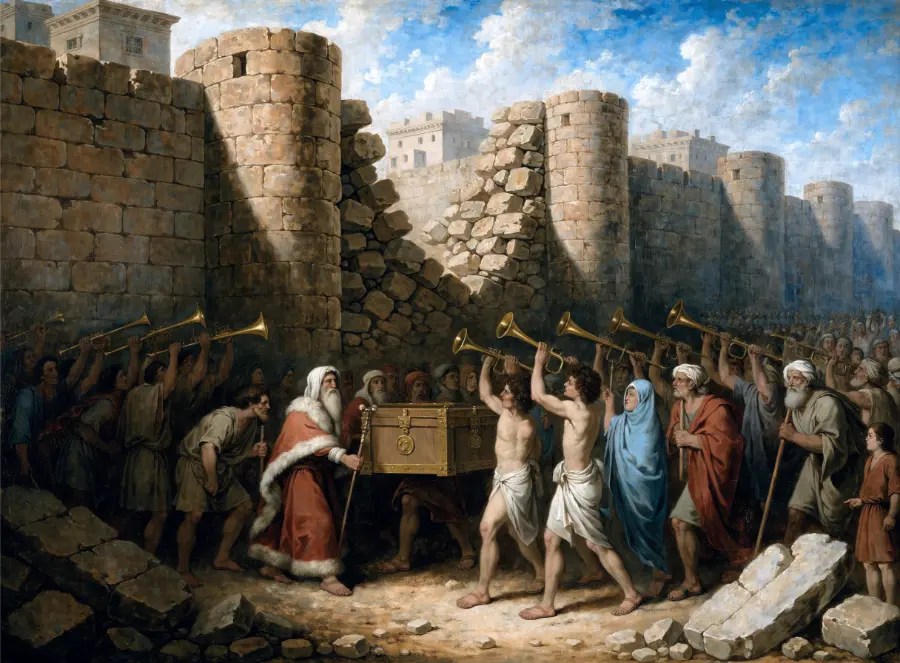
Ezekiel 37:11
“Then he said to me: ‘Son of man, these bones are the people of Israel. They say, “Our bones are dried up and our hope is gone; we are cut off.”‘”
Reflection: God explains the bones Ezekiel has just seen: they are “the people of Israel” in exile, saying their hope is gone. The answer in the next verses is a return to the land: “I will bring you back to the land of Israel” (37:12) and “I will put my Spirit in you and you will live, and I will settle you in your own land” (37:14).
Jerusalem in the prophets’ promises
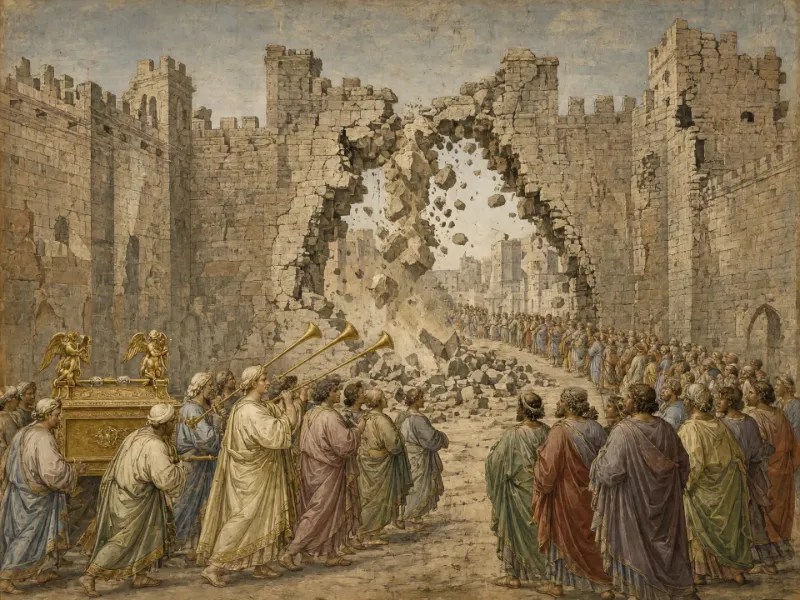
Zechariah 8:4-5
“This is what the Lord Almighty says: ‘Once again men and women of ripe old age will sit in the streets of Jerusalem, each of them with cane in hand because of their age. The city streets will be filled with boys and girls playing there.’”
Reflection: Old people resting in the streets and children playing there are the signs of a city at peace. The promise opens with “I will return to Zion and dwell in Jerusalem” (8:3), and verses 7-8 add that God will bring his people back “from the countries of the east and the west” to live there.
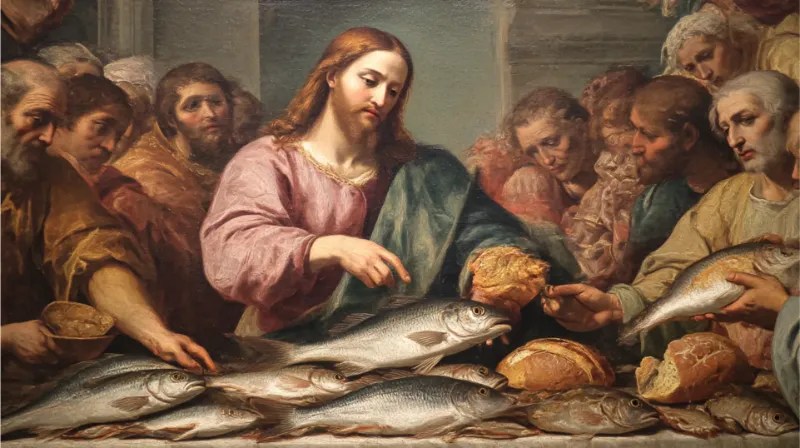
Isaiah 2:4
“He will judge between the nations and will settle disputes for many peoples. They will beat their swords into plowshares and their spears into pruning hooks. Nation will not take up sword against nation, nor will they train for war anymore.”
Reflection: Isaiah’s vision concerns “Judah and Jerusalem” (2:1): in the last days nations stream to the mountain of the Lord’s temple to be taught his ways, and “the word of the Lord” goes out from Jerusalem (2:2-3). The weapons are turned into farm tools after God judges between the nations, so the peace follows his settling of their disputes.
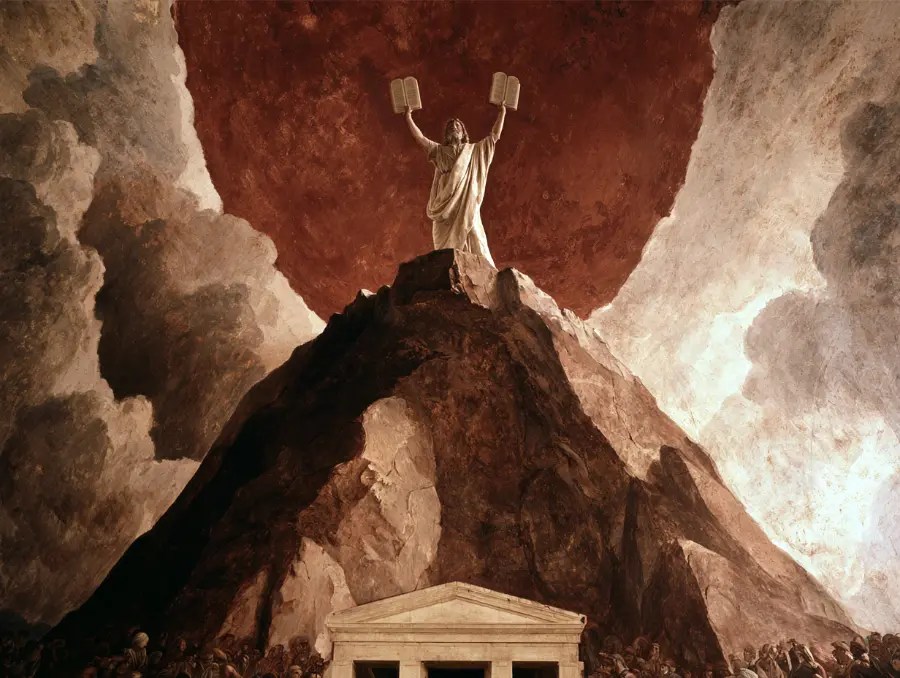
Micah 4:4
“Everyone will sit under their own vine and under their own fig tree, and no one will make them afraid, for the Lord Almighty has spoken.”
Reflection: Micah 4:1-3 repeats Isaiah 2:2-4 almost word for word, and Micah then adds this verse. Each household sits under its own vine and fig tree, and no one will make them afraid. The verse ends by grounding the promise in who said it: “for the Lord Almighty has spoken.”
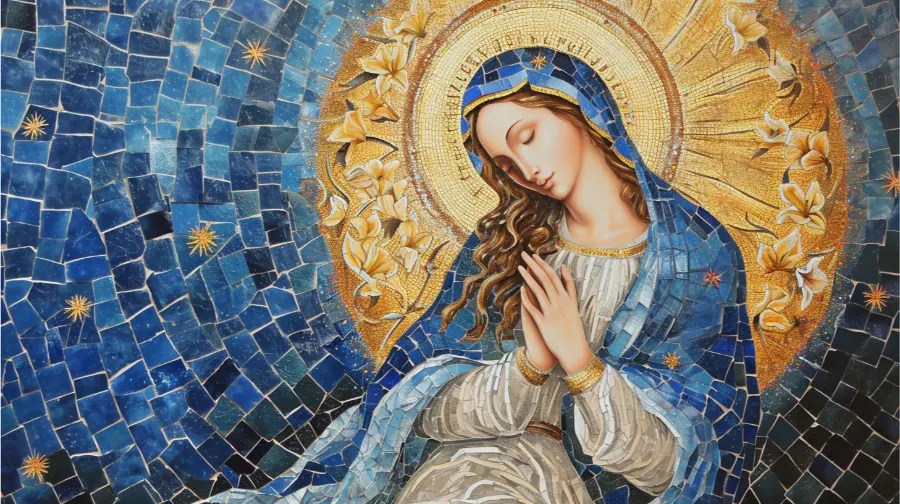
Isaiah 65:18-19
“But be glad and rejoice forever in what I will create, for I will create Jerusalem to be a delight and its people a joy. I will rejoice over Jerusalem and take delight in my people; the sound of weeping and of crying will be heard in it no more.”
Reflection: The Jerusalem here belongs to “new heavens and a new earth” (65:17). The verses that follow describe long lives, and people who build houses and plant vineyards and keep them: “No longer will they build houses and others live in them, or plant and others eat” (65:22). The chapter ends with wolf and lamb feeding together on God’s “holy mountain” (65:25).
The land and Israel in the New Testament
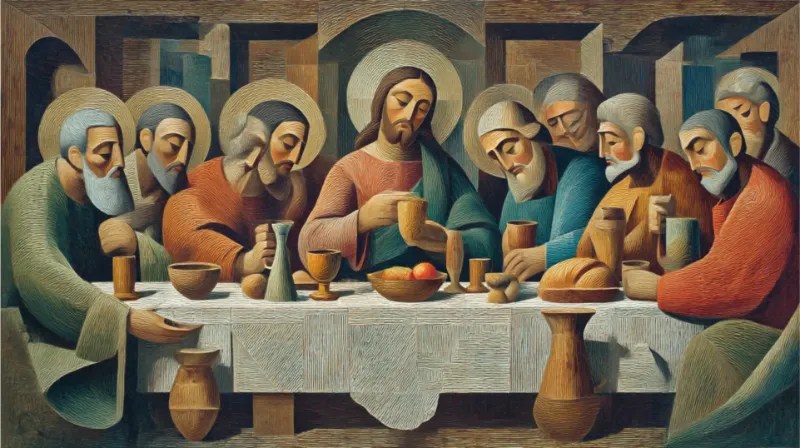
Matthew 5:5
“Blessed are the meek, for they will inherit the earth.”
Reflection: Jesus is quoting Psalm 37:11, which in the NIV reads “the meek will inherit the land and enjoy peace and prosperity.” The Greek word in Matthew, ge, can mean either earth or land, so the beatitude takes a psalm about the land and states it in words that can reach the whole earth.

Acts 1:6-7
“Then they gathered around him and asked him, ‘Lord, are you at this time going to restore the kingdom to Israel?’ He said to them: ‘It is not for you to know the times or dates the Father has set by his own authority.’”
Reflection: After the resurrection the disciples ask Jesus whether he will now restore the kingdom to Israel. He does not answer yes or no; he says the times are not theirs to know. Verse 8 sends them out instead: “you will be my witnesses in Jerusalem, and in all Judea and Samaria, and to the ends of the earth.”
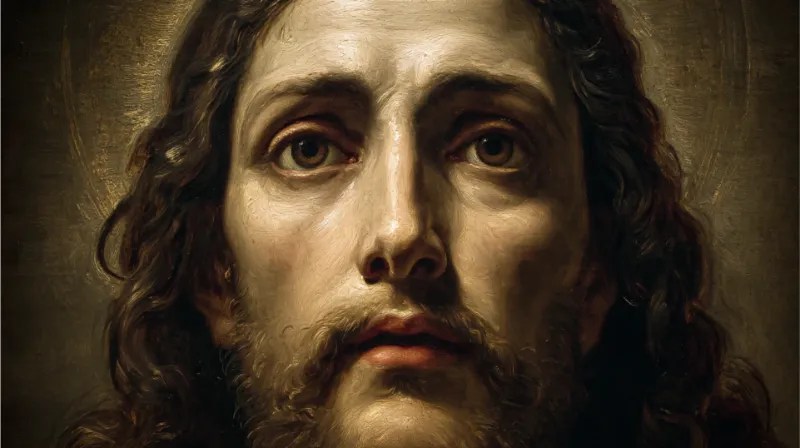
Romans 9:6-8
“It is not as though God’s word had failed. For not all who are descended from Israel are Israel. Nor because they are his descendants are they all Abraham’s children. On the contrary, ‘It is through Isaac that your offspring will be reckoned.’ In other words, it is not the children by physical descent who are God’s children, but it is the children of the promise who are regarded as Abraham’s offspring.”
Reflection: Paul writes this after saying he has “great sorrow and unceasing anguish” for “the people of Israel,” to whom belong “the covenants” and “the promises” (9:2-4). His claim is that God’s word has not failed because the promise was always carried through the line God chose. Two chapters later he asks, “Did God reject his people? By no means!” (11:1), and says of Israel, “As far as the gospel is concerned, they are enemies for your sake; but as far as election is concerned, they are loved on account of the patriarchs, for God’s gifts and his call are irrevocable” (11:28-29).
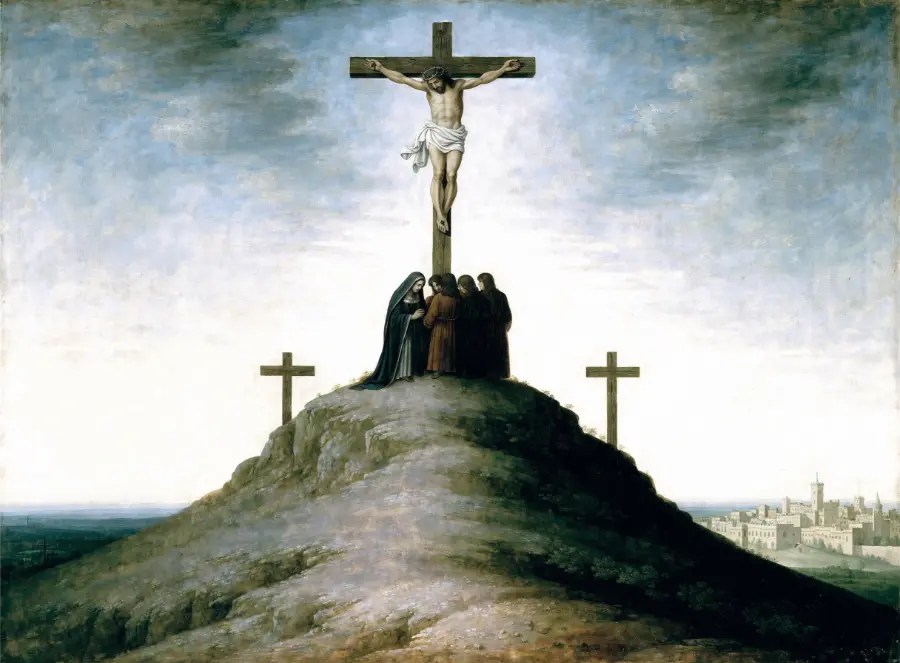
Galatians 3:28
“There is neither Jew nor Gentile, neither slave nor free, nor is there male and female, for you are all one in Christ Jesus.”
Reflection: The next verse draws the conclusion Paul is heading for: “If you belong to Christ, then you are Abraham’s seed, and heirs according to the promise” (3:29). Earlier in the chapter Paul names the promise in his own words: the blessing given to Abraham comes to the Gentiles “so that by faith we might receive the promise of the Spirit” (3:14).
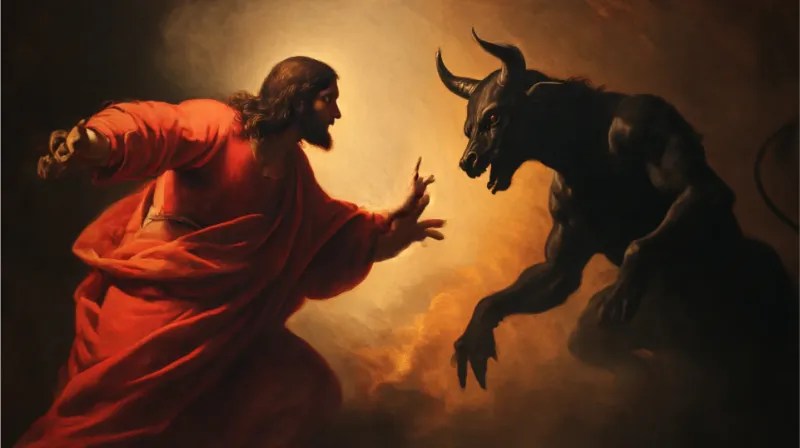
Ephesians 2:14-16
“For he himself is our peace, who has made the two groups one and has destroyed the barrier, the dividing wall of hostility, by setting aside in his flesh the law with its commands and regulations. His purpose was to create in himself one new humanity out of the two, thus making peace, and in one body to reconcile both of them to God through the cross, by which he put to death their hostility.”
Reflection: Paul is writing to Gentiles who were once “excluded from citizenship in Israel and foreigners to the covenants of the promise” (2:12). The barrier is “the dividing wall of hostility,” destroyed “by setting aside in his flesh the law with its commands and regulations.” The result, in verse 19, is that they are “no longer foreigners and strangers, but fellow citizens with God’s people.”
1 Peter 2:9
“But you are a chosen people, a royal priesthood, a holy nation, God’s special possession, that you may declare the praises of him who called you out of darkness into his wonderful light.”
Reflection: Peter gives his readers the titles God gave Israel at Sinai: “you will be my treasured possession… a kingdom of priests and a holy nation” (Exodus 19:5-6). Two verses later he calls the same readers “foreigners and exiles” (2:11), close to the “foreigners and strangers” of Leviticus 25:23.
The city still to come
Hebrews 11:9-10
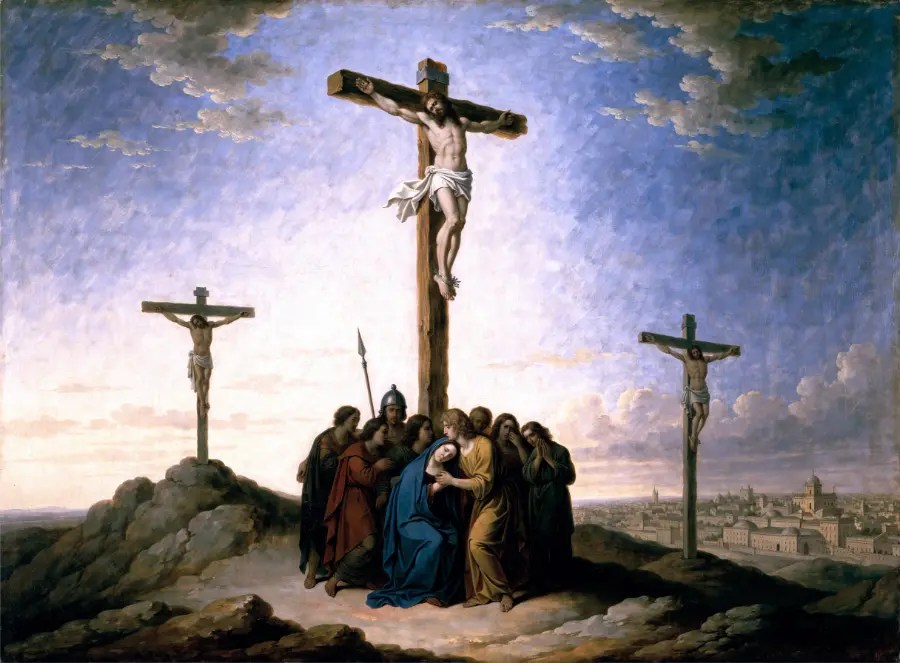
“By faith he made his home in the promised land like a stranger in a foreign country; he lived in tents, as did Isaac and Jacob, who were heirs with him of the same promise. For he was looking forward to the city with foundations, whose architect and builder is God.”
Reflection: Abraham lived in the promised land in tents, as a stranger, and the chapter says the patriarchs “did not receive the things promised” before they died (11:13). Hebrews reads their waiting as a longing “for a better country—a heavenly one” (11:16), and adds that God “has prepared a city for them.”
Hebrews 13:14
“For here we do not have an enduring city, but we are looking for the city that is to come.”
Reflection: The verse comes just after Hebrews says that “Jesus also suffered outside the city gate” (13:12), and calls readers to “go to him outside the camp.” The city outside whose gate he suffered is set against “the city that is to come.”
Revelation 21:2-3
“I saw the Holy City, the new Jerusalem, coming down out of heaven from God, prepared as a bride beautifully dressed for her husband. And I heard a loud voice from the throne saying, ‘Look! God’s dwelling place is now among the people, and he will dwell with them. They will be his people, and God himself will be with them and be their God.’”
Reflection: John sees the new Jerusalem come down from heaven within “a new heaven and a new earth” (21:1), the words of Isaiah 65:17. The voice from the throne repeats the covenant promise made to Israel, “They will be his people, and God himself will be with them and be their God,” and in 22:2 the leaves of the tree of life in the city are “for the healing of the nations.”
What the passages leave open
No passage in the Bible names the modern State of Israel or the Palestinian people, so questions about either come from reading these texts together. Genesis 17:8 calls the land “an everlasting possession,” while 2 Chronicles 7:19-20 warns that God “will uproot Israel from my land” if the people turn to other gods. Romans 11:29 says “God’s gifts and his call are irrevocable,” and Hebrews 11:16 says that those who died in faith were longing for “a better country—a heavenly one.”
When the disciples asked about the kingdom and Israel in Acts 1:6-7, Jesus answered that the times were not theirs to know. Leviticus 19:34 and Ezekiel 47:22 set the terms for the foreigner living in the land, and Isaiah 2:4 and Micah 4:4 describe its future as one in which no one trains for war and “no one will make them afraid.”


Leave a Reply