
 English
  Chinese
  Dutch
Dutch  Arabic
  Spanish
  Portuguese
  Russian
  French
  Italian
  German
  Japanese
 Thanksgiving in the Old Testament was an animal, brought to a priest and eaten the same day.
Leviticus 7:15 sets the rule: the meat of a fellowship offering of thanksgiving must be eaten on the day it is offered, and none of it left till morning. A man bringing one had to find enough people to help him finish it, so private relief became a shared meal before the sun went down. The seventeen verses below follow the forms thanks takes in Scripture: the offering, the music, the named thing, the named people, and the habit.
Thanks that cost something
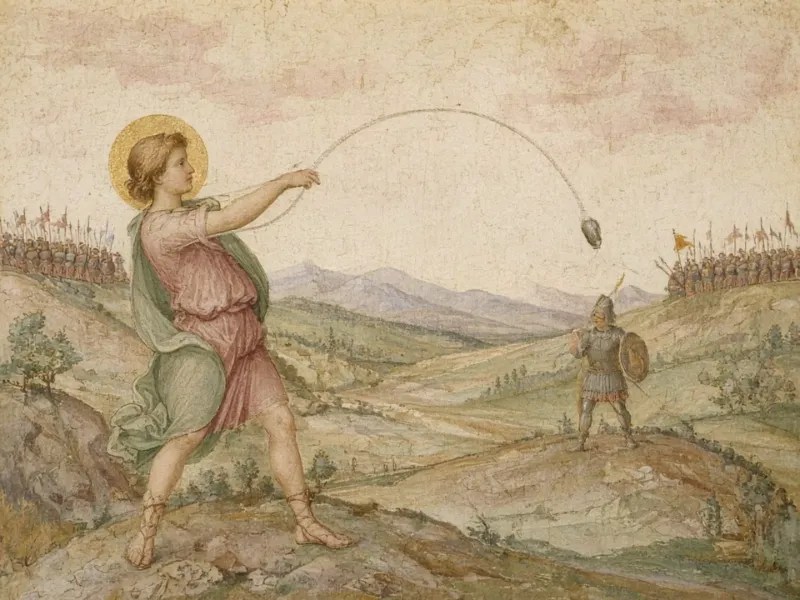
Jonah 2:9
“But I, with shouts of grateful praise, will sacrifice to you. What I have vowed I will make good.”
Reflection: What I have vowed I will make good is an undertaking rather than a feeling. He is committing himself to bring an offering to a temple he is a long way from, and he says it before the rescue.
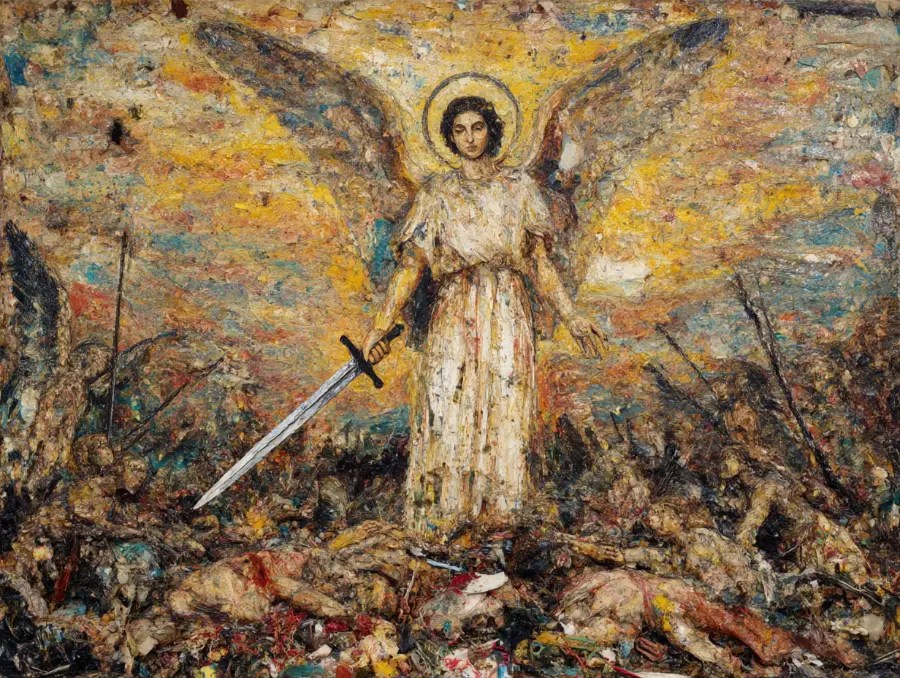
Hebrews 12:28
“Therefore, since we are receiving a kingdom that cannot be shaken, let us be thankful, and so worship God acceptably with reverence and awe.”
Reflection: The kingdom that cannot be shaken is set against everything the writer has just said will be shaken. Thankfulness is named as the method of worship rather than the mood around it.
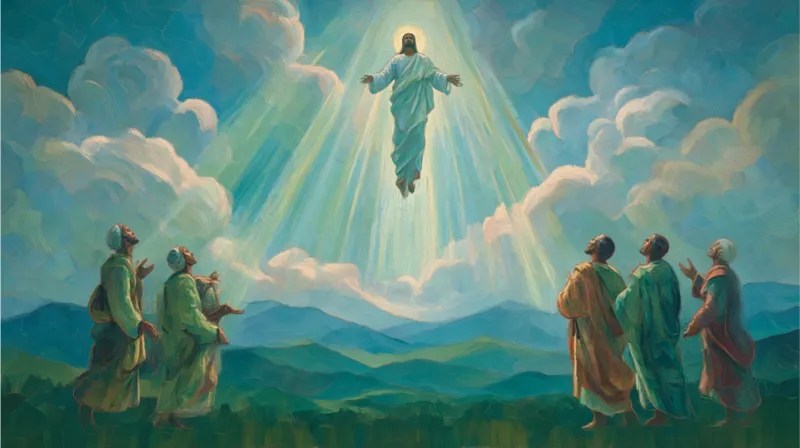
1 Timothy 4:4-5
“For everything God created is good, and nothing is to be rejected if it is received with thanksgiving.”
Reflection: The next clause names how it works: consecrated by the word of God and prayer. Something said over an ordinary meal is what changes its standing.
Thanks with instruments
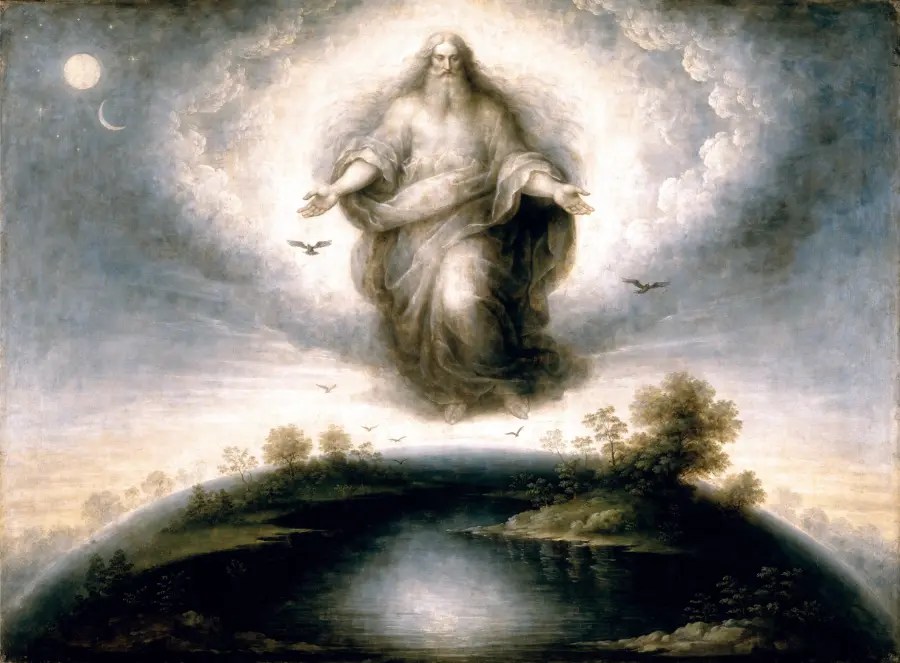
Psalm 92:1
“It is good to praise the Lord and make music to your name, O Most High.”
Reflection: The heading assigns this psalm to the Sabbath day, and the verse after it specifies morning and evening. The thanks has a time attached.
Psalm 69:30
“I will praise God’s name in song and glorify him with thanksgiving.”
Reflection: The verse after this says it will please the Lord more than an ox or a bull. The psalmist sets song against sacrifice and says the cheaper one is preferred.
Psalm 95:2
“Let us come before him with thanksgiving and extol him with music and song.”
Reflection: Come before him is a movement word, and the psalm has people walking somewhere before any singing starts. Two verses later it turns sharp: today, if you hear his voice, do not harden your hearts.
Thanks for a named thing
Daniel 2:23
“I thank and praise you, God of my ancestors: You have given me wisdom and power, you have made known to me what we asked of you.”
Reflection: Daniel names the exact item. He had asked for the content of a dream, been given it overnight, and the thanks specifies what arrived.
Psalm 28:7
“The Lord is my strength and my shield; in him my heart trusts, and I am helped.”
Reflection: Strength and shield are both borrowed, and David adds a third clause, I am helped, which is the only one about him.
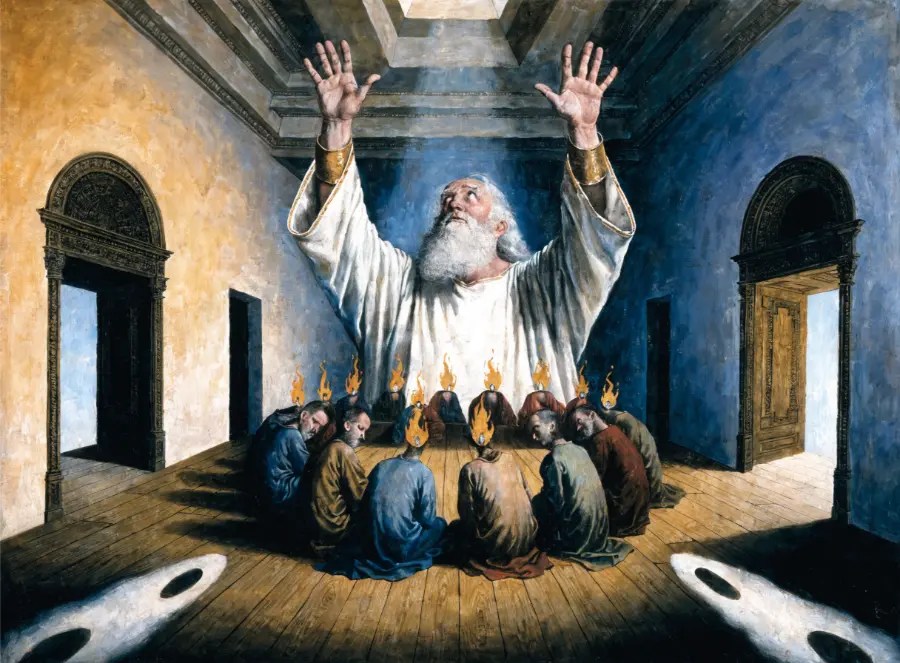
Psalm 7:17
“I will give thanks to the Lord because of his righteousness; I will sing the praises of the name of the Lord Most High.”
Reflection: Because of his righteousness. David is thanking God for a quality rather than an outcome, at the end of a psalm about being falsely accused in which nothing has been resolved.
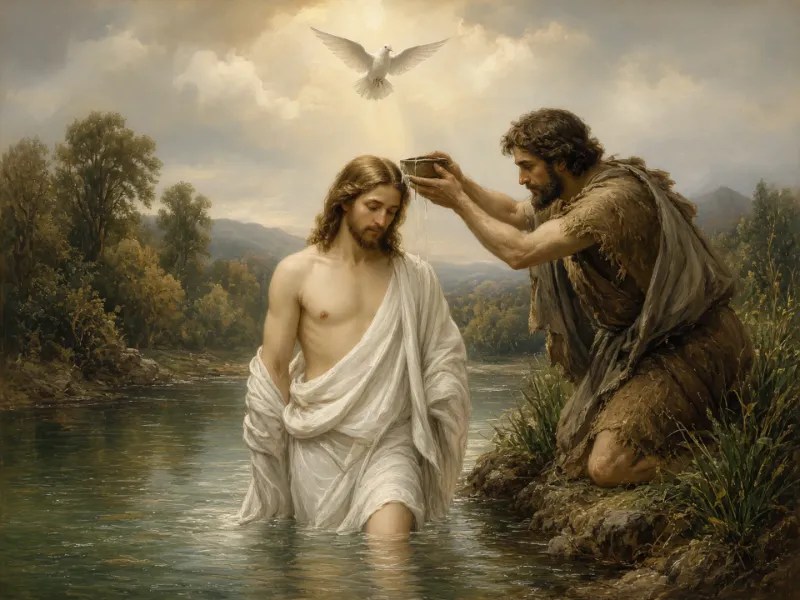
Luke 17:15-16
“One of them, when he saw he was healed, came back, praising God in a loud voice. He threw himself at Jesus’ feet and thanked him—and he was a Samaritan.”
Reflection: Ten were healed and one came back. Luke holds the man’s nationality to the end of the sentence, so the Samaritan is the last word.
Thanks for named people
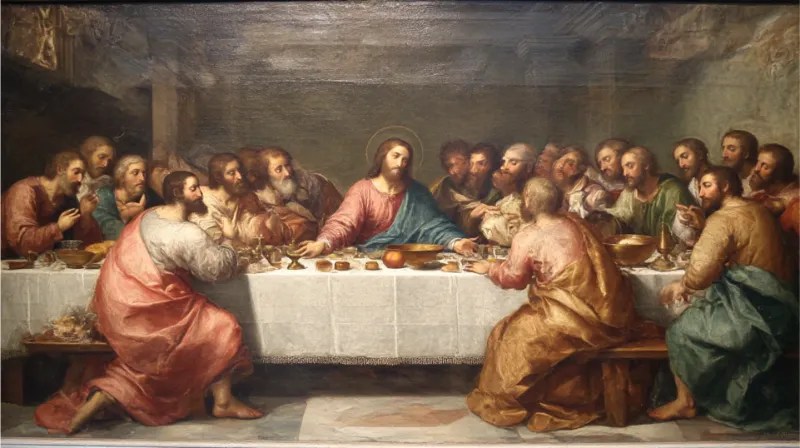
Philippians 1:3
“I thank my God every time I remember you.”
Reflection: Every time I remember you. Paul attaches thanksgiving to something involuntary, so it happens whenever they come to mind rather than when he sits down to it.
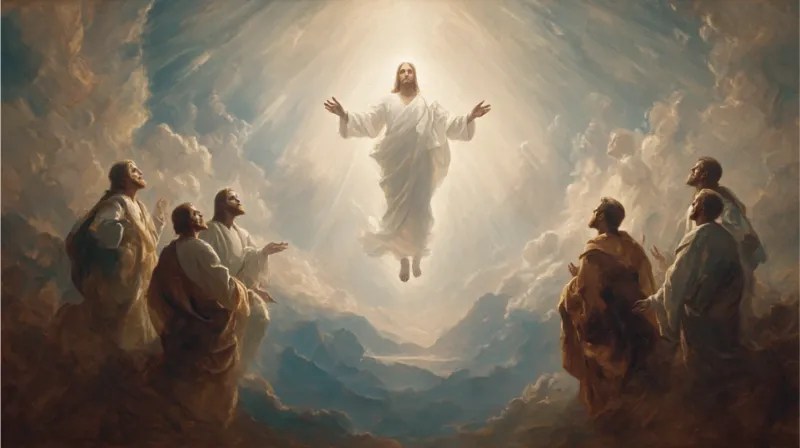
2 Corinthians 4:15
“All this is for your benefit, so that the grace that is reaching more and more people may cause thanksgiving to overflow to the glory of God.”
Reflection: Paul describes thanks as something that increases with the number of people involved. It is the one place he gives gratitude arithmetic.
Thanks as a habit
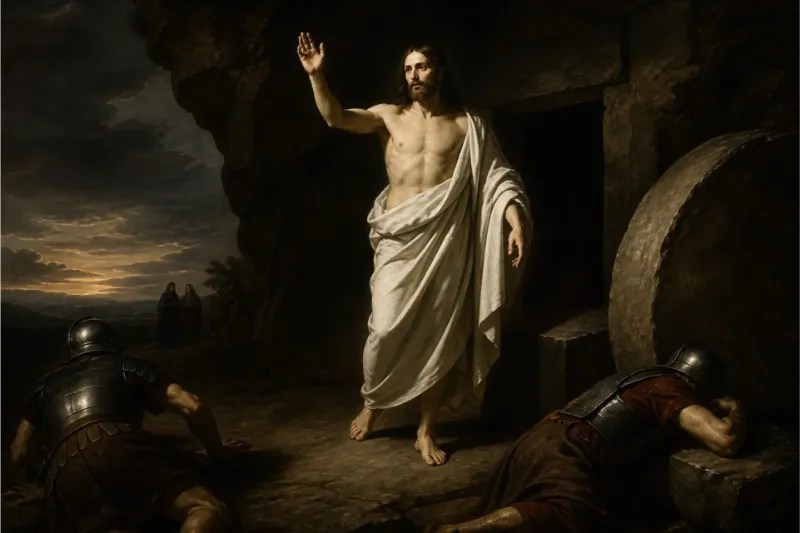
Colossians 4:2
“Devote yourselves to prayer, being watchful and thankful.”
Reflection: Devote yourselves is the instruction, and two things are attached to it: being watchful and being thankful. The second is usually the one left out.
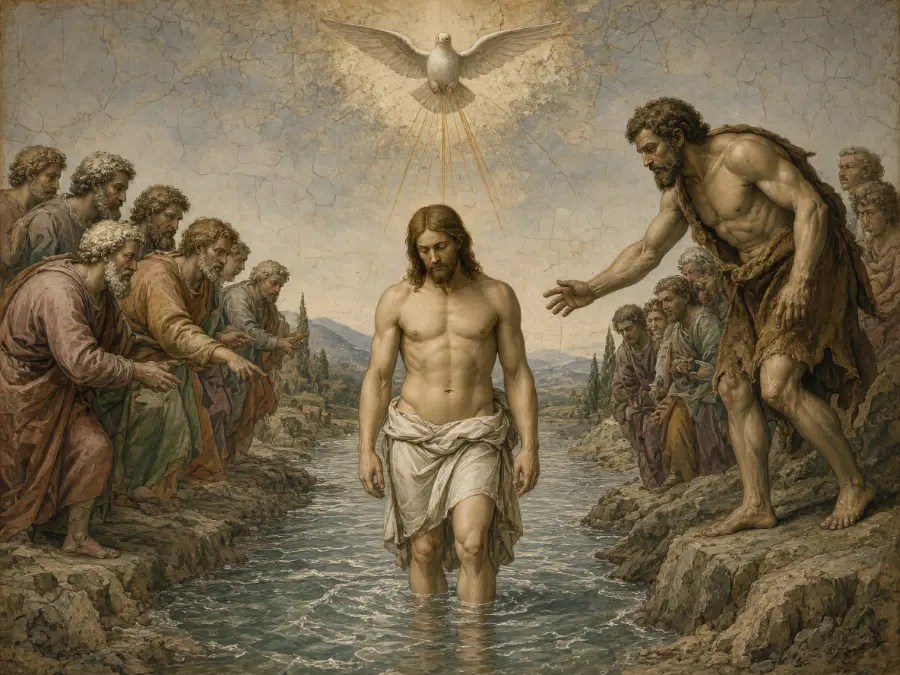
Colossians 2:6-7
“…rooted and built up in him, strengthened in the faith as you were taught, and overflowing with thankfulness.”
Reflection: Rooted is a farmer’s word and built up is a builder’s, and Paul puts them in the same sentence. Thankfulness comes last in the sequence, as what shows when the rest has worked.
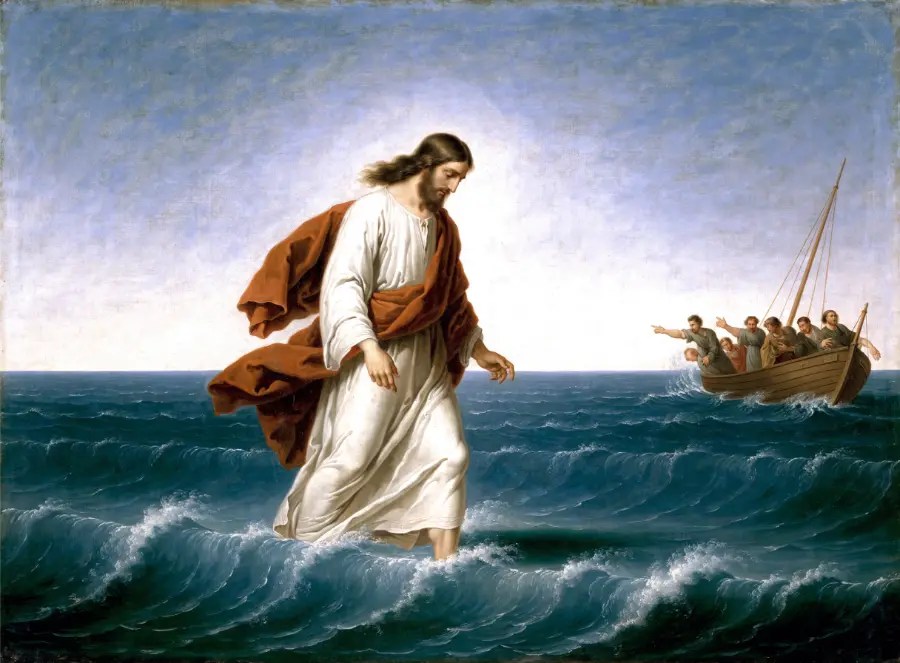
1 Thessalonians 5:18
“Give thanks in all circumstances; for this is God’s will for you in Christ Jesus.”
Reflection: In all circumstances, not for them. Paul narrows the addressee twice in half a line, which hands a general principle to particular people.
Thanks at the end of it
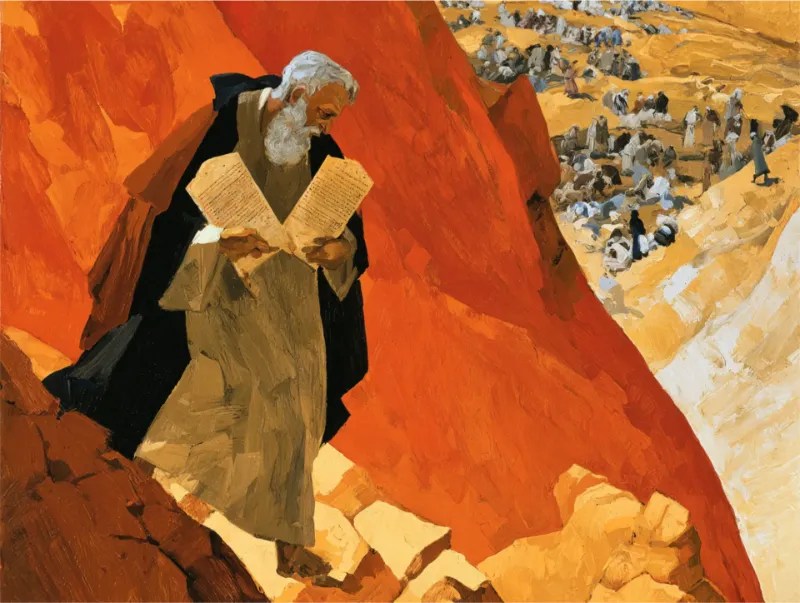
Psalm 100:4
“Enter his gates with thanksgiving and his courts with praise.”
Reflection: Two boundaries crossed in order, the gate first and then the court. Thanksgiving is what gets a person through the outer one.
Revelation 11:17
“We give thanks to you, Lord God Almighty, the One who is and who was, because you have taken your great power and have begun to reign.”
Reflection: The usual formula in this book is who is, who was, and who is to come (1:4). Here the third part is dropped, because what was coming has arrived.
What the forms are for
The forms give thanks somewhere to go. The thank offering had to be eaten the same day, so one man’s relief became a table of people helping him finish it. The psalms of thanks were written to be sung with instruments. Daniel names the item. Paul names people.
None of it asks anybody to feel more thankful. It asks for something said, to somebody, about a particular thing, and usually with other people in the room. For the related material, see Bible verses about gratefulness.


Leave a Reply