
 English
 Chinese
 Dutch
 Arabic
 Spanish
 Portuguese
 Russian
 French
 Italian
 German
 Japanese
In the Bible, the heart is the inner person, where people think, choose, trust and love. Proverbs 4:23 calls it the source of everything a person does, and Jeremiah 17:9 calls it deceitful above all things. Psalm 51:10 asks God for a pure heart, and Ezekiel 36:26 promises a heart of flesh in place of a heart of stone.
Strong’s defines the Hebrew word lev as “inner man, mind, will, heart”, and the NASB sometimes translates the Greek kardia as “mind”.
Where thinking and action start

Proverbs 4:23
“Above all else, guard your heart, for everything you do flows from it.”
Reflection: A father is speaking to his son: “My son, pay attention to what I say” (4:20). Two verses earlier he tells him to keep his father’s words “within your heart” (4:21), and the verses after move outward to the mouth, the eyes and the feet: “Keep your mouth free of perversity” and “Give careful thought to the paths for your feet” (4:24-26).

Proverbs 23:26
“My son, give me your heart and let your eyes delight in my ways.”
Reflection: The NIV heads this “Saying 18”, and it is again addressed to “My son”. The request pairs the heart with the eyes, and the next verse gives the reason: “for an adulterous woman is a deep pit, and a wayward wife is a narrow well.”
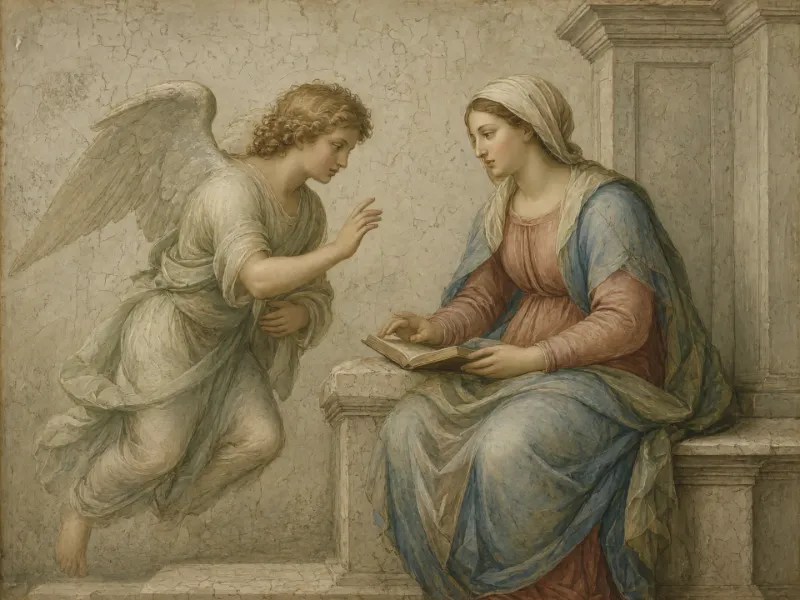
Matthew 15:18-19
“But the things that come out of a person’s mouth come from the heart, and these defile them. For out of the heart come evil thoughts—murder, adultery, sexual immorality, theft, false testimony, slander.”
Reflection: Pharisees and teachers of the law from Jerusalem had asked why the disciples ate without washing their hands (15:2). Jesus answered with Isaiah: “These people honor me with their lips, but their hearts are far from me” (15:8). When Peter asked him to explain, he said food goes into the stomach and out of the body, while the evil in this list comes from the heart, and he ended, “eating with unwashed hands does not defile them” (15:20).
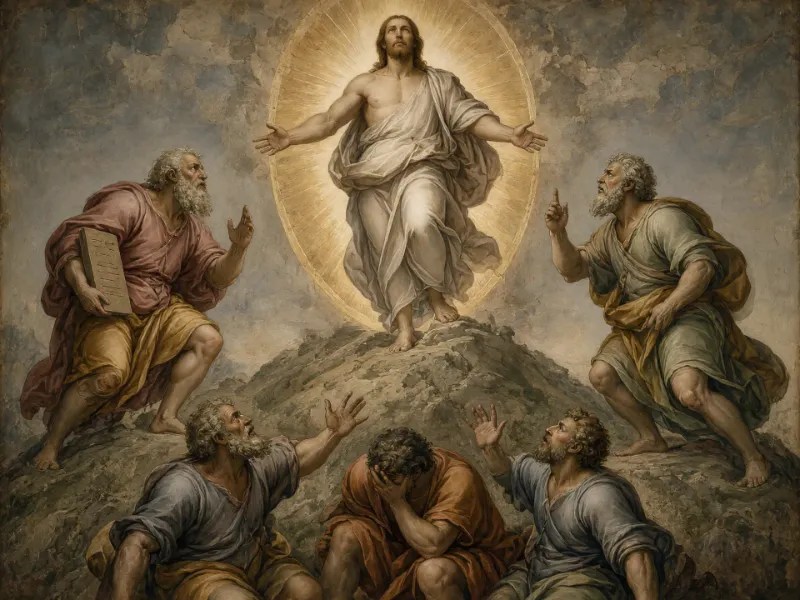
Psalm 90:12
“Teach us to number our days, that we may gain a heart of wisdom.”
Reflection: The heading calls Psalm 90 “a prayer of Moses the man of God”. Just before this request, the psalm gives the length of a life as “seventy years, or eighty, if our strength endures” (90:10). Numbering the days is asked for so that the people gain a heart of wisdom, and the next verses ask God to relent and satisfy them “in the morning with your unfailing love”.
What God sees in the heart
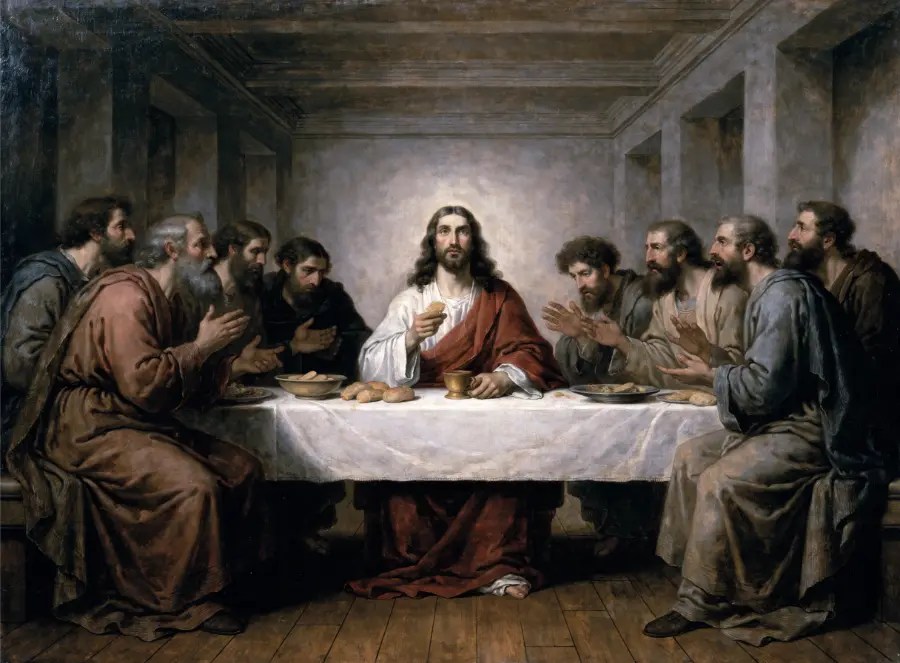
Jeremiah 17:9
“The heart is deceitful above all things and beyond cure. Who can understand it?”
Reflection: The verse follows a contrast between the person “whose heart turns away from the Lord”, who is like a bush in the desert, and the person who trusts in the Lord, who is like a tree planted by the water (17:5-8). The question “Who can understand it?” is answered in the next verse: “I the Lord search the heart and examine the mind, to reward each person according to their conduct.”
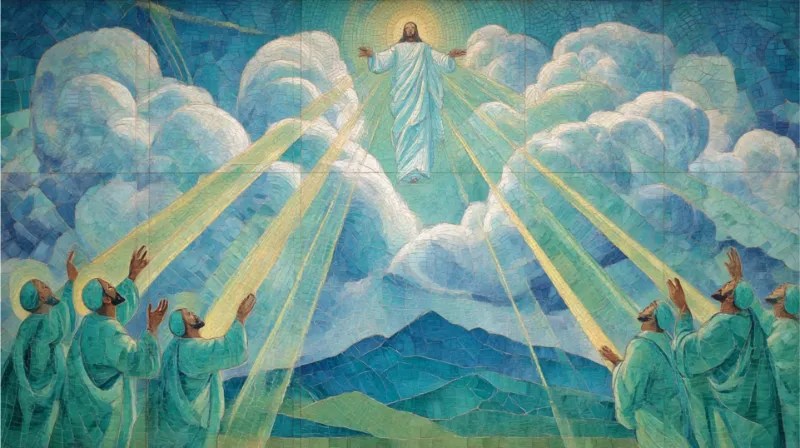
1 Samuel 16:7
“But the Lord said to Samuel, ‘Do not consider his appearance or his height, for I have rejected him. The Lord does not look at the things people look at. People look at the outward appearance, but the Lord looks at the heart.’”
Reflection: God had sent Samuel to Bethlehem to anoint one of Jesse’s sons as king in place of Saul (16:1). When Samuel saw Eliab he thought, “Surely the Lord’s anointed stands here” (16:6), and this is the Lord’s reply. Samuel is told to disregard Eliab’s appearance and height, because the Lord judges by the heart.
Acts 13:22
“After removing Saul, he made David their king. God testified concerning him: ‘I have found David son of Jesse, a man after my own heart; he will do everything I want him to do.’”
Reflection: Paul is speaking in the synagogue at Pisidian Antioch, retelling Israel’s history up to Saul and David. His wording is close to three Old Testament passages. In 1 Samuel 13:14 Samuel tells Saul that his kingdom will not endure and that the Lord has sought out “a man after his own heart”, “because you have not kept the Lord’s command”. Psalm 89:20 has “I have found David my servant”, and in Isaiah 44:28 God says of Cyrus that he “will accomplish all that I please”.
Who may come near to God
Psalm 24:3-4
“Who may ascend the mountain of the Lord? Who may stand in his holy place? The one who has clean hands and a pure heart, who does not trust in an idol or swear by a false god.”
Reflection: The psalm opens with “The earth is the Lord’s, and everything in it” (24:1) before asking who may go up the Lord’s mountain. The answer joins clean hands, what a person does, with a pure heart, and it names trusting an idol and swearing by a false god as what rules a person out. Verse 6 calls such people “the generation of those who seek him”.
Psalm 15:1-2
“Lord, who may dwell in your sacred tent? Who may live on your holy mountain? The one whose walk is blameless, who does what is righteous, who speaks the truth from their heart.”
Reflection: The psalm asks the same kind of question as Psalm 24, about who may live on God’s holy mountain. Speaking the truth “from their heart” stands in a list with specific acts in verses 3-5: no slander, keeping an oath “even when it hurts”, lending to the poor without interest, and refusing a bribe against the innocent. The psalm ends, “Whoever does these things will never be shaken.”
Matthew 5:8
“Blessed are the pure in heart, for they will see God.”
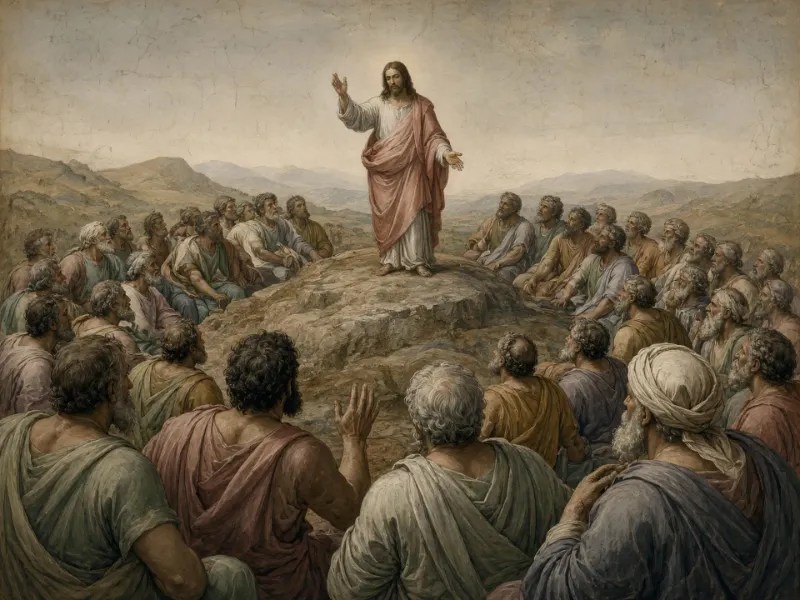
Reflection: Jesus went up a mountainside, sat down and taught his disciples (5:1-2). This is the sixth blessing he gives, between “Blessed are the merciful” (5:7) and “Blessed are the peacemakers” (5:9). Each blessing names a kind of person and then a promise, and the promise to the pure in heart is that they will see God.
Hebrews 10:22
“Let us draw near to God with a sincere heart and with the full assurance that faith brings, having our hearts sprinkled to cleanse us from a guilty conscience and having our bodies washed with pure water.”
Reflection: The invitation rests on two things the writer has just stated: believers have “confidence to enter the Most Holy Place by the blood of Jesus” (10:19), and they have “a great priest over the house of God” (10:21). The heart is to be sincere, and it is described as sprinkled clean from a guilty conscience. The next verse adds, “Let us hold unswervingly to the hope we profess.”
What God puts into the heart
Psalm 51:10
“Create in me a pure heart, O God, and renew a steadfast spirit within me.”
Reflection: The psalm’s heading places it after the prophet Nathan confronted David over his adultery with Bathsheba. Earlier in the psalm David asks to be washed and cleansed (“wash me, and I will be whiter than snow”, 51:7). Here the verb is bara, the verb Genesis 1:1 uses for God creating the heavens and the earth.
Ezekiel 36:26
“I will give you a new heart and put a new spirit in you; I will remove from you your heart of stone and give you a heart of flesh.”
Reflection: God speaks through Ezekiel to Israel scattered among the nations and promises to gather them into their own land (36:24). Before the new heart comes cleansing with sprinkled water “from all your idols” (36:25), and after it comes God’s Spirit, who will “move you to follow my decrees and be careful to keep my laws” (36:27).
Romans 5:5
“And hope does not put us to shame, because God’s love has been poured out into our hearts through the Holy Spirit, who has been given to us.”
Reflection: Paul has written that those justified through faith have peace with God (5:1), and that suffering produces perseverance, character and hope (5:3-4). Hope does not put believers to shame, he says, because God’s love has been poured into believers’ hearts by the Holy Spirit, who has been given to them.
Believing, trusting and loving with the heart
Romans 10:10
“For it is with your heart that you believe and are justified, and it is with your mouth that you profess your faith and are saved.”
Reflection: Two verses earlier Paul quotes, “The word is near you; it is in your mouth and in your heart” (10:8). Verse 9 gives the content of that word: declare with the mouth “Jesus is Lord” and believe in the heart that God raised him from the dead. Verse 10 repeats the pairing of heart and mouth, with believing assigned to the heart.
Deuteronomy 6:5
“Love the Lord your God with all your heart and with all your soul and with all your strength.”
Reflection: The command follows “Hear, O Israel: The Lord our God, the Lord is one” (6:4). The next verses put the commandments “on your hearts” and then on children, hands, foreheads and doorframes (6:6-9). When a teacher of the law asked Jesus which commandment is the most important, Jesus quoted this verse and added “with all your mind” (Mark 12:30).
Proverbs 3:5-6
“Trust in the Lord with all your heart and lean not on your own understanding; in all your ways submit to him, and he will make your paths straight.”
Reflection: The father who speaks in Proverbs has just told his son to write love and faithfulness “on the tablet of your heart” (3:3). Trusting with all the heart is set against leaning on one’s own understanding, and verse 7 continues the thought: “Do not be wise in your own eyes; fear the Lord and shun evil.”
Psalm 37:4
“Take delight in the Lord, and he will give you the desires of your heart.”
Reflection: David’s psalm opens, “Do not fret because of those who are evil” (37:1). The promise about the desires of the heart sits between “Trust in the Lord and do good” (37:3) and “Commit your way to the Lord; trust in him” (37:5), and verse 7 adds, “Be still before the Lord and wait patiently for him.”
Psalm 73:26
“My flesh and my heart may fail, but God is the strength of my heart and my portion forever.”
Reflection: Asaph’s psalm begins with God’s goodness “to those who are pure in heart” (73:1) and admits, “When my heart was grieved and my spirit embittered, I was senseless and ignorant” (73:21). In verse 26 the heart appears twice: his own heart may fail, and God is the strength of it. Two verses later he concludes, “it is good to be near God.”
1 Peter 1:22
“Now that you have purified yourselves by obeying the truth so that you have sincere love for each other, love one another deeply, from the heart.”
Reflection: Peter writes to believers redeemed “with the precious blood of Christ” (1:19). Having purified themselves by obeying the truth, they are to love one another “deeply, from the heart”, and the next verse gives the ground for it: “For you have been born again, not of perishable seed, but of imperishable, through the living and enduring word of God.”
Peace, thanks and song in the heart

Psalm 9:1
“I will give thanks to you, Lord, with all my heart; I will tell of all your wonderful deeds.”
Reflection: David opens the psalm by thanking the Lord “with all my heart”, the same whole-heart language as Deuteronomy 6:5. The thanks turns into telling others (“I will tell of all your wonderful deeds”) and into song: “I will sing the praises of your name, O Most High” (9:2).

Colossians 3:15
“Let the peace of Christ rule in your hearts, since as members of one body you were called to peace. And be thankful.”
Reflection: Paul has listed compassion, kindness, humility, gentleness and patience, with love binding them together (3:12-14). The peace that rules in the heart belongs to a community: “as members of one body you were called to peace.” The next verse continues with singing “with gratitude in your hearts” (3:16).
Ephesians 5:18-20
“Do not get drunk on wine, which leads to debauchery. Instead, be filled with the Spirit, speaking to one another with psalms, hymns, and songs from the Spirit. Sing and make music from your heart to the Lord, always giving thanks to God the Father for everything, in the name of our Lord Jesus Christ.”
Reflection: The passage opens with “Be very careful, then, how you live” (5:15). Paul sets being filled with the Spirit against getting drunk on wine, and the same sentence runs on into singing. The singing goes in two directions, “to one another” and “from your heart to the Lord”, and it comes with giving thanks “for everything”.
Verses that can be prayed
Psalm 51:10, Psalm 90:12 and Psalm 9:1 are addressed to God and can be prayed as written. Psalm 51:10 asks in the singular (“Create in me”), Psalm 90:12 in the plural (“Teach us”), and Psalm 9:1 gives thanks “with all my heart”.


Leave a Reply