
 English
 Chinese
 Dutch
 Arabic
 Spanish
 Portuguese
 Russian
 French
 Italian
 German
 Japanese
The Bible says what goodness looks like and also that no one is good by God’s measure. Micah 6:8 names justice, mercy and a humble walk with God, Jesus tells a man who calls him good that “No one is good—except God alone” (Mark 10:18), and Ephesians 2:10 says believers were “created in Christ Jesus to do good works.”
Who is good, and what God asks
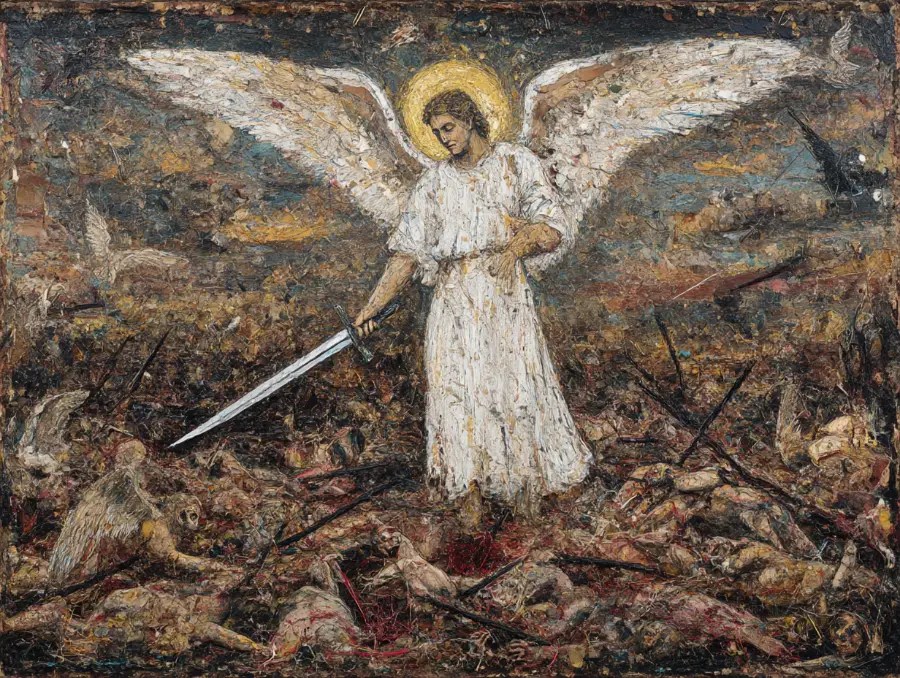
Micah 6:8
“He has shown you, O mortal, what is good. And what does the LORD require of you? To act justly and to love mercy and to walk humbly with your God.”
Reflection: The verses before it ask what offering would satisfy God: burnt offerings, calves a year old, thousands of rams, even a firstborn child. Micah answers that God has already shown what is good, and none of it is a sacrifice. Justice, mercy and a humble walk with God are the whole of what the Lord requires in this verse.
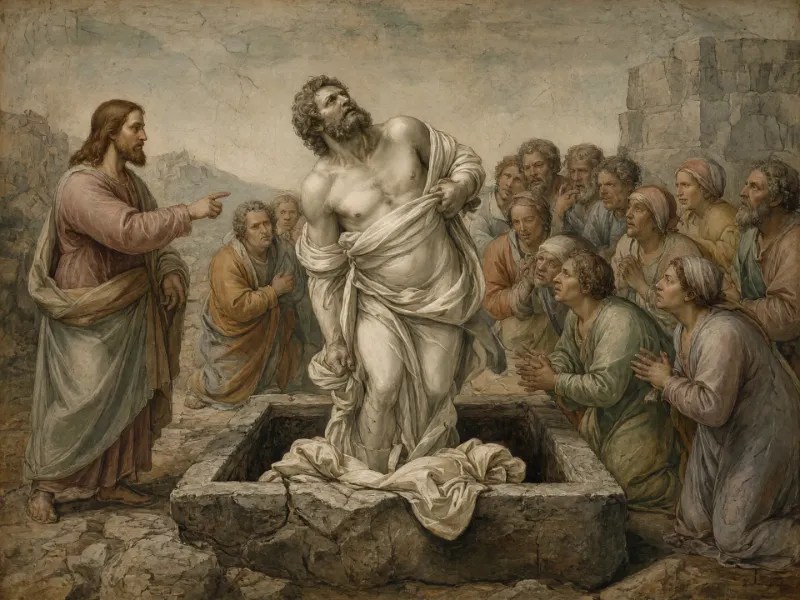
Mark 10:18
“‘Why do you call me good?’ Jesus answered. ‘No one is good—except God alone.’”
Reflection: A man runs up, kneels, and asks, “Good teacher, what must I do to inherit eternal life?” Jesus questions the word before answering, then lists the commandments. The man says he has kept them since boyhood, and Jesus, who “looked at him and loved him,” tells him to sell everything, give to the poor and follow him; the man goes away sad, “because he had great wealth.”

Romans 3:10-12
“As it is written: ‘There is no one righteous, not even one; there is no one who understands; there is no one who seeks God. All have turned away, they have together become worthless; there is no one who does good, not even one.’”
Reflection: Paul introduces these lines with “As it is written,” and the last of them matches Psalm 14:3. The verse before sets the charge they support: “Jews and Gentiles alike are all under the power of sin.”
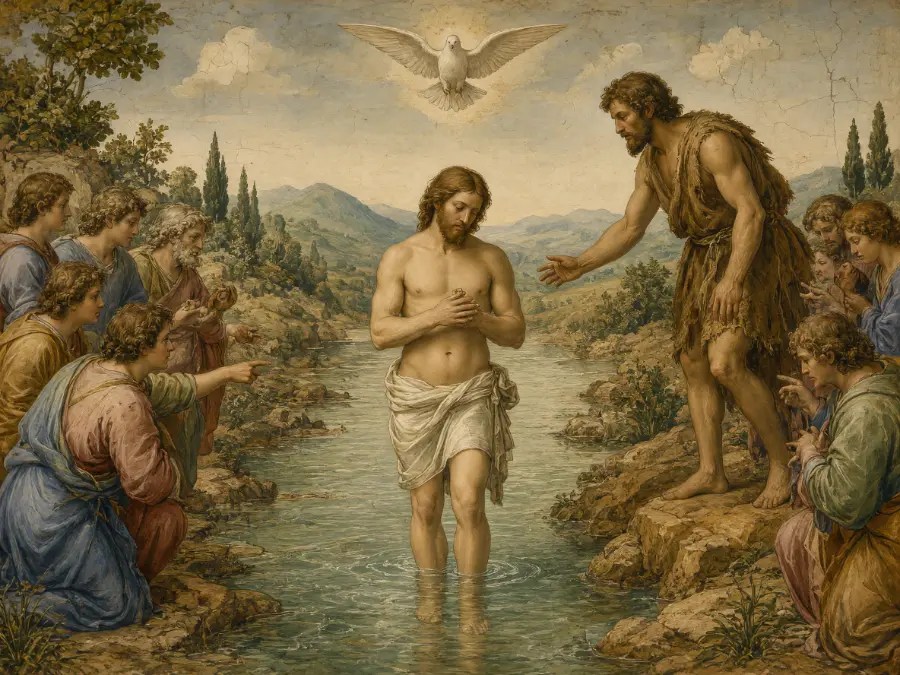
Ephesians 2:10
“For we are God’s handiwork, created in Christ Jesus to do good works, which God prepared in advance for us to do.”
Reflection: The two verses before this one say salvation is “by grace” and “not by works, so that no one can boast.” Verse 10 then puts good works after that gift: people are God’s handiwork, made in Christ “to do good works,” which God prepared in advance for them to do.
Love for God and for others
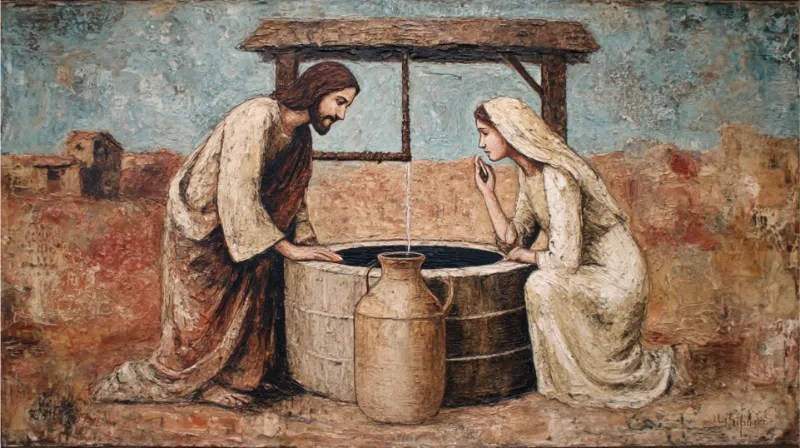
Matthew 22:37-39
“Jesus replied: ‘Love the Lord your God with all your heart and with all your soul and with all your mind.’ This is the first and greatest commandment. And the second is like it: ‘Love your neighbor as yourself.’”
Reflection: An expert in the law asks Jesus which commandment is greatest, as a test. Jesus answers with the command to love God (Deuteronomy 6:5) and adds a second, love of neighbor (Leviticus 19:18). Verse 40 adds: “All the Law and the Prophets hang on these two commandments.”

Romans 13:10
“Love does no harm to a neighbor. Therefore love is the fulfillment of the law.”
Reflection: Paul names four of the Ten Commandments (adultery, murder, stealing, coveting) and says they, “and whatever other command there may be,” are summed up in “Love your neighbor as yourself.” Verse 8 has already said that “whoever loves others has fulfilled the law,” and verse 10 ends on the same claim: “love is the fulfillment of the law.”
Luke 6:31
“Do to others as you would have them do to you.”
Reflection: Jesus gives this rule in the Sermon on the Plain, a few lines after “Love your enemies, do good to those who hate you” (verse 27); verses 28-30 in between speak of turning the other cheek and giving to everyone who asks. The next verses press it further: “if you do good to those who are good to you, what credit is that to you? Even sinners do that.” The standard is to treat others as one would want to be treated, including people who return nothing.

1 Corinthians 13:4-7
“Love is patient, love is kind. It does not envy, it does not boast, it is not proud. It does not dishonor others, it is not self-seeking, it is not easily angered, it keeps no record of wrongs. Love does not delight in evil but rejoices with the truth. It always protects, always trusts, always hopes, always perseveres.”
Reflection: Paul writes this to a church proud of its spiritual gifts. The verses just before say that even giving “all I possess to the poor” gains nothing without love. The list that follows describes love almost entirely by how it treats other people: patient, kind, not envious, not keeping a record of wrongs.
1 John 4:7-8
“Dear friends, let us love one another, for love comes from God. Everyone who loves has been born of God and knows God. Whoever does not love does not know God, because God is love.”
Reflection: John traces love for others back to its source: love “comes from God,” and God is love. Verses 10-11 give the order: “not that we loved God, but that he loved us and sent his Son,” and “since God so loved us, we also ought to love one another.”
Character that goodness grows from
Proverbs 4:23
“Above all else, guard your heart, for everything you do flows from it.”
Reflection: A father tells his son to keep his words “within your heart,” and then says to guard the heart “above all else.” The verses after it move outward from the heart to the mouth, the eyes and the feet: “keep corrupt talk far from your lips,” “let your eyes look straight ahead,” “keep your foot from evil” (verses 24-27).

Galatians 5:22-23
“But the fruit of the Spirit is love, joy, peace, forbearance, kindness, goodness, faithfulness, gentleness and self-control. Against such things there is no law.”
Reflection: Paul sets this list against “the acts of the flesh” in verses 19-21, which include hatred, jealousy, fits of rage and selfish ambition. Goodness appears in the list alongside kindness and faithfulness, and Paul calls the whole list the fruit of the Spirit. “Against such things there is no law” means no law forbids any of them.
Philippians 4:8
“Finally, brothers and sisters, whatever is true, whatever is noble, whatever is right, whatever is pure, whatever is lovely, whatever is admirable—if anything is excellent or praiseworthy—think about such things.”
Reflection: Just before it, Paul says the peace of God “will guard your hearts and your minds in Christ Jesus” (verse 7), and verse 8 names what the Philippians should think about. The next verse moves from thought to action: “Whatever you have learned or received or heard from me, or seen in me—put it into practice. And the God of peace will be with you.”
2 Peter 1:5-7
“For this very reason, make every effort to add to your faith goodness; and to goodness, knowledge; and to knowledge, self-control; and to self-control, perseverance; and to perseverance, godliness; and to godliness, mutual affection; and to mutual affection, love.”
Reflection: “For this very reason” points back to verses 3-4, where God’s power has already given “everything we need for a godly life.” Peter then lists qualities to add one to another, beginning with goodness and ending with love. Verse 8 says what they do: they keep a believer from being “ineffective and unproductive.”
Colossians 3:12
“Therefore, as God’s chosen people, holy and dearly loved, clothe yourselves with compassion, kindness, humility, gentleness and patience.”
Reflection: The clothing picture starts in verses 8-10: the Colossians are to get rid of “anger, rage, malice, slander,” because they “have taken off your old self” and “put on the new self, which is being renewed in knowledge in the image of its Creator.” Verses 13-14 add forgiveness, “as the Lord forgave you,” and love, which “binds them all together in perfect unity.”
Doing good to others
Titus 3:14
“Our people must learn to devote themselves to doing what is good, in order to provide for urgent needs and not live unproductive lives.”
Reflection: This is one of the last lines of the letter. It follows directly on a request to help Zenas the lawyer and Apollos on their way and “see that they have everything they need.” Doing good, in Paul’s words, is something the church’s people “must learn” and devote themselves to.

James 1:27
“Religion that God our Father accepts as pure and faultless is this: to look after orphans and widows in their distress and to keep oneself from being polluted by the world.”
Reflection: James has just called religion “worthless” in anyone who does not rein in the tongue (verse 26). He defines the religion God accepts by two things: care for orphans and widows “in their distress,” and keeping oneself unstained by the world.

Matthew 25:40
“The King will reply, ‘Truly I tell you, whatever you did for one of the least of these brothers and sisters of mine, you did for me.’”
Reflection: The King in this scene welcomes those who fed the hungry, gave drink to the thirsty, took in strangers, clothed the needy and visited the sick and imprisoned. The righteous are surprised and ask when they ever saw him in need. His answer ties each of those acts to himself.

Proverbs 31:8-9
“Speak up for those who cannot speak for themselves, for the rights of all who are destitute. Speak up and judge fairly; defend the rights of the poor and needy.”
Reflection: These are the words King Lemuel’s mother taught him. She warns him against wine because a drunk ruler may “deprive all the oppressed of their rights,” and then tells him to use his voice and his judgment for the destitute, the poor and the needy.
James 2:1-4
“My brothers and sisters, believers in our glorious Lord Jesus Christ must not show favoritism. Suppose a man comes into your meeting wearing a gold ring and fine clothes, and a poor man in filthy old clothes also comes in. If you show special attention to the man wearing fine clothes and say, ‘Here’s a good seat for you,’ but say to the poor man, ‘You stand there’ or ‘Sit on the floor by my feet,’ have you not discriminated among yourselves and become judges with evil thoughts?”
Reflection: James goes on to say that God has chosen “those who are poor in the eyes of the world to be rich in faith” (verse 5). He then ties the scene to the command Jesus called the second greatest: keeping the “royal law,” “Love your neighbor as yourself,” is doing right, “But if you show favoritism, you sin” (verses 8-9).

Philippians 2:3-4
“Do nothing out of selfish ambition or vain conceit. Rather, in humility value others above yourselves, not looking to your own interests but each of you to the interests of the others.”
Reflection: Paul asks the Philippians to make his joy complete by being “like-minded, having the same love” (verse 2). The instruction that follows is concrete: no selfish ambition or vain conceit, others valued above oneself, and each person looking not to their own interests but to the interests of others. Verse 5 names the model: “have the same mindset as Christ Jesus,” who “made himself nothing by taking the very nature of a servant.”
1 Peter 3:8-9
“Finally, all of you, be like-minded, be sympathetic, love one another, be compassionate and humble. Do not repay evil with evil or insult with insult. On the contrary, repay evil with blessing, because to this you were called so that you may inherit a blessing.”
Reflection: After instructions to wives and husbands in verses 1-7, Peter turns to “all of you.” Verse 9 gives the reason for repaying evil with blessing: “to this you were called so that you may inherit a blessing.” Romans 12:17-21 makes the same point and ends, “overcome evil with good.”


Leave a Reply