
 English
 Chinese
 Dutch
 Arabic
 Spanish
 Portuguese
 Russian
 French
 Italian
 German
 Japanese
The Bible records people who were overwhelmed and what they said to God while it lasted. Jesus says, “My soul is overwhelmed with sorrow to the point of death” (Matthew 26:38), Paul was pressed “far beyond our ability to endure” (2 Corinthians 1:8), and Elijah asked to die (1 Kings 19:4).
Moses was told his work was too heavy for one man (Exodus 18:18). The psalms give words for such a time: “lead me to the rock that is higher than I” (Psalm 61:2) and “Cast your cares on the LORD” (Psalm 55:22). The promises answer with God’s presence (Isaiah 41:10, Deuteronomy 31:8), strength for the weary (Isaiah 40:29-31) and rest (Matthew 11:28-30), and the New Testament letters tell believers to cast their anxiety on God (1 Peter 5:7) and to present their requests to him in prayer (Philippians 4:6-7).
People in Scripture who were overwhelmed
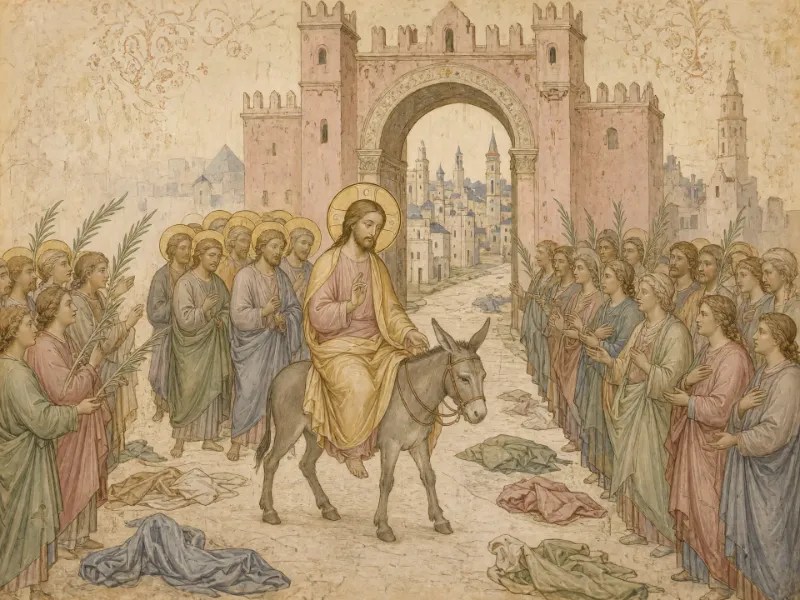
Matthew 26:38
“Then he said to them, ‘My soul is overwhelmed with sorrow to the point of death. Stay here and keep watch with me.’”
Reflection: Jesus says this in Gethsemane to Peter and the two sons of Zebedee, after Matthew notes that “he began to be sorrowful and troubled” (26:37). He asks them to stay awake with him, and three times he finds them asleep. His first prayer is “May this cup be taken from me. Yet not as I will, but as you will” (26:39); the second asks that “your will be done” if the cup cannot pass (26:42), and the third says “the same thing” (26:44).

2 Corinthians 1:8-9
“We do not want you to be uninformed, brothers and sisters, about the troubles we experienced in the province of Asia. We were under great pressure, far beyond our ability to endure, so that we despaired of life itself. Indeed, we felt we had received the sentence of death. But this happened that we might not rely on ourselves but on God, who raises the dead.”
Reflection: Paul tells the Corinthians about troubles in the province of Asia without naming what they were. He does not play down the weight: it was beyond endurance, and he expected to die. Verse 9 gives the purpose he saw in it, that he would rely “on God, who raises the dead,” and verse 10 adds, “He has delivered us from such a deadly peril, and he will deliver us again.”
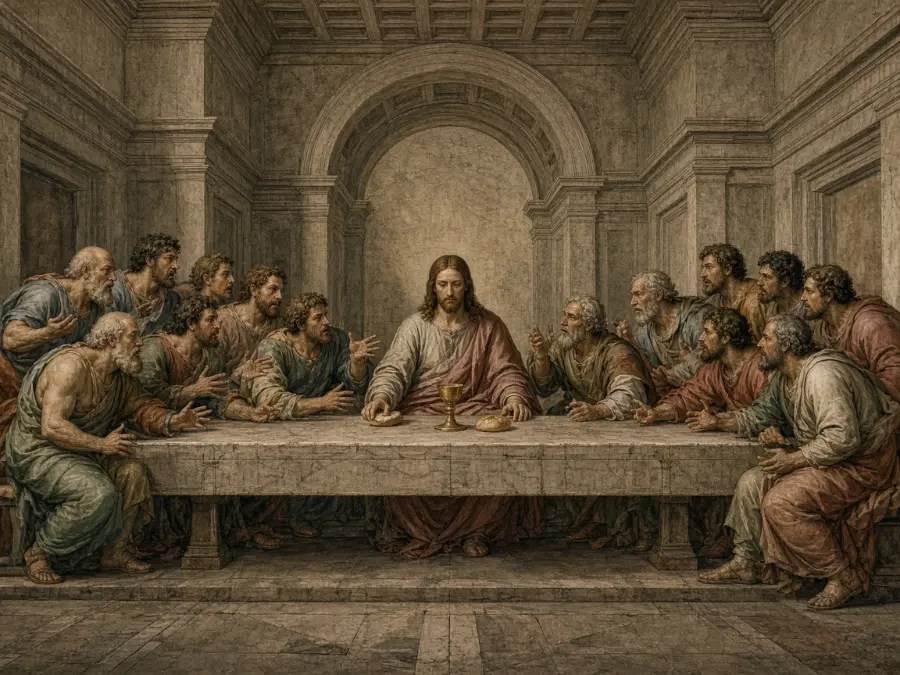
1 Kings 19:4
“…while he himself went a day’s journey into the wilderness. He came to a broom bush, sat down under it and prayed that he might die. ‘I have had enough, LORD,’ he said. ‘Take my life; I am no better than my ancestors.’”
Reflection: Elijah has fled for his life from Jezebel’s threat and goes a day’s journey into the wilderness alone. After the prayer he lies down and falls asleep, and an angel wakes him twice with bread and water, saying the second time, “Get up and eat, for the journey is too much for you” (19:7). Only after that does Elijah travel on to Horeb.
Exodus 18:17-18
“Moses’ father-in-law replied, ‘What you are doing is not good. You and these people who come to you will only wear yourselves out. The work is too heavy for you; you cannot handle it alone.’”
Reflection: Jethro, Moses’ father-in-law, watches people stand around Moses from morning till evening waiting for him to judge their disputes. His answer is practical: appoint capable men to decide the simple cases and bring the hard ones to Moses, “That will make your load lighter, because they will share it with you” (18:22). In Numbers 11:14 Moses says the same of himself, “the burden is too heavy for me,” and God gives seventy elders to carry it with him.
Complaint and hope in the Psalms and Lamentations
Psalm 61:2
“From the ends of the earth I call to you, I call as my heart grows faint; lead me to the rock that is higher than I.”
Reflection: David calls “from the ends of the earth,” a long way from the place of worship, as his heart grows faint. He asks to be led to a rock higher than himself. The next verse gives his reason for asking: “For you have been my refuge, a strong tower against the foe.”

Psalm 142:2-3
“I pour out before him my complaint; before him I tell my trouble. When my spirit grows faint within me, it is you who watch over my way.”
Reflection: The heading places this prayer in “the cave,” where David was hiding. He pours out his complaint and tells God his trouble in full, then says in verse 4 that no one at his right hand cares for his life. Verse 6 ends with the plea “rescue me from those who pursue me, for they are too strong for me.”
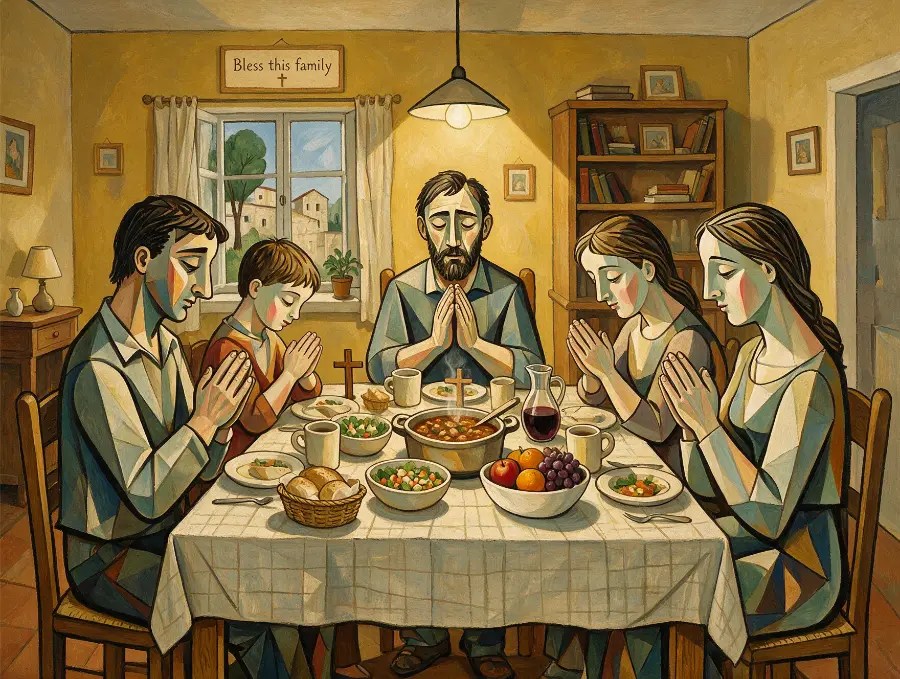
Psalm 55:22
“Cast your cares on the LORD and he will sustain you; he will never let the righteous be shaken.”
Reflection: Earlier in the psalm David says, “Fear and trembling have beset me; horror has overwhelmed me” (55:5), and wishes for the wings of a dove to fly away (55:6). The trouble includes betrayal by a close friend he once worshipped beside (55:12-14). The psalm turns from that to this instruction: throw the burden on the LORD, who will hold the person up.
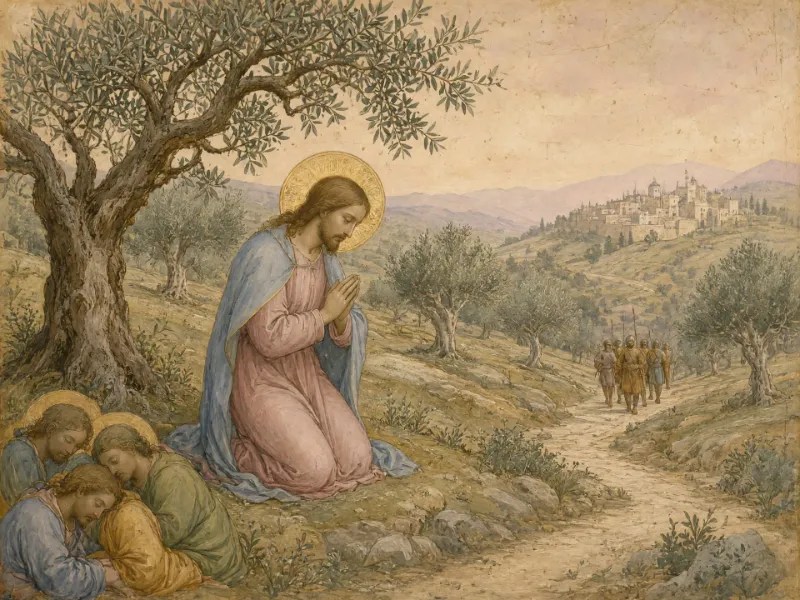
Psalm 94:19
“When anxiety was great within me, your consolation brought me joy.”
Reflection: The psalm asks who will stand up against evildoers, and the psalmist answers from experience. In the verse before, “When I said, ‘My foot is slipping,’ your unfailing love, LORD, supported me.” Here the anxiety is “great within me,” and God’s consolation brings joy in the middle of it.

Lamentations 3:22-23
“Because of the LORD’s great love we are not consumed, for his compassions never fail. They are new every morning; great is your faithfulness.”
Reflection: These lines come right after the poet says, “I well remember them, and my soul is downcast within me” (3:20). Verse 21 marks the change: “Yet this I call to mind and therefore I have hope.” The hope rests on God’s love and compassions, which are new each morning, and verse 24 draws the conclusion: “therefore I will wait for him.”
God’s presence when the danger is too large

Exodus 14:14
“The LORD will fight for you; you need only to be still.”
Reflection: The Israelites have just left Egypt and look up to see Pharaoh’s army marching after them. They are terrified and accuse Moses of bringing them to the desert to die. Moses tells them not to be afraid, to stand firm and watch the deliverance the LORD will bring. The fighting is the LORD’s, and their part is to be still.
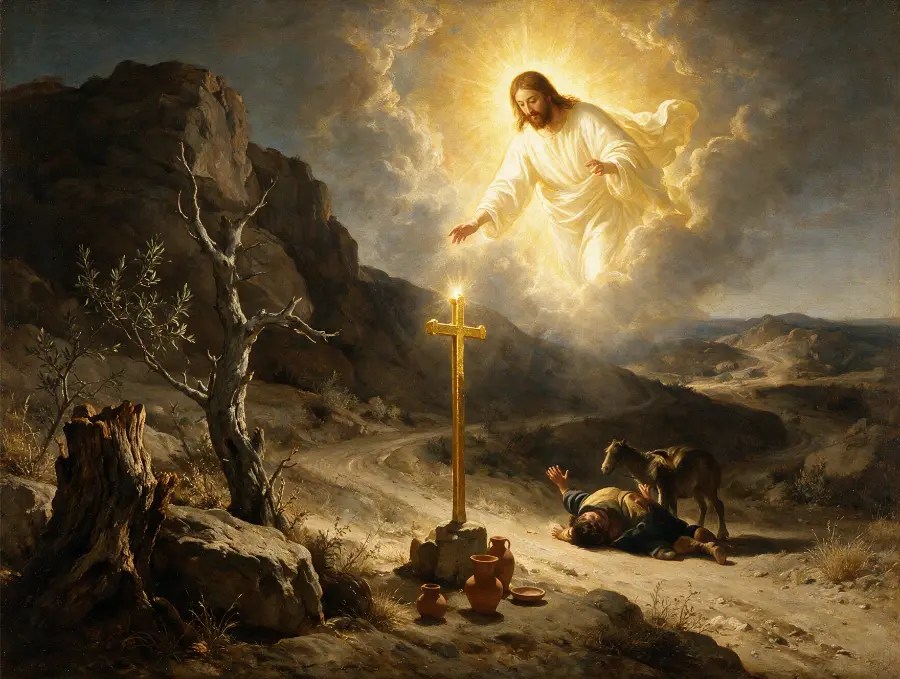
Deuteronomy 31:8
“The LORD himself goes before you and will be with you; he will never leave you nor forsake you. Do not be afraid; do not be discouraged.”
Reflection: Moses, a hundred and twenty years old and no longer able to lead, hands the people over to Joshua in front of all Israel. Joshua is about to take a whole nation into a land held by others. In verse 6 Moses told the people that the LORD “goes with you”; to Joshua he says the LORD “goes before you” and adds, “do not be discouraged.”

Isaiah 41:10
“So do not fear, for I am with you; do not be dismayed, for I am your God. I will strengthen you and help you; I will uphold you with my righteous right hand.”
Reflection: God speaks to Israel as “my servant, Jacob, whom I have chosen” and adds, “I have chosen you and have not rejected you” (41:9). The verse gives four promises: I am with you, I am your God, I will strengthen and help you, I will uphold you. Verse 13 repeats it in the picture of God holding the person’s right hand.

Psalm 46:1-3
“God is our refuge and strength, an ever-present help in trouble. Therefore we will not fear, though the earth give way and the mountains fall into the heart of the sea, though its waters roar and foam and the mountains quake with their surging.”
Reflection: The Sons of Korah picture the worst they can think of: the earth giving way and mountains falling into the sea. God is called “an ever-present help in trouble,” and the psalm draws the conclusion itself: “Therefore we will not fear.” The “Therefore” rests on verse 1, and verse 7 repeats the ground as a refrain: “The LORD Almighty is with us.”
Strength for the weary
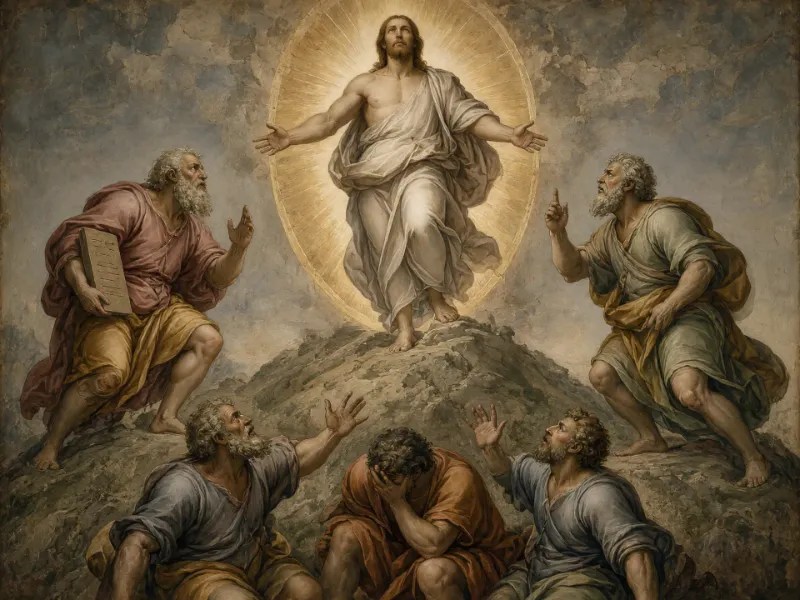
Isaiah 40:29-31
“He gives strength to the weary and increases the power of the weak. Even youths grow tired and weary, and young men stumble and fall; but those who hope in the LORD will renew their strength. They will soar on wings like eagles; they will run and not grow weary, they will walk and not be faint.”
Reflection: Israel complains that its way is hidden from the LORD (40:27). The prophet answers that the Creator “will not grow tired or weary” (40:28) and gives strength to people who do. Verse 30 says even youths grow tired and stumble, and verse 31 says strength is renewed in “those who hope in the LORD.”
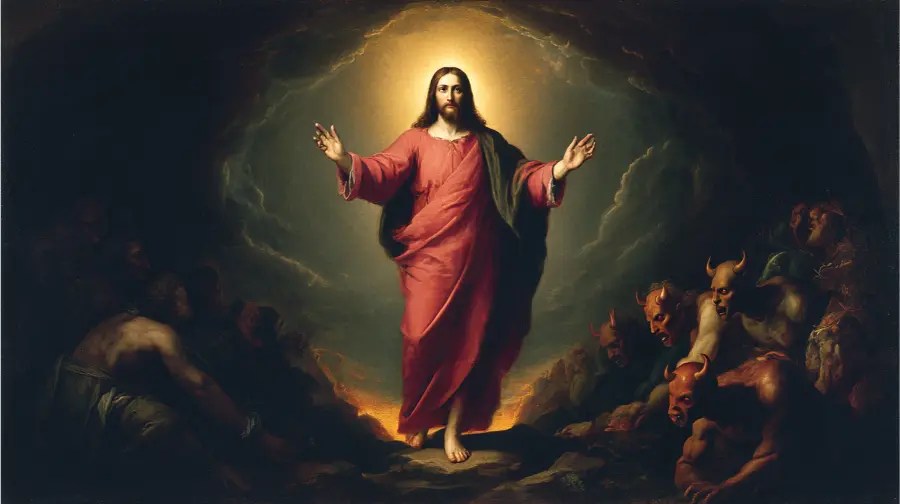
Matthew 11:28-30
“Come to me, all you who are weary and burdened, and I will give you rest. Take my yoke upon you and learn from me, for I am gentle and humble in heart, and you will find rest for your souls. For my yoke is easy and my burden is light.”
Reflection: Jesus invites the weary and burdened to come to him. A yoke is the wooden bar that joins an animal to its load. Jesus calls his yoke easy and his burden light, and he gives his own character as the reason to learn from him: he is “gentle and humble in heart.” The rest he promises is “rest for your souls.”
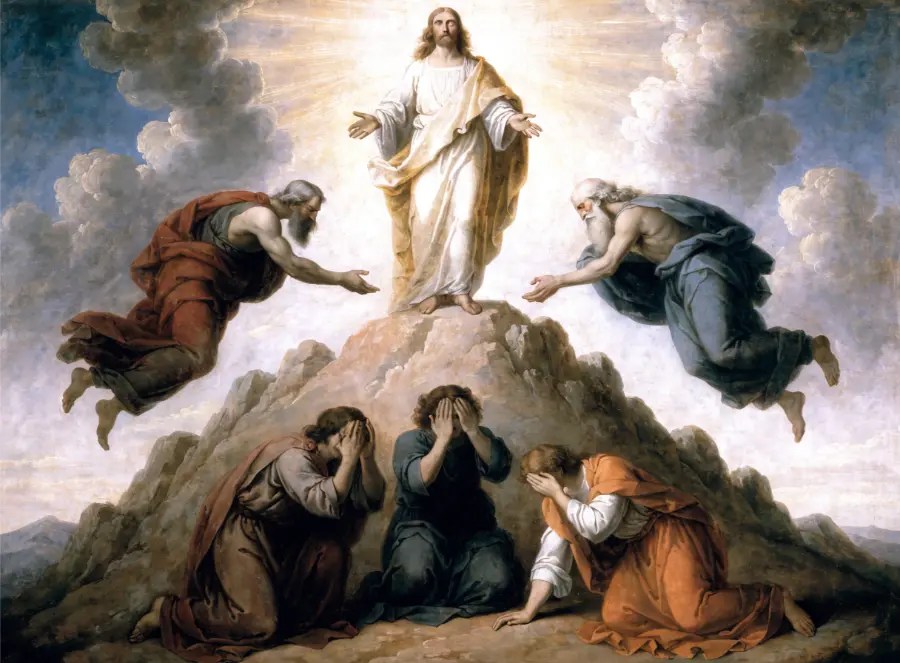
2 Corinthians 12:9-10
“But he said to me, ‘My grace is sufficient for you, for my power is made perfect in weakness.’ Therefore I will boast all the more gladly about my weaknesses, so that Christ’s power may rest on me. That is why, for Christ’s sake, I delight in weaknesses, in insults, in hardships, in persecutions, in difficulties. For when I am weak, then I am strong.”
Reflection: Paul pleaded three times for his “thorn in my flesh” to be removed, and he never says what it was. The answer he received was not removal but grace enough to live with it. In verse 10 he lists weaknesses, insults, hardships, persecutions and difficulties, and ends, “For when I am weak, then I am strong.”
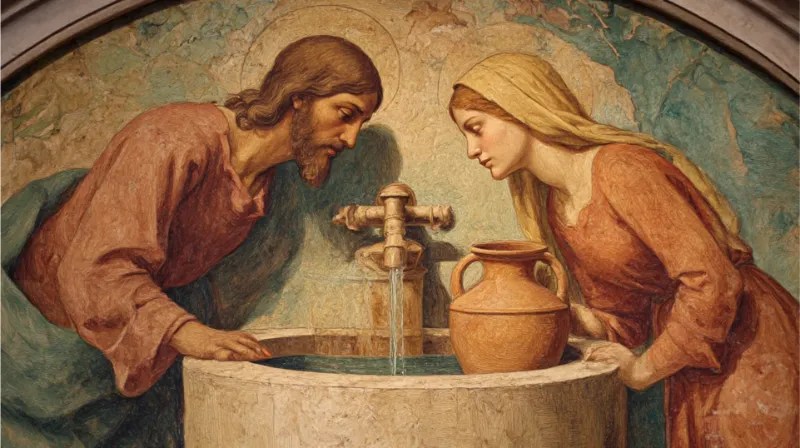
2 Corinthians 4:8-9
“We are hard pressed on every side, but not crushed; perplexed, but not in despair; persecuted, but not abandoned; struck down, but not destroyed.”
Reflection: Each of the four pairs names a real pressure and then a limit on it: hard pressed but not crushed, struck down but not destroyed. The list follows verse 7, where the treasure is held in “jars of clay to show that this all-surpassing power is from God and not from us.”
Handing the weight to God
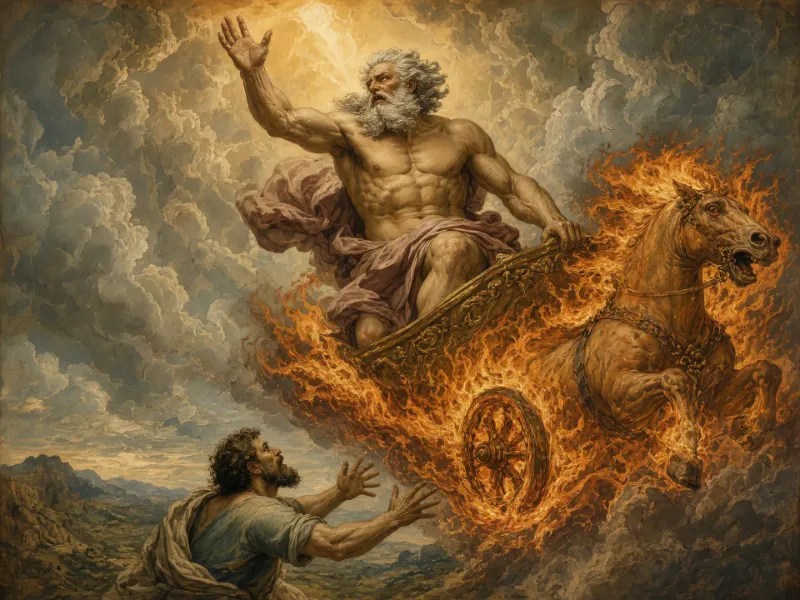
1 Peter 5:7
“Cast all your anxiety on him because he cares for you.”
Reflection: The command follows “Humble yourselves, therefore, under God’s mighty hand” (5:6), and it uses the same picture of casting as Psalm 55:22. Peter writes to believers who are suffering and tells them in verse 9 that “the family of believers throughout the world is undergoing the same kind of sufferings.” The reason given for handing over the anxiety is that God cares for them.

Philippians 4:6-7
“Do not be anxious about anything, but in every situation, by prayer and petition, with thanksgiving, present your requests to God. And the peace of God, which transcends all understanding, will guard your hearts and your minds in Christ Jesus.”
Reflection: Paul prefaces this with “The Lord is near” (4:5). The instruction replaces anxiety with prayer about everything, offered with thanksgiving. The promise is peace that guards the heart and mind, and Paul does not promise that every request will be granted.
Hebrews 4:15-16
“For we do not have a high priest who is unable to empathize with our weaknesses, but we have one who has been tempted in every way, just as we are—yet he did not sin. Let us then approach God’s throne of grace with confidence, so that we may receive mercy and find grace to help us in our time of need.”
Reflection: The writer calls Jesus a high priest who can “empathize with our weaknesses” because he was tempted in every way. Hebrews 5:7 describes him praying “with fervent cries and tears to the one who could save him from death.” On that ground the reader is told to approach God’s throne with confidence and find “grace to help us in our time of need.”

John 16:33
“I have told you these things, so that in me you may have peace. In this world you will have trouble. But take heart! I have overcome the world.”
Reflection: Jesus says this to his disciples just after telling them they will be scattered and leave him alone (16:32). He does not promise them a life without trouble; he says they will have it. The peace he offers is “in me,” and it rests on his statement, “I have overcome the world.”
A verse for how you feel
Choose how you feel today and read a verse from Scripture.
Give thanks to the LORD, for He is good; His loving devotion endures forever.
Get a verse each week
Thank you. Your first verse is on its way.
If nothing arrives in a few minutes, look in your spam or promotions folder.
Keep this for another day. A verse for how you feel has a page of its own, with our verses for each feeling.
Each verse is quoted from the Berean Standard Bible.
Praying these verses and sharing the load
Psalm 61:2 is addressed to God and can be prayed as written. Psalm 142, headed “A prayer,” speaks of God in verse 2 (“before him I tell my trouble”) and to him in verse 3 (“it is you who watch over my way”), and it sets out the trouble in full before asking for rescue in verse 6. Lamentations 3 records the downcast soul (3:20) before it calls hope to mind (3:21).
Jethro’s advice in Exodus 18 and God’s answer in Numbers 11 both end with Moses’ load shared among other leaders. In 1 Kings 19 Elijah sleeps, and an angel brings him bread and water twice before he travels on to Horeb.


Leave a Reply