
 English
 Chinese
 Dutch
 Arabic
 Spanish
 Portuguese
 Russian
 French
 Italian
 German
 Japanese
The Bible praises silence in some settings and condemns it in others. Proverbs commends holding the tongue (Proverbs 10:19, 17:28), and Job’s friends sit with him for seven days without a word (Job 2:13).
The prophets call the earth to be silent before God (Habakkuk 2:20, Zechariah 2:13), and Jesus stays silent before his accusers, as Isaiah 53:7 describes the servant doing. Ecclesiastes 3:7 gives both a season, “a time to be silent and a time to speak,” and in Esther 4:14 Mordecai warns Esther that if she remains silent, she and her father’s family will perish.
Guarding the mouth

Proverbs 10:19
“Sin is not ended by multiplying words, but the prudent hold their tongues.”
Reflection: The verse sits among proverbs about speech. The one before it condemns lying lips and slander, and the one after it calls the tongue of the righteous “choice silver,” so the chapter values good speech as well as restraint. What verse 19 sets against the prudent person is the multiplying of words, which does not bring sin to an end.

Proverbs 17:28
“Even fools are thought wise if they keep silent, and discerning if they hold their tongues.”
Reflection: The proverb is dry: the fool is only thought wise, and only while he keeps quiet. The verse before speaks of the person who has knowledge: “The one who has knowledge uses words with restraint, and whoever has understanding is even-tempered.”
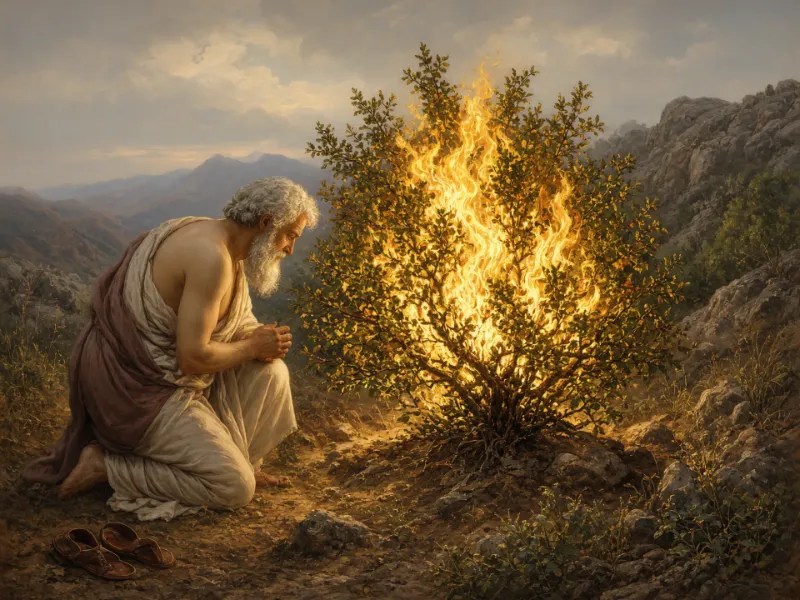
Proverbs 11:12
“Whoever derides their neighbor has no sense, but the one who has understanding holds their tongue.”
Reflection: Holding the tongue is set here against deriding a neighbor. The next verse applies the same restraint to what a person has been told in confidence: “A gossip betrays a confidence, but a trustworthy person keeps a secret.”

Proverbs 13:3
“Those who guard their lips preserve their lives, but those who speak rashly will come to ruin.”
Reflection: The proverb weighs the outcomes: guarded lips preserve life, and rash speech ends in ruin. Proverbs 21:23 makes the same point in nearly the same words, saying that those who guard their mouths and tongues keep themselves from calamity.

James 1:19
“My dear brothers and sisters, take note of this: Everyone should be quick to listen, slow to speak and slow to become angry.”
Reflection: James ties slowness of speech to slowness of anger and gives the reason in the next verse: “human anger does not produce the righteousness that God desires.” In chapter 3 he returns to the tongue, calling it a small part of the body that “makes great boasts” and comparing it to a small spark that sets a great forest on fire.

Psalm 141:3
“Set a guard over my mouth, LORD; keep watch over the door of my lips.”
Reflection: In this psalm of David the request for a guard over the mouth is addressed to the Lord. The next verse carries the request from the lips to the heart: “Do not let my heart be drawn to what is evil so that I take part in wicked deeds along with those who are evildoers.”
Silence in grief and distress

Job 2:13
“Then they sat on the ground with him for seven days and seven nights. No one said a word to him, because they saw how great his suffering was.”
Reflection: Eliphaz, Bildad and Zophar had met by agreement to sympathize with Job and comfort him. When they saw him they wept aloud, tore their robes and sprinkled dust on their heads, then sat with him on the ground without a word, “because they saw how great his suffering was.” Job 3:1 records that after this Job opened his mouth and cursed the day of his birth.
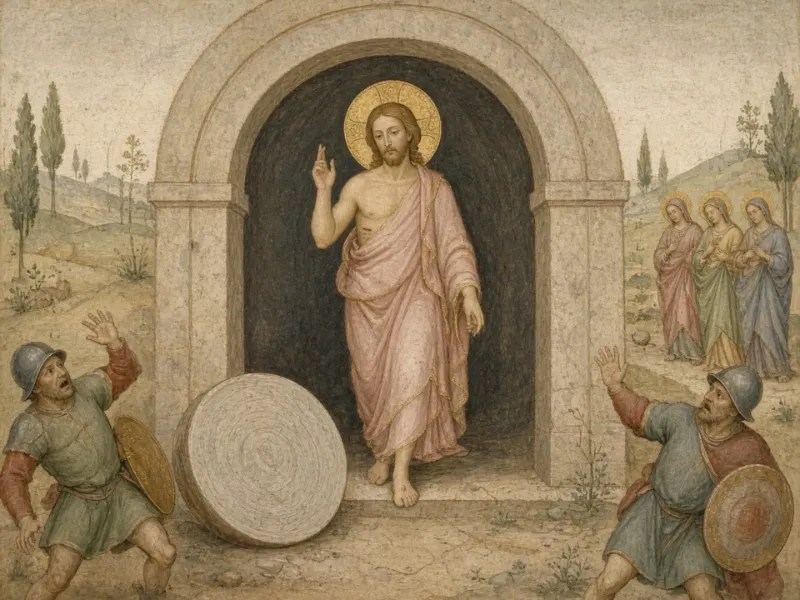
Job 13:5
“If only you would be altogether silent! For you, that would be wisdom.”
Reflection: By chapter 13 each of the three friends has made a speech. In the verse before, Job tells them, “You, however, smear me with lies; you are worthless physicians, all of you!”

Psalm 39:1
“I said, ‘I will watch my ways and keep my tongue from sin; I will put a muzzle on my mouth while in the presence of the wicked.’”
Reflection: David resolves to keep quiet in the presence of the wicked so that his tongue does not sin. The next two verses report what that silence cost him: “So I remained utterly silent, not even saying anything good. But my anguish increased; my heart grew hot within me.” When he does speak, in verse 4, his words are addressed to God: “Show me, LORD, my life’s end and the number of my days.”
A time to be silent and a time to speak
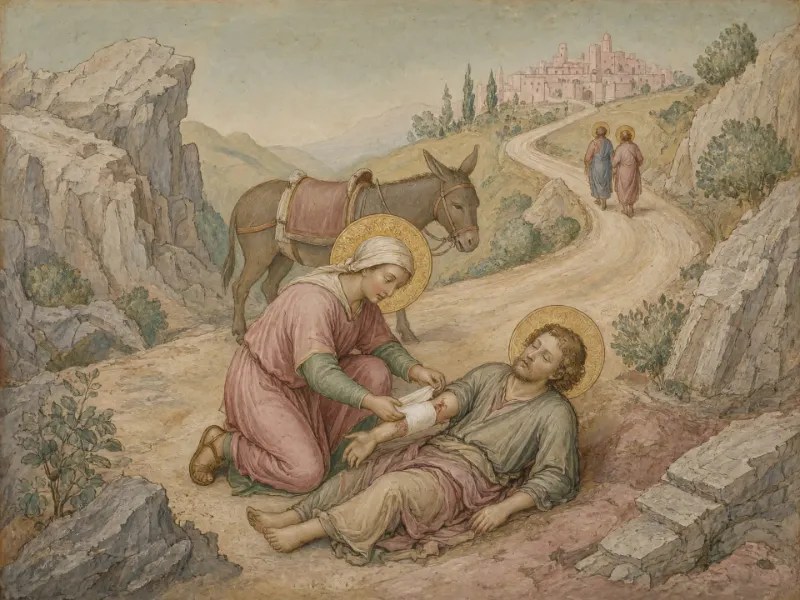
Ecclesiastes 3:7
“a time to tear and a time to mend, a time to be silent and a time to speak.”
Reflection: The verse is part of the list that begins “There is a time for everything” (Ecclesiastes 3:1). Silence and speech are paired there as tearing and mending are, or planting and uprooting, and the list does not rank one above the other.

Amos 5:13
“Therefore the prudent keep quiet in such times, for the times are evil.”
Reflection: Amos is speaking against people who oppress the innocent, take bribes and “deprive the poor of justice in the courts” (Amos 5:12). The verse observes that the prudent keep quiet in such times. Amos himself goes on speaking in the next two verses: “Seek good, not evil, that you may live,” and “Hate evil, love good; maintain justice in the courts.”
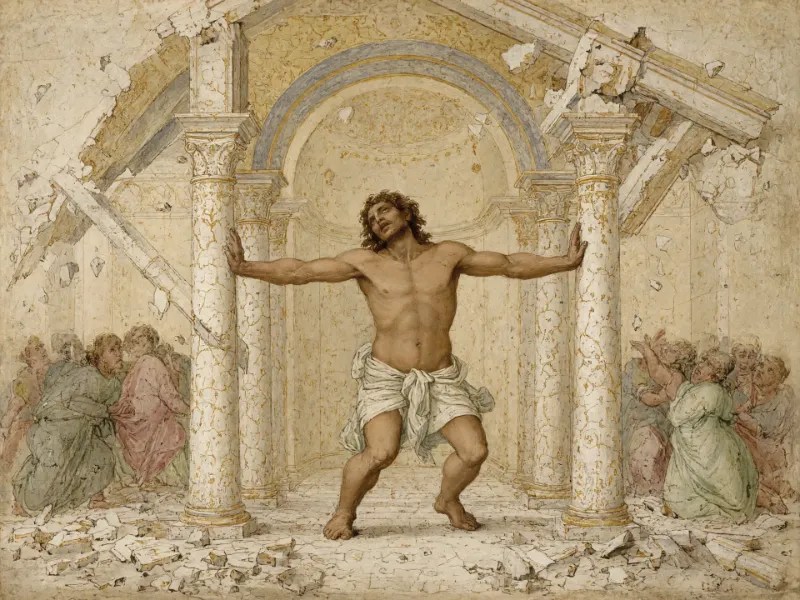
Esther 4:14
“For if you remain silent at this time, relief and deliverance for the Jews will arise from another place, but you and your father’s family will perish. And who knows but that you have come to your royal position for such a time as this?”
Reflection: Esther had sent word that anyone who went to the king in the inner court without being summoned would be put to death unless the king held out the gold scepter, and that she had not been called for thirty days (Esther 4:11). Mordecai’s answer is about the cost of silence: relief for the Jews would come “from another place,” but Esther and her father’s family would perish.
Silence before God
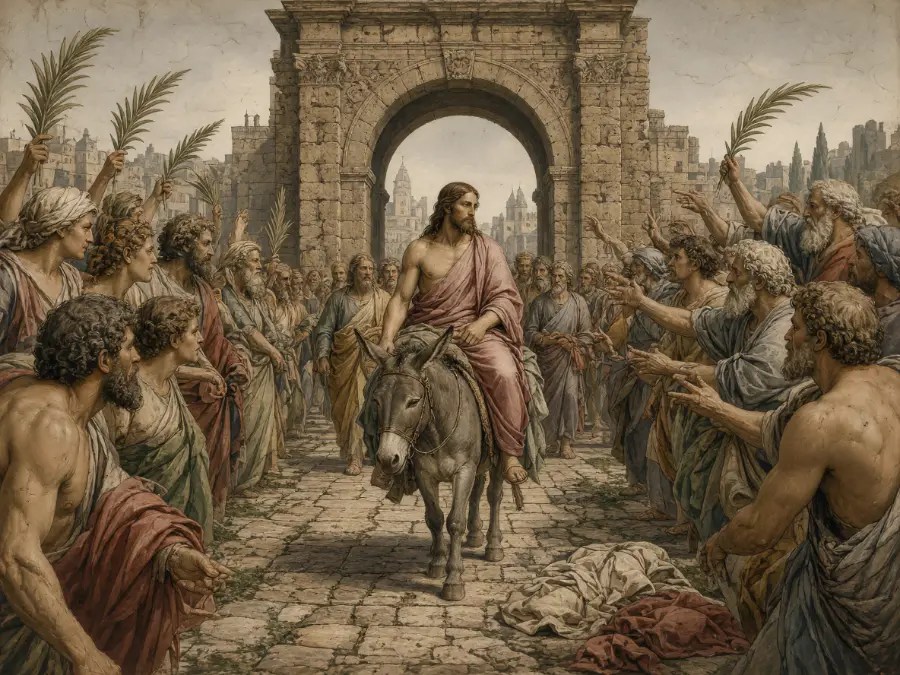
Habakkuk 2:20
“The LORD is in his holy temple; let all the earth be silent before him.”
Reflection: The verse closes a woe against idols. Verse 18 calls them idols “that cannot speak,” and verse 19 says “there is no breath in it.” Against these the LORD is in his holy temple, and the whole earth is told to be silent before him.
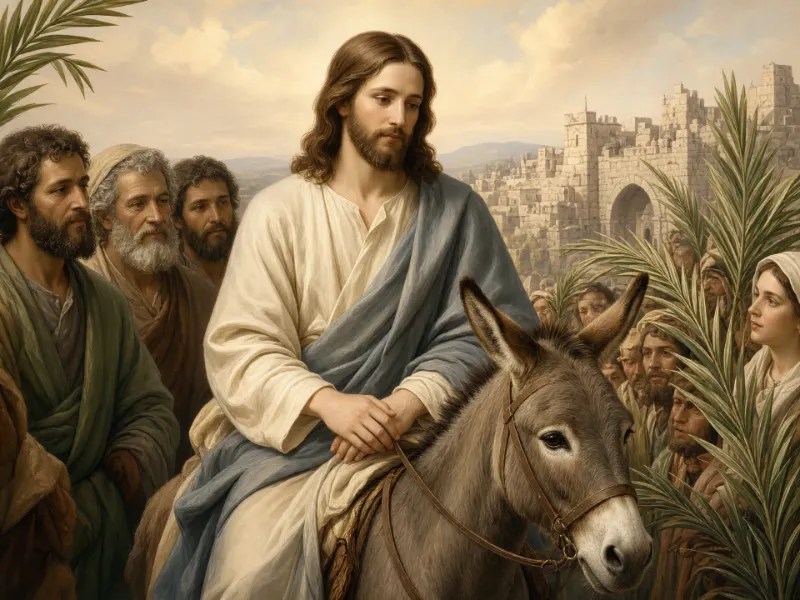
Zechariah 2:13
“Be still before the LORD, all mankind, because he has roused himself from his holy dwelling.”
Reflection: The chapter has just promised, “I am coming, and I will live among you,” and said that many nations will be joined with the LORD. The command to be still is given to “all mankind” because God “has roused himself from his holy dwelling.” Zephaniah 1:7 gives a similar command, “Be silent before the Sovereign LORD,” because the day of the LORD is near.
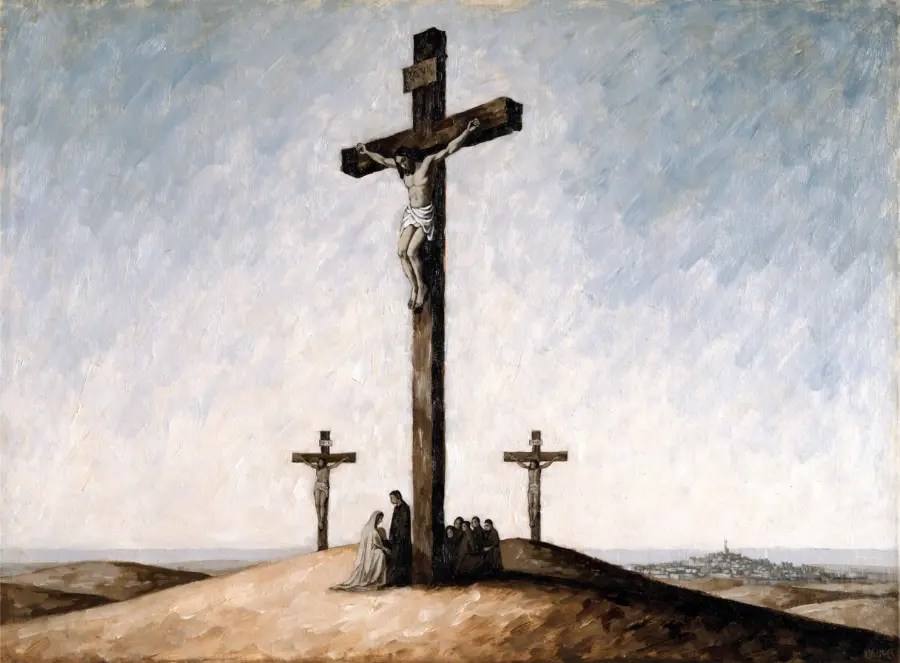
Psalm 46:10
“Be still, and know that I am God; I will be exalted among the nations, I will be exalted in the earth.”
Reflection: In the NIV the verse opens with “He says,” so God is the speaker. The command follows a list of what he has done: he “makes wars cease to the ends of the earth,” breaks the bow and burns the shields with fire. The psalm began with the earth giving way and the waters roaring, and verse 11 closes with “The LORD Almighty is with us.”

Psalm 4:4
“Tremble and do not sin; when you are on your beds, search your hearts and be silent.”
Reflection: David addresses people who turn his glory into shame and “seek false gods” (Psalm 4:2). He tells them to tremble and not sin, and to search their hearts in silence on their beds. The next verse tells them to “offer the sacrifices of the righteous and trust in the LORD.”
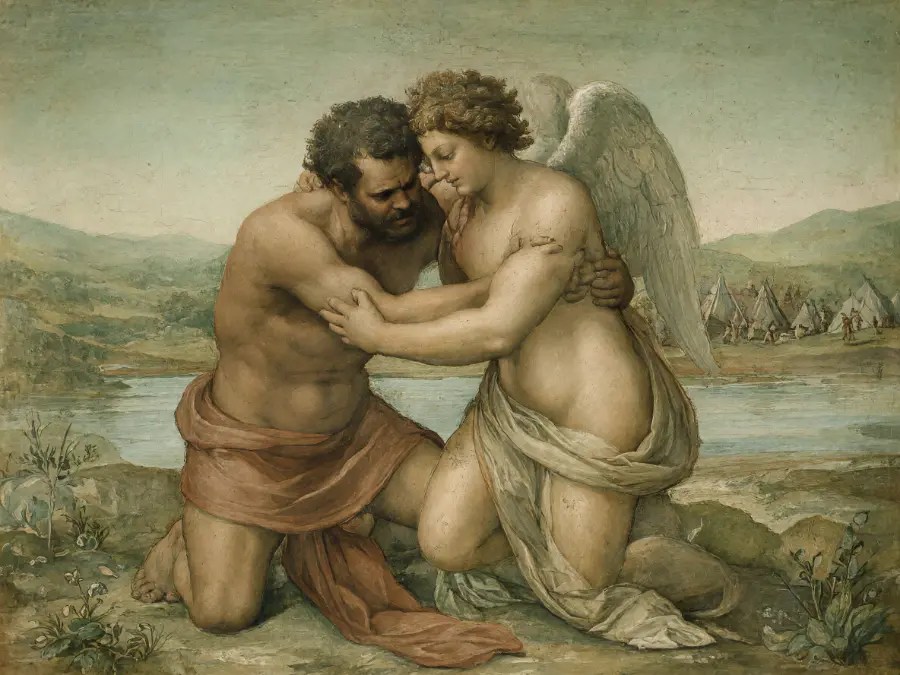
Lamentations 3:26
“It is good to wait quietly for the salvation of the LORD.”
Reflection: The verse is one of a run of lines that each call something good: the LORD is good to those whose hope is in him (3:25), and it is good for a man to bear the yoke while he is young (3:27). Verse 28 goes further: “Let him sit alone in silence, for the LORD has laid it on him.”

Isaiah 30:15
“In repentance and rest is your salvation, in quietness and trust is your strength.”
Reflection: Isaiah 30 opens with a woe on “obstinate children” who go down to Egypt without consulting the LORD and look to Pharaoh for protection. Verse 15 sets quietness and trust against that plan, and the same verse records the reply: “but you would have none of it.” The people said they would flee on horses, and verse 16 turns their words back on them: “Therefore you will flee!”
The silence of Jesus
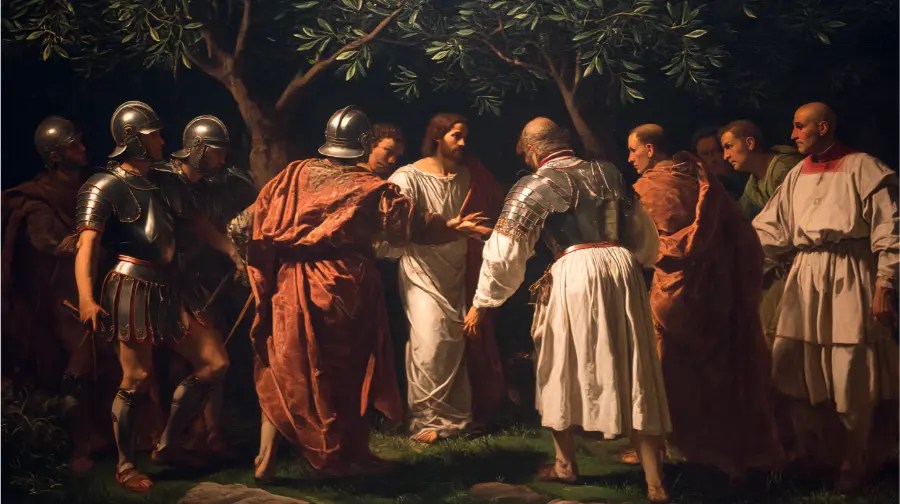
Isaiah 53:7
“He was oppressed and afflicted, yet he did not open his mouth; he was led like a lamb to the slaughter, and as a sheep before its shearers is silent, so he did not open his mouth.”
Reflection: The servant is oppressed and afflicted and does not open his mouth, like a lamb led to the slaughter and a sheep silent before its shearers. In Acts 8 the eunuch Philip meets is reading this passage and asks whether the prophet means himself or someone else, and Philip “began with that very passage of Scripture and told him the good news about Jesus” (Acts 8:35).
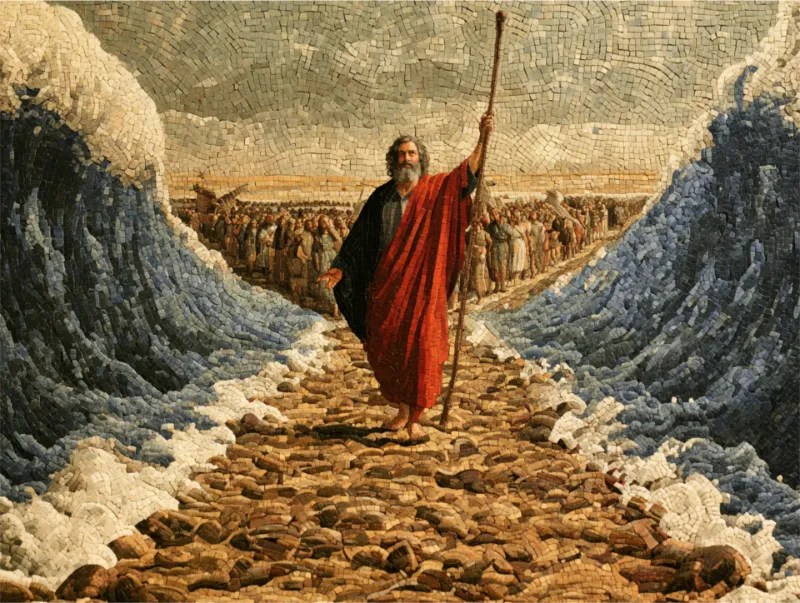
Matthew 26:63
“But Jesus remained silent. The high priest said to him, “I charge you under oath by the living God: Tell us if you are the Messiah, the Son of God.””
Reflection: False witnesses had come forward before the Sanhedrin, and the high priest asked Jesus, “Are you not going to answer?” Jesus stayed silent until the high priest charged him under oath, and then he answered, “You have said so.” Before Pilate he again “made no reply, not even to a single charge” (Matthew 27:14), and Luke 23:9 records that he gave Herod no answer.
Where the Bible calls for speech
Proverbs, which praises the held tongue, also commands speech. Among the sayings King Lemuel’s mother taught him (Proverbs 31:1) is “Speak up for those who cannot speak for themselves, for the rights of all who are destitute,” followed by “Speak up and judge fairly; defend the rights of the poor and needy” (Proverbs 31:8-9).
Isaiah 62:1 is a vow not to keep quiet: “For Zion’s sake I will not keep silent, for Jerusalem’s sake I will not remain quiet, till her vindication shines out like the dawn, her salvation like a blazing torch.”


Leave a Reply