
 English
 Chinese
 Dutch
 Arabic
 Spanish
 Portuguese
 Russian
 French
 Italian
 German
 Japanese
In the Bible, eternal life is the life God gives through his Son. Jesus defines it as knowing the Father and the one he sent (John 17:3). John’s Gospel speaks of believers who already have it (John 5:24), while Daniel 12:2 and Matthew 25:46 speak of everlasting or eternal life after the dead are raised and judged.
Paul calls eternal life a gift (Romans 6:23) and a hope God promised “before the ages began” (Titus 1:2), and his letters also tell believers to take hold of it (1 Timothy 6:12) and to keep sowing to the Spirit without giving up (Galatians 6:8-9).
What eternal life is and who gives it
John 3:16
“For God so loved the world, that he gave his only Son, that whoever believes in him should not perish but have eternal life.”
Reflection: In his conversation with Nicodemus, Jesus has just said that the Son of Man must be lifted up as Moses lifted up the serpent in the wilderness, “that whoever believes in him may have eternal life” (John 3:14-15). Verse 16 gives the reason behind it: God loved the world and gave his only Son. The alternative to eternal life is to perish, and verse 18 adds that “whoever does not believe is condemned already.”
John 17:3
“And this is eternal life, that they know you, the only true God, and Jesus Christ whom you have sent.”
Reflection: Jesus prays these words to the Father at the end of his last discourse, shortly before his arrest in John 18. Verse 2 says the Father gave the Son authority “to give eternal life to all whom you have given him.” Verse 3 then says what the gift consists of: knowing the only true God and Jesus Christ, whom he sent.
John 14:6
“Jesus said to him, ‘I am the way, and the truth, and the life. No one comes to the Father except through me.’”
Reflection: Jesus has just told the disciples that he is going to prepare a place for them in his Father’s house and that he will “come again and will take you to myself” (14:2-3). Thomas says they do not know the way, and Jesus answers that he is the way, the truth and the life. The verse answers how a person reaches the Father, the destination the chapter has described.
Romans 6:23
“For the wages of sin is death, but the free gift of God is eternal life in Christ Jesus our Lord.”
Reflection: The verse closes Paul’s argument in Romans 6 about being slaves of sin or slaves of God. Verse 22 has already said that for those set free from sin, the fruit “leads to sanctification and its end, eternal life.” Verse 23 sets a wage against a gift: sin pays out death, while eternal life is given freely “in Christ Jesus our Lord.”
Life that has already begun
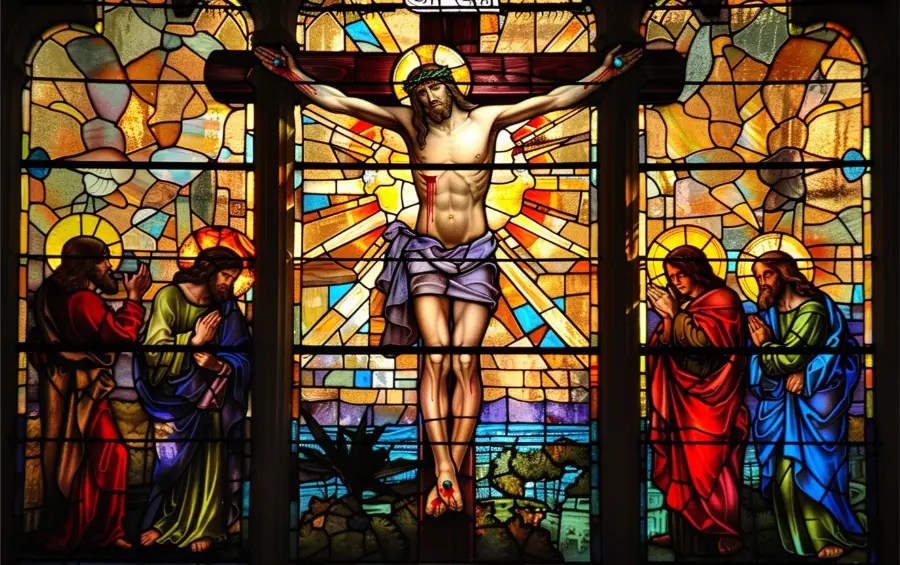
John 5:24
“Truly, truly, I say to you, whoever hears my word and believes him who sent me has eternal life. He does not come into judgment, but has passed from death to life.”
Reflection: Jesus speaks of eternal life as something the believer already holds: whoever hears and believes “has eternal life” and “has passed from death to life.” The next verses speak of an hour that “is now here” when the dead hear the Son’s voice and live (5:25), and of an hour still coming when “all who are in the tombs” will come out, some “to the resurrection of life” (5:28-29). The chapter holds both the present gift and the future resurrection.
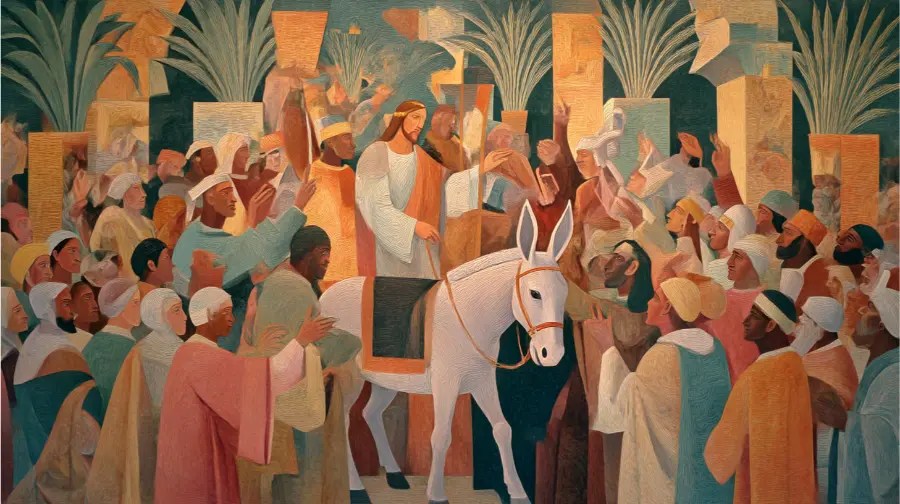
John 11:25-26
“Jesus said to her, ‘I am the resurrection and the life. Whoever believes in me, though he die, yet shall he live, and everyone who lives and believes in me shall never die. Do you believe this?’”
Reflection: Lazarus has been in the tomb four days (11:17), and his sister Martha has told Jesus she knows he “will rise again in the resurrection on the last day” (11:24). Jesus answers by speaking of himself: “I am the resurrection and the life.” He makes two promises, one for the believer who dies (“yet shall he live”) and one for the believer who lives (“shall never die”). Martha replies with a confession that he is the Christ (11:27), and Jesus then calls Lazarus out of the tomb (11:43-44).
John 4:14
“But whoever drinks of the water that I will give him will never be thirsty again. The water that I will give him will become in him a spring of water welling up to eternal life.”
Reflection: Jesus is talking with a Samaritan woman who has come to draw water at a well she credits to “our father Jacob” (4:12). He contrasts the well’s water, after which “everyone who drinks of this water will be thirsty again” (4:13), with water that becomes a spring inside the one who drinks it. She first takes him to mean ordinary water and asks for it so that she need not “come here to draw water” (4:15).
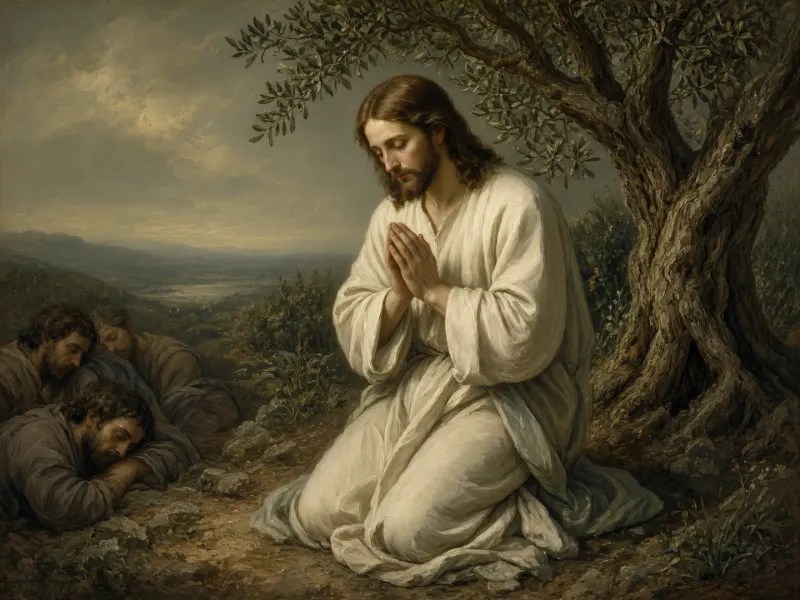
John 6:27
“Do not work for the food that perishes, but for the food that endures to eternal life, which the Son of Man will give to you. For on him God the Father has set his seal.”
Reflection: Jesus tells the people who have come looking for him that they came because “you ate your fill of the loaves” (6:26). He sets food that perishes against food that “endures to eternal life,” which the Son of Man gives. When they ask what work God requires, he answers, “that you believe in him whom he has sent” (6:29), and later in the chapter he says, “whoever believes has eternal life” (6:47).

1 John 3:14-15
“We know that we have passed out of death into life, because we love the brothers. Whoever does not love abides in death. Everyone who hates his brother is a murderer, and you know that no murderer has eternal life abiding in him.”
Reflection: John gives believers a ground of assurance: love for fellow believers is how “we know” that they have passed out of death into life, wording close to John 5:24. Verse 12 has just named Cain, “who was of the evil one and murdered his brother.” Verse 15 calls anyone who hates his brother a murderer and says no murderer has eternal life “abiding in him.”
Resurrection, judgment and the age to come

Daniel 12:2
“And many of those who sleep in the dust of the earth shall awake, some to everlasting life, and some to shame and everlasting contempt.”
Reflection: The verse follows a promise that in “a time of trouble, such as never has been,” Daniel’s people will be delivered, “everyone whose name shall be found written in the book” (12:1). The dead are described as sleeping in the dust and waking to one of two ends, everlasting life or everlasting contempt. Verse 3 continues with the wise, who “shall shine like the brightness of the sky above.”
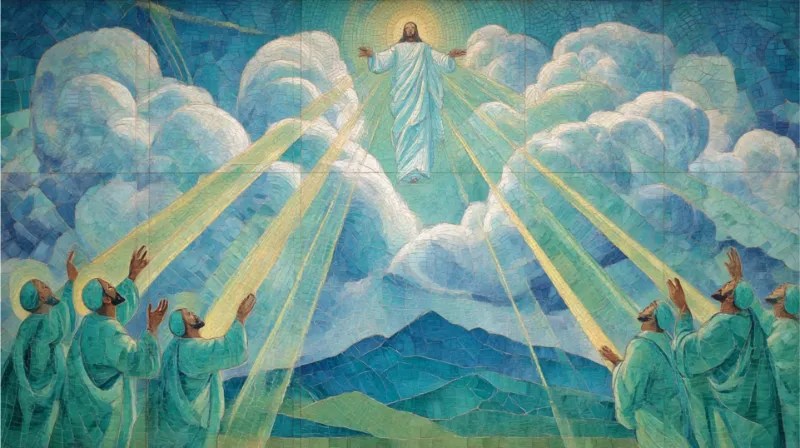
Matthew 25:46
“And these will go away into eternal punishment, but the righteous into eternal life.”
Reflection: The verse ends the scene in which the Son of Man gathers “all the nations” and separates them “as a shepherd separates the sheep from the goats” (25:32). The division turns on how each group treated the hungry, the stranger, the sick and the prisoner, which the King counts as done “to me” (25:40, 45). In this verse the same word, eternal, describes both the punishment and the life.

Mark 10:30
“Who will not receive a hundredfold now in this time, houses and brothers and sisters and mothers and children and lands, with persecutions, and in the age to come eternal life.”
Reflection: The story begins with a man asking Jesus, “Good Teacher, what must I do to inherit eternal life?” (10:17); told to sell what he has and follow, he goes away sorrowful. Peter then says the disciples have left everything (10:28), and Jesus answers in two stages: a hundredfold “now in this time,” persecutions included, and eternal life “in the age to come.” The Greek adjective translated eternal, aiōnios, comes from aiōn, age. Matthew 19:29 records the same saying.
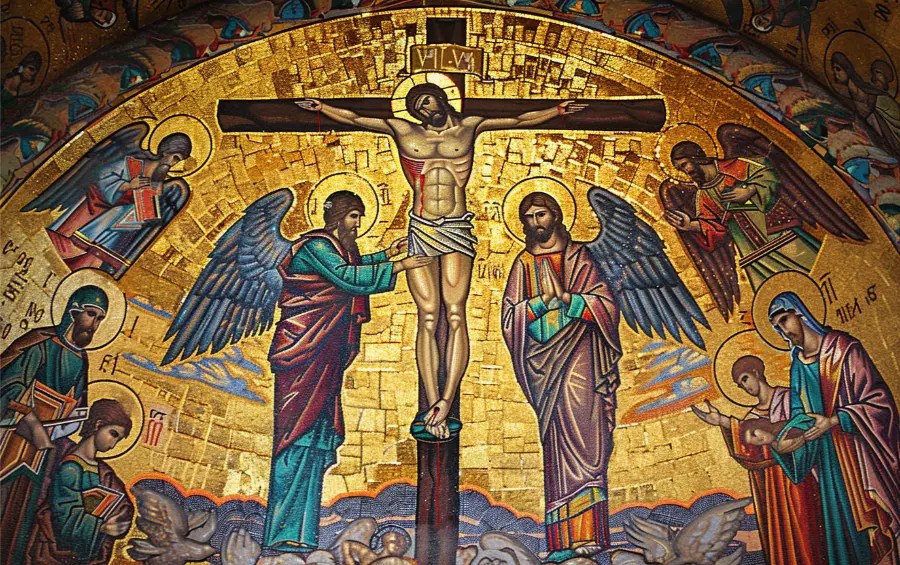
1 Peter 1:3-5
“Blessed be the God and Father of our Lord Jesus Christ! According to his great mercy, he has caused us to be born again to a living hope through the resurrection of Jesus Christ from the dead, to an inheritance that is imperishable, undefiled, and unfading, kept in heaven for you, who by God’s power are being guarded through faith for a salvation ready to be revealed in the last time.”
Reflection: Peter writes to “elect exiles” scattered through Pontus, Galatia, Cappadocia, Asia and Bithynia (1:1). He traces their hope to the resurrection of Jesus and describes their inheritance with three negatives: imperishable, undefiled and unfading. The inheritance is kept in heaven, and the believers themselves are guarded by God’s power for a salvation still to be revealed.
Promised, kept and known
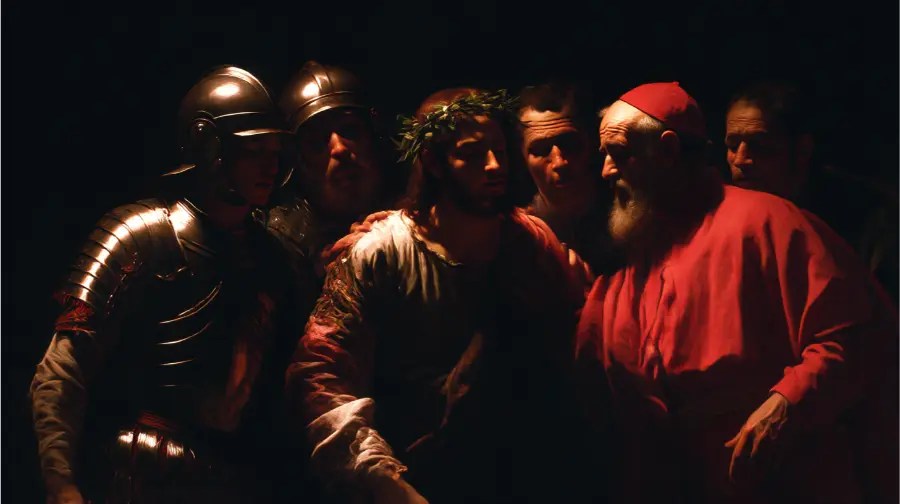
Titus 1:2-3
“In hope of eternal life, which God, who never lies, promised before the ages began and at the proper time manifested in his word through the preaching with which I have been entrusted by the command of God our Savior;”
Reflection: Paul opens his letter to Titus by tying his apostleship to the “hope of eternal life.” He dates the promise before time itself and rests it on the character of God, “who never lies.” What was promised then was made known later, at the proper time, through the preaching entrusted to Paul.
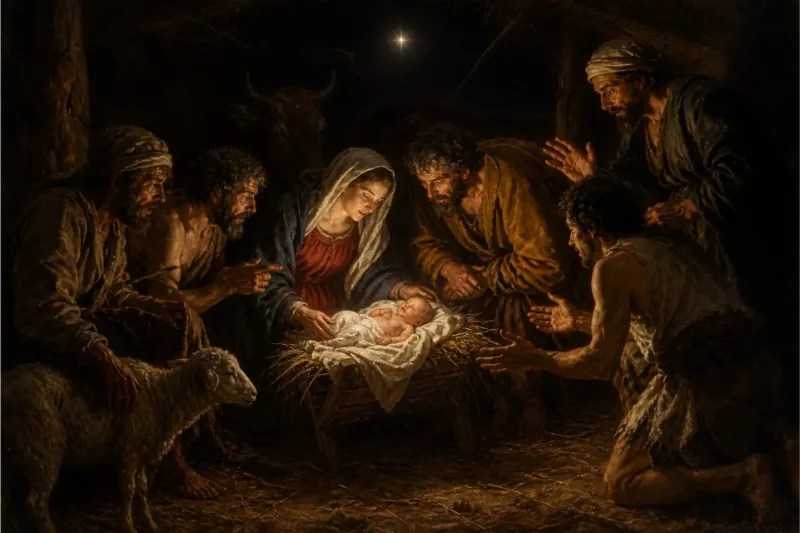
Titus 3:7
“So that being justified by his grace we might become heirs according to the hope of eternal life.”
Reflection: In the ESV, verses 4 to 7 form one sentence. God saved “not because of works done by us in righteousness, but according to his own mercy,” through “the washing of regeneration and renewal of the Holy Spirit” (3:5). The sentence ends with the purpose of that saving: that those justified by his grace become heirs, and eternal life is what they are heirs to.
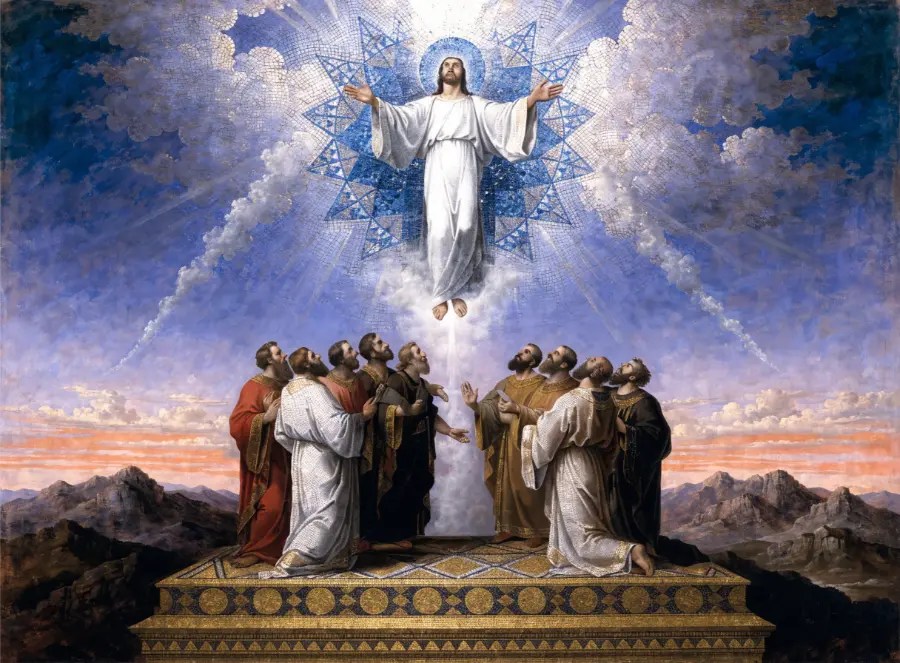
1 John 2:25
“And this is the promise that he made to us—eternal life.”
Reflection: John has just urged his readers to let what they “heard from the beginning” abide in them, so that they will “abide in the Son and in the Father” (2:24). The promise attached to that abiding is eternal life.
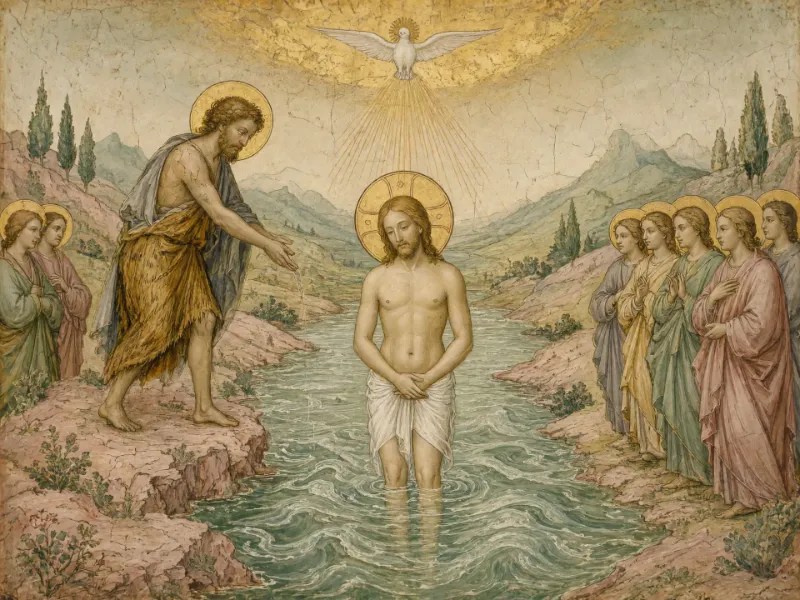
John 10:28
“I give them eternal life, and they will never perish, and no one will snatch them out of my hand.”
Reflection: Jesus is speaking of his sheep, who “hear my voice” and “follow me” (10:27). The promise has three parts: he gives them eternal life, they will never perish, and no one will snatch them out of his hand. Verse 29 adds the Father’s hand to the Son’s. Earlier in the chapter it is the wolf that “snatches” the sheep when the hired hand runs away (10:12).
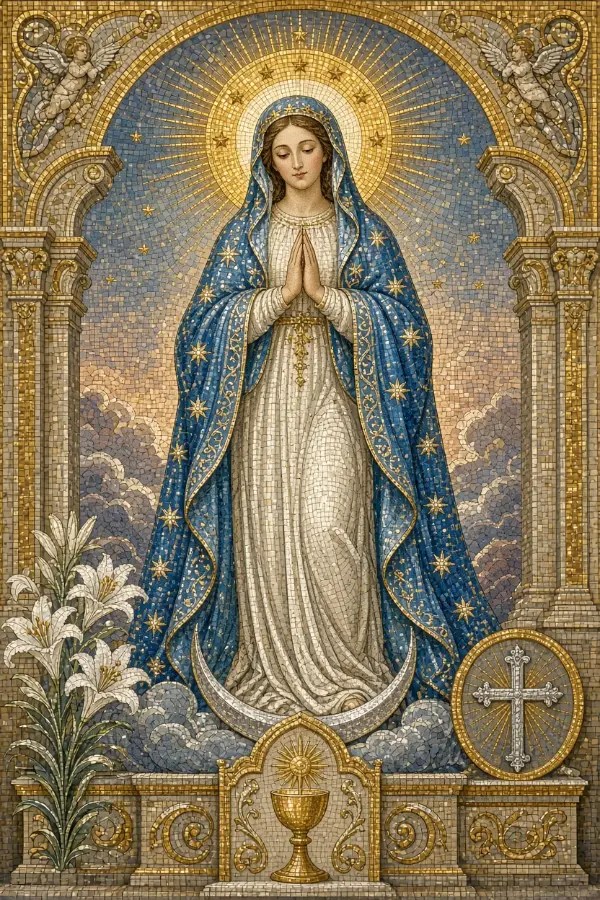
1 John 5:13
“I write these things to you who believe in the name of the Son of God, that you may know that you have eternal life.”
Reflection: John states why he wrote the letter: so that those who believe “may know that you have eternal life.” The verses before it tie that life to a person: “this life is in his Son. Whoever has the Son has life” (5:11-12). Verse 12 also states the reverse: “whoever does not have the Son of God does not have life.”
Grace, faith and the life that pursues it
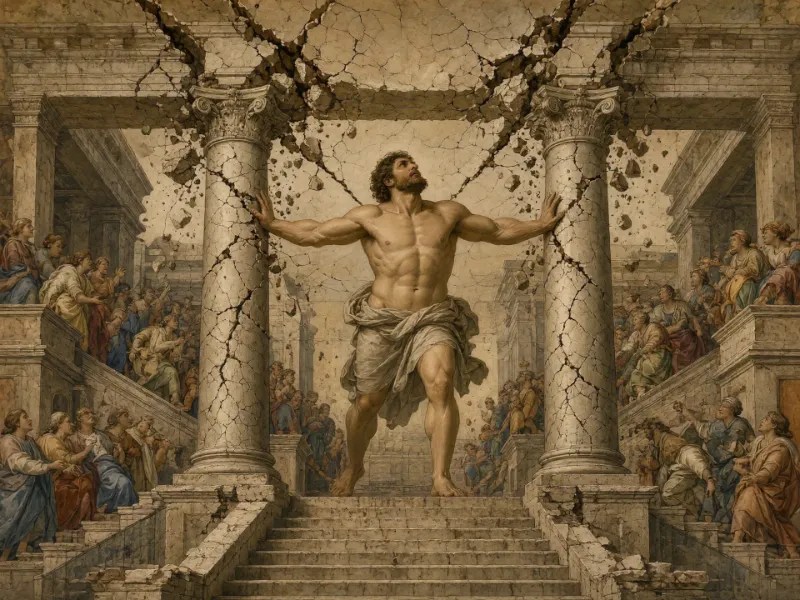
Romans 5:21
“So that, as sin reigned in death, grace also might reign through righteousness leading to eternal life through Jesus Christ our Lord.”
Reflection: The verse closes Romans 5 by setting two reigns against each other: sin reigned “in death,” and grace reigns “through righteousness” toward eternal life. Verse 20 has said that the law “came in to increase the trespass,” and that where sin increased, “grace abounded all the more.”
Romans 2:7
“To those who by patience in well-doing seek for glory and honor and immortality, he will give eternal life.”
Reflection: The verse belongs to Paul’s statement that God “will render to each one according to his works” (2:6) and “shows no partiality” between Jew and Greek (2:11). Eternal life is given to those who seek glory, honor and immortality “by patience in well-doing.” The next verse sets the opposite case: wrath and fury for those who “do not obey the truth, but obey unrighteousness” (2:8).
Galatians 6:8
“For the one who sows to his own flesh will from the flesh reap corruption, but the one who sows to the Spirit will from the Spirit reap eternal life.”
Reflection: Paul applies a rule of farming: “whatever one sows, that will he also reap” (6:7). Sowing to the flesh yields corruption, and sowing to the Spirit yields eternal life. The next verse places the harvest “in due season” and attaches a condition: “if we do not give up” (6:9).

1 Timothy 6:12
“Fight the good fight of the faith. Take hold of the eternal life to which you were called and about which you made the good confession in the presence of many witnesses.”
Reflection: Paul tells Timothy, whom he calls “man of God,” to flee “these things” and pursue righteousness, godliness, faith, love, steadfastness and gentleness (6:11). Timothy has already been called to eternal life and is still told to take hold of it. His “good confession” before many witnesses is set beside the good confession Christ made “before Pontius Pilate” (6:13).


Leave a Reply