
 English
 Chinese
 Dutch
 Arabic
 Spanish
 Portuguese
 Russian
 French
 Italian
 German
 Japanese
In the Bible, fish are part of creation and ordinary food, and several of Jesus’ disciples caught them for a living. Genesis 1:21 records their making, Leviticus 11:9 says which ones Israel may eat, and Jonah 1:17 tells of the huge fish that swallowed Jonah.
In the Gospels Jesus calls the Galilee fishermen to “fish for people” (Mark 1:17), feeds crowds with a few fish (Matthew 14:19-20; Mark 8:7-8), and after rising from the dead eats broiled fish in front of his disciples (Luke 24:41-43) and serves them fish on the shore of the lake (John 21:9).
Fish in creation and in the law of Moses
Genesis 1:21
“So God created the great creatures of the sea and every living thing with which the water teems and that moves about in it, according to their kinds…”
Reflection: Sea creatures are made on the fifth day, together with the birds, and God sees that they are good. The next verse blesses the sea creatures and the birds together, and the sea creatures are told to “fill the water in the seas” (Genesis 1:22).
Genesis 1:28
“God blessed them and said to them, ‘Be fruitful and increase in number; fill the earth and subdue it. Rule over the fish in the sea and the birds in the sky and over every living creature that moves on the ground.’”
Reflection: On the sixth day God blesses the man and the woman and gives them rule over the fish, the birds and the land animals. At this point in Genesis only plants are named as food (Genesis 1:29). After the flood God adds animals to the diet, fish among them: “Everything that lives and moves about will be food for you” (Genesis 9:2-3).
Leviticus 11:9
“Of all the creatures living in the water of the seas and the streams you may eat any that have fins and scales.”
Reflection: The food laws of Leviticus 11 give one test for water creatures: fins and scales. Anything in the water without both is to be regarded as unclean, and the chapter says so three times over in verses 10 to 12. Deuteronomy 14:9-10 repeats the rule. In the New Testament, Mark 7:19 adds the comment “In saying this, Jesus declared all foods clean,” and in Acts 10:15 Peter hears a voice say, “Do not call anything impure that God has made clean.”
Numbers 11:22
“Would they have enough if flocks and herds were slaughtered for them? Would they have enough if all the fish in the sea were caught for them?”
Reflection: In the wilderness the Israelites complained about the manna and remembered “the fish we ate in Egypt at no cost” (Numbers 11:5). God promised them meat for a whole month, and Moses, counting six hundred thousand men on foot, asked whether all the fish in the sea would be enough. God answered with a question of his own, “Is the Lord’s arm too short?” (Numbers 11:23), and then sent quail in from the sea.
The fish that swallowed Jonah
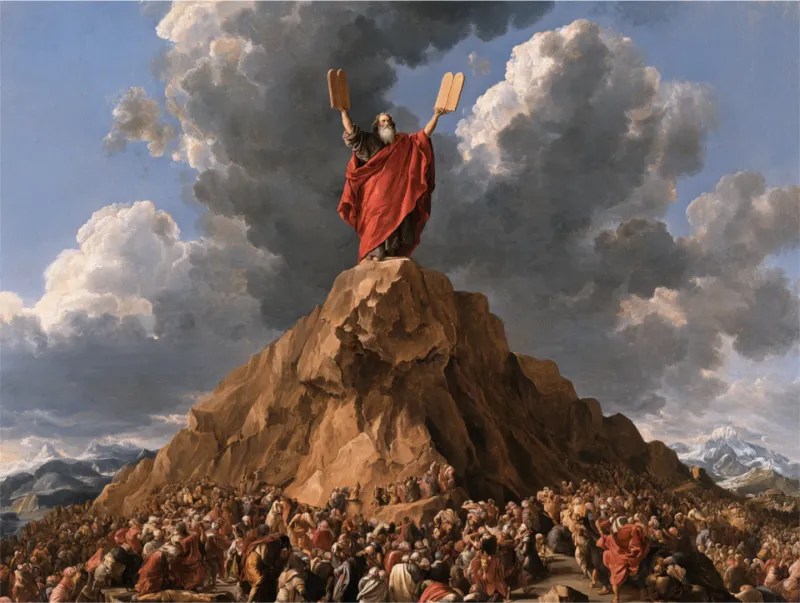
Jonah 1:17
“Now the Lord provided a huge fish to swallow Jonah, and Jonah was in the belly of the fish three days and three nights.”
Reflection: Jonah had boarded a ship for Tarshish to run from God’s command to preach against Nineveh. When the sailors threw him overboard the storm stopped, and the Lord provided the fish. The book calls it a huge fish and does not name a kind of animal.
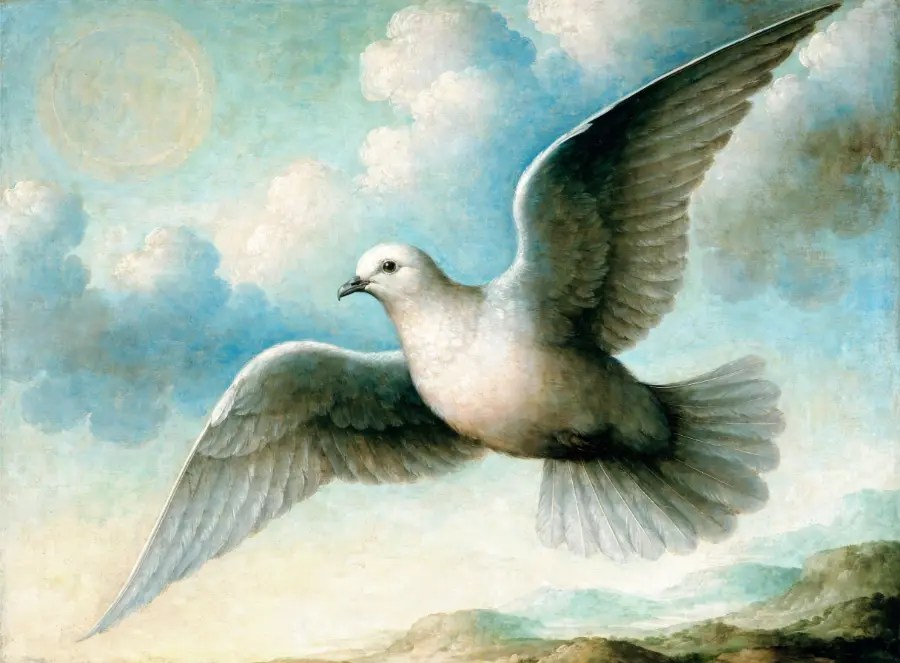
Jonah 2:1
“From inside the fish Jonah prayed to the LORD his God.”
Reflection: The prayer that follows (Jonah 2:2-9) describes sinking into “the very heart of the seas” with seaweed wrapped around his head. It already speaks of rescue in the past tense, “you, Lord my God, brought my life up from the pit,” and ends with a vow and the words “Salvation comes from the Lord.”

Jonah 2:10
“And the LORD commanded the fish, and it vomited Jonah onto dry land.”
Reflection: The Lord who provided the fish in Jonah 1:17 now commands it, and it puts Jonah ashore. The next chapter opens with the word of the Lord coming to Jonah “a second time” (Jonah 3:1), with the same errand to Nineveh.

Matthew 12:40
“For as Jonah was three days and three nights in the belly of a huge fish, so the Son of Man will be three days and three nights in the heart of the earth.”
Reflection: When Pharisees and teachers of the law asked Jesus for a sign, he said none would be given except “the sign of the prophet Jonah” (Matthew 12:39). He compares Jonah’s three days and nights in the fish to the time the Son of Man will spend “in the heart of the earth,” and then adds that the people of Nineveh repented at Jonah’s preaching (Matthew 12:41).
Fishermen called to fish for people
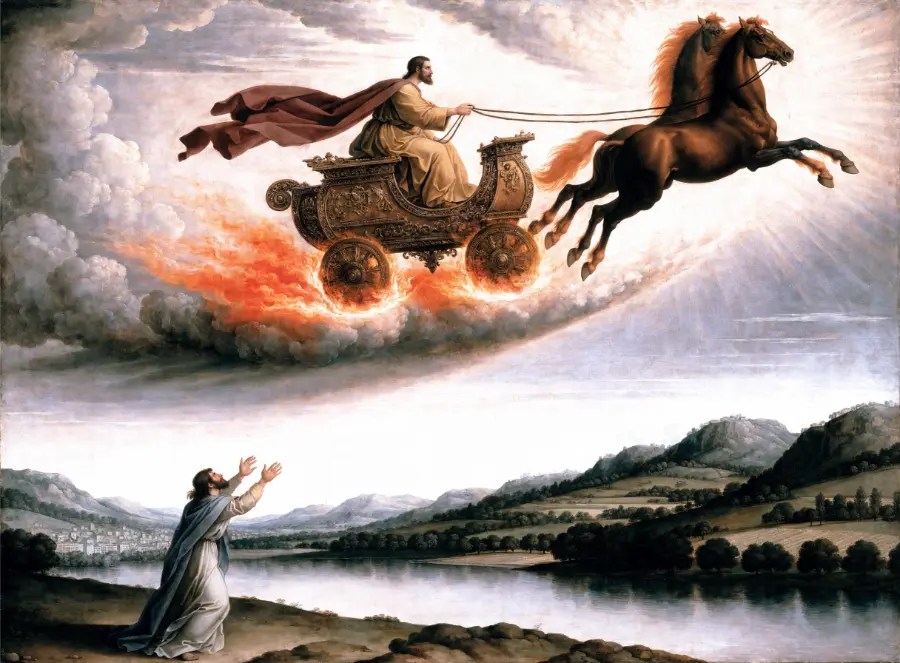
Matthew 4:18
“As Jesus was walking beside the Sea of Galilee, he saw two brothers, Simon called Peter and his brother Andrew. They were casting a net into the lake, for they were fishermen.”
Reflection: Simon Peter and Andrew were casting a net into the lake when Jesus found them. A little further on he called James and John, who were in a boat with their father Zebedee preparing their nets (Matthew 4:21-22). All four men called in Matthew 4:18-22 were fishermen on the Sea of Galilee.

Mark 1:17
“‘Come, follow me,’ Jesus said, ‘and I will send you out to fish for people.’”
Reflection: Jesus puts the call in the terms of the brothers’ own trade, and Matthew 4:19 records the same words. Simon and Andrew left their nets “at once” (Mark 1:18), and James and John left their father Zebedee in the boat with the hired men (Mark 1:20).
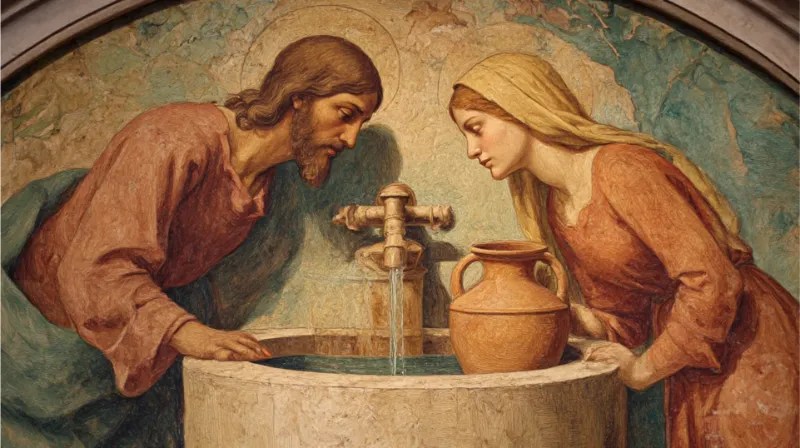
Luke 5:6
“When they had done so, they caught such a large number of fish that their nets began to break.”
Reflection: Luke tells the call through a catch. Jesus had taught the crowd from Simon’s boat, then told him to put out into deep water. Simon answered, “Master, we’ve worked hard all night and haven’t caught anything. But because you say so, I will let down the nets.” The catch filled both boats until they began to sink.
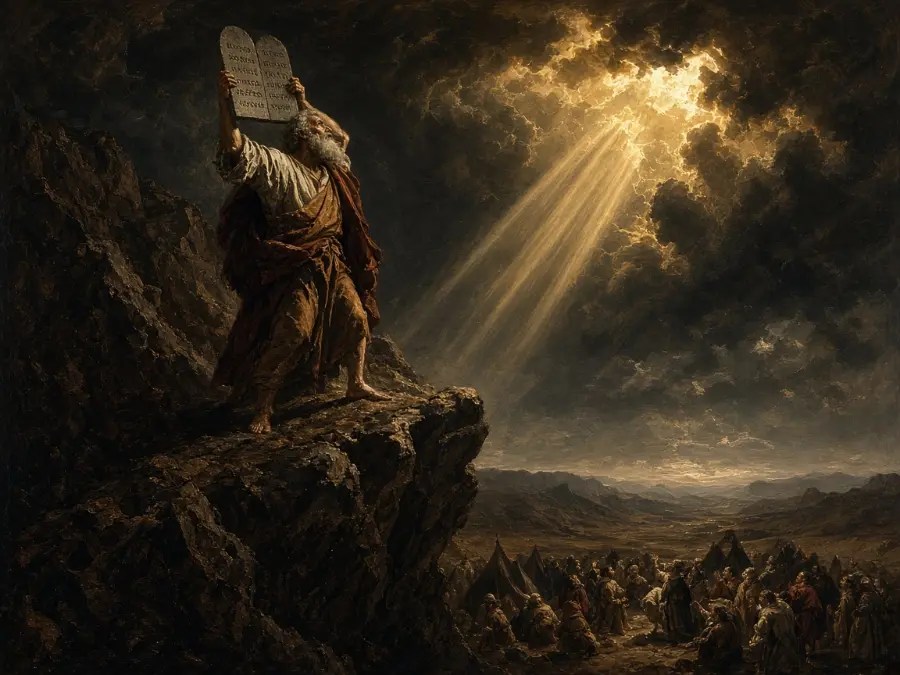
Luke 5:10
“Then Jesus said to Simon, ‘Don’t be afraid; from now on you will fish for people.’”
Reflection: Simon had just fallen at Jesus’ knees saying, “Go away from me, Lord; I am a sinful man!” Jesus answers that with “Don’t be afraid” and a new occupation. The next verse says they pulled their boats up on shore, “left everything and followed him” (Luke 5:11).
The net in a parable and a prophet’s vision
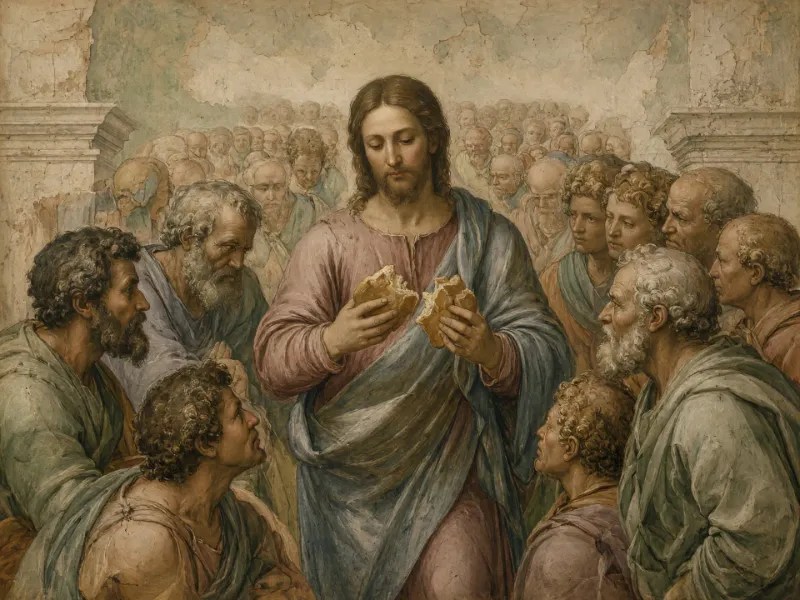
Matthew 13:47-48
“Once again, the kingdom of heaven is like a net that was let down into the lake and caught all kinds of fish. When it was full, the fishermen pulled it up on the shore. Then they sat down and collected the good fish in baskets, but threw the bad away.”
Reflection: The parable pictures a dragnet let down into the lake that brings up all kinds of fish, which the fishermen sort on the shore. Jesus explains it in the next two verses: “This is how it will be at the end of the age. The angels will come and separate the wicked from the righteous” (Matthew 13:49-50).

Ezekiel 47:10
“Fishermen will stand along the shore; from En Gedi to En Eglaim there will be places for spreading nets. The fish will be of many kinds—like the fish of the Mediterranean Sea.”
Reflection: Ezekiel sees a river flowing from under the temple threshold, deepening until it cannot be crossed, and running down into the Dead Sea. Where it enters, the salt water becomes fresh and “there will be large numbers of fish” (Ezekiel 47:9). The vision puts fishermen with their nets on the shore of a sea that could not support fish, and fruit trees whose leaves are for healing on the riverbanks (Ezekiel 47:12).
Fish that fed crowds and paid a tax
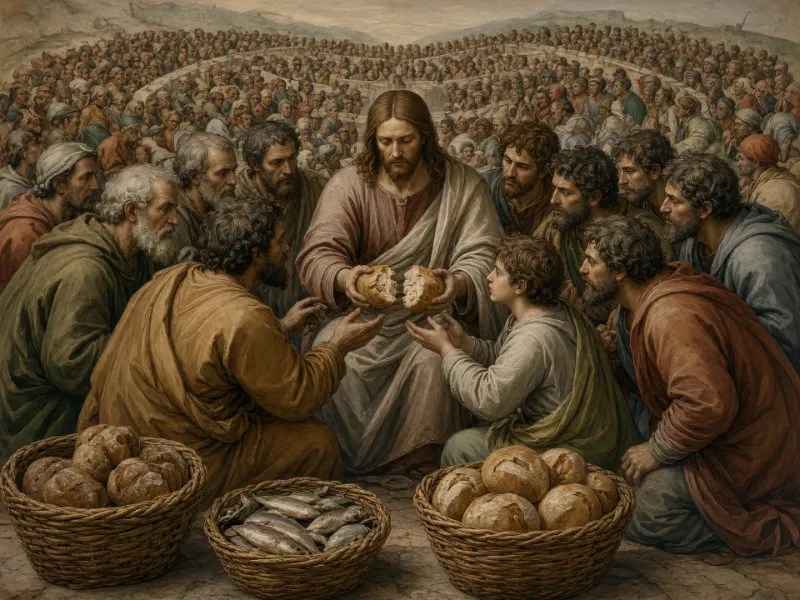
Matthew 14:19-20
“And he directed the people to sit down on the grass. Taking the five loaves and the two fish and looking up to heaven, he gave thanks and broke the loaves. Then he gave them to the disciples, and the disciples gave them to the people. They all ate and were satisfied, and the disciples picked up twelve basketfuls of broken pieces that were left over.”
Reflection: The feeding of the five thousand is told in all four Gospels (Mark 6:41-44; Luke 9:16-17; John 6:5-14). John adds that the five barley loaves and two fish belonged to a boy, pointed out by Andrew (John 6:8-9), and Mark says the leftovers gathered were “broken pieces of bread and fish” (Mark 6:43). Twelve basketfuls were left over.
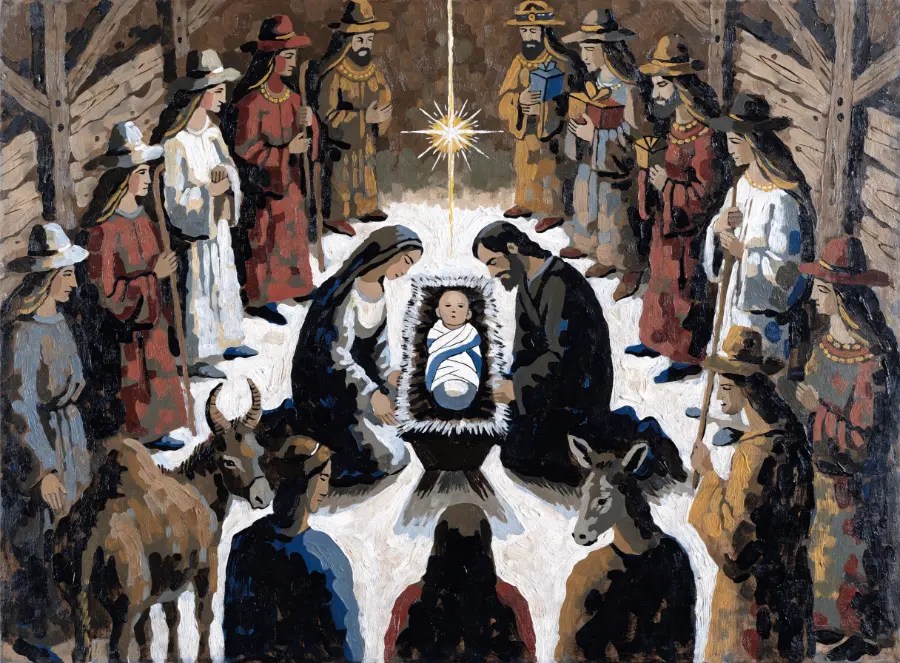
Mark 8:7-8
“They had a few small fish as well; he gave thanks for them also and told the disciples to distribute them. The people ate and were satisfied. Afterward the disciples picked up seven basketfuls of broken pieces that were left over.”
Reflection: This is a second feeding, of about four thousand people who had been with Jesus for three days (Mark 8:1-9). The loaves were seven, the fish few, and seven basketfuls were left. Later in the chapter Jesus asks the disciples to count the baskets from both feedings, twelve and seven, and asks, “Do you still not understand?” (Mark 8:19-21).
Matthew 17:27
“But so that we may not cause offense, go to the lake and throw out your line. Take the first fish you catch; open its mouth and you will find a four-drachma coin. Take it and give it to them for my tax and yours.”
Reflection: At Capernaum the collectors of the two-drachma temple tax asked Peter whether his teacher paid it. Jesus argued that a king’s own children are exempt, then paid anyway “so that we may not cause offense.” The four-drachma coin in the fish’s mouth covers two people, Jesus and Peter. Matthew records the instruction and does not narrate Peter catching the fish.
Fish eaten after the resurrection
Luke 24:41-43
“And while they still did not believe it because of joy and amazement, he asked them, ‘Do you have anything here to eat?’ They gave him a piece of broiled fish, and he took it and ate it in their presence.”
Reflection: The disciples thought they were seeing a ghost, and Jesus told them, “Touch me and see; a ghost does not have flesh and bones, as you see I have” (Luke 24:39). He then asked for something to eat and ate the fish in their presence. Peter later describes the apostles as witnesses “who ate and drank with him after he rose from the dead” (Acts 10:41).
John 21:6
“He said, ‘Throw your net on the right side of the boat and you will find some.’ When they did, they were unable to haul the net in because of the large number of fish.”
Reflection: Seven disciples had fished all night on the Sea of Galilee and caught nothing, the same situation as in Luke 5. A stranger on the shore told them where to cast, and the catch made the disciple whom Jesus loved say, “It is the Lord!” John counts the fish, 153 large ones, and notes that “even with so many the net was not torn” (John 21:11), where the nets in Luke 5:6 began to break.
John 21:9
“When they landed, they saw a fire of burning coals there with fish on it, and some bread.”
Reflection: Jesus already had fish on the fire when the boat landed, and he asked for some of the new catch as well. Then he said, “Come and have breakfast,” and “took the bread and gave it to them, and did the same with the fish” (John 21:12-13). The wording is similar to John’s account of the feeding of the five thousand, where Jesus “distributed to those who were seated as much as they wanted. He did the same with the fish” (John 6:11). After the meal he asked Peter three times, “Do you love me?” (John 21:15-17).


Leave a Reply