
 English
 Chinese
 Dutch
 Arabic
 Spanish
 Portuguese
 Russian
 French
 Italian
 German
 Japanese
The Bible meets insecurity at two points: what a person is worth to God, and whether God stays with someone who feels unequal to what is asked of them. Psalm 139:14 answers the first in a prayer of praise, and Jeremiah 1:5-8 answers the second with a call and an objection.
On worth, Genesis 1:27 gives the image of God to mankind, Jesus tells his disciples they are worth more than many sparrows (Matthew 10:29-31), and the Lord tells Samuel that he looks at the heart rather than the outward appearance (1 Samuel 16:7). On feeling unequal, it records people who said so to God’s face: Jeremiah protested that he was too young, and Paul pleaded three times for a weakness to be removed and was told “My grace is sufficient for you” (2 Corinthians 12:7-9). The New Testament letters give a standing that does not depend on performance: saved “not by works” (Ephesians 2:8-10), a new creation (2 Corinthians 5:17), and held by a love that nothing in creation can break (Romans 8:38-39). Psalm 56:3 puts fear and trust in one sentence addressed to God, and Psalm 73:26 names God as the strength of a failing heart. In Isaiah 41:10 God himself promises help, and Zephaniah 3:17 tells Jerusalem that the Lord delights in her and rejoices over her with singing.
What a person is worth to God
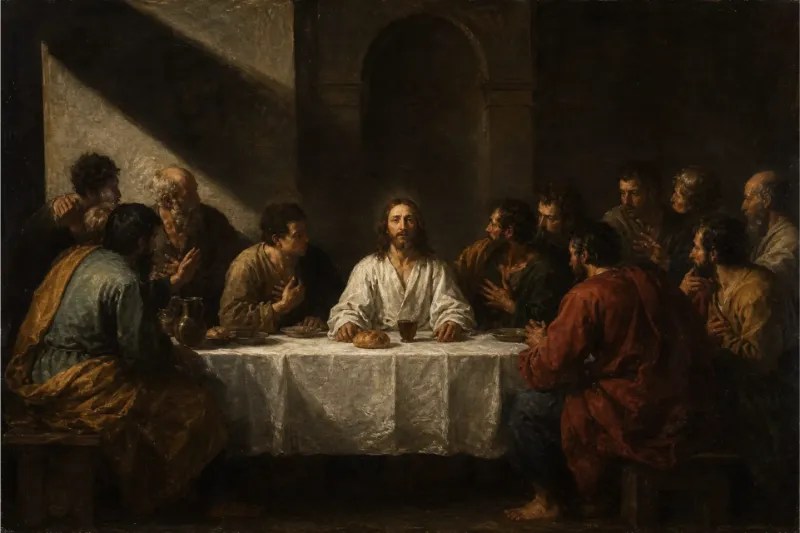
Genesis 1:27
“So God created mankind in his own image, in the image of God he created them; male and female he created them.”
Reflection: The verse comes at the creation of human beings, after God says, “Let us make mankind in our image, in our likeness” (Genesis 1:26). The image is given to mankind as a whole, male and female alike, and in the next verse God blesses them and gives them rule over the living creatures.
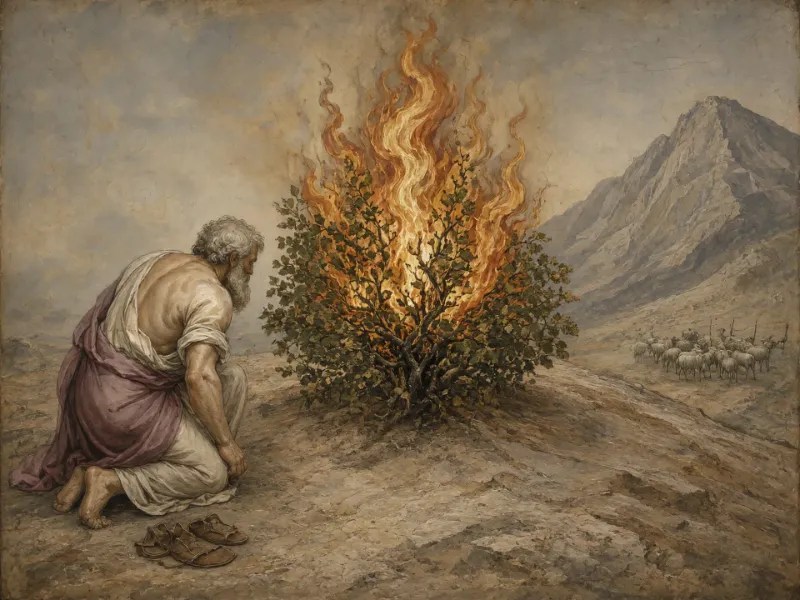
Psalm 139:14
“I praise you because I am fearfully and wonderfully made; your works are wonderful, I know that full well.”
Reflection: The psalmist is speaking to God, and the verse is praise: “I praise you.” The lines around it describe God’s work before birth: “you knit me together in my mother’s womb” (verse 13), and “Your eyes saw my unformed body” (verse 16). The confidence rests on the maker, “your works are wonderful”, rather than on the psalmist’s own qualities.

Matthew 10:29-31
“Are not two sparrows sold for a penny? Yet not one of them will fall to the ground outside your Father’s care. And even the very hairs of your head are all numbered. So don’t be afraid; you are worth more than many sparrows.”
Reflection: Jesus says this while instructing the twelve disciples he is sending out, and just before it he tells them not to fear “those who kill the body but cannot kill the soul” (verse 28). The argument runs from the lesser to the greater: sparrows sold two for a penny do not fall outside the Father’s care, and the disciples are worth more than many sparrows. Even the hairs of their heads are numbered.
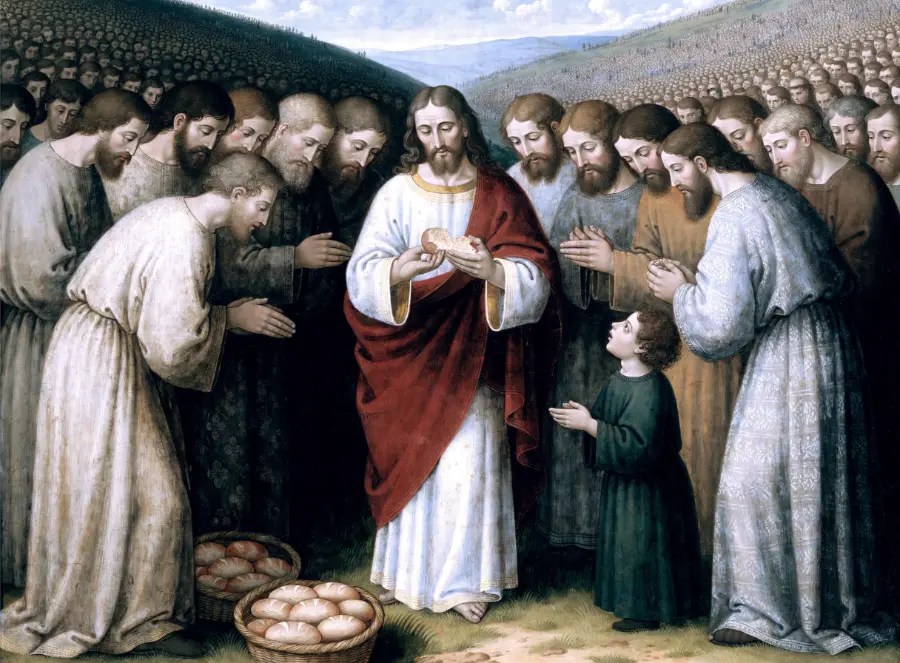
1 Samuel 16:7
“But the LORD said to Samuel, ‘Do not consider his appearance or his height, for I have rejected him. The LORD does not look at the things people look at. People look at the outward appearance, but the LORD looks at the heart.’”
Reflection: Samuel has come to Bethlehem to anoint one of Jesse’s sons as king, and on seeing Eliab he assumes this must be the one. God tells him to disregard Eliab’s appearance and height. Seven sons pass by and are refused, and the one chosen is the youngest, who had been left out tending the sheep. The chapter then describes David as having “a fine appearance and handsome features” (verse 12), so the verse does not count looks against anyone; it says they are not what the Lord looks at.
When someone feels unequal to what God asks
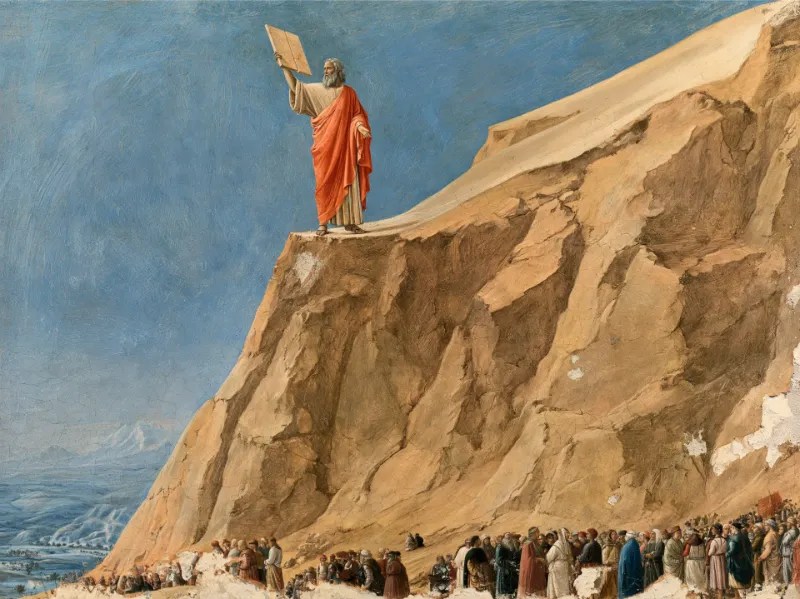
Jeremiah 1:5
“Before I formed you in the womb I knew you, before you were born I set you apart; I appointed you as a prophet to the nations.”
Reflection: These are the opening words of Jeremiah’s call, and his reply in the next verse is an objection: “I do not know how to speak; I am too young.” God does not argue about his age. He tells Jeremiah not to say it, promises “I am with you and will rescue you” (verse 8), and touches his mouth: “I have put my words in your mouth” (verse 9).
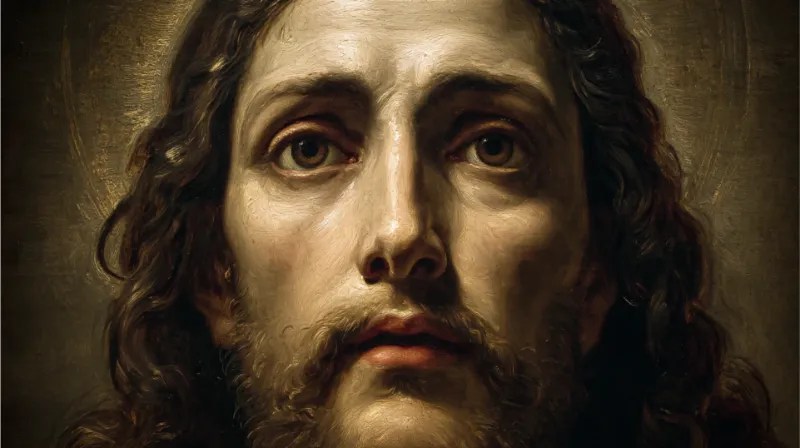
2 Timothy 1:7
“For the Spirit God gave us does not make us timid, but gives us power, love and self-discipline.”
Reflection: Paul writes to Timothy as a prisoner (verse 8). He has just recalled the faith of Timothy’s grandmother Lois and mother Eunice and told him to “fan into flame the gift of God, which is in you through the laying on of my hands” (verse 6). Timidity is set against power, love and self-discipline, and the verse that follows names what timidity would lead to: being ashamed of the testimony about the Lord and of Paul himself.
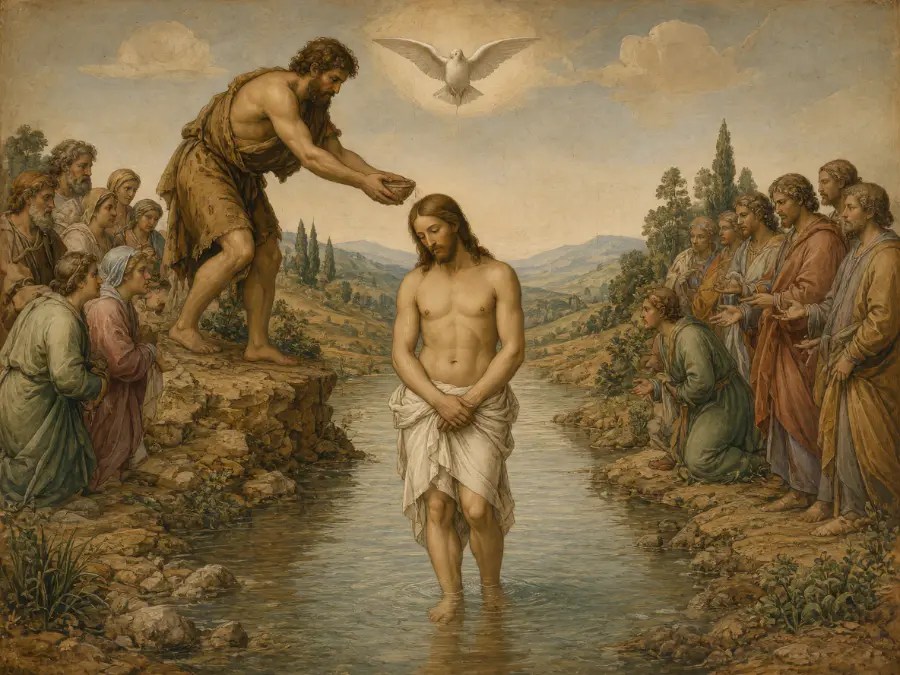
Joshua 1:9
“Have I not commanded you? Be strong and courageous. Do not be afraid; do not be discouraged, for the LORD your God will be with you wherever you go.”
Reflection: God speaks these words to Joshua, Moses’ aide, after the death of Moses, as Joshua is about to lead the people across the Jordan. The command “be strong and courageous” comes three times in the passage (verses 6, 7 and 9), each time with something attached: the land God swore to give, the law Moses gave, and God’s presence wherever Joshua goes. Verse 5 puts that presence in terms of his predecessor: “As I was with Moses, so I will be with you.”
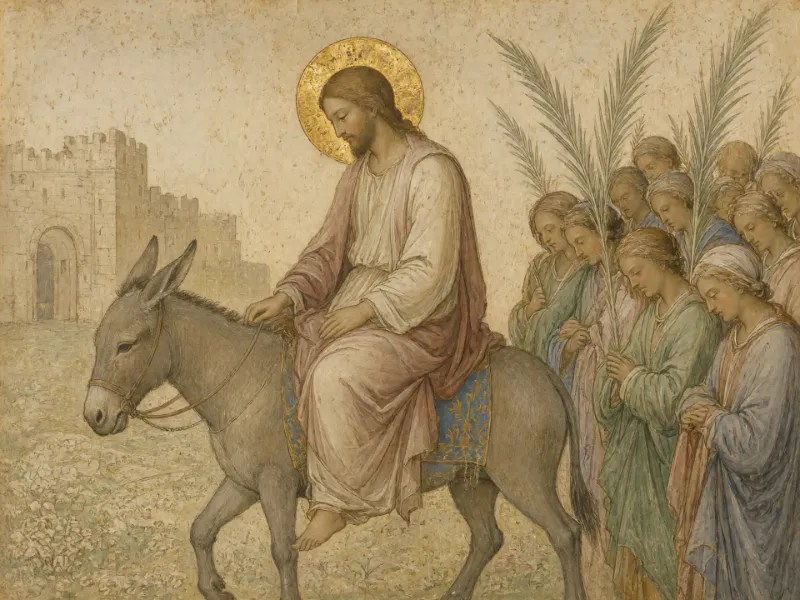
2 Corinthians 12:9
“But he said to me, ‘My grace is sufficient for you, for my power is made perfect in weakness.’ Therefore I will boast all the more gladly about my weaknesses, so that Christ’s power may rest on me.”
Reflection: Paul had been given “a thorn in my flesh” to keep him from becoming conceited after great revelations, and he pleaded three times for it to be taken away (verses 7-8). This verse is the Lord’s answer, and it does not remove the thorn. Paul does not name the thorn. He concludes, “when I am weak, then I am strong” (verse 10), and lists the weaknesses he now delights in: insults, hardships, persecutions, difficulties.
A standing that does not rest on performance
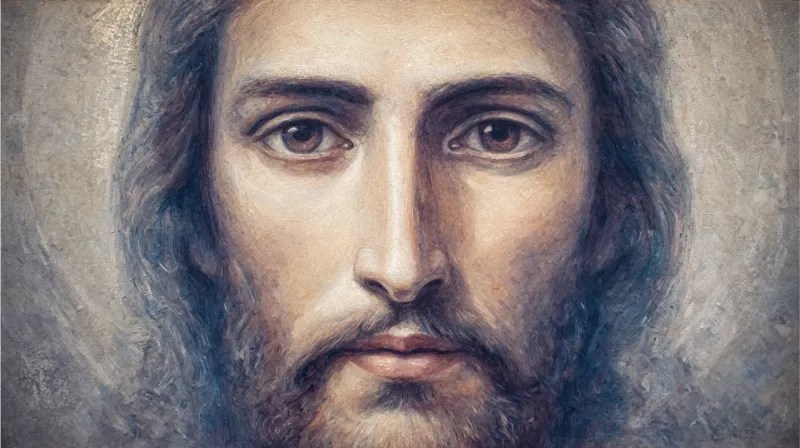
Ephesians 2:10
“For we are God’s handiwork, created in Christ Jesus to do good works, which God prepared in advance for us to do.”
Reflection: The two verses before it state that salvation is “by grace”, “not by works, so that no one can boast” (verses 8-9). Good works then appear here, after salvation rather than as its cause: believers are God’s handiwork, created in Christ Jesus for works that God prepared in advance.
2 Corinthians 5:17
“Therefore, if anyone is in Christ, the new creation has come: The old has gone, the new is here!”
Reflection: Paul reaches this verse from the death of Christ “for all”, so that those who live “should no longer live for themselves but for him who died for them” (verses 14-15). From that death he draws two conclusions: “from now on we regard no one from a worldly point of view” (verse 16), and this verse, that anyone in Christ is a new creation. He admits he once regarded Christ from a worldly point of view as well.
1 Peter 2:9
“But you are a chosen people, a royal priesthood, a holy nation, God’s special possession, that you may declare the praises of him who called you out of darkness into his wonderful light.”
Reflection: Peter applies to his readers titles that belong to a people as a whole: chosen, a royal priesthood, a holy nation. A few verses earlier Jesus is the living Stone, “rejected by humans but chosen by God and precious to him” (verse 4), and believers are living stones built into the same house. The next verse gives the change in plain terms: “Once you were not a people, but now you are the people of God.”
Romans 8:38-39
“For I am convinced that neither death nor life, neither angels nor demons, neither the present nor the future, nor any powers, neither height nor depth, nor anything else in all creation, will be able to separate us from the love of God that is in Christ Jesus our Lord.”
Reflection: The passage opens with questions: “If God is for us, who can be against us?” and “Who then is the one who condemns?” (verses 31 and 34). Paul answers that God justifies and Christ intercedes, then lists what might seem to cut a person off: trouble, hardship, persecution, famine, nakedness, danger, sword. The closing list reaches from death and life to the present and the future, and none of them can separate believers from the love of God in Christ Jesus.

1 John 4:18
“There is no fear in love. But perfect love drives out fear, because fear has to do with punishment. The one who fears is not made perfect in love.”
Reflection: The fear John has in mind is fear of punishment, and the verse before it names the occasion: love is made complete “so that we will have confidence on the day of judgment” (verse 17). Verse 16 grounds that confidence in God’s side of the relationship: “we know and rely on the love God has for us.”
Hebrews 4:16
“Let us then approach God’s throne of grace with confidence, so that we may receive mercy and find grace to help us in our time of need.”
Reflection: The “then” looks back to verse 15: Jesus as high priest is able “to empathize with our weaknesses”, having been tempted in every way yet without sin. The confidence to approach God rests on that priest. What the one approaching receives is mercy and grace “to help us in our time of need.”
Words for fear, and God’s answer to it

Isaiah 41:10
“So do not fear, for I am with you; do not be dismayed, for I am your God. I will strengthen you and help you; I will uphold you with my righteous right hand.”
Reflection: God addresses Israel as “my servant” and says, “I have chosen you and have not rejected you” (verse 9). A few lines later he calls the nation “you worm Jacob, little Israel” (verse 14), naming its smallness in the same breath as the promise “I myself will help you.”
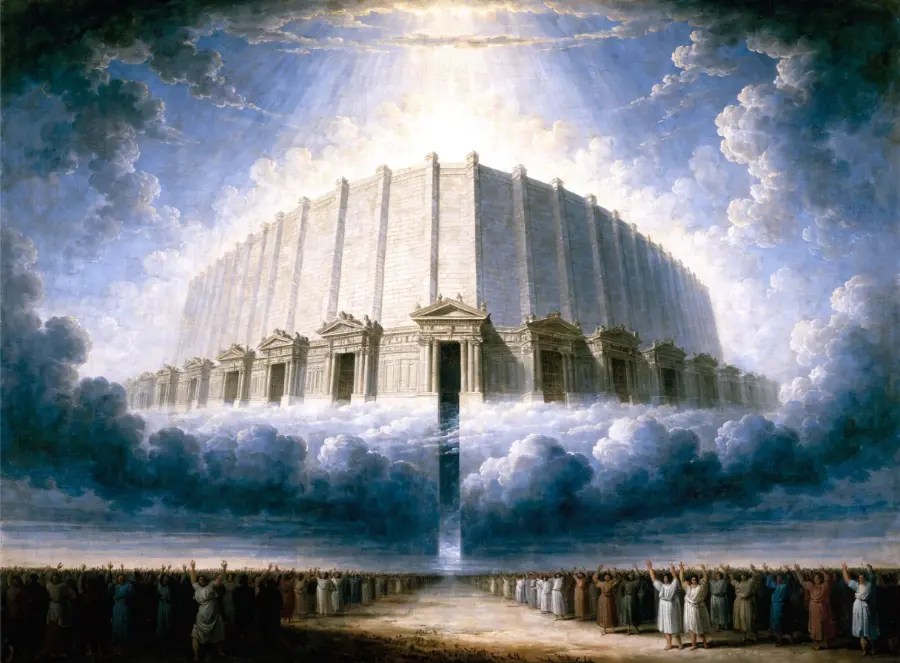
Zephaniah 3:17
“The LORD your God is with you, the Mighty Warrior who saves. He will take great delight in you; in his love he will no longer rebuke you, but will rejoice over you with singing.”
Reflection: The verse closes a song addressed to Jerusalem after judgment: “The Lord has taken away your punishment” (verse 15). The city is told, “do not let your hands hang limp” (verse 16). Earlier the people were told to sing and rejoice (verse 14); here God himself takes delight in them and rejoices over them with singing, no longer rebuking them.
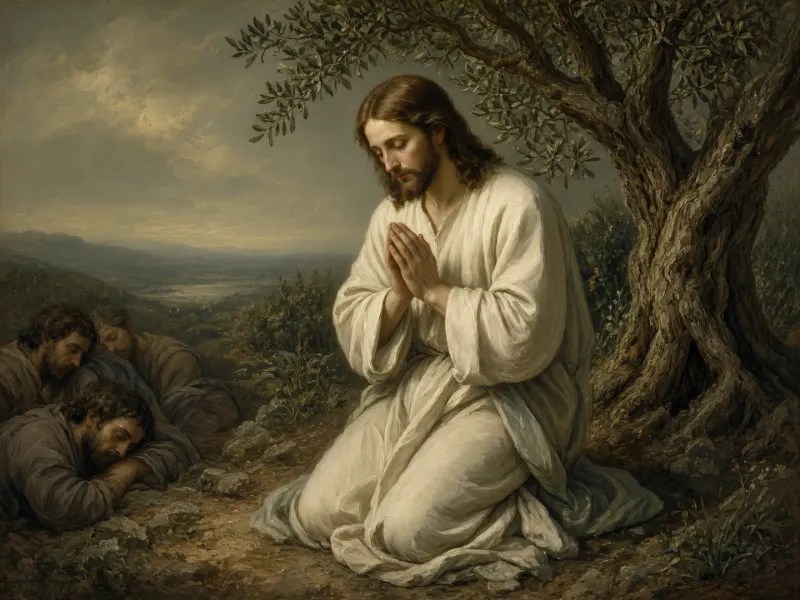
Psalm 56:3
“When I am afraid, I put my trust in you.”
Reflection: The psalmist is under attack, with enemies “in hot pursuit” all day long (verses 1-2). The verse admits the fear before it states the trust: “When I am afraid.” The next verse repeats the trust, “in God I trust and am not afraid”, and ends with a question that expects the answer nothing: “What can mere mortals do to me?”
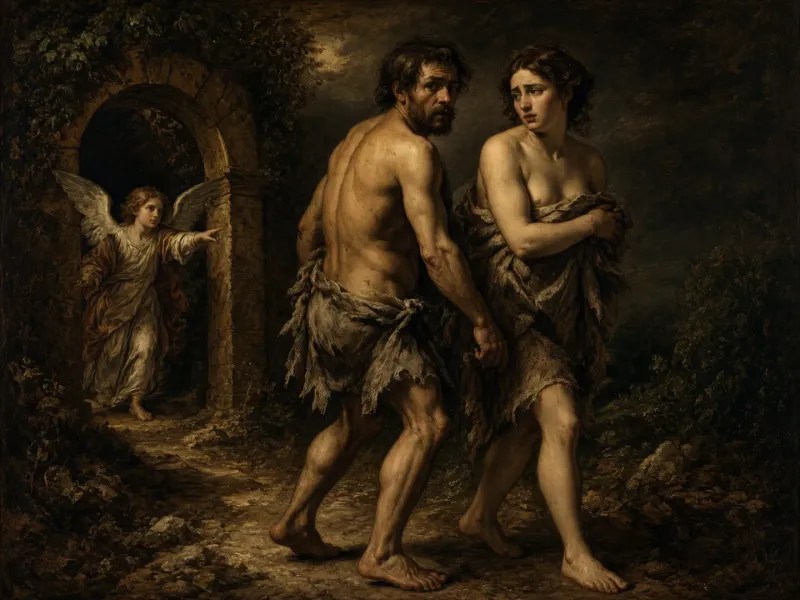
Psalm 73:26
“My flesh and my heart may fail, but God is the strength of my heart and my portion forever.”
Reflection: The psalm begins with comparison. The writer’s feet had almost slipped because he envied the arrogant and the prosperity of the wicked (verses 2-3), and he concluded, “Surely in vain I have kept my heart pure” (verse 13). The turn comes when he enters the sanctuary of God (verse 17). The verse admits that flesh and heart may fail and puts God in their place: “the strength of my heart and my portion forever.”
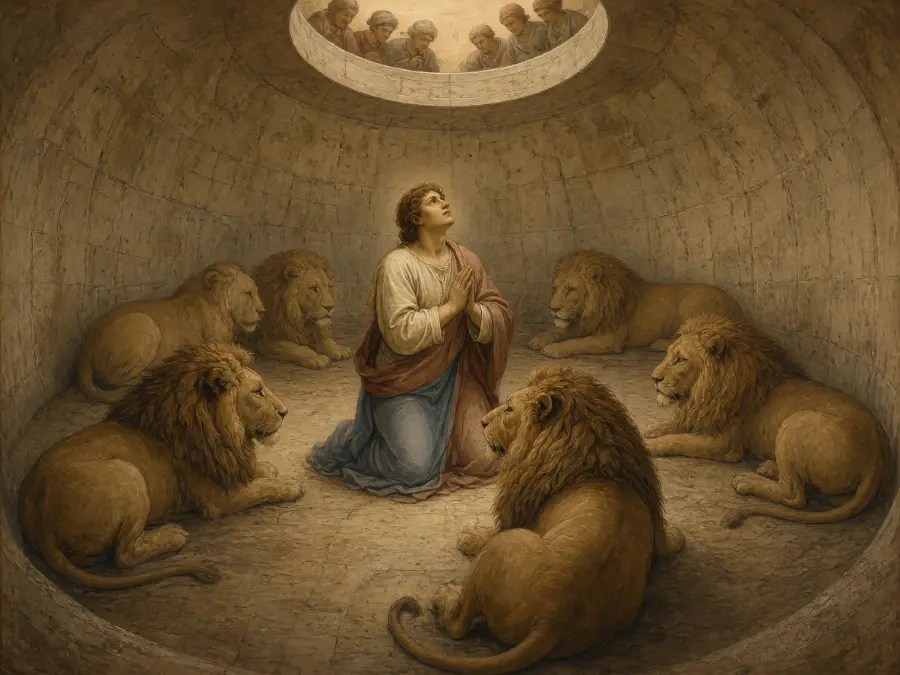
1 Peter 5:7
“Cast all your anxiety on him because he cares for you.”
Reflection: The verse follows a call to humility: “God opposes the proud but shows favor to the humble,” and “Humble yourselves, therefore, under God’s mighty hand, that he may lift you up in due time” (verses 5-6). Casting anxiety on God comes directly after the command to leave one’s lifting up to God and to his timing. The reason given is short: “because he cares for you.”
A verse for how you feel
Choose how you feel today and read a verse from Scripture.
But the LORD said to Samuel, “Do not consider his appearance or height, for I have rejected him; the LORD does not see as man does. For man sees the outward appearance, but the LORD sees the heart.”
Get a verse each week
Thank you. Your first verse is on its way.
If nothing arrives in a few minutes, look in your spam or promotions folder.
Keep this for another day. A verse for how you feel has a page of its own, with our verses for each feeling.
Each verse is quoted from the Berean Standard Bible.


Leave a Reply