
 English
 Chinese
 Dutch
 Arabic
 Spanish
 Portuguese
 Russian
 French
 Italian
 German
 Japanese
The Bible presents preaching as announcing news on God’s behalf: a person is sent, speaks a message about Christ, and people believe by hearing it. Paul sets out that chain in Romans 10:14-15, Jesus sends his followers out in Matthew 28:19-20 and Mark 16:15, and Paul names the content in 1 Corinthians 1:23: “we preach Christ crucified.”
Paul charges Timothy to “preach the word” (2 Timothy 4:2), Ezra’s reading of the Law to the assembly in Jerusalem is explained so that the people understand it (Nehemiah 8:8), and Jeremiah and Paul each say they could not keep quiet (Jeremiah 20:9; 1 Corinthians 9:16).
Sent to proclaim

Luke 4:18-19
“The Spirit of the Lord is on me, because he has anointed me to proclaim good news to the poor. He has sent me to proclaim freedom for the prisoners and recovery of sight for the blind, to set the oppressed free, to proclaim the year of the Lord’s favor.”
Reflection: Jesus reads these lines from the scroll of Isaiah in the synagogue at Nazareth, where he grew up, and then tells the congregation, “Today this scripture is fulfilled in your hearing” (Luke 4:21). The word proclaim appears three times in the reading. He stops before the rest of Isaiah 61:2, “and the day of vengeance of our God,” and rolls up the scroll.
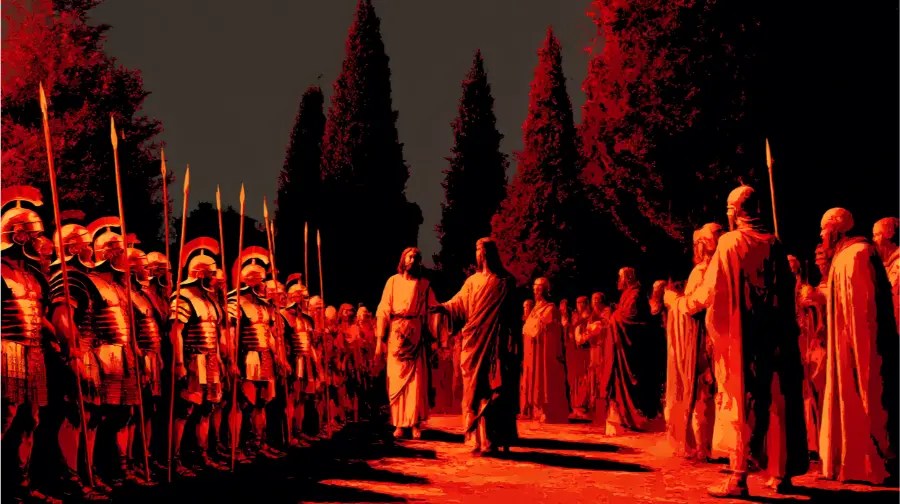
Matthew 28:19-20
“Therefore go and make disciples of all nations, baptizing them in the name of the Father and of the Son and of the Holy Spirit, and teaching them to obey everything I have commanded you. And surely I am with you always, to the very end of the age.”
Reflection: The risen Jesus speaks to the eleven disciples on a mountain in Galilee, and the command rests on the sentence before it: “All authority in heaven and on earth has been given to me.” The charge includes teaching as well as baptizing, and the teaching covers “everything I have commanded you.” The promise of his presence runs “to the very end of the age.”
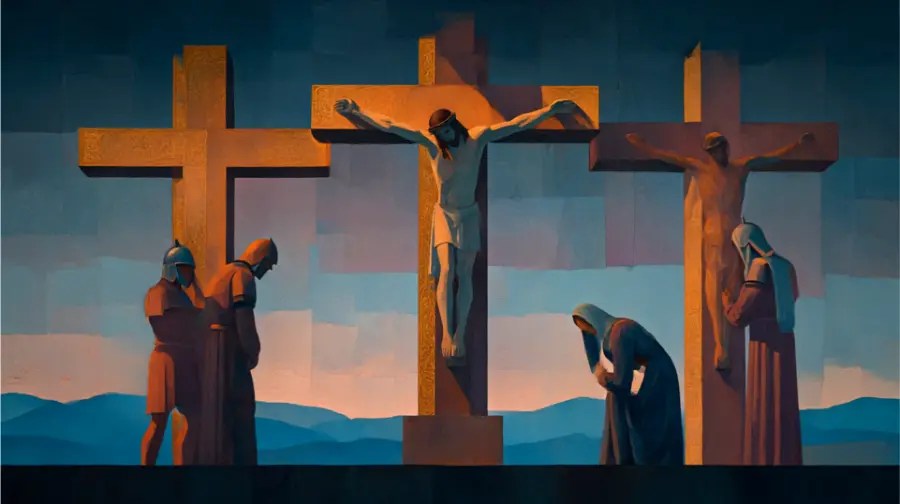
Mark 16:15
“He said to them, ‘Go into all the world and preach the gospel to all creation.’”
Reflection: Jesus gives this command to the Eleven after rebuking them for not believing those who had seen him risen. The chapter ends with the disciples going out and preaching everywhere, “and the Lord worked with them.” The New International Version notes that the earliest manuscripts and some other ancient witnesses do not have Mark 16:9-20, the section this verse belongs to.

Acts 1:8
“But you will receive power when the Holy Spirit comes on you; and you will be my witnesses in Jerusalem, and in all Judea and Samaria, and to the ends of the earth.”
Reflection: The disciples have just asked whether Jesus will now restore the kingdom to Israel, and he answers that the times are not theirs to know. What he gives them instead is a task and the power for it: they will be witnesses once the Holy Spirit comes. The places widen outward from Jerusalem, through Judea and Samaria, to the ends of the earth.
Acts 26:18
“to open their eyes and turn them from darkness to light, and from the power of Satan to God, so that they may receive forgiveness of sins and a place among those who are sanctified by faith in me.”
Reflection: Paul, on trial before King Agrippa, repeats what Jesus told him on the Damascus road: “I will rescue you from your own people and from the Gentiles. I am sending you to them” (Acts 26:17). This verse gives the purpose of that sending. Paul goes on to say he was not disobedient to the vision and preached in Damascus, Jerusalem, Judea and among the Gentiles “that they should repent and turn to God” (Acts 26:20).
Ezekiel 3:17
“Son of man, I have made you a watchman for the people of Israel; so hear the word I speak and give them warning from me.”
Reflection: Ezekiel receives this charge after sitting among the exiles by the Kebar River for seven days. The verses that follow make Ezekiel accountable for the lives of those he fails to warn, whether wicked or righteous. If he warns them and they do not turn, they die for their own sin and he is not held accountable (Ezekiel 3:19).
What is preached

1 Corinthians 1:23
“but we preach Christ crucified: a stumbling block to Jews and foolishness to Gentiles,”
Reflection: Two verses earlier Paul says that God “was pleased through the foolishness of what was preached to save those who believe” (1 Corinthians 1:21). Jews ask for signs and Greeks for wisdom, and a crucified Messiah offends both. The next verse gives the other side: to those God has called, Christ is “the power of God and the wisdom of God.”
2 Corinthians 4:5
“For what we preach is not ourselves, but Jesus Christ as Lord, and ourselves as your servants for Jesus’ sake.”
Reflection: In the verses before, Paul says he does not distort the word of God but sets out the truth plainly. Here he puts Christ as Lord in the message and puts himself and his co-workers in the role of servants to the Corinthians.
Acts 20:24
“However, I consider my life worth nothing to me; my only aim is to finish the race and complete the task the Lord Jesus has given me—the task of testifying to the good news of God’s grace.”
Reflection: Paul speaks to the elders of the Ephesian church at Miletus, on his way to Jerusalem, knowing that prison and hardship are waiting for him. He calls his work testifying to “the good news of God’s grace.” In the following verses he describes it as “preaching the kingdom” and says he did not hesitate to proclaim “the whole will of God” (Acts 20:25-27).
How the message is heard and received
Romans 10:14-15
“How, then, can they call on the one they have not believed in? And how can they believe in the one of whom they have not heard? And how can they hear without someone preaching to them? And how can anyone preach unless they are sent? As it is written: ‘How beautiful are the feet of those who bring good news!’”
Reflection: Paul works backward from Romans 10:13, “Everyone who calls on the name of the Lord will be saved”: calling needs believing, believing needs hearing, hearing needs a preacher, and a preacher needs to be sent. The quotation about beautiful feet is from Isaiah 52:7, where the messenger brings news of peace and salvation to Zion. Paul sums up the chain two verses later: “faith comes from hearing the message, and the message is heard through the word about Christ” (Romans 10:17).

Romans 1:16
“For I am not ashamed of the gospel, because it is the power of God that brings salvation to everyone who believes: first to the Jew, then to the Gentile.”
Reflection: In the verse before, Paul tells the church in Rome that he is “eager to preach the gospel also to you,” a church he says he had planned many times to visit and had been prevented from reaching (Romans 1:13). He then gives his reason: the gospel is itself God’s power for salvation. The following verse adds that in the gospel “the righteousness of God is revealed.”
1 Peter 1:23
“For you have been born again, not of perishable seed, but of imperishable, through the living and enduring word of God.”
Reflection: Peter explains why his readers should love one another deeply: they share a new birth that comes through God’s word. He then quotes Isaiah on grass that withers and the word of the Lord that endures, and ends the chapter by naming that word: “And this is the word that was preached to you” (1 Peter 1:25).
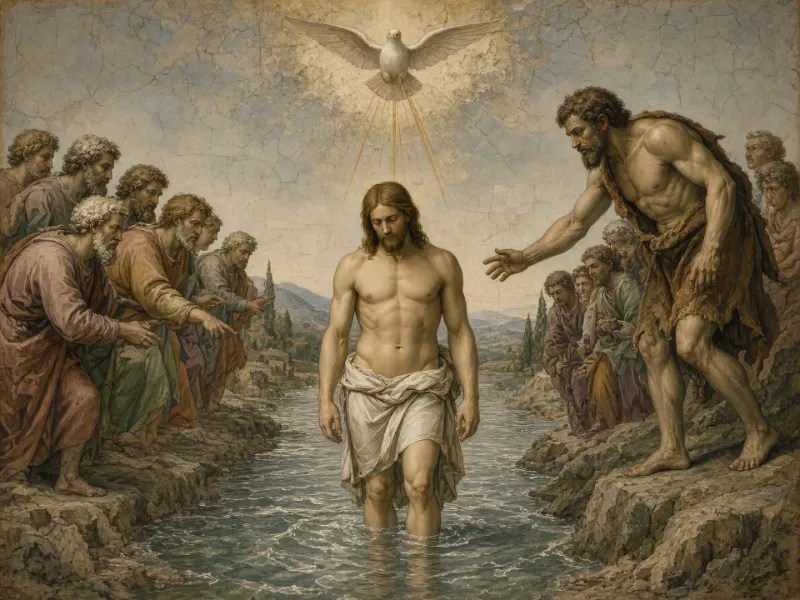
1 Thessalonians 1:5
“because our gospel came to you not simply with words but also with power, with the Holy Spirit and deep conviction.”
Reflection: Paul reminds the Thessalonians how the gospel reached them. The words came with power, the Holy Spirit and conviction, and the next verse says they welcomed the message “in the midst of severe suffering with the joy given by the Holy Spirit.” Paul also points to the way he and his companions lived among them: “You know how we lived among you for your sake.”
How preachers spoke
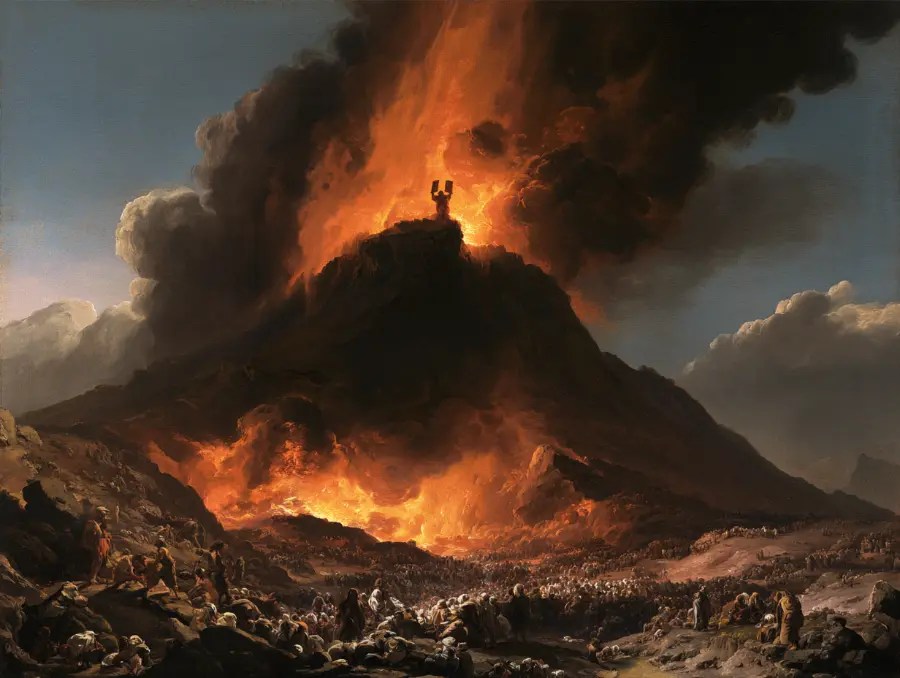
Nehemiah 8:8
“They read from the Book of the Law of God, making it clear and giving the meaning so that the people understood what was being read.”
Reflection: On the first day of the seventh month, Ezra reads the Book of the Law aloud to the assembled men and women in Jerusalem from daybreak till noon, standing on a wooden platform. The verse before names Levites who instructed the people while they stood, and this verse describes the reading itself: they read from the Book of the Law, making it clear and giving its meaning. The aim stated in the verse is that the people understood what was read.
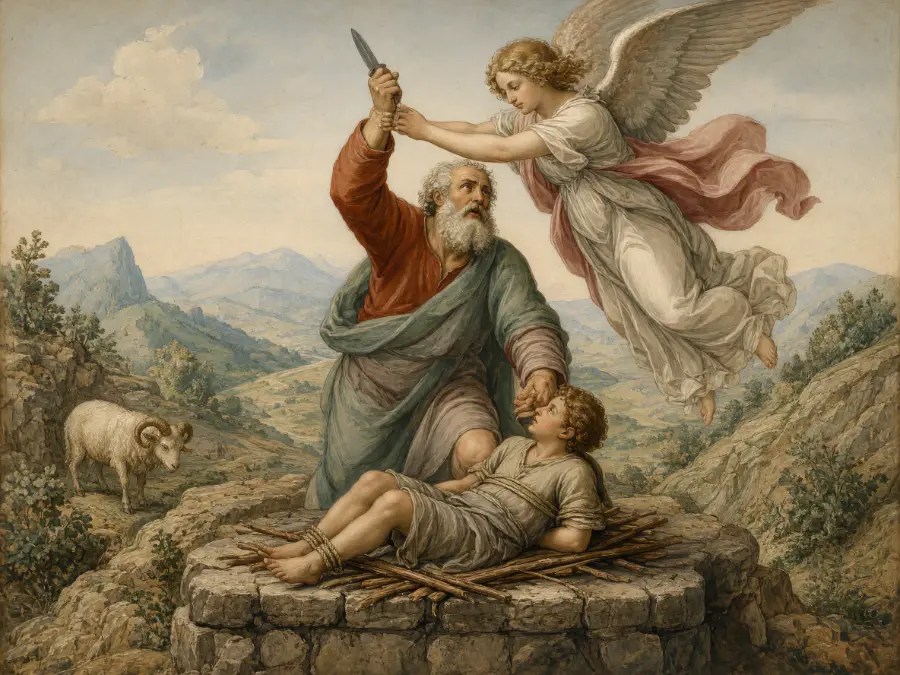
2 Timothy 4:2
“Preach the word; be prepared in season and out of season; correct, rebuke and encourage—with great patience and careful instruction.”
Reflection: Paul gives this charge “in the presence of God and of Christ Jesus, who will judge the living and the dead.” The reason follows in the next verses: a time is coming when people will gather teachers “to say what their itching ears want to hear.” Paul closes the charge with “do the work of an evangelist, discharge all the duties of your ministry” (2 Timothy 4:5).

1 Corinthians 2:4-5
“My message and my preaching were not with wise and persuasive words, but with a demonstration of the Spirit’s power, so that your faith might not rest on human wisdom, but on God’s power.”
Reflection: Paul describes his arrival in Corinth: he came without eloquence, “in weakness with great fear and trembling,” having resolved “to know nothing while I was with you except Jesus Christ and him crucified” (1 Corinthians 2:2-3). This verse gives his reason for preaching that way: so that the Corinthians’ faith would rest on God’s power and not on human wisdom.
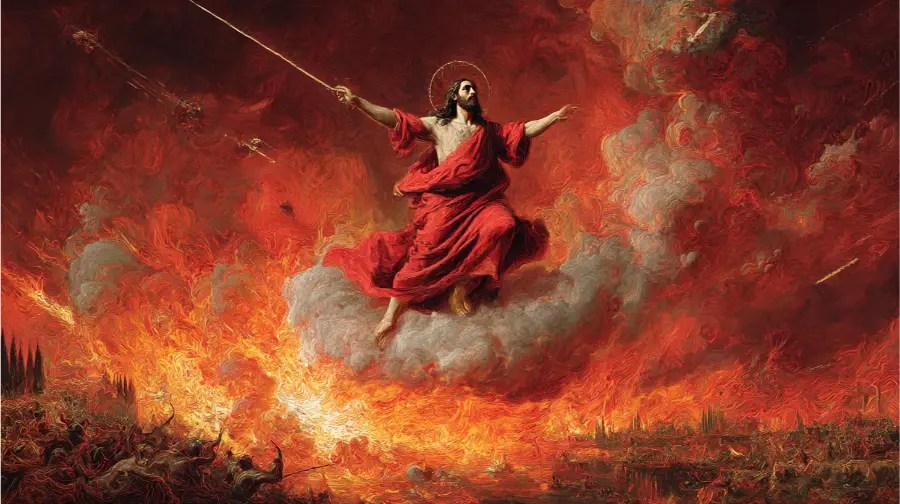
1 Thessalonians 2:4
“On the contrary, we speak as those approved by God to be entrusted with the gospel. We are not trying to please people but God, who tests our hearts.”
Reflection: Paul and his companions had come to Thessalonica after being mistreated in Philippi, and they preached “in the face of strong opposition.” Here Paul rests his message on a trust given by God and says he answers to God, who tests hearts. The verses around it deny flattery, greed and seeking praise.
Colossians 4:4
“Pray that I may proclaim it clearly, as I should.”
Reflection: Paul writes this from chains, and in the verse before he asks the Colossians to pray “that God may open a door for our message.” He asks for two things from their prayers: an opening to speak and the ability to speak clearly. “It” in this verse is “the mystery of Christ” (Colossians 4:3).
Unable to keep silent

Jeremiah 20:9
“But if I say, ‘I will not mention his word or speak anymore in his name,’ his word is in my heart like a fire, a fire shut up in my bones. I am weary of holding it in; indeed, I cannot.”
Reflection: Jeremiah has just been beaten and put in stocks by the priest Pashhur, and in the verses before this one he complains to God that the word of the Lord has brought him “insult and reproach all day long.” He tries to stop speaking and cannot. The fire in his bones is the word of the Lord itself.
1 Corinthians 9:16
“For when I preach the gospel, I cannot boast, since I am compelled to preach. Woe to me if I do not preach the gospel!”
Reflection: Paul has just argued that “those who preach the gospel should receive their living from the gospel” (1 Corinthians 9:14), and then says he has not used that right. Preaching itself gives him nothing to boast about, because he is under compulsion. What he claims as his reward is offering the gospel free of charge (1 Corinthians 9:18).


Leave a Reply