
 English
 Chinese
 Dutch
 Arabic
 Spanish
 Portuguese
 Russian
 French
 Italian
 German
 Japanese
The Bible does not name marijuana, so what it says about weed comes from passages on plants, intoxication, self-control, freedom and the law. Genesis 1:29 gives seed-bearing plants to people “for food”.
Proverbs 20:1 and Ephesians 5:18 warn against being led astray by wine and getting drunk on it, and 1 Peter 5:8 and 1 Thessalonians 5:6-8 call for a sober mind. Paul’s answer to the Corinthian slogan “I have the right to do anything” (1 Corinthians 6:12 and 10:23) weighs freedom against being mastered and against harm to others, and Romans 13:1 tells believers to be subject to the governing authorities.
Plants as God’s gift
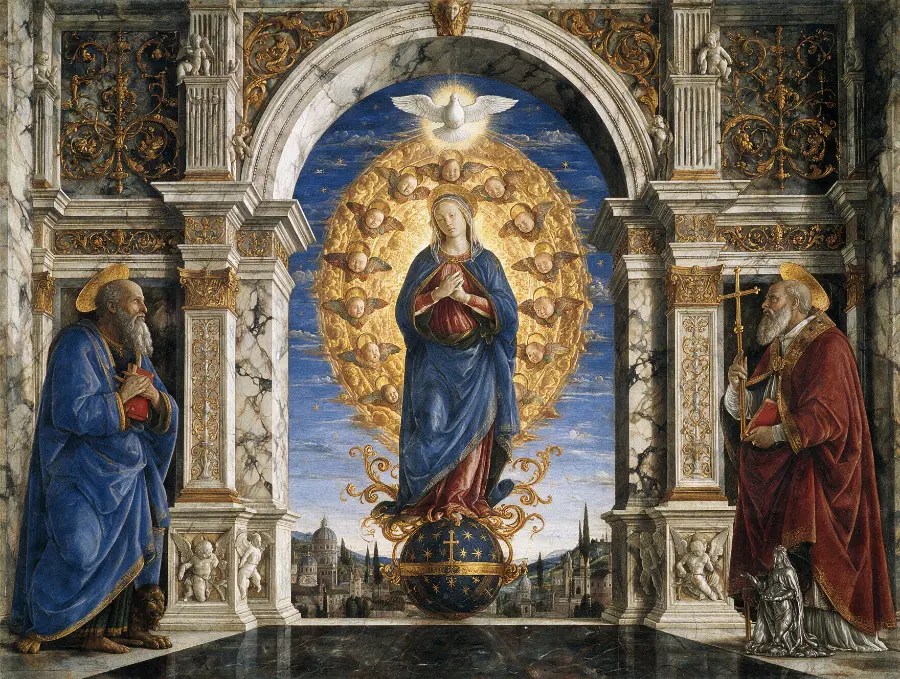
Genesis 1:29
“Then God said, ‘I give you every seed-bearing plant on the face of the whole earth and every tree that has fruit with seed in it. They will be yours for food.’”
Reflection: On the sixth day God speaks to the man and woman he has just made and gives them every seed-bearing plant and fruit tree. The purpose stated is food, and verse 30 gives “every green plant” to the animals for the same purpose. Verse 31 then calls everything God made “very good”. The verse says what plants were given for and does not speak of smoking or other uses.
Psalm 104:14
“He makes grass grow for the cattle, and plants for people to cultivate—bringing forth food from the earth.”
Reflection: Psalm 104 praises God as the maker and keeper of the earth. The sentence runs on into verse 15 and lists what the ground yields: “wine that gladdens human hearts, oil to make their faces shine, and bread that sustains their hearts.” Wine is counted here among God’s gifts beside oil and bread; Proverbs 20:1 calls it a mocker, and Ephesians 5:18 warns against getting drunk on it.
What the Bible says about intoxication
Proverbs 20:1
“Wine is a mocker and beer a brawler; whoever is led astray by them is not wise.”
Reflection: The proverb gives wine and beer the character of a mocker and a brawler, and it places the folly in being “led astray by them”. Proverbs 23:29-35 describes the drinker at length: bloodshot eyes, a mind that will “imagine confusing things”, and the wish on waking to “find another drink.”
Ephesians 5:18
“Do not get drunk on wine, which leads to debauchery. Instead, be filled with the Spirit.”
Reflection: The command sits in a passage that begins “Be very careful, then, how you live” (5:15). Paul sets getting drunk on wine, which he says leads to debauchery, against being filled with the Spirit. Verses 19 and 20 describe the second: psalms, hymns and songs from the Spirit, and giving thanks to God for everything.
1 Thessalonians 5:6-8
“So then, let us not be like others, who are asleep, but let us be awake and sober. For those who sleep, sleep at night, and those who get drunk, get drunk at night. But since we belong to the day, let us be sober, putting on faith and love as a breastplate, and the hope of salvation as a helmet.”
Reflection: Paul is writing about the day of the Lord, which “will come like a thief in the night” (5:2). The believers are “children of the light and children of the day” who “do not belong to the night or to the darkness” (5:5), and verse 7 places sleep and drunkenness at night. The Greek verb for being sober in verses 6 and 8, nepho, is the one Peter uses in 1 Peter 5:8.
1 Peter 5:8
“Be alert and of sober mind. Your enemy the devil prowls around like a roaring lion looking for someone to devour.”
Reflection: Peter has just told his readers to cast all their anxiety on God (5:7). His call to be “alert and of sober mind” uses nepho, which Strong’s defines as to be sober, self-controlled and watchful. The reason he gives is an enemy looking for someone to devour, and verse 9 tells his readers to resist him, “standing firm in the faith”.
Titus 2:11-12
“For the grace of God has appeared that offers salvation to all people. It teaches us to say ‘No’ to ungodliness and worldly passions, and to live self-controlled, upright and godly lives in this present age.”
Reflection: Paul tells Titus what the grace of God teaches: to refuse ungodliness and worldly passions and to live self-controlled lives “in this present age”. Earlier in the chapter Titus is to teach self-control to older men and young men, and to teach older women not to be “addicted to much wine”, so that they can urge the younger women to be self-controlled (2:2-6). Verse 13 sets this life in the time of waiting “for the blessed hope”.
Galatians 5:19-21
“The acts of the flesh are obvious: sexual immorality, impurity and debauchery; idolatry and witchcraft; hatred, discord, jealousy, fits of rage, selfish ambition, dissensions, factions and envy; drunkenness, orgies, and the like. I warn you, as I did before, that those who live like this will not inherit the kingdom of God.”
Reflection: Paul lists “the acts of the flesh” and sets them against the fruit of the Spirit, which ends with self-control (5:22-23). The word the NIV translates “witchcraft” is pharmakeia, which Strong’s defines as medication (“pharmacy”) and by extension magic; the list places it beside idolatry. Drunkenness and orgies appear near the end of the same list.
Freedom and being mastered
1 Corinthians 6:12
“‘I have the right to do anything,’ you say—but not everything is beneficial. ‘I have the right to do anything’—but I will not be mastered by anything.”
Reflection: Paul quotes a slogan from the Corinthian church, “I have the right to do anything,” and answers it twice: not everything is beneficial, and “I will not be mastered by anything.” The slogan comes up in a discussion of food and of sexual immorality (6:13-18).
Romans 6:16
“Don’t you know that when you offer yourselves to someone as obedient slaves, you are slaves of the one you obey—whether you are slaves to sin, which leads to death, or to obedience, which leads to righteousness?”
Reflection: Paul is answering the question “Shall we sin because we are not under the law but under grace?” (6:15). Whatever a person obeys, he says, becomes that person’s master, and the choice is between sin, which leads to death, and obedience, which leads to righteousness. Verse 18 tells the Roman believers they have been “set free from sin”.

1 Corinthians 6:19-20
“Do you not know that your bodies are temples of the Holy Spirit, who is in you, whom you have received from God? You are not your own; you were bought at a price. Therefore honor God with your bodies.”
Reflection: Verses 19 and 20 close Paul’s argument against sexual immorality in Corinth, which begins with the slogan of 6:12. He gives two reasons: the body is a temple of the Holy Spirit, and it belongs to God because it was bought at a price. The chapter ends with the command “honor God with your bodies.” In 1 Corinthians 3:16-17 Paul uses the temple image of the church, “you together are that temple”.
Romans 12:1
“Therefore, I urge you, brothers and sisters, in view of God’s mercy, to offer your bodies as a living sacrifice, holy and pleasing to God—this is your true and proper worship.”
Reflection: Paul asks the believers in Rome, “in view of God’s mercy”, to offer their bodies as a living sacrifice, and he calls this their “true and proper worship.” Verse 2 turns to the mind: “be transformed by the renewing of your mind,” and then they will be able to test and approve God’s will.
Other people and the law

1 Corinthians 10:23
“‘I have the right to do anything,’ you say—but not everything is beneficial. ‘I have the right to do anything’—but not everything is constructive.”
Reflection: Paul repeats the Corinthian slogan, now in a discussion of meat offered to idols, and adds that not everything is constructive. Verse 24 goes on: “No one should seek their own good, but the good of others,” and verse 31 gives the rule for the whole matter: “whether you eat or drink or whatever you do, do it all for the glory of God.”

Romans 14:21
“It is better not to eat meat or drink wine or to do anything else that will cause your brother or sister to fall.”
Reflection: Believers in Rome disagreed over food and over keeping special days (14:2-6). Paul is convinced “that nothing is unclean in itself” (14:14), and verse 21 names meat and wine among the things better given up if they cause a brother or sister to fall. Verse 23 adds a test for the person’s own conscience: “everything that does not come from faith is sin.”
Romans 13:1
“Let everyone be subject to the governing authorities, for there is no authority except that which God has established. The authorities that exist have been established by God.”
Reflection: Paul tells believers to be subject to the governing authorities because God has established them. Verse 5 adds that they should submit “not only because of possible punishment but also as a matter of conscience.”
Wine as gift, danger and medicine
The Bible speaks about wine both as a gift and as a danger. Psalm 104:15 counts it among the good things the earth yields, Proverbs 20:1 and Ephesians 5:18 warn against being led astray or drunk, and 1 Timothy 5:23 tells Timothy to “use a little wine because of your stomach and your frequent illnesses.” That last verse is Paul’s advice to one man about his health.


Leave a Reply