
 English
 Chinese
 Dutch
 Arabic
 Spanish
 Portuguese
 Russian
 French
 Italian
 German
 Japanese
The Bible treats wicked government as rule that makes unjust laws, takes bribes and crushes the poor, and it holds such rulers answerable to God. Proverbs describes what a wicked ruler does to a people (Proverbs 29:2), and the prophets bring charges against Israel’s leaders (Isaiah 10:1-2; Micah 3:1-3).
Psalm 82 and Daniel 5 show God passing sentence on rulers, and the New Testament tells believers how to live under authorities that treat them unjustly (1 Peter 2:23; Acts 5:29). Corruption is named directly: Psalm 94:20 asks about “a corrupt throne” that “brings on misery by its decrees”, and Proverbs 29:4 and Micah 3:11 single out bribery.
What a wicked ruler does to a people
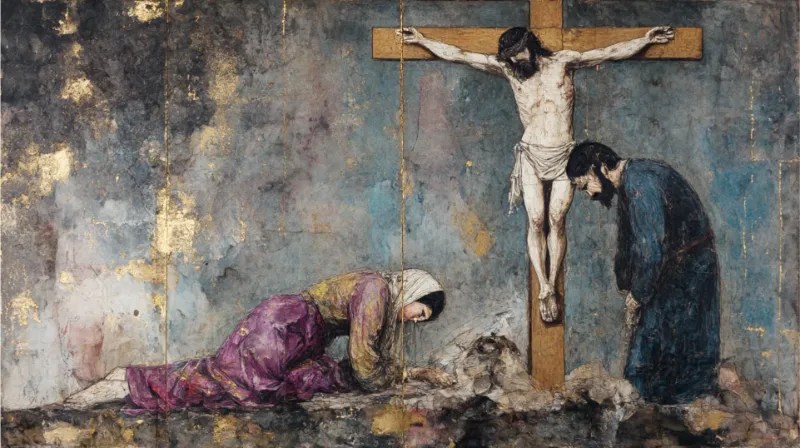
Proverbs 29:2
“When the righteous thrive, the people rejoice; when the wicked rule, the people groan.”
Reflection: The proverb measures a government by how the people under it fare: they rejoice or they groan. The chapter comes back to rulers several times, and in 29:14 it gives the opposite case: “If a king judges the poor with fairness, his throne will be established forever.”
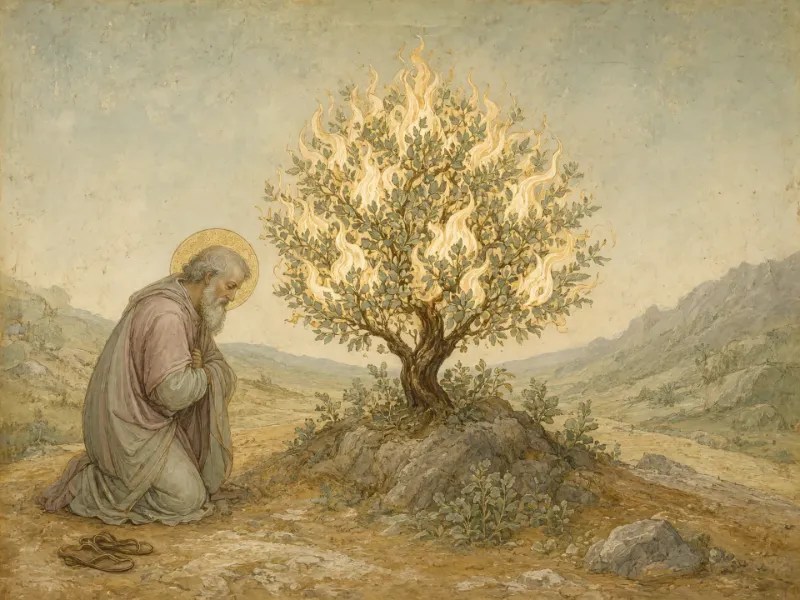
Proverbs 28:15
“Like a roaring lion or a charging bear is a wicked ruler over a helpless people.”
Reflection: The people in this proverb are “helpless”, and the ruler is compared to two animals that attack. The next verse names his method and its alternative: “A tyrannical ruler practices extortion, but one who hates ill-gotten gain will enjoy a long reign” (28:16).
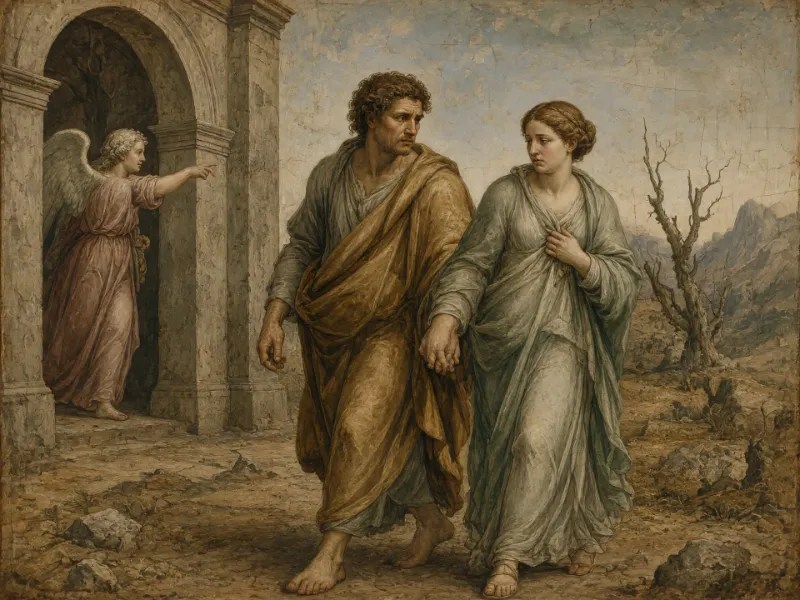
Proverbs 29:4
“By justice a king gives a country stability, but those who are greedy for bribes tear it down.”
Reflection: Stability comes from justice, and the proverb names greed for bribes as what tears a country down. Micah brings the same charge against Jerusalem: “Her leaders judge for a bribe, her priests teach for a price” (Micah 3:11).
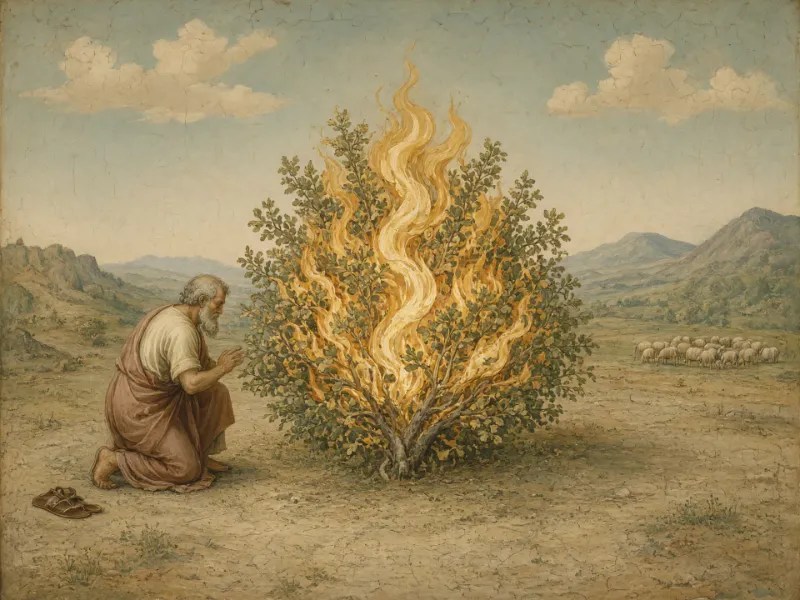
Proverbs 29:12
“If a ruler listens to lies, all his officials become wicked.”
Reflection: The proverb traces the wickedness of a whole administration back to what the ruler is willing to hear. Elsewhere Proverbs describes the opposite court: “Kings take pleasure in honest lips; they value the one who speaks what is right” (16:13).

Ecclesiastes 5:8
“If you see the poor oppressed in a district, and justice and rights denied, do not be surprised at such things; for one official is eyed by a higher one, and over them both are others higher still.”
Reflection: The Teacher expects to see the poor oppressed and justice denied in a province, and the reason he gives is the chain of officials, each watched by a higher one. The next verse adds that “the king himself profits from the fields.” He describes how such government works and proposes no remedy.
Ecclesiastes 4:1
“Again I looked and saw all the oppression that was taking place under the sun: I saw the tears of the oppressed— and they have no comforter; power was on the side of their oppressors— and they have no comforter.”
Reflection: Twice the verse says the oppressed “have no comforter”, and between the two lines it sets a third: “power was on the side of their oppressors.” The Teacher’s conclusion in the next two verses is bleak: the dead are happier than the living, and better off than both is the one never born, “who has not seen the evil that is done under the sun.”
The prophets’ charges against Israel’s leaders

Isaiah 10:1-2
“Woe to those who make unjust laws, to those who issue oppressive decrees, to deprive the poor of their rights and withhold justice from the oppressed of my people, making widows their prey and robbing the fatherless.”
Reflection: The woe falls on lawmakers. The injustice is written into “unjust laws” and “oppressive decrees”, and its victims are the poor, widows and the fatherless. Isaiah follows with questions for the lawmakers: “What will you do on the day of reckoning, when disaster comes from afar? To whom will you run for help? Where will you leave your riches?” (10:3).

Isaiah 3:13-15
“The LORD takes his place in court; he rises to judge the people. The LORD enters into judgment against the elders and leaders of his people: ‘It is you who have ruined my vineyard; the plunder from the poor is in your houses. What do you mean by crushing my people and grinding the faces of the poor?’ declares the Lord, the LORD Almighty.”
Reflection: Isaiah pictures a courtroom in which the Lord is the judge and the elders and leaders of his people are the accused. The charge is that they have ruined his vineyard and kept the plunder of the poor in their own houses. The verse before has already said, “My people, your guides lead you astray” (3:12).
Micah 3:1-3
“Then I said, ‘Listen, you leaders of Jacob, you rulers of Israel. Should you not embrace justice, you who hate good and love evil; who tear the skin from my people and the flesh from their bones; who eat my people’s flesh, strip off their skin and break their bones in pieces; who chop them up like meat for the pan, like flesh for the pot?’”
Reflection: Micah addresses “the leaders of Jacob” and “the rulers of Israel”, whose office was to embrace justice, and describes how they treat the people as butchery: skin torn off, bones broken, flesh chopped “like meat for the pan.” The next verse gives the consequence: when these leaders cry out to the Lord, “he will not answer them” (3:4). Later in the chapter Micah says they “build Zion with bloodshed” (3:10).
Habakkuk 1:2-4
“How long, LORD, must I call for help, but you do not listen? Or cry out to you, ‘Violence!’ but you do not save? Why do you make me look at injustice? Why do you tolerate wrongdoing? Destruction and violence are before me; there is strife, and conflict abounds. Therefore the law is paralyzed, and justice never prevails.”
Reflection: Habakkuk complains that violence and wrongdoing surround him and that God does not act. The result he describes is a legal order that no longer works: “the law is paralyzed, and justice never prevails.” God’s answer is that he is raising up the Babylonians, “that ruthless and impetuous people” (1:6).
God’s verdict on rulers

Psalm 82:1-4
“God presides in the great assembly; he renders judgment among the ‘gods’: ‘How long will you defend the unjust and show partiality to the wicked? Defend the weak and the fatherless; uphold the cause of the poor and the oppressed. Rescue the weak and the needy; deliver them from the hand of the wicked.’”
Reflection: God stands in the assembly and judges the “gods”, charging them with defending the unjust and favouring the wicked. The duties he names are those of judges and rulers: defend the weak and the fatherless, rescue the needy. The sentence comes in verse 7: “you will die like mere mortals; you will fall like every other ruler.” Jesus quotes verse 6 in John 10:34-35 and speaks of the “gods” as those “to whom the word of God came.”
Psalm 94:20
“Can a corrupt throne be allied with you— a throne that brings on misery by its decrees?”
Reflection: The psalmist asks whether a throne that makes misery by law can be allied with God, and the rest of the psalm answers no. Earlier he describes the wicked who “crush your people”, “murder the fatherless” and say, “The Lord does not see” (94:5-7). The psalm ends, “the Lord our God will destroy them” (94:23).

Psalm 2:4-6
“The One enthroned in heaven laughs; the Lord scoffs at them. He rebukes them in his anger and terrifies them in his wrath, saying, ‘I have installed my king on Zion, my holy mountain.’”
Reflection: Kings and rulers band together “against the Lord and against his anointed” (2:2). God’s response is laughter, then wrath, and then the announcement that he has installed his own king on Zion. In Acts 4:25-27 the apostles pray this psalm and apply it to Herod and Pontius Pilate conspiring against Jesus.
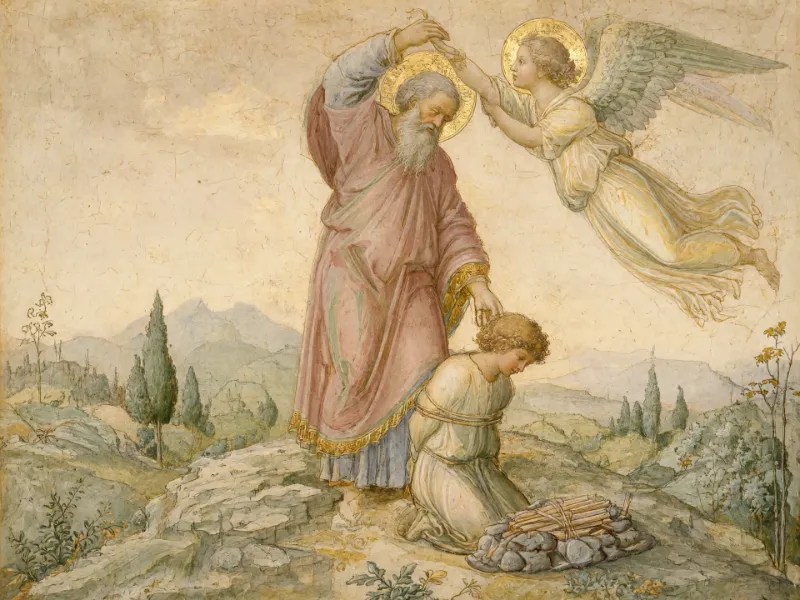
Daniel 5:27-28
“Tekel: You have been weighed on the scales and found wanting. Peres: Your kingdom is divided and given to the Medes and Persians.”
Reflection: The writing, “mene, mene, tekel, parsin” (5:25), appears during Belshazzar’s feast, where the king and his nobles drank from the goblets taken from the temple in Jerusalem (5:23). Daniel reads it as a verdict. The first word means that “God has numbered the days of your reign and brought it to an end” (5:26), and these two verses give the rest: the king weighed and found wanting, the kingdom given to the Medes and Persians. The sentence was carried out at once: “That very night Belshazzar, king of the Babylonians, was slain” (5:30).
Prayers of people under oppressive rule
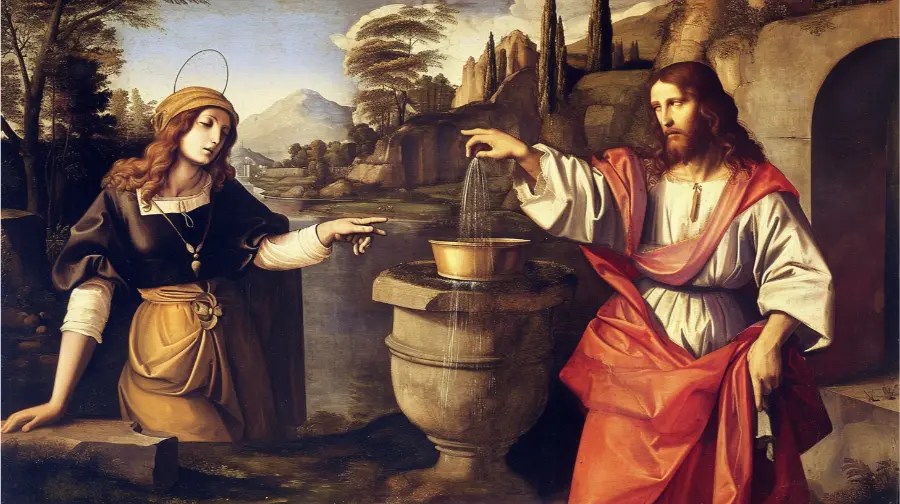
Psalm 12:5
“‘Because the poor are plundered and the needy groan, I will now arise,’ says the LORD. ‘I will protect them from those who malign them.’”
Reflection: The psalm opens with the complaint that “no one is faithful anymore” and quotes the boastful: “By our tongues we will prevail; our own lips will defend us—who is lord over us?” (12:4). Verse 5 is God’s reply in the first person, and the reason he gives for acting is that the poor are plundered and the needy groan.

Psalm 10:17-18
“You, LORD, hear the desire of the afflicted; you encourage them, and you listen to their cry, defending the fatherless and the oppressed, so that mere earthly mortals will never again strike terror.”
Reflection: Just before these verses the psalmist asks God to “Break the arm of the wicked man” and declares that “The Lord is King for ever and ever” (10:15-16). The psalm closes with confidence that God hears the afflicted and defends the fatherless and the oppressed, so that “mere earthly mortals” will no longer terrorize them.
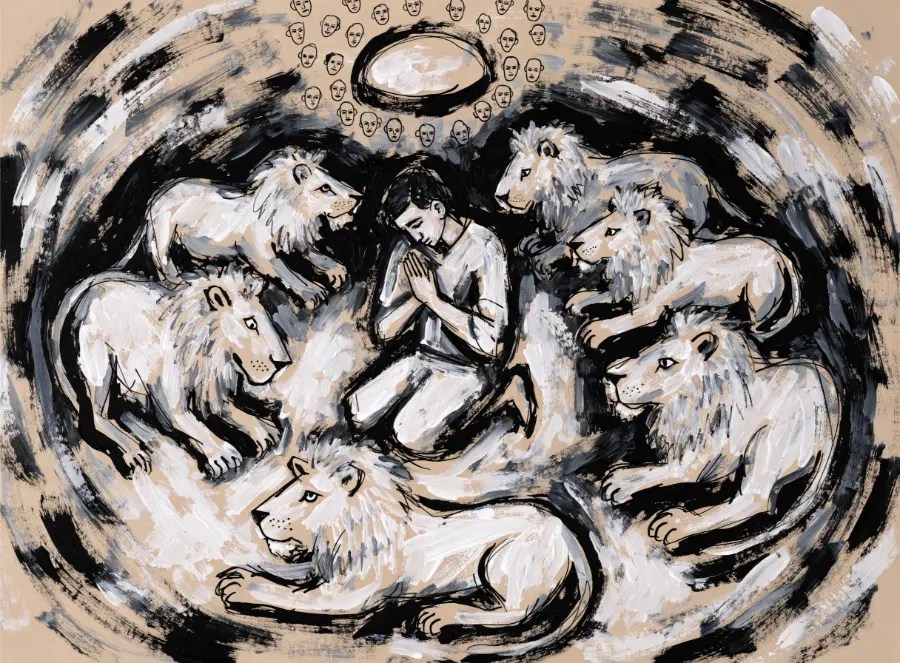
Psalm 58:6-7
“Break the teeth in their mouths, O God; LORD, tear out the fangs of those lions! Let them vanish like water that flows away; when they draw the bow, let their arrows fall short.”
Reflection: The psalm opens by questioning rulers: “Do you rulers indeed speak justly? … your hands mete out violence on the earth” (58:1-2). Verses 6-7 ask God to break their teeth and make their arrows useless.
Living under unjust authority
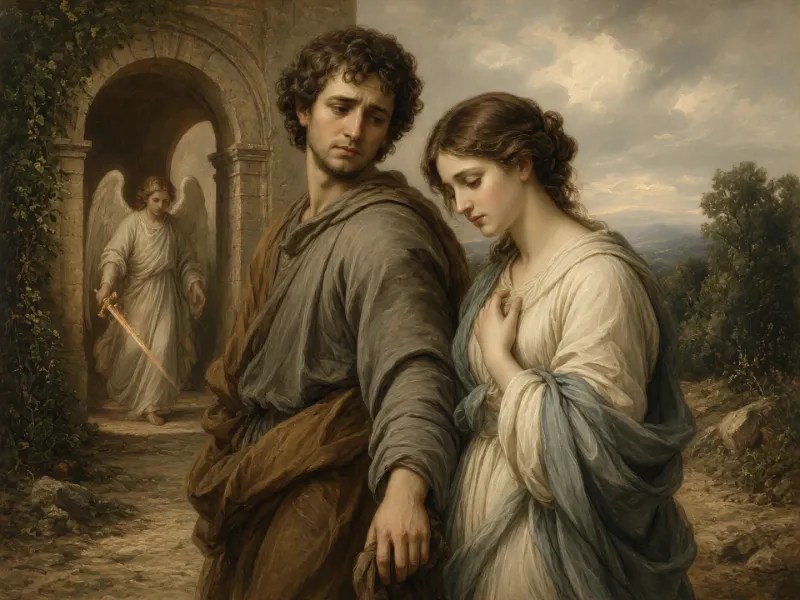
Psalm 37:7-9
“Be still before the LORD and wait patiently for him; do not fret when people succeed in their ways, when they carry out their wicked schemes. Refrain from anger and turn from wrath; do not fret—it leads only to evil. For those who are evil will be destroyed, but those who hope in the LORD will inherit the land.”
Reflection: The psalm tells the reader to wait for the Lord and not to fret when the wicked “carry out their wicked schemes”, warning that fretting “leads only to evil.” Verse 9 gives the reason: “those who are evil will be destroyed, but those who hope in the Lord will inherit the land,” and verse 10 adds, “A little while, and the wicked will be no more.”
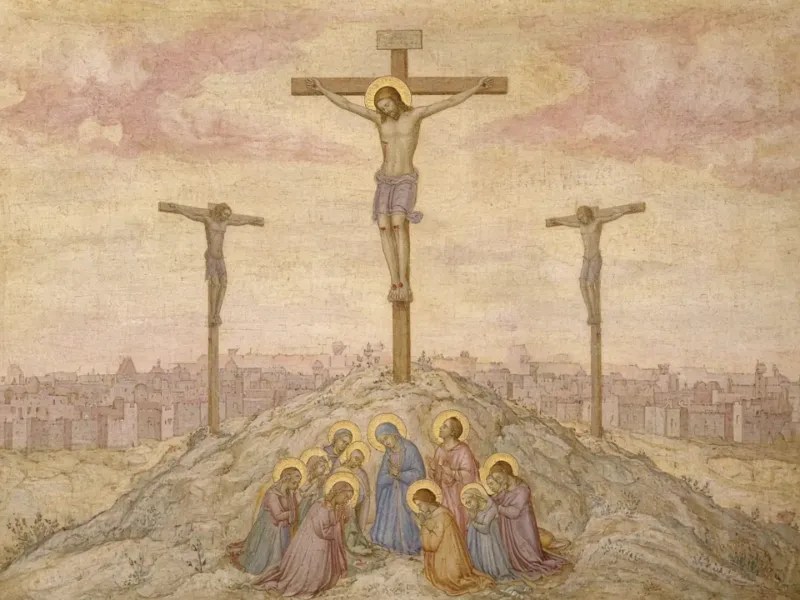
1 Peter 2:23
“When they hurled their insults at him, he did not retaliate; when he suffered, he made no threats. Instead, he entrusted himself to him who judges justly.”
Reflection: Peter writes to believers who are told to submit to the emperor and his governors and to “honor the emperor” (2:13-17), and to slaves who serve masters who are “harsh” (2:18). His example for suffering unjustly is Christ, who did not retaliate or threaten when insulted and made to suffer, and “entrusted himself to him who judges justly.”

Romans 12:21
“Do not be overcome by evil, but overcome evil with good.”
Reflection: The verse closes Paul’s instruction not to take revenge but to “leave room for God’s wrath” (12:19). The next chapter begins, “Let everyone be subject to the governing authorities,” and calls rulers “God’s servants, agents of wrath to bring punishment on the wrongdoer” (13:1-4).

Acts 5:29
“Peter and the other apostles replied: ‘We must obey God rather than human beings!’”
Reflection: The Sanhedrin and the high priest had ordered the apostles not to teach in Jesus’s name (4:18; 5:28), and Peter’s answer is a refusal. The council had them flogged and repeated the order, and they left “rejoicing because they had been counted worthy of suffering disgrace for the Name” and kept teaching daily (5:40-42).
Submission and refusal
The New Testament passages point in two directions. Romans 13:1 and 1 Peter 2:13 tell believers to submit to the authorities of their day, and 1 Peter 2:23 holds up Christ, who suffered unjustly without retaliating. Acts 5:29 records the apostles refusing a direct order, and Daniel 6:10 records Daniel praying three times a day after a royal decree forbade it.
Acts 5:29 gives the principle the apostles acted on, and both refusals concern an order to stop teaching or praying. In both, the people who refused were punished: the apostles were flogged (Acts 5:40), and Daniel was thrown into the lions’ den (Daniel 6:16).


Leave a Reply