
 English
 Chinese
 Dutch
 Arabic
 Spanish
 Portuguese
 Russian
 French
 Italian
 German
 Japanese
Yes. Michael is the archangel of Daniel, Jude and Revelation, and the name of nine or ten men in the Old Testament. It is a Hebrew name, Mikha’el, and it asks a question: “Who is like God?” The question expects the answer that no one is.
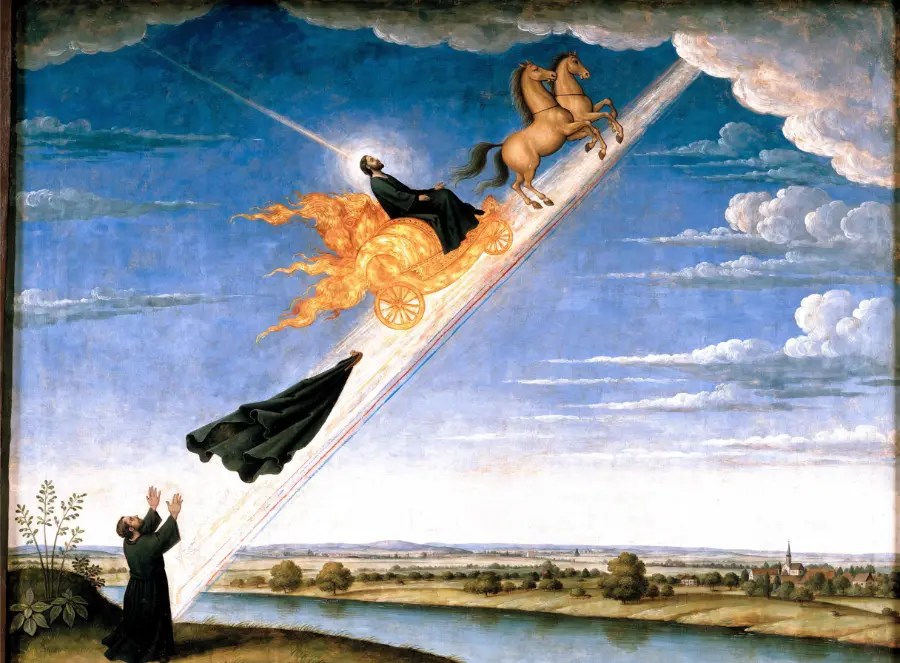
What does Michael mean in Hebrew?
The name joins three Hebrew words: mi, “who,” ke, “like,” and el, “God.” “Who is like God?” is a rhetorical question, and Scripture asks it in other places in almost the same words. After the crossing of the Red Sea, Moses and the Israelites sing, “Who is like you, O Lord, among the gods?” (Exodus 15:11), and near the end of his book the prophet Micah asks, “Who is a God like you, pardoning iniquity and passing over transgression?” (Micah 7:18). In German the question reads Wer ist wie Gott?
The Greek New Testament writes the name Michaēl, and Latin and English keep it as Michael. Other languages have their own forms: Miguel in Spanish and Portuguese, Michel in French, Michele in Italian, Mikhail in Russian, Michał in Polish and Mikael in the Scandinavian languages. Mike is the usual English short form. Michaela and the French Michelle are feminine forms; neither appears in the Bible.
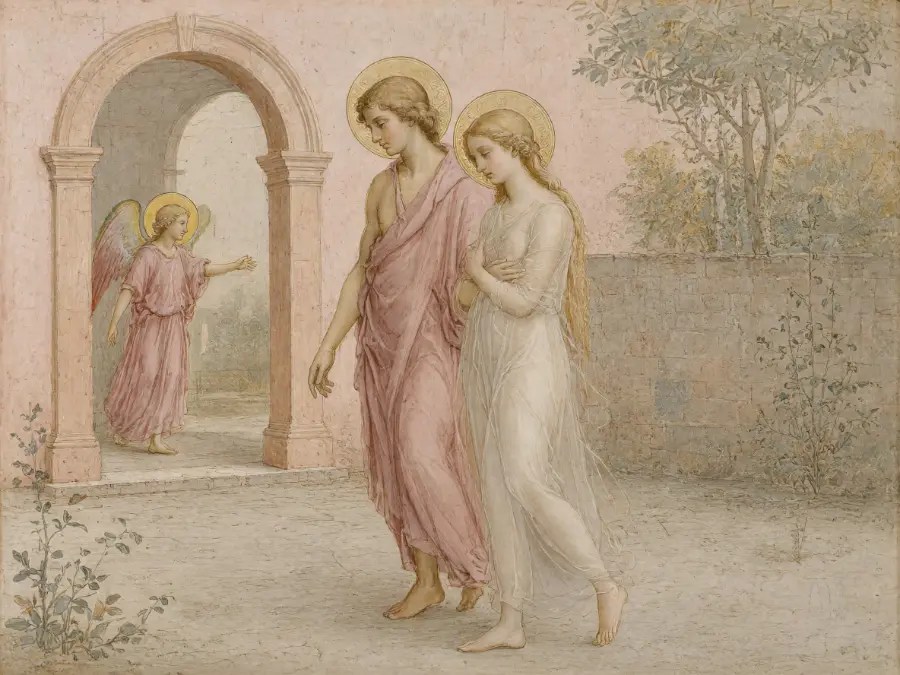
Where is Michael mentioned in the Bible?
The name occurs in fifteen verses: thirteen in the Hebrew of the Old Testament and two in the Greek of the New. Five of them are about the angel.
In Daniel 10, a heavenly messenger, described as “a man clothed in linen,” tells Daniel that “the prince of the kingdom of Persia” held him back for twenty-one days, “but Michael, one of the chief princes, came to help me” (Daniel 10:5, 13). He calls Michael “your prince,” meaning the protector of Daniel’s people (Daniel 10:21). Two chapters later comes a prophecy of the time of the end: “At that time shall arise Michael, the great prince who has charge of your people” (Daniel 12:1).
The New Testament names him twice. The Letter of Jude says that “the archangel Michael, contending with the devil, was disputing about the body of Moses,” and would not pronounce judgment himself but said, “The Lord rebuke you” (Jude 9). That dispute is not told anywhere in the Old Testament. The third-century writer Origen said it came from a book he called the Ascension of Moses. In Revelation, “war arose in heaven, Michael and his angels fighting against the dragon,” and the dragon, “who is called the devil and Satan,” is thrown down to the earth (Revelation 12:7–9).
Jude 9 is the only verse that calls Michael an archangel, and the word “archangel” appears only once more in the New Testament, for an unnamed angel whose voice will sound at Christ’s return (1 Thessalonians 4:16). Some readers also identify Michael with “the commander of the army of the Lord” who meets Joshua near Jericho (Joshua 5:13–15), but that passage does not give his name.
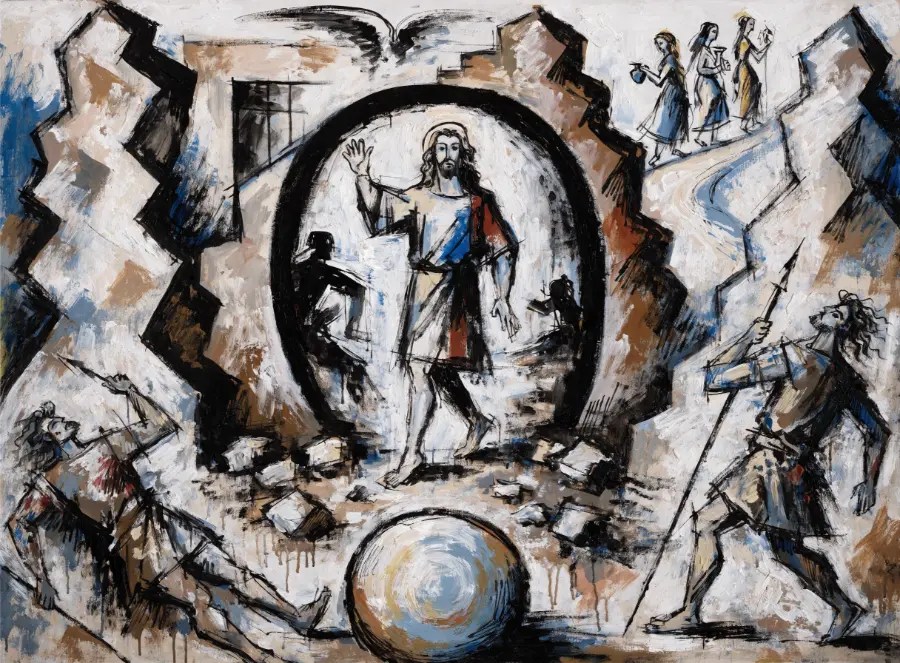
Men named Michael in the Old Testament
The other ten verses name ordinary Israelites, most of them in genealogies and lists. Among them are the father of Sethur, the spy chosen from the tribe of Asher to scout Canaan (Numbers 13:13); a Levite who was an ancestor of Asaph, David’s musician (1 Chronicles 6:39–40); a commander from the tribe of Manasseh who joined David at Ziklag (1 Chronicles 12:20); and a son of King Jehoshaphat, killed with his brothers by Jehoram when Jehoram took the throne (2 Chronicles 21:2–4). Others appear among the families of Gad, Issachar and Benjamin (1 Chronicles 5:13–14; 7:3; 8:16; 27:18) and among the exiles who returned from Babylon with Ezra (Ezra 8:8). Lexicons count nine or ten different men, because two of the references may be to the same person.
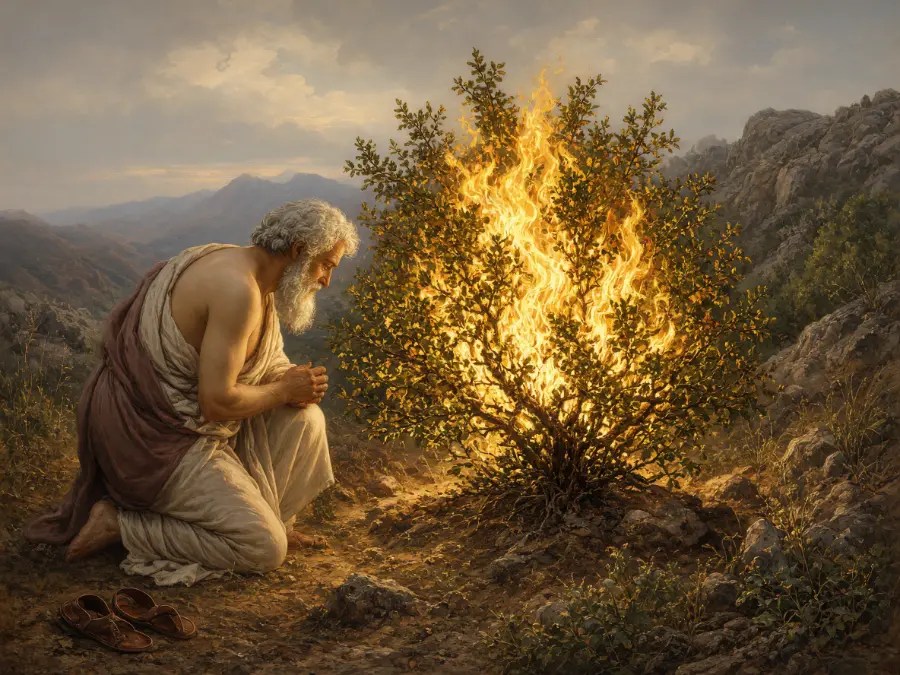
What does Michael look like in the Bible?
The Bible does not describe him. None of the five passages mentions his appearance, his clothing or wings. The many-winged figures shared online as “biblically accurate” angels are drawn from the seraphim of Isaiah 6, each of which had six wings, and the living creatures of Ezekiel 1, each with four faces and four wings (Isaiah 6:2; Ezekiel 1:6), not from any passage about Michael. Christian artists usually paint him in armor with a sword or spear, standing over a dragon or a demon, which comes from the battle in Revelation 12.
How do different churches see Michael?
Catholic, Orthodox, Anglican and Lutheran Christians honor Michael as an archangel. The Catholic Church keeps the feast of Michael, Gabriel and Raphael on 29 September, and the Church of England keeps 29 September as the feast of Saint Michael and All Angels, long known in England as Michaelmas. The Orthodox Church keeps its main feast of Michael on 8 November, together with all the angels. In 1886 Pope Leo XIII added a prayer to Michael to the prayers said after Low Mass, and Catholics recited it there until 1964. It begins, “Saint Michael the Archangel, defend us in battle,” and its line “May God rebuke him” echoes Jude 9.
Most Protestant churches accept what Scripture says about Michael but do not pray to angels. Three groups identify him with someone else. Jehovah’s Witnesses teach that Michael “is evidently a name given to Jesus before and after his life on earth,” pointing to 1 Thessalonians 4:16. Many Seventh-day Adventist theologians also take Michael as a name of Christ before the Incarnation, while holding that Christ is fully God and not a created angel. Latter-day Saints identify Michael with Adam; their Doctrine and Covenants speaks of “Michael, or Adam, the father of all” (27:11).
In Jewish tradition Michael is the guardian of Israel, as in Daniel 12:1. Islam also counts him among the archangels, as Mika’il, and the Qur’an names him once, beside Gabriel (Qur’an 2:98).

Is Michael a popular name?
Devotion to the archangel spread the name among Christians. Nine Byzantine emperors bore it, and it has been common in Western Europe since the Middle Ages. In the United States Michael was the most popular name for boys every year from 1954 to 1998, except in 1960, when David took first place. It ranked 21st in 2025.
Related reading
- Michelle Is Not in the Bible, but Michael Is
- Is Raphael in the Bible?
- Archangels and angels: the differences
- What do Jehovah’s Witnesses believe about Jesus?


Leave a Reply