
 English
  Chinese
  Dutch
Dutch  Arabic
  Spanish
  Portuguese
  Russian
  French
  Italian
  German
  Japanese
 Reverend is a style, not a job. Minister means servant. Pastor means shepherd. Two of the three describe work being done; the third describes honour being given, and it is the only one of the three that never appears in Scripture as a title for a human being.
Which is a useful place to start, because the confusion is not really about vocabulary.
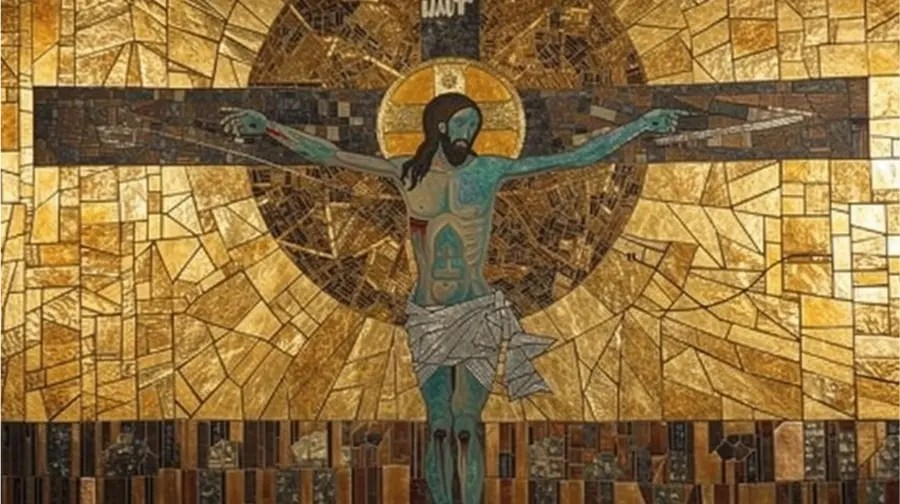
Reverend: a word that is owed, not held
It comes from the Latin reverendus — “to be revered” — and grammatically it is an adjective. That is why careful usage writes the Reverend Jane Cole, the way one would write the Honourable, and why “Hello, Reverend” makes editors wince even though everyone says it.
Until the seventeenth century it was not clerical at all. It was simply what you called someone held in high regard. It drifted toward the clergy slowly, and it stuck there.
The King James Bible uses the word exactly once. Psalm 111 says of God: holy and reverend is his name. Some traditions have looked at that lone verse and concluded that the word belongs to God and should not be lent to men. Others point out, fairly, that the Hebrew there simply means to be feared, and that the argument rests on a translator’s word choice in 1611.
We are not going to settle that here. But it is worth knowing that a Christian who declines to call anyone Reverend is not being difficult. They are standing on a verse.
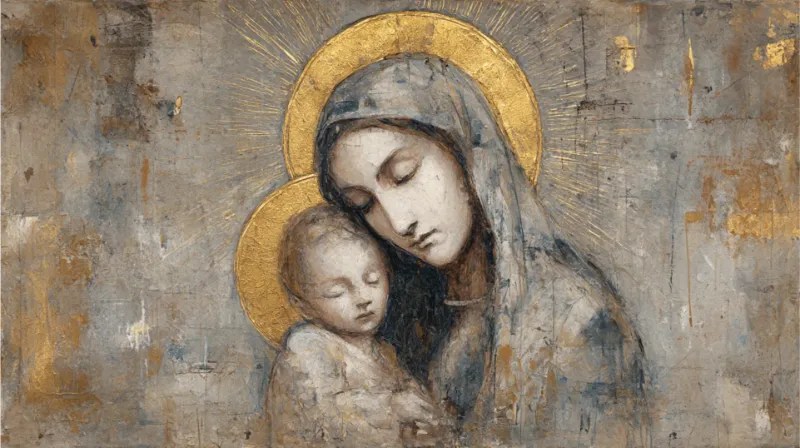
Minister: the word for a servant
Latin again, and blunter than it sounds. Minister was the ordinary word for an attendant — the opposite number to magister, the master. One gives orders; the other fetches.
Behind it in the New Testament sits the Greek diakonos, which is where deacon comes from, and which means a servant of the plainest kind — the one who waits at table. Paul reaches for it constantly, and always about himself. He is a diakonos of the gospel, of the new covenant, of the church. He never once calls himself its master.
So when a Methodist or Presbyterian congregation calls its clergy ministers, the word is doing exactly what it was built to do. It describes a position by describing a task, and the task is service.
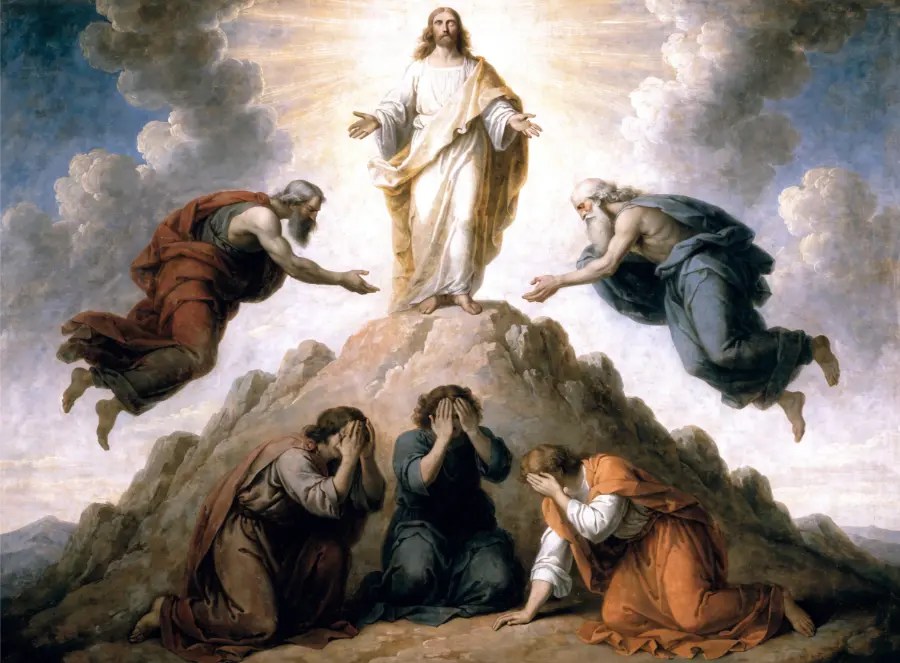
Pastor: the word for a shepherd
Pastor is Latin for shepherd, and it renders the Greek poimen. Ephesians lists the gifts Christ gave the church — apostles, prophets, evangelists, pastors and teachers — and it is the only place in the New Testament where the noun is used of a church leader at all.
The image is doing the work. Sheep are not led from the front by shouting. They are walked with. Peter, who had denied everything and been asked three times on a beach whether he loved anyone, is told feed my sheep, and later writes to elders telling them to shepherd the flock of God that is among them — not under them, among them — willingly, and not for money.
It is the warmest of the three words and the most demanding. A shepherd in that world slept across the gate.

What the New Testament actually calls these people
The titles the churches use now are mostly later. The words the apostles used were four:
Episkopos, an overseer, which becomes bishop. Presbyteros, an elder, which becomes priest by a long phonetic erosion nobody planned. Diakonos, a servant, which becomes deacon. And poimen, a shepherd, which becomes pastor.
Two of those describe rank. Two describe work. The early church used the first two almost interchangeably — Paul calls the same men elders and overseers in one paragraph in Acts — which is why denominations that both read the same chapter have organised themselves so differently ever since.
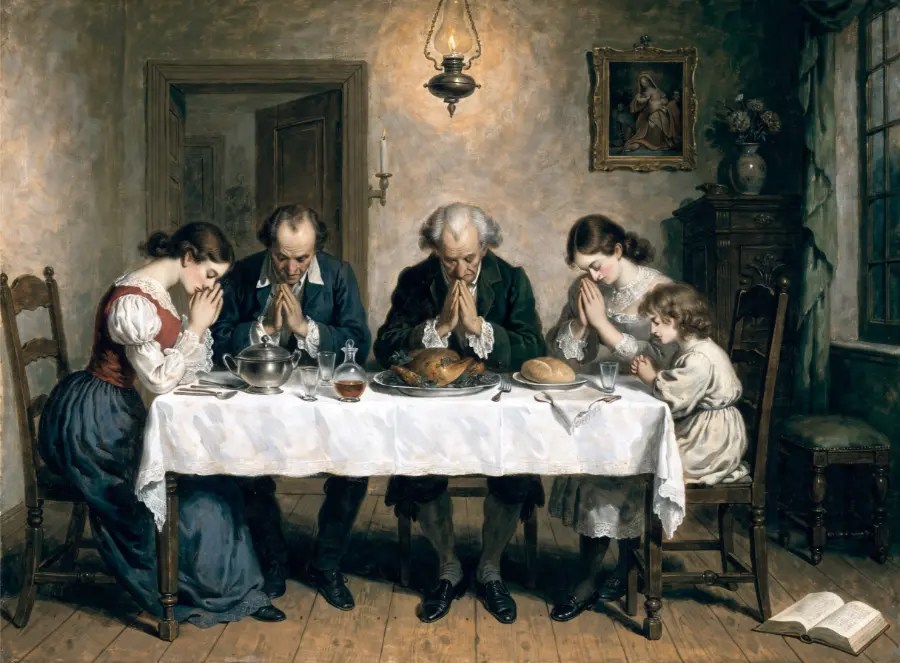
Frequently asked
Is Reverend a title or a form of address?
Strictly, neither: it is a style, an adjective attached to a name. “The Reverend Sarah Miles” is correct; “Reverend Miles” is common and widely accepted; “Reverend” used alone, the way one might say “Doctor”, is informal and some clergy dislike it. The safe form of address depends on the office — Pastor, Vicar, Father, or simply the person’s name.
Can the same person be all three?
Routinely. A Methodist congregation may have the Reverend John Adams, who is a minister by ordination and a pastor by appointment to that church. The three words are answering three different questions: how he is styled, what he was ordained to, and what he does on a Tuesday.
Which denominations use which?
Baptist and non-denominational churches lean on Pastor. Methodist and Presbyterian churches tend to say Minister. Anglicans and Episcopalians use Reverend as the style and priest, vicar or rector as the office. Catholics and Orthodox use Father in address, with Reverend as the formal written style. These are habits rather than rules, and they vary by country.
Does the Bible require any of these titles?
No. It describes functions rather than prescribing forms of address, and it contains a warning about the whole business: Jesus told his disciples not to be called Rabbi, or father, or master, because they had one teacher and were all brothers. Churches have read that with varying degrees of literalism ever since.
What the titles are for
We use these words most often at the worst moments. We say them at a graveside, or in a hospital corridor at two in the morning, or across a kitchen table when a marriage is coming apart and somebody has finally been called.
At that hour nobody is thinking about Latin. The word is just the handle on a door we are knocking at.
And the oldest of the three is still the plainest description of what we are hoping will be on the other side of it. Not a master. A shepherd — who knows the way home in the dark, and walks it with us rather than pointing.


Leave a Reply