
 English
 Chinese
 Dutch
 Arabic
 Spanish
 Portuguese
 Russian
 French
 Italian
 German
 Japanese
Somebody said words over us before we could understand them, and somebody will say words over us again when we can no longer hear.
In England, for four and a half centuries, those words have mostly come out of one book. Ashes to ashes, dust to dust. Till death us do part. We have left undone those things which we ought to have done. A great many of us who would not call ourselves religious have wept at those sentences, and could not have said who wrote them.
He was called Thomas Cranmer, and the church that produced him began in a divorce court.
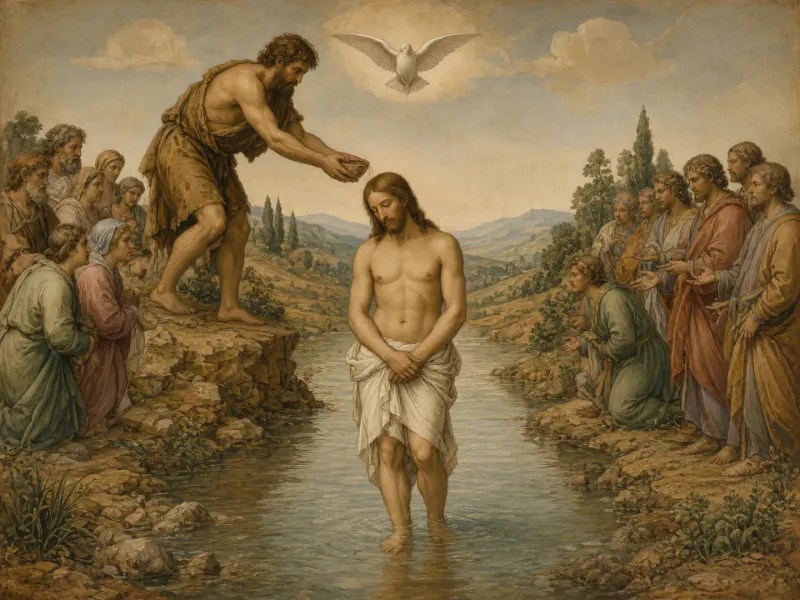
Naming the awkward part first
Henry VIII wanted his marriage annulled. Rome said no. In 1534 Parliament declared the king supreme head of the church in England, and a bond that had held for nine hundred years was cut by statute to settle a domestic matter.
Anglicans have never been able to pretend otherwise, and the honest ones do not try. What came next was not yet a reformation. Henry died having dissolved the monasteries and kept the Mass. The theology arrived after him, under a boy king, and it arrived mostly as prose.
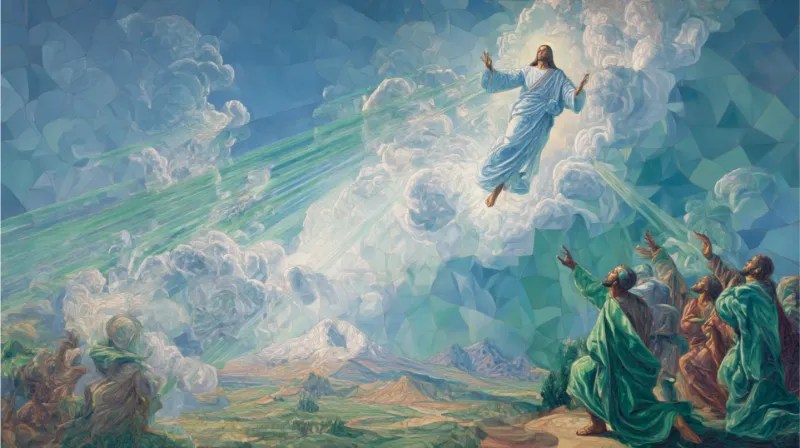
The man who wrote the words, and gave way
Cranmer put the daily prayer of the church into English a farmhand could follow. The Book of Common Prayer of 1549, revised in 1552, did what no council had managed: it handed the psalms and the collects to people who had stood through them in Latin all their lives and understood the ceremony but not the sentences.
Then Mary came to the throne, the country turned back to Rome, and Cranmer was condemned. He recanted. He signed, more than once, to stay alive, and it did not work.
On the morning they burned him in Oxford in 1556 he withdrew every signature, and when the fire was lit he put his right hand into it first, saying the hand that had offended should suffer first.
We should not smooth that over into a martyr’s postcard. He was frightened. He gave way. He found his courage at the last hour available to him, which is the hour most of us are hoping to find ours in.
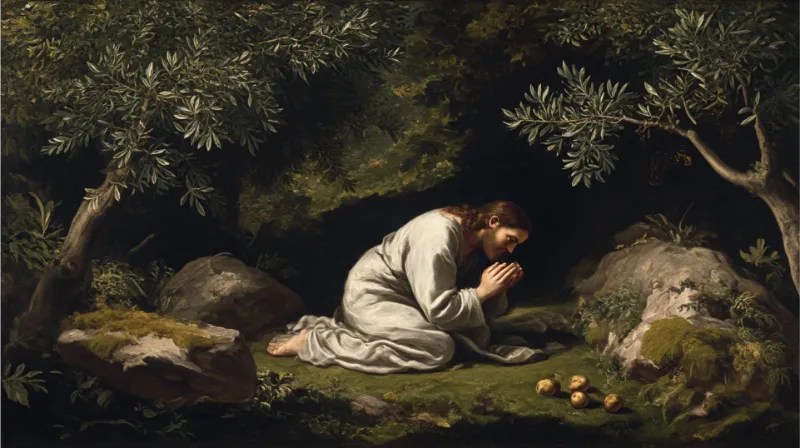
A settlement that stopped asking
Elizabeth inherited a country worn out by being told what to believe by whoever held the throne. Her settlement of 1559 made her Supreme Governor rather than head — a smaller word, chosen with care — kept the bishops and the cathedrals and the prayer book, and declined to inquire too closely into what anyone privately thought.
That is the via media, the middle way: Catholic in its order, reformed in its doctrine, deliberately quiet where quiet let people kneel beside each other. Its critics have called it a fudge for four hundred years. It is also an answer to a prayer, and a very old one — on the last night, with everything already going wrong, Jesus asked his Father that they might all be one.
Nobody has managed it. Elizabeth’s version was at least a room where the argument could continue without anyone being burned in it, which was more than the previous twenty-five years had offered.
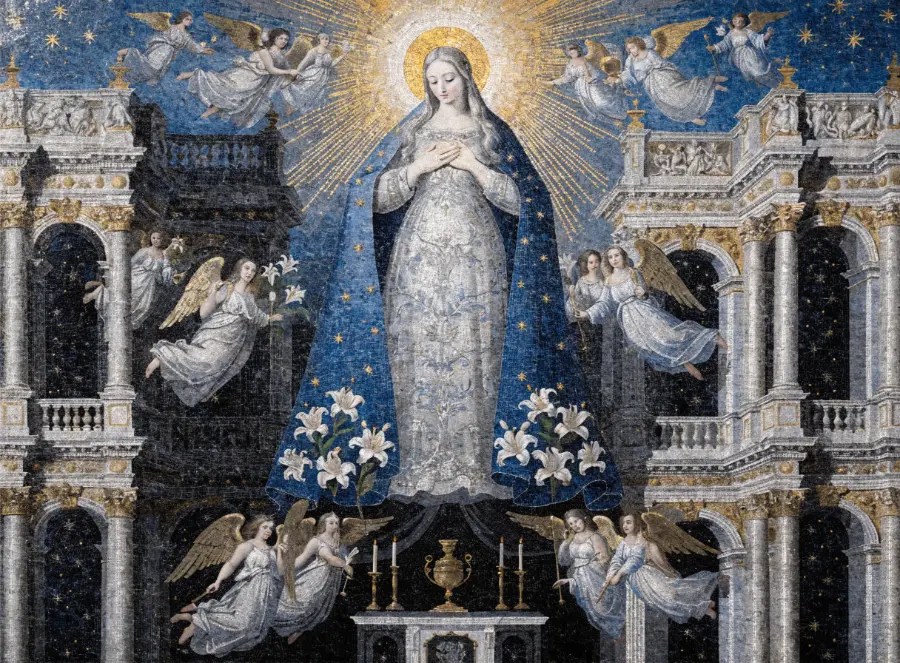
Who the Anglicans are now
There is no headquarters. The Anglican Communion is a family of self-governing provinces across some hundred and sixty-five countries, holding roughly eighty-five million people, who recognise the Archbishop of Canterbury as first among equals and share the shape of a prayer book rather than a common law.
And the centre has moved. The largest provinces now are Nigerian and Ugandan, not English; a Sunday in Kampala would astonish most English parishes, which are small and old and heated at some expense. In America the province is called the Episcopal Church, because after the Revolution nobody was going to swear anything to an English king.
The family argues, and not politely. England ordained its first women priests in 1994 and its first woman bishop in 2015; some provinces went earlier, others will not go at all, and the disagreements over sexuality have brought the Communion closer to breaking than anything since Henry. Saying otherwise would be no kindness to anybody.
Frequently asked
Is the Church of England Catholic or Protestant?
Both, on purpose, and the refusal to choose is the whole character of it. It kept the historic bishops, the creeds and the sacraments, and accepted the Reformation’s claims about Scripture and salvation. The Thirty-nine Articles of 1571 are its doctrinal statement, and they read like a Protestant document written by people with no intention of giving up their cathedrals.
Who leads the Church of England?
The monarch is Supreme Governor, which is a constitutional role rather than a spiritual one. The Archbishop of Canterbury is the senior bishop and the focus of unity for Anglicans worldwide, with no authority over other provinces. Doctrine and practice are settled by the General Synod, where bishops, clergy and laity all vote.
What is the difference between Anglican and Episcopalian?
None worth the words. Episcopalian is what Anglicans are called in the United States and in Scotland. It means a church governed by bishops, from the Greek episkopos, an overseer — the word Paul uses for the men he left in charge of young churches.
Where does the word Anglican come from?
From the Latin ecclesia anglicana, the English church, which is already in Magna Carta in 1215 — three centuries before the break with Rome. The name is older than the division it now marks.

What outlived the politics
A church that began in a king’s marital difficulty is an uncomfortable thing to inherit, and no amount of retelling improves the start of it.
But something got loose from the politics that made it. Every morning and every evening, in parishes with nine people in them and cathedrals with nine hundred, the psalms are read straight through in order, and prayers are said for the sick and the dying and the government, and the same words go over bread and wine.
Cranmer wrote them for a country that was preparing to kill him. They were said this morning, somewhere, by someone who has never heard of him, over somebody who needed them as much as we will.


Leave a Reply