
 English
 Chinese
 Dutch
 Arabic
 Spanish
 Portuguese
 Russian
 French
 Italian
 German
 Japanese
The twelve apostles were the men Jesus chose to send out in his name. Matthew names them: Simon Peter and Andrew, James and John the sons of Zebedee, Philip, Bartholomew, Thomas, Matthew the tax collector, James son of Alphaeus, Thaddaeus, Simon the Zealot and Judas Iscariot, who betrayed him (Matthew 10:2–4). After Judas died, Matthias took his place.
They were ordinary men, most of them from Galilee, and at least four were fishermen. Simon Peter stands first in every list, and Judas Iscariot last in the three Gospel lists. Not one of them put himself forward for the work. Luke tells us that Jesus “went out into a mountain to pray, and continued all night in prayer to God. And when it was day, he called unto him his disciples: and of them he chose twelve, whom also he named apostles” (Luke 6:12–13). On the last night of his life he reminded them that the choosing had been his from the start: “Ye have not chosen me, but I have chosen you, and ordained you, that ye should go and bring forth fruit, and that your fruit should remain” (John 15:16).
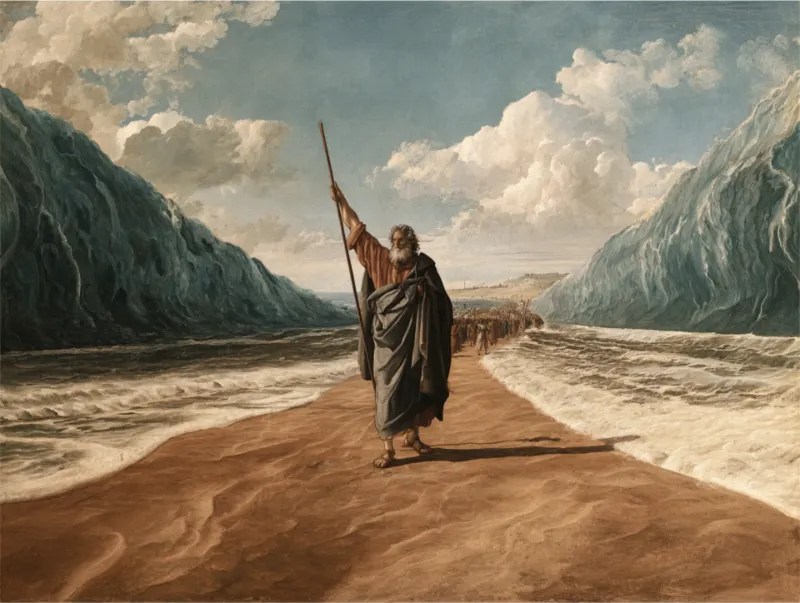
What does “apostle” mean?
An apostle is someone who has been sent. The Greek word apostolos comes from the verb “to send forth”, and Thayer’s Greek lexicon defines it as “a delegate, messenger, one sent forth with orders”. Jesus had many disciples, a word that means learners, and from among them he chose twelve to be sent. So every apostle was a disciple first, and the difference between the two is set out more fully in apostles vs disciples. “The twelve disciples” and “the twelve apostles” are two ways of naming the same twelve men.
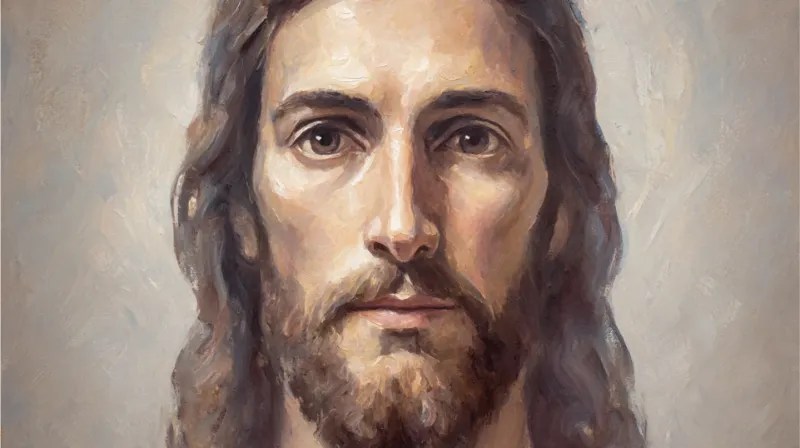
What kind of men were the twelve apostles?
Most were working men from Galilee, the northern country around the lake. When they spoke on the day of Pentecost, the crowd in Jerusalem asked, “Behold, are not all these which speak Galilaeans?” (Acts 2:7). Among them were two pairs of brothers who fished the lake. Jesus found Simon and Andrew “casting a net into the sea: for they were fishers,” and a little farther on James and John were in the boat “mending their nets” with their father Zebedee and “the hired servants” (Mark 1:16–20). Luke adds that the sons of Zebedee “were partners with Simon” (Luke 5:10). So these were men with a family business, with boats and paid hands, and they left it all behind on the shore.
Some of them were married: Simon Peter had a mother-in-law in Capernaum, sick with a fever when Jesus came to the house (Mark 1:30). Years later Paul claims the right to take a believing wife on his travels “as well as other apostles, and as the brethren of the Lord, and Cephas”, Peter himself (1 Corinthians 9:5). Philip came from Bethsaida, “the city of Andrew and Peter” (John 1:44).
Two more of the twelve made an unlikely pair. Matthew collected taxes, one of the “publicans” whom the Pharisees spoke of in the same breath as sinners (Matthew 9:11). Simon was called Zelotes, the Zealot. The word means one burning with zeal, and it may mean he had sided with those who wanted Israel free of foreign rule, the cause that later gave its name to the Zealots of the war with Rome. Luke puts the two men side by side in one verse: “Matthew and Thomas, James the son of Alphaeus, and Simon called Zelotes” (Luke 6:15). So a man who had collected taxes and a man named for his zeal followed the same Lord.
When the leaders in Jerusalem later heard Peter and John preach, they saw “that they were unlearned and ignorant men”, meaning men without schooling in the law, and “they marvelled; and they took knowledge of them, that they had been with Jesus” (Acts 4:13). Having been with Jesus was all the qualification they had.
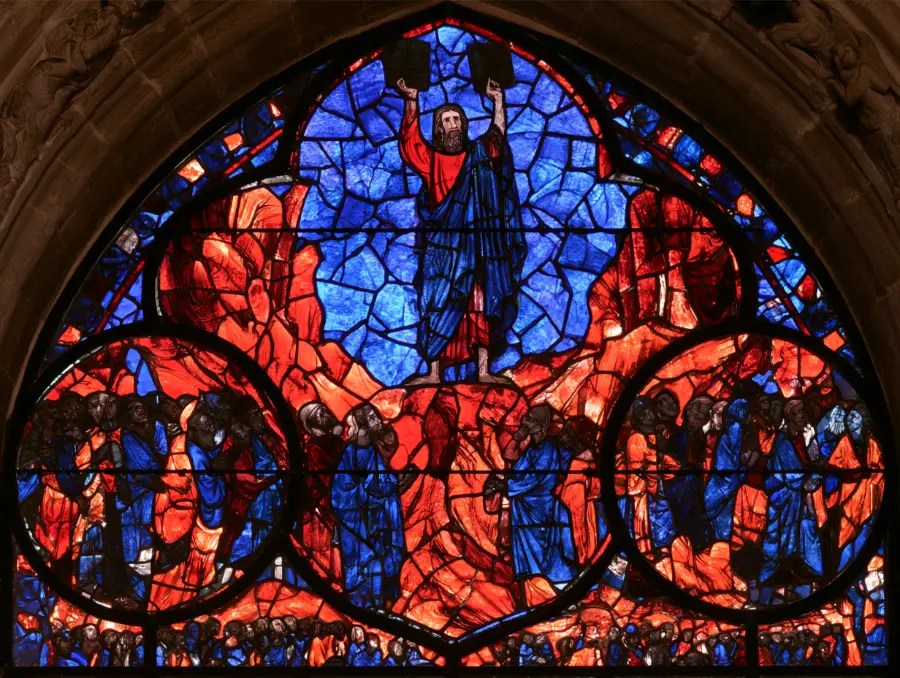
What were the apostles called to do?
First he sent them out with his own work in their hands. “He gave them power against unclean spirits, to cast them out, and to heal all manner of sickness and all manner of disease” (Matthew 10:1). Their instructions were short: “And as ye go, preach, saying, The kingdom of heaven is at hand. Heal the sick, cleanse the lepers, raise the dead, cast out devils: freely ye have received, freely give” (Matthew 10:7–8). Nor did he hide from them what it would cost: “Behold, I send you forth as sheep in the midst of wolves” (Matthew 10:16).
They did it poorly at first, and even on his last night with them they quarrelled: at the Last Supper “there was also a strife among them, which of them should be accounted the greatest” (Luke 22:24). Then in Gethsemane, when the crowd came with swords to take him, “they all forsook him, and fled” (Mark 14:50). Brothers and sisters, it is a comfort to us that Scripture tells this so plainly: the men who would carry his gospel to the ends of the earth ran away on the night he was arrested.
After the resurrection he called them again, to a larger work: “ye shall receive power, after that the Holy Ghost is come upon you: and ye shall be witnesses unto me both in Jerusalem, and in all Judaea, and in Samaria, and unto the uttermost part of the earth” (Acts 1:8). So the men who had fled became witnesses of what they had seen, and that is what an apostle was for.
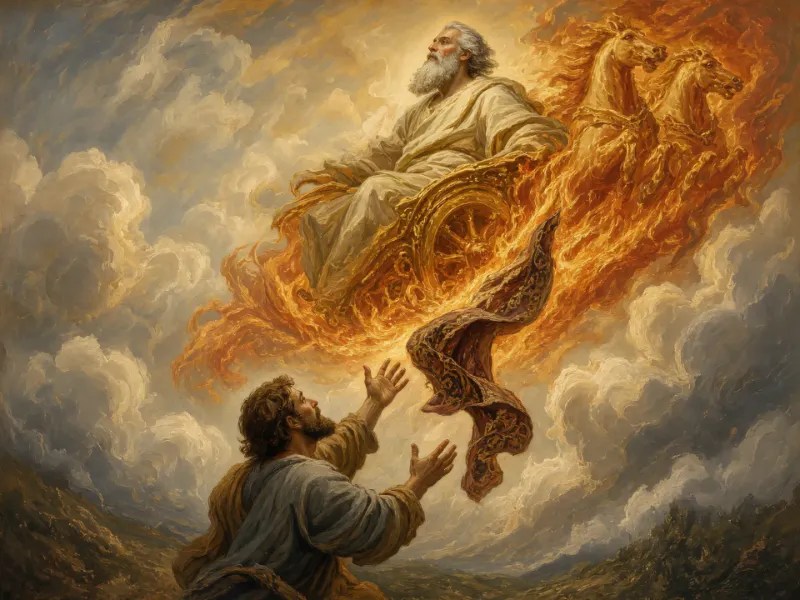
What is each apostle known for?
Each of the twelve is remembered for something, even when it is only his name. Their other names, and the four lists in which they appear, are set out in the names of the 12 apostles.
- Simon Peter, the fisherman who spoke first and fell hardest, denied Jesus three times and was asked three times, “lovest thou me?”, then told, “Feed my sheep” (John 21:17).
- Andrew, Peter’s brother, keeps bringing people to Jesus: first his brother, “We have found the Messias” (John 1:41), and then a boy with “five barley loaves, and two small fishes” (John 6:9).
- James, son of Zebedee, asked with his brother for the places of honor and was told, “Ye shall indeed drink of the cup that I drink of” (Mark 10:39); years later Herod killed him with the sword (Acts 12:2).
- John, son of Zebedee, is the disciple “whom Jesus loved” (John 13:23), to whom Jesus gave his mother from the cross: “Behold thy mother!” (John 19:27).
- Philip, from Bethsaida, asked, “Lord, show us the Father, and it sufficeth us,” and heard, “he that hath seen me hath seen the Father” (John 14:8–9).
- Bartholomew, most likely the Nathanael of John’s Gospel, began by asking, “Can there any good thing come out of Nazareth?” and ended by saying, “Rabbi, thou art the Son of God” (John 1:46, 49).
- Thomas, remembered for doubting, was also the one who said, “Let us also go, that we may die with him” (John 11:16), and the one who said to the risen Christ, “My Lord and my God” (John 20:28).
- Matthew, the tax collector, left his tax table at one word, “Follow me”, and soon Jesus was at dinner with “many publicans and sinners”, saying, “I am not come to call the righteous, but sinners to repentance” (Matthew 9:9–13).
- James, son of Alphaeus, appears in the Gospels only in the lists of the twelve, and they record none of his words. Catholic tradition, as the Catholic Encyclopedia sets it out, identifies him with “James the less” (Mark 15:40) and with James the brother of the Lord, who led the church in Jerusalem; Scripture itself does not say so.
- Thaddaeus, usually identified with the Judas whom John calls “not Iscariot”, asked why Jesus would show himself to them and not to the world, and was told, “If a man love me, he will keep my words” (John 14:22–23).
- Simon the Zealot is known only by his name and his title, which tells us where he stood before Christ called him (Luke 6:15).
- Judas Iscariot kept the common purse and stole from it, John says (John 12:6), and betrayed his Master with a kiss: “Judas, betrayest thou the Son of man with a kiss?” (Luke 22:48).
- Matthias took Judas’s place after the ascension, when “the lot fell upon Matthias; and he was numbered with the eleven apostles” (Acts 1:26).

Were there twelve, eleven or thirteen apostles?
Jesus chose twelve. After Judas betrayed him and died, Matthew speaks of “the eleven disciples” who went to meet the risen Lord in Galilee (Matthew 28:16), and then Matthias was chosen to make the number twelve again. The New Testament also gives the name apostle to others who were sent, most of all Paul, who met the risen Christ after the ascension and called himself “the least of the apostles, that am not meet to be called an apostle, because I persecuted the church of God” (1 Corinthians 15:9). Luke calls Barnabas one too: “the apostles, Barnabas and Paul” (Acts 14:14). Those who speak of thirteen apostles usually mean Paul added to the twelve, or Matthias counted alongside Judas. “The twelve” names Jesus’ chosen circle, and the word apostle reaches a little wider.
What happened to the twelve apostles?
Scripture records the deaths of only two of the twelve: James, killed by Herod “with the sword” (Acts 12:2), and Judas. Jesus told Peter he would “stretch forth” his hands when he was old, “signifying by what death he should glorify God” (John 21:18–19). Everything else about where the others preached and how they died comes from later Christian writers, and each tradition, with its source, is weighed in how the 12 apostles died.
Even so, what we know is enough: Jesus chose fishermen, a tax collector, a Zealot, a doubter and a man who denied him. He bore with them and sent them, and the church still stands on their witness. He said to them at the supper, and he says to us who come after: “Henceforth I call you not servants; for the servant knoweth not what his lord doeth: but I have called you friends” (John 15:15).
Related reading
- What were the names of the 12 apostles?
- How did the 12 apostles die?
- Apostles vs disciples: what is the difference?
- How old were the disciples of Jesus?
- Who was Judas Iscariot?
- The Great Commission: what Jesus commanded in Matthew 28



Leave a Reply