
 Japanese
 English
 Chinese
 Dutch
 Arabic
 Spanish
 Portuguese
 Russian
 French
 Italian
 German
The Bible expects people to need one another, and it tells of men and women who accepted help. Moses let Aaron and Hur hold up his arms (Exodus 17:12), a paralyzed man was carried to Jesus by four others (Mark 2:3-5), and Paul thanked the Philippians for their gifts (Philippians 4:15-17).
Moses also took Jethro’s advice to share his work (Exodus 18:18-24), and Jesus and the Twelve were supported by women who went with them (Luke 8:1-3). God says “It is not good for the man to be alone” (Genesis 2:18), and Paul describes a body in which no part can say “I don’t need you!” (1 Corinthians 12:21). The words of Jesus that Paul quotes in Acts 20:35, “It is more blessed to give than to receive,” sit beside Paul’s own thanks for the gifts he received (Philippians 4:18).
Not made to manage alone
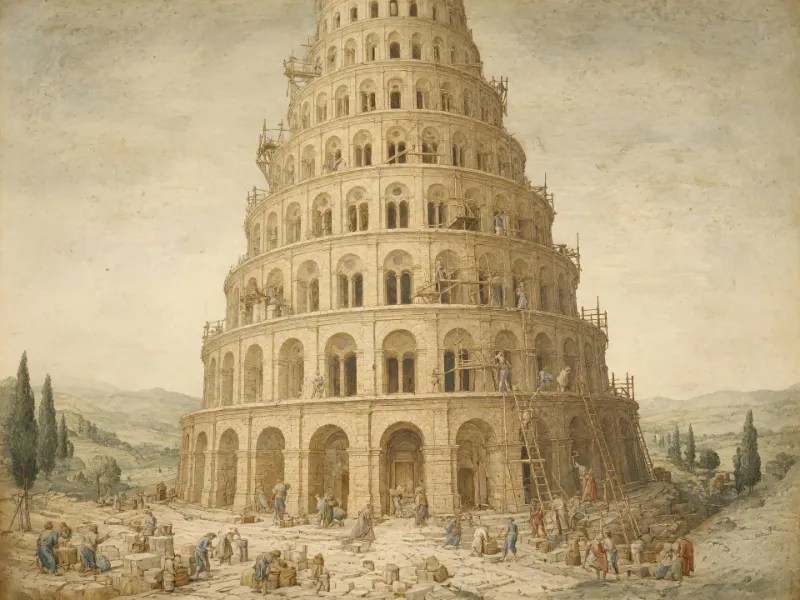
創世記 2:18
「主なる神は言われた。『人がひとりでいるのは良くない。彼のために、ふさわしい助け手を造ろう。』」
考察: God says this before the man has asked for anything, and after Genesis 1 has called everything God made “very good” (Genesis 1:31). The Hebrew word for helper, ezer, is the word Psalm 33:20 uses of God: “he is our help and our shield.” After the man names the animals, “for Adam no suitable helper was found” (Genesis 2:20), and God makes the woman.
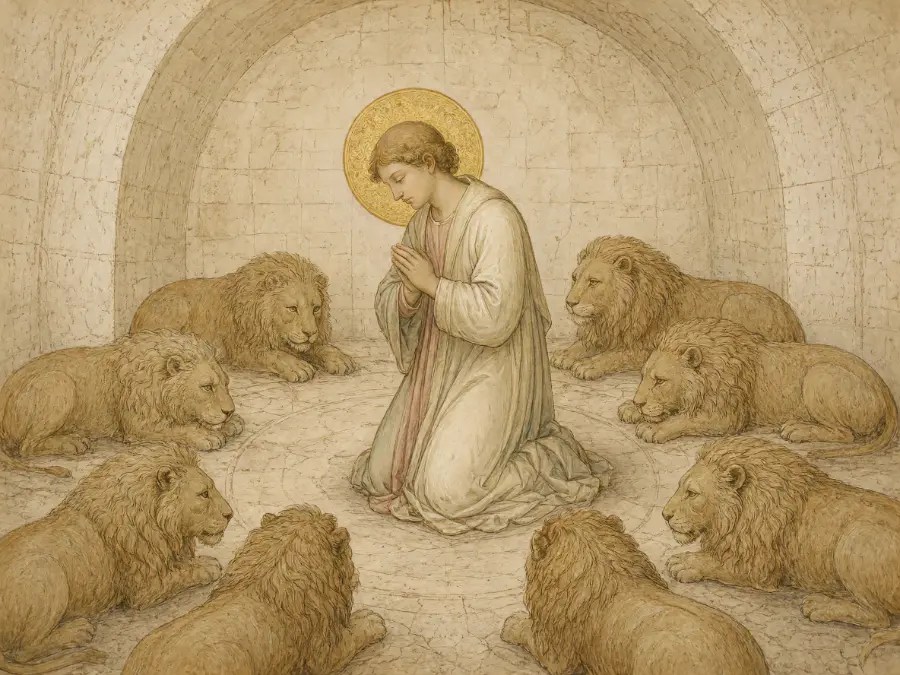
伝道の書 4:9-10
「二人はいれば一人よりも良い。彼らはその労苦によって良い報いを得るからである。もし彼らが倒れるなら、一人はもう一人を助け起こすことができる。しかし、倒れても助け起こす者のいない者は災いである。」
考察: The Teacher sets these lines straight after a man “all alone” who “had neither son nor brother” and toiled without end, asking “For whom am I toiling?” (Ecclesiastes 4:8). The case for two is practical: help up after a fall, warmth when two lie down together, defence against attack (verses 11-12). The help runs both ways, since “either of them” may be the one who falls.

1 Corinthians 12:21-22
“The eye cannot say to the hand, ‘I don’t need you!’ And the head cannot say to the feet, ‘I don’t need you!’ On the contrary, those parts of the body that seem to be weaker are indispensable.”
考察: In a chapter on the gifts of the Spirit, Paul has just answered the opposite complaint, the foot that says “Because I am not a hand, I do not belong to the body” (verse 15). Here the fault is a part that thinks it can do without the others. The parts “that seem to be weaker” are called indispensable, and God has arranged the body so “that its parts should have equal concern for each other” (verse 25).

ガラテヤ人への手紙 6:2
「互いに重荷を負い合いなさい。そうすれば、キリストの律法を全うすることになります。」
考察: The burdens are “each other’s,” so every member addressed is both one who carries and one whose burden is carried. The verse before concerns someone “caught in a sin,” whom the church should restore gently, and Thayer’s Greek lexicon takes the burdens of verse 2 as faults: “bear one another’s faults.” Verse 5 adds that “each one should carry their own load,” using フォルティオン (burden, load) where verse 2 has バロス (weight, burden).
People who accepted help

Exodus 17:12
“When Moses’ hands grew tired, they took a stone and put it under him and he sat on it. Aaron and Hur held his hands up—one on one side, one on the other—so that his hands remained steady till sunset.”
考察: Israel is fighting the Amalekites at Rephidim, and the battle turns on Moses’ raised hands: “As long as Moses held up his hands, the Israelites were winning, but whenever he lowered his hands, the Amalekites were winning” (verse 11). When he tires, the help he accepts is plain and physical, a stone to sit on and two men holding up his arms. With Aaron on one side and Hur on the other, his hands stay steady “till sunset,” and Joshua defeats the Amalekite army (verse 13).
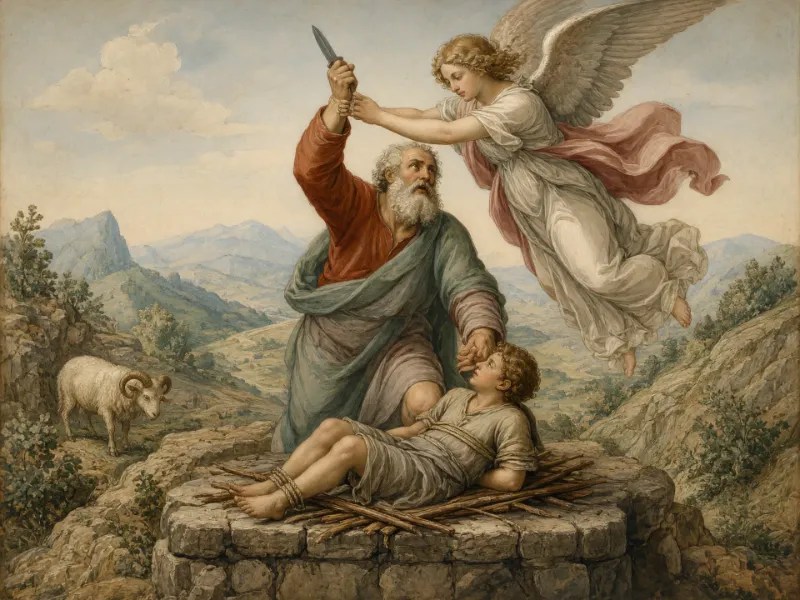
Mark 2:4-5
“Since they could not get him to Jesus because of the crowd, they made an opening in the roof above Jesus by digging through it and then lowered the mat the man was lying on. When Jesus saw their faith, he said to the paralyzed man, ‘Son, your sins are forgiven.’”
考察: The man is “carried by four of them” (verse 3), and when the crowd fills the house so that there is “no room left, not even outside the door” (verse 2), they dig through the roof and lower his mat in front of Jesus. Mark says Jesus saw “their faith,” and the paralyzed man has no recorded words anywhere in the account. Jesus forgives his sins, then tells him to get up, take his mat and go home, and he walks out “in full view of them all” (verse 12).
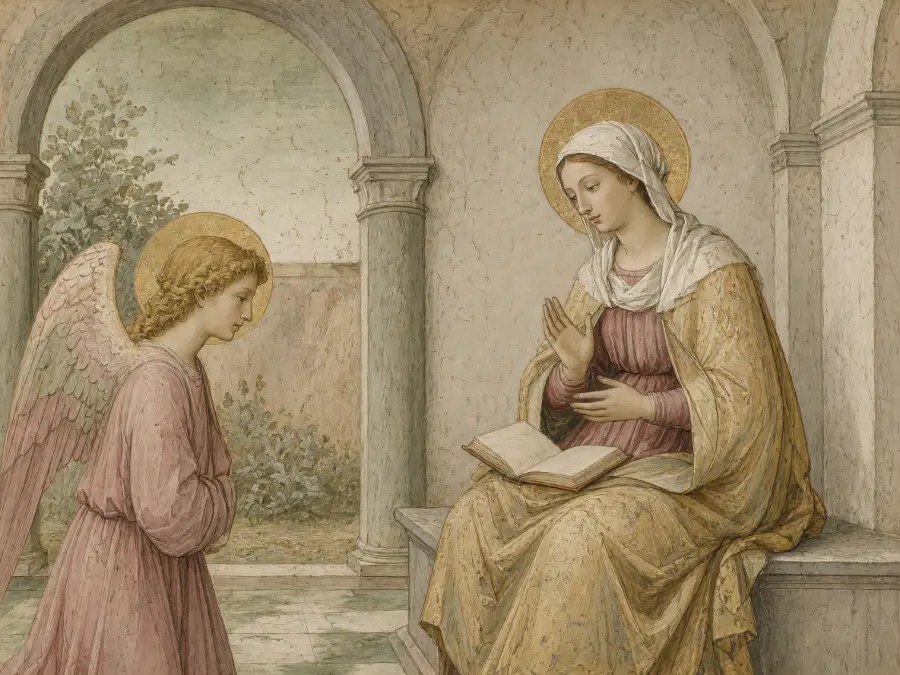
ルカによる福音書 8:1-3
「その後、イエスは神の国の福音を説きながら、町や村を巡って旅をされた。十二人も一緒だった。悪霊を追い出され、病気を癒やされた何人かの婦人たちも一緒だった。七つの悪霊を追い出されたマグダラと呼ばれるマリア、ヘロデの家令クサの妻ヨハンナ、スザンナ、そのほか多くの婦人たちで、彼女たちは自分の持ち物を出し合って、一行に奉仕していた。」
考察: Luke names women who went with Jesus and the Twelve on the journey “from one town and village to another”: Mary Magdalene, Joanna, whose husband Chuza managed Herod’s household, Susanna and “many others.” They had themselves been “cured of evil spirits and diseases.” The group proclaiming the kingdom of God was supported in part by what these women gave “out of their own means.”
Help that comes as advice

Exodus 18:18
“You and these people who come to you will only wear yourselves out. The work is too heavy for you; you cannot handle it alone.”
考察: Jethro, the priest of Midian and Moses’ father-in-law (verse 1), watches Moses judge the people alone “from morning till evening” and tells him, “What you are doing is not good” (verse 17). His plan is to appoint trustworthy officials for the simple cases: “That will make your load lighter, because they will share it with you” (verse 22). Jethro adds that “all these people will go home satisfied” (verse 23), and the chapter records that “Moses listened to his father-in-law and did everything he said” (verse 24).
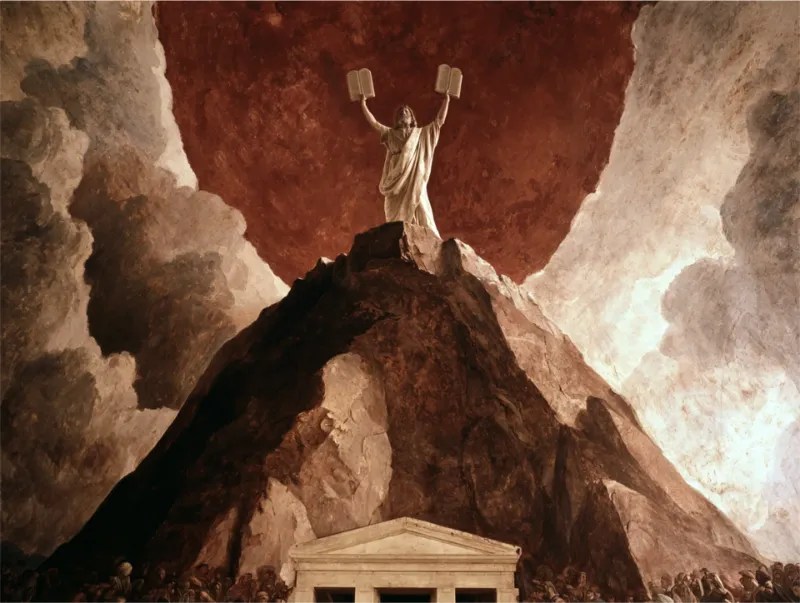
箴言 12:15
「愚か者は自分の道が正しいと考えるが、賢い者は助言を聞く。」
考察: Proverbs sets the fool, whose own way “seems right to them,” against the person who listens to advice, and gives the name wise to the listener. It sits among sayings on speech and on fools, and the next one reads, “Fools show their annoyance at once, but the prudent overlook an insult” (verse 16).
Paul on giving and receiving
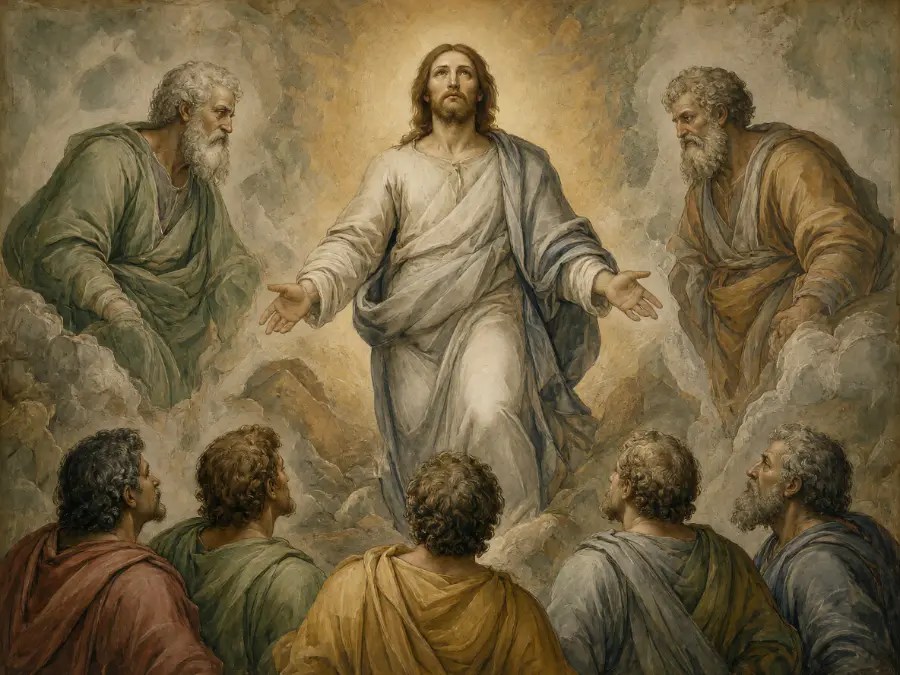
使徒言行録 20章35節
「私はすべてにおいて、このように労苦して弱い者を助けなければならないこと、そして『受けるよりは与える方が幸いである』と言われた主イエスの言葉を思い起こすべきであることを、身をもって示してきました。」
考察: Paul says this to the elders of the church in Ephesus, whom he has called to meet him at Miletus (verse 17). He has just reminded them that “these hands of mine have supplied my own needs and the needs of my companions” (verse 34), and he quotes Jesus to explain the purpose of that hard work. The saying ranks giving above receiving, and the same sentence tells the elders to help the weak, who are on the receiving end.
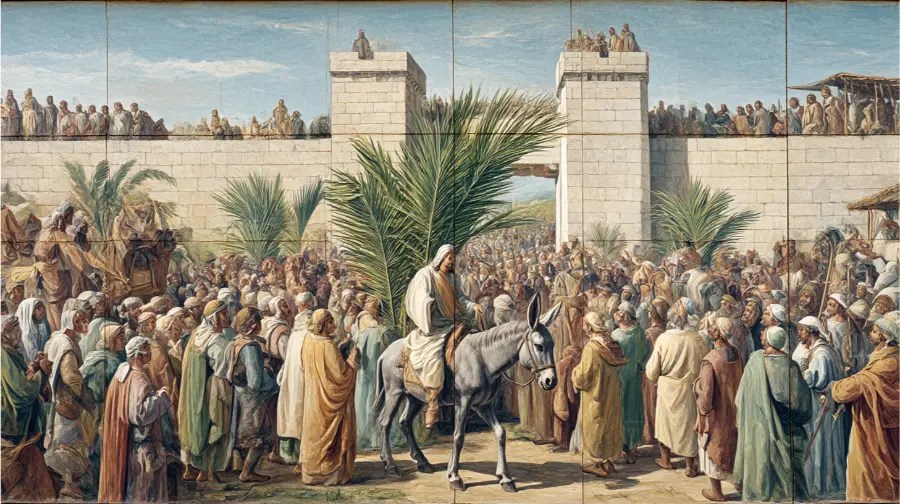
ピリピ人への手紙 4章15-17節
“Moreover, as you Philippians know, in the early days of your acquaintance with the gospel, when I set out from Macedonia, not one church shared with me in the matter of giving and receiving, except you only; for even when I was in Thessalonica, you sent me aid more than once when I was in need. Not that I desire your gifts; what I desire is that more be credited to your account.”
考察: Paul thanks the Philippians for aid they sent “more than once” when he was in need in Thessalonica, and for the gifts Epaphroditus has just brought: “I have received full payment and have more than enough” (verse 18). He calls those gifts “a fragrant offering, an acceptable sacrifice, pleasing to God.” He accepts them while saying he has learned to be content in want or plenty (verses 11-12), and what he wants from their giving is “that more be credited to your account.”

コリント人への手紙二 8:13-14
「他の人々を楽にさせ、あなたたちが苦しむことを望むのではありません。むしろ、平等であるべきです。今の時期には、あなたたちの豊かな分が彼らの欠乏を補い、やがては彼らの豊かな分があなたたちの欠乏を補うようにするのです。目標は平等です。」
考察: Paul is urging the Corinthians to finish their collection for “the Lord’s people” (verse 4), with the Macedonian churches as an example of giving out of “extreme poverty” (verse 2). The goal is equality, and it runs both ways: the Corinthians’ plenty meets others’ need now, so that “in turn their plenty will supply what you need.” Paul closes with the manna of Exodus 16:18, where “the one who gathered little did not have too little” (verse 15).
When Paul refused support and when he accepted it
Paul did not take every offer of help. He tells the Corinthians he had a right to their support but “did not use this right,” because he would “put up with anything rather than hinder the gospel of Christ” (1 Corinthians 9:12). In 2 Corinthians 11:8-9 he says he was not a burden to anyone in Corinth because “the brothers who came from Macedonia supplied what I needed,” and he puts it bluntly: “I robbed other churches by receiving support from them so as to serve you.”


コメントを残す