
 English
 Chinese
 Dutch
 Arabic
 Spanish
 Portuguese
 Russian
 French
 Italian
 German
 Japanese
The Bible treats the natural world as orderly, knowable and worth studying, though it never presents itself as a science textbook.
Its longest passage on nature, Job 38 to 41, is a series of questions God puts to Job about the foundations of the earth, the stars, the weather and wild animals, with no explanations attached. The twenty verses below cover those questions, a world that can be read, a world that follows fixed patterns, the mandate to study and care for creation, the human body, and what knowledge does to the one who has it.
What the questions in Job actually do
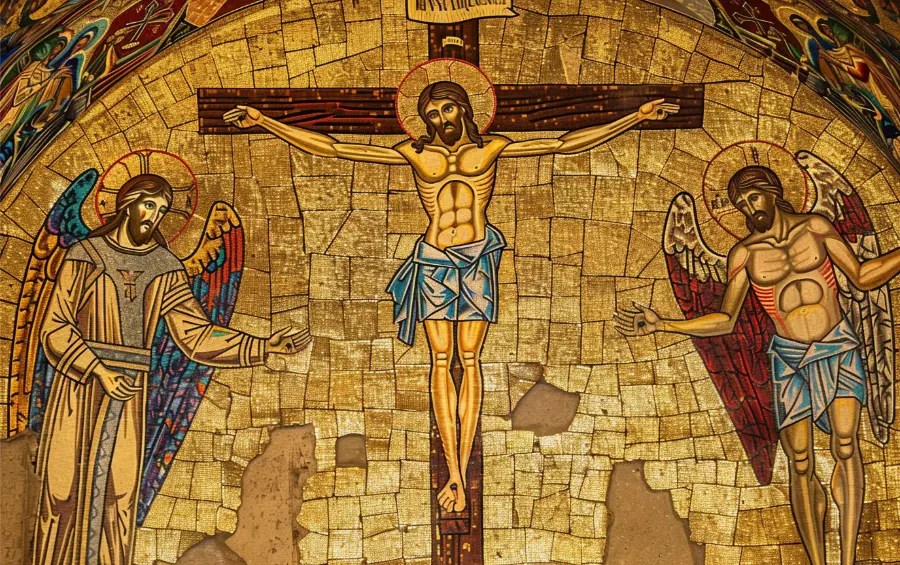
Job 38:4-7
“Where were you when I laid the earth’s foundation? Tell me, if you understand. Who marked off its dimensions? Surely you know! Who stretched a measuring line across it?”
Reflection: God’s answer to Job does not explain his suffering. It asks him about parts of the world he never saw made.
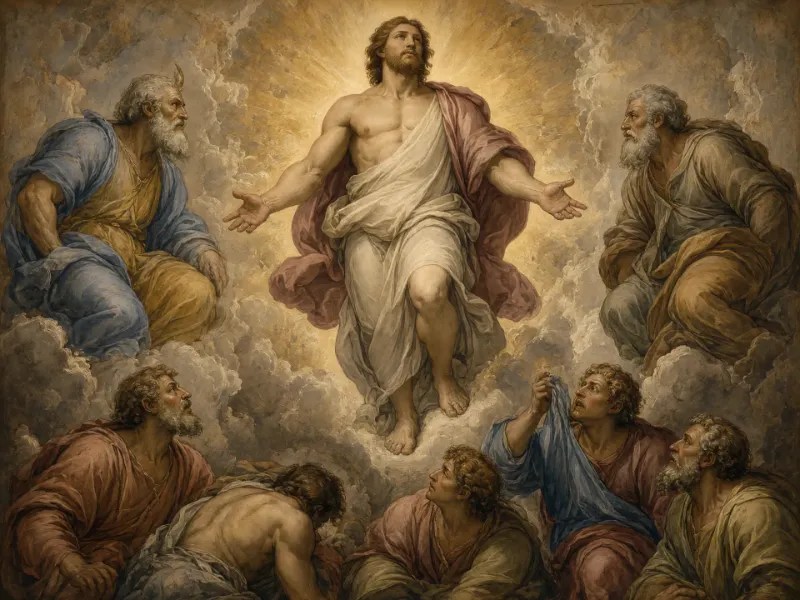
Job 38:33
“Do you know the laws of the heavens? Can you set up God’s dominion over the earth?”
Reflection: The question assumes the heavens have laws that could be known; it denies only that Job knows them.
A world that can be read
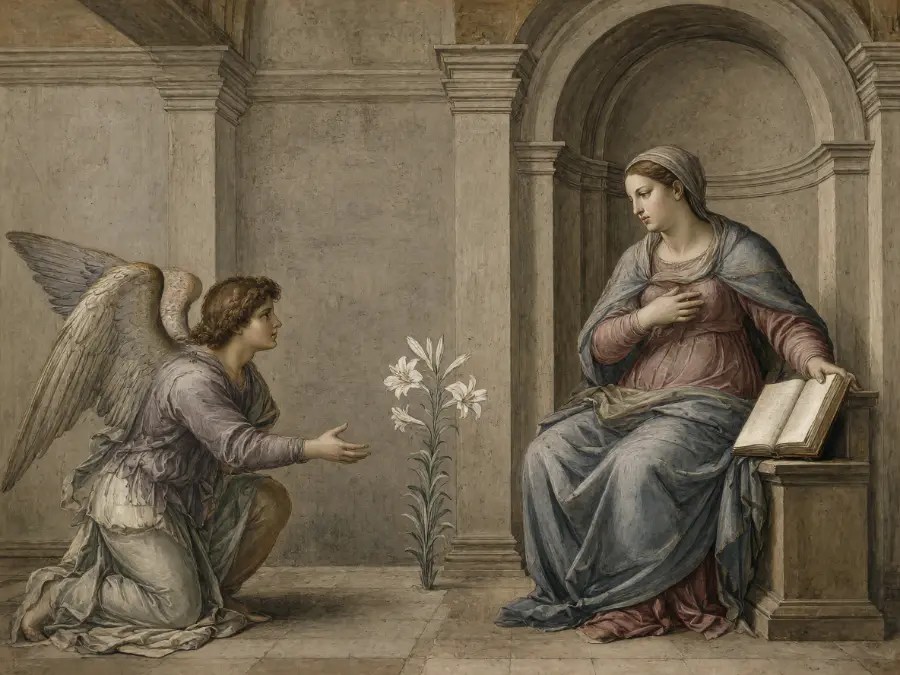
Psalm 19:1
“The heavens declare the glory of God; the skies proclaim the work of his hands.”
Reflection: “Declare” and “proclaim” are speech verbs, and two verses later the psalm says there is no speech or sound, yet their voice goes out into all the earth (19:3-4).
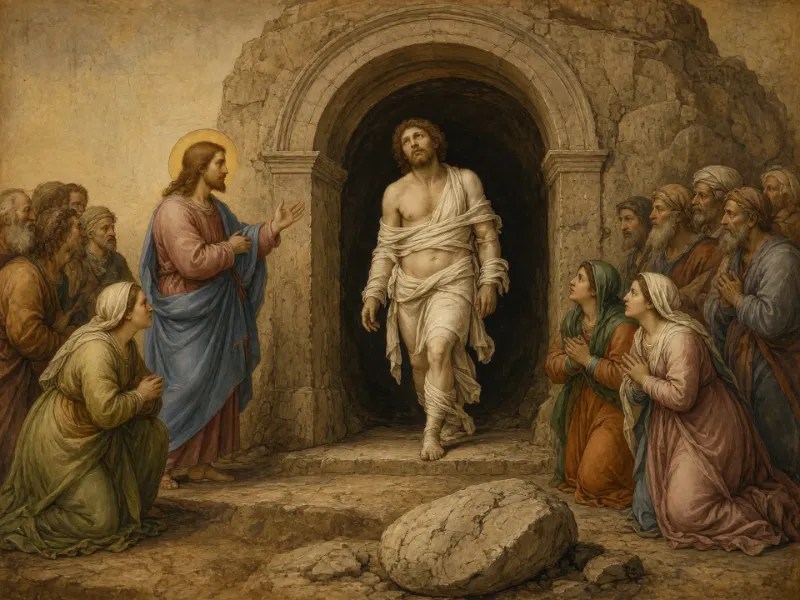
Romans 1:20
“For since the creation of the world God’s invisible qualities—his eternal power and divine nature—have been clearly seen, being understood from what has been made.”
Reflection: Paul’s argument depends on creation being legible: God’s power and nature have been “clearly seen” in what he made.
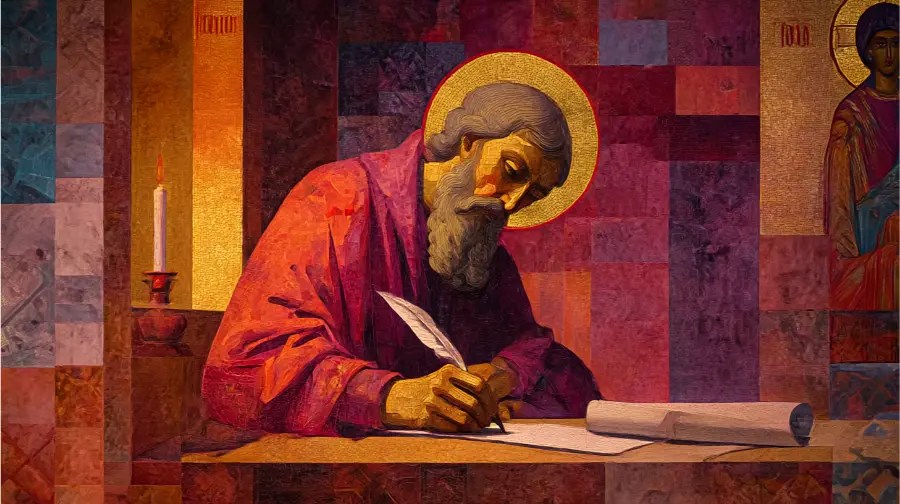
Psalm 8:3-4
“When I consider your heavens, the work of your fingers, the moon and the stars, which you have set in place, what is mankind that you are mindful of them, human beings that you care for them?”
Reflection: David looks at the night sky and asks why God pays attention to human beings. The psalm answers that God has given them rule over the works of his hands (8:5-6).
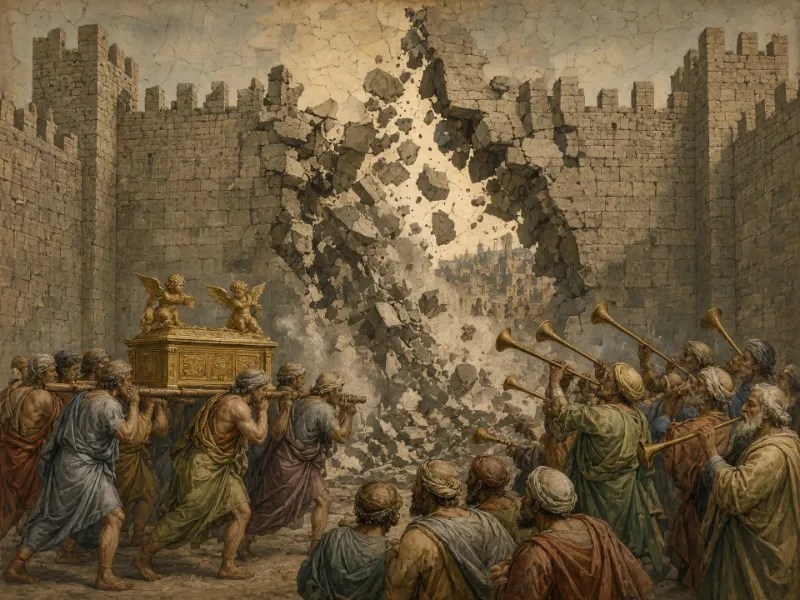
Isaiah 40:26
“Lift up your eyes and look to the heavens: Who created all these? He who brings out the starry host one by one and calls forth each of them by name. Because of his great power and mighty strength, not one of them is missing.”
Reflection: Isaiah says the stars are counted and named, and not one is missing. He says it to exiles who complained that their way was hidden from God (40:27).
A world that holds still long enough to be measured
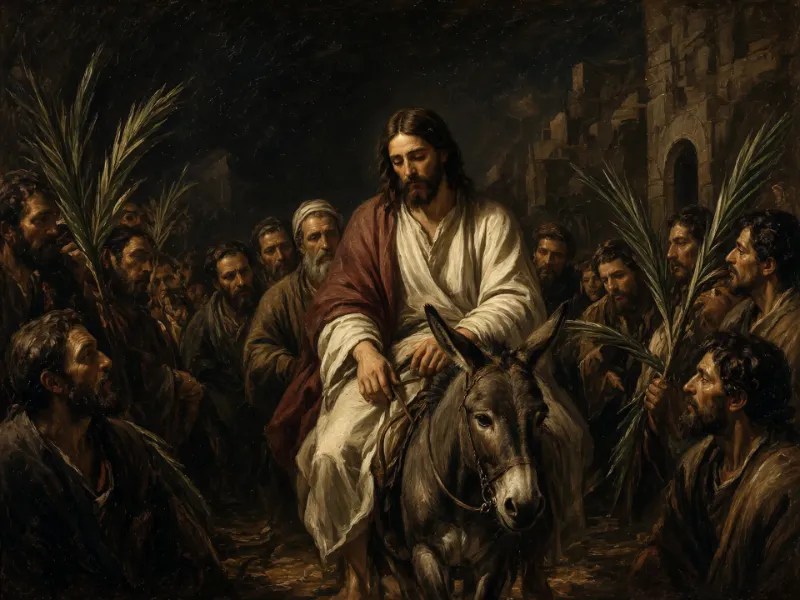
Jeremiah 33:25-26
“This is what the Lord says: ‘If I have not made my covenant with day and night and established the laws of heaven and earth, then I will reject the descendants of Jacob and David my servant and will not choose one of his sons to rule over the descendants of Abraham, Isaac and Jacob. For I will restore their fortunes and have compassion on them.’”
Reflection: God’s covenant with David’s line is tied to the regularity of day and night and the laws of heaven and earth. The argument works only if those patterns are reliable.
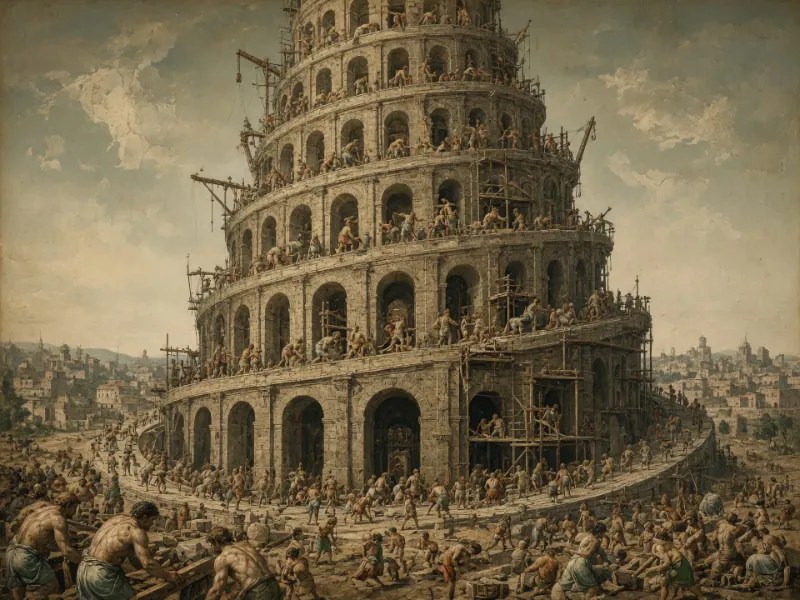
Genesis 8:22
“As long as the earth endures, seedtime and harvest, cold and heat, summer and winter, day and night will never cease.”
Reflection: The promise of regular seasons comes right after the flood, the one event in Genesis that interrupted them.
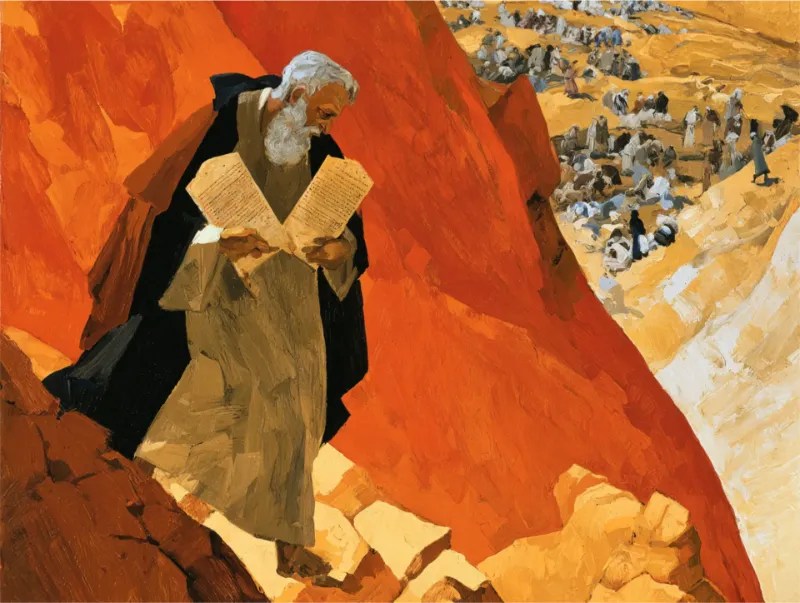
Psalm 104:19
“He made the moon to mark the seasons, and the sun knows when to go down.”
Reflection: Psalm 104 surveys the created world: springs, wild donkeys, birds, storks, wild goats, lions and the sea. The moon and sun are given their work within it.
Ecclesiastes 1:5-7
“The sun rises and the sun sets, and hurries back to where it rises. The wind blows to the south and turns to the north; round and round it goes, ever returning on its course. All streams flow into the sea, yet the sea is never full. To the place the streams come from, there they return again.”
Reflection: The Preacher observes the cycles of sun, wind and water and records them without a mechanism. His point is the weariness of repetition (1:8).
The mandate to look
Proverbs 25:2
“It is the glory of God to conceal a matter; to search out a matter is the glory of kings.”
Reflection: Concealing and searching are both called glory. Hiddenness is treated as an invitation to search.
Genesis 1:28
“God blessed them and said to them, ‘Be fruitful and increase in number; fill the earth and subdue it. Rule over the fish in the sea and the birds in the sky.’”
Reflection: “Subdue” and “rule” are strong verbs. They are given to people made in the image of a God who had just called everything he made good (1:31).
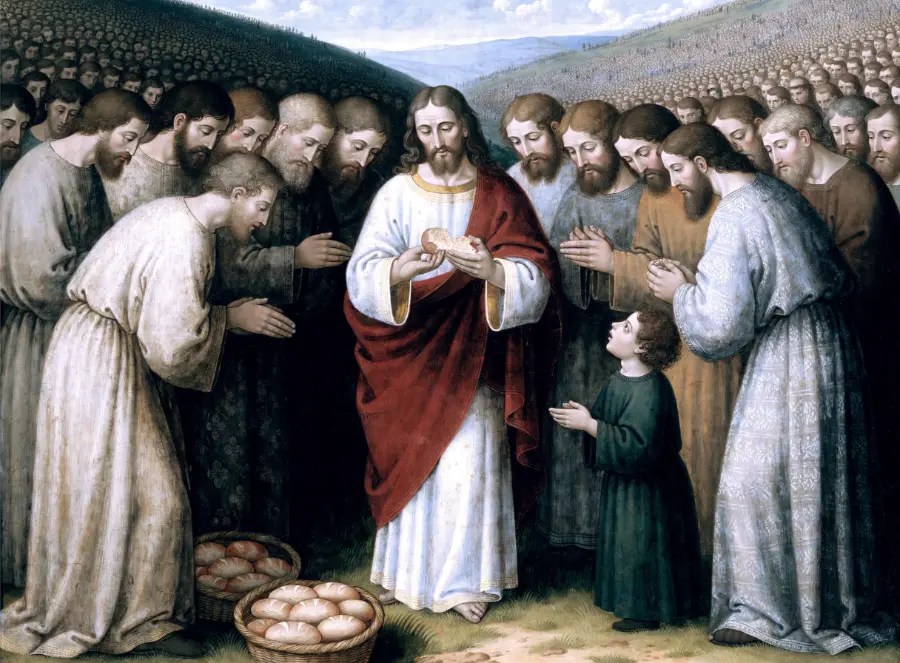
Genesis 2:15
“The Lord God took the man and put him in the Garden of Eden to work it and take care of it.”
Reflection: The Hebrew verb for “take care of” is used elsewhere for guarding and for keeping commandments. The work given is care as well as cultivation.

1 Kings 4:33
“He spoke about plant life, from the cedar of Lebanon to the hyssop that grows out of walls. He also spoke about animals and birds, reptiles and fish.”
Reflection: Solomon’s wisdom included natural history: plants from the cedar to the hyssop, and animals, birds, reptiles and fish. For birds in Scripture, see Bible verses about birds.
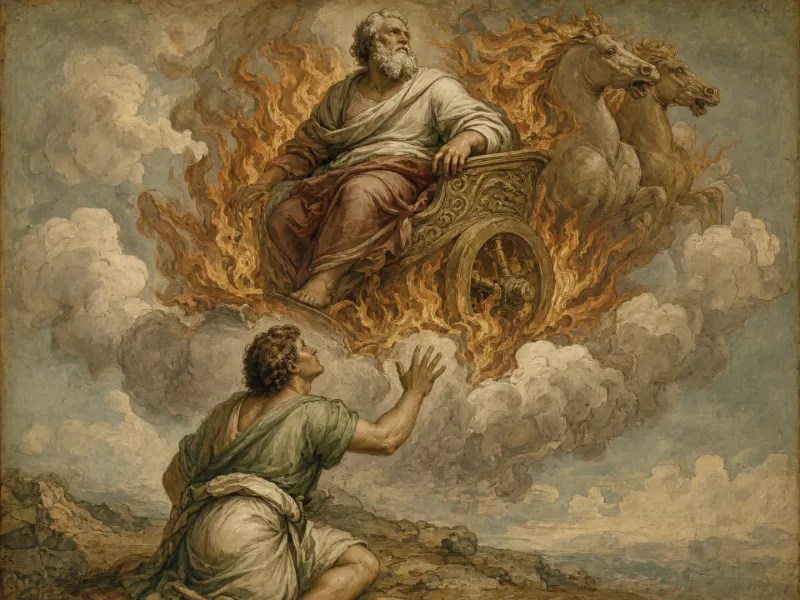
Daniel 1:17
“To these four young men God gave knowledge and understanding of all kinds of literature and learning…”
Reflection: Daniel and his friends were trained in the literature and language of the Babylonians (1:4), and they refused the king’s food (1:8). The education was accepted; the food was not.
The body, where the questions come closest
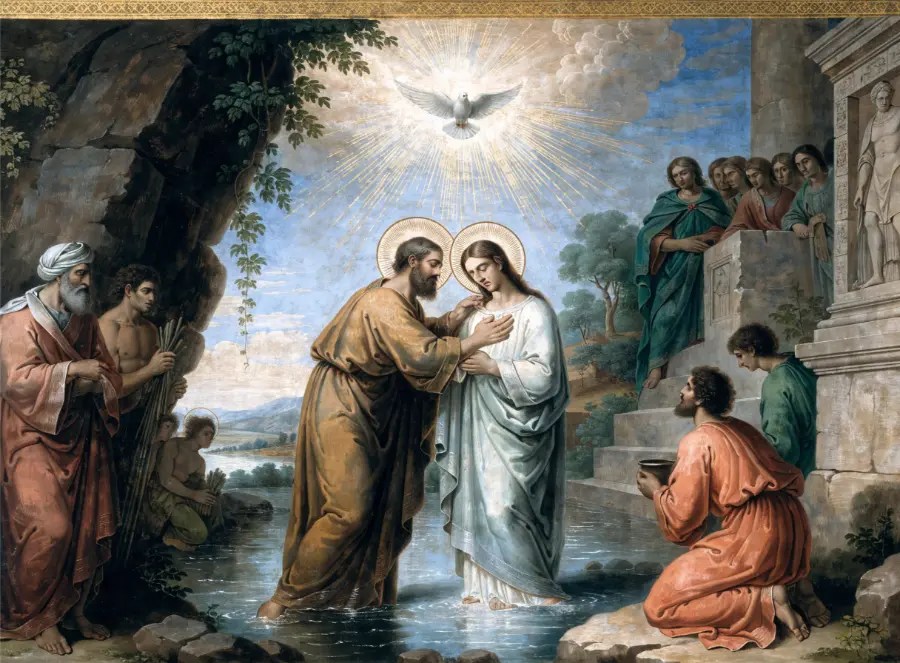
Genesis 2:7
“Then the Lord God formed a man from the dust of the ground and breathed into his nostrils the breath of life, and the man became a living being.”
Reflection: A person is described as dust from the ground and breath from God. Genesis does not explain how the two are joined.

Ecclesiastes 11:5
“As you do not know the path of the wind, or how the body is formed in a mother’s womb, so you cannot understand the work of God, the Maker of all things.”
Reflection: Both of the Preacher’s examples are far better understood now. His conclusion concerns the work of God as a whole, which is a larger claim.
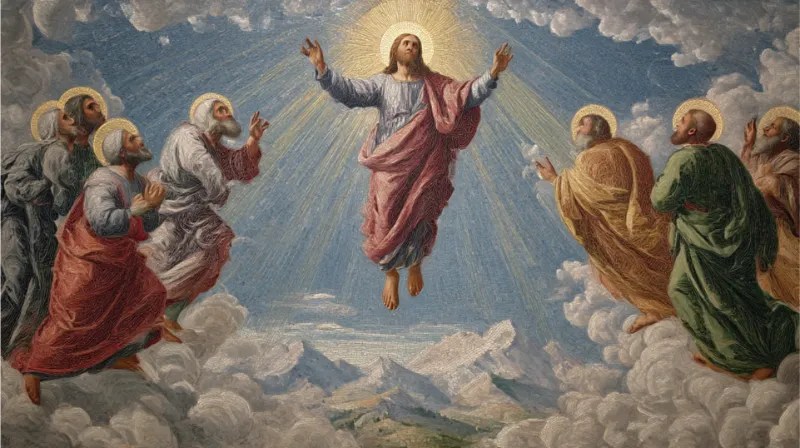
1 Corinthians 12:18
“But in fact God has placed the parts in the body, every one of them, just as he wanted them to be.”
Reflection: Paul is writing about a church. The comparison works because his readers thought of the body as an arrangement with a purpose in each part.
What knowing does to the knower

Job 28:28
“And he said to the human race, ‘The fear of the Lord—that is wisdom, and to shun evil is understanding.’”
Reflection: The chapter before this verse describes mining: shafts sunk into the dark and precious stones brought up from rock (28:1-11). People can find ore and gems, it says, but wisdom cannot be dug up or bought (28:12-19).
1 Corinthians 8:2
“Those who think they know something do not yet know as they ought to know.”
Reflection: Paul was writing to Corinthians who used their knowledge carelessly around believers with weaker consciences. He distinguishes knowing something from knowing it as one ought.
What this page cannot settle
None of these verses answers a scientific question, and none was written to. Scripture gives no age for the earth and no mechanism for natural processes. It does give assumptions that make investigation worthwhile: the world was made, it follows laws that hold, and searching them out is honorable work.
Job’s case shows the posture. God never explains the suffering. He asks instead about the foundations of the earth, the storehouses of the snow (38:22), and whether Job has ever commanded the morning (38:12), and Job answers by admitting he spoke of things he did not understand (42:3).


Leave a Reply