
 English
 Chinese
 Dutch
 Arabic
 Spanish
 Portuguese
 Russian
 French
 Italian
 German
 Japanese
The Bible describes war as something God takes part in, something he judges and something he will end. Exodus 15:3 calls the Lord “a warrior”, Jeremiah 4:19 cries out at “the battle cry”, and Isaiah 2:4 foresees nations beating “their swords into plowshares.”
Deuteronomy 20 sets rules for Israel’s armies, and Psalm 46:9 says God “makes wars cease to the ends of the earth.” In the New Testament, Jesus blesses the peacemakers (Matthew 5:9) and orders a sword put away at his arrest (Matthew 26:52), and Paul writes that rulers “do not bear the sword for no reason” (Romans 13:4).
The Lord as warrior, and the law for Israel’s wars

Exodus 15:3
“The LORD is a warrior; the LORD is his name.”
Reflection: Moses and the Israelites sing this after crossing the sea, and the next verse names the battle: “Pharaoh’s chariots and his army he has hurled into the sea.” Israel did no fighting in it. At the shore Moses had told the people, “The Lord will fight for you; you need only to be still” (Exodus 14:14).
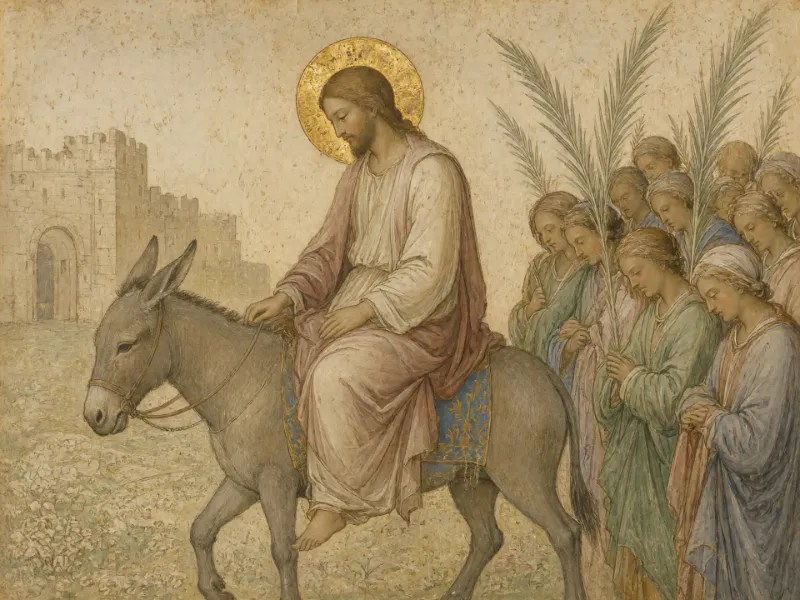
Isaiah 42:13
“The Lord will march out like a champion, like a warrior he will stir up his zeal; with a shout he will raise the battle cry and will triumph over his enemies.”
Reflection: Isaiah calls on the people of the islands and the wilderness to sing as the Lord goes out like a warrior. The battle cry breaks a long silence. In verse 14 the Lord says, “For a long time I have kept silent, I have been quiet and held myself back.”
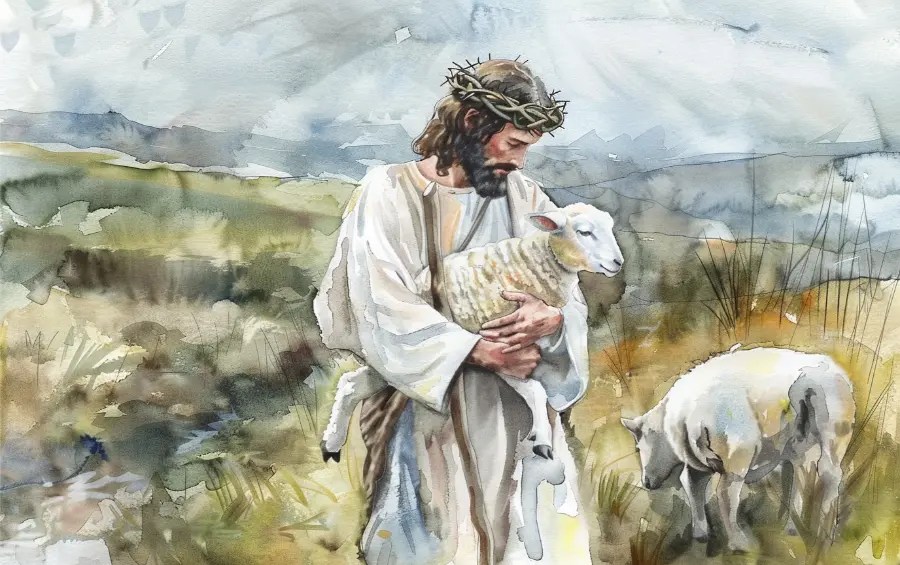
Deuteronomy 20:1
“When you go to war against your enemies and see horses and chariots and an army greater than yours, do not be afraid of them, because the LORD your God, who brought you up out of Egypt, will be with you.”
Reflection: Deuteronomy 20 is a law for Israel’s wars. Before a battle a priest is to address the army with the same assurance: “For the Lord your God is the one who goes with you to fight for you against your enemies” (20:4). Verse 10 requires an offer of peace before a city is attacked, but verse 15 limits that to “cities that are at a distance”; for the cities of the nations in the land, verses 16-17 command, “do not leave alive anything that breathes.”
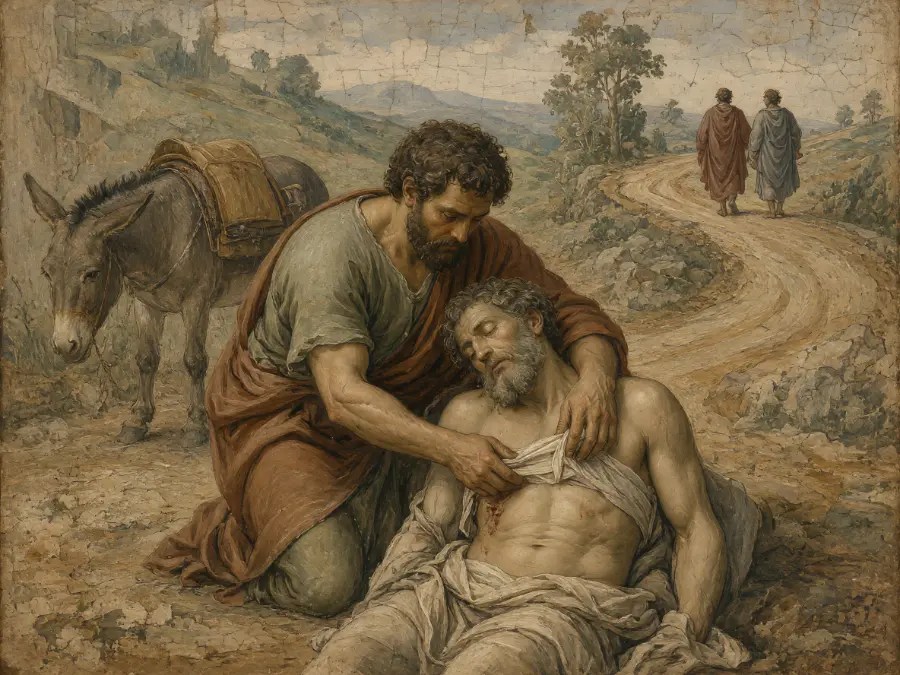
Psalm 144:1
“Praise be to the LORD my Rock, who trains my hands for war, my fingers for battle.”
Reflection: The psalm is headed “Of David”, a king who led armies. He credits God with the training of his hands, and in the next verse calls God “my fortress, my stronghold and my deliverer” and the one “who subdues peoples under me.”
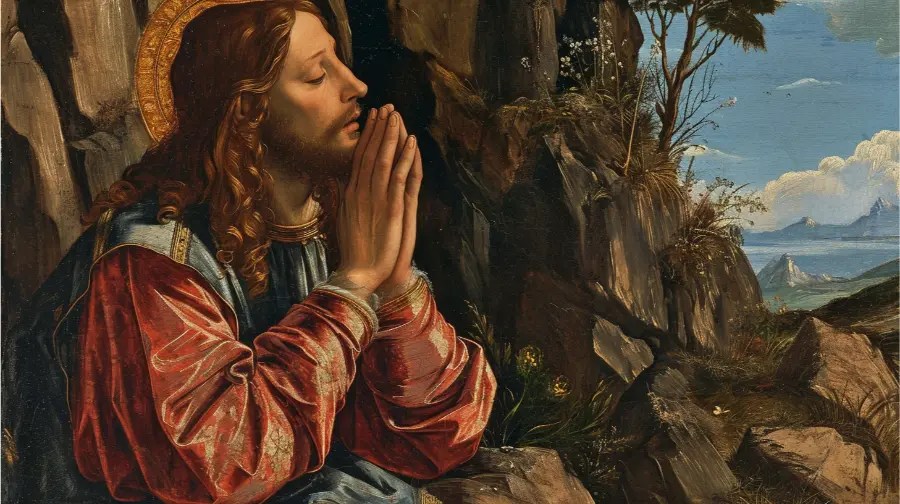
Proverbs 21:31
“The horse is made ready for the day of battle, but victory rests with the LORD.”
Reflection: The verse before it sets the terms: “There is no wisdom, no insight, no plan that can succeed against the Lord.” The horse is still made ready, but the proverb places the outcome of the battle with God.
A time for war, and what it costs
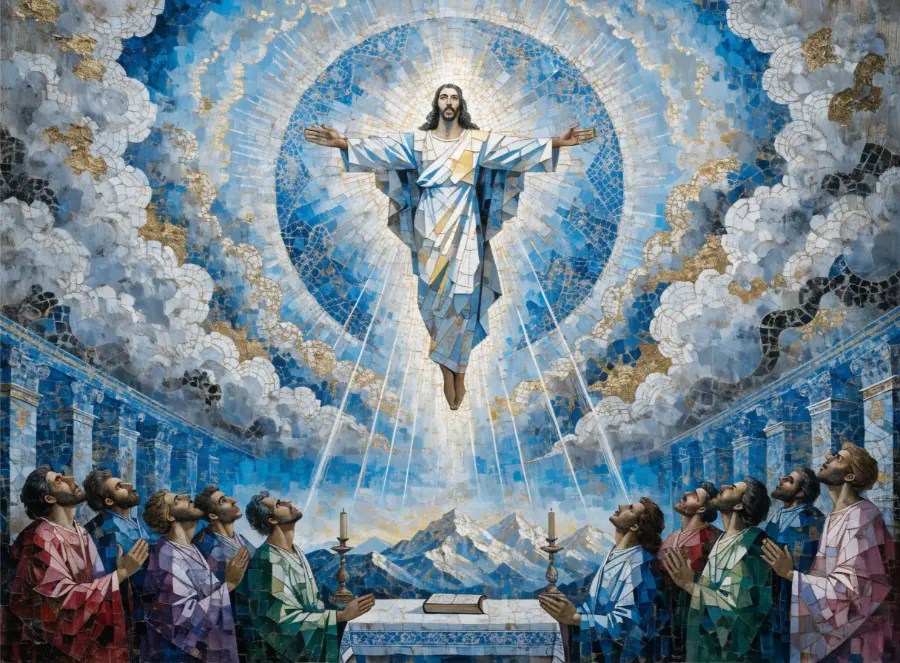
Ecclesiastes 3:8
“a time to love and a time to hate, a time for war and a time for peace.”
Reflection: The last line of the poem that opens with “There is a time for everything, and a season for every activity under the heavens” (3:1). War and peace stand in the same list as birth and death, planting and uprooting, killing and healing (3:2-3).
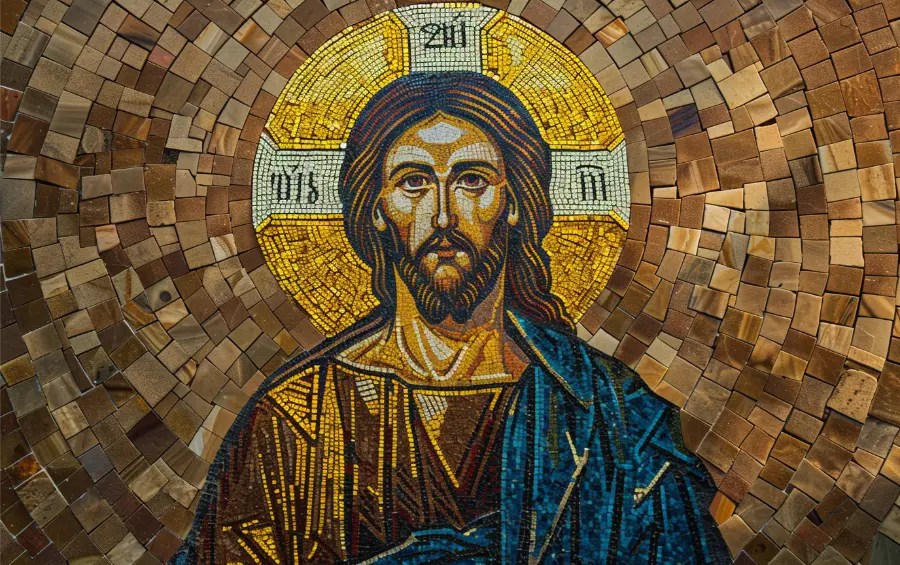
2 Kings 8:12
“‘Why is my lord weeping?’ asked Hazael. ‘Because I know the harm you will do to the Israelites,’ he answered. ‘You will set fire to their fortified places, kill their young men with the sword, dash their little children to the ground, and rip open their pregnant women.’”
Reflection: Elisha speaks to Hazael, who has come from Ben-Hadad king of Aram, and the verse before says “the man of God began to weep.” The next day Hazael smothers Ben-Hadad and takes the throne (8:15), and 2 Kings 10:32 records that “Hazael overpowered the Israelites throughout their territory.” The prophet weeps over atrocities he sees coming to his own people.
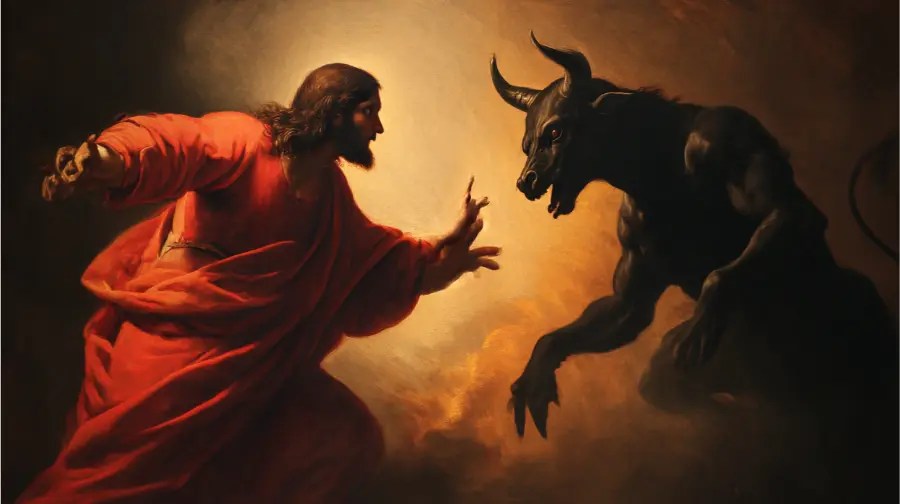
Psalm 79:2-3
“They have left the dead bodies of your servants as food for the birds of the sky, the flesh of your own people for the animals of the wild. They have poured out blood like water all around Jerusalem, and there is no one to bury the dead.”
Reflection: A psalm of Asaph, written after the nations “have defiled your holy temple” and “reduced Jerusalem to rubble” (79:1). The dead lie unburied all around Jerusalem. The psalm turns the scene into a question to God: “How long, Lord? Will you be angry forever?” (79:5).
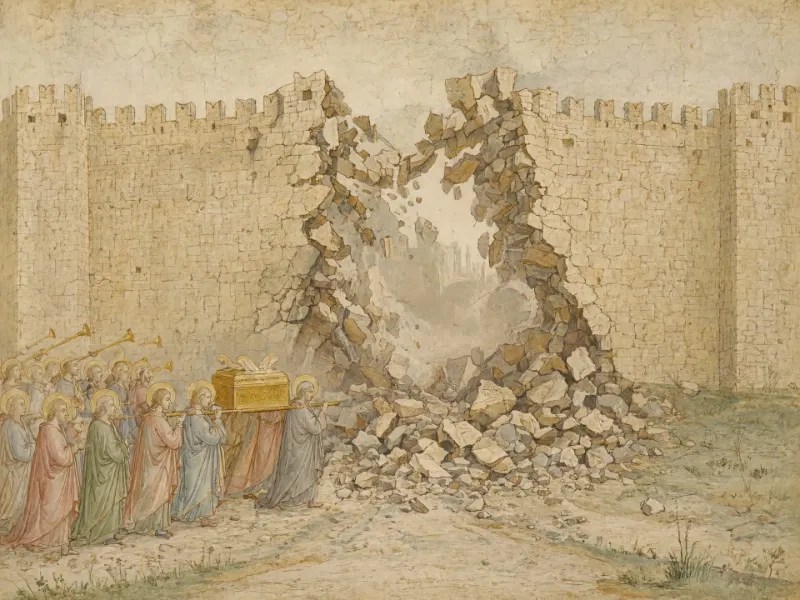
Jeremiah 4:19
“Oh, my anguish, my anguish! I writhe in pain. Oh, the agony of my heart! My heart pounds within me, I cannot keep silent. For I have heard the sound of the trumpet; I have heard the battle cry.”
Reflection: Earlier in the chapter God announces “disaster from the north” and a “destroyer of nations” coming against Judah (4:6-7). Jeremiah answers with this cry, and the next verses describe what he hears: “Disaster follows disaster; the whole land lies in ruins.” He asks in verse 21, “How long must I see the battle standard and hear the sound of the trumpet?”
Nahum 3:19
“Nothing can heal you; your wound is fatal. All who hear the news about you clap their hands at your fall, for who has not felt your endless cruelty?”
Reflection: Nahum is “a prophecy concerning Nineveh” (1:1), and its final chapter addresses the “King of Assyria” (3:18). This last verse gives the reason the nations applaud Assyria’s fall: “who has not felt your endless cruelty?”
Psalm 68:30
“Rebuke the beast among the reeds, the herd of bulls among the calves of the nations. Humbled, may the beast bring bars of silver. Scatter the nations who delight in war.”
Reflection: A prayer addressed to God, asking him to rebuke the “beast among the reeds” and scatter “the nations who delight in war.” The next verse looks past the scattering: “Envoys will come from Egypt; Cush will submit herself to God.”
Wars before the end, and the end of war
Matthew 24:6
“You will hear of wars and rumors of wars, but see to it that you are not alarmed. Such things must happen, but the end is still to come.”
Reflection: Jesus tells his disciples that wars will continue before the end and that they are not to be alarmed by them. The next verse adds, “Nation will rise against nation, and kingdom against kingdom,” with famines and earthquakes. Wars in this passage come before the end but do not mark it: “the end is still to come.”
Joel 3:9-10
“Proclaim this among the nations: Prepare for war! Rouse the warriors! Let all the fighting men draw near and attack. Beat your plowshares into swords and your pruning hooks into spears. Let the weakling say, ‘I am strong!’”
Reflection: God summons the nations to arm and gather in the Valley of Jehoshaphat, “for there I will sit to judge all the nations on every side” (3:12). The call turns farm tools into weapons, the reverse of the image in Isaiah 2:4 and Micah 4:3. Later in the chapter the Lord “will be a refuge for his people” (3:16), and Egypt and Edom are judged “because of violence done to the people of Judah” (3:19).
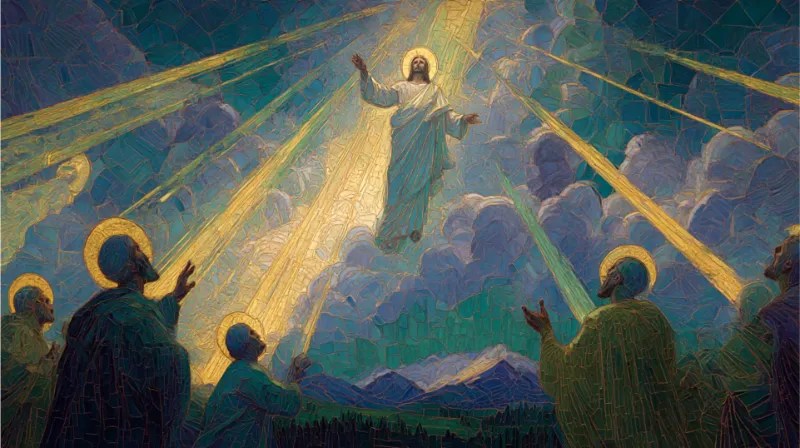
Isaiah 2:4
“He will judge between the nations and will settle disputes for many peoples. They will beat their swords into plowshares and their spears into pruning hooks. Nation will not take up sword against nation, nor will they train for war anymore.”
Reflection: Isaiah son of Amoz sees this “concerning Judah and Jerusalem” (2:1). In “the last days” the nations come to the Lord’s temple to be taught his ways (2:2-3), and disarmament follows his judgment between them. Micah 4:1-3 gives the same prophecy nearly word for word and adds: “Everyone will sit under their own vine and under their own fig tree, and no one will make them afraid” (Micah 4:4).
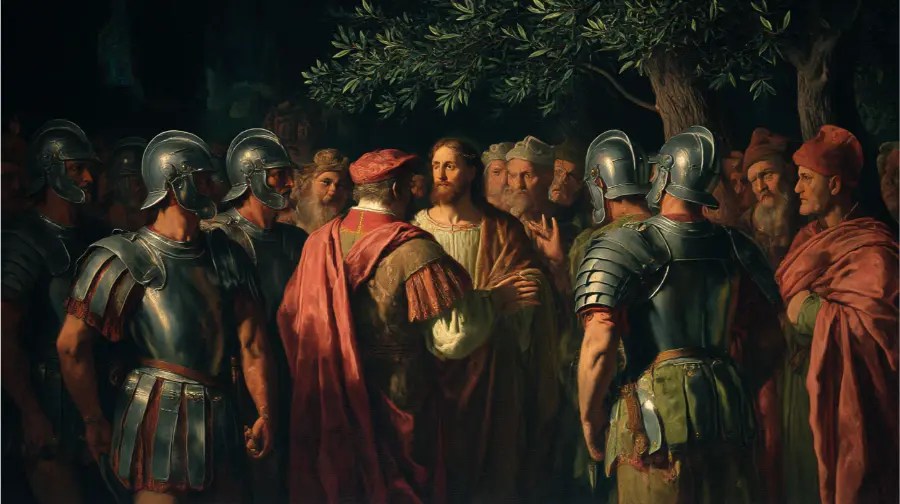
Psalm 46:8-9
“Come and see what the LORD has done, the desolations he has brought on the earth. He makes wars cease to the ends of the earth. He breaks the bow and shatters the spear; he burns the shields with fire.”
Reflection: A song of the Sons of Korah that opens, “God is our refuge and strength” (46:1). Here God ends wars by destroying the weapons: bow, spear and shields. The next verse gives his words: “Be still, and know that I am God; I will be exalted among the nations.”
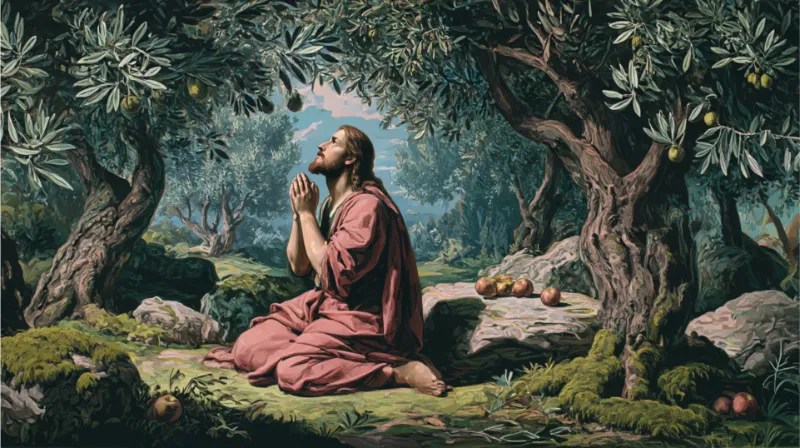
Zechariah 9:10
“I will take away the chariots from Ephraim and the warhorses from Jerusalem, and the battle bow will be broken. He will proclaim peace to the nations. His rule will extend from sea to sea and from the River to the ends of the earth.”
Reflection: The king of verse 9 comes “lowly and riding on a donkey”, and God removes the chariots and warhorses from Ephraim and Jerusalem, that is, from Israel’s own army. Peace is then proclaimed to the nations. Matthew 21:4-5 quotes verse 9 at Jesus’s entry into Jerusalem.
Jesus, the sword and the ruler
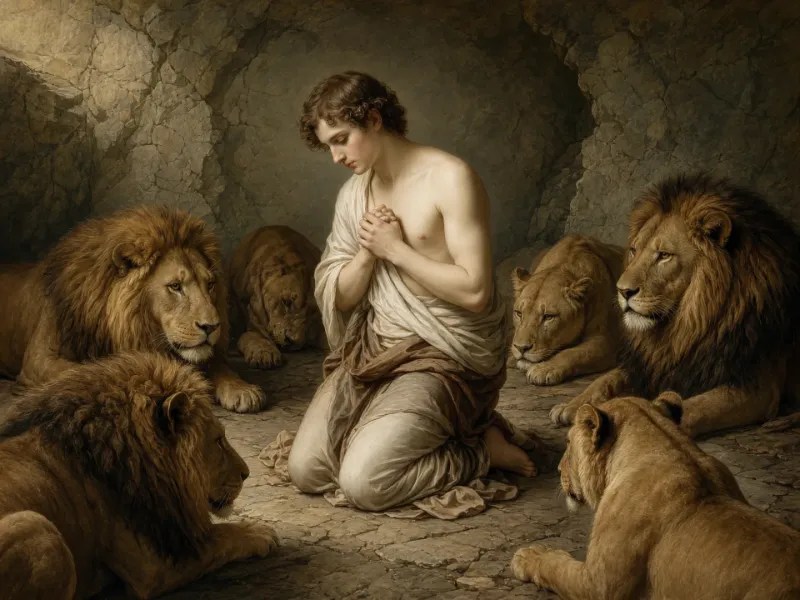
Matthew 5:9
“Blessed are the peacemakers, for they will be called children of God.”
Reflection: One of the Beatitudes that open the Sermon on the Mount. Later in the same chapter Jesus sets aside the saying “Love your neighbor and hate your enemy” and says instead, “love your enemies and pray for those who persecute you” (5:43-44).
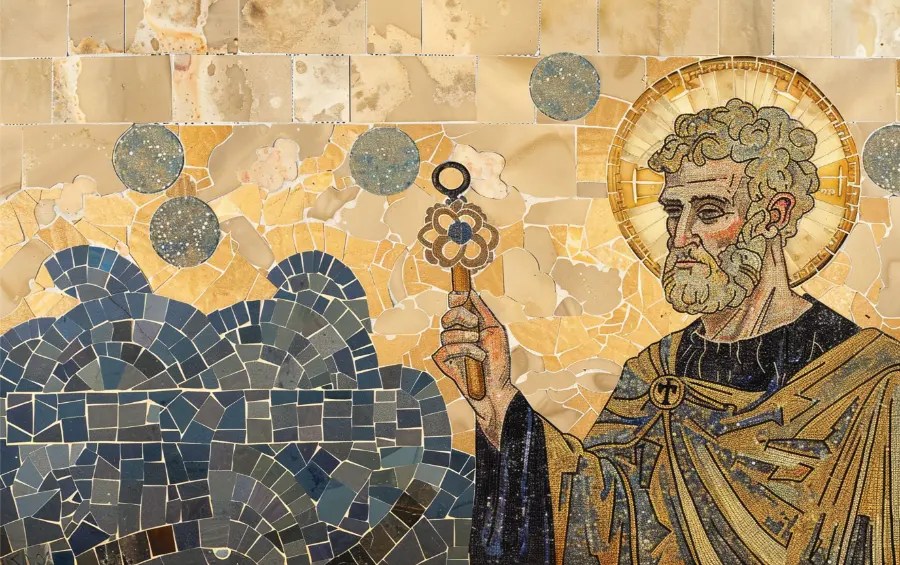
Matthew 26:52
“‘Put your sword back in its place,’ Jesus said to him, ‘for all who draw the sword will die by the sword.’”
Reflection: At Jesus’s arrest one of his companions draws a sword and cuts off the ear of the high priest’s servant (26:51). Jesus orders the sword put away and asks whether he cannot call on his Father, who would “at once put at my disposal more than twelve legions of angels” (26:53); the Scriptures, he says, must be fulfilled (26:54).
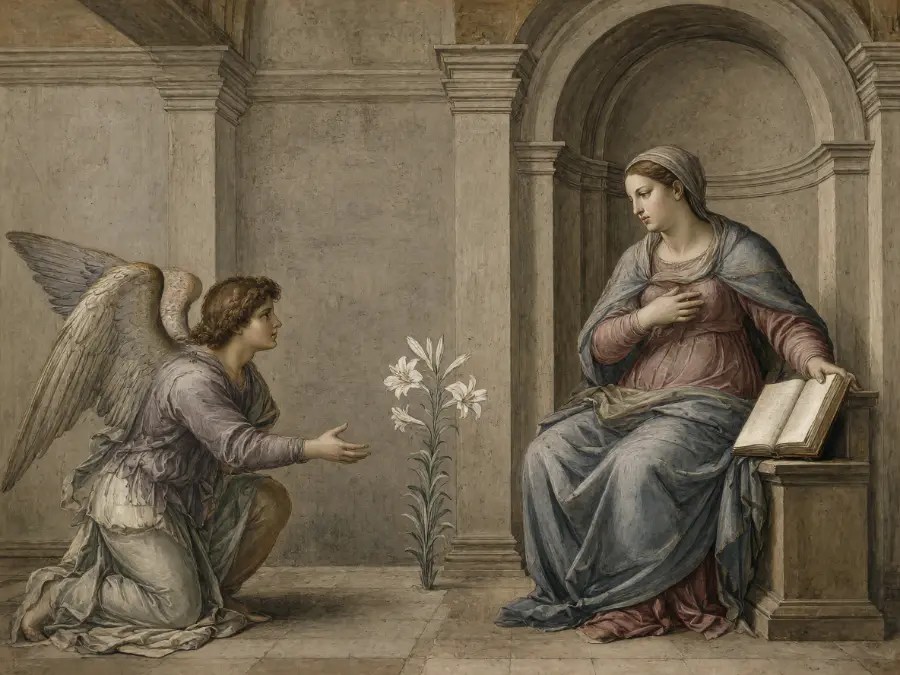
Luke 3:14
“Then some soldiers asked him, ‘And what should we do?’ He replied, ‘Don’t extort money and don’t accuse people falsely—be content with your pay.’”
Reflection: Soldiers are among the crowds who come to John the Baptist asking what they should do. He tells them not to extort money or accuse people falsely, and to be content with their pay. The crowd before them is told to share clothing and food (3:11).
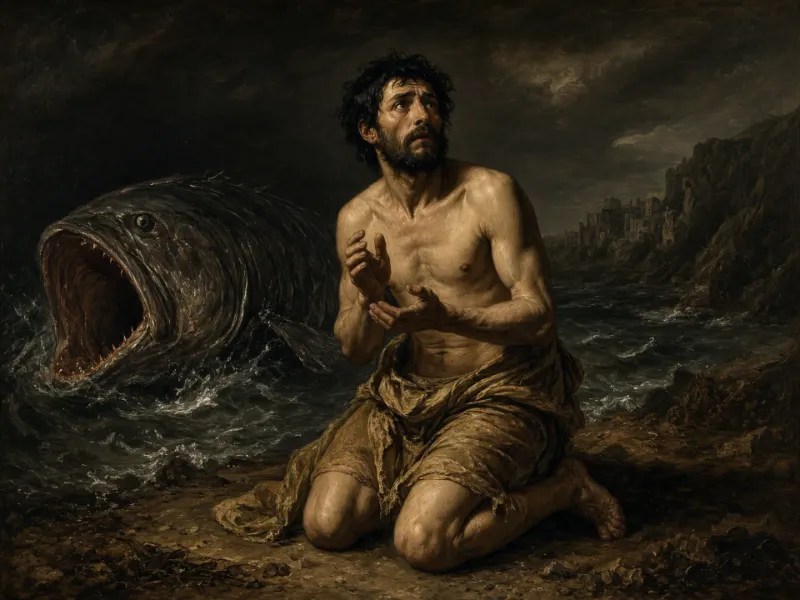
Romans 12:18
“If it is possible, as far as it depends on you, live at peace with everyone.”
Reflection: The verse limits the command twice: “if it is possible” and “as far as it depends on you.” Paul goes on, “Do not take revenge, my dear friends, but leave room for God’s wrath” (12:19), and ends the chapter, “overcome evil with good” (12:21).
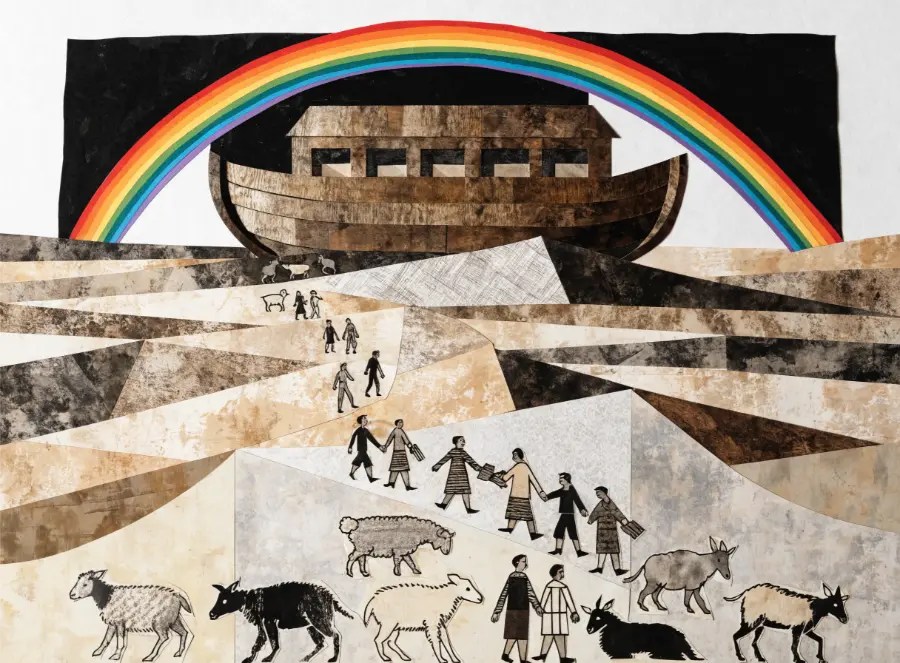
Romans 13:4
“For the one in authority is God’s servant for your good. But if you do wrong, be afraid, for rulers do not bear the sword for no reason. They are God’s servants, agents of wrath to bring punishment on the wrongdoer.”
Reflection: This comes a few verses after Romans 12:19 tells believers to “leave room for God’s wrath”, and here the ruler is called one of God’s “agents of wrath to bring punishment on the wrongdoer.” The chapter opens by saying the governing authorities “have been established by God” (13:1).
War as a picture of the Christian life
James 4:1
“What causes fights and quarrels among you? Don’t they come from your desires that battle within you?”
Reflection: James traces fighting back to desire, and the next verse follows the line to its end: “You desire but do not have, so you kill. You covet but you cannot get what you want, so you quarrel and fight.” He is writing about quarrels among believers, using the language of war.
Ephesians 6:11-12
“Put on the full armor of God, so that you can take your stand against the devil’s schemes. For our struggle is not against flesh and blood, but against the rulers, against the authorities, against the powers of this dark world and against the spiritual forces of evil in the heavenly realms.”
Reflection: Paul lists the armor in the verses that follow: the belt of truth, the breastplate of righteousness, feet fitted with “the gospel of peace”, the shield of faith, the helmet of salvation and “the sword of the Spirit, which is the word of God” (6:14-17). The enemy he names is spiritual: “the spiritual forces of evil in the heavenly realms.”
2 Corinthians 10:3-4
“For though we live in the world, we do not wage war as the world does. The weapons we fight with are not the weapons of the world. On the contrary, they have divine power to demolish strongholds.”
Reflection: Paul says what the strongholds are in the next verse: “arguments and every pretension that sets itself up against the knowledge of God.” The weapons demolish ideas, and the aim is to “take captive every thought to make it obedient to Christ” (10:5).
Whether a Christian may fight
Matthew 26:52, Luke 3:14 and Romans 13:4 are read together in this question, and churches answer it differently. The Catechism of the Catholic Church says that “all citizens and all governments are obliged to work for the avoidance of war” (2308) and calls those who serve in the armed forces “servants of the security and freedom of nations” (2310). It also asks for “equitable provision for those who for reasons of conscience refuse to bear arms” (2311).
The Lutheran Augsburg Confession (Article XVI) teaches that “lawful civil ordinances are good works of God” and that Christians may “engage in just wars, to serve as soldiers.” It condemns “the Anabaptists who forbid these civil offices to Christians.”
Mennonite Church USA’s Confession of Faith (Article 22) opens, “We believe that peace is the will of God,” and states, “As disciples of Christ, we do not prepare for war, or participate in war or military service.” It gives its ground in the next sentence: the Spirit that empowered Jesus “also empowers us to love enemies, to forgive rather than to seek revenge.”


Leave a Reply