
 English
 Chinese
 Dutch
 Arabic
 Spanish
 Portuguese
 Russian
 French
 Italian
 German
 Japanese
The Bible does not speak of life on other planets. It calls the heavens God’s work (Psalm 19:1), describes angels sent to people whose appearance terrified those who saw them (Daniel 10:5-7, Luke 2:9-10), and commands love for the foreigner (Leviticus 19:34).
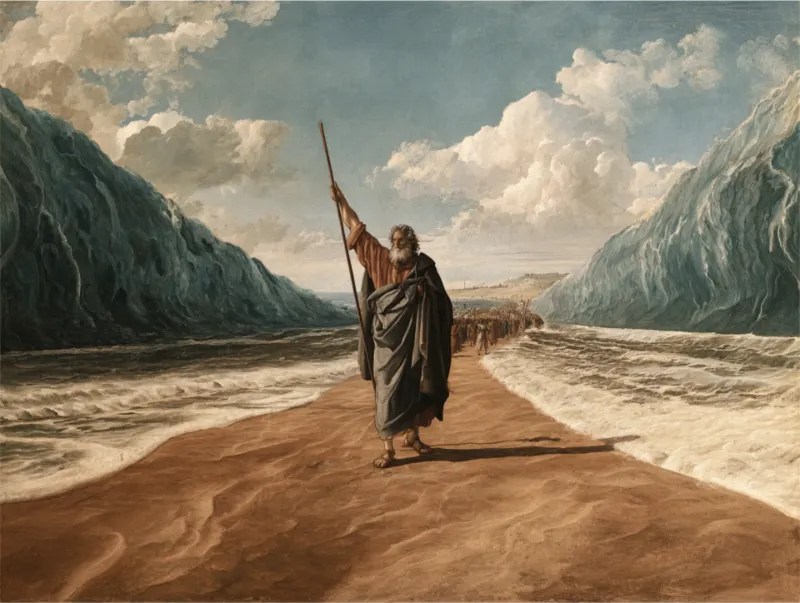
The King James Version uses alien for a foreigner: Moses names his son Gershom because “I have been an alien in a strange land” (Exodus 18:3), and Ephesians 2:12 describes Gentiles as “aliens from the commonwealth of Israel.” In the New International Version, Moses says in Exodus 18:3, “I have become a foreigner in a foreign land.” The New Testament applies the same language to believers, who are “foreigners and exiles” (1 Peter 2:11) with a citizenship in heaven (Philippians 3:20).
The heavens and everything in them as God’s work
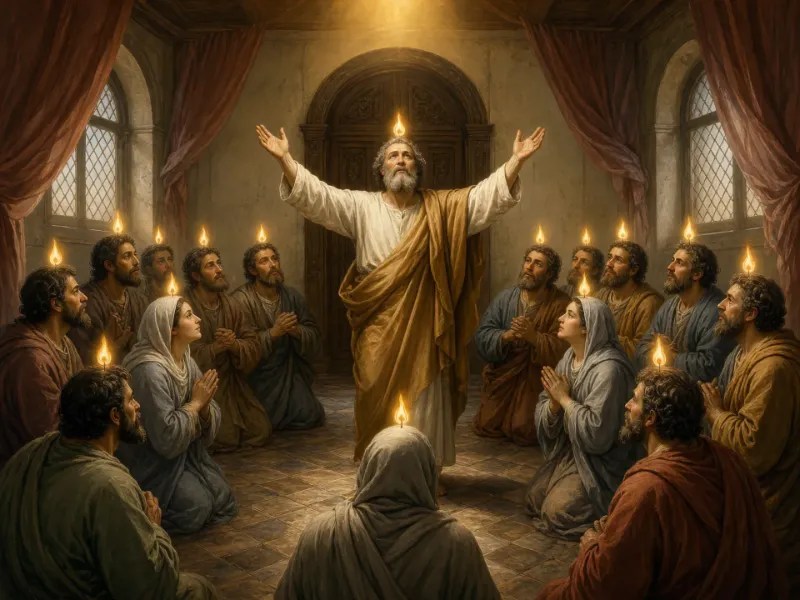
Psalm 19:1
“The heavens declare the glory of God; the skies proclaim the work of his hands.”
Reflection: David’s psalm opens with the sky as a witness to its maker. The next verses add that the heavens speak without words (“They have no speech, they use no words”), yet “their voice goes out into all the earth.” Verse 4 turns to the sun, for which God “has pitched a tent” in the heavens.
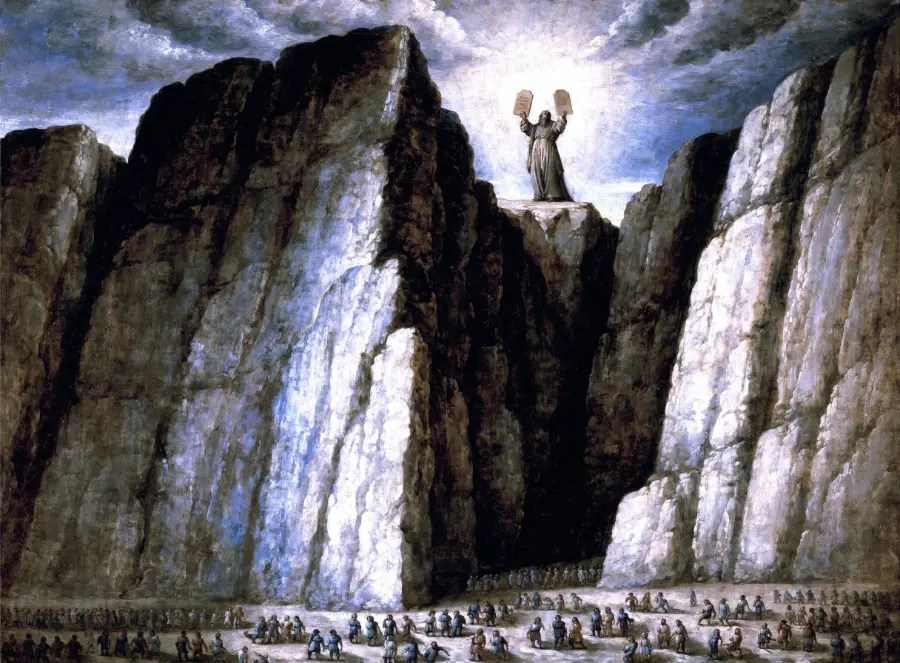
Psalm 8:3-4
“When I consider your heavens, the work of your fingers, the moon and the stars, which you have set in place, what is mankind that you are mindful of them, human beings that you care for them?”
Reflection: David asks this question of God while looking at the moon and the stars. The answer follows in verse 5: God has made human beings “a little lower than the angels and crowned them with glory and honor,” and verse 6 makes them “rulers over the works of your hands.”
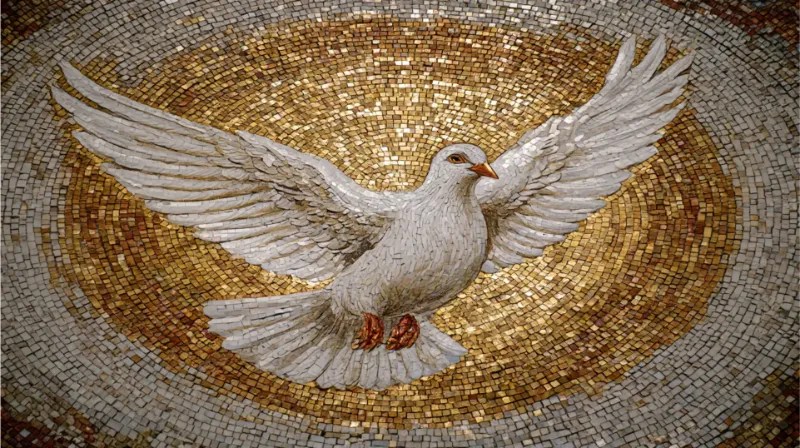
Isaiah 40:26
“Lift up your eyes and look to the heavens: Who created all these? He who brings out the starry host one by one and calls forth each of them by name. Because of his great power and mighty strength, not one of them is missing.”
Reflection: God asks in verse 25, “To whom will you compare me? Or who is my equal?” and this verse points to the stars for the answer: God brings them out one by one, names each, and none is missing. Verse 27 then turns to Israel, who complained, “My way is hidden from the Lord.”
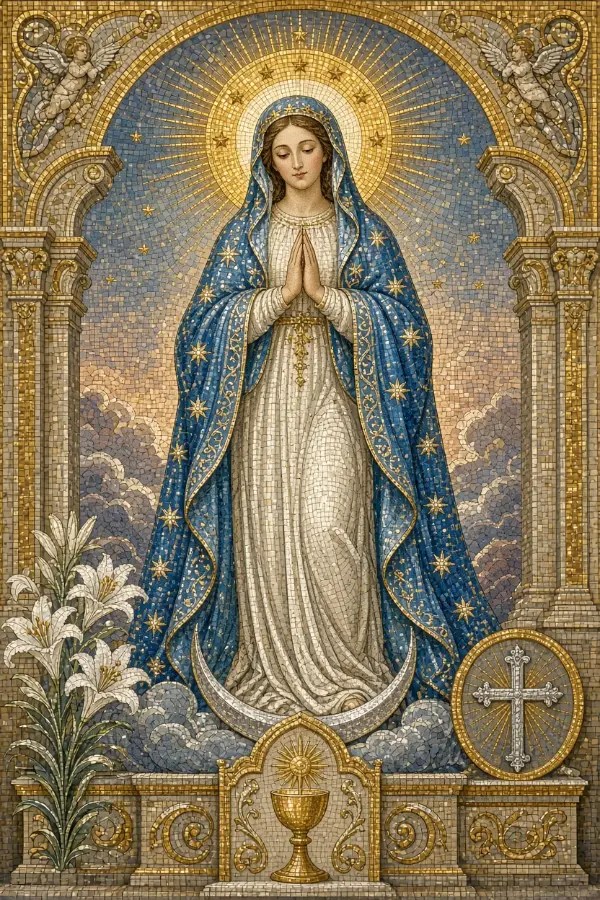
Job 38:4, 7
“Where were you when I laid the earth’s foundation? Tell me, if you understand. … while the morning stars sang together and all the angels shouted for joy?”
Reflection: The Lord speaks to Job “out of the storm” (38:1) and questions him about the making of the world. Verse 7 places the morning stars and the angels at the laying of the earth’s foundation, singing and shouting for joy while it was built.
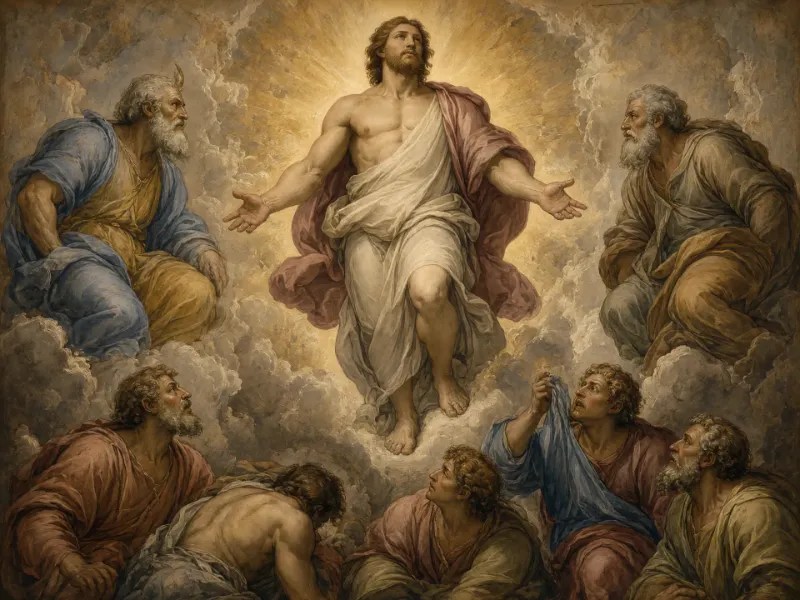
John 1:3
“Through him all things were made; without him nothing was made that has been made.”
Reflection: John’s Gospel opens with the Word who “was with God, and the Word was God” (1:1). Verse 3 says the same thing twice, once positively and once negatively: all things were made through him, and nothing that exists was made without him.
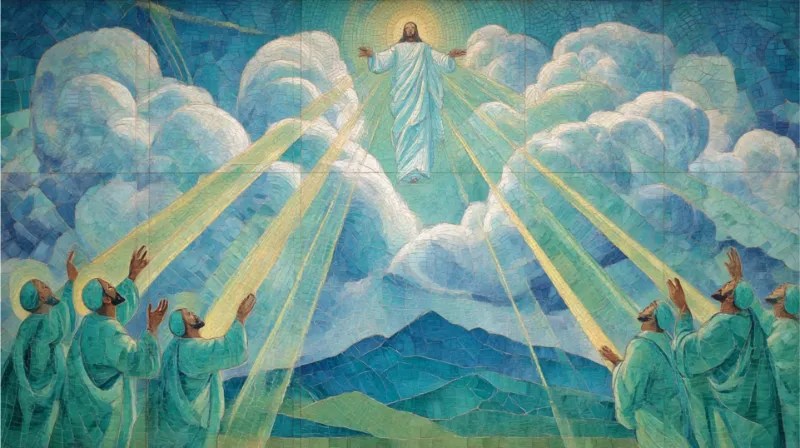
Colossians 1:16
“For in him all things were created: things in heaven and on earth, visible and invisible, whether thrones or powers or rulers or authorities; all things have been created through him and for him.”
Reflection: Paul, writing with Timothy to the church in Colossae, spells out what “all things” includes: things in heaven and on earth, things that can be seen and things that cannot. Thrones, powers, rulers and authorities are named among the things created “through him and for him,” and verse 17 adds that “in him all things hold together.”
Beings from heaven in visions and visits
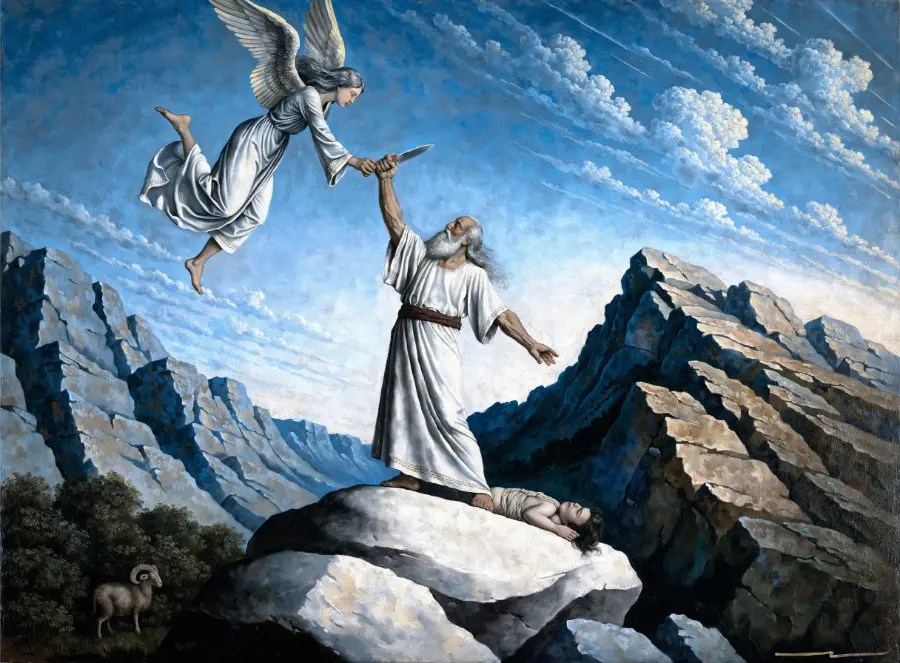
Genesis 19:1
“The two angels arrived at Sodom in the evening, and Lot was sitting in the gateway of the city. When he saw them, he got up to meet them and bowed down with his face to the ground.”
Reflection: These two had come from Abraham’s tent, where they appeared among “three men” (18:2) and then “turned away and went toward Sodom” (18:22). Lot bows to them, calls them “my lords” and offers water for their feet, a night’s lodging and a meal (19:2-3). The narrator calls them angels in verse 1 and “the men” in verse 10.
Isaiah 6:2
“Above him were seraphim, each with six wings: With two wings they covered their faces, with two they covered their feet, and with two they were flying.”
Reflection: Isaiah dates this vision to the year King Uzziah died, and sees the Lord on a throne with seraphim above him. The seraphim call “Holy, holy, holy is the Lord Almighty” to one another (6:3), and one of them flies to Isaiah with a live coal taken from the altar (6:6).
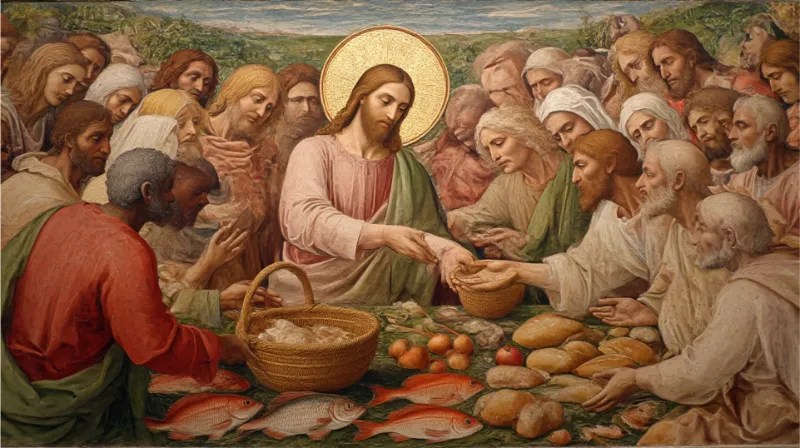
Ezekiel 1:10
“Their faces looked like this: Each of the four had the face of a human being, and on the right side each had the face of a lion, and on the left the face of an ox; each also had the face of an eagle.”
Reflection: Ezekiel sees a windstorm coming out of the north and, inside the fire, four living creatures whose “form was human” but who each had four faces and four wings (1:4-6). They had feet like a calf’s and human hands under their wings. Later in the book Ezekiel identifies them: “I realized that they were cherubim” (10:20).
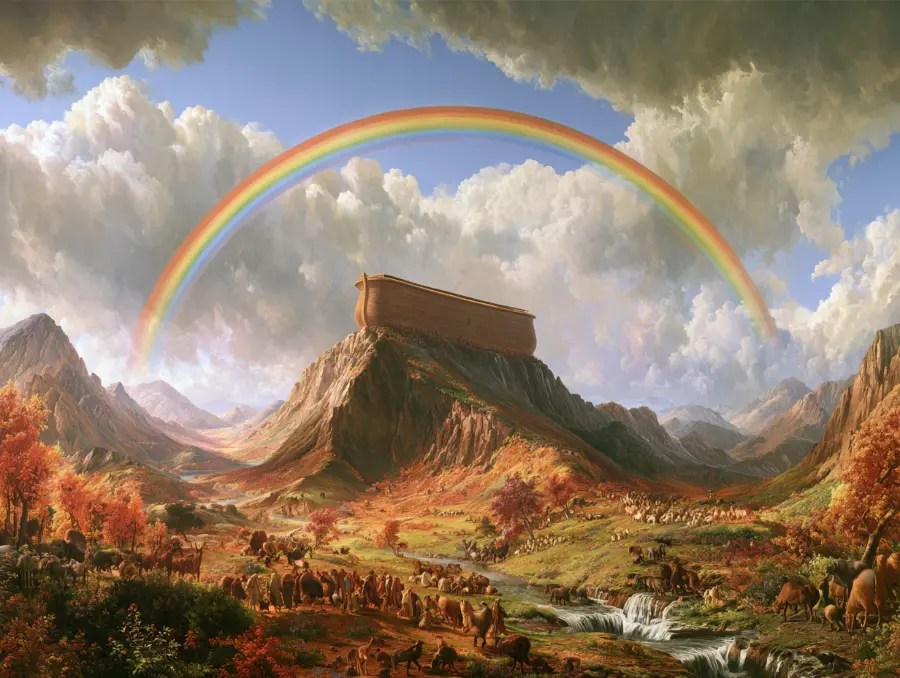
Ezekiel 1:16
“This was the appearance and structure of the wheels: They sparkled like topaz, and all four looked alike. Each appeared to be made like a wheel intersecting a wheel.”
Reflection: Beside each living creature stood a wheel built like “a wheel intersecting a wheel,” so the wheels could go in any of four directions without turning. Their rims were “full of eyes all around,” and they rose when the creatures rose, “because the spirit of the living creatures was in the wheels” (1:20). Above the creatures and wheels Ezekiel sees a throne and on it “a figure like that of a man” (1:26), and he names that sight: “This was the appearance of the likeness of the glory of the Lord” (1:28).
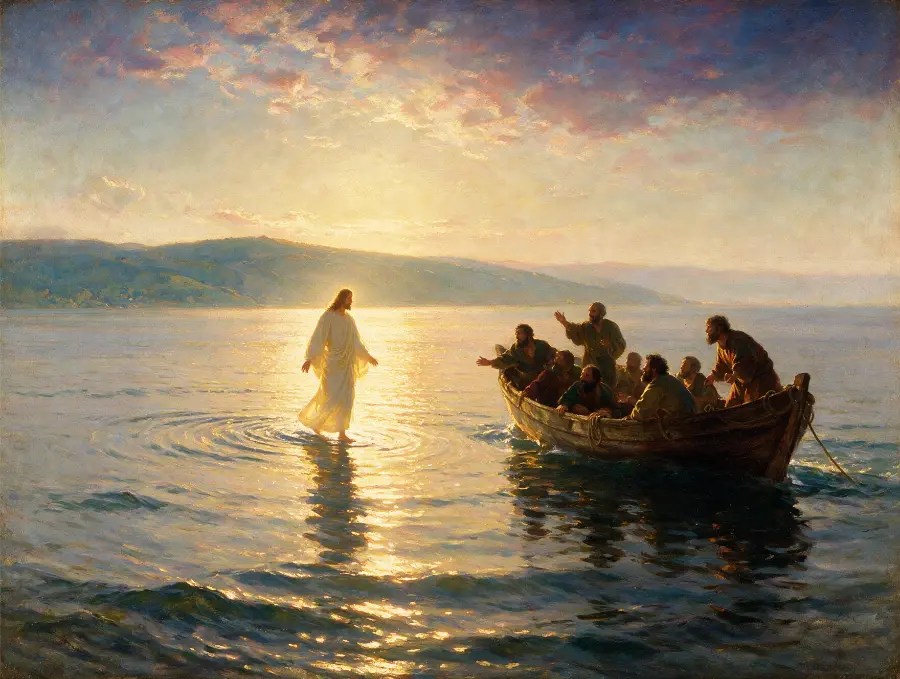
Daniel 10:5-6
“I looked up and there before me was a man dressed in linen, with a belt of fine gold from Uphaz around his waist. His body was like topaz, his face like lightning, his eyes like flaming torches, his arms and legs like the gleam of burnished bronze, and his voice like the sound of a multitude.”
Reflection: Daniel sees this figure by the Tigris on the twenty-fourth day of the first month. The men with him saw nothing, yet “such terror overwhelmed them that they fled and hid themselves” (10:7), and Daniel fell to the ground with no strength left. A hand touches him, and the figure tells him, “I have now been sent to you” (10:11).
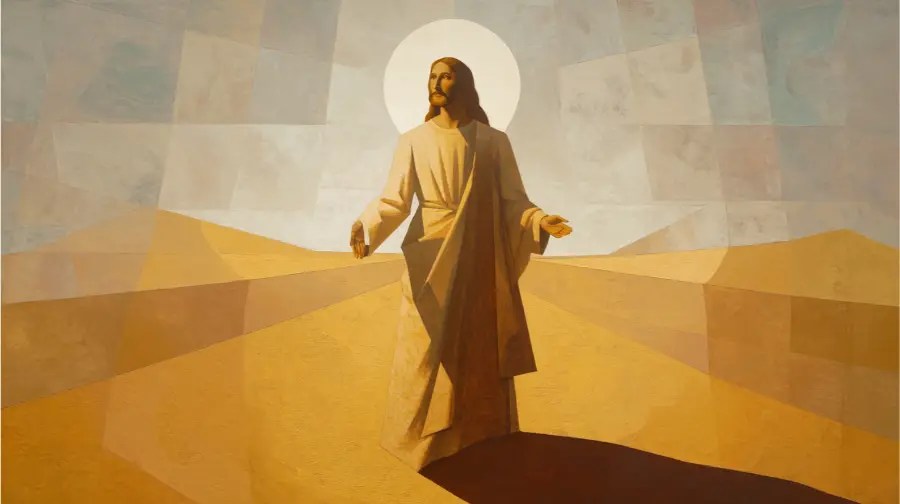
Luke 2:9-10
“An angel of the Lord appeared to them, and the glory of the Lord shone around them, and they were terrified. But the angel said to them, ‘Do not be afraid.’”
Reflection: The angel appears to shepherds keeping watch over their flocks at night. It answers their terror with “Do not be afraid” and then with news of a Savior born “in the town of David.” A great company of the heavenly host then appears with the angel, praising God (2:13-14).
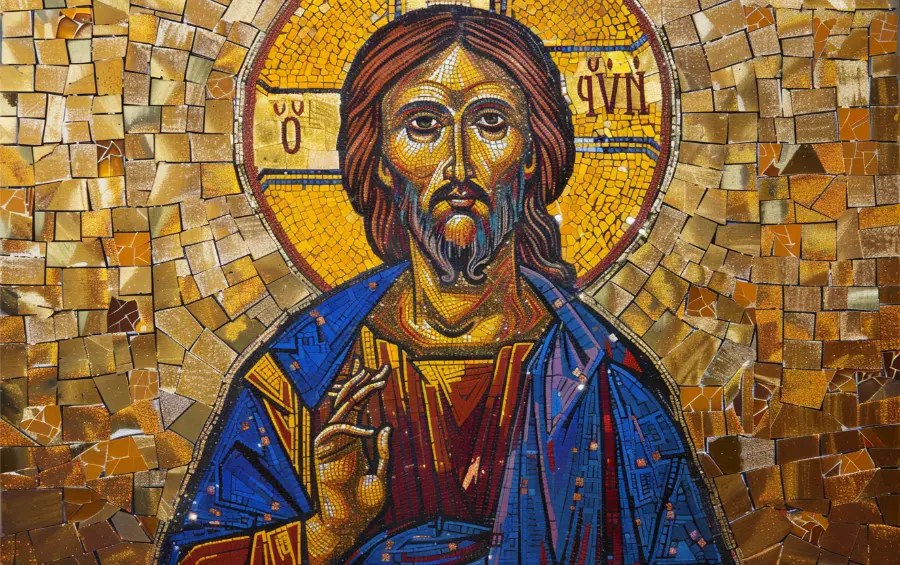
Revelation 4:8
“Each of the four living creatures had six wings and was covered with eyes all around, even under its wings. Day and night they never stop saying: ‘Holy, holy, holy is the Lord God Almighty, who was, and is, and is to come.’”
Reflection: In John’s vision of the throne in heaven, the four living creatures are like a lion, an ox, a man and a flying eagle (4:7), the four faces Ezekiel saw (Ezekiel 1:10), and they have six wings, as Isaiah’s seraphim do (Isaiah 6:2). Their “Holy, holy, holy” repeats the seraphim’s call in Isaiah 6:3.
Loving and welcoming the foreigner and the stranger
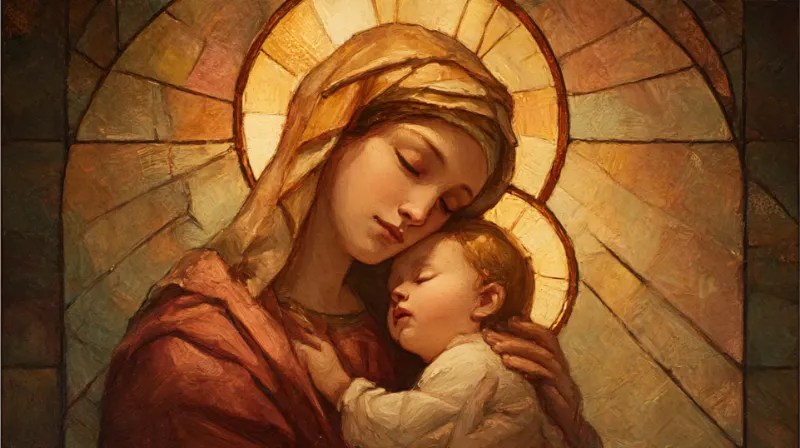
Leviticus 19:34
“The foreigner residing among you must be treated as your native-born. Love them as yourself, for you were foreigners in Egypt. I am the Lord your God.”
Reflection: Verse 33 forbids mistreating a foreigner who lives in the land, and verse 34 goes further: the foreigner is to be loved “as yourself,” the words verse 18 uses in “love your neighbor as yourself.” The reason given is Israel’s own years in Egypt. Exodus 22:21 gives the same reason for the shorter command not to oppress a foreigner.
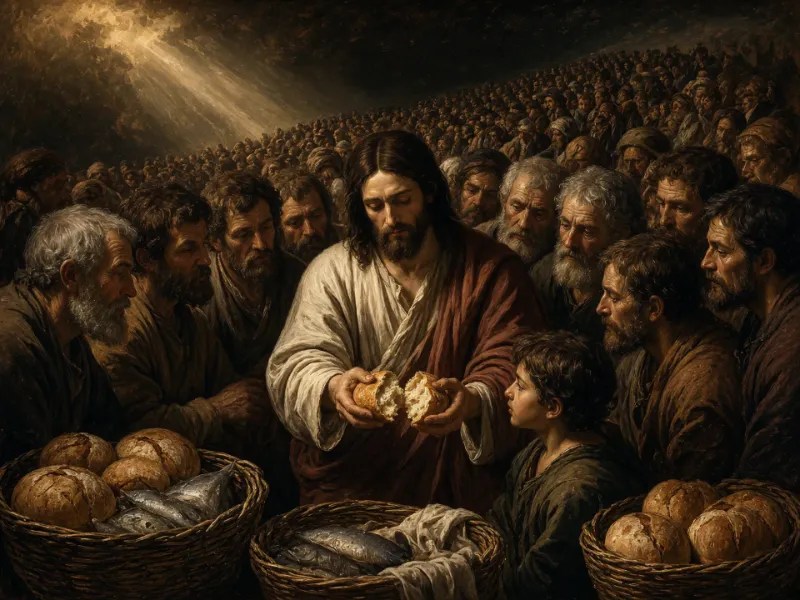
Deuteronomy 10:19
“And you are to love those who are foreigners, for you yourselves were foreigners in Egypt.”
Reflection: Moses sets this command beside a description of God, who “defends the cause of the fatherless and the widow, and loves the foreigner residing among you, giving them food and clothing” (10:18). Verse 19 then asks Israel to love foreigners too, and gives their time as foreigners in Egypt as the reason.
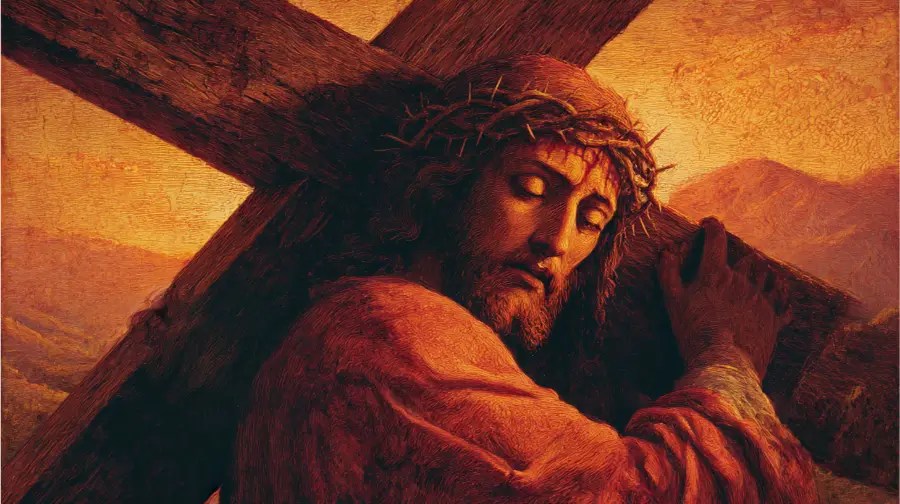
Matthew 25:35
“For I was hungry and you gave me something to eat, I was thirsty and you gave me something to drink, I was a stranger and you invited me in.”
Reflection: In the judgment scene of Matthew 25, the King welcomes those on his right, and the stranger taken in stands in a list with the hungry, the thirsty, the sick and the prisoner. When the righteous ask when they did any of this, the King answers, “whatever you did for one of the least of these brothers and sisters of mine, you did for me” (25:40).
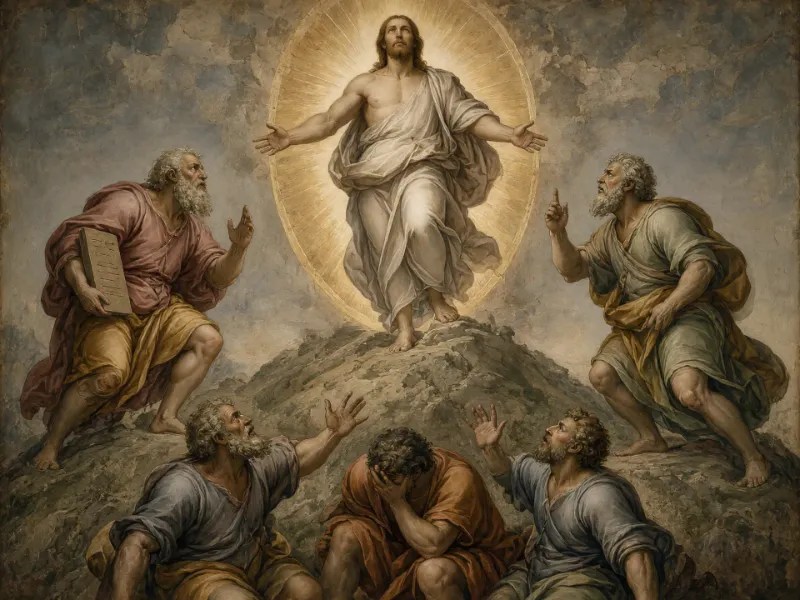
Hebrews 13:2
“Do not forget to show hospitality to strangers, for by so doing some people have shown hospitality to angels without knowing it.”
Reflection: The command follows “Keep on loving one another as brothers and sisters” (13:1) and extends that love to strangers. Genesis 18 and 19 tell of such visits: Abraham and then Lot received visitors who arrived as men, two of whom Genesis 19:1 calls angels.
Believers as foreigners, and a kingdom not of this world
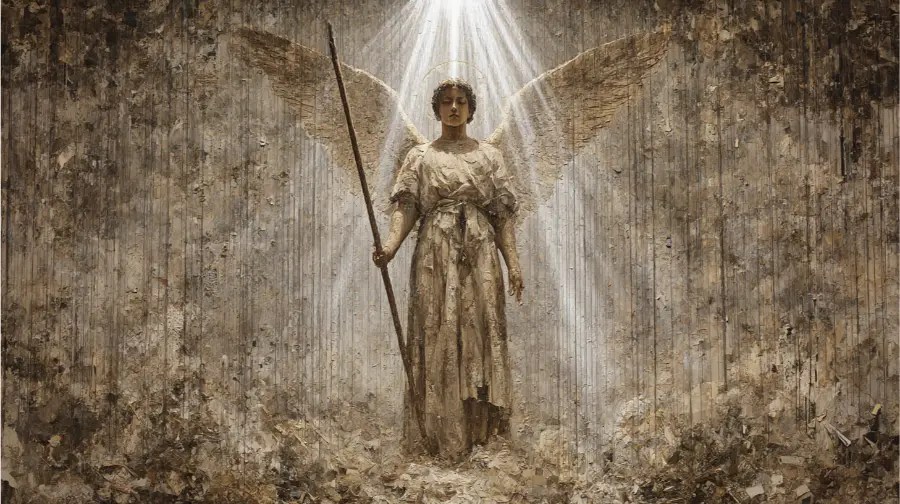
Ephesians 2:19
“Consequently, you are no longer foreigners and strangers, but fellow citizens with God’s people and also members of his household.”
Reflection: Paul is writing to Gentiles, who were once “excluded from citizenship in Israel and foreigners to the covenants of the promise” (2:12). Verse 19 reverses that description: through Christ, who “has made the two groups one” (2:14), they are fellow citizens with God’s people and members of his household.
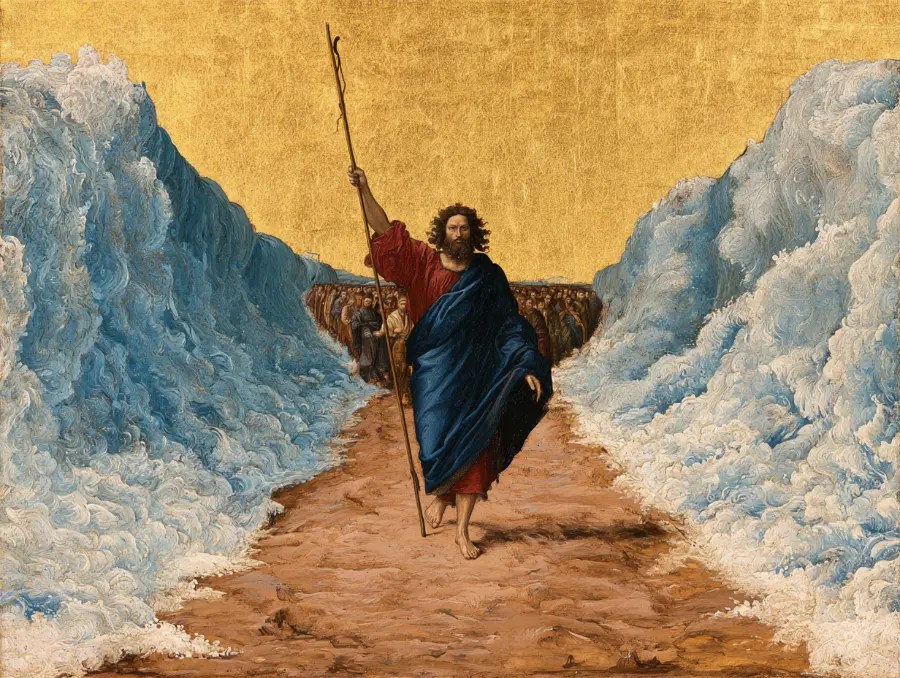
Hebrews 11:13
“All these people were still living by faith when they died. They did not receive the things promised; they only saw them and welcomed them from a distance, admitting that they were foreigners and strangers on earth.”
Reflection: “All these” are the people of faith named earlier in the chapter, among them Abel, Noah, Abraham and Sarah. Verse 14 says that people who call themselves foreigners show “they are looking for a country of their own,” and verse 16 says they were “longing for a better country—a heavenly one,” and that God “has prepared a city for them.”
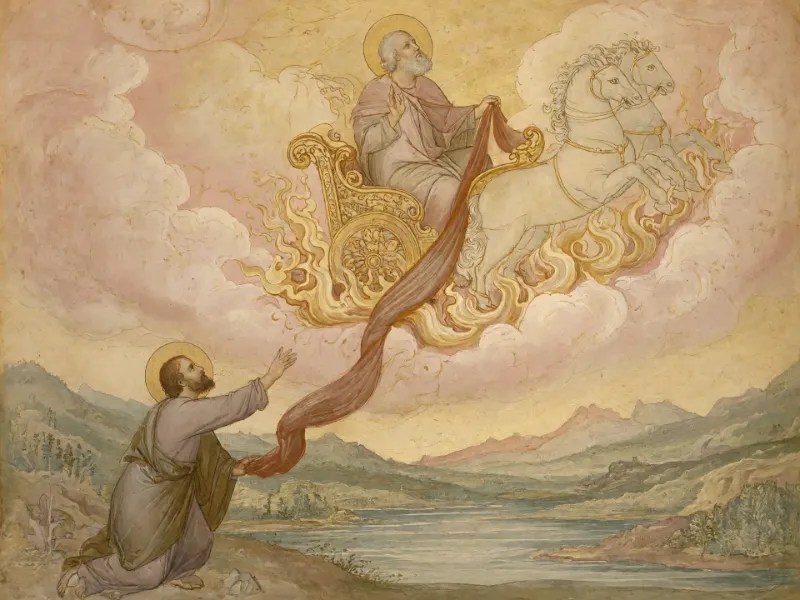
1 Peter 2:11
“Dear friends, I urge you, as foreigners and exiles, to abstain from sinful desires, which wage war against your soul.”
Reflection: Peter addresses the whole letter to “exiles scattered throughout the provinces of Pontus, Galatia, Cappadocia, Asia and Bithynia” (1:1). Two verses earlier he calls the same readers “a chosen people, a royal priesthood, a holy nation” (2:9). As foreigners and exiles they are told to resist sinful desires and to live among the pagans in a way that lets their accusers “see your good deeds and glorify God” (2:12).
Philippians 3:20
“But our citizenship is in heaven. And we eagerly await a Savior from there, the Lord Jesus Christ.”
Reflection: Paul tells the church in Philippi that their citizenship is in heaven, and that the Savior they await from there “will transform our lowly bodies so that they will be like his glorious body” (3:21).
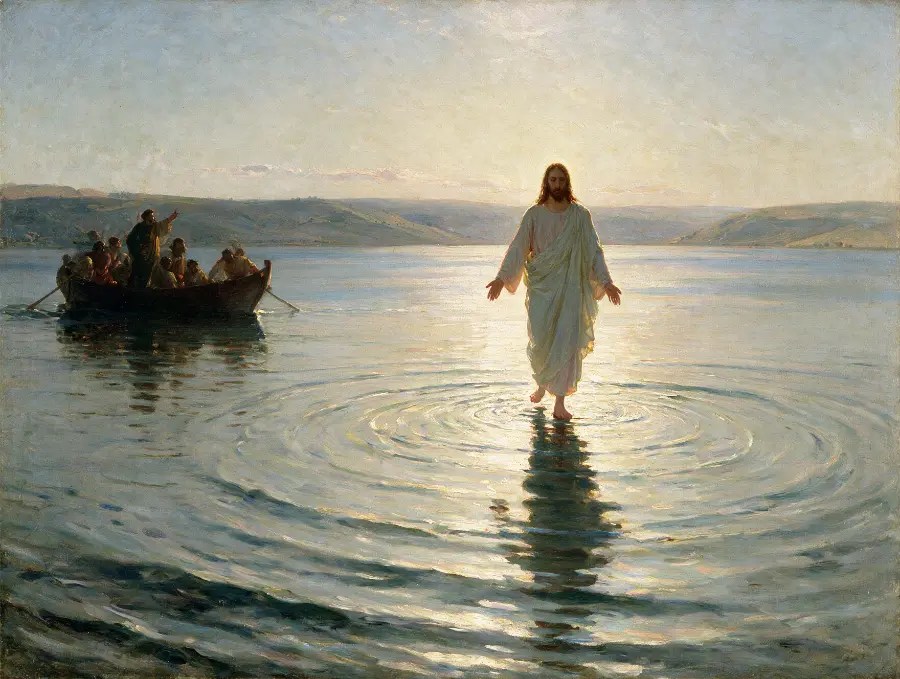
John 18:36
“Jesus said, ‘My kingdom is not of this world. If it were, my servants would fight to prevent my arrest by the Jewish leaders. But now my kingdom is from another place.’”
Reflection: Jesus says this to Pilate, who has asked him, “Are you the king of the Jews?” (18:33). The origin of his kingdom is the reason Jesus gives for his servants not fighting to prevent his arrest. In the next verse he says he “came into the world” to testify to the truth.


Leave a Reply