
 English
  Chinese
  Dutch
Dutch  Arabic
  Spanish
  Portuguese
  Russian
  French
  Italian
  German
  Japanese
 The Bible presents kindness as something God shows first and then asks of his people, toward strangers, the poor and enemies as well as friends. Paul lists it among the qualities the Spirit produces (Galatians 5:22), and Micah names it among the things the Lord requires (Micah 6:8).
In many Old Testament passages, kindness translates the Hebrew hesed, which English Bibles also render mercy, loyalty or lovingkindness. In the New Testament letters the usual Greek words are chrestotes, kindness, and the adjective chrestos, kind.
God is kind first

Titus 3:4-7
“But when the goodness and loving kindness of God our Savior appeared, he saved us, not because of works done by us in righteousness, but according to his own mercy, by the washing of regeneration and renewal of the Holy Spirit, whom he poured out on us richly through Jesus Christ our Savior, so that being justified by his grace we might become heirs according to the hope of eternal life.”
Reflection: The verse before sets the scene: “For we ourselves were once foolish, disobedient, led astray… hated by others and hating one another.” God’s kindness appeared to people in that condition, and verse 5 rules out their own righteous works as the reason he saved them. “Loving kindness” here translates philanthropia, love for humankind, a word the New Testament uses in only one other place, Acts 28:2.

Ephesians 2:4-7
“But God, being rich in mercy, because of the great love with which he loved us, even when we were dead in our trespasses, made us alive together with Christ—by grace you have been saved—and raised us up with him and seated us with him in the heavenly places in Christ Jesus, so that in the coming ages he might show the immeasurable riches of his grace in kindness toward us in Christ Jesus.”
Reflection: Paul describes what God did for people who were “dead in our trespasses”: he made them alive, raised them and seated them with Christ. Verse 7 gives the purpose, to show the riches of his grace “in kindness toward us” in the ages to come. Verses 8-9 add that this salvation is “not a result of works, so that no one may boast.”

Romans 2:4
“Or do you presume on the riches of his kindness and forbearance and patience, not knowing that God’s kindness is meant to lead you to repentance?”
Reflection: Paul addresses the person who condemns others while practicing “the very same things” (Romans 2:1). God’s kindness, forbearance and patience toward that person are “meant to lead you to repentance.” Verse 5 warns that a “hard and impenitent heart” is “storing up wrath” for the day of judgment.
Kindness that expects nothing back
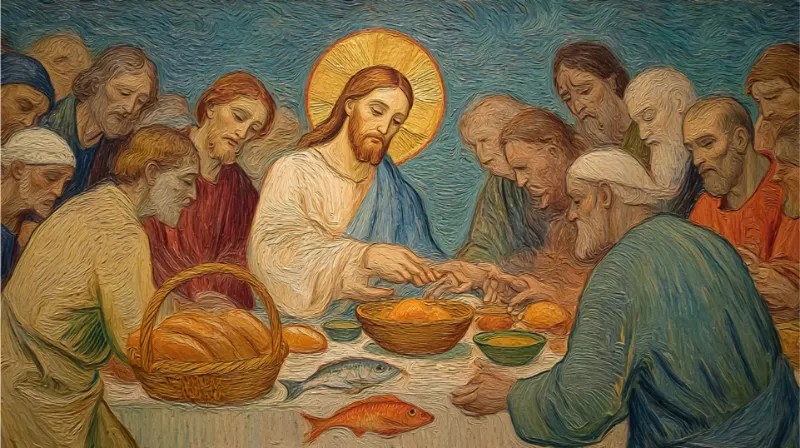
Luke 6:35
“But love your enemies, and do good, and lend, expecting nothing in return, and your reward will be great, and you will be sons of the Most High, for he is kind to the ungrateful and the evil.”
Reflection: In the Sermon on the Plain, Jesus points out that sinners also love those who love them and lend to get the same amount back (Luke 6:32-34). He asks for more: love enemies, do good, lend with no expectation of return. The reason he gives is God’s own character, kind “to the ungrateful and the evil,” and verse 36 draws the conclusion: “Be merciful, even as your Father is merciful.”

Luke 10:33-34
“But a Samaritan, as he journeyed, came to where he was, and when he saw him, he had compassion. He went to him and bound up his wounds, pouring on oil and wine. Then he set him on his own animal and brought him to an inn and took care of him.”
Reflection: Jesus tells the parable in answer to a lawyer’s question, “And who is my neighbor?” (Luke 10:29). A priest and a Levite have already seen the wounded man and “passed by on the other side.” The Samaritan also pays the innkeeper and promises to cover whatever more is spent, and the lawyer names the neighbor as “The one who showed him mercy.” Jesus replies, “You go, and do likewise” (Luke 10:35-37).

Romans 12:20
“To the contrary, ‘if your enemy is hungry, feed him; if he is thirsty, give him something to drink; for by so doing you will heap burning coals on his head.’”
Reflection: The words come from Proverbs 25:21-22, which adds “and the Lord will reward you.” Paul sets them after “never avenge yourselves, but leave it to the wrath of God” (Romans 12:19) and before “Do not be overcome by evil, but overcome evil with good” (Romans 12:21). Kindness to an enemy here means food and water for his actual hunger and thirst.

Genesis 50:21
“‘So do not fear; I will provide for you and your little ones.’ Thus he comforted them and spoke kindly to them.”
Reflection: After their father Jacob died, Joseph’s brothers feared he would “pay us back for all the evil that we did to him” and sent a message asking forgiveness (Genesis 50:15-17). Joseph wept, told them “you meant evil against me, but God meant it for good,” and promised to provide for them and their children. The chapter records that he comforted them and spoke kindly to them.
Kindness in the Christian’s character

Galatians 5:22-23
“But the fruit of the Spirit is love, joy, peace, patience, kindness, goodness, faithfulness, gentleness, self-control; against such things there is no law.”
Reflection: Kindness is the fifth quality in the list Paul calls the fruit of the Spirit, and the Greek word is chrestotes. The list answers the “works of the flesh” just before it, which include “enmity, strife, jealousy, fits of anger, rivalries, dissensions” (Galatians 5:20).
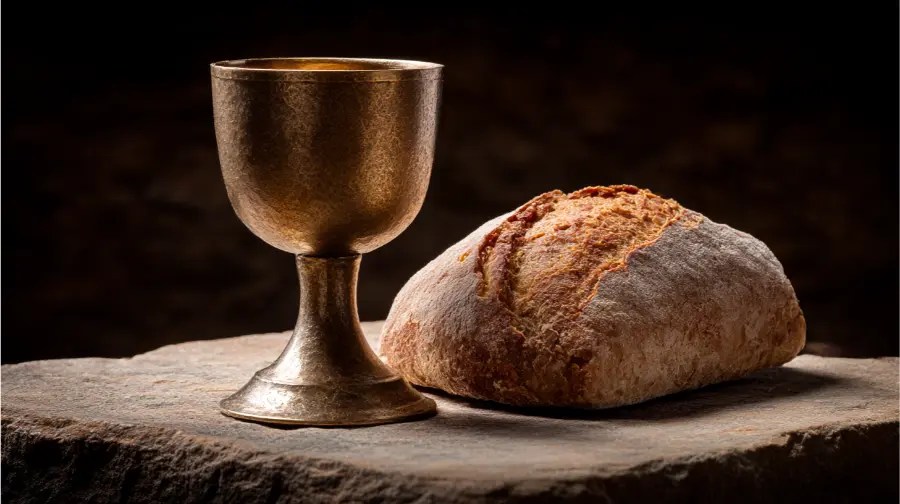
Colossians 3:12
“Put on then, as God’s chosen ones, holy and beloved, compassionate hearts, kindness, humility, meekness, and patience.”
Reflection: The verb is the language of clothing. A few verses earlier Paul tells the Colossians to “put away” anger, wrath, malice and slander, since they have “put on the new self” (Colossians 3:8-10). Kindness stands in a list with compassion, humility, meekness and patience, and the next verses add forgiving one another “as the Lord has forgiven you” and, above all, love.

Ephesians 4:32
“Be kind to one another, tenderhearted, forgiving one another, as God in Christ forgave you.”
Reflection: The verse before lists what must go: “bitterness and wrath and anger and clamor and slander… along with all malice” (Ephesians 4:31). Kindness and tenderheartedness take their place, and forgiveness is measured against God’s: “as God in Christ forgave you.” Chrestos, the adjective here, is the same word Luke 6:35 uses of God.
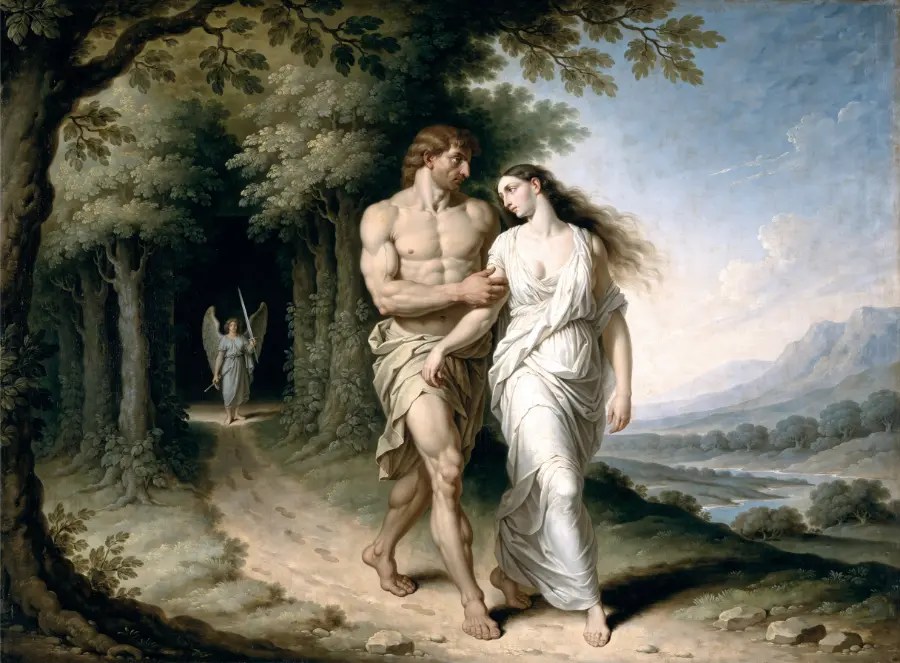
1 Corinthians 13:4-7
“Love is patient and kind; love does not envy or boast; it is not arrogant or rude. It does not insist on its own way; it is not irritable or resentful; it does not rejoice at wrongdoing, but rejoices with the truth. Love bears all things, believes all things, hopes all things, endures all things.”
Reflection: Paul places kindness second in his description of love, after patience. The verses before say that tongues, prophecy, faith that moves mountains, and giving away everything amount to nothing without love (1 Corinthians 13:1-3). Most of what follows the word kind is negative: love does not envy, boast, insist on its own way or rejoice at wrongdoing.

2 Timothy 2:24
“And the Lord’s servant must not be quarrelsome but kind to everyone, able to teach, patiently enduring evil.”
Reflection: Paul writes to Timothy about teaching in a church troubled by “foolish, ignorant controversies” that “breed quarrels” (2 Timothy 2:23). The Lord’s servant must be kind “to everyone,” including opponents, whom he is to correct “with gentleness” in the hope that “God may perhaps grant them repentance” (2 Timothy 2:25).
Kindness the Lord requires

Micah 6:8
“He has told you, O man, what is good; and what does the Lord require of you but to do justice, and to love kindness, and to walk humbly with your God?”
Reflection: The verses before ask what a worshipper should bring to God: burnt offerings, thousands of rams, rivers of oil, even a firstborn child (Micah 6:6-7). The answer sets aside the offerings and names justice, kindness and a humble walk with God.

Zechariah 7:9-10
“Thus says the Lord of hosts, Render true judgments, show kindness and mercy to one another, do not oppress the widow, the fatherless, the sojourner, or the poor, and let none of you devise evil against another in your heart.”
Reflection: The people of Bethel had asked whether they should keep fasting in the fifth month (Zechariah 7:2-3). God’s reply asks whether those fasts were for him at all and points back to what “the former prophets” had said, which is this command: true judgments, hesed and mercy, and no oppression of the widow, orphan, foreigner or poor. Verses 11-12 record that earlier generations refused to listen.
What kindness brings

Proverbs 21:21
“Whoever pursues righteousness and kindness will find life, righteousness, and honor.”
Reflection: The Hebrew word for kindness here is hesed. The proverb pairs kindness with righteousness, and the one who pursues both finds righteousness again among the rewards, along with life and honor.
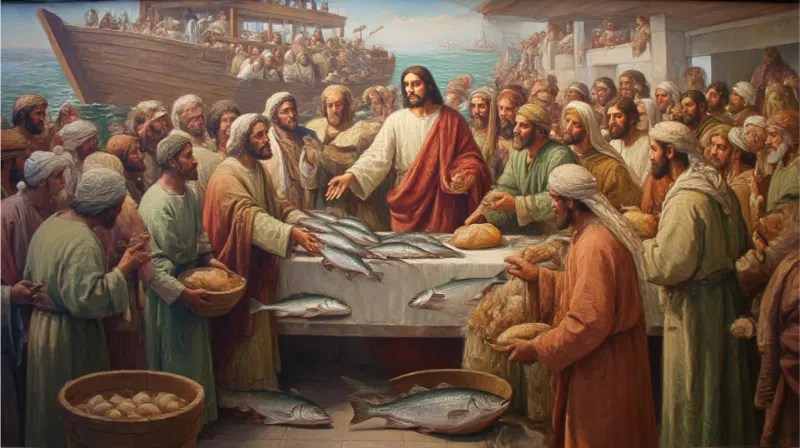
Proverbs 11:17
“A man who is kind benefits himself, but a cruel man hurts himself.”
Reflection: The word for kind is hesed. The verses on either side make the same kind of contrast between two ways of living and what each earns: “A gracious woman gets honor, and violent men get riches” (Proverbs 11:16), and “one who sows righteousness gets a sure reward” (Proverbs 11:18).

Proverbs 19:17
“Whoever is generous to the poor lends to the Lord, and he will repay him for his deed.”
Reflection: Kindness to the poor is described as a loan, with the Lord taking on the debt. Proverbs 14:31 states the link from the other side: “Whoever oppresses a poor man insults his Maker, but he who is generous to the needy honors him.”
Kind words and kind correction

Proverbs 15:1
“A soft answer turns away wrath, but a harsh word stirs up anger.”
Reflection: The same chapter returns to the subject twice: “A gentle tongue is a tree of life, but perverseness in it breaks the spirit” (Proverbs 15:4), and “A hot-tempered man stirs up strife, but he who is slow to anger quiets contention” (Proverbs 15:18).
Proverbs 31:26
“She opens her mouth with wisdom, and the teaching of kindness is on her tongue.”
Reflection: The verse belongs to the poem that begins “An excellent wife who can find?” (Proverbs 31:10). Her speech is marked by wisdom and by “the teaching of kindness,” and the word for kindness is hesed.

Colossians 4:6
“Let your speech always be gracious, seasoned with salt, so that you may know how you ought to answer each person.”
Reflection: The verse before is about conduct toward people outside the church: “Walk in wisdom toward outsiders, making the best use of the time” (Colossians 4:5). Speech is to be gracious “always,” and the aim is to know “how you ought to answer each person.”

Psalm 141:5
“Let a righteous man strike me—it is a kindness; let him rebuke me—it is oil for my head; let my head not refuse it. Yet my prayer is continually against their evil deeds.”
Reflection: In this psalm of David, a righteous man’s blow or rebuke counts as kindness, and the word is hesed. The psalm has just asked the Lord to “set a guard” over David’s mouth and to keep him from wicked deeds “in company with men who work iniquity” (Psalm 141:3-4). A correction from the righteous is welcomed as “oil for my head.”
Kindness shown in the stories

Ruth 2:20
“And Naomi said to her daughter-in-law, ‘May he be blessed by the Lord, whose kindness has not forsaken the living or the dead!’ Naomi also said to her, ‘The man is a close relative of ours, one of our redeemers.’”
Reflection: Ruth has come home from gleaning in the field of Boaz, and Naomi recognises him as “a close relative of ours, one of our redeemers.” The kindness to “the living” and “the dead” echoes Naomi’s earlier prayer for her daughters-in-law: “May the Lord deal kindly with you, as you have dealt with the dead and with me” (Ruth 1:8). Both verses use hesed.
2 Samuel 9:7
“And David said to him, ‘Do not fear, for I will show you kindness for the sake of your father Jonathan, and I will restore to you all the land of Saul your father, and you shall eat at my table always.’”
Reflection: David asks whether anyone is left of Saul’s house “that I may show him kindness for Jonathan’s sake” (2 Samuel 9:1). Jonathan had asked David, “do not cut off your steadfast love from my house forever” (1 Samuel 20:15). The one left is Jonathan’s son Mephibosheth, “crippled in his feet,” and David gives him Saul’s land and a place at the king’s table. The word for kindness is hesed.

Acts 28:2
“The native people showed us unusual kindness, for they kindled a fire and welcomed us all, because it had begun to rain and was cold.”
Reflection: Paul was being taken to Italy as a prisoner (Acts 27:1) when the ship ran aground, and the people of Malta lit a fire for the survivors in the rain and cold. The word for their “unusual kindness” is philanthropia, the same word Titus 3:4 uses for God’s kindness.


Leave a Reply