
 English
 Chinese
 Dutch
 Arabic
 Spanish
 Portuguese
 Russian
 French
 Italian
 German
 Japanese
The Bible describes determination as a decision made once and then kept under pressure. Ruth is “determined” to go with Naomi (Ruth 1:18), Daniel “resolved” not to defile himself with the king’s food (Daniel 1:8), and Jesus “resolutely set out for Jerusalem” (Luke 9:51).
Elsewhere in the New Testament the same resolve appears as running a race to the finish (1 Corinthians 9:24-25, Hebrews 12:1-2, 2 Timothy 4:7), not giving up on doing good (Galatians 6:9), and standing firm to the end (Matthew 24:13). Romans 5:3-4 and James 1:2-4 name perseverance itself and say what produces it.
When someone sets their mind on a course

Ruth 1:18
“When Naomi realized that Ruth was determined to go with her, she stopped urging her.”
Reflection: Naomi has just told Ruth to follow her sister-in-law back “to her people and her gods.” Ruth refuses: Naomi’s people and Naomi’s God will be hers, and she calls on the Lord to deal with her severely “if even death separates you and me.” The verse records the result. Naomi saw that the decision was already made and stopped urging her.
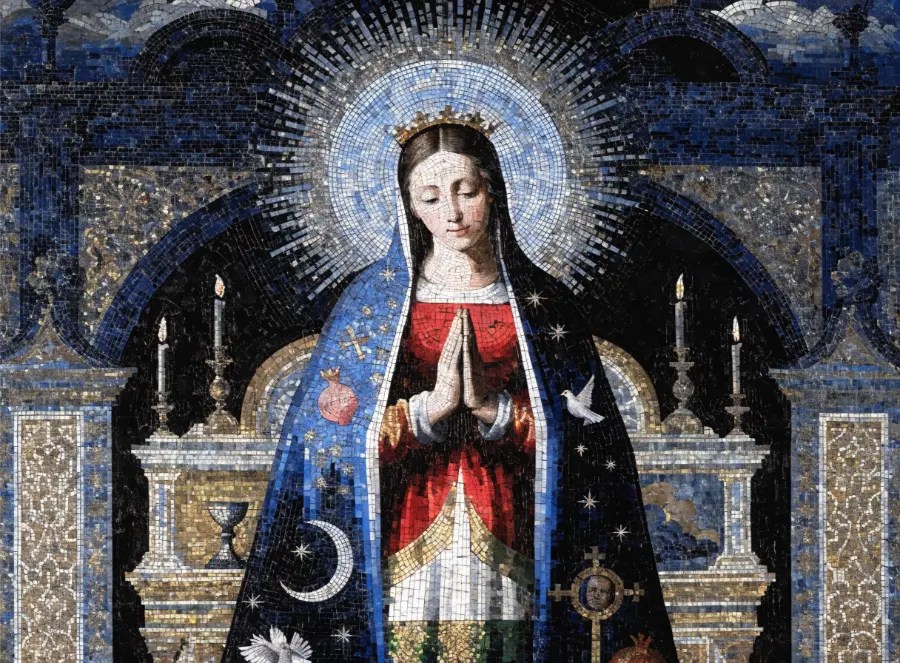
Daniel 1:8
“But Daniel resolved not to defile himself with the royal food and wine, and he asked the chief official for permission not to defile himself this way.”
Reflection: Daniel’s resolve came with a request. He asked the chief official for permission instead of simply refusing the food, and when the official said he feared the king would “have my head,” Daniel went to the guard the official had appointed over him and proposed a ten-day test of vegetables and water (Daniel 1:11-12). At the end of the ten days he and his companions looked healthier than the young men who ate the royal food (Daniel 1:15).

Luke 9:51
“As the time approached for him to be taken up to heaven, Jesus resolutely set out for Jerusalem.”
Reflection: Luke ties the resolve to what lay ahead: “the time approached for him to be taken up to heaven.” In the next verses a Samaritan village that “did not welcome him, because he was heading for Jerusalem” (Luke 9:53).
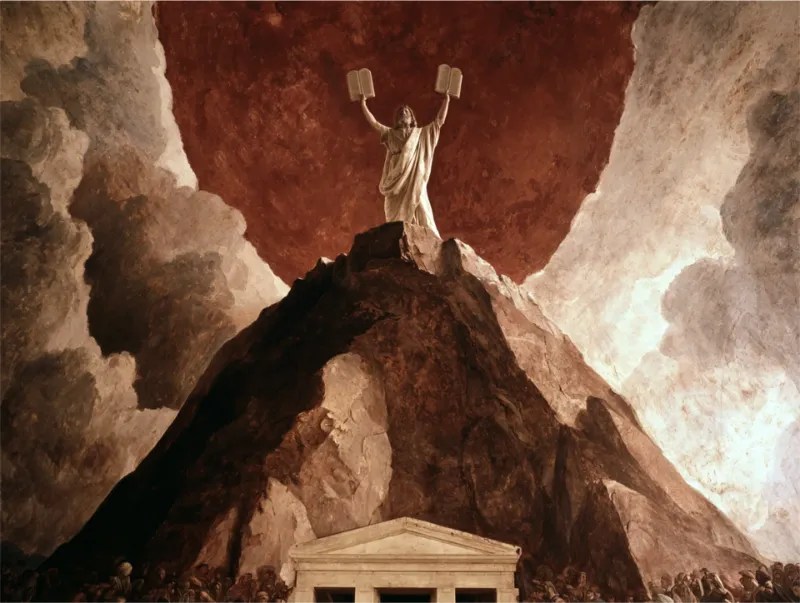
Luke 9:62
“Jesus replied, ‘No one who puts a hand to the plow and looks back is fit for service in the kingdom of God.’”
Reflection: Three men meet Jesus on the road, and the third says he will follow once he has gone back to say goodbye to his family. Jesus answers with an image from farming, a man who has taken hold of a plow and keeps looking back. The two earlier answers in the passage set the same terms: the Son of Man “has no place to lay his head,” and another man is told to “let the dead bury their own dead” (Luke 9:58-60).
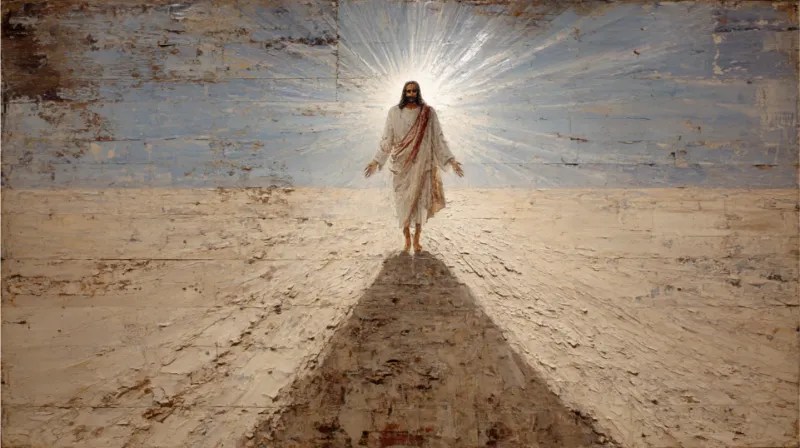
Psalm 119:112
“My heart is set on keeping your decrees to the very end.”
Reflection: Just before this line the psalmist says he constantly takes his life in his hands and that “the wicked have set a snare for me” (Psalm 119:109-110). Against those threats he sets his heart on keeping God’s decrees “to the very end.” In verse 111 he calls the same statutes “the joy of my heart.”
Not giving up before the end
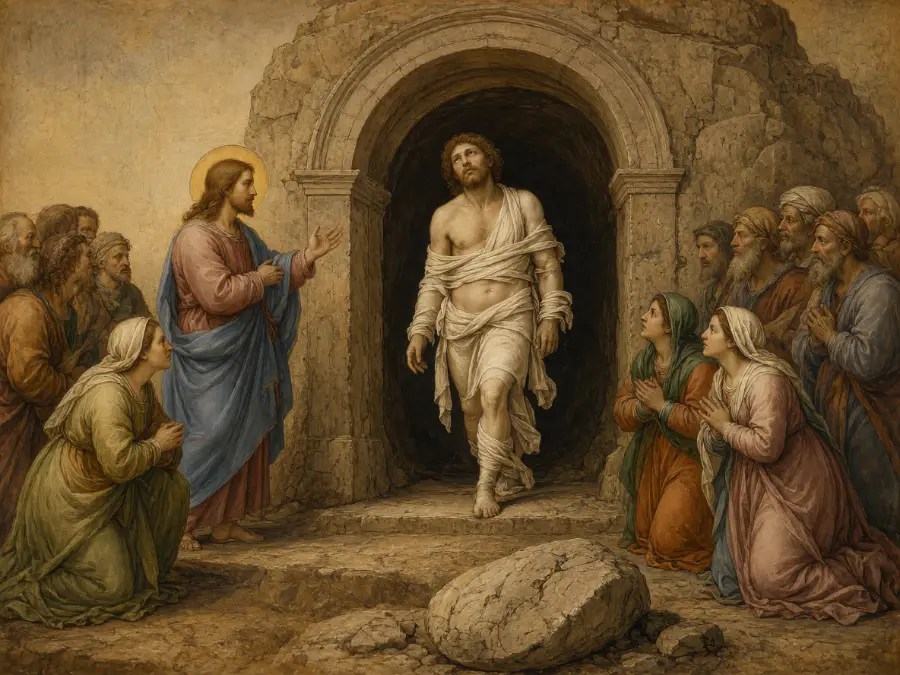
Nehemiah 4:6
“So we rebuilt the wall till all of it reached half its height, for the people worked with all their heart.”
Reflection: The wall of Jerusalem is going up while Sanballat and Tobiah mock the builders; Tobiah says a fox climbing on it would break it down. Nehemiah prays that their insults be turned back on them, and the building continues to half the wall’s height. The opposition then grows into a plot to attack, and the answer is prayer together with “a guard day and night” (Nehemiah 4:9).

Galatians 6:9
“Let us not become weary in doing good, for at the proper time we will reap a harvest if we do not give up.”
Reflection: Paul has just stated a rule of farming, “A man reaps what he sows” (Galatians 6:7). The harvest comes “at the proper time,” and the condition attached is not giving up before then. The next verse turns the promise into an instruction: do good to all people, “especially to those who belong to the family of believers.”
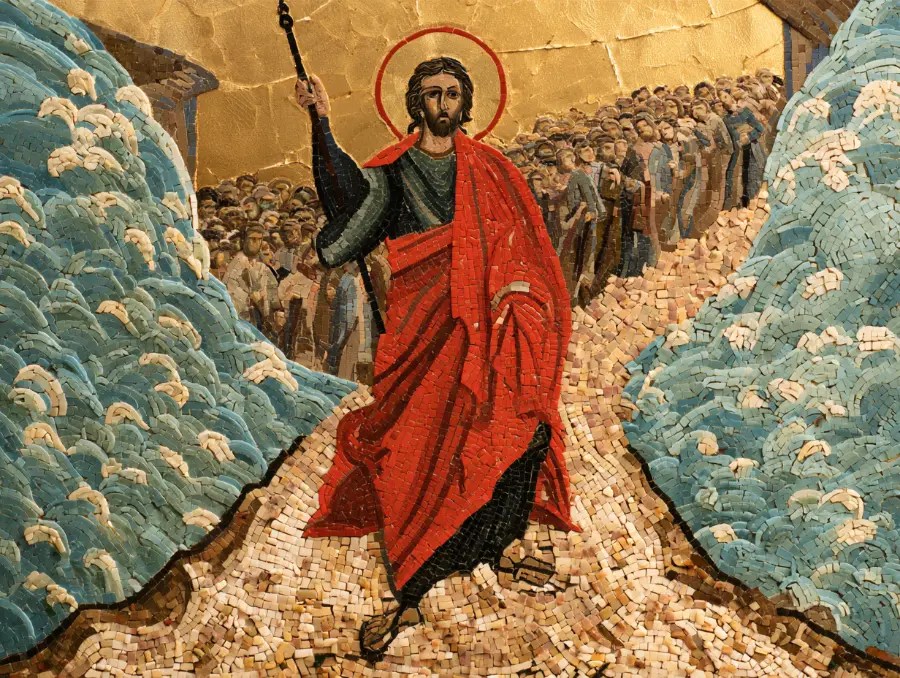
1 Corinthians 15:58
“Therefore, my dear brothers and sisters, stand firm. Let nothing move you. Always give yourselves fully to the work of the Lord, because you know that your labor in the Lord is not in vain.”
Reflection: The verse ends Paul’s chapter on the resurrection of the dead, and its “Therefore” looks back to that argument and to the thanks in the verse before: God “gives us the victory through our Lord Jesus Christ.” The call to stand firm rests on what Paul says the readers know, that their labor in the Lord is not in vain.

Matthew 24:13
“but the one who stands firm to the end will be saved.”
Reflection: Jesus has just warned his disciples of persecution, false prophets and love growing cold, and says “many will turn away from the faith” (Matthew 24:10). Standing firm to the end is set against that falling away. The next verse says the gospel will be preached in the whole world, “and then the end will come.”
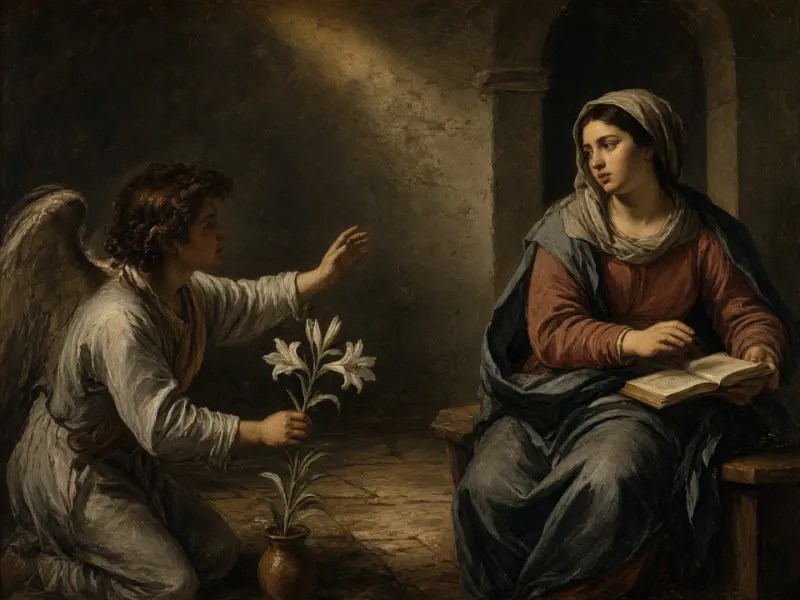
Proverbs 24:16
“for though the righteous fall seven times, they rise again, but the wicked stumble when calamity strikes.”
Reflection: The proverb is spoken to someone planning harm: “Do not lurk like a thief near the house of the righteous” (Proverbs 24:15). The warning’s reason is that the righteous get up again, even after seven falls, while the wicked stumble when calamity strikes. The saying takes repeated falls for granted and speaks to what comes after them.
Running the race to the finish

1 Corinthians 9:24-25
“Do you not know that in a race all the runners run, but only one gets the prize? Run in such a way as to get the prize. Everyone who competes in the games goes into strict training. They do it to get a crown that will not last; but we do it to get a crown that will last forever.”
Reflection: Paul compares the Christian life to a race and to the strict training athletes accept for a crown that will not last. In the next two verses he applies it to himself. He does not run “aimlessly,” and he strikes a blow to his body “so that after I have preached to others, I myself will not be disqualified for the prize” (1 Corinthians 9:26-27).

Philippians 3:13-14
“Brothers and sisters, I do not consider myself yet to have taken hold of it. But one thing I do: Forgetting what is behind and straining toward what is ahead, I press on toward the goal to win the prize for which God has called me heavenward in Christ Jesus.”
Reflection: Verse 12 sets the terms: Paul has not “already arrived at my goal,” and he presses on “to take hold of that for which Christ Jesus took hold of me.” His “one thing” has two parts, forgetting what is behind and straining toward what is ahead. The prize is the one “for which God has called me heavenward in Christ Jesus.”
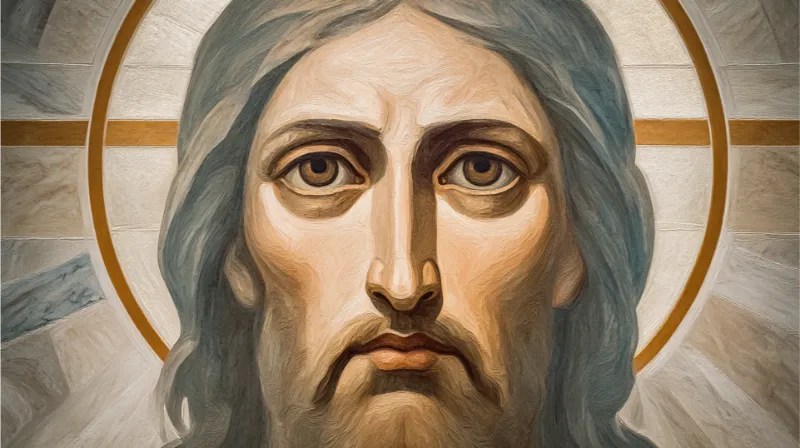
Hebrews 12:1-2
“Therefore, since we are surrounded by such a great cloud of witnesses, let us throw off everything that hinders and the sin that so easily entangles. And let us run with perseverance the race marked out for us, fixing our eyes on Jesus, the pioneer and perfecter of faith.”
Reflection: The “great cloud of witnesses” are the people of faith listed in Hebrews 11. Readers are told to throw off whatever hinders and to run with perseverance, looking to Jesus. The rest of verse 2 says that Jesus “endured the cross, scorning its shame,” and verse 3 names the purpose of considering him: “so that you will not grow weary and lose heart.”

2 Timothy 4:7
“I have fought the good fight, I have finished the race, I have kept the faith.”
Reflection: Paul writes expecting death: he is “already being poured out like a drink offering, and the time for my departure is near” (2 Timothy 4:6). The three clauses look back over his whole ministry as a fight, a race and a faith kept. The next verse looks ahead to “the crown of righteousness,” promised also “to all who have longed for his appearing.”
How perseverance grows
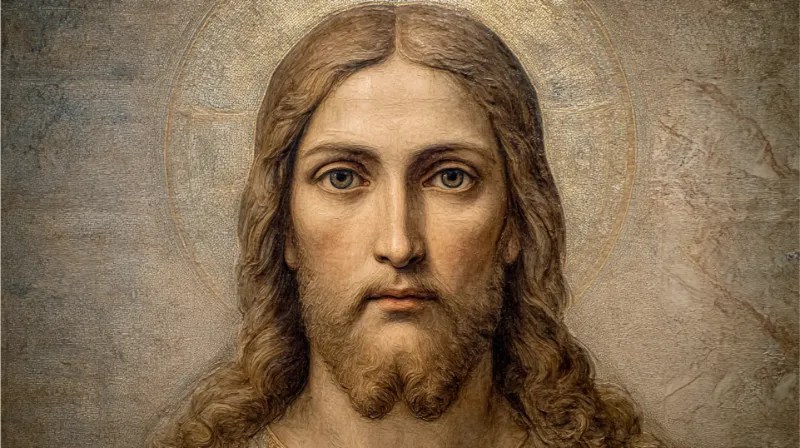
Romans 5:3-4
“Not only so, but we also glory in our sufferings, because we know that suffering produces perseverance; perseverance, character; and character, hope.”
Reflection: Paul sets suffering at the start of a chain: suffering produces perseverance, perseverance produces character, and character produces hope. The paragraph opens with believers “justified through faith” and at peace with God (Romans 5:1), and the chain ends in a hope that “does not put us to shame,” because God’s love has been poured into believers’ hearts through the Holy Spirit (Romans 5:5).
James 1:2-4
“Consider it pure joy, my brothers and sisters, whenever you face trials of many kinds, because you know that the testing of your faith produces perseverance. Let perseverance finish its work so that you may be mature and complete, not lacking anything.”
Reflection: James tells his readers to count trials as joy because testing produces perseverance, and perseverance has work of its own to finish: making them “mature and complete, not lacking anything.” Later in the chapter he names what waits for the one who perseveres under trial: “the crown of life that the Lord has promised to those who love him” (James 1:12).
2 Peter 1:5-6
“For this very reason, make every effort to add to your faith goodness; and to goodness, knowledge; and to knowledge, self-control; and to self-control, perseverance; and to perseverance, godliness…”
Reflection: “For this very reason” points back to God’s “very great and precious promises” in the verse before. Verse 3 has already said that God’s power “has given us everything we need for a godly life,” and the reader is still told to “make every effort.” Perseverance sits in the middle of the list, after self-control and before godliness.


Leave a Reply