
 English
 Chinese
 Dutch
 Arabic
 Spanish
 Portuguese
 Russian
 French
 Italian
 German
 Japanese
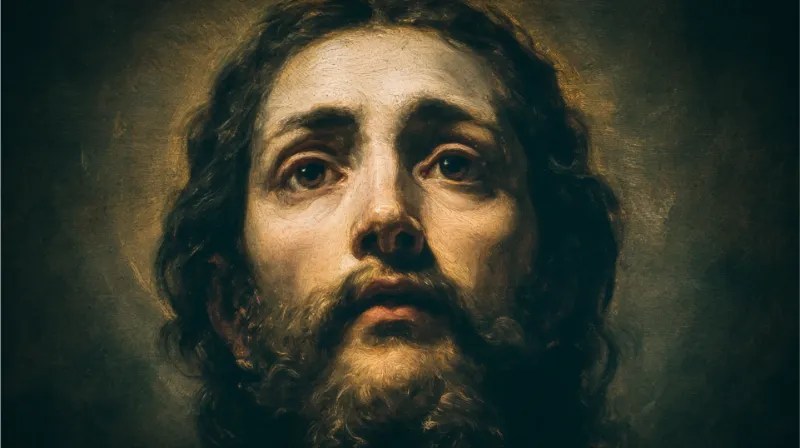
Yes. The New Testament describes Christ’s love as personal. Paul wrote of “the Son of God, who loved me and gave himself for me” (Galatians 2:20), and he told the Christians in Rome that nothing “in all creation” can separate them “from the love of God in Christ Jesus our Lord” (Romans 8:39).
Where does the Bible say Jesus loves me?
The plainest statement is Paul’s, and he makes it in the first person. Writing to the churches of Galatia about how a person is put right with God, he says: “I have been crucified with Christ. It is no longer I who live, but Christ who lives in me. And the life I now live in the flesh I live by faith in the Son of God, who loved me and gave himself for me” (Galatians 2:20). The Catechism of the Catholic Church quotes the verse when it teaches that Jesus “knew and loved us each and all during his life, his agony and his Passion, and gave himself up for each one of us” (paragraph 478).
John’s Gospel says the same of the disciples on the night before the crucifixion: “having loved his own who were in the world, he loved them to the end” (John 13:1). The book of Revelation opens with praise “to him who loves us and has freed us from our sins by his blood” (Revelation 1:5). In the Greek text used by modern translations the verb is in the present tense, “loves”; the King James Version reads “loved.”
The Gospels also show Jesus loving a man who did not follow him. When a rich man asked what he must do to inherit eternal life, Mark records that “Jesus, looking at him, loved him,” and told him to sell what he had, give to the poor and follow him. The man “went away sorrowful, for he had great possessions” (Mark 10:21–22).

Why does Jesus love me?
The New Testament gives the reason in God, and not in anything the person loved has done. “God shows his love for us in that while we were still sinners, Christ died for us” (Romans 5:8). John, who wrote that God is love (1 John 4:8), puts it this way: “In this is love, not that we have loved God but that he loved us and sent his Son to be the propitiation for our sins,” and “We love because he first loved us” (1 John 4:10, 19). The letter to Titus says God saved believers “not because of works done by us in righteousness, but according to his own mercy” (Titus 3:5).
The Old Testament describes God’s love for Israel in the same terms. Moses tells the people that the Lord did not choose them because they were many, “for you were the fewest of all peoples, but it is because the Lord loves you and is keeping the oath that he swore to your fathers” (Deuteronomy 7:7–8).

How much does Jesus love us?
Jesus gave two measures on the night before he died. The first is his Father’s love for him: “As the Father has loved me, so have I loved you. Abide in my love” (John 15:9). The second is his own death: “Greater love has no one than this, that someone lay down his life for his friends” (John 15:13). Earlier he had called himself the good shepherd who “lays down his life for the sheep” (John 10:11).
Paul treats the size of that love as more than a person can take in. He prays that the Ephesians may “comprehend with all the saints what is the breadth and length and height and depth, and to know the love of Christ that surpasses knowledge” (Ephesians 3:18–19).
Does Jesus love me no matter what?
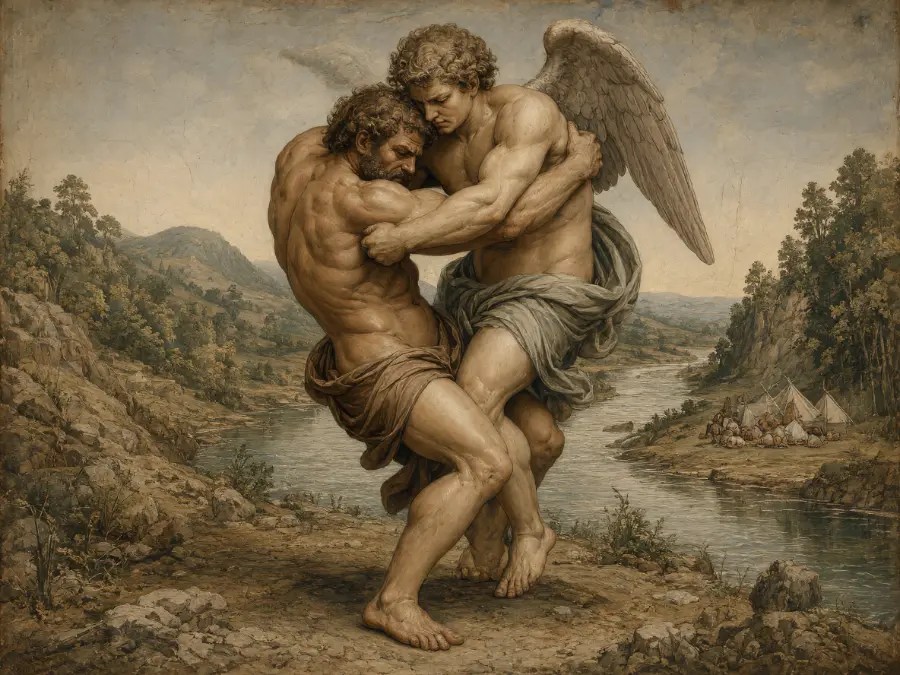
Paul’s fullest answer comes at the end of Romans 8. He asks, “Who shall separate us from the love of Christ?” and names what might: “tribulation, or distress, or persecution, or famine, or nakedness, or danger, or sword.” His answer is that “neither death nor life, nor angels nor rulers, nor things present nor things to come, nor powers, nor height nor depth, nor anything else in all creation, will be able to separate us from the love of God in Christ Jesus our Lord” (Romans 8:35–39). The “us” of the passage are “those who are in Christ Jesus,” as the chapter begins (Romans 8:1).
The same letter says Christ died for people while they were still sinners, and it treats continuing in sin as serious. Paul wrote that “where sin increased, grace abounded all the more,” and then answered the obvious conclusion at once: “Are we to continue in sin that grace may abound? By no means!” (Romans 5:20; 6:1–2). Jesus tied remaining in his love to obedience: “If you keep my commandments, you will abide in my love” (John 15:10). To the church at Laodicea the risen Christ says, “Those whom I love, I reprove and discipline, so be zealous and repent” (Revelation 3:19). In the story of the woman caught in adultery, a passage missing from the earliest manuscripts of John, Jesus tells her, “Neither do I condemn you; go, and from now on sin no more” (John 8:11).
Churches differ on whether a Christian can finally fall away from that love. The Westminster Confession of Faith (1646), a Reformed standard, says that those whom God has called and sanctified “can neither totally nor finally fall away from the state of grace, but shall certainly persevere therein to the end.” The Catholic Church teaches that mortal sin “results in the loss of charity and the privation of sanctifying grace” and, if it is not redeemed by repentance, “causes exclusion from Christ’s kingdom,” while it leaves the judgment of persons “to the justice and mercy of God” (Catechism 1861). The Methodist Articles of Religion hold that believers “may depart from grace given, and fall into sin, and, by the grace of God, rise again and amend our lives” (Article XII).

What if I don’t feel that Jesus loves me?
The New Testament rests the answer on what Christ did, and feelings come and go. Jesus answered critics who complained that he ate with sinners by telling the parables of Luke 15. In the first, a shepherd loses one sheep: “What man of you, having a hundred sheep, if he has lost one of them, does not leave the ninety-nine in the open country, and go after the one that is lost, until he finds it?” Jesus ends the story, “there will be more joy in heaven over one sinner who repents than over ninety-nine righteous persons who need no repentance” (Luke 15:4, 7). In the parable of the prodigal son, a son who has wasted his inheritance comes home, and “while he was still a long way off, his father saw him and felt compassion, and ran and embraced him and kissed him” (Luke 15:20). In both stories the shepherd and the father do the searching and the running.
Christians who believed this have still gone long stretches without feeling it. Thérèse of Lisieux, a French Carmelite nun whom the Catholic Church named a Doctor of the Church in 1997, felt no comfort in her faith from Easter 1896 until her death in 1897. In her autobiography she called that time “the night of my soul” and wrote: “When I sing of the happiness of Heaven and the eternal possession of God, I do not feel any joy therein, for I sing only of what I wish to believe.” A few lines later she added, “And yet never have I felt so deeply how sweet and merciful is the Lord.”
Does Jesus love everyone?
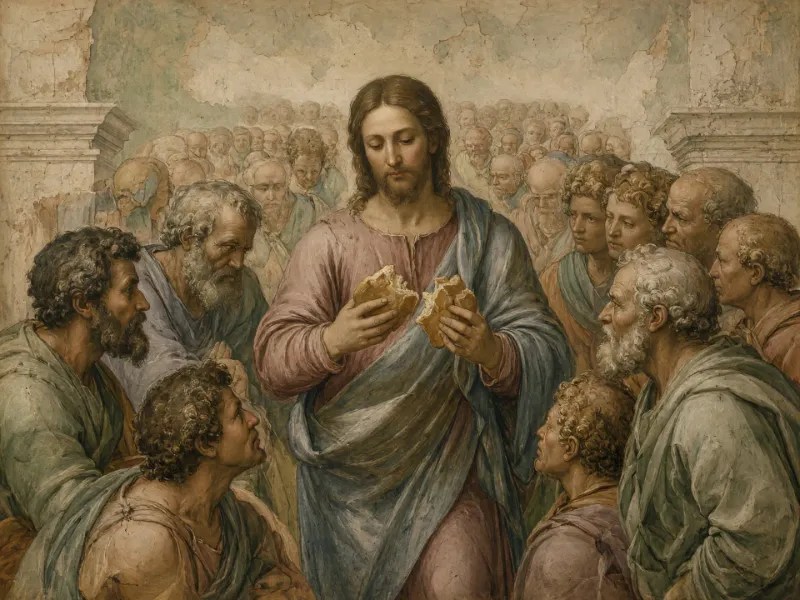
The best-known verse in John’s Gospel speaks of the world: “For God so loved the world, that he gave his only Son, that whoever believes in him should not perish but have eternal life” (John 3:16). John’s first letter calls Jesus “the propitiation for our sins, and not for ours only but also for the sins of the whole world” (1 John 2:2). Jesus told his followers to love their enemies so that they would be like their Father, who “makes his sun rise on the evil and on the good” (Matthew 5:44–45). Luke records him praying for the men who crucified him, “Father, forgive them, for they know not what they do” (Luke 23:34), one of the seven last words, though some early manuscripts omit the sentence.
Churches read these passages in two ways. The Catholic Church teaches that “Christ died for all men without exception” (Catechism 605), and the Methodist Articles call his offering “perfect redemption, propitiation, and satisfaction for all the sins of the whole world” (Article XX). The Canons of Dort (1618–19), a Reformed confession, say that Christ’s death is “more than sufficient to atone for the sins of the whole world” and that the gospel is to be announced “without differentiation or discrimination to all nations and people.” They also say that God willed the cross to “effectively redeem” “all those and only those who were chosen from eternity to salvation.”

Where does “Jesus loves me, this I know” come from?
The line comes from a children’s hymn. Anna Bartlett Warner wrote the words as a poem in Say and Seal, a novel of 1860 that she wrote with her sister Susan Warner, where they are spoken to a dying child. The poem begins: “Jesus loves me — this I know, / For the Bible tells me so: / Little ones to him belong, — / They are weak, but he is strong.” William Batchelder Bradbury set it to music in 1862 and added the refrain “Yes, Jesus loves me.”



Leave a Reply