
 English
 Chinese
 Dutch
 Arabic
 Spanish
 Portuguese
 Russian
 French
 Italian
 German
 Japanese
Jesus’ message was that the kingdom of God had come near, and that people should turn back to God and believe the good news. He put it in one line, “The time is fulfilled, and the kingdom of God is at hand: repent ye, and believe the gospel” (Mark 1:15), and he said that preaching it was the reason he had been sent.
“At hand” means close enough to touch, and everything else Jesus taught grows out of that announcement: what the kingdom is, who comes into it, how its people live, and what he himself would do to bring it. Here are the sayings where he says it most clearly, in the King James wording:
| Passage | His words | What it shows |
|---|---|---|
| Mark 1:15 | “The kingdom of God is at hand” | His message in one line |
| Luke 4:43 | “For therefore am I sent” | Why he came |
| Luke 4:18 | “To preach the gospel to the poor” | Who the news is for |
| Luke 11:20 | “The kingdom of God is come upon you” | The kingdom already here |
| Matthew 6:10 | “Thy kingdom come” | The kingdom still to come |
| Mark 12:30–31 | “Thou shalt love the Lord thy God” | The two great commandments |
| Luke 19:10 | “To seek and to save that which was lost” | His work among sinners |
| Mark 10:45 | “To give his life a ransom for many” | His death |

What was Jesus’ first message?
His first message was a call to repent, because the kingdom was near. Matthew marks the day his public work began: “From that time Jesus began to preach, and to say, Repent: for the kingdom of heaven is at hand” (Matthew 4:17). Mark sets it in Galilee, “after that John was put in prison,” when Jesus came “preaching the gospel of the kingdom of God” (Mark 1:14).
His hearers had heard almost the same sentence before, from John the Baptist, who had cried in the wilderness of Judaea, “Repent ye: for the kingdom of heaven is at hand” (Matthew 3:2). When John was silenced in prison, Jesus took up the cry and carried it from town to town. Once, when the crowds tried to keep him from leaving, he told them, “I must preach the kingdom of God to other cities also: for therefore am I sent” (Luke 4:43), and he would not stay in one place, because the news was for everyone.
“Kingdom of heaven” and “kingdom of God” are two ways of saying the same thing, which is why Matthew 4:17 can say “kingdom of heaven” where Mark 1:15 says “kingdom of God.” In Jewish speech of the time, as the Jewish Encyclopedia explains, “‘Heaven’ is a synonym of ‘God’,” and Matthew “has preserved in ‘Kingdom of Heaven’ the rabbinical expression ‘Malkut Shamayim’.” The word gospel is old English for good news, from the Anglo-Saxon god (good) and spell (to tell), as the Catholic Encyclopedia derives it, and it stands for the Greek euangelion, which came to mean “good tidings.”
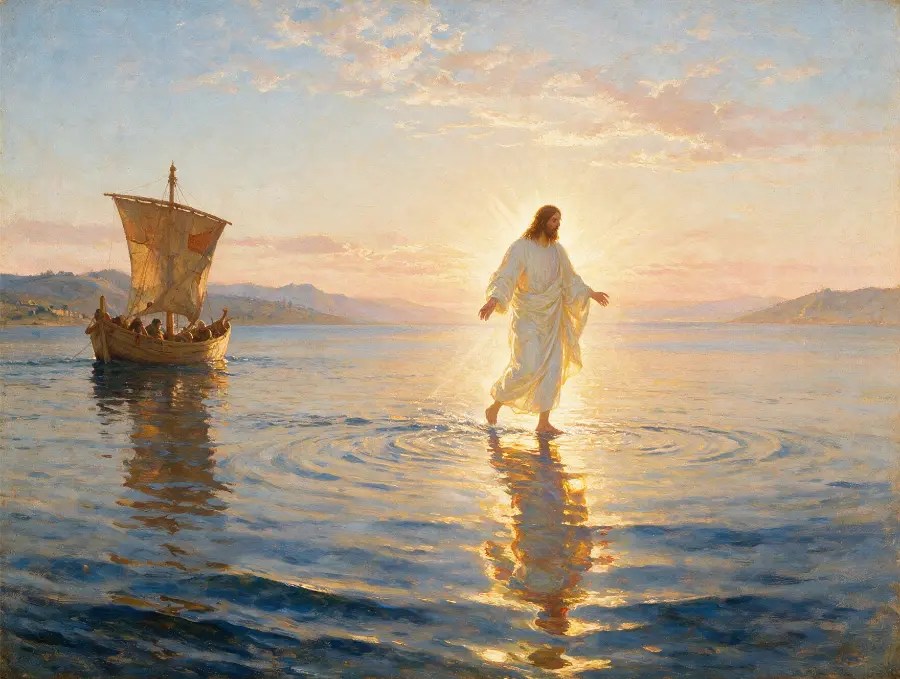
What did Jesus preach at Nazareth?
In his home town Jesus read from Isaiah and told the people the prophecy was coming true while they listened. Luke tells it in full (Luke 4:16–30). On the sabbath, “as his custom was,” he stood up in the synagogue, was handed “the book of the prophet Esaias,” and read:
The Spirit of the Lord is upon me, because he hath anointed me to preach the gospel to the poor; he hath sent me to heal the brokenhearted, to preach deliverance to the captives, and recovering of sight to the blind, to set at liberty them that are bruised, To preach the acceptable year of the Lord. (Luke 4:18–19)
Then “he closed the book,” sat down with every eye on him, and said, “This day is this scripture fulfilled in your ears” (Luke 4:21), meaning that very day, and not some day still to come. The reading is mainly Isaiah 61:1–2 as Luke gives it, and the King James Version of Isaiah words some lines differently, such as “good tidings unto the meek.” Jesus stopped just before Isaiah’s next words, “and the day of vengeance of our God,” so what he declared fulfilled that day was the promise of good news and liberty.
At first the town “wondered at the gracious words which proceeded out of his mouth,” and then came the question, “Is not this Joseph’s son?” (Luke 4:22). Jesus answered that “No prophet is accepted in his own country” (Luke 4:24), and he reminded them that Elijah was sent to a widow of Sidon and that Elisha cleansed only “Naaman the Syrian” (Luke 4:26–27). Both times, God’s prophet had gone to a foreigner. At that the congregation “were filled with wrath,” drove him out, and led him “unto the brow of the hill whereon their city was built, that they might cast him down headlong. But he passing through the midst of them went his way” (Luke 4:28–30).
On that one sabbath at Nazareth we hear his whole message: good news for the poor, the captive and the blind; the claim that it was happening now, in him; and a reminder that God’s mercy had reached past Israel before. We see there, too, what it would cost him to say it.
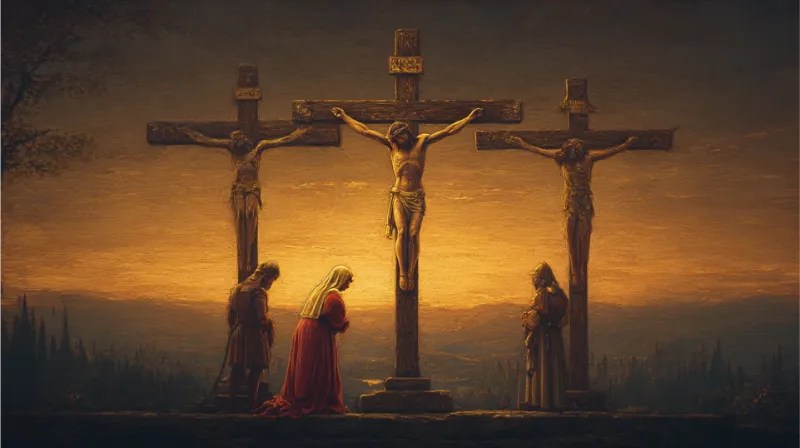
What did Jesus mean by the kingdom of God?
He meant God’s reign, God ruling as king, and his hearers knew the phrase well. In Jewish thought, the Jewish Encyclopedia says, the kingdom of God was the “reign or sovereignty of God as contrasted with the kingdom of the worldly powers.” Jewish teachers spoke of taking on “the yoke of the Kingdom of God,” which “the Israelites do daily when reciting the Shema’.” What Jesus added was the claim that this reign, the kingdom of God the prophets had hoped for, was arriving in his own ministry.
That is why, in his sayings, the kingdom is already here and is still coming. It is here wherever he acts: “if I with the finger of God cast out devils, no doubt the kingdom of God is come upon you” (Luke 11:20). And it is still to come, and he taught us to pray for it in words we still pray: “Thy kingdom come, Thy will be done in earth, as it is in heaven” (Matthew 6:10).
Most often he described it in parables. “Without a parable spake he not unto them,” Mark says, though “when they were alone, he expounded all things to his disciples” (Mark 4:34). The kingdom, he said, is “like to a grain of mustard seed,” which “is the least of all seeds” and yet “becometh a tree, so that the birds of the air come and lodge in the branches thereof” (Matthew 13:31–32). What starts so small ends up giving shelter.
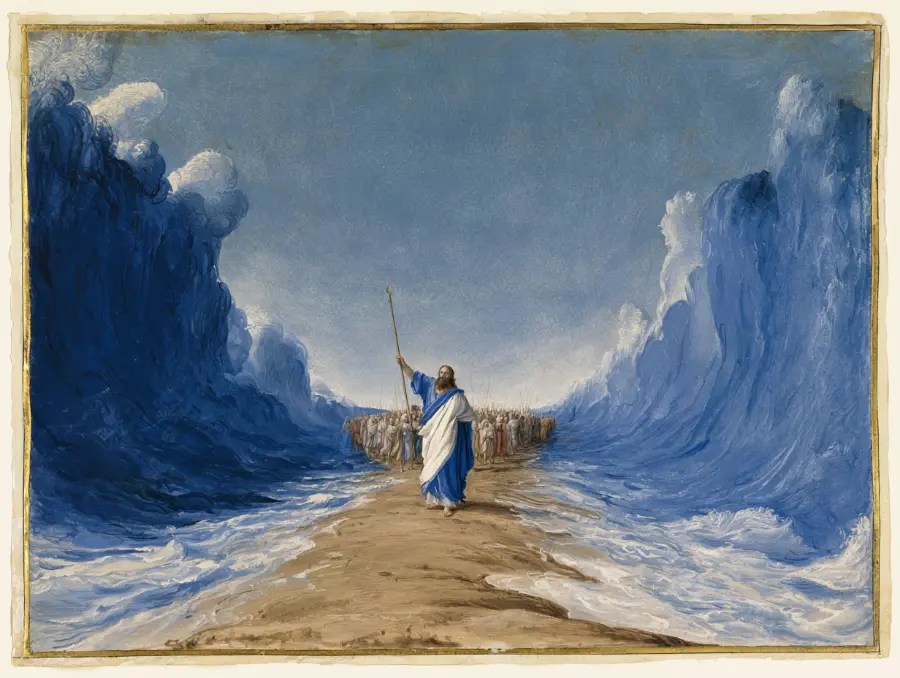
Who did Jesus say would enter the kingdom?
He said the kingdom belongs to the humble, and that entering it means becoming like a child. The first of the Beatitudes is “Blessed are the poor in spirit: for theirs is the kingdom of heaven” (Matthew 5:3). When his disciples asked, “Who is the greatest in the kingdom of heaven?” he stood a child among them and said, “Except ye be converted, and become as little children, ye shall not enter into the kingdom of heaven” (Matthew 18:3).
The Catechism of the Catholic Church gathers these sayings in one sentence, “The kingdom belongs to the poor and lowly, which means those who have accepted it with humble hearts,” and then adds, “Jesus invites sinners to the table of the kingdom.” As Luke 15 shows, not everyone was glad of that.

Which commandment did Jesus call the greatest?
He named two, love of God and love of neighbour. When a scribe asked him, “Which is the first commandment of all?” Jesus answered from the Torah, starting with the words of the Shema in Deuteronomy 6:4–5, the words every faithful Jew prayed each day:
The first of all the commandments is, Hear, O Israel; The Lord our God is one Lord: And thou shalt love the Lord thy God with all thy heart, and with all thy soul, and with all thy mind, and with all thy strength: this is the first commandment. And the second is like, namely this, Thou shalt love thy neighbour as thyself. There is none other commandment greater than these. (Mark 12:29–31)
The second comes from Leviticus 19:18, right after the words “Thou shalt not avenge, nor bear any grudge against the children of thy people.” The scribe agreed that loving God and neighbour “is more than all whole burnt offerings and sacrifices,” and Jesus told him, “Thou art not far from the kingdom of God” (Mark 12:33–34). So the kingdom was near again, at hand for that one man and only a step away.
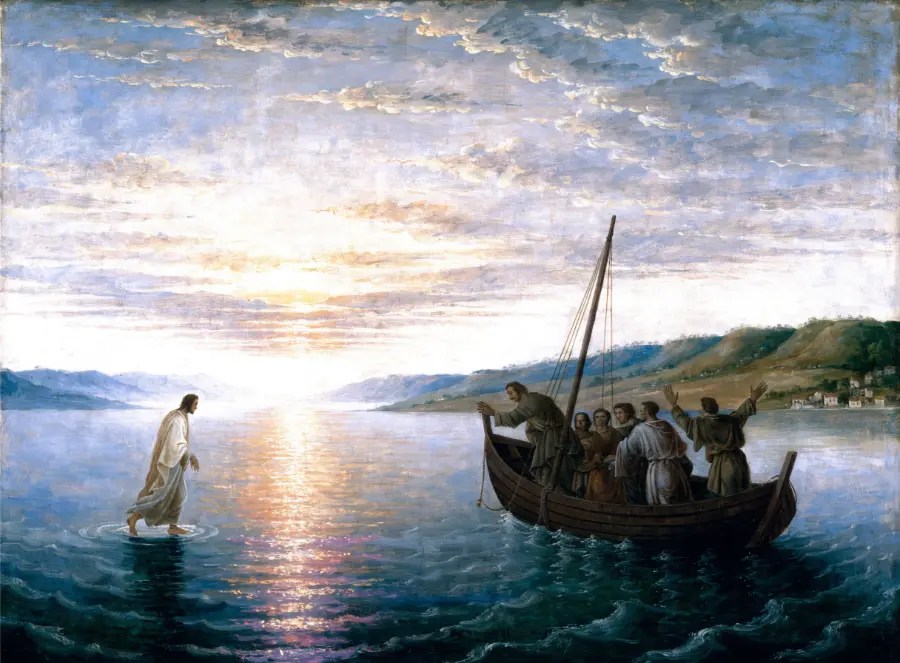
What did Jesus teach about sinners and forgiveness?
He taught that God goes looking for the lost and rejoices when they come home. Luke 15 opens with a grumble: “Then drew near unto him all the publicans and sinners for to hear him,” and the Pharisees and scribes murmured, “This man receiveth sinners, and eateth with them” (Luke 15:1–2). Jesus answered them with three stories about lost things, a sheep, a coin and a son.
The shepherd leaves the ninety-nine to go “after that which is lost, until he find it.” The woman lights a candle and sweeps the house. Each of them calls in the neighbours, “Rejoice with me,” and Jesus tells us what the stories mean: “joy shall be in heaven over one sinner that repenteth, more than over ninety and nine just persons, which need no repentance” (Luke 15:4–7). In the third story the younger son “arose, and came to his father,” and the father, seeing him “a great way off,” “had compassion, and ran, and fell on his neck, and kissed him.” The son confessed, “Father, I have sinned against heaven, and in thy sight,” and the father called for a feast, “For this my son was dead, and is alive again; he was lost, and is found” (Luke 15:20–24). That is repentance as the father sees it.
Later, in Jericho, at the house of Zacchaeus, a rich man and “chief among the publicans,” Jesus put his whole work in one sentence: “For the Son of man is come to seek and to save that which was lost” (Luke 19:10). He asked the same mercy of those who follow him. The prayer he taught includes “forgive us our debts, as we forgive our debtors” (Matthew 6:12), and when Peter asked whether seven times was enough, he answered, “I say not unto thee, Until seven times: but, Until seventy times seven” (Matthew 18:22).
Did Jesus preach about his own death?
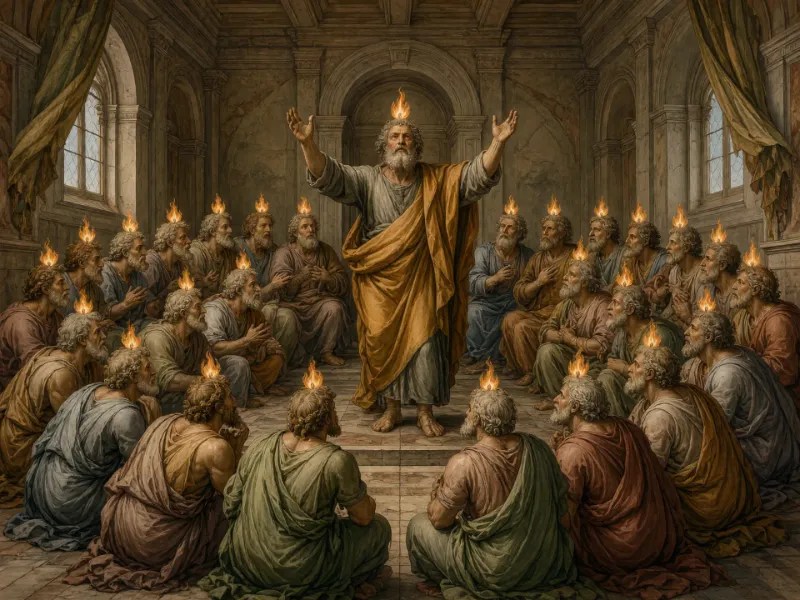
He did, and Peter fought against it. After Peter confessed him as the Christ, Jesus “began to teach them, that the Son of man must suffer many things, and be rejected of the elders, and of the chief priests, and scribes, and be killed, and after three days rise again.” Peter “began to rebuke him,” and Jesus rebuked Peter in turn: “thou savourest not the things that be of God, but the things that be of men” (Mark 8:31–33). It was hard to hear then, and it is hard for us still, that the kingdom would come through the death of its king.
When James and John asked for places of honour, he told the disciples that “whosoever will be great among you, shall be your minister” (Mark 10:43), and then he gave them the reason for his death: “For even the Son of man came not to be ministered unto, but to minister, and to give his life a ransom for many” (Mark 10:45). The Catechism puts it plainly, “The supreme proof of his love will be the sacrifice of his own life,” and “the kingdom of God will be definitively established through Christ’s cross.”

How did Jesus show his message in what he did?
He pointed to his works. When John the Baptist sent two disciples from prison to ask, “Art thou he that should come, or do we look for another?” Jesus gave them no title, but told them to go back and report what they saw: “The blind receive their sight, and the lame walk, the lepers are cleansed, and the deaf hear, the dead are raised up, and the poor have the gospel preached to them” (Matthew 11:3–5). The list echoes the Isaiah passage he had read at Nazareth, and it ends where that reading began, with good news for the poor.
People noticed how he spoke as well, for at the end of the Sermon on the Mount “the people were astonished at his doctrine: For he taught them as one having authority, and not as the scribes” (Matthew 7:28–29).
Is Jesus’ message the same as the gospel message?
Christians hold that it is one message. Jesus preached the kingdom of God, and after his death and resurrection the apostles preached Jesus himself, as the one through whom the kingdom came. Paul sums up what he had “received” and passed on: “that Christ died for our sins according to the scriptures; And that he was buried, and that he rose again the third day according to the scriptures” (1 Corinthians 15:3–4). He calls this “the gospel which I preached unto you” (1 Corinthians 15:1), and it is what Christians usually mean by the gospel message.
When the apostles began to preach about Jesus, they kept his own theme. Philip in Samaria “preached Christ unto them” (Acts 8:5), and Acts sums up his preaching as “the things concerning the kingdom of God, and the name of Jesus Christ” (Acts 8:12). The last verse of Acts leaves Paul under guard in Rome, still “Preaching the kingdom of God, and teaching those things which concern the Lord Jesus Christ” (Acts 28:31). Later the church gathered this preaching into creeds. The Catechism calls the Apostles’ Creed “a faithful summary of the apostles’ faith,” and says the Nicene Creed, from the councils of 325 and 381, “remains common to all the great Churches of both East and West to this day.” If you want to follow that road from the kingdom Jesus announced to why Christians say the creed, the free course Christianity: What Christians Have Believed for 2,000 Years walks it in eighteen short lessons.

Do all Christians understand the kingdom the same way?
All Christians agree that Jesus announced God’s reign, but they differ on how that kingdom is present now and what its full coming will look like, and each tradition says it in its own words.
- Catholic. The Catechism teaches that “Christ inaugurated the kingdom of heaven on earth,” and calls the Church “on earth the seed and beginning” of that kingdom.
- Orthodox. The Divine Liturgy opens with the words “Blessed is the Kingdom of the Father and of the Son and of the Holy Spirit, now and ever and unto ages of ages.” The Orthodox Church in America explains that the kingdom is “mystically reigning already in the faithful disciples of Christ by the presence and power of the Holy Spirit.”
- Reformed and Presbyterian. The Westminster Confession says the visible church “is the kingdom of the Lord Jesus Christ, the house and family of God.”
- Dispensational evangelicals. The doctrinal statement of Dallas Theological Seminary looks for “the future dispensation of the millennial kingdom,” and teaches that Christ, returning to the earth, “will thus introduce the millennial age.”
Jesus’ first hearers were already carrying this hope in their prayers before there was any church; as the Jewish Encyclopedia notes, “the ancient liturgy culminates in the prayer that ‘God may establish His Kingdom speedily’.” Christians in every one of these traditions still ask for it, near as it is and not yet here in full, in the words Jesus gave them: “Thy kingdom come.”



Leave a Reply