
 Arabic
 English
 Chinese
 Dutch
 Spanish
 Portuguese
 Russian
 French
 Italian
 German
 Japanese
Where the churches’ words differ
How it begins
- Our Father, who art in heavenCatholics, Orthodox, Anglicans, Lutherans, Methodists and Presbyterians, in the traditional wording
- أبانا الذي في السماواتThe King James Bible and the 1662 Book of Common Prayer
- Our Father in heavenThe modern wording the churches agreed in 1975 and revised in 1988, in the Episcopal Prayer Book, the ELCA’s worship book and the United Methodist Hymnal
What we ask God to forgive
- forgive us our trespasses, as we forgive those who trespass against usCatholics, Orthodox, Anglicans, Lutherans and Methodists
- forgive us our debts, as we forgive our debtorsPresbyterian and Reformed churches, from Matthew 6:12
- forgive us our sins as we forgive those who sin against usThe modern wording, closer to Luke 11:4
التجربة
- lead us not into temptationEvery traditional wording, and the Church of England’s modern one
- save us from the time of trialThe modern wording of 1975 and 1988
Evil
- نجنا من الشريرNearly every English wording in use, the Orthodox Church in America’s included
- deliver us from the Evil OneHapgood’s Orthodox service book of 1906
The ending
- Amen, with no closing praiseCatholics outside Mass, and Luther’s Small Catechism
- For the kingdom, the power and the glory are yours now and for ever.Catholics at Mass, after the priest’s prayer for peace
- لأن لك الملك والقوة والمجد إلى الأبد. آمين.Anglicans and Lutherans; Methodists and Presbyterians end “forever”
- For thine is the kingdom … of the Father, and of the Son, and of the Holy Spirit, now, and ever, and unto ages of ages.The Orthodox priest, alone
When each church prays it
- الكاثوليك
At every Mass the whole congregation stands to say or sing the Our Father just before Communion. The priest then prays alone that we be delivered from every evil and kept in peace, and the people answer with the closing praise.
The Church asks for it at Morning and Evening Prayer as well, so that with the Mass it is prayed solemnly three times a day, as the first Christians prayed it three times a day. In the Rosary an Our Father opens each decade of ten Hail Marys.
- الأرثوذكس
At the Divine Liturgy the priest asks that we may call on God as our Father “boldly and without condemnation,” and the people say or sing the prayer before Communion. The priest then sings the closing praise alone.
In the daily services, and in the prayers Orthodox Christians say at home, it follows the Trisagion, “Holy God, Holy Mighty, Holy Immortal, have mercy on us,” sung three times.
- Anglicans
The Church of England says the prayer has a place in every Anglican act of worship. In the 1662 Prayer Book it comes twice in Morning Prayer, with the people kneeling and saying it aloud with the minister, the first time with the closing praise and the second without. At the Holy Communion in the American Prayer Book of 1979, priest and people say it together after the great prayer of thanksgiving.
- اللوثريون
In Germany’s Lutheran churches a bell rings while the congregation prays it, in every service, so that anyone who hears the bell and cannot be there can pray along.
Luther’s Small Catechism teaches it petition by petition, and asks Christians to say it with the Creed each morning and evening, kneeling or standing, and again before meals.
- Methodists, Presbyterians and Baptists
Methodists use it widely in Sunday worship and as part of the Lord’s Supper, and Presbyterians pray it with “debts.” Baptist churches have no prayers set for them by any denomination, so whether the Lord’s Prayer is said on a Sunday is up to each congregation.
Churches that don’t pray it as a set prayer
Almost every church says these words aloud, but a few read Jesus’ “After this manner therefore pray ye” as a pattern for our own prayers rather than words to repeat. The Church of Jesus Christ of Latter-day Saints teaches that the prayer “serves as a pattern to follow and not as a piece to memorize and recite repetitively,” since Jesus gave it straight after warning against vain repetitions. Jehovah’s Witnesses call it a model prayer that is “not to be recited word for word,” and point out that Luke gives it in other words than Matthew.
Quakers who worship in silence keep no set order of service, so no fixed prayer is said in their meetings, though some Quakers do pray words from the Bible. And a small number of Bible teachers who divide Scripture into dispensations, among them the Berean Bible Society, hold that Jesus gave the prayer to his disciples for Israel’s kingdom and the Tribulation, so they do not pray it today.
Many Churches of Christ leave it out of their services for another reason. They teach that the kingdom came at Pentecost, so “Thy kingdom come” has already been answered. Not every congregation agrees, and some pray it.
Where the Lord’s Prayer comes from
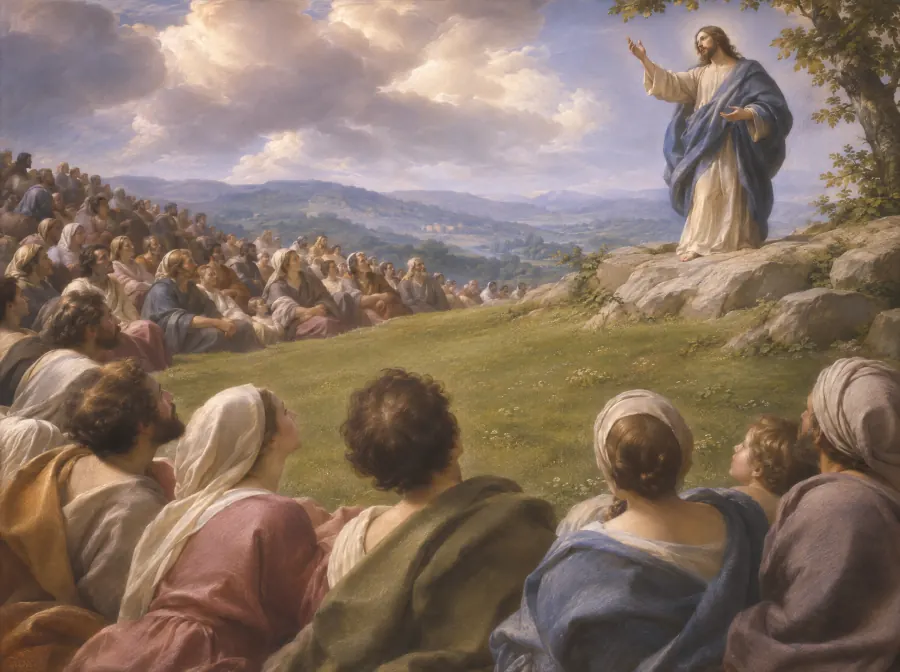
Jesus gave this prayer twice. In Matthew it stands in the middle of the Sermon on the Mount, straight after he warns against vain repetitions: “After this manner therefore pray ye” (Matthew 6:9). In Luke one of the disciples asks, “Lord, teach us to pray, as John also taught his disciples,” and Jesus answers with a shorter prayer of five petitions (Luke 11:1–4). The churches have always prayed Matthew’s longer form, with its seven.
Even a single word of it keeps its mystery. The word we translate “daily,” epiousios, appears nowhere else in the New Testament, and the Catechism gives three ways the Church has heard it: bread for this day, the bread we need, and the Bread of Life himself.
The closing praise is nearly as old as the Gospels. The Didache, a handbook for Christians usually dated to around the year 100, ends the prayer “for Thine is the power and the glory for ever and ever” and tells believers to pray it three times a day. Its words echo King David’s prayer, “Thine, O LORD, is the greatness, and the power, and the glory” (1 Chronicles 29:11). The oldest Greek copies of Matthew do not have it, and neither did Jerome’s Latin Bible, which is why Catholics end the prayer at “deliver us from evil.”
Tertullian of Carthage wrote the earliest known commentary on the prayer, and he called it “an epitome of the whole Gospel.”
How the English words took shape
- 1526William Tyndale’s New Testament asks God to “forgeve vs oure treaspases.”
- 1549The first Book of Common Prayer makes “trespasses” the word of English worship.
- 1611The King James Bible goes back to “debts,” the word in the Greek, and prints the closing praise.
- 1906Isabel Hapgood publishes the Orthodox liturgy in English, with “deliver us from the Evil One.”
- 1970The Roman Mass takes up the closing praise, said by the people after the priest’s prayer.
- 1975The churches agree a modern English wording, “Our Father in heaven,” revised in 1988.
Why the Catholic prayer stops at “deliver us from evil”
تتوقف الصيغة الكاثوليكية لصلاة الرب عند "نجنا من الشرير"، دون أي تسبيح ختامي. في القداس، يضيف الكاهن صلاة، ثم يقول الجميع: "لأن لك الملك والقوة والمجد". لم يحتوِ الكتاب المقدس اللاتيني على هذه العبارة قط، وقد تبناها القداس الروماني في عام 1970، وتفتقر إليها أقدم النسخ اليونانية لإنجيل متى.
The Lord’s Prayer and the Our Father are two names for the same prayer, and the Catechism uses both. The familiar English forms differ mainly in two places: the word for what is forgiven, and the ending. Choose Side by side at the top of this page to see them line against line.
من أين جاءت عبارة "لأن لك الملك"؟
إنها تأتي من عبادة الكنيسة المبكرة، وليس من أقدم نص للإنجيل. يوضح الأب لورانس فارلي، وهو كاهن أرثوذكسي يكتب للكنيسة الأرثوذكسية في أمريكا، الأدلة بوضوح: "المخطوطات المبكرة السينائية والفاتيكانية تفتقر إلى أي تسبيحة، وكذلك الاقتباسات في كتابات ترتليان، وأوريجانوس، وكبريانوس، وغريغوريوس النيصي". توصلت الموسوعة الكتابية القياسية الدولية، وهي عمل مرجعي للكتاب المقدس حرره جيمس أور عام 1915، إلى نفس الحكم: التسبيحة "غير موجودة في المخطوطات الرائدة وتعتبر عموماً إضافة طقسية قديمة".
هذه الإضافة قديمة. يقدم كتاب الديداخي، وهو كتيب مسيحي مبكر يعود تاريخه عادة إلى حوالي عام 100، الصلاة الربانية وينهيها بعبارة "لأن لك القوة والمجد إلى أبد الآبدين"، ثم يضيف: "صلوا هكذا ثلاث مرات في اليوم". نهايتها لا تحتوي على "الملك". يقتبس تعليم الكنيسة الكاثوليكية نفس السطر ويقول إنه "في وقت مبكر جداً، اختتم الاستخدام الطقسي الصلاة الربانية بتسبيحة"؛ وأضافت الدساتير الرسولية اللاحقة "الملك" (2760). يسرد فارلي العديد من النهايات الأخرى الموجودة في المخطوطات، من "لأن لك القوة إلى أبد الآبدين" إلى واحدة تذكر الآب والابن والروح القدس.
تردد الكلمات صدى صلاة الملك داود في 1 أخبار الأيام 29: 11: "لك يا رب العظمة والجبروت والجلال... لك الملك يا رب". تشير جمعية الكتاب المقدس الألمانية إلى أن التسبيحة الختامية صيغت بناءً على ذلك النص.
لماذا توجد في نسخة الملك جيمس للكتاب المقدس وليس في الأناجيل الكاثوليكية؟
تُرجمت عائلتا الكتاب المقدس من نصوص مختلفة. تتبع نسخة الملك جيمس النص المستلم (Textus Receptus)، وهو العهد الجديد اليوناني المطبوع الذي جمعه إيراسموس من المخطوطات التي تمكن من الوصول إليها. يكتب الأب تشارلز غروندين من منظمة "Catholic Answers": "مخطوطتان (السينائية والفاتيكانية) أقدم من تلك الموجودة في النص المستلم لا تحتويان على الآية المعنية". يحتوي عهد ويليام تيندال الجديد، وهو أول عهد جديد طُبع باللغة الإنجليزية (ورمس، 1526، مراجعة 1534)، على عبارة "لأن لك الملك" في متى 6: 13 في نص عام 1534، وكذلك نسخة الملك جيمس.
جاءت الأناجيل الكاثوليكية من اللاتينية. تُرجمت نسخة دواي-ريمز من الفولجاتا اللاتينية، وكما يشير غروندين، "فإن فولجاتا القديس جيروم اللاتينية لم تتضمنها". لم تعد الأناجيل الكاثوليكية الحديثة تعتمد على الفولجاتا، لكنها تحذفها أيضاً، لأن أقدم المخطوطات تفتقر إليها. وللسبب نفسه، تشير الموسوعة إلى أن النسخة المنقحة (البريطانية والأمريكية) تحذفها. الـ الأناجيل الكاثوليكية والبروتستانتية تختلف بطرق أخرى، بدءاً من عدد الأسفار.
كيف يختلف إنجيل متى عن إنجيل لوقا؟
تظهر الصلاة مرتين في الأناجيل. يقول التعليم المسيحي: "يقدم القديس لوقا نصاً موجزاً من خمسة التماسات، بينما يقدم القديس متى نسخة أكثر تفصيلاً من سبعة التماسات"، و"لقد احتفظ التقليد الليتورجي للكنيسة بنص القديس متى" (2759). تُظهر ترجمة دواي-ريمز، المترجمة عن اللاتينية، صيغة لوقا الأقصر؛ بينما تقدم نسخة الملك جيمس، المترجمة عن نسخ يونانية لاحقة، نصاً للوقا أقرب إلى نص متى. لمعرفة معنى كل سطر من نص متى، اقرأ متى 6: 9-13 سطراً بسطر.
| الخط | متى 6: 9-13 (دواي-ريمز) | لوقا 11: 2-4 (دواي-ريمز) | لوقا 11: 2-4 (الملك جيمس) |
|---|---|---|---|
| نوان | أبانا الذي في السماوات، | Father, | أبانا الذي في السماوات، |
| سمك | ليتقدس اسمك. | ليتقدس اسمك. | ليتقدس اسمك. |
| Kingdom | ليأتِ ملكوتك. | ليأتِ ملكوتك. | ليأتِ ملكوتك. |
| سيخلصهم | لتكن مشيئتك كما في السماء كذلك على الأرض. | غير موجود في هذا النص | لتكن مشيئتك كما في السماء كذلك على الأرض. |
| الخبز | خبزنا الجوهري أعطنا اليوم. | خبزنا كفافنا أعطنا اليوم. | خبزنا كفافنا أعطنا اليوم. |
| الغفران | واغفر لنا ذنوبنا كما نغفر نحن أيضاً للمذنبين إلينا. | واغفر لنا خطايانا، لأننا نحن أيضاً نغفر لكل من هو مدين لنا. | واغفر لنا خطايانا؛ لأننا نحن أيضاً نغفر لكل من هو مدين لنا. |
| التجربة | ولا تدخلنا في تجربة. | ولا تدخلنا في تجربة. | ولا تدخلنا في تجربة؛ |
| Evil | لكن نجنا من الشرير. آمين. | غير موجود في هذا النص | لكن نجنا من الشرير. |
لا يحتوي أي من الإنجيلين على التمجيد في نسخة دواي-ريمز، بينما تحتوي نسخة الملك جيمس عليه في إنجيل متى فقط.
تُترجم كلمة "فوق الجوهرية" في متى و"اليومي" في لوقا إلى نفس الكلمة اليونانية، ولا أحد يعرف على وجه اليقين ما تعنيه. يمكنك النقر على كل كلمة من كلمات الصلاة لرؤية الكلمة اليونانية التي تقابلها.

هل يصلي الكاثوليك التمجيد (الدكسولوجيا)؟
نعم، في القداس، وإن كان ذلك منذ عام 1970 فقط. بعد أن يتلو الشعب والكاهن الصلاة الربانية معاً، "يضيف الكاهن وحده التكملة (embolism)، التي يختتمها الشعب بالتمجيد"، وفقاً للتعليمات العامة للقداس الروماني (81). التكملة هي صلاة قصيرة، بكلمات التعليمات، "تطلب النجاة من قوة الشرير لجماعة المؤمنين بأكملها". ثم يجيب الشعب، باللغة الإنجليزية المستخدمة في الولايات المتحدة منذ عام 2011: "لأن لك الملك والقوة والمجد إلى الأبد".
لم يتضمن القداس الروماني ذلك دائماً. الأب ويليام سوندرز، في مسحه للأدلة اللاتينية للصلاة الربانية في القداس من جيروم إلى غريغوري الكبير، يستنتج أن "أياً من هذه الأدلة لا يتضمن التمجيد". يكتب مايكل شاكلتون من صحيفة ذا ساوثرن كروس، وهي أسبوعية كاثوليكية في جنوب إفريقيا، أنه "أعيد إدخاله في عام 1970 عندما حل النظام الجديد للقداس محل القديم". لا يزال القداس يميزه عن كلمات الإنجيل، ويسميه التعليم المسيحي "التمجيد من الدساتير الرسولية" (2760). ويقول أيضاً إن هذه الكلمات تتناول الطلبات الثلاث الأولى مرة أخرى، "التي تُعلن الآن كعبادة وشكر" (2855). يطبع التعليم المسيحي ومختصره الصلاة نفسها منتهية عند "لكن نجنا من الشرير".
كيف يختتم المسيحيون الأرثوذكس الصلاة؟
In the Orthodox Liturgy the people say the petitions and the priest answers with the ending. “After the people say the petitions of the ‘Lord’s prayer,’ the priest responds,” writes Fr. Alexis Trader, with “For Thine is the Kingdom and the Power and the Glory of the Father and of the Son and of the Holy Spirit now and ever and unto the ages of ages.” The Catechism records the same Byzantine practice: it “adds after ‘the glory’ the words ‘Father, Son, and Holy Spirit’” (2760). Farley writes that his church “uses the fullest version possible.”
لماذا يقول البعض "الزلات" والبعض الآخر "الديون"؟
يقول إنجيل متى "ديوننا" ويقول إنجيل لوقا "خطايانا"، في كل من نسخة الملك جيمس ونسخة دواي-ريمز. تشرح الملاحظات الكاثوليكية في الكتاب المقدس الأمريكي الجديد الصورة: "تُستخدم كلمة ديون مجازياً للإشارة إلى الخطايا، وهي 'ديون' مستحقة لله". يحتوي كتاب الديداخي، في ترجمة لايتفوت، على صيغة المفرد: "اغفر لنا ديننا".
تظهر كلمة "زلاتنا" (trespasses) في الآيات التي تلي الصلاة مباشرة، حيث يقول يسوع: "فإنه إن غفرتم للناس زلاتهم، يغفر لكم أيضاً أبوكم السماوي" (متى 6: 14، نسخة الملك جيمس). استخدم تينديل الكلمة في الصلاة نفسها: مراجعة عام 1534 لعهد الجديد الخاص به تقرأ "اغفر لنا زلاتنا". يستخدم كتاب الصلاة المشتركة والقداس الكاثوليكي باللغة الإنجليزية كلمة "زلاتنا". تقول الكنائس المشيخية والإصلاحية "ديوننا"، متبعة التعليم المسيحي القصير لوستمنستر لعام 1647، الذي يعلم الطلبة كـ "واغفر لنا ديوننا كما نغفر نحن أيضاً للمذنبين إلينا".
هل يصلي البروتستانت صلاة الرب بنفس الطريقة؟
إنهم يصلونها، وتختلف نصوصهم القياسية في الخاتمة. يسمي التعليم المسيحي القصير لوستمنستر الصلاة الربانية "قاعدة التوجيه الخاصة" للصلاة ويعامل الخاتمة كجزء منها: "خاتمة الصلاة الربانية، وهي: لأن لك الملك والقوة والمجد إلى الأبد". يستخدم كتاب الصلاة المشتركة لعام 1928 كلتا الخاتمتين في خدمة واحدة: الصلاة الربانية للكاهن في بداية القربان المقدس تتوقف عند "لكن نجنا من الشرير"، وتلك التي تُقال لاحقاً في الخدمة، والتي يتم تقديمها بـ "نحن نتجرأ ونقول"، تحمل التمجيد. تم توضيح الاختلافات الأخرى بين التقليدين في المعتقدات والعبادة البروتستانتية مقابل الكاثوليكية.
تختلف النصوص اللوثرية بنفس الطريقة. تقدم ترجمة تريغلوت كونكورديا الإنجليزية للتعليم المسيحي الصغير للوثر (1529) الصلاة بدون التمجيد. النص الألماني الحديث الذي نشره الموقع البروتستانتي evangelisch.de يطبعه تحت عنوان "Der Beschluss" (الخاتمة): "Denn dein ist das Reich und die Kraft und die Herrlichkeit in Ewigkeit". حيث يختلف اللوثريون والكاثوليك بشكل أعمق موضح في مقارنة بين اللوثرية والكاثوليكية.
هل يصلي الكاثوليك والبروتستانت الألمان صلاة الأبانا (Vaterunser) بنفس الصيغة؟
نعم. تطبع جمعية الكتاب المقدس الألمانية النسخة المسكونية التي تصفها بأنها المستخدمة في العبادة اليوم، والتي تبدأ بـ "Vater unser im Himmel, geheiligt werde dein Name" وتنتهي بالتمجيد، "Denn dein ist das Reich und die Kraft und die Herrlichkeit in Ewigkeit". كما تشير إلى أن المخطوطات اللاحقة لمتى ولوقا تضيف التسبيح الختامي.
الكاثوليك الألمان، مثل الكاثوليك في كل مكان في الطقس الروماني، يتلون التمجيد في القداس فقط بعد صلاة الكاهن، كما توجه التعليمات العامة للقداس الروماني.
Print the prayer, or send it to someone
الصلاة الربانية
أبانا الذي في السماوات، ليتقدس اسمك؛ ليأتِ ملكوتك، لتكن مشيئتك كما في السماء كذلك على الأرض. Give us this day our daily bread, and forgive us our trespasses, as we forgive those who trespass against us; ولا تدخلنا في تجربة، لكن نجنا من الشرير. آمين.
Matthew 6:9–13, as Catholics pray it
Our Father, who art in heaven. ليتقدس اسمك. ليأتِ ملكوتك. Thy will be done on earth. As it is in heaven. خبزنا كفافنا أعطنا اليوم. واغفر لنا ذنوبنا كما نغفر نحن أيضاً للمذنبين إلينا. ولا تدخلنا في تجربة؛ But deliver us from the Evil One: For thine is the kingdom, and the power, and the glory, of the Father, and of the Son, and of the Holy Spirit, now, and ever, and unto ages of ages. Amen.
Matthew 6:9–13, from the Orthodox Divine Liturgy
أبانا الذي في السماوات، hallowed be thy Name, ليأتِ ملكوتك، thy will be done, on earth as it is in heaven. خبزنا كفافنا أعطنا اليوم. واغفر لنا ذنوبنا كما نغفر نحن أيضاً للمذنبين إلينا. ولا تدخلنا في تجربة، لكن نجنا من الشرير. لأن لك الملك والقوة والمجد إلى الأبد. آمين.
Matthew 6:9–13, Book of Common Prayer
Our Father who art in heaven. ليتقدس اسمك. ليأتِ ملكوتك. لتكن مشيئتك كما في السماء كذلك على الأرض. خبزنا كفافنا أعطنا اليوم. واغفر لنا ذنوبنا كما نغفر نحن أيضاً للمذنبين إلينا. ولا تدخلنا في تجربة. لكن نجنا من الشرير. آمين.
Matthew 6:9–13, Luther’s Small Catechism
أبانا الذي في السماوات، ليتقدس اسمك. ليأتِ ملكوتك، thy will be done, on earth as it is in heaven. خبزنا كفافنا أعطنا اليوم؛ and forgive us our debts, as we forgive our debtors; ولا تدخلنا في تجربة، لكن نجنا من الشرير. For thine is the kingdom and the power and the glory, forever. Amen.
Matthew 6:9–13, as Presbyterians pray it
أبانا الذي في السماوات، ليتقدس اسمك. ليأتِ ملكوتك، لتكن مشيئتك كما في السماء كذلك على الأرض. خبزنا كفافنا أعطنا اليوم. واغفر لنا ذنوبنا كما نغفر نحن أيضاً للمذنبين إلينا. ولا تدخلنا في تجربة، لكن نجنا من الشرير. For thine is the kingdom, and the power, and the glory, forever. Amen.
Matthew 6:9–13
أبانا الذي في السماوات، ليتقدس اسمك. ليأتِ ملكوتك، لتكن مشيئتك كما في السماء كذلك على الأرض. خبزنا كفافنا أعطنا اليوم. واغفر لنا ذنوبنا كما نغفر نحن أيضاً للمذنبين إلينا. ولا تدخلنا في تجربة، لكن نجنا من الشرير. For thine is the kingdom, and the power, and the glory, forever. Amen.
Matthew 6:9–13
أبانا الذي في السماوات، hallowed be your name, your kingdom come, your will be done on earth as it is in heaven. خبزنا كفافنا أعطنا اليوم. Forgive us our trespasses, as we forgive those who trespass against us. Lead us not into temptation, لكن نجنا من الشرير. For yours is the kingdom, and the power, and the glory, forever. Amen.
Matthew 6:9–13
أبانا الذي في السماوات، ليتقدس اسمك. ليأتِ ملكوتك. Thy will be done, on earth as it is in heaven. خبزنا كفافنا أعطنا اليوم؛ and forgive us our trespasses, as we forgive those who trespass against us; ولا تدخلنا في تجربة، but deliver us from the evil one. In Christ Jesus our Lord, for Thine is the kingdom and the power and the glory forever. Amen.
Matthew 6:9–13
أبانا الذي في السماوات، ليتقدس اسمك؛ ليأتِ ملكوتك، لتكن مشيئتك كما في السماء كذلك على الأرض. Give us this day our daily bread, and forgive us our trespasses, as we forgive those who trespass against us; ولا تدخلنا في تجربة، لكن نجنا من الشرير. For thine is the kingdom, and the power, and the glory, of the Father, and of the Son, and of the Holy Spirit, now, and ever, and unto ages of ages. Amen.
Matthew 6:9–13
أبانا الذي في السماوات، ليتقدس اسمك. ليأتِ ملكوتك. لتكن مشيئتك كما في السماء كذلك على الأرض. خبزنا كفافنا أعطنا اليوم. واغفر لنا ديوننا كما نغفر نحن أيضاً لمديونينا. ولا تدخلنا في تجربة، لكن نجنا من الشرير: لأن لك الملك والقوة والمجد إلى الأبد. آمين.
Matthew 6:9–13
أبانا الذي في السماوات، ليتقدس اسمك. ليأتِ ملكوتك. لتكن مشيئتك كما في السماء كذلك على الأرض. خبزنا كفافنا أعطنا اليوم. واغفر لنا ديوننا كما نغفر نحن أيضاً لمديونينا. ولا تدخلنا في تجربة، لكن نجنا من الشرير: لأن لك الملك والقوة والمجد إلى الأبد. آمين.
Matthew 6:9–13
أبانا الذي في السماوات، ليتقدس اسمك. ليأتِ ملكوتك. لتكن مشيئتك كما في السماء كذلك على الأرض. خبزنا كفافنا أعطنا اليوم. واغفر لنا ديوننا كما نغفر نحن أيضاً لمديونينا. ولا تدخلنا في تجربة، لكن نجنا من الشرير: لأن لك الملك والقوة والمجد إلى الأبد. آمين.
Matthew 6:9–13
أبانا الذي في السماوات، Our Father-Mother God, all-harmonious, ليتقدس اسمك. Adorable One. ليأتِ ملكوتك. Thy kingdom is come; Thou art ever-present. لتكن مشيئتك كما في السماء كذلك على الأرض. Enable us to know, — as in heaven, so on earth, — God is omnipotent, supreme. خبزنا كفافنا أعطنا اليوم؛ Give us grace for to-day; feed the famished affections; واغفر لنا ديوننا كما نغفر نحن أيضاً لمديونينا. And Love is reflected in love; ولا تدخلنا في تجربة، but deliver us from evil; And God leadeth us not into temptation, but delivereth us from sin, disease, and death. For Thine is the kingdom, and the power, and the glory, forever. For God is infinite, all-power, all Life, Truth, Love, over all, and All.
Matthew 6:9–13
Our Father in heaven, hallowed be your name, your kingdom come, your will be done, on earth as in heaven. خبزنا كفافنا أعطنا اليوم. Forgive us our sins as we forgive those who sin against us. Save us from the time of trial and deliver us from evil. For the kingdom, the power, and the glory are yours now and for ever. Amen.
Matthew 6:9–13
أبانا الذي في السماوات، hallowed be thy Name, ليأتِ ملكوتك، thy will be done, on earth as it is in heaven. خبزنا كفافنا أعطنا اليوم. واغفر لنا ذنوبنا كما نغفر نحن أيضاً للمذنبين إلينا. ولا تدخلنا في تجربة، لكن نجنا من الشرير. لأن لك الملك والقوة والمجد إلى الأبد. آمين.
Matthew 6:9–13
أبانا الذي في السماوات، hallowed be thy Name, ليأتِ ملكوتك، thy will be done, on earth as it is in heaven. خبزنا كفافنا أعطنا اليوم. واغفر لنا ذنوبنا كما نغفر نحن أيضاً للمذنبين إلينا. ولا تدخلنا في تجربة، لكن نجنا من الشرير. لأن لك الملك والقوة والمجد إلى الأبد. آمين.
Matthew 6:9–13
أبانا الذي في السماوات، hallowed be thy Name, ليأتِ ملكوتك، thy will be done, on earth as it is in heaven. خبزنا كفافنا أعطنا اليوم. واغفر لنا ذنوبنا كما نغفر نحن أيضاً للمذنبين إلينا. ولا تدخلنا في تجربة، لكن نجنا من الشرير. لأن لك الملك والقوة والمجد إلى الأبد. آمين.
Matthew 6:9–13
أبانا الذي في السماوات، ليتقدس اسمك. ليأتِ ملكوتك. لتكن مشيئتك كما في السماء كذلك على الأرض. خبزنا كفافنا أعطنا اليوم. واغفر لنا ديوننا كما نغفر نحن أيضاً لمديونينا. ولا تدخلنا في تجربة، لكن نجنا من الشرير: لأن لك الملك والقوة والمجد إلى الأبد. آمين.
Matthew 6:9–13
christianpure.com
Sources: Matthew 6 and Luke 11 in the King James Bible; the Didache, chapter 8; Tertullian, عن الصلاة, chapter 1; the Catechism of the Catholic Church, 2759–2767 and 2837; the General Instruction of the Roman Missal, 43 and 81; the General Instruction of the Liturgy of the Hours, 195; John Paul II, مسبحة العذراء مريم, 32; the Book of Common Prayer of 1549, 1662 and 1979; Isabel Hapgood’s كتاب الخدمة (1906); Luther’s Small Catechism in the تريغلوت كونكورديا (1921); the Evangelical Church in Germany; the Church of England; the Church of Jesus Christ of Latter-day Saints; jw.org; Philadelphia Yearly Meeting; the Berean Bible Society; La Vista Church of Christ and Jay Guin, One In Jesus. English translation of The Lord’s Prayer © 1998 English Language Liturgical Consultation (ELLC), and used by permission. http://www.englishtexts.org
قراءة ذات صلة
- متى 6: 9-13: ماذا تعني الصلاة الربانية، سطراً بسطر
- الأرثوذكسية مقابل الكاثوليكية: كيف تختلف الكنيستان
- الأنجليكانية مقابل الكاثوليكية: لماذا لا تُعد كنيسة إنجلترا كنيسة رومانية كاثوليكية
- المشيخية مقابل الكاثوليكية: كل اختلاف حقيقي
- نسخة الملك جيمس مقابل الكتاب المقدس الكاثوليكي
- كيف تصلي المسبحة الكاثوليكية؟


اترك تعليقاً