
 German
 English
 Chinese
 Dutch
 Arabic
 Spanish
 Portuguese
 Russian
 French
 Italian
 Japanese
Katholiken, orthodoxe Christen und koptisch-orthodoxe Christen bitten die Heiligen im Himmel um Fürbitte, ähnlich wie sie einen Freund in der Kirchenbank nebenan bitten würden, und alle drei betonen, dass die Bitte um Gebete nicht die Anbetung ist, die Gott allein gebührt. Lutheraner, Methodisten, Presbyterianer, Baptisten und die meisten anderen Protestanten bitten nicht darum, weil ihre Bekenntnisse lehren, dass wir allein zu Gott durch Christus allein beten, und sie ehren die Heiligen stattdessen als Glaubensvorbilder. Auch die Artikel der Church of England lehnen die Anrufung von Heiligen ab, obwohl einige Anglikaner in ihrer privaten Andacht weiterhin um deren Fürbitte bitten. Die Kirche Jesu Christi der Heiligen der Letzten Tage und Zeugen Jehovas beten ebenfalls nur zu Gott und zu niemand anderem.
Einander um Gebet zu bitten, ist etwas, das die Bibel jedem von uns nahelegt. Paulus bat die Christen in Rom, „mit mir zu kämpfen in den Gebeten für mich zu Gott“ (Römer 15,30), und Jakobus fordert uns auf, „für einander zu beten“, denn „das Gebet eines Gerechten vermag viel, wenn es ernstlich ist“ (Jakobus 5,16). Was die Kirchen spaltet, ist die Frage, ob dieser Gebetskreis unterbrochen wird, wenn ein Christ stirbt. Der Hebräerbrief sagt, dass wir „von einer solchen Wolke von Zeugen umgeben“ sind (Hebräer 12,1), und die Kirchen interpretieren diese Wolke auf zwei Arten: als Freunde, die immer noch für uns beten, oder als Vorbilder, die uns gezeigt haben, wie man den Lauf vollendet.
| Kirche | Heilige um Fürbitte bitten? | In seinen eigenen Worten |
|---|---|---|
| Katholisch | Ja | Die Heiligen, „deren Fürbitte sie erbittet“ (Katechismus) |
| Orthodox | Ja, nicht als Gott | „Unsere Helfer, Fürbitter und Mitmitglieder der Kirche“ |
| Koptisch-orthodox | Ja | „Wir bitten nur um ihre Gebete und ihren Beistand“ |
| Lutherisch | Nein; Heilige werden als Vorbilder geehrt | „Die Schrift lehrt nicht die Anrufung von Heiligen“ |
| Anglikanisch und Episkopal | Nein in den Artikeln; einige Anglikaner bitten darum | Die Artikel: Anrufung von Heiligen „eine törichte, eitel erfundene Sache“ |
| Methodistisch | Nein | Anrufung von Heiligen „auf keinem Zeugnis der Schrift gegründet“ |
| Presbyterianisch und Reformiert | Nein | Westminster-Bekenntnis: Anbetung „ihm allein; nicht Engeln, Heiligen“ |
| Vereinigte Kirche Christi | Nein, in seinem Erbe, dem Heidelberger Katechismus | Ablehnung des „Gebets zu Heiligen oder anderen Geschöpfen“ |
| Baptistisch | Nein (1689er Bekenntnis) | „Noch durch die Vermittlung eines anderen als allein Christi“ |
| Church of Christ | Nein | Der Vater „der Einzige, an den Gebete gerichtet werden dürfen“ |
| Quäker (Evangelical Friends) | Heilige nicht genannt; der Vater wird durch Christus angerufen | „Ohne die Notwendigkeit irgendeiner niederen Vermittlungsinstanz“ |
| Nazarener, Mennoniten, Amische, Heilsarmee | Keine Aussage zu Heiligen | Christus als einziger Fürbitter; Nazarener: Er ist „für uns in der Fürbitte tätig“ |
| Überkonfessionell und evangelikal | Keine gemeinsame Erklärung | Lausanner Verpflichtung: Christus „der einzige Mittler zwischen Gott und den Menschen“ |
| Jünger Christi | Keine Aussage | Keine zum Gebet zu Heiligen |
| Oneness-Pfingstler | Keine Aussage zu Heiligen | „Wir nähern uns Gott direkt und vertrauensvoll im Gebet“ |
| Pfingstlerisch (Assemblies of God) | Keine Aussage gefunden | Keine in ihren Erklärungen |
| Siebenten-Tags-Adventisten | Nicht thematisiert | Tod „ein unbewusster Zustand für alle Menschen“ |
| Heilige der Letzten Tage | Nein | „Wir sollten zu Ihm beten und zu niemand anderem“ |
| Jehovas Zeugen | Nein | „Bete nur zu Gott, in Jesu Namen“ |
Unser kostenloses Tool, Christliche Konfessionen vergleichen, stellt jeweils zwei von 23 Kirchen einander gegenüber bezüglich des Gebets zu Heiligen und 54 weiteren Fragen.
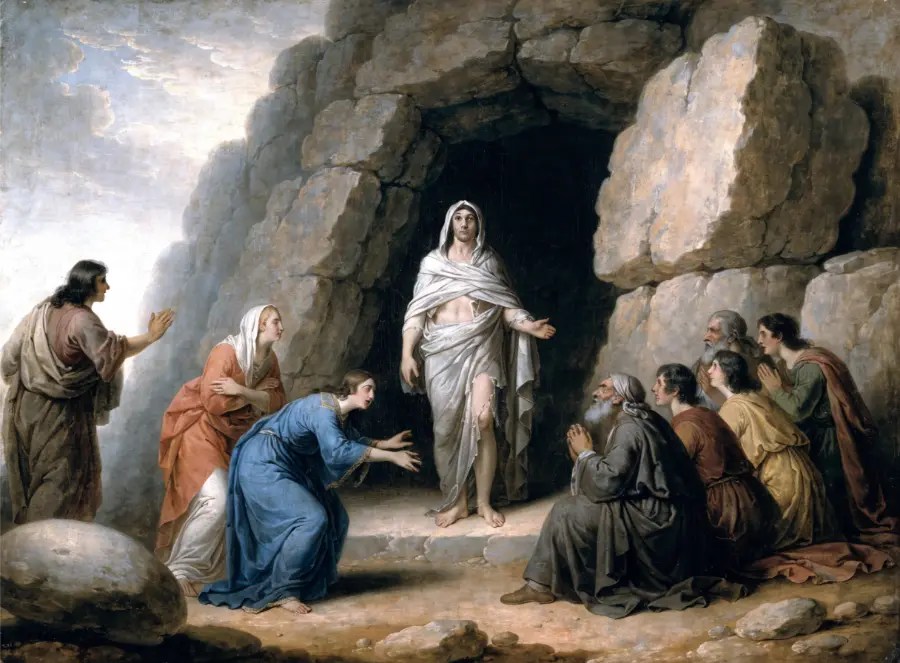
Warum beten Katholiken zu Heiligen?
Katholiken glauben, dass der Tod die Familie Gottes nicht trennt. „Die Gemeinschaft derer, die auf dem Weg sind, mit den Brüdern, die im Frieden Christi entschlafen sind, wird keineswegs unterbrochen“, sagt der Katechismus der Katholischen Kirche (Absatz 955), und so kann eine Katholikin weiterhin einen Bruder oder eine Schwester im Himmel um Gebet bitten, genau wie sie es bei jemandem auf Erden tun würde. Der Katechismus entnimmt sein Bild von den Heiligen dem Hebräerbrief. Unter der Überschrift „Eine Wolke von Zeugen“ heißt es, dass sie „Gott schauen, ihn loben und sich unaufhörlich derer annehmen, die sie auf Erden zurückgelassen haben“, und weiter: „Ihre Fürbitte ist ihr erhabenster Dienst am Plan Gottes. Wir können und sollen sie bitten, für uns und für die ganze Welt einzutreten“ (Absatz 2683).
Zwei Heilige, die der Katechismus zitiert, freuten sich auf dieses Werk. Der heilige Dominikus sagte im Sterben zu seinen Brüdern: „Weint nicht, denn ich werde euch nach meinem Tod nützlicher sein und euch dann wirksamer helfen als zu meinen Lebzeiten“, und die heilige Thérèse von Lisieux sagte: „Ich möchte meinen Himmel damit verbringen, auf Erden Gutes zu tun“ (Absatz 956). Im Dezember 1563, in Sitzung XXV des Konzils von Trient, wurden die Bischöfe angewiesen zu lehren, „dass es gut und nützlich ist, sie flehentlich anzurufen“, und im selben Satz sagte das Konzil, woher jede Antwort kommt: „von Gott, durch seinen Sohn, Jesus Christus, unseren Herrn, der unser einziger Erlöser und Heiland ist.“ Die Gebete, die Katholiken an die Jungfrau Maria richten, haben ihre eigene Geschichte, erzählt in warum Katholiken zu Maria beten.
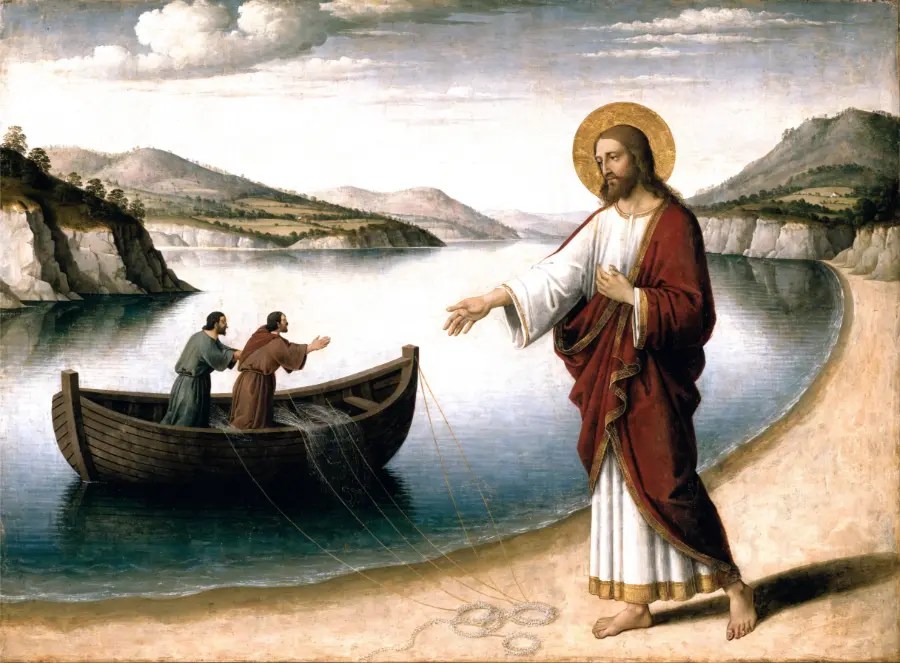
Beten orthodoxe Christen zu Heiligen?
Orthodoxe Christen beten zu den Heiligen, und die Orthodoxe Kirche in Amerika achtet darauf, zuerst zu sagen, wohin alles Gebet geht. „In der orthodoxen Kirche ist alles Gebet trinitarisch“, lehrt ihr Buch The Orthodox Faith. „Wir beten im Heiligen Geist, durch Jesus, den Sohn Gottes, und in seinem Namen zu Gott, dem Vater.“ Erst dann fährt es fort: „In der Kirche beten wir auch zu den Heiligen – nicht auf die gleiche Weise, wie wir zu den Personen der Heiligen Dreifaltigkeit beten, sondern als unsere Helfer, Fürbitter und Mitmitglieder der Kirche, die bereits mit Gott in seiner göttlichen Gegenwart verherrlicht sind.“ Maria, die Theotokos, ist „die Erste unter unseren heiligen Fürbittern vor Gott.“
Koptisch-orthodoxe Christen pflegen dieselbe Praxis und sind bei der Wortwahl noch vorsichtiger. Papst Schenuda III. von der Koptisch-Orthodoxen Kirche schrieb in seiner Antwort auf die Einwände in seiner Vergleichenden Theologie: „Wir antworten, dass wir nicht zu den Heiligen beten; wir bitten nur um ihre Gebete und ihre Unterstützung für uns.“ Seine Begründung ist die einer Familie: „Wenn die Heiligen uns bitten, für sie zu beten, sollen wir sie dann nicht bitten, für uns zu beten?“ Und er sah, wie sich Lebende und Verstorbene gegenseitig stützten: „Wir bitten in unseren Gebeten für die Verstorbenen, und sie treten durch ihre Gebete für uns ein; es ist eine untrennbare Beziehung.“ Wie sich die Kopten in anderen Dingen von den orthodoxen Christen unterscheiden, wird erzählt in Koptisch-orthodoxe Glaubensvorstellungen.

Ist das Gebet zu Heiligen Anbetung?
Hier verwenden beide Seiten das Wort Anbetung für unterschiedliche Dinge. Für Katholiken, Orthodoxe und Kopten gehört Anbetung Gott, und einen Heiligen um Gebet zu bitten, ist nicht mehr Anbetung, als einen Freund um etwas zu bitten. Die Grenze, die sie ziehen, ist sehr alt. Bevor Polykarp in Smyrna hingerichtet wurde, schrie die Menge im Stadion wütend, er sei „der Vater der Christen“, und danach schrieb die dortige Kirche einen Brief darüber, wie er starb. Über Christus und seine Märtyrer sagten sie: „Ihn freilich, als den Sohn Gottes, beten wir an; die Märtyrer aber lieben wir als Jünger und Nachahmer des Herrn zu Recht wegen ihrer außerordentlichen Liebe zu ihrem eigenen König und Meister.“ Der Katechismus zitiert diesen Brief in seiner eigenen Lehre über die Heiligen (Absatz 957). Der Brief erzählt auch, wie die Christen von Smyrna seine Gebeine sammelten, „als kostbarer als die erlesensten Juwelen“. Der Brief zeigt niemanden, der Polykarp bittet zu beten, aber er zeigt, wie sie den einen anbeten und den anderen lieben.
Für viele Protestanten ist ein Gebet an sich ein Akt der Anbetung, wie auch immer wir es nennen. Das Westminster-Bekenntnis, an dem presbyterianische Kirchen festhalten, lehrt: „Religiöse Anbetung gebührt Gott, dem Vater, dem Sohn und dem Heiligen Geist; und ihm allein; nicht Engeln, Heiligen oder irgendeinem anderen Geschöpf: und seit dem Sündenfall nicht ohne einen Mittler; noch durch die Vermittlung eines anderen als allein Christi“ (21.2). Das Zweite Londoner Baptistische Bekenntnis von 1689 lehrt dasselbe mit fast denselben Worten, dass Anbetung Gott gebührt „und ihm allein; nicht Engeln, Heiligen oder anderen Geschöpfen“ (22.2). Wenn also eine Katholikin sagt, sie bitte nur einen Freund zu beten, und ein Baptist sagt, das sei ein Gebet zu einem Geschöpf, dann betrachten beide denselben Akt und messen ihn an zwei verschiedenen Regeln.

Ist das Gebet zu Heiligen in der Bibel zu finden?
Both sides open the same book. In Revelation the elders fall down before the Lamb holding “golden vials full of odours, which are the prayers of saints” (Revelation 5:8), and a few chapters on, “the smoke of the incense, which came with the prayers of the saints, ascended up before God out of the angel’s hand” (Revelation 8:4). Pope Shenouda reads those scenes as heaven carrying our prayers to God, and of the elders he wrote, “This is proof that they know the prayers which they ascend to God.” Catholics and Orthodox also read in 2 Maccabees, which their Bibles contain, of a dream in which Jeremiah, “the prophet of God,” is shown as “he that prayeth much for the people, and for all the holy city” (2 Maccabees 15:14).
None of the Protestant confessions quoted here takes up those verses from Revelation. The churches that do not ask start from Paul instead: “For there is one God, and one mediator between God and men, the man Christ Jesus” (1 Timothy 2:5). The Augsburg Confession adds John’s “we have an advocate with the Father, Jesus Christ the righteous” (1 John 2:1), and the 1689 Baptist Confession points to the angel at whose feet John fell: “See thou do it not: I am thy fellowservant, and of thy brethren that have the testimony of Jesus: worship God” (Revelation 19:10). The Lutherans’ defence of their confession, the Apology of the Augsburg Confession, grants that the saints in heaven “pray for the Church in general,” and it names that same dream from 2 Maccabees as the only Scripture that speaks of it. What it will not grant is the next step: “even supposing that the saints pray for the Church ever so much, yet it does not follow that they are to be invoked,” because “neither a command, nor a promise, nor an example can be produced from the Scriptures concerning the invocation of saints.”
Pope Shenouda answers 1 Timothy 2:5 with a distinction. “In fact there is a fundamental difference between the mediation of the Lord Jesus Christ and the intercessions of the saints,” he wrote. Christ’s mediation “is an atonement,” while the saints’ intercession “has no connection with atonement or redemption”; they are “merely praying for us.” The Catechism keeps that verse inside its own teaching, saying the saints offer their merits “through the one mediator between God and men, Christ Jesus” (paragraph 956). So both sides hold to the one Mediator, and they part over whether asking a Christian who has died to pray for us takes anything away from him.
Können die Heiligen unsere Gebete hören?
The Apology asks it outright: “Whence do we know without the testimony of Scripture that the saints perceive the prayers of each one?” Pope Shenouda answers, “We reply in the affirmative,” and takes us through the Gospels. Jesus said that “joy shall be in heaven over one sinner that repenteth” (Luke 15:7), so heaven hears the news from earth. The martyrs under the altar cry, “How long, O Lord, holy and true, dost thou not judge and avenge our blood on them that dwell on the earth?” (Revelation 6:10). “Therefore the martyrs know, after their death, that the Lord has not yet avenged their blood,” Shenouda writes, and the saints, he says, “understand more than we do.”
Seventh-day Adventists stand at the far end of this question, though they say nothing about saints. Their Fundamental Belief 26 teaches that God “will grant eternal life to His redeemed,” and “Until that day death is an unconscious state for all people.” The church’s page on that belief explains, “The Bible says those who have died know nothing. That means we aren’t aware of the passage of time after death. We aren’t aware of what’s happening in the world.” On that teaching, as we read it, nobody who has died is there to hear a prayer, so the question of asking them never comes up.
Wie alt ist die Praxis, Heilige um Fürbitte zu bitten?
The oldest witness comes from the church’s worship. When Cyril of Jerusalem explained the prayers of the Eucharist to his hearers, he told them, “Then we commemorate also those who have fallen asleep before us, first Patriarchs, Prophets, Apostles, Martyrs, that at their prayers and intercessions God would receive our petition.” In that prayer the church is still speaking to God, asking him to hear it for the sake of the saints’ prayers. In the sixteenth century, when Rome and the Reformers argued over calling on the saints, both sides went back to those early years and came away with different answers. The Lutheran Apology, answering Rome’s reply to the Augsburg Confession, said that the oldest writers of the church had not “made mention of invocation.” The Council of Trent, in 1563, said the practice had been received “from the primitive times of the Christian religion.”
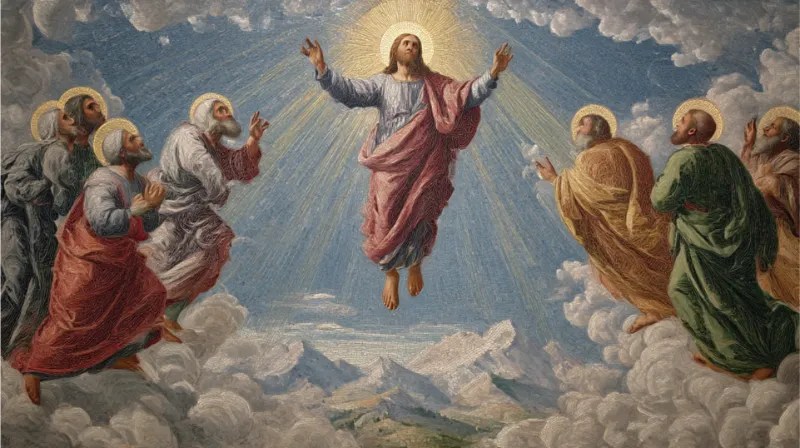
Warum beten Protestanten nicht zu Heiligen?
The Lutheran Reformers kept the memory of the saints and stopped calling on them. The Augsburg Confession of 1530 teaches “that the memory of saints may be set before us, that we may follow their faith and good works, according to our calling, as the Emperor may follow the example of David in making war to drive away the Turk from his country.” The emperor was to follow David, not pray to him. Lutherans teach in the same confession that “the Scripture teaches not the invocation of saints or to ask help of saints, since it sets before us the one Christ as the Mediator, Propitiation, High Priest, and Intercessor.” The Apology honours the saints for the strengthening of our faith, “when we see the denial forgiven Peter.” What Protestants mean by a saint at all is answered in Glauben Protestanten an Heilige?
The Church of England’s Thirty-nine Articles, in Article XXII, say that “invocation of Saints, is a fond thing vainly invented, and grounded upon no warranty of Scripture, but rather repugnant to the Word of God.” The Episcopal Church prints the Articles in its Prayer Book among its historical documents, and not every Anglican reads Article XXII as closing the door. St Michael’s Anglican Church in Matthews, North Carolina, writes that it condemns “only the Romish, that is, the popularly-believed late medieval” view, and that among Anglicans “the practice of the invocation of the Saints is limited in the main to private devotions and extraliturgical services.” Methodists carried nearly the same sentence into their Articles of Religion, where Article XIV calls the invocation of saints “a fond thing, vainly invented, and grounded upon no warrant of Scripture, but repugnant to the Word of God.” The United Church of Christ has no ruling of its own, but the Heidelberg Catechism of 1563, which it keeps among its heritage testimonies, teaches that the first commandment means we “avoid and shun all idolatry, magic, superstitious rites, and prayer to saints or to other creatures.”
The Churches of Christ give their answer as a question and a reply. Batsell Barrett Baxter’s booklet on who they are asks, “Are prayers addressed to the saints?” and answers, “No. God the Father is considered the only one to whom the prayers may be addressed,” and it points to Hebrews, where Christ “ever liveth to make intercession for them” (Hebrews 7:25). Quakers of the Evangelical Friends Church, Mid-America Yearly Meeting, keep the Richmond Declaration of Faith of 1887, which teaches of Christ, “Through His mediation, without the necessity for any inferior instrumentality, is the Father to be approached and reverently worshipped.”
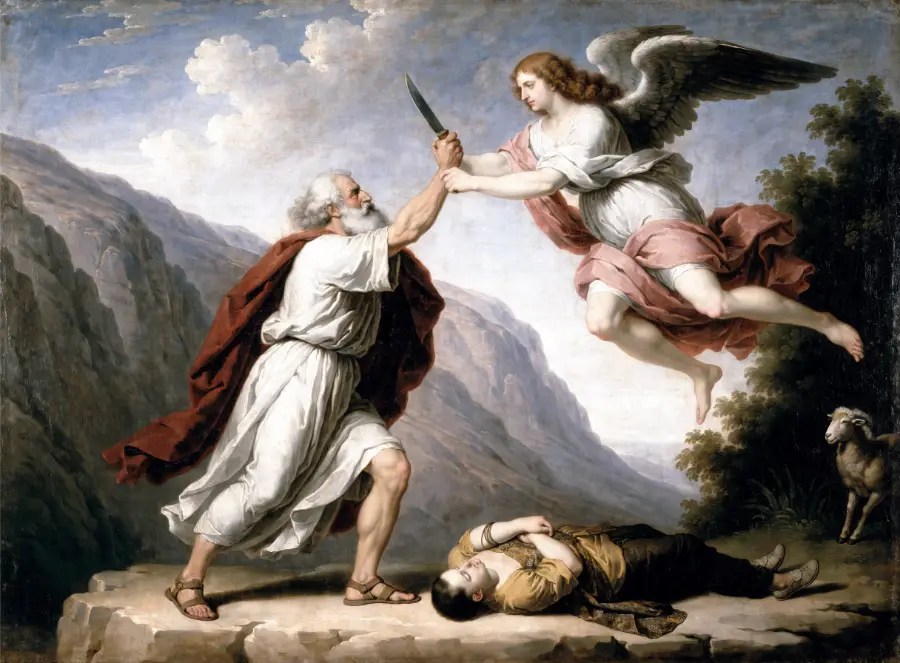
Was sagen andere Kirchen dazu?
Several churches have never ruled on praying to the saints. What they do say, each in its own words, is that Christ himself prays for us and that we come to God through him. The Church of the Nazarene’s Articles of Faith say that Christ “ascended into heaven and is there engaged in intercession for us,” and Mennonite Church USA’s Confession of Faith in a Mennonite Perspective of 1995 says much the same: “As faithful high priest, he has made the final atonement for sin and now intercedes for us.” The Amish, who keep the Dordrecht Confession of 1632, confess “with all the saints” that Christ is the one “in whom alone consist all our hope, consolation, redemption, and salvation, which we neither may nor must seek in any other.” The Salvation Army’s Handbook of Doctrine teaches that “All Christians have direct access to God through the priesthood of Christ (1 Peter 2:4-10),” and it gives every Christian a part in that work: all “are called to exercise the challenging ministry of intercession on behalf of one another and for the world.”
Churches without one shared confession are harder to pin down. Nondenominational and evangelical churches have no single statement, but the Lausanne Covenant of 1974 says that Jesus Christ “is the only mediator between God and people.” Oneness Pentecostals of the United Pentecostal Church International say in a 2019 position paper, “Through Jesus Christ, our high priest, we approach God directly and confidently in prayer.” The Disciples of Christ have no statement on it either; a 1997 study document speaks of a church that “extends across time as well as space, binding together all who confess Jesus Christ in whatever age,” without saying whether that bond includes asking the departed to pray. We found no statement on praying to the saints from the Assemblies of God.
The Church of Jesus Christ of Latter-day Saints teaches that God “wants us to communicate with Him through prayer. We should pray to Him and no one else.” Jehovah’s Witnesses answer the question “Should I Pray to Saints?” with “No. The Bible shows that we should pray only to God, in Jesus’ name,” and they add, “We offend God if we pray to anyone else, even to saints or holy angels.” They point to the prayer Jesus gave his disciples: “After this manner therefore pray ye: Our Father which art in heaven, Hallowed be thy name” (Matthew 6:9).
A Copt who asks the martyrs to pray for her and a Presbyterian who never would can both begin with those words, and both read the same letter to the Hebrews. Whether the cloud of witnesses around us is praying for us or showing us the way, Hebrews tells all of us what to do next: “let us run with patience the race that is set before us, Looking unto Jesus the author and finisher of our faith” (Hebrews 12:1–2).
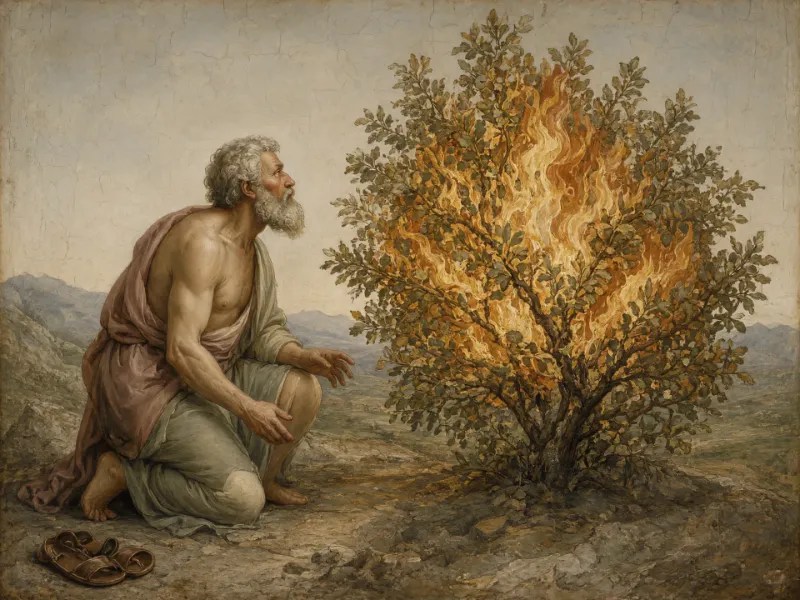
Weiterführende Literatur
- Christliche Konfessionen vergleichen: Was 23 Kirchen zu 55 Fragen lehren
- Protestanten vs. Katholiken: Wie sich ihr Glaube und ihre Gottesdienste unterscheiden
- Orthodox vs. Katholisch: Wie sich die beiden Kirchen unterscheiden und warum sie sich spalteten
- Anglikanisch vs. Katholisch: Warum die Church of England nicht römisch-katholisch ist
- Why Lutheran churches are named after saints
- 21 Bibelverse über Fürbitte


Schreibe einen Kommentar