サバンナは聖書には登場しません — それは「開けた平原」を意味します


  • Savannah is not in the Bible and did not begin as a personal name. It is the English word for a wide grassy plain, from the Taíno sabana by way of Spanish.
  • Americans began using it as a given name in the nineteenth century. Taíno is a Caribbean language, unknown to the writers of Scripture.
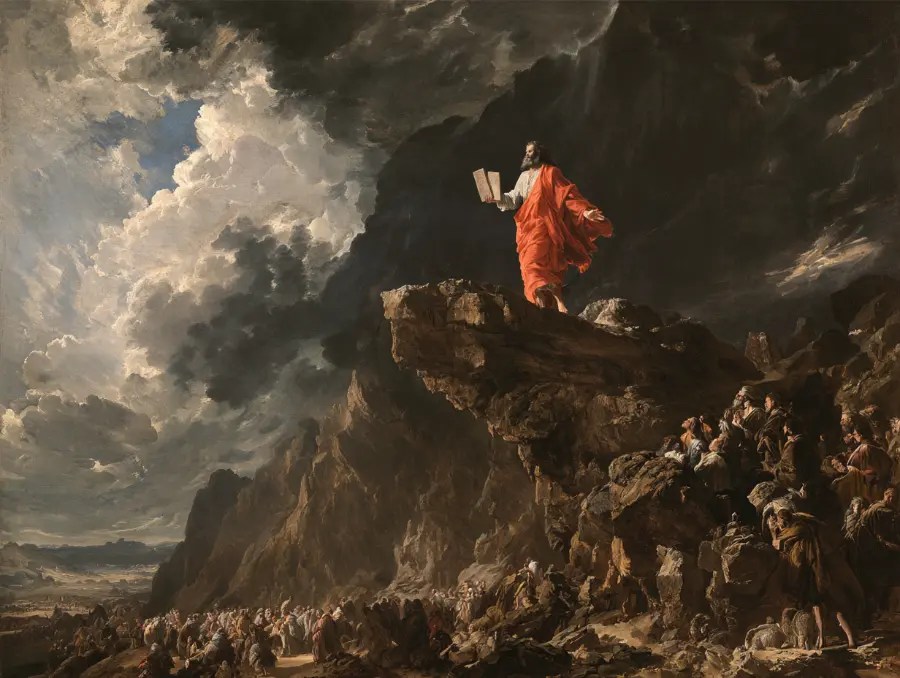
  • Open country is everywhere in the Bible and rarely a happy place: Israel’s forty years, Elijah wanting to die, John the Baptist preaching from it, and Jesus driven into it for forty days after his baptism.
  • A plain is exposed, without landmarks or shelter, and distances in it are deceptive — which is what a stripped-back season feels like.
  • Hosea 2:14 has God say he will lead her into the wilderness on purpose, “and speak tenderly to her.”

Savannah is not in the Bible. It is not even a personal name by origin — it is the English word for a wide grassy plain, which came to us from the Taíno people of the Caribbean through the word sabana. A landscape, then. And Scripture has a great deal to say about the particular landscape this name describes. What does the name Savannah mean? An open grassland: treeless or nearly so, wide, with far horizons. The word travelled from…

Continue reading with a subscription

Get unlimited access to all our premium content and exclusive features.

Enjoy unlimited access, cancel anytime.


Christian Pureをもっと見る

今すぐ購読し、続きを読んで、すべてのアーカイブにアクセスしましょう。

続きを読む

Share to...