
 English
 Chinese
 Dutch
 Arabic
 Spanish
 Portuguese
 Russian
 French
 Italian
 German
 Japanese
The Bible names God as the healer of his people and records Jesus healing the sick. At Marah God says, “I am the Lord, your healer” (Exodus 15:26), and in Galilee Jesus heals “every disease and every affliction” (Matthew 4:23).
Jesus sends his disciples to heal (Matthew 10:7-8), and James tells a sick believer to call the elders to pray (James 5:14-15). Several passages mention sin alongside sickness. Psalm 103:3 sets forgiveness and healing side by side, David asks for healing “for I have sinned against you” (Psalm 41:4), and Jesus forgives the paralysed man before he tells him to walk (Mark 2:5). In John 9:3, asked whose sin caused a man’s blindness, Jesus answers that it was neither his nor his parents’.
The Lord who heals

Exodus 15:26
“saying, ‘If you will diligently listen to the voice of the Lord your God, and do that which is right in his eyes, and give ear to his commandments and keep all his statutes, I will put none of the diseases on you that I put on the Egyptians, for I am the Lord, your healer.’”
Reflection: After three days in the wilderness without water, Israel found the water at Marah too bitter to drink, and the Lord showed Moses a log that made it sweet. The promise that follows is conditional: if the people listen to his voice and keep his statutes, he will put on them none of the diseases he brought on Egypt. It ends with a name for God, “I am the Lord, your healer.”
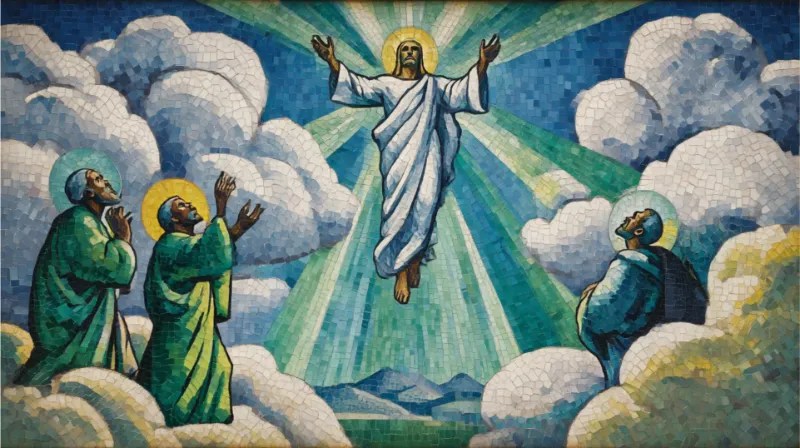
Psalm 103:2-3
“Bless the Lord, O my soul, and forget not all his benefits, who forgives all your iniquity, who heals all your diseases.”
Reflection: The psalm, headed “Of David,” lists the Lord’s benefits one after another. Healing all diseases stands next to forgiving all iniquity, and the list continues with redeeming life from the pit and renewing youth “like the eagle’s” (verses 4-5).
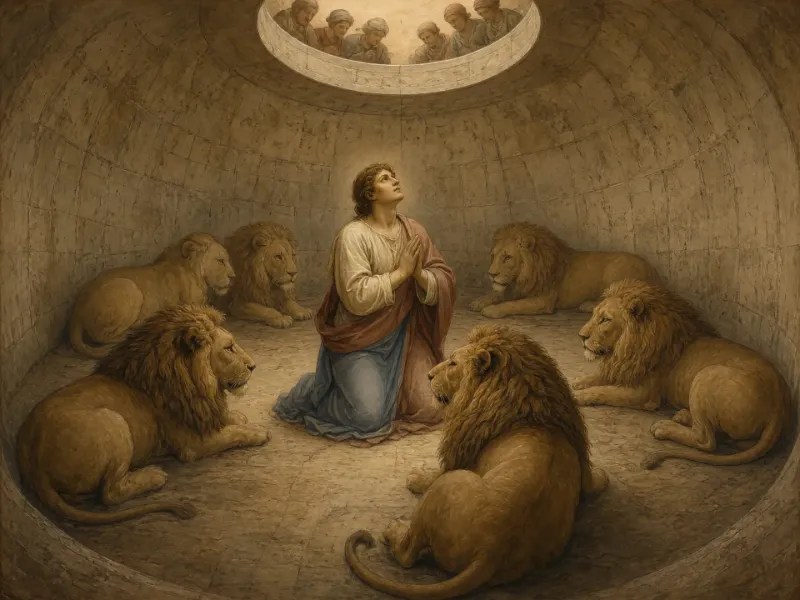
Psalm 41:4
“As for me, I said, ‘O Lord, be gracious to me; heal me, for I have sinned against you!’”
Reflection: The verse before it speaks of the Lord sustaining a person “on his sickbed” and restoring him “to full health.” Here David turns to his own case and asks for healing and mercy in the same breath as he confesses, “I have sinned against you.”
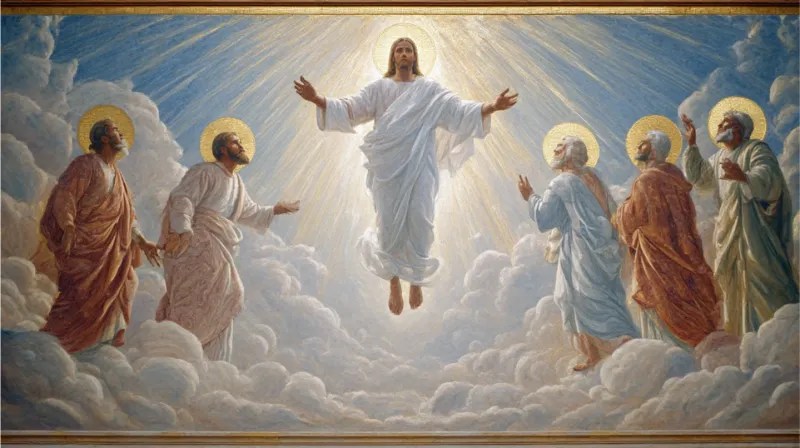
2 Kings 20:5
“Turn back, and say to Hezekiah the leader of my people, Thus says the Lord, the God of David your father: I have heard your prayer; I have seen your tears. Behold, I will heal you. On the third day you shall go up to the house of the Lord.”
Reflection: King Hezekiah was “at the point of death,” and Isaiah had told him he would not recover. Hezekiah turned his face to the wall, prayed and wept, and before Isaiah had left the middle court he was sent back with this answer and a promise of fifteen more years. Isaiah then had a cake of figs laid on the king’s boil “that he may recover” (verse 7).
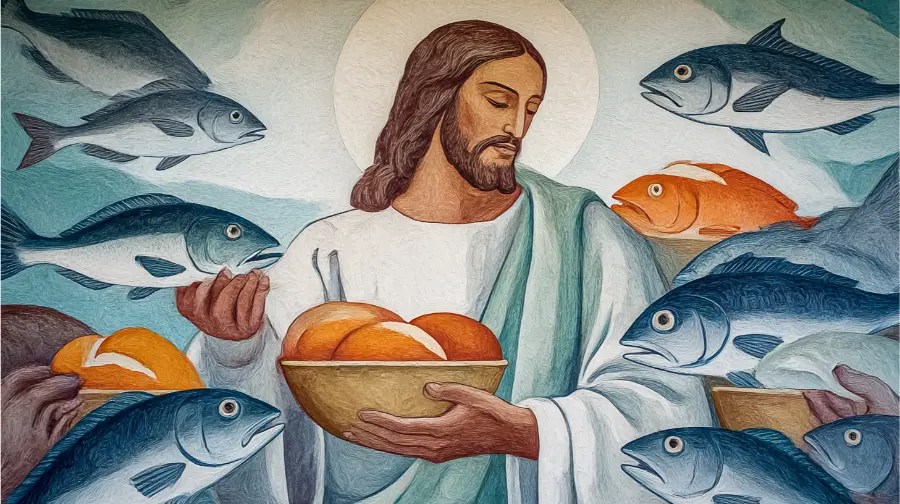
Psalm 30:2
“O Lord my God, I cried to you for help, and you have healed me.”
Reflection: The heading calls the psalm “a song at the dedication of the temple.” David thanks God for answering his cry for help, and the next verse describes the healing as being brought up from Sheol and restored to life “from among those who go down to the pit.”
Jesus heals the sick
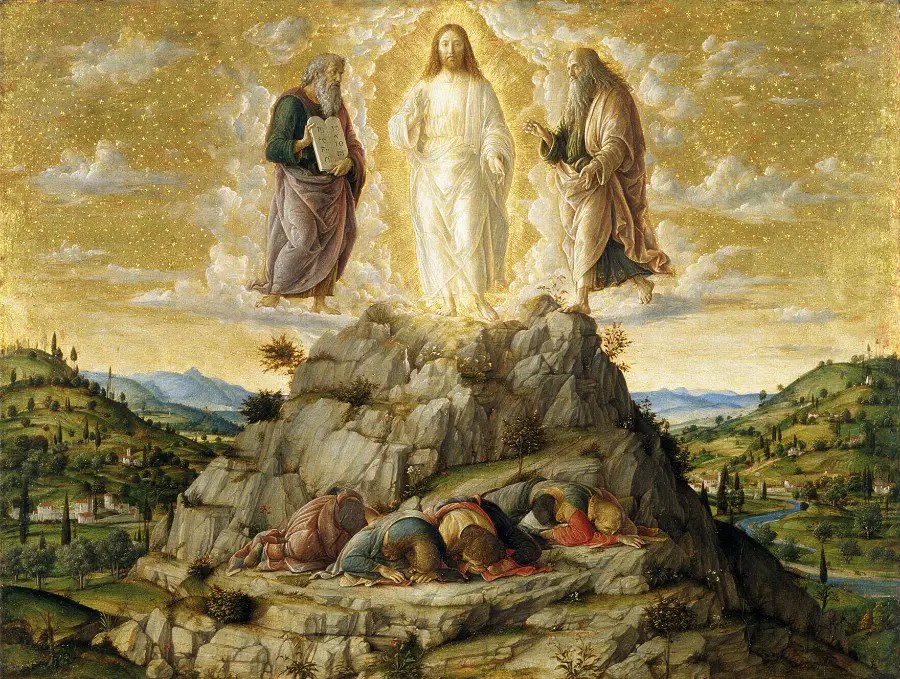
Matthew 4:23-24
“And he went throughout all Galilee, teaching in their synagogues and proclaiming the gospel of the kingdom and healing every disease and every affliction among the people. So his fame spread throughout all Syria, and they brought him all the sick, those afflicted with various diseases and pains, those oppressed by demons, those having seizures, and paralytics, and he healed them.”
Reflection: This summary of Jesus’ work in Galilee joins three activities: teaching in the synagogues, proclaiming the gospel of the kingdom, and healing. The list of those brought to him includes pain, seizures, paralysis and demon oppression, and verse 25 records crowds following him from as far as Jerusalem and beyond the Jordan.

Matthew 8:16-17
“That evening they brought to him many who were oppressed by demons, and he cast out the spirits with a word and healed all who were sick. This was to fulfill what was spoken by the prophet Isaiah: ‘He took our illnesses and bore our diseases.’”
Reflection: Earlier the same day Jesus had touched the hand of Peter’s mother-in-law and her fever left her (verses 14-15). That evening he cast out spirits “with a word” and healed all the sick who were brought. Matthew presents the healings as fulfilling a prophecy of Isaiah, whose words he quotes from Isaiah 53:4.
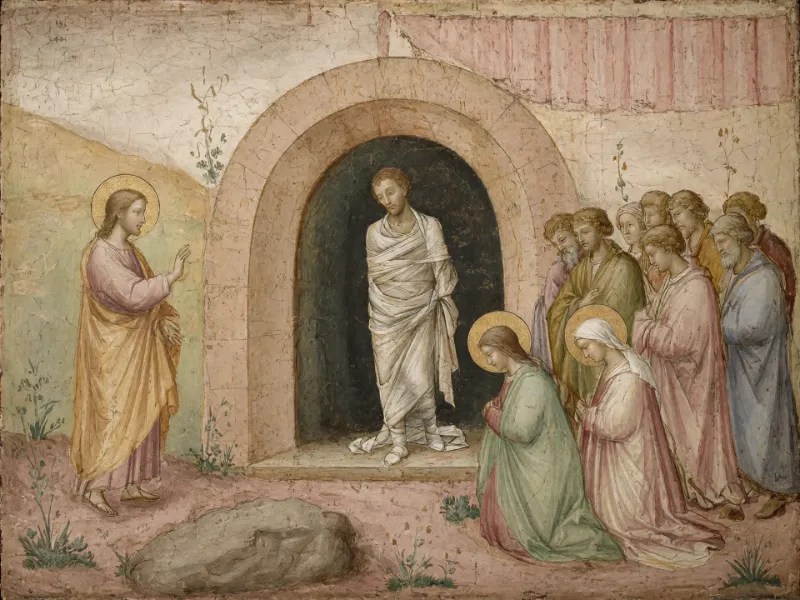
Matthew 14:14
“When he went ashore he saw a great crowd, and he had compassion on them and healed their sick.”
Reflection: Jesus had withdrawn by boat “to a desolate place by himself” (verse 13), and the crowds followed him on foot. Matthew gives compassion as his response when he came ashore and saw them, and healing their sick as the first thing he did about it.

Mark 1:40-42
“And a leper came to him, imploring him, and kneeling said to him, ‘If you will, you can make me clean.’ Moved with pity, he stretched out his hand and touched him and said to him, ‘I will; be clean.’ And immediately the leprosy left him, and he was made clean.”
Reflection: The leper kneels and states what Jesus can do, leaving the question of his will open: “If you will, you can make me clean.” Mark says Jesus was moved with pity, touched him, and answered, “I will; be clean.” He then sends him to the priest to offer what Moses commanded for cleansing (verse 44).

Matthew 9:20-22
“And behold, a woman who had suffered from a discharge of blood for twelve years came up behind him and touched the fringe of his garment, for she said to herself, ‘If I only touch his garment, I will be made well.’ Jesus turned, and seeing her he said, ‘Take heart, daughter; your faith has made you well.’ And instantly the woman was made well.”
Reflection: The woman had suffered from bleeding for twelve years, and Mark adds that she had spent all she had on many physicians and grown worse (Mark 5:26). She came up behind him, saying to herself that if she only touched his garment she would be made well. Jesus turned, called her “daughter,” and said her faith had made her well.
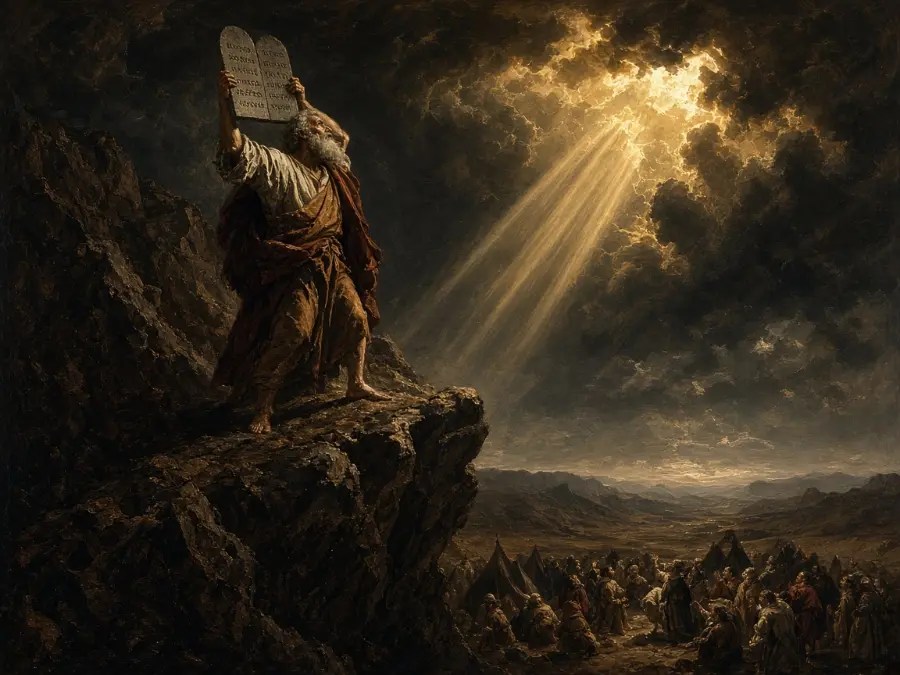
Matthew 9:27-30
“And as Jesus passed on from there, two blind men followed him, crying aloud, ‘Have mercy on us, Son of David.’ When he entered the house, the blind men came to him, and Jesus said to them, ‘Do you believe that I am able to do this?’ They said to him, ‘Yes, Lord.’ Then he touched their eyes, saying, ‘According to your faith let it be done to you.’ And their eyes were opened.”
Reflection: Two blind men followed Jesus calling him “Son of David.” He asked about their faith before he touched them, and tied the healing to it. He then “sternly warned” them to tell no one, and they spread the news through the whole district.
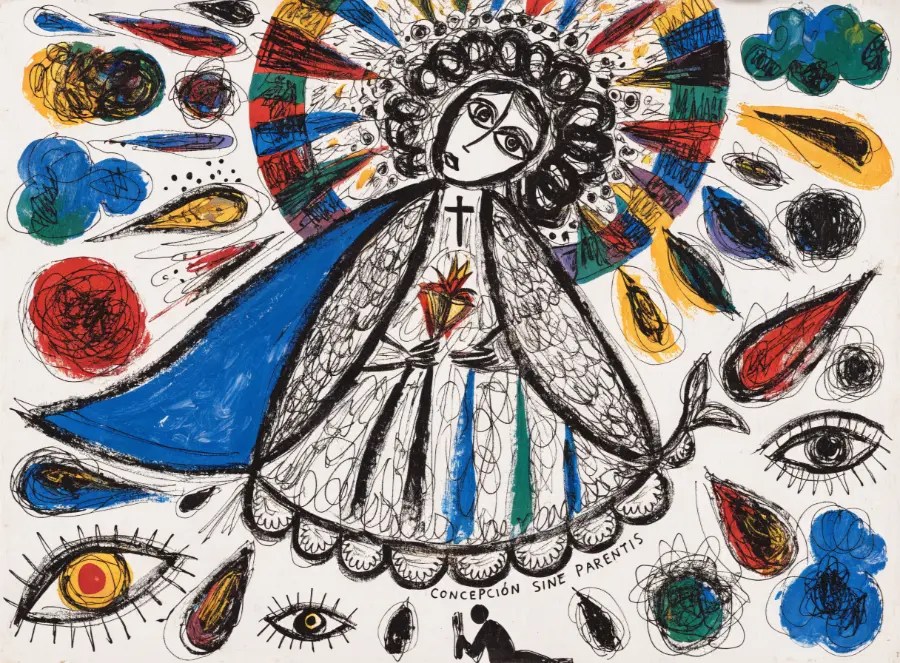
Matthew 20:34
“And Jesus in pity touched their eyes, and immediately they recovered their sight and followed him.”
Reflection: Leaving Jericho, two blind men by the road kept shouting for mercy after the crowd told them to be quiet. Jesus stopped and asked, “What do you want me to do for you?” and when they asked for sight he touched their eyes. Matthew gives pity as the reason, and says they followed him.
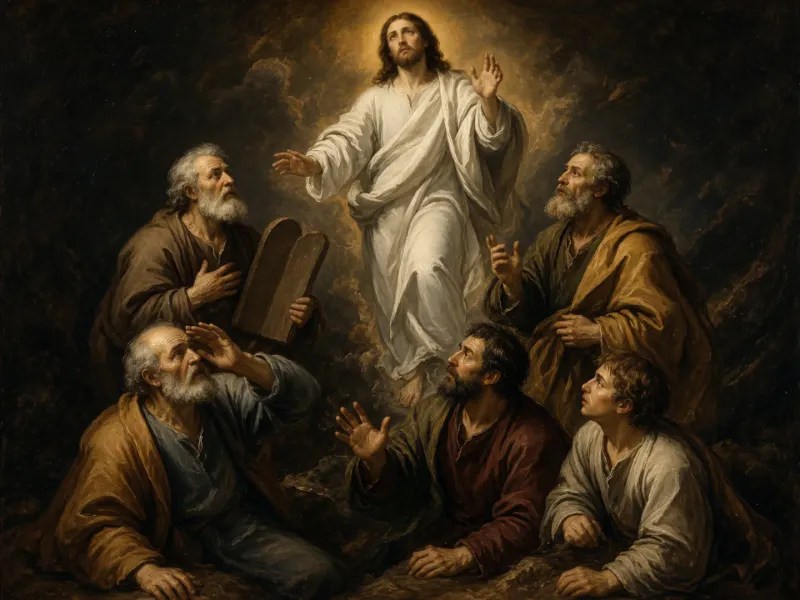
Luke 17:19
“And he said to him, ‘Rise and go your way; your faith has made you well.’”
Reflection: Ten lepers asked Jesus for mercy, and he sent them to show themselves to the priests; they were cleansed on the way. One of them came back praising God and thanked Jesus at his feet, and Luke notes that he was a Samaritan. All ten were healed, but these words were said to the one who returned.
Sickness, sin and forgiveness
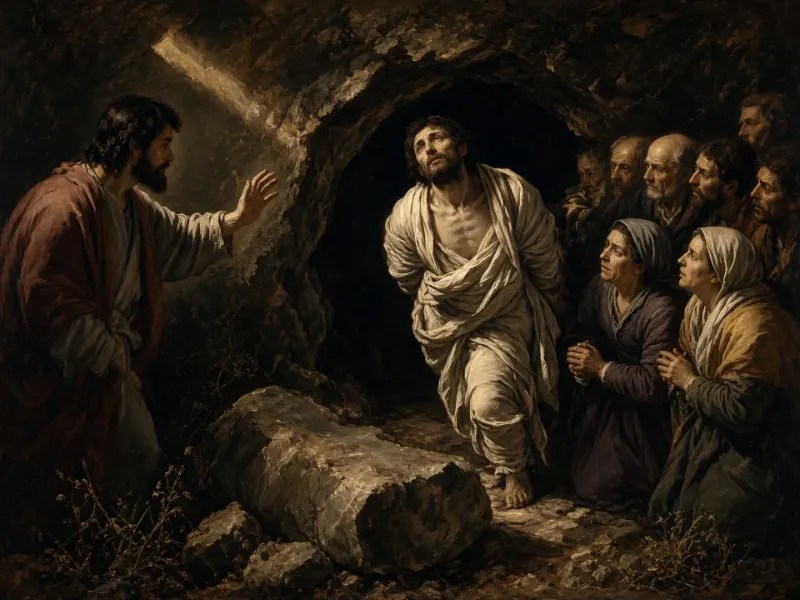
Mark 2:5
“And when Jesus saw their faith, he said to the paralytic, ‘Son, your sins are forgiven.’”
Reflection: Four men carried a paralysed man to the house in Capernaum and, unable to get through the crowd, opened the roof to let him down. Jesus saw “their faith” and first forgave the man’s sins. When the scribes objected that only God can forgive sins, Jesus told him to take up his bed and go home, “that you may know that the Son of Man has authority on earth to forgive sins” (verse 10).

John 9:2-3
“And his disciples asked him, ‘Rabbi, who sinned, this man or his parents, that he was born blind?’ Jesus answered, ‘It was not that this man sinned, or his parents, but that the works of God might be displayed in him.’”
Reflection: The disciples assumed that someone’s sin lay behind a man being born blind and asked only whose it was. Jesus rejected both answers and said the man’s blindness was an occasion for “the works of God” to be displayed. He then made mud, anointed the man’s eyes, and sent him to wash in the pool of Siloam, and the man came back seeing (verses 6-7).
Sent out to heal

Matthew 10:7-8
“And proclaim as you go, saying, ‘The kingdom of heaven is at hand.’ Heal the sick, raise the dead, cleanse lepers, cast out demons. You received without paying; give without pay.”
Reflection: Jesus gave the twelve disciples “authority over unclean spirits, to cast them out, and to heal every disease and every affliction” (verse 1), and sent them first to “the lost sheep of the house of Israel.” Healing goes with the message that the kingdom is at hand, and they were to charge nothing for it: “You received without paying; give without pay.”

Luke 10:9
“Heal the sick in it and say to them, ‘The kingdom of God has come near to you.’”
Reflection: Luke records a second sending, of seventy-two others who went two by two into every town Jesus was about to visit. The instruction is the same in shape as the one to the Twelve: heal the sick in a town that receives them, and tell them that the kingdom of God has come near.
Mark 16:17-18
“And these signs will accompany those who believe: in my name they will cast out demons; they will speak in new tongues; they will pick up serpents with their hands; and if they drink any deadly poison, it will not hurt them; they will lay their hands on the sick, and they will recover.”
Reflection: These words belong to the longer ending of Mark, which the English Standard Version prints in brackets with the note that some of the earliest manuscripts do not include Mark 16:9-20. Among the signs promised to those who believe is laying hands on the sick, “and they will recover.”
Prayer for the sick in the church
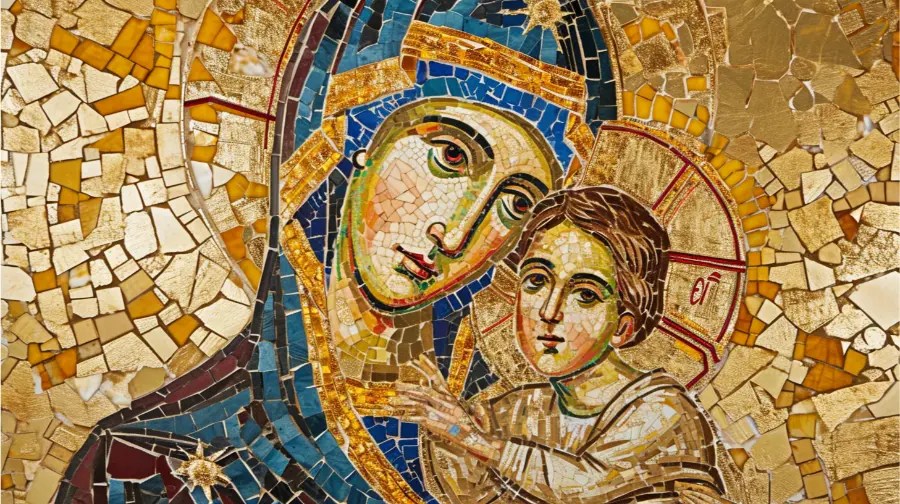
James 5:14-15
“Is anyone among you sick? Let him call for the elders of the church, and let them pray over him, anointing him with oil in the name of the Lord. And the prayer of faith will save the one who is sick, and the Lord will raise him up. And if he has committed sins, he will be forgiven.”
Reflection: James turns from suffering in general (“Let him pray,” verse 13) to sickness in particular. The sick person calls for the elders, who pray over him and anoint him with oil in the name of the Lord. The verse then says that “the prayer of faith will save the one who is sick, and the Lord will raise him up,” and that if he has committed sins, “he will be forgiven.”
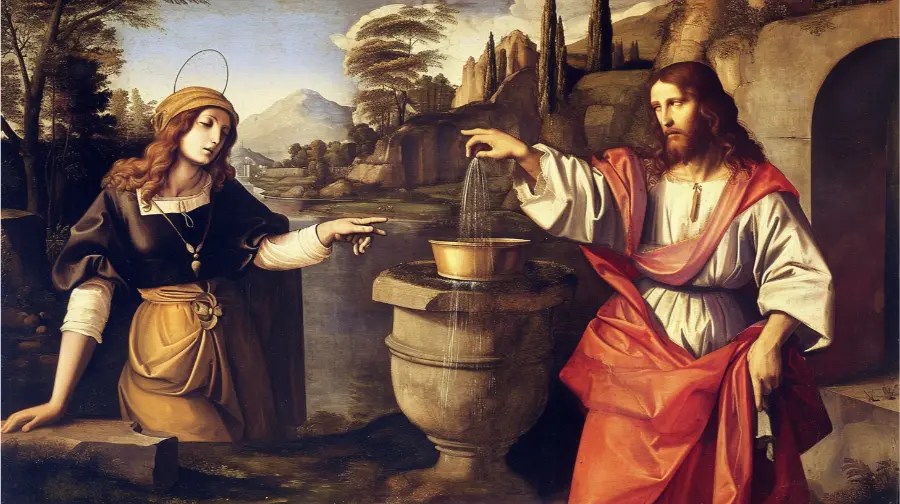
James 5:16
“Therefore, confess your sins to one another and pray for one another, that you may be healed. The prayer of a righteous person has great power as it is working.”
Reflection: The next verse widens the instruction from the elders to the whole church: members are to confess their sins to one another and pray for one another “that you may be healed.” James grounds it in the effect of a righteous person’s prayer, which “has great power as it is working.”
Isaiah 53 and the healing of the nations
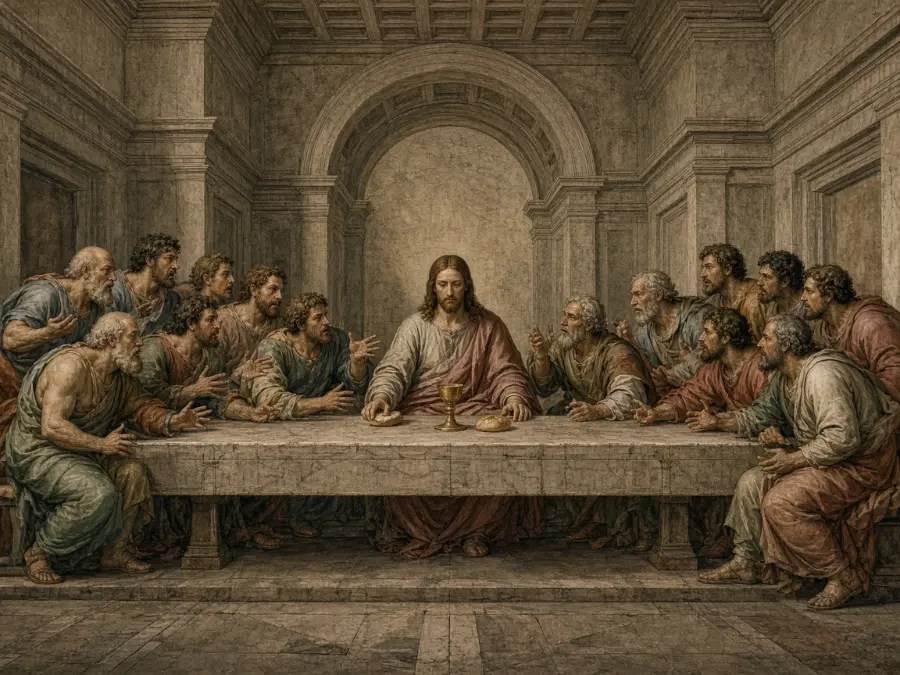
Isaiah 53:5
“But he was pierced for our transgressions; he was crushed for our iniquities; upon him was the chastisement that brought us peace, and with his wounds we are healed.”
Reflection: The servant in Isaiah 53 is described in the verse before as bearing “our griefs” and carrying “our sorrows,” and here as pierced for transgressions and crushed for iniquities. Two New Testament writers quote these lines: Matthew 8:17 quotes verse 4 about Jesus healing the sick, and 1 Peter 2:24 quotes verse 5 about the cross.
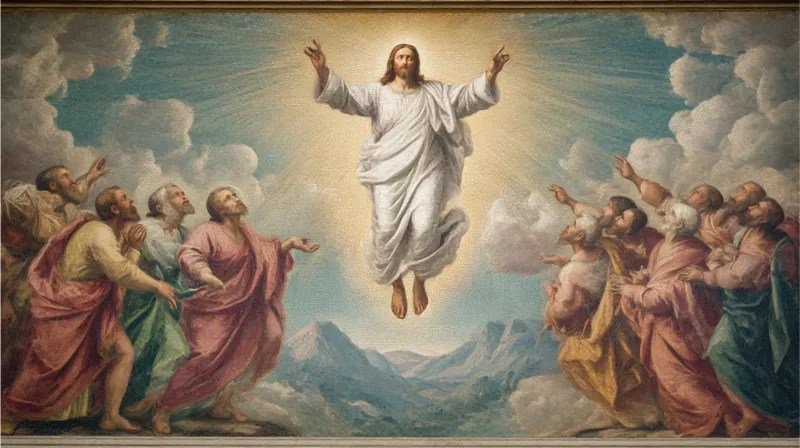
1 Peter 2:24
“He himself bore our sins in his body on the tree, that we might die to sin and live to righteousness. By his wounds you have been healed.”
Reflection: Peter is writing to believers about suffering unjustly, and he holds up Christ, who “did not revile in return” (verse 23), as the example to follow (verse 21). In this verse he sets the words from Isaiah after Christ bearing “our sins in his body on the tree, that we might die to sin and live to righteousness,” and the next verse says the readers, once straying like sheep, have returned to “the Shepherd and Overseer of your souls.”
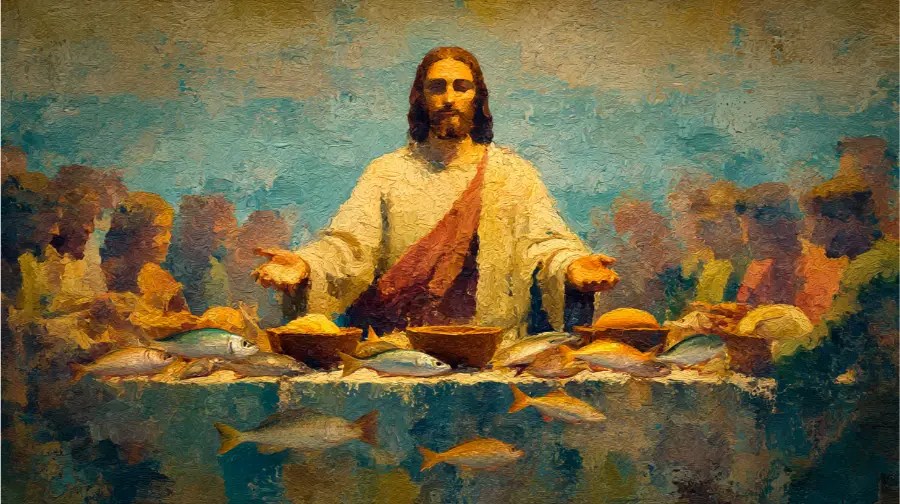
Revelation 22:2
“through the middle of the street of the city; also, on either side of the river, the tree of life with its twelve kinds of fruit, yielding its fruit each month. The leaves of the tree were for the healing of the nations.”
Reflection: In John’s vision of the new Jerusalem, the river of the water of life flows from the throne of God and of the Lamb, with the tree of life on either side bearing fruit each month. Its leaves are “for the healing of the nations,” and verse 3 adds that nothing accursed will be there any longer.
Believers who stayed ill
Paul’s letters name two of his fellow workers who were sick. In 2 Timothy 4:20 he writes, “I left Trophimus, who was ill, at Miletus,” and says nothing more about him. Of Epaphroditus he writes in Philippians 2:27, “Indeed he was ill, near to death. But God had mercy on him,” and the verse before says the church at Philippi had heard of the illness and Epaphroditus was distressed that they had.


Leave a Reply