
 English
 Chinese
 Dutch
 Arabic
 Spanish
 Portuguese
 Russian
 French
 Italian
 German
 Japanese
A person becomes a child of God by receiving Christ and believing in his name. John 1:12 calls this a right Christ gives, and Paul calls the same change adoption (Galatians 4:5, Romans 8:15, Ephesians 1:5).
Paul’s word for adoption is huiothesia, adoption as sons. He uses it of believers in Romans 8:15, Romans 8:23, Galatians 4:5 and Ephesians 1:5, and of Israel in Romans 9:4: “Theirs is the adoption to sonship.” In the Old Testament, Israel as a people is called God’s son (Hosea 11:1). The New Testament gives the name “children of God” to peacemakers (Matthew 5:9), to those led by the Spirit (Romans 8:14) and to all who have faith in Christ (Galatians 3:26), and 1 John 3:2 says what they will become “has not yet been made known.”
How a person becomes God’s child
John 1:12-13
“Yet to all who did receive him, to those who believed in his name, he gave the right to become children of God— children born not of natural descent, nor of human decision or a husband’s will, but born of God.”
Reflection: John sets this against a refusal: “He came to that which was his own, but his own did not receive him” (John 1:11). Those who did receive him were given “the right to become children of God,” and verse 13 rules out ancestry and human decision as the source of that birth: they are “born of God.” Jesus speaks of the same new birth to Nicodemus: “no one can see the kingdom of God unless they are born again” (John 3:3).
Galatians 3:26
“So in Christ Jesus you are all children of God through faith.”
Reflection: Paul has just called the law a guardian “until Christ came,” and says that now “we are no longer under a guardian” (Galatians 3:24-25). The following verses say who “all” covers: “all of you who were baptized into Christ have clothed yourselves with Christ,” there is “neither Jew nor Gentile, neither slave nor free, nor is there male and female,” and those who belong to Christ are “Abraham’s seed, and heirs according to the promise” (Galatians 3:27-29).

Galatians 4:5-7
“to redeem those under the law, that we might receive adoption to sonship. Because you are his sons, God sent the Spirit of his Son into our hearts, the Spirit who calls out, ‘Abba, Father.’ So you are no longer a slave, but God’s child; and since you are his child, God has made you also an heir.”
Reflection: Verse 4 gives the setting: “when the set time had fully come, God sent his Son, born of a woman, born under the law.” Two sendings follow, the Son to redeem and the Spirit of the Son into the heart, where he calls out “Abba, Father,” the words Jesus prays in Gethsemane (Mark 14:36). Paul’s conclusion in verse 7 moves from slave to child to heir.
Ephesians 1:5
“he predestined us for adoption to sonship through Jesus Christ, in accordance with his pleasure and will—”
Reflection: Verse 4 says God “chose us in him before the creation of the world to be holy and blameless in his sight” and ends with the words “In love.” Verse 5 adds a second purpose, adoption “through Jesus Christ,” and the sentence runs on into verse 6: “to the praise of his glorious grace.” Christians read the choice differently. The Westminster Confession, a Reformed standard, says God chose “out of his mere free grace and love, without any foresight of faith, or good works, or perseverance in either of them, or any other thing in the creature.” The Arminian Articles of Remonstrance describe God’s purpose as saving “those who, through the grace of the Holy Ghost, shall believe on this his Son Jesus.”
Led by the Spirit and made heirs
Romans 8:14
“For those who are led by the Spirit of God are the children of God.”
Reflection: Paul has just set living “according to the flesh” against putting to death “the misdeeds of the body” by the Spirit (Romans 8:13). Being led by the Spirit is the mark he gives of God’s children.
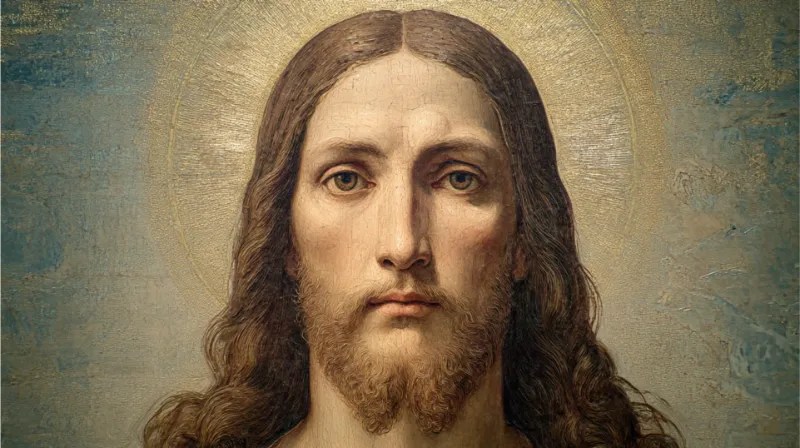
Romans 8:16
“The Spirit himself testifies with our spirit that we are God’s children.”
Reflection: Verse 15 has set a spirit that makes people “slaves, so that you live in fear again” against the Spirit who “brought about your adoption to sonship.” Verse 16 names two witnesses to the same fact, God’s Spirit and the believer’s own spirit, and the fact they agree on is stated in the present tense: “we are God’s children.”
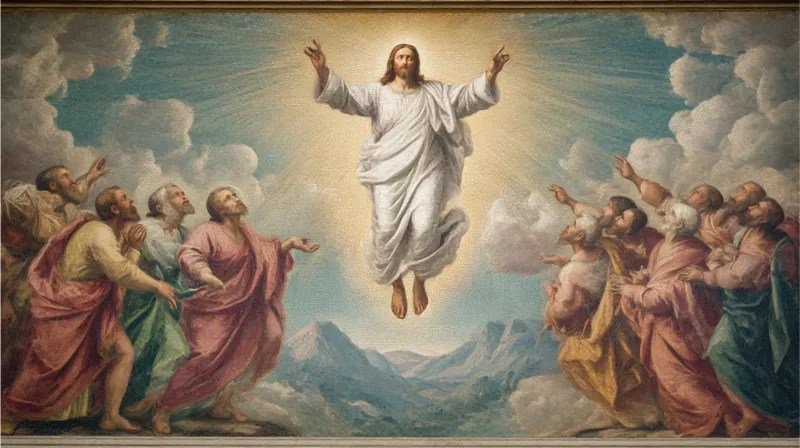
Romans 8:17
“Now if we are children, then we are heirs—heirs of God and co-heirs with Christ, if indeed we share in his sufferings in order that we may also share in his glory.”
Reflection: Children inherit, and Paul makes God’s children co-heirs with Christ, on the condition written into the same sentence: sharing in his sufferings in order to share in his glory. Verse 18 weighs the two, and verse 23 places the full adoption in the future: believers “wait eagerly for our adoption to sonship, the redemption of our bodies.”
What kind of Father God is
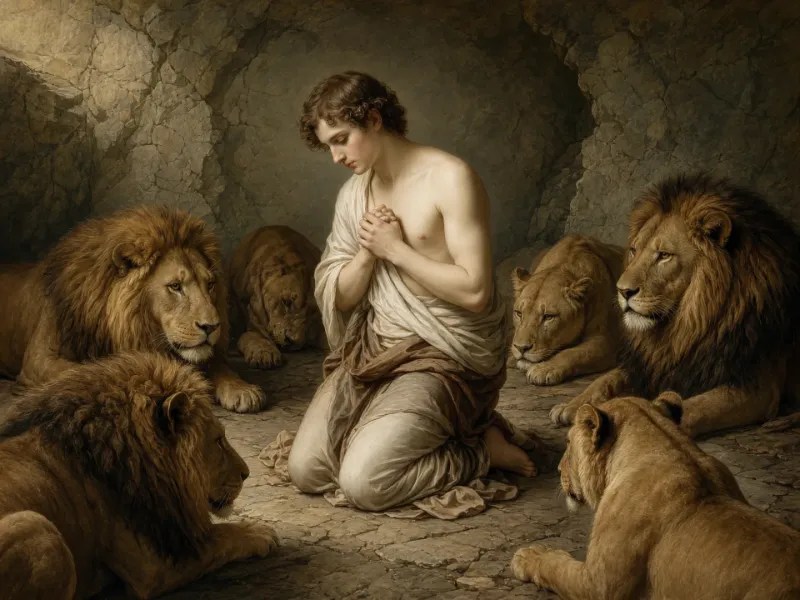
Psalm 103:13
“As a father has compassion on his children, so the Lord has compassion on those who fear him.”
Reflection: Psalm 103, headed “Of David,” praises the Lord “who forgives all your sins” (verse 3) and “does not treat us as our sins deserve” (verse 10). Verse 13 compares his compassion to a father’s, and verse 14 gives the reason: “he knows how we are formed, he remembers that we are dust.” The compassion is promised to “those who fear him.”
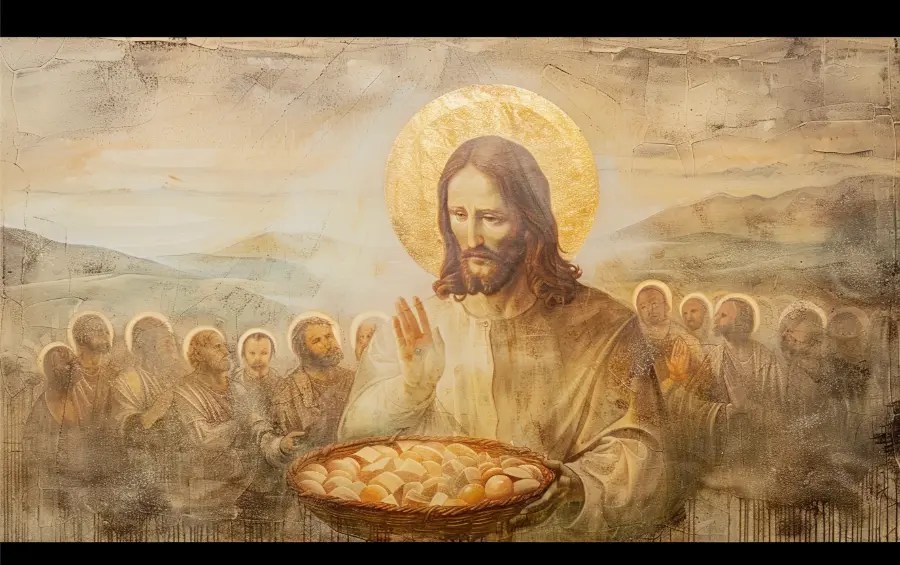
Matthew 7:11
“If you, then, though you are evil, know how to give good gifts to your children, how much more will your Father in heaven give good gifts to those who ask him!”
Reflection: In the Sermon on the Mount, Jesus asks which father would give a son a stone when he asks for bread, or a snake when he asks for a fish (Matthew 7:9-10). The argument runs from lesser to greater: if parents who are evil give good gifts, the Father in heaven gives more. Luke’s version of the saying names the gift as “the Holy Spirit” (Luke 11:13).

Luke 12:32
“Do not be afraid, little flock, for your Father has been pleased to give you the kingdom.”
Reflection: Jesus has been telling his disciples not to set their hearts on food and drink, because “your Father knows that you need them” (Luke 12:30). He calls them a “little flock” and says the Father is pleased to give them the kingdom, the same kingdom verse 31 told them to seek.
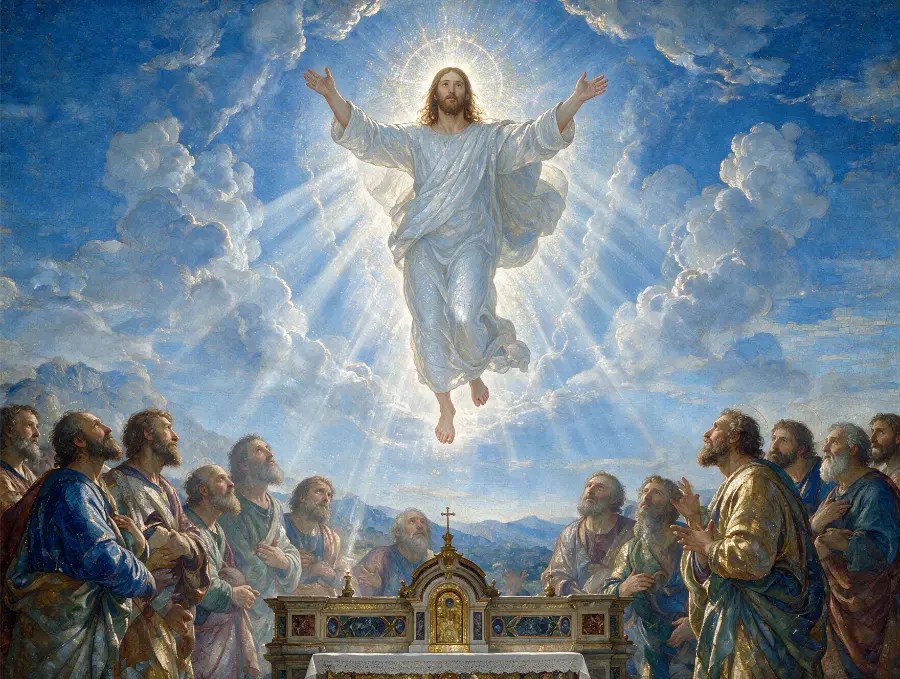
Hebrews 12:6-7
“because the Lord disciplines the one he loves, and he chastens everyone he accepts as his son. Endure hardship as discipline; God is treating you as his children. For what children are not disciplined by their father?”
Reflection: Verse 6 completes a quotation from Proverbs 3:11-12 that begins in Hebrews 12:5, “My son, do not make light of the Lord’s discipline,” introduced as a word “that addresses you as a father addresses his son.” Verse 7 is the writer’s own comment: hardship is to be endured as discipline, and verse 8 says those without discipline are “not true sons and daughters at all.” Verse 10 gives the purpose, “that we may share in his holiness.” The Westminster Confession lists this among the privileges of adoption: believers are “pitied, protected, provided for, and chastened by him, as by a father.”
When God calls his people sons and daughters
Isaiah 43:1
“But now, this is what the Lord says— he who created you, Jacob, he who formed you, Israel: ‘Do not fear, for I have redeemed you; I have summoned you by name; you are mine.’”
Reflection: The Lord addresses Jacob and Israel as the one who created, formed and redeemed them, and says “you are mine.” In verse 5 he promises to bring “your children from the east”; in verse 6 he calls the gathered people his own: “Bring my sons from afar and my daughters from the ends of the earth.” The promise was spoken to Israel as a nation.
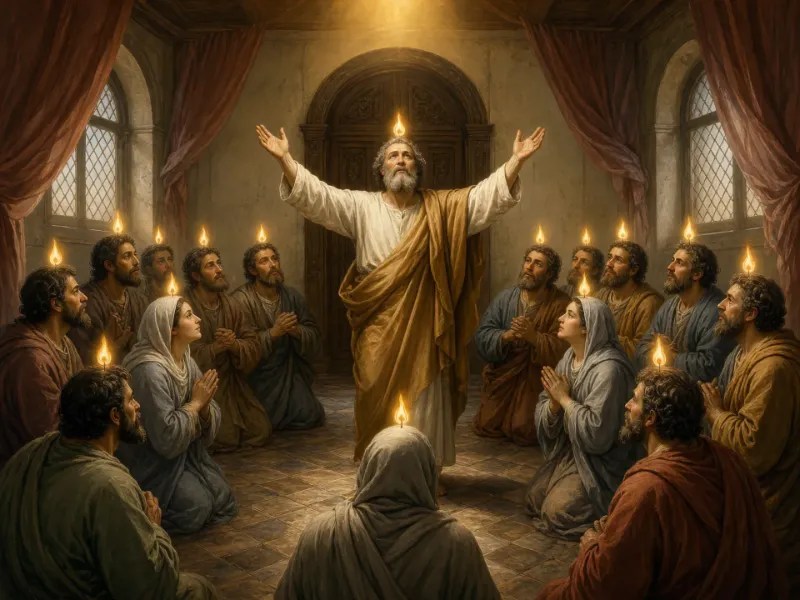
2 Corinthians 6:18
“And, ‘I will be a Father to you, and you will be my sons and daughters, says the Lord Almighty.’”
Reflection: Paul ends a string of Old Testament promises with this one, after telling the Corinthians “we are the temple of the living God” (verse 16) and calling them to “come out from them and be separate” (verse 17). The words echo God’s promise about David’s son, “I will be his father, and he will be my son” (2 Samuel 7:14), with “sons and daughters” in place of one son.
How God’s children are recognized
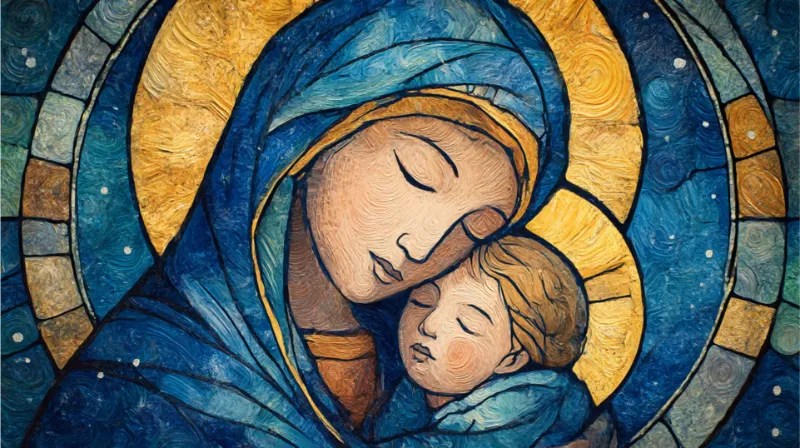
Matthew 5:9
“Blessed are the peacemakers, for they will be called children of God.”
Reflection: The seventh of the Beatitudes gives peacemakers a name: they “will be called children of God.” The promise is in the future tense, like “they will be comforted” and “they will be filled” earlier in the list (Matthew 5:4, 5:6).
Matthew 5:44-45
“But I tell you, love your enemies and pray for those who persecute you, that you may be children of your Father in heaven. He causes his sun to rise on the evil and the good, and sends rain on the righteous and the unrighteous.”
Reflection: Jesus sets this against the saying “Love your neighbor and hate your enemy” (Matthew 5:43). The reason he gives is what the Father himself does, sending sun and rain on the evil and the good alike, and verse 48 completes the thought: “Be perfect, therefore, as your heavenly Father is perfect.”
Ephesians 5:1
“Follow God’s example, therefore, as dearly loved children.”
Reflection: The “therefore” points back to Ephesians 4:32: “Be kind and compassionate to one another, forgiving each other, just as in Christ God forgave you.” Verse 2 names what dearly loved children are to imitate: “walk in the way of love, just as Christ loved us and gave himself up for us.”

Philippians 2:15-16
“so that you may become blameless and pure, ‘children of God without fault in a warped and crooked generation.’ Then you will shine among them like stars in the sky as you hold firmly to the word of life. And then I will be able to boast on the day of Christ that I did not run or labor in vain.”
Reflection: The phrase in quotation marks comes from the song Moses recited to Israel, where the people are “corrupt and not his children; to their shame they are a warped and crooked generation” (Deuteronomy 32:5). Paul turns the line around: the Philippians are to be God’s children “without fault” in such a generation. Verse 14 names the step that leads there: “Do everything without grumbling or arguing.”
Children now, and what is still to come
1 John 3:1
“See what great love the Father has lavished on us, that we should be called children of God! And that is what we are! The reason the world does not know us is that it did not know him.”
Reflection: The verse before it says that “everyone who does what is right has been born of him” (1 John 2:29). Here the name “children of God” is a gift of the Father’s love, and John insists it is already true: “And that is what we are!” The world’s failure to recognize God’s children is traced to its failure to know God.
1 John 3:2
“Dear friends, now we are children of God, and what we will be has not yet been made known. But we know that when Christ appears, we shall be like him, for we shall see him as he is.”
Reflection: Being God’s child is present (“now we are children of God”), but what that will become “has not yet been made known.” What John says is known is that when Christ appears “we shall be like him” and “we shall see him as he is.” Verse 3 gives the result in the present: “All who have this hope in him purify themselves, just as he is pure.”
Revelation 21:7
“Those who are victorious will inherit all this, and I will be their God and they will be my children.”
Reflection: The speaker is “He who was seated on the throne” (Revelation 21:5), who says “I am making everything new!” and calls himself “the Alpha and the Omega” (verse 6). The loud voice of verse 3 has already said of God’s people “They will be his people”; verse 7 promises those who are victorious that they will inherit “all this” and be his children.


Leave a Reply