
 English
 Chinese
 Dutch
 Arabic
 Spanish
 Portuguese
 Russian
 French
 Italian
 German
 Japanese
Salvation in the Bible is God’s rescue of people from sin and its judgment, given by grace and received through faith in Christ. Ephesians 2:8-9 and Titus 3:5 rule out works as its cause, John 3:16 gives God’s love as its reason, and Acts 4:12 names Jesus as the one through whom it comes.
The New Testament also asks something of the person saved: confession and belief (Romans 10:9) and repentance (Acts 3:19). Acts 2:38 and Mark 16:16 name baptism alongside repentance and belief, and John 5:24 and Romans 8:1 describe what the one who believes already has.
Saved by grace, not by works
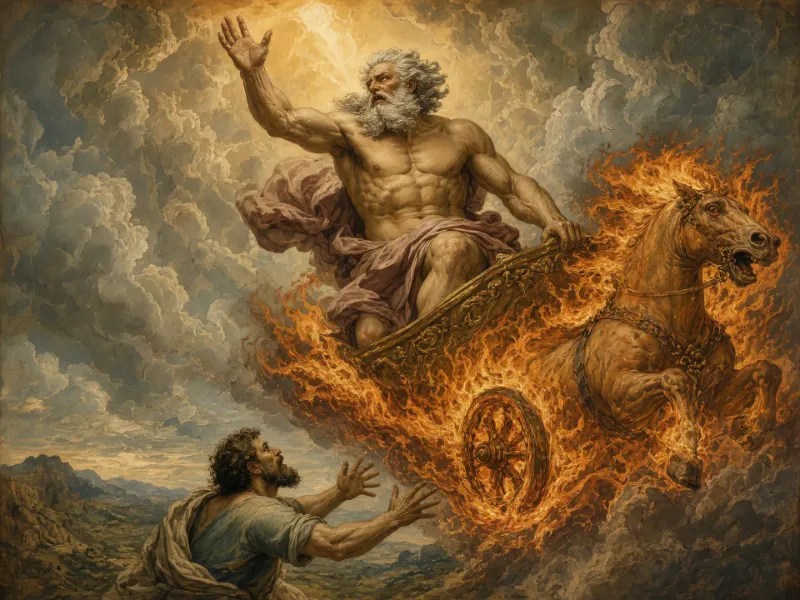
Ephesians 2:8-9
“For by grace you have been saved through faith. And this is not your own doing; it is the gift of God, not a result of works, so that no one may boast.”
Reflection: Paul opens the chapter by describing his readers as “dead in the trespasses and sins in which you once walked” (2:1). He has already said it once in passing, “by grace you have been saved” (2:5), and here he adds faith as the means and rules out boasting. The next verse gives works a place after salvation: believers are “created in Christ Jesus for good works, which God prepared beforehand” (2:10).
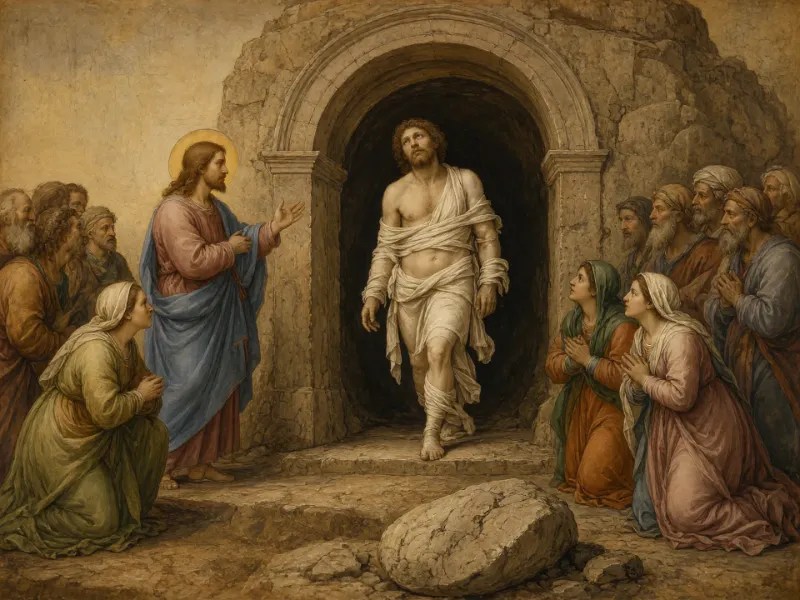
Titus 3:5
“He saved us, not because of works done by us in righteousness, but according to his own mercy, by the washing of regeneration and renewal of the Holy Spirit.”
Reflection: The verse sits between a list of what Paul and his readers once were, “foolish, disobedient, led astray” (3:3), and the outcome, “so that being justified by his grace we might become heirs according to the hope of eternal life” (3:7). Mercy is the reason given. The means are named as the washing of regeneration and the renewal of the Holy Spirit, whom God “poured out on us richly through Jesus Christ our Savior” (3:6).
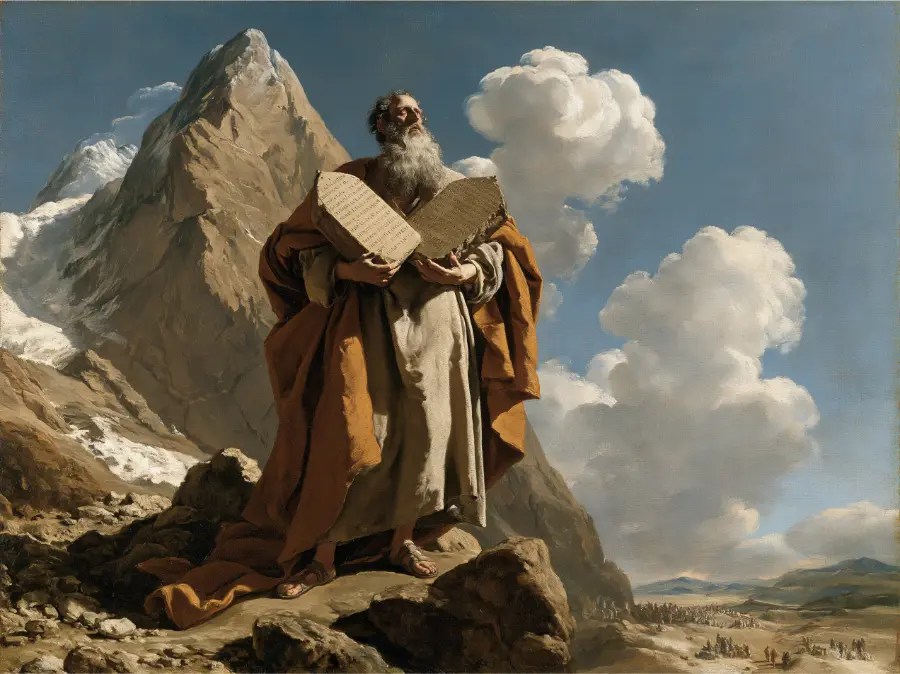
2 Timothy 1:9
“Who saved us and called us to a holy calling, not because of our works but because of his own purpose and grace, which he gave us in Christ Jesus before the ages began.”
Reflection: Paul writes to Timothy as the Lord’s “prisoner” (1:8), urging him not to be ashamed of the gospel and to share in suffering for it. He grounds that appeal in a salvation decided “before the ages began” and made visible when Christ appeared and “abolished death and brought life and immortality to light through the gospel” (1:10). Being saved and being called to a holy life are named together in one clause.

Romans 3:24
“And are justified by his grace as a gift, through the redemption that is in Christ Jesus.”
Reflection: The sentence begins in the verse before: “all have sinned and fall short of the glory of God” (3:23). Paul introduces that line with “there is no distinction,” speaking of Jew and Gentile, and says justification comes as a gift of grace. The following verse explains the redemption he mentions: God put Christ forward “as a propitiation by his blood, to be received by faith” (3:25).
Why God saves, and whom he wants saved
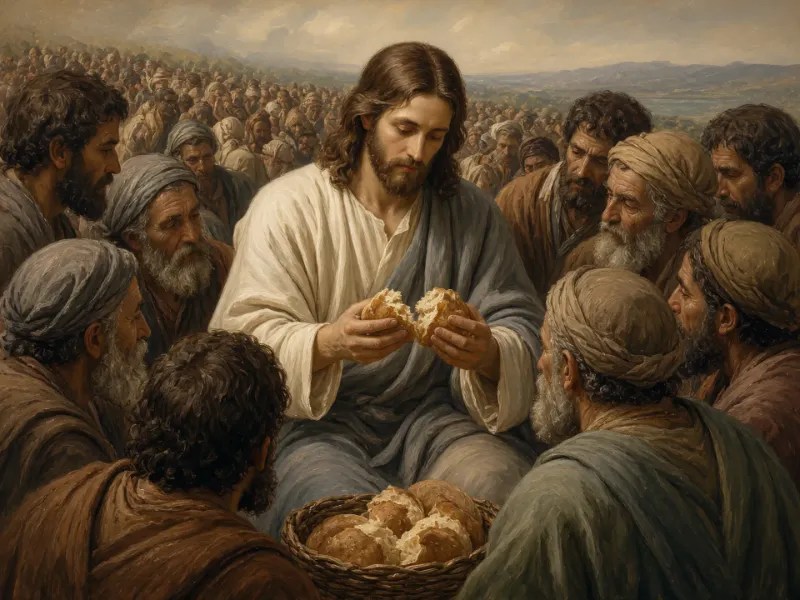
John 3:16
“For God so loved the world, that he gave his only Son, that whoever believes in him should not perish but have eternal life.”
Reflection: The verse follows a comparison with the bronze serpent Moses lifted up in the wilderness, which bitten Israelites looked at and lived (John 3:14, Numbers 21:8-9): so the Son of Man must be lifted up. Verse 17 states the purpose negatively and positively: God did not send his Son “to condemn the world, but in order that the world might be saved through him.” Verse 18 adds that whoever does not believe “is condemned already.”
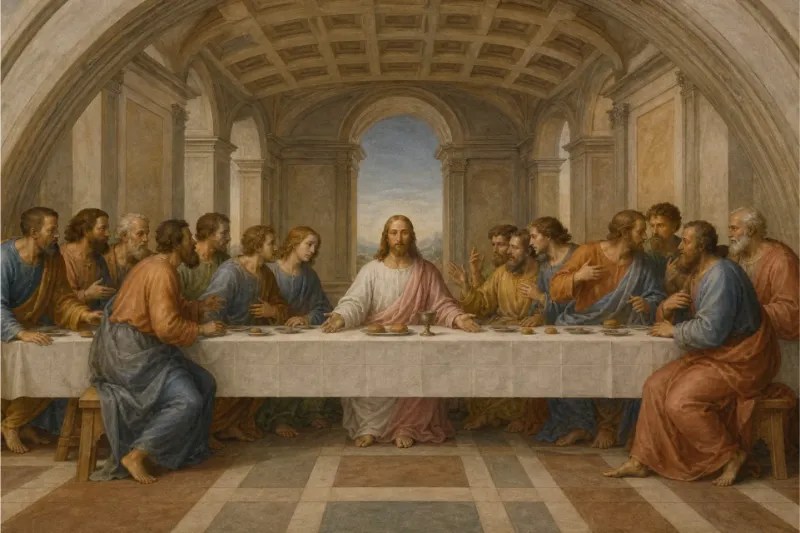
1 Timothy 2:4
“Who desires all people to be saved and to come to the knowledge of the truth.”
Reflection: Paul’s instruction here is about prayer. He urges prayers “for all people, for kings and all who are in high positions” (2:1-2), and gives God’s desire for all people to be saved as the reason such prayer pleases him. The phrase “knowledge of the truth” is paired with being saved, and verse 6 says Christ “gave himself as a ransom for all.”

2 Peter 3:9
“The Lord is not slow to fulfill his promise as some count slowness, but is patient toward you, not wishing that any should perish, but that all should reach repentance.”
Reflection: Peter is answering scoffers who ask, “Where is the promise of his coming?” (3:4). His answer is that the delay is patience: God holds back the day of judgment to give time for repentance. The very next verse warns that “the day of the Lord will come like a thief” (3:10), so the patience has an end.
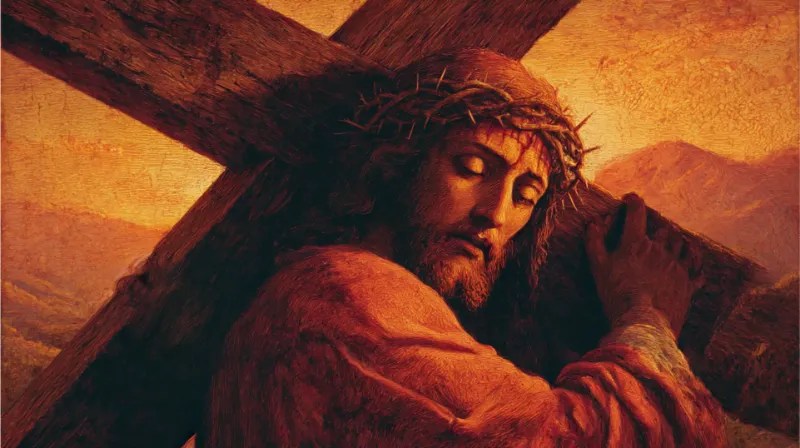
Isaiah 45:22
“Turn to me and be saved, all the ends of the earth! For I am God, and there is no other.”
Reflection: God addresses “survivors of the nations” who “keep on praying to a god that cannot save” (45:20) and calls himself “a righteous God and a Savior; there is none besides me” (45:21). The invitation reaches “all the ends of the earth,” well beyond Israel. Verse 23 continues, “To me every knee shall bow,” a line Paul applies to Jesus in Philippians 2:10-11.
Through Christ alone
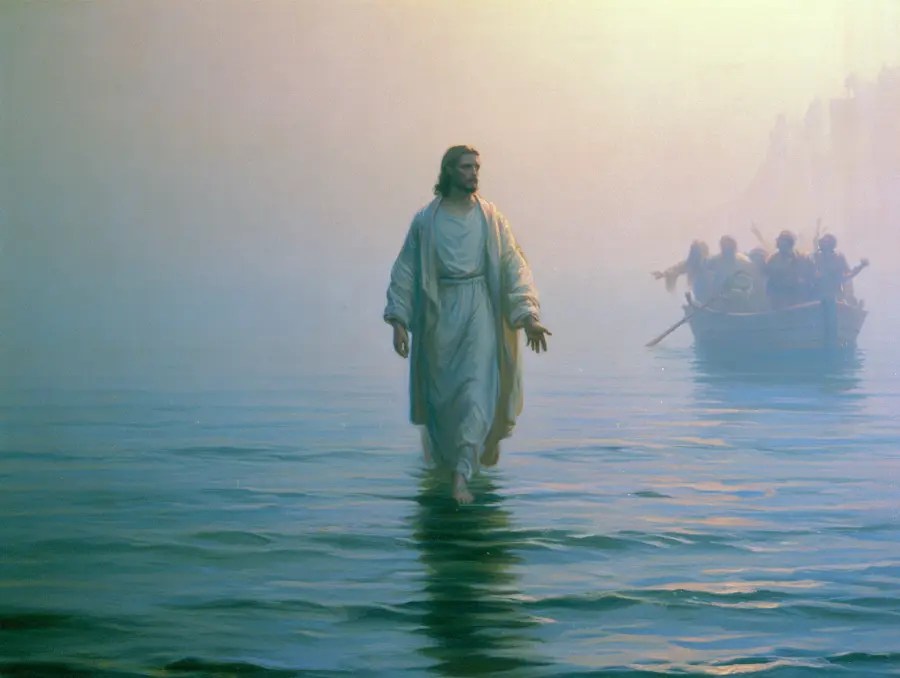
Acts 4:12
“And there is salvation in no one else, for there is no other name under heaven given among men by which we must be saved.”
Reflection: Peter is on trial before the rulers and elders of Jerusalem for healing a crippled man (Acts 4:8-10). He tells them the man stands there well by the name of Jesus, “whom you crucified, whom God raised from the dead,” and calls Jesus the stone the builders rejected (4:11, quoting Psalm 118:22). The claim about salvation moves from one healed man to everyone: no other name can save.
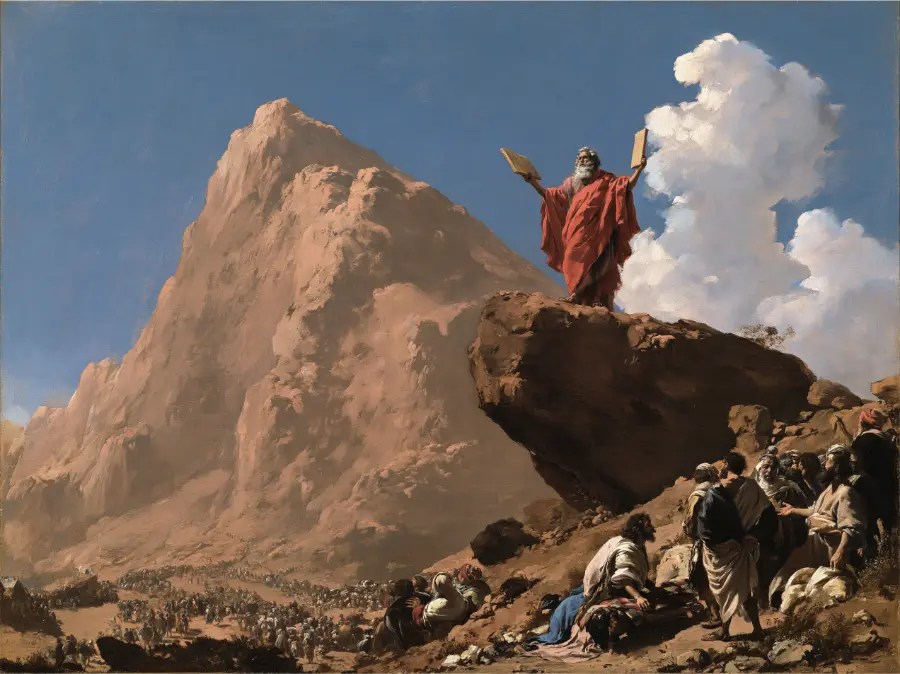
John 14:6
“Jesus said to him, ‘I am the way, and the truth, and the life. No one comes to the Father except through me.’”
Reflection: Jesus has just told the disciples he is going to prepare a place for them in his Father’s house and that they know the way (14:2-4). Thomas objects that they do not know where he is going, so how can they know the way. Jesus answers that he himself is the way, and adds the exclusive claim that no one reaches the Father except through him.
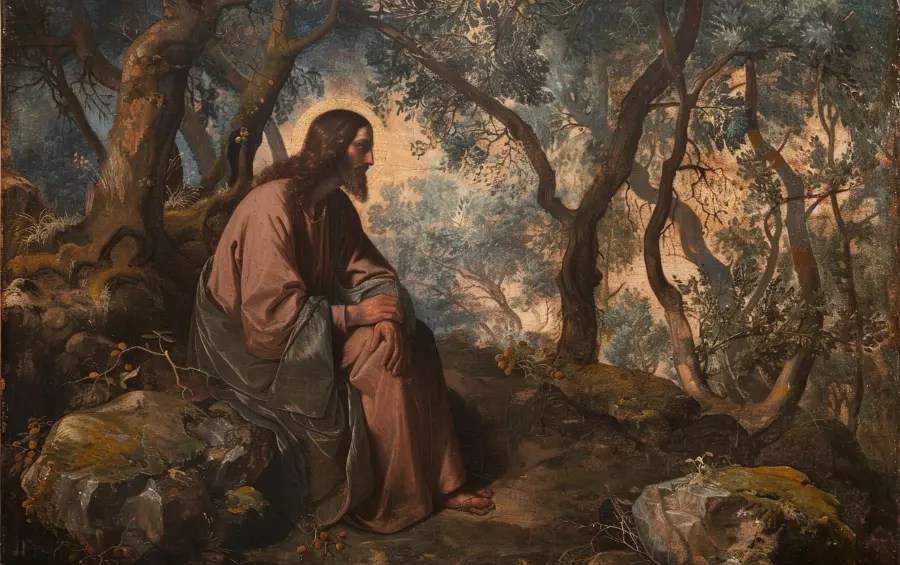
1 Timothy 2:5
“For there is one God, and there is one mediator between God and men, the man Christ Jesus.”
Reflection: The verse follows directly on God’s desire that all people be saved (2:4). A mediator stands between two parties, and Paul names this one “the man Christ Jesus.” Verse 6 says how he mediates: he “gave himself as a ransom for all.”
Believing, confessing and repenting
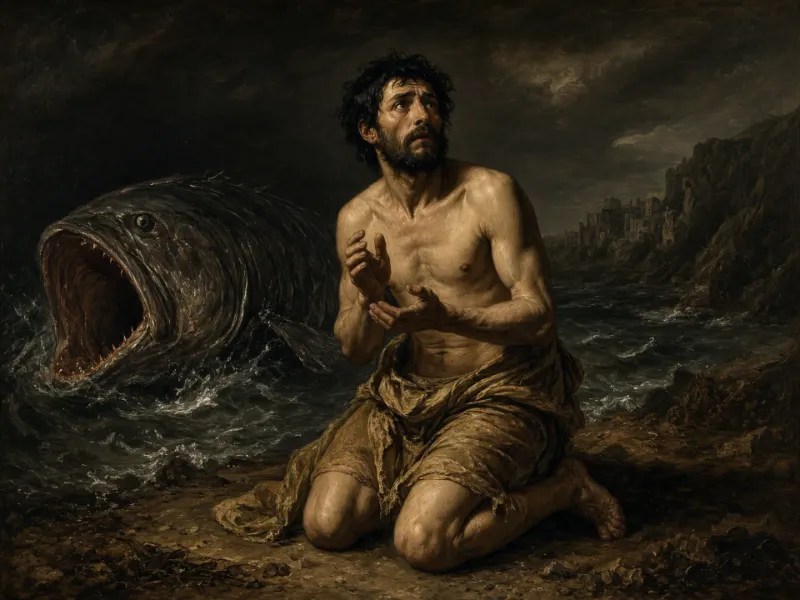
Romans 10:9
“Because, if you confess with your mouth that Jesus is Lord and believe in your heart that God raised him from the dead, you will be saved.”
Reflection: Paul contrasts righteousness based on the law with the righteousness based on faith, which says “The word is near you, in your mouth and in your heart” (10:8, quoting Deuteronomy 30:14). Mouth and heart in that quotation become confession and belief in this verse. Verse 13 widens it to everyone: “everyone who calls on the name of the Lord will be saved,” with “no distinction between Jew and Greek” (10:12).
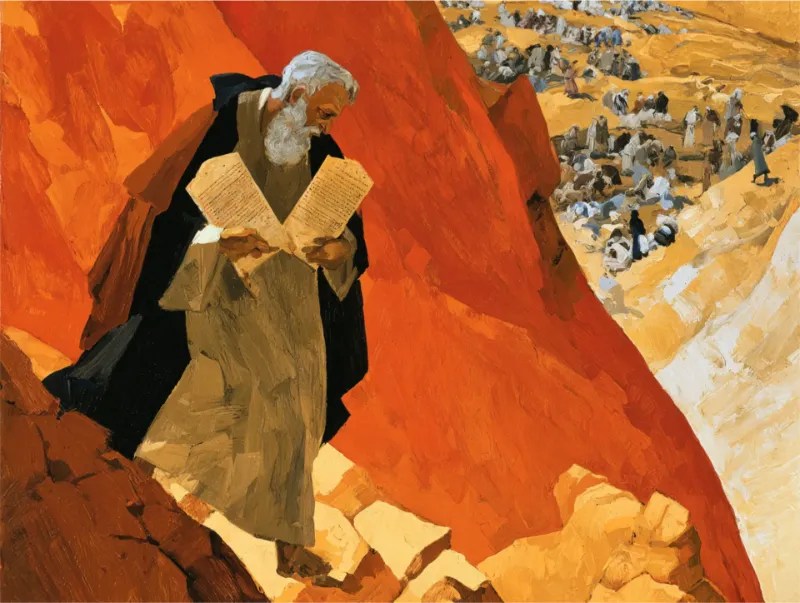
Acts 3:19
“Repent therefore, and turn back, that your sins may be blotted out.”
Reflection: Peter is speaking to the crowd that gathered in Solomon’s portico after the healing of a lame man (3:11-12). He tells them they “acted in ignorance” in handing Jesus over (3:17), and then calls them to repent and turn back. Peter’s sentence continues into the next verse: “that times of refreshing may come from the presence of the Lord, and that he may send the Christ appointed for you” (3:20).

Luke 13:3
“No, I tell you; but unless you repent, you will all likewise perish.”
Reflection: Some people told Jesus about Galileans whose blood Pilate had mingled with their sacrifices. Jesus asks whether they suffered because they were worse sinners than other Galileans, answers no, and turns the question on his listeners. He repeats the same warning about eighteen people killed when the tower in Siloam fell (13:4-5).
The gospel as God’s power to save
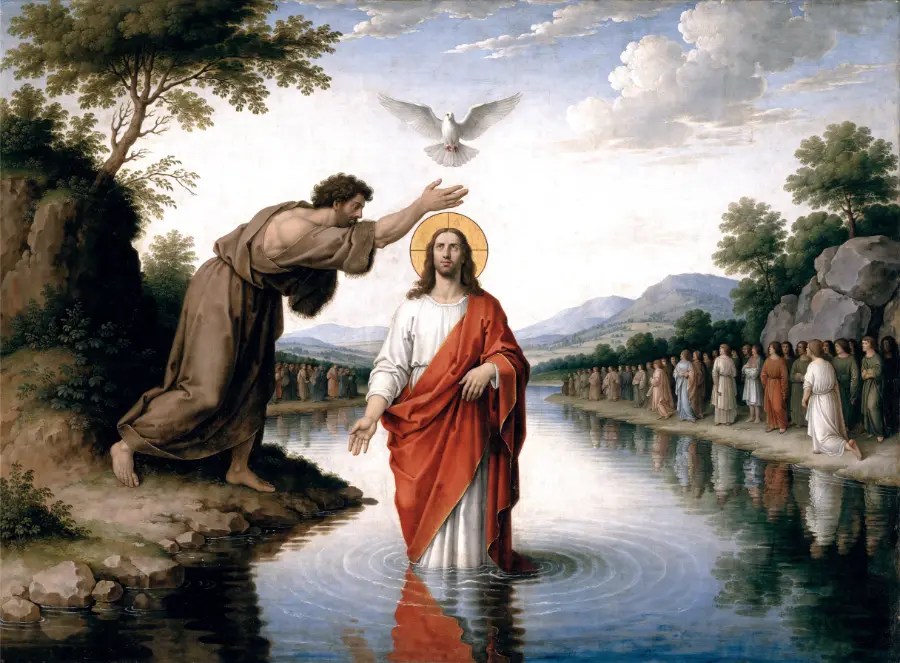
Romans 1:16
“For I am not ashamed of the gospel, for it is the power of God for salvation to everyone who believes, to the Jew first and also to the Greek.”
Reflection: Near the start of his letter to the Romans, Paul calls the gospel “the power of God for salvation” for everyone who believes, Jew and Greek alike. Verse 17 gives the reason: in the gospel “the righteousness of God is revealed from faith for faith, as it is written, ‘The righteous shall live by faith’” (quoting Habakkuk 2:4).

1 Corinthians 1:18
“For the word of the cross is folly to those who are perishing, but to us who are being saved it is the power of God.”
Reflection: The ESV’s “are being saved” puts salvation in the present, as something under way; Paul also speaks of it as done (“you have been saved,” Ephesians 2:8) and as still to come (Ephesians 1:14). Paul had just written, “Christ did not send me to baptize but to preach the gospel” (1:17), and a few verses later he says “it pleased God through the folly of what we preach to save those who believe” (1:21). The message of a crucified Messiah is “a stumbling block to Jews and folly to Gentiles” (1:23).
Baptism and salvation
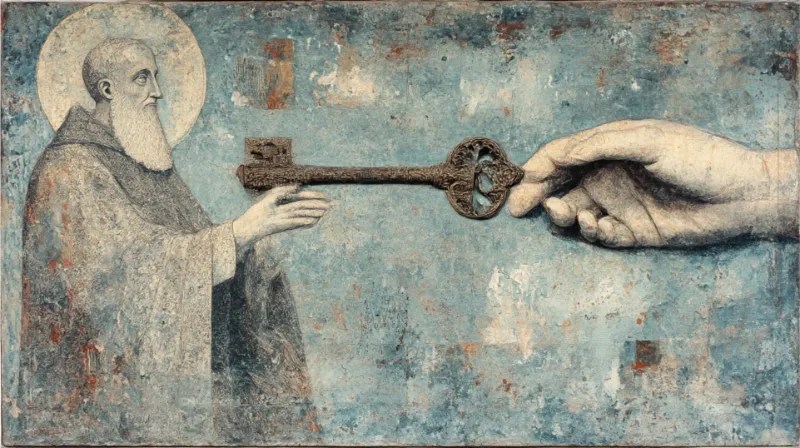
Acts 2:38
“And Peter said to them, ‘Repent and be baptized every one of you in the name of Jesus Christ for the forgiveness of your sins, and you will receive the gift of the Holy Spirit.’”
Reflection: At Pentecost, Peter’s hearers are “cut to the heart” and ask, “Brothers, what shall we do?” (2:37). Peter answers with repentance and baptism, promises forgiveness and the Holy Spirit, and says the promise is “for you and for your children and for all who are far off” (2:39). Luke records that about three thousand were baptized and added that day (2:41).
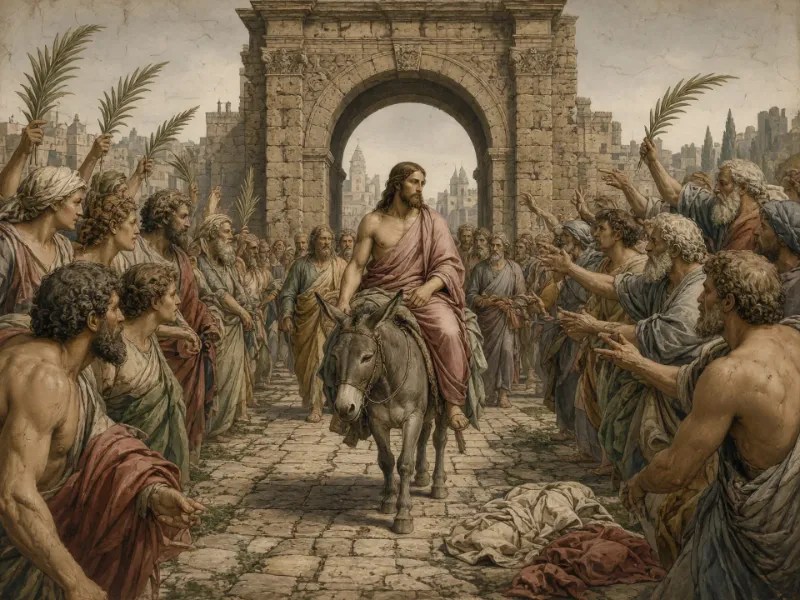
Galatians 3:27
“For as many of you as were baptized into Christ have put on Christ.”
Reflection: Paul’s argument in the surrounding verses is that the law was a guardian until Christ came, and that “in Christ Jesus you are all sons of God, through faith” (3:26). Baptism into Christ is described as putting him on like clothing. The next verse draws the consequence: “There is neither Jew nor Greek, there is neither slave nor free, there is no male and female, for you are all one in Christ Jesus” (3:28).
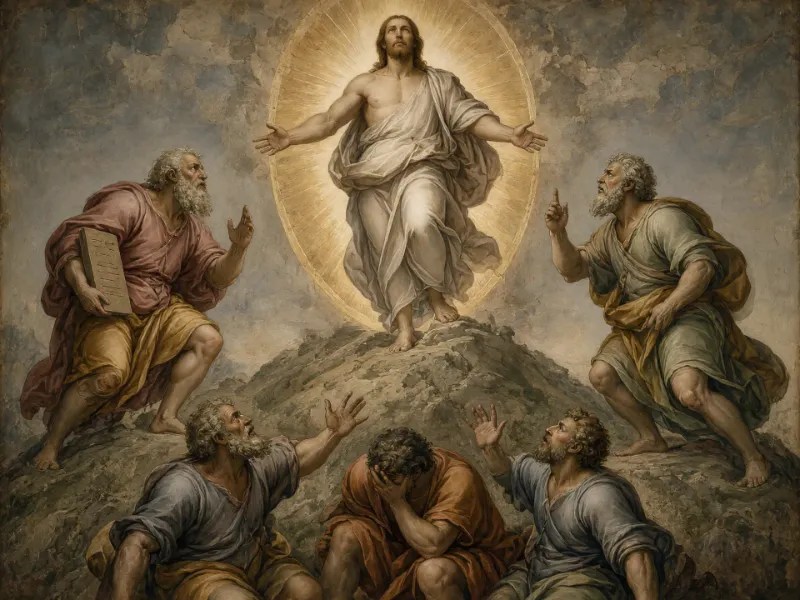
Mark 16:16
“Whoever believes and is baptized will be saved, but whoever does not believe will be condemned.”
Reflection: The risen Jesus speaks these words to the eleven after rebuking their unbelief, along with the command to “proclaim the gospel to the whole creation” (16:15). The ESV prints Mark 16:9-20 in brackets with the note that some of the earliest manuscripts do not include these verses. The second half of the verse condemns the one who does not believe and says nothing of the unbaptized.
What the saved already have

John 5:24
“Truly, truly, I say to you, whoever hears my word and believes him who sent me has eternal life. He does not come into judgment, but has passed from death to life.”
Reflection: Jesus says this after claiming that the Father “has given all judgment to the Son” (5:22). The one who hears and believes “has” eternal life now and “has passed from death to life,” both stated as already done. The next verse speaks of the dead hearing “the voice of the Son of God” in an hour that “is now here” (5:25).

John 6:47
“Truly, truly, I say to you, whoever believes has eternal life.”
Reflection: Some of those listening to Jesus ask how he can have come down from heaven when they know his parents (verse 42). Jesus has already said whom he means by whoever believes. In verse 40 he speaks of everyone who “looks on the Son and believes in him” and promises to raise that person on the last day.

1 John 5:11-12
“And this is the testimony, that God gave us eternal life, and this life is in his Son. Whoever has the Son has life; whoever does not have the Son of God does not have life.”
Reflection: John is writing about the testimony God has given concerning his Son (5:9-10). The testimony is that eternal life is found in the Son, so to have the Son is to have life. John gives his reason for writing a verse later: “that you may know that you have eternal life” (5:13).
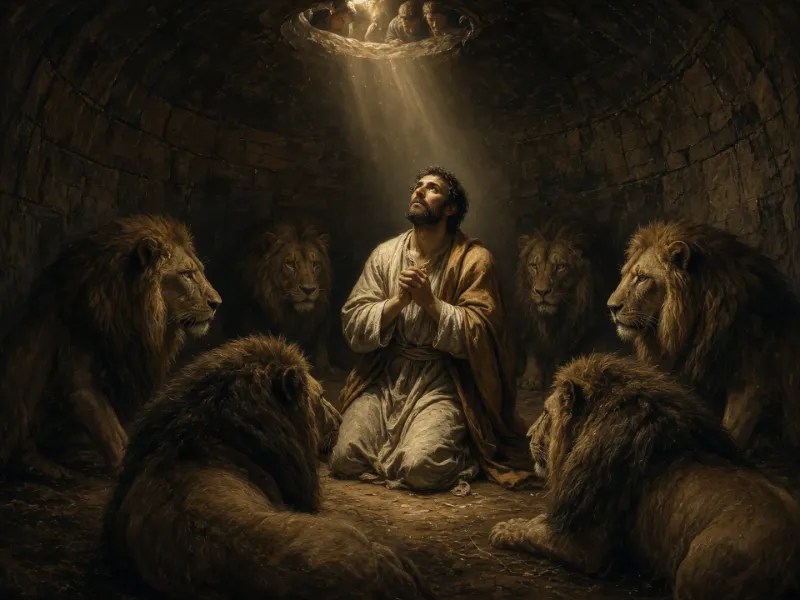
1 John 2:25
“And this is the promise that he made to us—eternal life.”
Reflection: Writing to believers whom others are trying to deceive, John warns them about those who deny that Jesus is the Christ (verses 22 and 26). He urges his readers to hold on to what they heard from the beginning. In verse 24 he says that by doing so they will “abide in the Son and in the Father,” and he names eternal life as the promise they have received.
Romans 8:1
“There is therefore now no condemnation for those who are in Christ Jesus.”
Reflection: The “therefore” follows Romans 7, where Paul describes doing the evil he does not want to do (7:19). Verse 3 explains why there is no condemnation for those in Christ: God did what the law could not do, and “by sending his own Son in the likeness of sinful flesh and for sin, he condemned sin in the flesh.”
John 10:28
“I give them eternal life, and they will never perish, and no one will snatch them out of my hand.”
Reflection: Jesus is answering people who press him to say plainly whether he is the Christ (10:24). He tells them they do not believe because they are not his sheep, and describes his sheep as those who hear his voice and follow him. Verse 29 adds a second hand: “no one is able to snatch them out of the Father’s hand.”
Ephesians 1:13
“In him you also, when you heard the word of truth, the gospel of your salvation, and believed in him, were sealed with the promised Holy Spirit.”
Reflection: Paul lists three steps in order: hearing “the gospel of your salvation,” believing, and being sealed with the Holy Spirit. Verse 14 calls the Spirit “the guarantee of our inheritance until we acquire possession of it,” which places part of salvation still in the future.
Whether baptism is necessary for salvation
Christian confessions disagree on whether a person can be saved without baptism. The Catechism of the Catholic Church states that “Baptism is necessary for salvation” and adds that “God has bound salvation to the sacrament of Baptism, but he himself is not bound by his sacraments” (paragraph 1257).
The Westminster Confession of Faith (28.5) calls it “a great sin” to neglect baptism but says that “grace and salvation are not so inseparably annexed unto it, as that no person can be regenerated, or saved, without it; or, that all that are baptized are undoubtedly regenerated.”


Leave a Reply