
 English
 Chinese
 Dutch
 Arabic
 Spanish
 Portuguese
 Russian
 French
 Italian
 German
 Japanese
The Bible treats joy as something God gives and something his people are told to practise, including when life goes badly. Paul tells the Philippians to “Rejoice in the Lord always” (Philippians 4:4) while he is in chains, and Habakkuk resolves to rejoice in God with no crop in the field (Habakkuk 3:17-18).
Nehemiah tells a weeping crowd that “the joy of the LORD is your strength” (Nehemiah 8:10). Jesus speaks of giving his own joy to his disciples (John 15:11), Paul lists joy among the fruit of the Spirit (Galatians 5:22-23), and James and Peter connect joy with trials that test faith (James 1:2-3; 1 Peter 1:6-7). Zephaniah 3:17 and Luke 15:7 describe joy on God’s side: the LORD rejoicing over his people, and heaven rejoicing over one sinner who repents.
Rejoicing as a command

Philippians 4:4
“Rejoice in the Lord always. I will say it again: Rejoice!”
Reflection: Paul writes this letter in chains (Philippians 1:13), and the command follows his plea to two women in the church, Euodia and Syntyche, “to be of the same mind in the Lord,” and his request that a companion help them (4:2-3). He repeats it for emphasis: “I will say it again: Rejoice!” The next verses pair rejoicing with gentleness and with prayer in place of anxiety, and promise that the peace of God “will guard your hearts and your minds in Christ Jesus.”
1 Thessalonians 5:16-18
“Rejoice always, pray continually, give thanks in all circumstances; for this is God’s will for you in Christ Jesus.”
Reflection: Three short commands sit in the middle of a run of instructions for church life that begins with respecting leaders (5:12-13) and continues to “Do not quench the Spirit” and testing prophecies (5:19-22). Rejoicing is set beside praying and giving thanks, and Paul gives one reason for all three: “this is God’s will for you in Christ Jesus.”
Romans 12:12
“Be joyful in hope, patient in affliction, faithful in prayer.”
Reflection: The line belongs to Paul’s list of what sincere love looks like among believers (Romans 12:9-13), between keeping spiritual fervor and sharing with the Lord’s people who are in need. Joy here is attached to hope, something still waited for, and it stands next to patience in affliction, which the list assumes believers will meet.
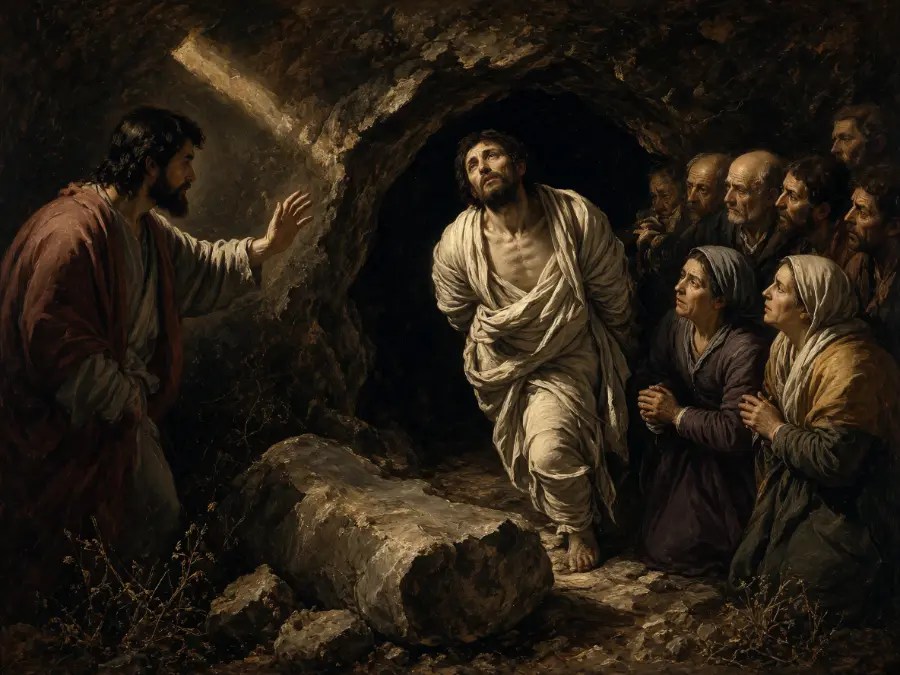
Nehemiah 8:10
“Do not grieve, for the joy of the LORD is your strength.”
Reflection: Ezra had read the Law aloud from daybreak till noon, and the people wept as they listened (Nehemiah 8:3, 9). Nehemiah, Ezra and the Levites told them to stop mourning because the day was holy to the LORD, and to eat, drink and send portions to those who had nothing prepared. The people then went away to celebrate “with great joy, because they now understood the words that had been made known to them” (8:12), and when they built shelters for the festival of the seventh month, “their joy was very great” (8:17).
Joy in God’s presence and salvation
Psalm 16:11
“You make known to me the path of life; you will fill me with joy in your presence, with eternal pleasures at your right hand.”
Reflection: The psalm moves from trust that God will not abandon the speaker “to the realm of the dead” (16:10) to joy in God’s presence and “eternal pleasures at your right hand.” At Pentecost, Peter quotes Psalm 16:8-11 and applies it to the resurrection of Jesus (Acts 2:25-28).

Psalm 4:7
“Fill my heart with joy when their grain and new wine abound.”
Reflection: In the NIV the line is a request, “Fill my heart with joy,” while the ESV reads it as a statement of what God has done: “You have put more joy in my heart than they have when their grain and wine abound.” Either way, the psalmist’s joy is set against the harvest of others, after many have asked, “Who will bring us prosperity?” (4:6). The psalm ends with sleep: “In peace I will lie down and sleep, for you alone, LORD, make me dwell in safety.”

Psalm 51:12
“Restore to me the joy of your salvation and grant me a willing spirit, to sustain me.”
Reflection: The psalm is a confession of sin, opening with “blot out my transgressions” (51:1), and joy is one of the things it asks to have back, along with a pure heart and a steadfast spirit (51:10). The next verse says what restored joy will lead to: “Then I will teach transgressors your ways, so that sinners will turn back to you.”

Isaiah 61:10
“I delight greatly in the LORD; my soul rejoices in my God. For he has clothed me with garments of salvation and arrayed me in a robe of his righteousness.”
Reflection: Isaiah 61 opens with an anointed speaker sent “to comfort all who mourn” and to give “the oil of joy instead of mourning” (61:1-3), Jesus read the opening of the passage in the synagogue at Nazareth, stopping at “the year of the Lord’s favor,” and said it was fulfilled that day (Luke 4:16-21). In verse 10 the joy is explained by clothing: God has dressed the speaker in garments of salvation and a robe of righteousness. The rest of the verse, not quoted above, compares this to a bridegroom who adorns his head like a priest and a bride who adorns herself with her jewels.

Psalm 126:3
“The LORD has done great things for us, and we are filled with joy.”
Reflection: The psalm remembers a time when the LORD “restored the fortunes of Zion” and the people were “like those who dreamed,” their mouths filled with laughter. Verse 3 takes up what the nations said in verse 2 and makes it the people’s own confession. The psalm then asks for restoration again and promises that “those who sow with tears will reap with songs of joy” (126:5).

Luke 2:10-11
“But the angel said to them, ‘Do not be afraid. I bring you good news that will cause great joy for all the people. Today in the town of David a Savior has been born to you; he is the Messiah, the Lord.’”
Reflection: The angel speaks to shepherds keeping watch over their flocks at night, who were terrified when the glory of the Lord shone around them. The “great joy” is announced “for all the people,” and its cause is a birth: a Savior, the Messiah, born in the town of David. A great company of angels then appears, praising God (2:13-14).
Joy given to believers

John 15:11
“I have told you this so that my joy may be in you and that your joy may be complete.”
Reflection: Jesus says this after the teaching on the vine and the branches, where remaining in his love means keeping his commands, as he has kept his Father’s (15:9-10). The joy he names is his own, given so that the disciples’ joy “may be complete.” The next verse states the command he has in mind: “Love each other as I have loved you.”

John 16:22
“So with you: Now is your time of grief, but I will see you again and you will rejoice, and no one will take away your joy.”
Reflection: Jesus tells the disciples they will weep and mourn while the world rejoices, and compares their coming grief to a woman in labour, whose anguish gives way to joy when the child is born (16:20-21). The joy he promises depends on seeing him again, and he says no one will take it away. Two verses later he adds, “Ask and you will receive, and your joy will be complete” (16:24).

Romans 15:13
“May the God of hope fill you with all joy and peace as you trust in him, so that you may overflow with hope by the power of the Holy Spirit.”
Reflection: Paul ends his appeal for Jews and Gentiles to accept one another (15:7-12) with a blessing on his readers. The verse before quotes Isaiah, “in him the Gentiles will hope,” and verse 13 picks up the word, naming God “the God of hope.” Joy and peace come “as you trust in him,” and hope overflows “by the power of the Holy Spirit.”
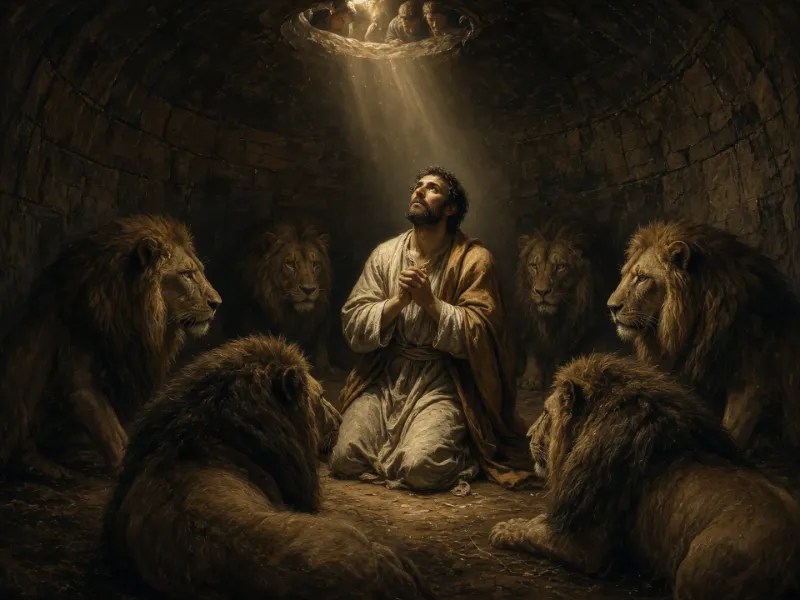
Galatians 5:22-23
“But the fruit of the Spirit is love, joy, peace, forbearance, kindness, goodness, faithfulness, gentleness and self-control.”
Reflection: Joy stands second in the fruit of the Spirit, a list set against the “acts of the flesh” in verses 19-21, which include hatred, discord, jealousy and envy. Paul places joy among what the Spirit produces in a person, and follows the list with “Since we live by the Spirit, let us keep in step with the Spirit” (5:25).
Joy in trials and suffering

Habakkuk 3:17-18
“Though the fig tree does not bud and there are no grapes on the vines, though the olive crop fails and the fields produce no food, though there are no sheep in the pen and no cattle in the stalls, yet I will rejoice in the LORD, I will be joyful in God my Savior.”
Reflection: Habakkuk had been told that God was raising up the Babylonians (1:6), and in the verse before this one his heart pounds and his legs tremble as he waits for “the day of calamity to come on the nation invading us” (3:16). Verse 17 lists the failure of fig, vine, olive, field, sheep and cattle. Verse 19 gives the ground for rejoicing anyway: “The Sovereign LORD is my strength.”

James 1:2-3
“Consider it pure joy, my brothers and sisters, whenever you face trials of many kinds, because you know that the testing of your faith produces perseverance.”
Reflection: James writes “to the twelve tribes scattered among the nations” (1:1). The joy he asks for rests on something the reader knows, that tested faith produces perseverance, and verse 4 names the goal: “Let perseverance finish its work so that you may be mature and complete, not lacking anything.”
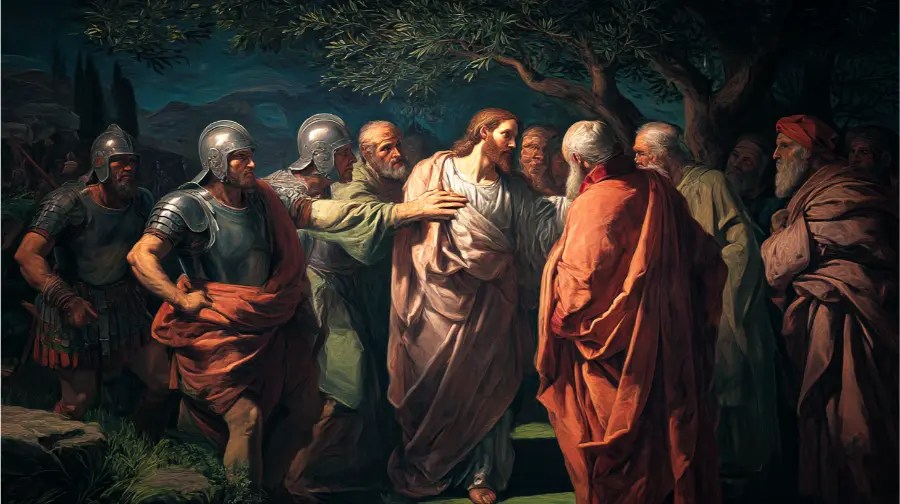
1 Peter 1:6-7
“In all this you greatly rejoice, though now for a little while you may have had to suffer grief in all kinds of trials. These have come so that the proven genuineness of your faith—of greater worth than gold, which perishes even though refined by fire—may result in praise, glory and honor when Jesus Christ is revealed.”
Reflection: “All this” points back to verses 3-5: new birth into a living hope and an inheritance “kept in heaven for you.” Peter writes to exiles scattered through five provinces (1:1) and compares the testing of their faith to gold refined by fire. Verse 8 describes the joy of people who love Jesus without having seen him as “inexpressible and glorious.”

Acts 5:41
“The apostles left the Sanhedrin, rejoicing because they had been counted worthy of suffering disgrace for the Name.”
Reflection: The Sanhedrin had the apostles flogged and ordered them not to speak in the name of Jesus, after Gamaliel advised the council to leave them alone (5:34-40). The apostles rejoiced at being counted worthy of disgrace “for the Name,” and the next verse records that day after day they kept teaching in the temple courts and from house to house (5:42).
God’s joy, and joy over other people
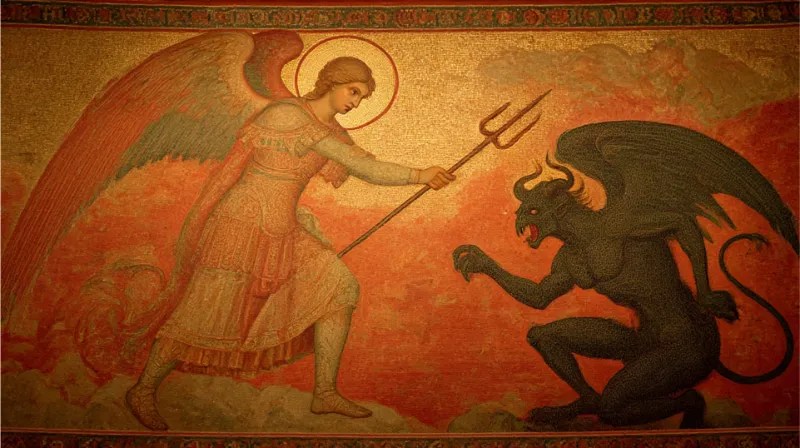
Zephaniah 3:17
“The LORD your God is with you, the Mighty Warrior who saves. He will take great delight in you; in his love he will no longer rebuke you, but will rejoice over you with singing.”
Reflection: Here the LORD is the one who rejoices. Zephaniah calls on Jerusalem to sing and be glad because the LORD has taken away her punishment (3:14-15), and verse 17 turns the song around: God takes delight in his people and rejoices over them with singing. The verses before describe a humble remnant who “will trust in the name of the LORD” (3:12).

Luke 15:7
“I tell you that in the same way there will be more rejoicing in heaven over one sinner who repents than over ninety-nine righteous persons who do not need to repent.”
Reflection: Jesus told the parable of the lost sheep because the Pharisees and teachers of the law muttered that he welcomed sinners and ate with them (15:1-2). The shepherd who finds his sheep calls his friends and neighbours to rejoice with him, and Jesus applies the story to heaven’s joy over one sinner who repents. The parable of the lost coin that follows ends the same way (15:10).

Philemon 1:7
“Your love has given me great joy and encouragement, because you, brother, have refreshed the hearts of the Lord’s people.”
Reflection: Paul writes as “a prisoner of Christ Jesus” (verse 1) to Philemon, a fellow worker. His joy comes from hearing of Philemon’s love for God’s people, whose hearts Philemon has refreshed. The letter goes on to ask Philemon to receive back Onesimus, who became Paul’s son in the faith while Paul was in chains (verse 10).

3 John 1:4
“I have no greater joy than to hear that my children are walking in the truth.”
Reflection: The elder writes to his friend Gaius after believers arrived and reported Gaius’s faithfulness to the truth (verse 3). The joy is over other people’s faithfulness: the elder has none greater than hearing that “my children” are walking in the truth.
A verse for how you feel
Choose how you feel today and read a verse from Scripture.
He gives power to the faint and increases the strength of the weak.
Get a verse each week
Thank you. Your first verse is on its way.
If nothing arrives in a few minutes, look in your spam or promotions folder.
Keep this for another day. A verse for how you feel has a page of its own, with our verses for each feeling.
Each verse is quoted from the Berean Standard Bible.
Joy commanded, prayed for and sung
Philippians 4:4 and 1 Thessalonians 5:16 give joy as a command. Psalm 51:12 asks God for it back, and in the NIV Psalm 4:7 asks God to “Fill my heart with joy,” so both can be prayed as written. Romans 15:13 is addressed to readers, a blessing asking that God fill them “with all joy and peace.”
Habakkuk 3 closes with a note “For the director of music. On my stringed instruments,” so the prophet’s resolve to rejoice while the crops fail was set to be sung. Zephaniah 3:17 describes God himself rejoicing “with singing.”


Leave a Reply