
 English
 Chinese
 Dutch
 Arabic
 Spanish
 Portuguese
 Russian
 French
 Italian
 German
 Japanese
The Bible says honor belongs to God and is also owed to people. God tells the priest Eli, “those who honor me I will honor” (1 Samuel 2:30); the commandment to honor father and mother (Exodus 20:12) returns in Ephesians 6:2-3; and 1 Peter 2:17 says, “Honor everyone.”
In Exodus 20:12, Proverbs 3:9 and 1 Samuel 2:30 the Hebrew verb is kabad, which Strong’s defines as to be heavy, to be honored, to be glorified. 1 Samuel 2:30 sets it against qalal, to be slight or light, which the ESV translates “lightly esteemed.” In Romans 12:10, Romans 13:7 and 1 Timothy 5:17 the Greek noun is timē, which also means value or price.
Honor owed to God

Revelation 4:11
“Worthy are you, our Lord and God, to receive glory and honor and power, for you created all things, and by your will they existed and were created.”
Reflection: John sees a throne in heaven (Revelation 4:2), and whenever the four living creatures give “glory and honor and thanks” to the one seated on it, the twenty-four elders fall down and cast their crowns before the throne. Their words give the reason God is worthy of honor: he created all things. In the next chapter the same honor is given “to him who sits on the throne and to the Lamb” (Revelation 5:13).
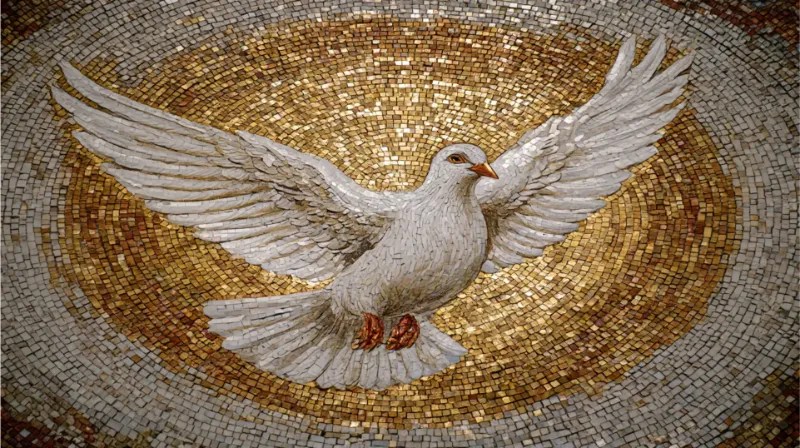
Proverbs 3:9
“Honor the LORD with your wealth and with the firstfruits of all your produce.”
Reflection: The speaker addresses “my son” (Proverbs 3:11), and here honoring the LORD is done with money and produce. The law told Israel to bring “the best of the firstfruits of your ground” to the house of the LORD (Exodus 23:19), and this proverb names that offering as a way of honoring him. The next verse promises barns “filled with plenty” and vats “bursting with wine.”
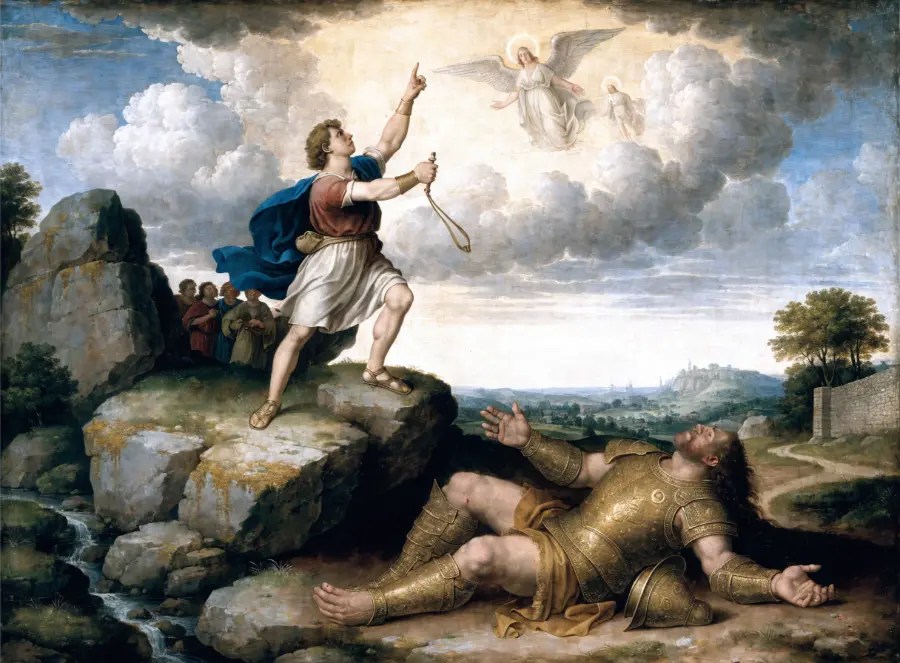
Malachi 1:6
“A son honors his father, and a servant his master. If then I am a father, where is my honor? And if I am a master, where is my fear? says the LORD of hosts…”
Reflection: God speaks through Malachi to the priests “who despise my name.” The argument starts from ordinary households: a son honors his father and a servant his master, and God is both father and master, yet receives neither honor nor fear. The verses that follow name the failure: the priests were offering blind, lame and sick animals, and God asks whether their governor would accept such a gift (Malachi 1:8).

Matthew 15:8-9
“This people honors me with their lips, but their heart is far from me; in vain do they worship me, teaching as doctrines the commandments of men.”
Reflection: Pharisees and scribes from Jerusalem had asked why Jesus’ disciples did not wash their hands before eating (Matthew 15:1-2). Jesus answers that their tradition let a man tell his parents that what they would have gained from him was “given to God,” after which he “need not honor his father” (15:5-6), and then he quotes Isaiah 29:13. Isaiah’s Hebrew verb for honoring with the lips is kabad, the verb of the commandment to honor parents.
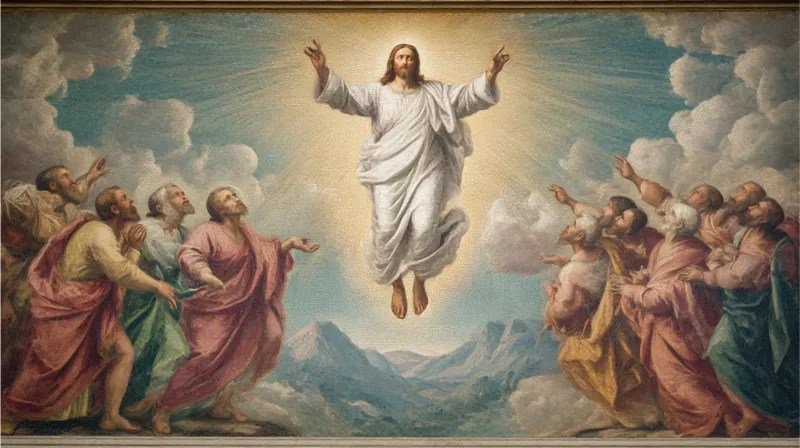
John 5:23
“…that all may honor the Son, just as they honor the Father. Whoever does not honor the Son does not honor the Father who sent him.”
Reflection: Jesus says this after the Jews sought to kill him for calling God “his own Father, making himself equal with God” (John 5:18). He states that the Father has given all judgment to the Son “that all may honor the Son, just as they honor the Father.” The second sentence states the reverse: to withhold honor from the Son is to withhold it from the Father who sent him.
The honor God gives

1 Samuel 2:30
“Therefore the LORD, the God of Israel, declares: ‘I promised that your house and the house of your father should go in and out before me forever,’ but now the LORD declares: ‘Far be it from me, for those who honor me I will honor, and those who despise me shall be lightly esteemed.’”
Reflection: A man of God brings this word to Eli the priest, whose sons Hophni and Phinehas took the best of the sacrifices for themselves (1 Samuel 2:12-17, 29). God charges Eli with honoring his sons above him and withdraws the promise that his house would serve before him forever. The Hebrew sets kabad, to honor, against qalal, to be light, translated “lightly esteemed.” Hophni and Phinehas both died when the ark was captured (1 Samuel 4:11), the sign 2:34 had given.
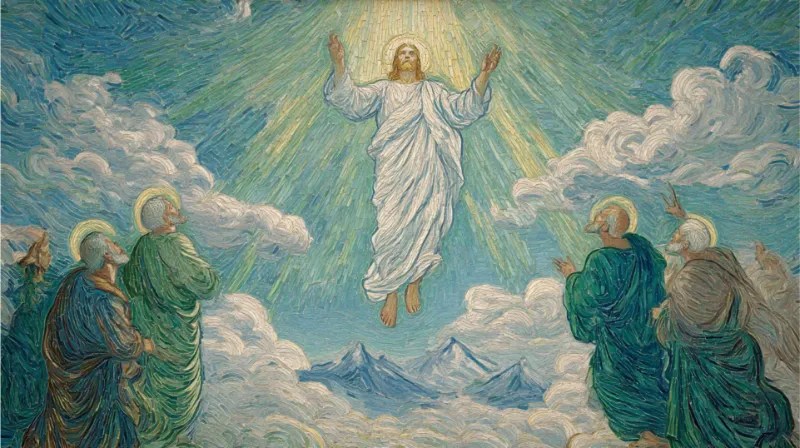
John 12:26
“If anyone serves me, he must follow me; and where I am, there will my servant be also. If anyone serves me, the Father will honor him.”
Reflection: Jesus says this after Philip and Andrew tell him that some Greeks at the feast want to see him (John 12:20-22). He answers with the grain of wheat that must die to bear fruit and the saying that whoever hates his life in this world will keep it for eternal life (12:24-25). The honor in this verse comes from the Father, and it is promised to the servant who follows Jesus: “where I am, there will my servant be also.”
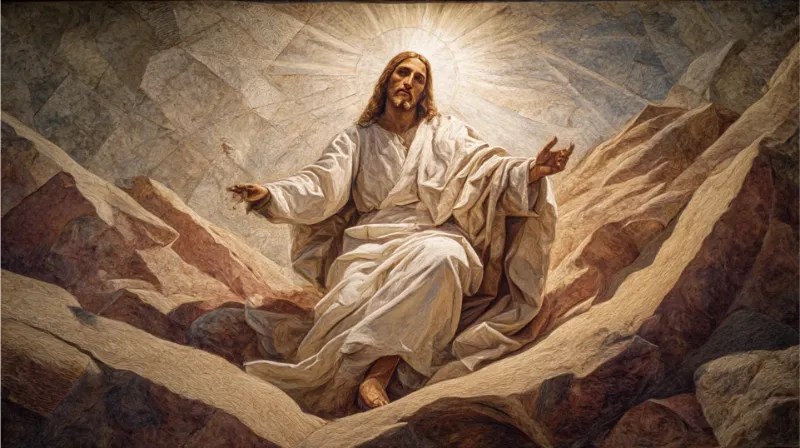
Proverbs 15:33
“The fear of the LORD is instruction in wisdom, and humility comes before honor.”
Reflection: In this verse the fear of the LORD is “instruction in wisdom,” and the second line sets the order: humility, then honor. The same line closes Proverbs 18:12, where it follows “Before destruction a man’s heart is haughty,” and Proverbs 29:23 makes the contrast again: “One’s pride will bring him low, but he who is lowly in spirit will obtain honor.”
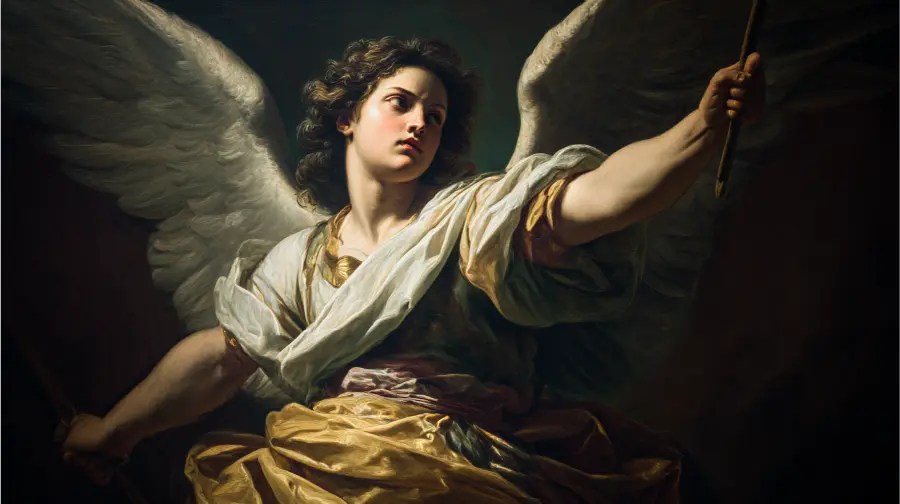
Proverbs 21:21
“Whoever pursues righteousness and kindness will find life, righteousness, and honor.”
Reflection: Honor here comes to someone pursuing other things: the person who goes after righteousness and kindness finds life, righteousness and honor. Righteousness appears on both sides of the proverb: it is pursued and found, with life and honor added to it.
Honoring father and mother

Exodus 20:12
“Honor your father and your mother, that your days may be long in the land that the LORD your God is giving you.”
Reflection: Among the commandments God speaks in Exodus 20, this one comes after the Sabbath command and before “You shall not murder.” It carries a promise: long days “in the land that the LORD your God is giving you.” The Hebrew verb is kabad. Deuteronomy 5:16 repeats the commandment and adds “that it may go well with you,” the phrase Paul quotes in Ephesians 6:3.
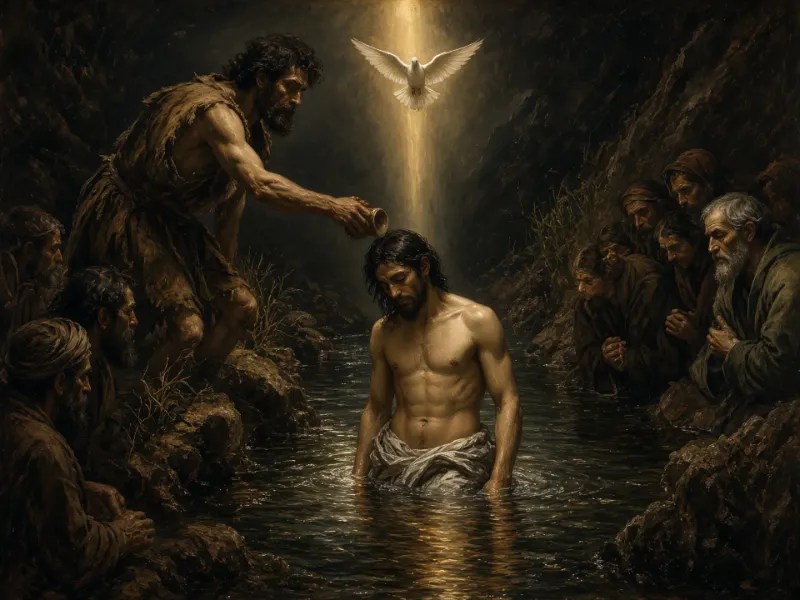
Ephesians 6:2-3
“‘Honor your father and mother’ (this is the first commandment with a promise), ‘that it may go well with you and that you may live long in the land.’”
Reflection: Paul is writing to children in the church, “Children, obey your parents in the Lord” (Ephesians 6:1), and he supports the instruction with the commandment, calling it “the first commandment with a promise.” The promise he quotes is the Deuteronomy form, with “that it may go well with you.” The next verse turns to fathers: “do not provoke your children to anger” (6:4).
Honor within the church

Romans 12:10
“Love one another with brotherly affection. Outdo one another in showing honor.”
Reflection: The run of short commands that begins “Let love be genuine” (Romans 12:9) joins brotherly affection to honor in this verse. The ESV renders the command as a contest, “outdo one another,” and earlier in the chapter Paul tells each reader “not to think of himself more highly than he ought to think” (12:3). The Greek noun is timē, the word used again for the honor owed to rulers in Romans 13:7.
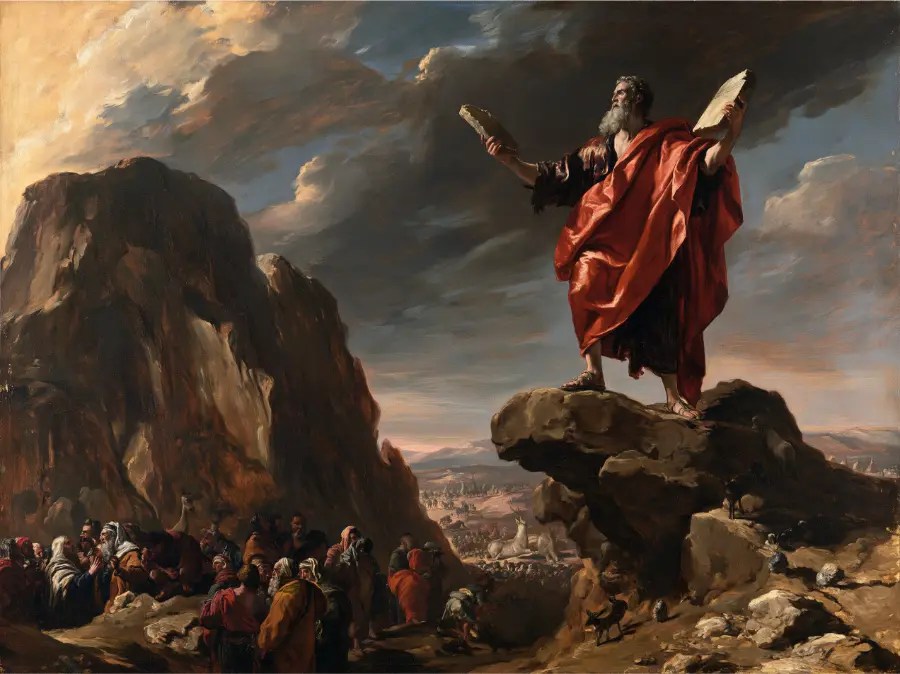
1 Corinthians 12:23-24
“…and on those parts of the body that we think less honorable we bestow the greater honor, and our unpresentable parts are treated with greater modesty, which our more presentable parts do not require.”
Reflection: Paul compares the church to a body with many members (1 Corinthians 12:12). The parts thought “less honorable” receive more honor, and verse 24 goes on to say God composed the body this way, “giving greater honor to the part that lacked it,” so that “the members may have the same care for one another” (12:25). Honor is also shared: “if one member is honored, all rejoice together” (12:26).

1 Timothy 5:3
“Honor widows who are truly widows.”
Reflection: Paul’s instructions to Timothy define the widow “who is truly a widow” as one “left all alone” who has set her hope on God (5:5); a widow with children or grandchildren is to be cared for by them first, as a “return to their parents” (5:4). The verses that follow are about provision: anyone who “does not provide for his relatives” has “denied the faith” (5:8), and a believing woman with widowed relatives is to care for them so that the church “may care for those who are truly widows” (5:16).
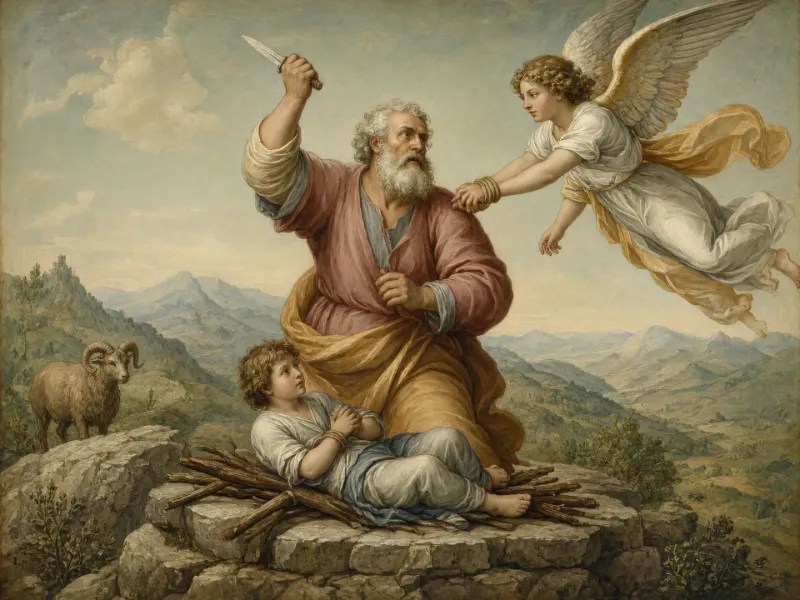
1 Timothy 5:17
“Let the elders who rule well be considered worthy of double honor, especially those who labor in preaching and teaching.”
Reflection: Elders who rule well are worthy of “double honor,” and the next verse gives the reason in two quotations: “You shall not muzzle an ox when it treads out the grain” (Deuteronomy 25:4) and “The laborer deserves his wages,” words Jesus speaks in Luke 10:7. Both reasons concern pay, and the Greek noun, timē, can mean price or value as well as honor.
Honor for rulers and for everyone
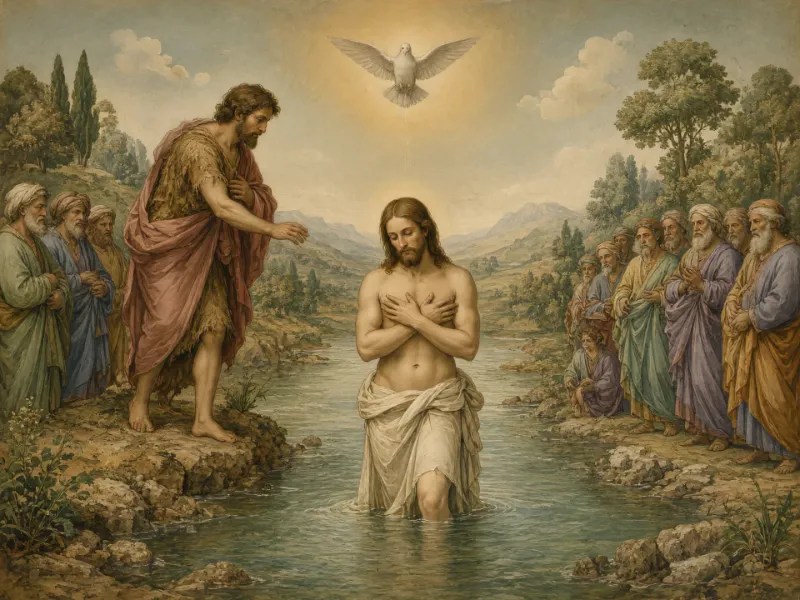
Romans 13:7
“Pay to all what is owed to them: taxes to whom taxes are owed, revenue to whom revenue is owed, respect to whom respect is owed, honor to whom honor is owed.”
Reflection: Paul has just said that the authorities are “ministers of God,” and gives that as the reason the church in Rome pays taxes (Romans 13:6). The verse lists four debts, taxes, revenue, respect and honor, and treats honor like the others, as something paid “to whom honor is owed.”
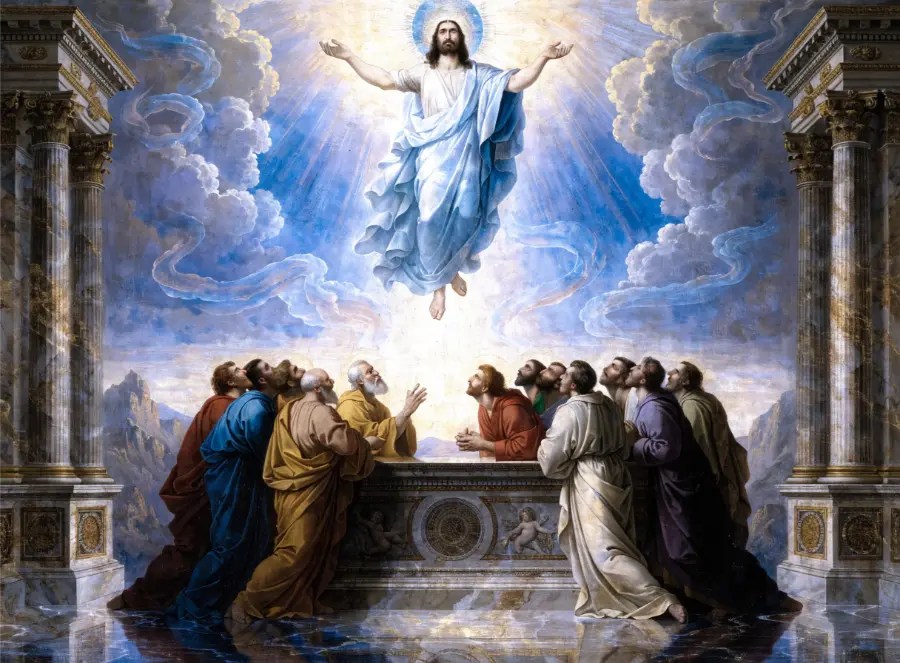
1 Peter 2:17
“Honor everyone. Love the brotherhood. Fear God. Honor the emperor.”
Reflection: Peter writes to “elect exiles” in Pontus, Galatia, Cappadocia, Asia and Bithynia (1 Peter 1:1). The verse closes a passage that begins “Be subject for the Lord’s sake to every human institution,” the emperor and governors included (2:13-14). Of its four commands, honor goes to everyone and to the emperor, love to the brotherhood, and fear to God.
Keeping oneself in holiness and honor
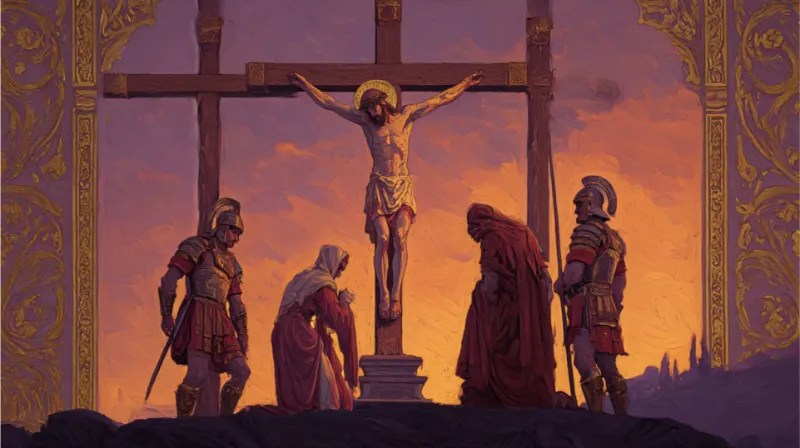
1 Thessalonians 4:4
“…that each one of you know how to control his own body in holiness and honor…”
Reflection: Paul names “the will of God, your sanctification” and applies it to abstaining from sexual immorality (1 Thessalonians 4:3). The ESV’s “control his own body” carries a footnote: the Greek is “how to possess his own vessel,” and it can be read “how to take a wife for himself.” Thayer’s lexicon takes the vessel here as a wife and notes that others take it as the body. On either reading, the alternative to holiness and honor is “the passion of lust like the Gentiles who do not know God” (4:5).
2 Timothy 2:21
“Therefore, if anyone cleanses himself from what is dishonorable, he will be a vessel for honorable use, set apart as holy, useful to the master of the house, ready for every good work.”
Reflection: Paul describes a great house with vessels of gold and silver, wood and clay, “some for honorable use, some for dishonorable” (2 Timothy 2:20). In this verse honor depends on cleansing: whoever cleanses himself becomes a vessel “for honorable use,” ready for the master’s work. The next verse says what the cleansing involves: “flee youthful passions and pursue righteousness, faith, love, and peace” (2:22). The Greek word for vessel, skeuos, is the one in 1 Thessalonians 4:4 and 1 Peter 3:7.
Honor in marriage
Hebrews 13:4
“Let marriage be held in honor among all, and let the marriage bed be undefiled, for God will judge the sexually immoral and adulterous.”
Reflection: The instruction sits in a list of commands near the letter’s end: brotherly love, hospitality to strangers, care for prisoners, then marriage, then freedom from the love of money (Hebrews 13:1-5). Marriage is to be held in honor “among all,” and the reason given is judgment: “God will judge the sexually immoral and adulterous.”
1 Peter 3:7
“Likewise, husbands, live with your wives in an understanding way, showing honor to the woman as the weaker vessel, since they are heirs with you of the grace of life, so that your prayers may not be hindered.”
Reflection: After the instructions to wives that open the chapter, Peter turns to husbands with “Likewise.” The command to show honor comes with a reason, that wives are “heirs with you of the grace of life,” and a purpose, “that your prayers may not be hindered.” The word translated vessel is skeuos, the word for the vessel “for honorable use” in 2 Timothy 2:21.


Leave a Reply