
 English
 Chinese
 Dutch
 Arabic
 Spanish
 Portuguese
 Russian
 French
 Italian
 German
 Japanese
The Bible speaks to waiting for love through people who waited for a husband or wife and through commands to wait for God himself. Jacob served seven years for Rachel (Genesis 29:20), and Proverbs calls a good wife a favour from the Lord (Proverbs 18:22; 19:14).
The woman in the Song of Songs tells her friends not to awaken love “until it so desires” (Song of Solomon 8:4). Paul, himself unmarried, says each person has their own gift from God (1 Corinthians 7:7-8) and describes learning contentment (Philippians 4:11-13), and the psalms and Lamentations speak of waiting quietly for the Lord (Psalm 27:14; Lamentations 3:25-26).
Marriage as something God gives
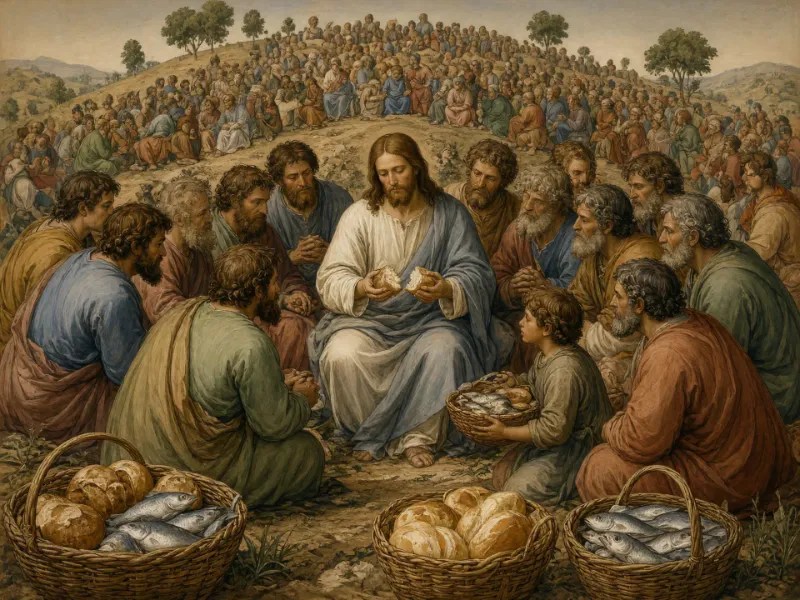
Genesis 2:18
“The Lord God said, “It is not good for the man to be alone. I will make a helper suitable for him.””
Reflection: God speaks these words before the animals are brought to the man, and verse 20 reports that “no suitable helper was found.” Near the end of the chapter come the man’s answer when God brings the woman to him, “This is now bone of my bones and flesh of my flesh,” and the line about a man leaving his father and mother to be united to his wife.
Proverbs 18:22
“He who finds a wife finds what is good and receives favor from the Lord.”
Reflection: The verb is active: the man finds a wife. The second half credits the result to God, so the proverb holds the search and the gift together without saying which comes first.
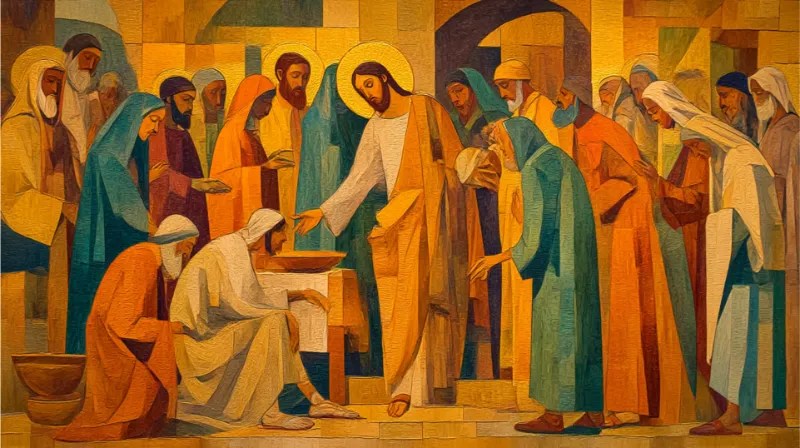
Proverbs 19:14
“Houses and wealth are inherited from parents, but a prudent wife is from the Lord.”
Reflection: The verse just before it warns that “a quarrelsome wife is like the constant dripping of a leaky roof.” The proverb sets what parents can hand down, a house and money, beside what they cannot: a prudent wife comes from the Lord.
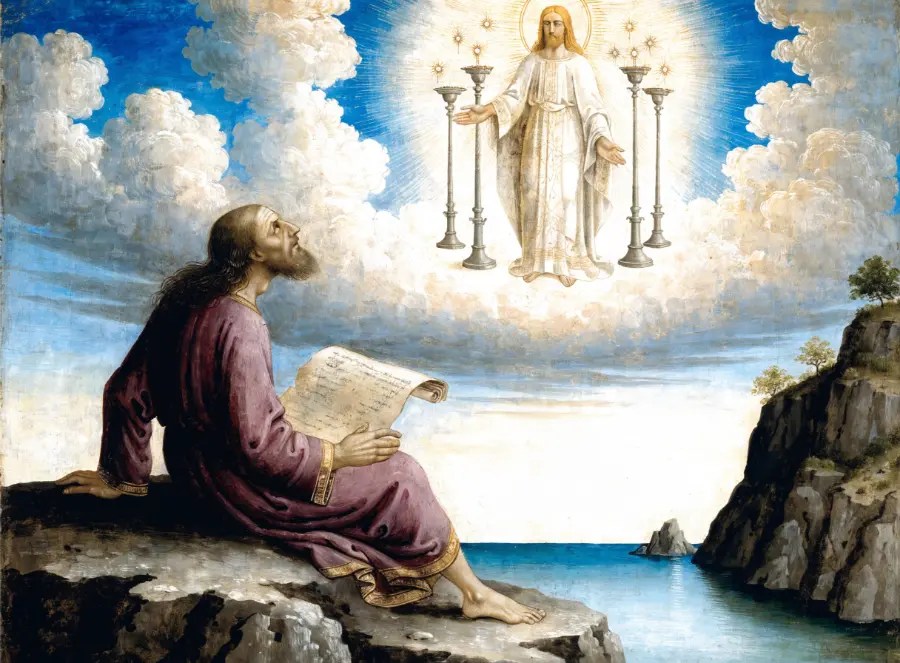
Genesis 24:67
“Isaac brought her into the tent of his mother Sarah, and he married Rebekah. So she became his wife, and he loved her; and Isaac was comforted after his mother’s death.”
Reflection: Isaac did not search for Rebekah himself. Abraham sent his servant to find a wife for him among his relatives, and the servant prayed for a sign at the well. When she arrived Isaac was out in the field in the evening, and the chapter says he married her, loved her, and was comforted after his mother’s death.
Waiting and timing
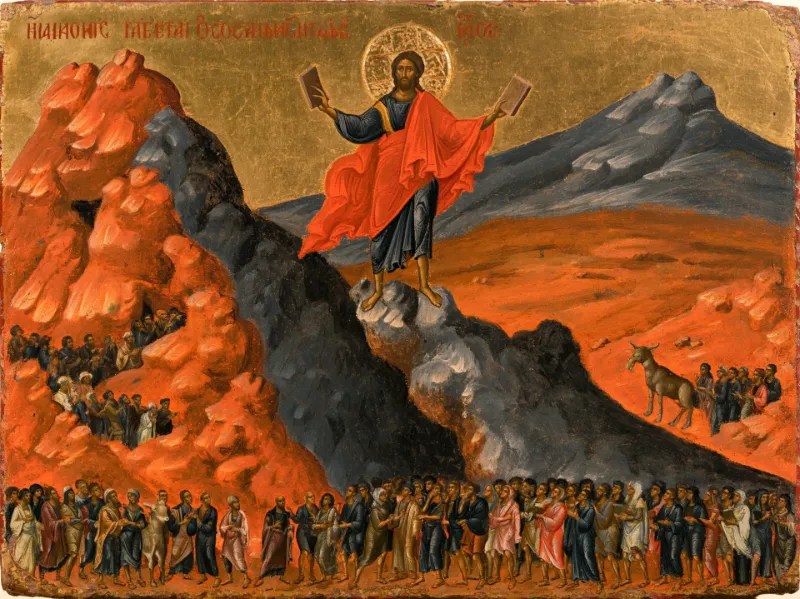
Genesis 29:20
“So Jacob served seven years to get Rachel, but they seemed like only a few days to him because of his love for her.”
Reflection: Jacob offered Laban seven years of work for Rachel. At the end of them Laban gave him Leah instead, and Jacob received Rachel a week later only by agreeing to “another seven years of work.” The verse records how the first seven felt to Jacob; the rest of the chapter shows that the waiting did not end when he expected.

Song of Solomon 8:4
“Daughters of Jerusalem, I charge you: Do not arouse or awaken love until it so desires.”
Reflection: The woman speaks this charge to the daughters of Jerusalem, and the same words appear at Song of Songs 2:7 and 3:5. At 2:7 and 8:4 it follows the line “His left arm is under my head and his right arm embraces me”; at 3:5 it follows “I held him and would not let him go.” In 2:7 and 3:5 she adds an oath “by the gazelles and by the does of the field.”

Ecclesiastes 3:1, 11
“There is a time for everything, and a season for every activity under the heavens… He has made everything beautiful in its time. He has also set eternity in the human heart; yet no one can fathom what God has done from beginning to end.”
Reflection: The list between these two verses includes “a time to embrace and a time to refrain from embracing” and “a time to love and a time to hate.” The Teacher says God has made everything beautiful in its time, and in the next sentence that no one can fathom what God has done from beginning to end.
Staying single and being content
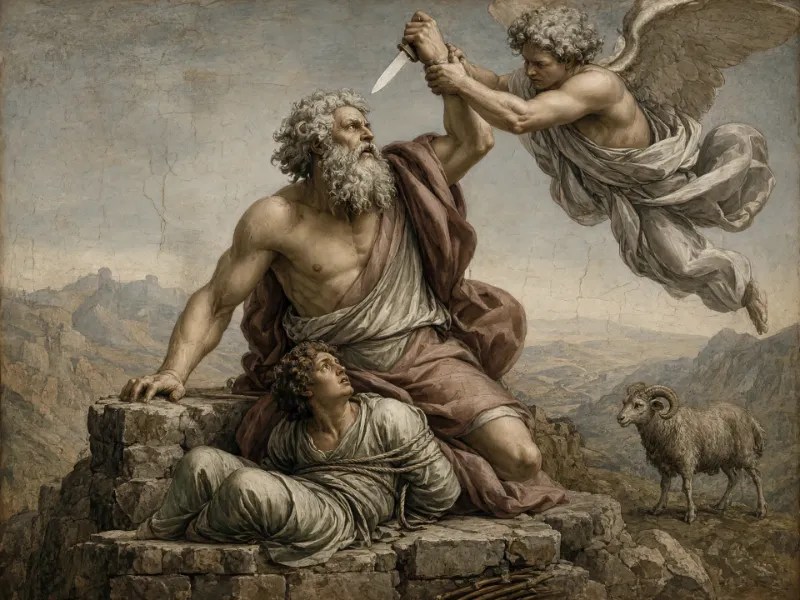
1 Corinthians 7:7-8
“I wish that all of you were as I am. But each of you has your own gift from God; one has this gift, another has that. Now to the unmarried and the widows I say: It is good for them to stay unmarried, as I do.”
Reflection: Paul was unmarried when he wrote this, and he says that “each of you has your own gift from God; one has this gift, another has that.” The next sentence allows that those who cannot control themselves “should marry, for it is better to marry than to burn with passion.” Later in the chapter he gives his reason for preferring the single life: an unmarried person can give “undivided devotion to the Lord” (1 Corinthians 7:35).
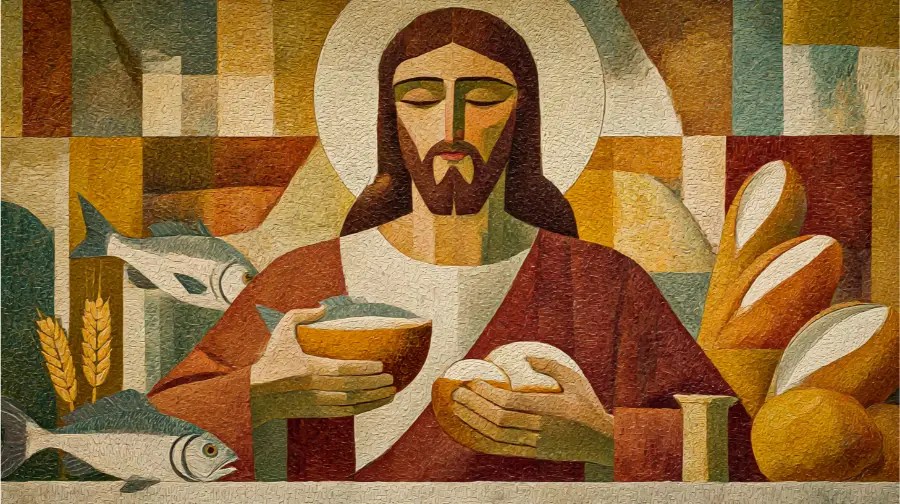
Philippians 4:11-13
“I am not saying this because I am in need, for I have learned to be content whatever the circumstances. I know what it is to be in need, and I know what it is to have plenty. I have learned the secret of being content in any and every situation, whether well fed or hungry, whether living in plenty or in want. I can do all this through him who gives me strength.”
Reflection: Paul wrote these lines while thanking the church at Philippi for their renewed concern for him (Philippians 4:10). The contentment he describes is something he says he learned, in hunger and in plenty, and verse 13 names its source as the one “who gives me strength.”
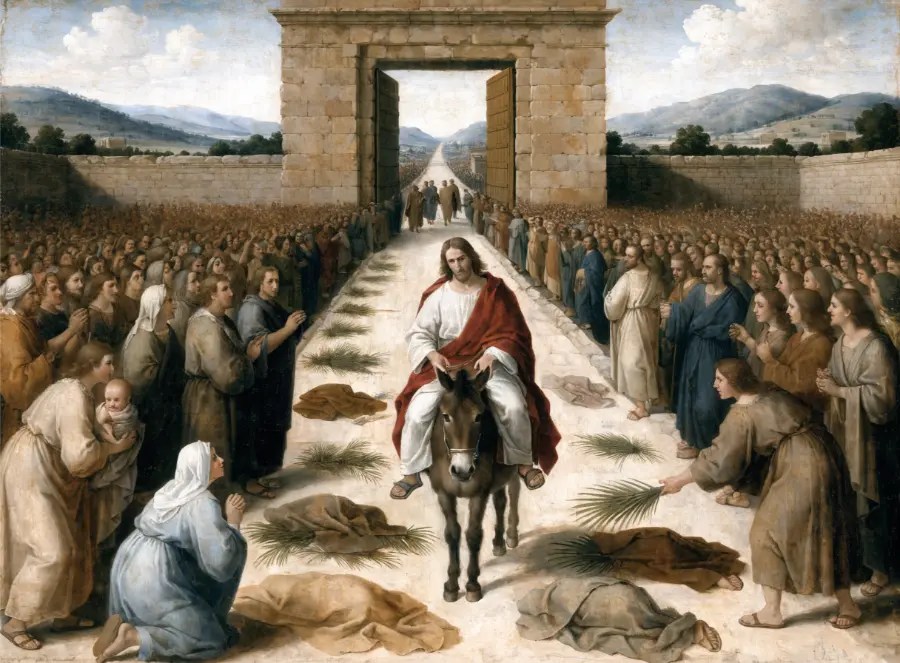
Philippians 4:6-7
“Do not be anxious about anything, but in every situation, by prayer and petition, with thanksgiving, present your requests to God. And the peace of God, which transcends all understanding, will guard your hearts and your minds in Christ Jesus.”
Reflection: The verse before this says “The Lord is near.” Paul tells the Philippians to bring their requests to God with thanksgiving, and the promise attached is that God’s peace will guard their hearts and minds.
Waiting on God

Psalm 37:4
“Take delight in the Lord, and he will give you the desires of your heart.”
Reflection: Psalm 37 is a psalm of David about not fretting when the wicked prosper. The promise in verse 4 sits between “Trust in the Lord and do good” and “Commit your way to the Lord,” and it is given to the person who delights in God.
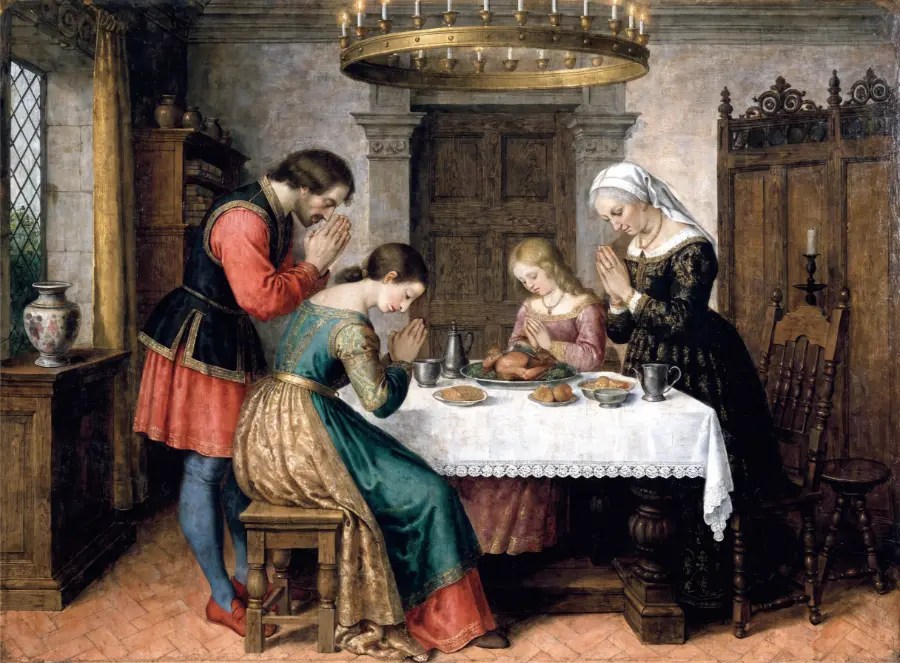
Psalm 37:7
“Be still before the Lord and wait patiently for him; do not fret when people succeed in their ways, when they carry out their wicked schemes.”
Reflection: The command to wait comes paired with a prohibition: do not fret over others whose plans succeed. Verse 9 gives the outcome the psalm expects: “those who hope in the Lord will inherit the land.”
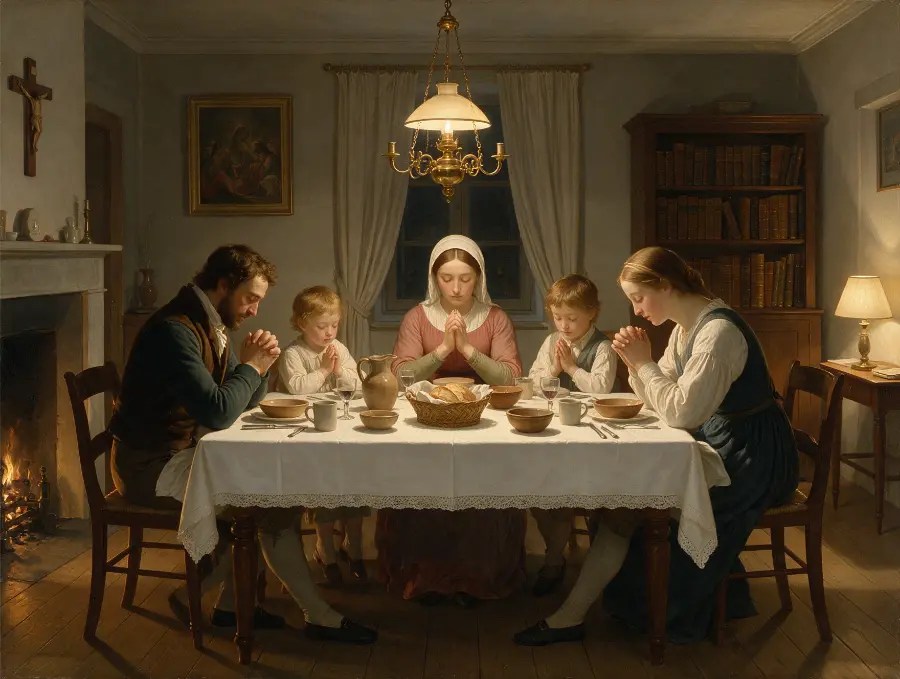
Psalm 27:14
“Wait for the Lord; be strong and take heart and wait for the Lord.”
Reflection: The psalm closes with these words after David says, “I remain confident of this: I will see the goodness of the Lord in the land of the living.” The command to wait appears twice in the one verse, with “be strong and take heart” between them.
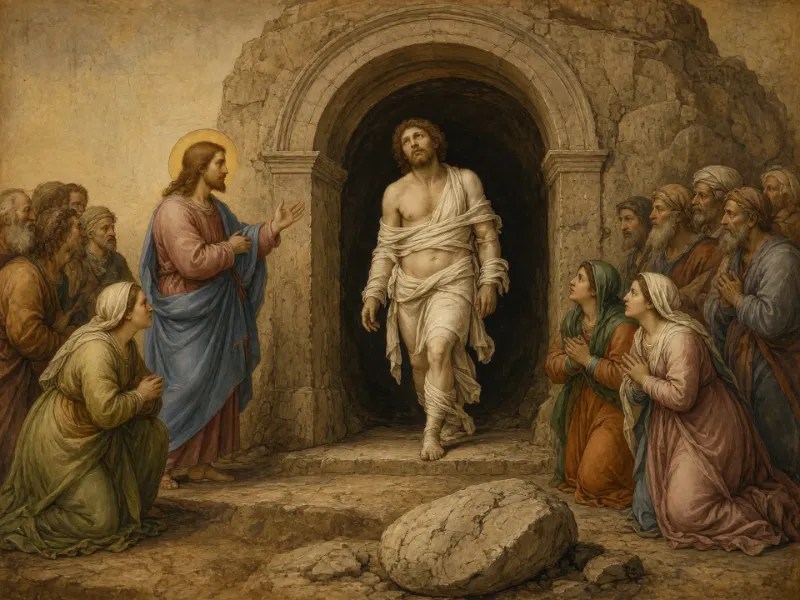
Lamentations 3:25-26
“The Lord is good to those whose hope is in him, to the one who seeks him; it is good to wait quietly for the salvation of the Lord.”
Reflection: These lines come in the middle of a lament that opens this stretch with “I remember my affliction and my wandering” (Lamentations 3:19). Just before them the writer says, “The Lord is my portion; therefore I will wait for him,” and just after, “It is good for a man to bear the yoke while he is young.”
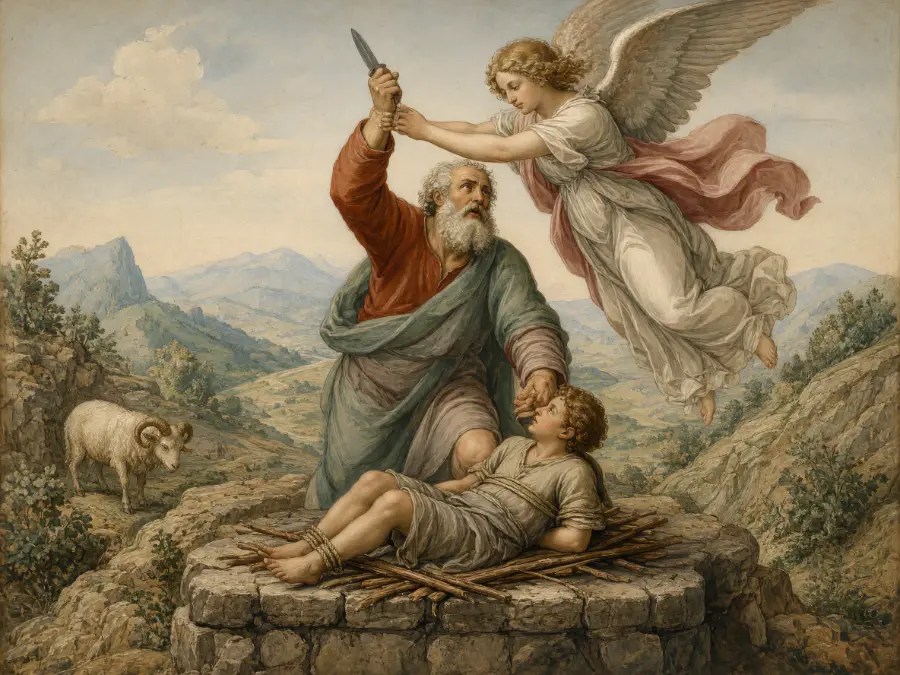
Jeremiah 29:11
“‘For I know the plans I have for you,’ declares the Lord, ‘plans to prosper you and not to harm you, plans to give you hope and a future.’”
Reflection: Jeremiah wrote this in a letter to the exiles in Babylon, and the verse before it says the return will come “when seventy years are completed.” The same letter tells them not to put their lives on hold while they wait: “Marry and have sons and daughters; find wives for your sons and give your daughters in marriage” (Jeremiah 29:6). More on the passage is on the page about God’s plan.
Love and the heart in the meantime
1 Corinthians 13:4-7
“Love is patient, love is kind. It does not envy, it does not boast, it is not proud. It does not dishonor others, it is not self-seeking, it is not easily angered, it keeps no record of wrongs. Love does not delight in evil but rejoices with the truth. It always protects, always trusts, always hopes, always perseveres.”
Reflection: Paul wrote this to the church in Corinth in the middle of his teaching on spiritual gifts, between chapters 12 and 14. Patience is the first thing he says about love, and the list ends with love that “always perseveres.”

Proverbs 4:23
“Above all else, guard your heart, for everything you do flows from it.”
Reflection: A father speaks to his son, and the verses that follow name what guarding involves: keeping the mouth free of perversity, looking straight ahead, and giving careful thought “to the paths for your feet.”
What the verses do not settle
Psalm 37:4 promises the desires of the heart to the person who delights in the Lord, but neither it nor Jeremiah 29:11 names a husband or wife, and Ecclesiastes 3:11 says no one can fathom God’s timing. In 1 Corinthians 7:7-8 Paul says it is good for the unmarried to stay unmarried, as he does, and that each person has their own gift from God.
Philippians 4:6 tells readers to make their requests known to God, so asking for a spouse in prayer fits the passage. Psalm 27:14 and Lamentations 3:26 give no length for the wait.


Leave a Reply