
 English
 Chinese
 Dutch
 Arabic
 Spanish
 Portuguese
 Russian
 French
 Italian
 German
 Japanese
The Bible forbids sorcery and says nothing at all about the figure most people picture when they hear the word witch. That figure — the hat, the broom, the cauldron — is early modern European, and it has caused a great deal of harm.
Both halves of that sentence matter.
What Scripture actually prohibits
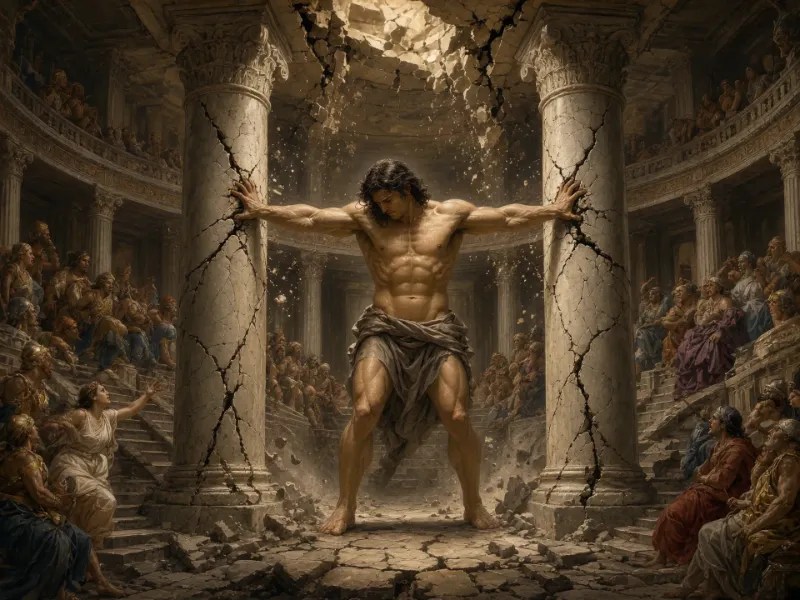
The fullest list is in Deuteronomy, and it is a list of practices rather than of people:
Let no one be found among you who sacrifices their son or daughter in the fire, who practises divination or sorcery, interprets omens, engages in witchcraft, or casts spells, or who is a medium or spiritist or who consults the dead. (Deuteronomy 18:10-11)
And immediately after, the alternative: God will raise up a prophet, and that is how he will speak (Deuteronomy 18:15).
That is the shape of the prohibition throughout. The objection is to seeking power or knowledge from somewhere other than God — and the reason given is not that these things are frightening but that Israel has a better route and does not need them.
The New Testament word usually translated witchcraft is pharmakeia (Galatians 5:20), the root of our word pharmacy, which in the ancient world covered potions, drugs and spells together.
The verse that was used to kill people
This has to be faced directly.
Exodus 22:18 in the King James reads: Thou shalt not suffer a witch to live. Modern translations render the Hebrew word as sorceress, which is nearer — it refers to a practitioner of sorcery for hire, in a context of covenant law addressed to ancient Israel.
That single English sentence, in that translation, was quoted at trials across Europe and in colonial America. The people executed were overwhelmingly women, often poor, often old, often simply unpopular.
The verse did not require what was done with it. It was a law given to a particular nation with a judicial system, not a licence for a mob, and nothing in the New Testament extends it. But it was used, and Christians should know that and say so without softening it.
The medium of Endor
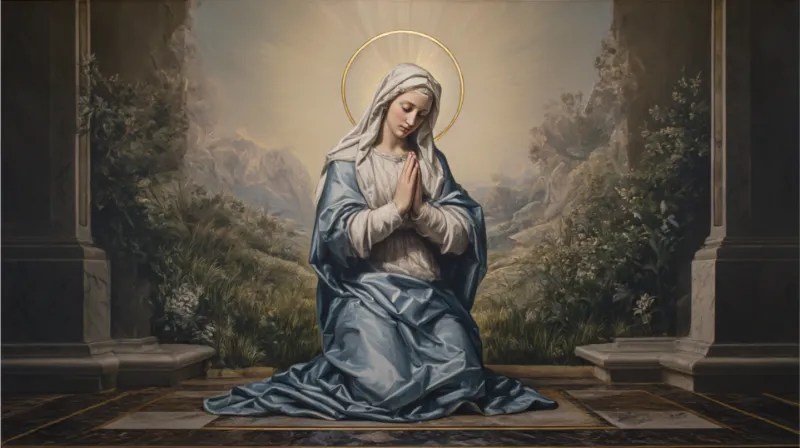
The one long narrative about consulting the dead is in 1 Samuel 28, and it is stranger than its reputation.
Saul, who had himself expelled the mediums, goes to one in disguise because God has stopped answering him. The woman calls up Samuel — and the text says she screams when it works, which suggests it was not what she expected.
Samuel’s message is that Saul has lost everything and will die tomorrow. The woman’s final act is to make him eat, because he has collapsed and has not eaten all day.
It is the account of a desperate man doing a forbidden thing because the permitted channels had gone quiet, and the chapter treats it as a tragedy rather than as an exciting story about the occult.
What this means for a dream about witches
The honest caveat first. Scripture contains no dream dictionary and never suggests one exists. Joseph and Daniel both say interpretation belongs to God rather than their skill (Genesis 40:8; Daniel 2:27-28). No one can say what a dream meant.
Second, and worth saying plainly: a dream about a witch is no evidence that anyone is cursing us. That belief causes real damage — to friendships, to families, and to people accused of it, who in several parts of the world today are still driven out or killed.
What can be offered:
The image is cultural, not biblical. A dream draws on what we have seen. The witch of the dream comes from stories, films and childhood, not from Deuteronomy.
The underlying fear is usually about control. Sorcery in the ancient world was about making something happen to someone else without their consent. If a dream left a sense of being acted upon, that is worth thinking about in daylight terms.
Scripture’s answer to fear of hidden powers is confidence, not counter-ritual. The one who is in you is greater than the one who is in the world. (1 John 4:4)
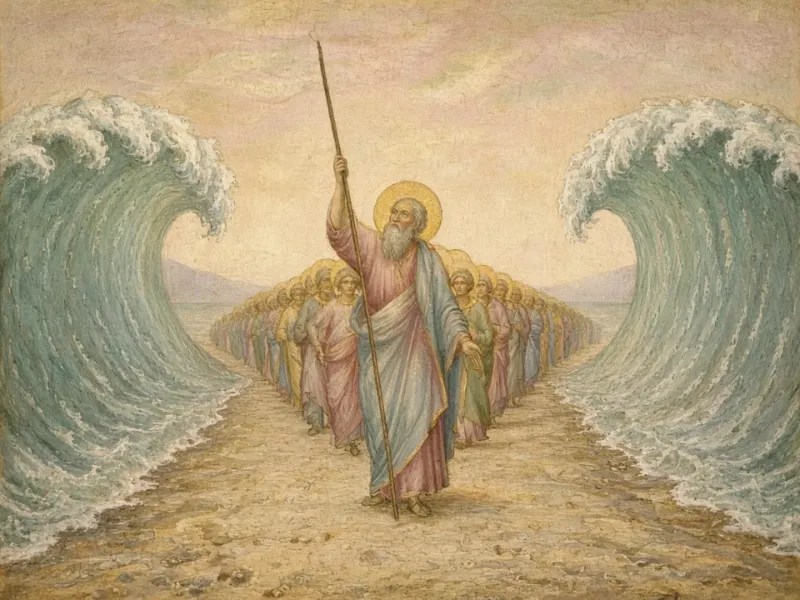
A prayer after a dream like this
Lord, you are not rivalled, and nothing hidden is hidden from you.
Where we are afraid of powers we cannot see, remind us whose we are.
Where we have suspected people we should have loved, forgive us.
And keep us from ever using your word the way it has been used.
Frequently asked
Does the Bible interpret dreams about witches?
No. It records dreams God interpreted through prophets and says plainly that interpretation belongs to God (Genesis 40:8).
What does the Bible say about witchcraft?
It forbids divination, sorcery, spells and consulting the dead (Deuteronomy 18:10-11), on the grounds that Israel had a better route: God would speak through a prophet.
What does Exodus 22:18 mean?
The Hebrew refers to a practitioner of sorcery, and modern translations read “sorceress.” The King James “witch” was quoted at trials across Europe and colonial America, which the verse never required.
Is a dream about a witch a sign someone is cursing me?
No. Scripture gives no basis for that, and the belief has done serious harm to people accused of it.
More from this seriesBiblical Dream InterpretationSee all 67 articles

Leave a Reply