
 English
 Chinese
 Dutch
 Arabic
 Spanish
 Portuguese
 Russian
 French
 Italian
 German
 Japanese
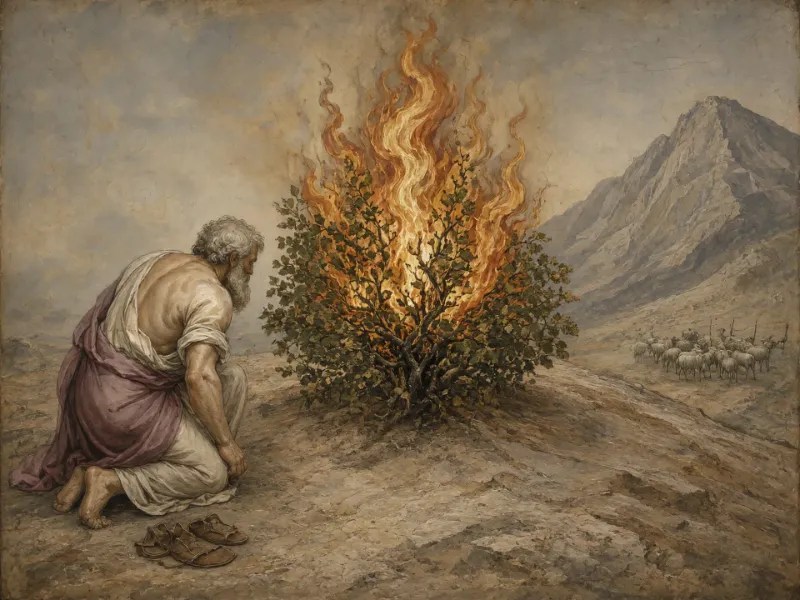
Elaine is not in the Bible. It is the Arthurian form of Helen — and Helen’s own meaning is uncertain, probably “torch”, possibly connected to the word for moon.
Both readings are about light that is not its own. That is worth following.
What does the name Elaine mean?
Probably a torch. The Greek Helene is of uncertain origin; the likeliest derivation is from a word meaning torch, and a second possibility connects it to selene, the moon.
Elaine reached English through the Arthurian romances, where more than one Elaine appears — including the one Tennyson made famous as the Lady of Shalott.
So the name has arrived through poetry rather than through Scripture, which is true of a surprising number of the names in this directory.
Is Elaine in the Bible?
No — and neither is Helen, which surprises people, because Helena is such an early Christian name. Its Christian standing comes from the fourth-century Saint Helena, mother of the emperor Constantine, who according to tradition found the True Cross on a journey to Jerusalem.
Early Christians used the name for her sake rather than for the Helen of the old stories.
Borrowed light
Take either possible meaning and the same thing is true.
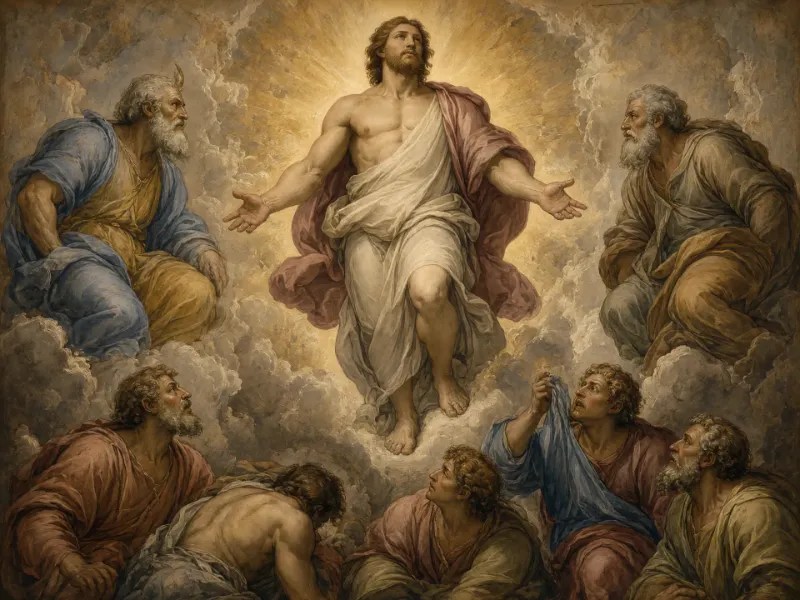
A torch does not make light. It carries fire that was lit from somewhere else, and it goes out when it is not fed.
The moon makes no light at all. Everything it appears to shine is reflected, and it is at its brightest when it is positioned to receive as much as possible — and dark, entirely dark, when it gets between the sun and the earth.
Scripture says exactly this about us, without the astronomy.
“You are the light of the world”
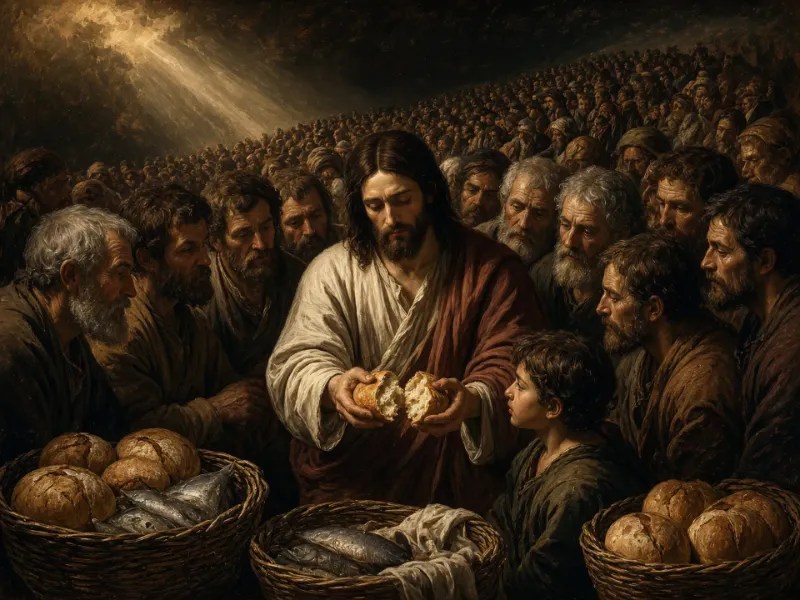
Jesus says it to a crowd of ordinary people on a hillside, and he does not qualify it. You are the light of the world. A town built on a hill cannot be hidden.
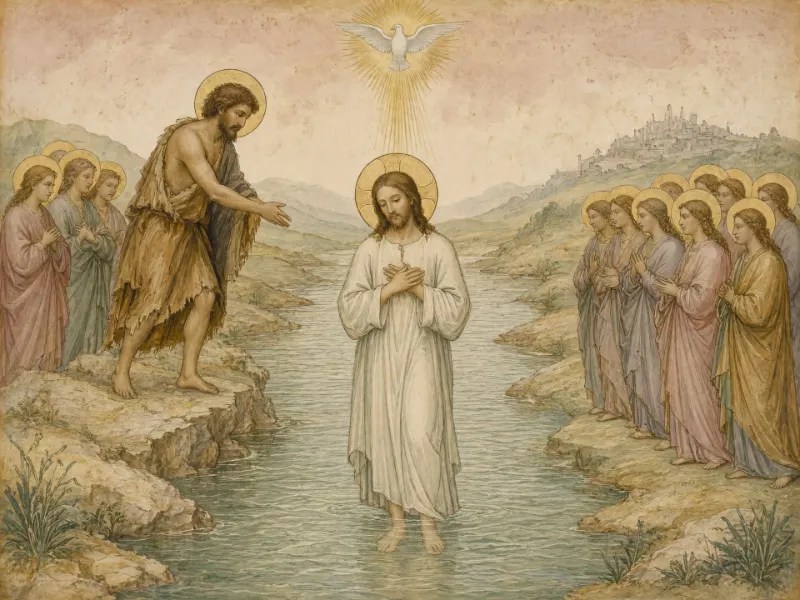
And a few chapters earlier, John’s Gospel has already been careful to state the order of things. John the Baptist, it says, was not the light; he came as a witness to the light. The true light was coming into the world.
So we are the light of the world, and we are not the light. Both are true, and the second is what keeps the first from becoming unbearable.
We are torches. The fire is not ours.
What that changes
It takes the pressure off, and it puts something else on.
Off, because we are not the source. Nobody expects a torch to generate anything, and a great deal of Christian exhaustion comes from people trying to produce a warmth they were only ever meant to carry.
On, because a torch has to stay near the fire. A lamp that is not fed goes out quietly and nobody notices until the room is dark, including the lamp.
A blessing for Elaine
May we shine, and never confuse carrying light with making it.
May we stay close enough to the fire to keep burning.
And when we find ourselves dark, may we check our position before we blame our brightness.
Related reading
- Is Your Name in the Bible? A Directory of 231 Names
- Evelyn Is Not in the Bible — It Is a Surname That Became a Name
- Eloise Is Not in the Bible — and It Does Not Mean “Sun”


Leave a Reply