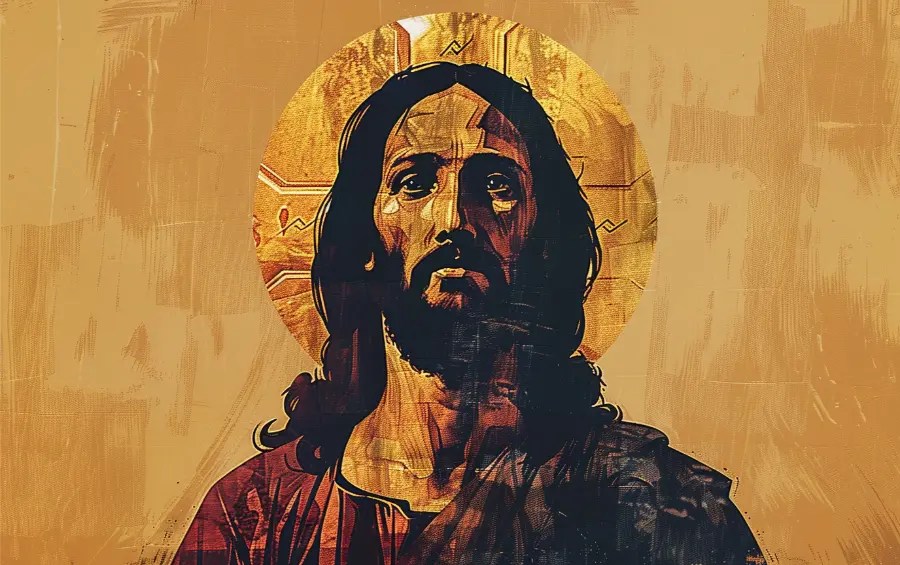
От Адама до Иисуса: Удивительная хронология надежды Бога!

Как мы начинаем рассчитать годы от Адама до Иисуса?
Как мы можем понять этот невероятный промежуток времени между Адамом и Иисусом? Бог, в Своей милости, дал нам путь! Главный путь — внимательно смотреть, с верой, на библейские генеалогии — те семейные списки, которые Бог вдохновил быть записанными. Эти записи, особенно те, которые вы найдете в удивительной книге Бытия, часто дают нам важную информацию о времени, например, сколько лет отцу, когда родился его сын. Это позволяет нам делать пошаговый расчет лет, проходящих от одного поколения к другому, все части идеального времени Бога.
Ключевые разделы Ветхого Завета для Хронологии — Слово Божье так подробно!
его отец Фарра умер. Затем в Бытие 12:4 говорится, что Авраму было 75 лет, когда он покинул Харран. Таким образом, если Аврам (которому было 75) ушел после смерти Фарры (в возрасте 205 лет), то Фарре должно было быть 130 лет (205−75=130), когда родился Авраам. Эта 60-летняя разница (130−70=60) в расчете года рождения Авраама относительно Фарры напрямую влияет на общую хронологию.¹ Ашер, например, придерживался мнения, что Фарре было 130 лет при рождении Авраама, хотя традиционный еврейский календарь часто подразумевает цифру в 70 лет.⁴
- Бытие 5: Версия Бытия 11 в Септуагинте (и родословие у Луки в Луки 3, помните?) включает дополнительного патриарха по имени Каинан между Арфаксадом и Салой. Его нет в Масоретском тексте Бытия 11.⁴ Септуагинта указывает возраст Каинана при рождении сына как 130 лет, что добавляет этот срок к хронологиям, основанным на Септуагинте, когда он включен в них.
- Бытие 11: Для периодов после Авраама, таких как эпоха Судей или правление израильских царей, библейские данные могут быть сложными. Иногда правления пересекались (соправительства), или существовали периоды, точная продолжительность которых не указана явно. Разные хронологи могут разрешать эти сложности несколько иначе, что может приводить к небольшим расхождениям в общем количестве лет для этих эпох.³²
Точка отсчета Anno Mundi — как мы считаем «Год мира»:
Подключение к поздним периодам и Новому Завету — все указывает на Иисуса!
Как только эта временная шкала достигает Авраама, человека великой веры, Библия продолжает давать нам хронологическую информацию, хотя иногда и по-разному. Информация о жизни патриархов Исаака, Иакова и Иосифа; как долго израильтяне оставались в Египте? невероятный исход; время судей; царства царей, таких как Саул, Давид и Соломон (людей Бог воздвигли с целью). вавилонское изгнание; и возвращение в Иерусалим — все эти фрагменты помогают построить непрерывную, управляемую Богом историческую историю.5 Например, знаменитый Божий человек, архиепископ Ашер, преданный хронолог, тщательно сформулировал эти более поздние периоды, чтобы продлить временную шкалу от Авраама вперед.
Некоторые древние календари начинают отсчет «Года мира» (Anno Mundi или AM) с фактической недели сотворения. Другие, такие как еврейский календарь, фактически начинают свой первый год (AM 1) примерно через год
Участие в этой задаче расчета сроков — это гораздо больше, чем просто академическое упражнение; это акт, который часто начинается с сердца, полного доверия к историческим деталям, которые Бог дал нам в Библии. Но это путешествие, и это захватывающее, приведет вас к тому, что вы увидите прекрасные сложности этих древних текстов и различные способы, которыми люди понимали их на протяжении всей истории. Это путешествие может стать поистине мощным опытом обучения, углубляющим ваше понимание того, как Божье Слово было передано и понято в течение тысячелетий. Приготовьтесь учиться и расти!

Каковы основные древние версии Ветхого Завета и почему их сроки отличаются?
Чтобы понять, почему существуют разные расчеты времени между Адамом и Иисусом, так важно знать немного об основных древних версиях Ветхого Завета, которые Бог в Своем провидении сохранил для нас. В течение многих, многих веков, задолго до печатного станка, эти священные тексты копировались вручную. Люди, которые делали это, были удивительно осторожны, как и в случае с любыми человеческими руками, некоторые небольшие вариации произошли среди различных рукописных традиций. Когда дело доходит до выяснения сроков от Адама до Иисуса, три древние текстуальные традиции Пятикнижия (это первые пять книг Библии) особенно важны:
- Масоретический текст на иврите (MT): Это стандартная еврейская Библия, которую наши еврейские друзья использовали на протяжении веков, и это основной источник для большинства наших современных переводов Ветхого Завета, таких как версия короля Якова (KJV), Новая международная версия (NIV) и английская стандартная версия (ESV). Теперь, когда дело доходит до этих семейных списков в Бытие 5 и 11, MT обычно дает нам цифры, которые приводят к... короче общая временная шкала от Адама до Авраама.1 Самые старые полные или почти полные рукописи MT, которые мы датируем примерно в 9-м и 10-м веках нашей эры, не позволяют этому обмануть вас — текстуальная традиция, которую она представляет, намного, намного старше.1 Например, МТ дает в общей сложности 2008 год от Адама до Авраама.
- Греческая Септуагинта (LXX): Септуагинта — древнегреческий перевод Ветхого Завета. Еврейские ученые в Александрии, Египет, начали эту удивительную работу около 3-го века до нашей эры (примерно 280 г. до н.э. для первых пяти книг).11 Это была самая распространенная версия Ветхого Завета, используемая грекоязычным еврейским народом во времена Иисуса, и угадайте, что? Его широко цитировали авторы Нового Завета и теологи раннего христианства, мужчины и женщины, полные веры! Для генеалогий в Бытиях 5 и 11, LXX обычно представляет числа, которые дают нам дольше например, расчеты LXX приводят примерно к 3394 годам от Адама до Авраама.9 У нас даже есть фрагменты рукописей LXX, которые датируются веками до прихода Христа.1 Так интересно, что LXX часто был очень буквальным переводом текста на иврите, который в некоторых местах, особенно в его хронологических данных, отличался от еврейского текста, который позже стал стандартизированным масоретическим текстом.11 Бог работает таинственным образом!
- Самаритянское Пятикнижие (SP): This version of the first five books of Moses was preserved by the Samaritan community. They separated from the main Jewish community centuries before Jesus walked the earth. The SP’s timeline for those early patriarchs often differs from both the MT and the LXX. Sometimes its numbers line up with the MT, sometimes with the LXX, and sometimes they are unique, just for the SP.¹ the SP presents a total of 2249 years from Adam to Abraham.⁹ Although It does have some changes made on purpose to support Samaritan religious views, it’s generally considered to represent an ancient textual tradition.¹
Почему эти древние тексты дают разные сроки? Слово Божье по-прежнему истинно!
Основная причина этих различных временных линий заключается в цифрах, записанных для веков патриархов в главах 5 и 11 Бытия. В частности, тексты различаются по:
- Сколько лет каждому патриарху, когда родился его сын (или потомок).
- Количество лет, прожитых каждым патриархом после рождение этого сына.
Often, the total lifespan of a patriarch stays the same or very similar across these texts how those years are divided up – before and after the son’s birth – changes. For example, in Genesis 5, for the first five patriarchs from Adam to Mahalalel, the LXX often adds 100 years to the father’s age when his son was born compared to the MT. And then, it subtracts 100 years from the “remaining years” of the father’s life, so the total lifespan stays exactly the same.¹ Isn’t that fascinating? This systematic pattern of differences suggests that these variations aren’t just random mistakes by scribes likely represent careful revisions or efforts to make things consistent, done way back in ancient times.¹¹ The very fact that these variations exist, and the careful way they were often put in place, shows that these numbers were considered important by the ancient communities who preserved these precious texts.
Какой текст ближе к оригиналу? Учёный спор — но Бог под контролем!
Ученые, целеустремленные люди, изучающие эти вещи, давно обсуждали, является ли более короткая временная шкала масоретического текста или более длинная временная шкала Септуагинты ближе к оригинальным автографам (те самые первые рукописи, написанные библейскими авторами).
- Some scholars believe that the Septuagint actually preserves the older, original numbers and that the Masoretic Text’s timeline was deliberately shortened at some point, maybe in the centuries after Christ.³ For example, one researcher, Henry B. Smith Jr., suggests that the MT’s early timeline was systematically reduced after AD 70.⁹
- Other scholars argue that the Masoretic Text is generally the better-preserved tradition and that the Septuagint’s numbers were intentionally lengthened, perhaps to make biblical history line up with other ancient timelines, like those from Egypt.¹
The existence of these textual variants is not a reason to worry about the core message of the Bible. Not at all! The central stories, the laws, the prophecies, and the powerful theological teachings of the Old Testament are remarkably consistent across all these ancient textual traditions. The numerical differences mainly affect how we calculate those very earliest periods of human history. Understanding these variations helps us today to appreciate the complexities of how these texts were passed down and the diligent work of scholars who study these ancient manuscripts. It also prepares us, as believers, for discussions where these differences might be brought up as “contradictions,” allowing us to respond with more knowledge and a deeper understanding. God’s truth always shines through!

Сколько лет от Адама до Авраама основано на этих текстах?
Calculating the exact number of years from Adam to Abraham, can be a bit of a challenge. Why? Because, as we’ve seen, it really depends on which ancient textual tradition of Genesis 5 and 11 you decide to follow: the Masoretic Text (MT), the Septuagint (LXX), or the Samaritan Pentateuch (SP). Each one gives us different numbers for the ages of those patriarchs when their sons were born.
Here’s a little summary to help us see the approximate timeframes:
Masoretic Text (MT) — более короткий путь:
- От Адама до потопа (когда Ною было 600 лет): Этот период последовательно рассчитывается как 1656 лет на основе MT.4
- From the Flood to Abraham’s birth: This part is a little more complex because there’s some question about Terah’s age when Abraham was born. Genesis 11:26 says Terah was 70 when he “begot Abram, Nahor, and Haran.” But, if Abram left Haran at age 75 после Terah died at 205 (you can see this in Acts 7:4, Genesis 11:32, 12:4), then Terah would have been 130 when Abraham was born. The MT gives 292 years from the Flood to Terah’s 70th year.⁹ If Terah was 130 at Abram’s birth, this adds another 60 years. Some timelines, like Ussher’s, calculate about 352 years from the Flood to Abraham’s birth, or 422 years from the Flood to when Abraham left Chaldea.⁵
- Total Adam to Abraham (MT): So, we’re looking at approximately 1948 years (that’s 1656 + 292, if Terah was 70 at Abram’s birth) to about 2078 years (like in Ussher’s calculation).5
Septuagint (LXX) — Дальнее путешествие:
- От Адама к потопу: Цифры LXX дают нам приблизительно 2242 года (это обычная версия LXX) или 2262 года (старое текстовое изменение LXX).
- From the Flood to Abraham’s birth: The LXX generally gives a much longer period here, around 1072 years (the older LXX) to 1172 years (the “new” LXX).³ Some calculations stretch this to 1207 years 4 or even up to 1360 years if you include the patriarch Kainan (who is found in the LXX Genesis 11 and Luke 3 but not in the MT) and assume Terah was 130 at Abraham’s birth.¹⁵
- Total Adam to Abraham (LXX): Roughly 3314 years (2242 + 1072) to 3434 years (2262 + 1172), and it could potentially go up to around 3622 years (like 2262 + 1360) depending on the specific LXX readings and how you interpret Terah’s age.3
Самаритянское Пятикнижие (SP) — Средняя дорога:
- От Адама к потопу: СП рассчитывает этот период как 1307 лет.3
- From the Flood to Abraham’s birth: The SP gives 942 years for this period.³
- Всего Адама к Аврааму (SP): Приблизительно 2249 лет (это 1307 + 942).3
Чтобы сделать эти различия еще более ясными, вот небольшая таблица, обобщающая приблизительные годы периода от Адама до Авраама в соответствии с этими тремя древними текстовыми традициями. Бог так хорош, чтобы дать нам эти детали для изучения!
Таблица 1: Сравнительная хронология от Адама до Авраама (приблизительные годы)
| Period | Масоретический текст (МТ) | Рост Голиафа служит мощным контрастом мужественной и непоколебимой вере Давида. В то время как опытные воины Израиля, включая царя Саула, видели непобедимого великана, Давид видел «этого необрезанного филистимлянина», который осмелился «поносить воинство Бога живого» (1 Царств 17:26, 36).³ Взгляд Давида был сформирован его верой! Его уверенность основывалась не на собственных способностях; она коренилась в его прошлом опыте Божьего избавления (спасение стада от льва и медведя, 1 Царств 17:34-37) и его глубоком доверии имени и силе Яхве (1 Царств 17:45).³ Это та самая вера, которая двигает горы! | Самаритянское Пятикнижие (СП) |
|---|---|---|---|
| Адам потопит | 1656 | 2242 \- 2262 | 1307 |
| Flood to Abraham’s Birth | 292 \- 352 | 1072 \- 1360 | 942 |
| Тотальный Адам Аврааму | \~1948 \- 2078 | \~3314 \- 3622 | \~2249 |
Just a friendly note: Those figures for “Flood to Abraham’s Birth” can change a bit based on how we understand Terah’s age at Abraham’s birth (was he 70 or 130?) and, for the LXX, whether Kainan is included. The totals show these possible ranges.
Самое удивительное, что вы видите из этого сравнения, это существенная разница примерно 1300-1600 лет между масоретическим текстом и Септуагинтой за это время от Адама до Авраама. Это различие является единственной основной причиной, почему у нас разные общие временные линии от Адама до Иисуса — обычно около 4000 лет, если вы используете MT, против 5200-5500 лет, если вы используете LXX. Если временные рамки от Авраама до Иисуса довольно последовательны в различных расчетах (около 2000-2100 лет, потому что исторические данные становятся более многочисленными, и эти текстуальные вариации времени уменьшаются), то главное, что изменяет общую длину от Адама до Иисуса — это этот ранний период, о котором мы читаем в Бытии 5 и 11.
The choice of which textual tradition to follow for these early chapters has big implications, friends. It doesn’t just affect calculations about the age of the earth or humanity from a creationist viewpoint also how you see the historical story of the ancient world and how the early Church understood it. If that longer timeline of the Septuagint is considered more original, as some scholars believe 3, it lines up more closely with some ancient non-biblical timelines and reflects the text that many of those early Church Fathers, those giants of faith, used. On the other hand, if the Masoretic Text’s shorter timeline is seen as more original 1, it points to a younger age for humanity and means we need a different way to explain why the early Church so often used the LXX’s numbers. So, this decision influences broader historical views and how we share our faith. But through it all, God’s truth remains!

Как новозаветная генеалогия Иисуса связана с этой временной линией Ветхого Завета?
Новый Завет, эта славная часть Слова Божьего, дает нам две ключевые генеалогии Иисуса, и вы можете найти их в Евангелиях от Матфея и Луки. Это не просто скучные списки имен, о нет! Они являются мощными, мощными теологическими утверждениями, которые прочно закрепляют Иисуса, прямо в исторических и заветных рамках Ветхого Завета, соединяя этот удивительный период лет от самых ранних патриархов до Своего чудесного рождения.7 Бог имел план с самого начала!
Matthew’s Genealogy (Matthew 1:1-17) – Jesus, Our King!
Matthew’s Gospel opens up with these powerful words: “A record of the origin of Jesus Christ, the son of David, the son of Abraham”.¹⁸
- Структура и направление: This genealogy traces Jesus’ family line in a descending order, meaning it starts а на основании ее. Авраам и движется вперед во времени к Joseph, who was Jesus’ legal father here on earth.⁷
- Основной акцент: Matthew’s main goal, is to present Jesus as the long-awaited Messiah, the King of Israel that everyone was hoping for! By highlighting Jesus as the “son of David,” he’s emphasizing His royal lineage and His rightful claim to David’s throne. And by declaring Him the “son of Abraham,” he connects Jesus to that foundational covenant, that powerful promise God made with the father of the Jewish people.⁷ Isn’t God good?
- Символический шаблон: Matthew, guided by the Holy Spirit, deliberately organizes the genealogy into three sets of fourteen generations: from Abraham to David, from David to the Babylonian exile, and from the exile to Christ.¹⁷ That number fourteen might be symbolic, possibly linked to the numerical value of David’s name in Hebrew (that’s called gematria), suggesting God’s orderly and sovereign hand in history, leading perfectly to the Messiah.¹⁶ God is always in control!
Luke’s Genealogy (Luke 3:23-38) – Jesus, Our Savior for All!
Luke, that wonderful Gospel writer, presents his genealogy at a different spot in his story, right after Jesus’ baptism and just before He starts His amazing public ministry.
- Структура и направление: Luke’s list moves in an ascending order, starting а на основании ее. Joseph (and he carefully notes “as was supposed,” acknowledging that miraculous virgin birth) and traces the line весь путь назад к Adam, and “Adam, the son of God”.⁷ Wow!
- Основной акцент: By stretching that lineage all the way back to Adam, Luke is underscoring Jesus’ connection to every single person, to all of humanity, presenting Him as the Savior for both Jews and Gentiles. And that final link to God (“son of God”) also highlights Jesus’ divine sonship and the universal, worldwide scope of His mission.⁷ He came for everyone!
- Davidic Line and Mary’s Ancestry: Luke traces Jesus’ Davidic ancestry through Nathan, another one of David’s sons, rather than Solomon (who shows up in Matthew’s royal line).¹⁶ This has led many wise scholars to believe that Luke is actually giving us Mary’s genealogy, thus giving Jesus’ actual bloodline through His mother, while Matthew gives the legal lineage through Joseph. God thinks of everything!
- Включение Кайнана: It’s interesting to note that Luke’s genealogy includes the name Cainan between Arphaxad and Shelah.⁷ This lines up with the Septuagint (LXX) version of Genesis 11, which includes Cainan, whereas the Masoretic Text (MT) does not.⁴
Подключение к Ветхому Завету и объяснение различий — Слово Божье совершенно!
Both of these genealogies work to root Jesus firmly in that historical timeline established in the Old Testament. They show us, beyond a shadow of a doubt, that Jesus’ arrival wasn’t just some random event the glorious culmination of centuries of God’s work and His promises, fulfilling all those prophecies about the Messiah’s descent.¹⁷
The differences between Matthew’s and Luke’s genealogies have been talked about a lot. But God’s Word is true! Common explanations include:
- Различные линии: Как мы уже говорили, Матфей, возможно, отслеживает легальную и королевскую родословную через Иосифа, в то время как Лука прослеживает физическую родословную через Марию.
- Левиратный брак или усыновление: Ancient Jewish customs like Levirate marriage (that’s where a brother would marry his deceased brother’s widow to raise up an heir for him) or adoption could explain some of the different names in the family lines.¹⁶
- Авторские намерения и селективность: The Gospel writers, inspired by God, may have had different theological points to make and different audiences in mind, leading them to select and arrange names differently. Some genealogies in the Bible are known to “telescope” or skip generations to emphasize key figures or create those symbolic patterns.¹⁶
These two genealogies, though they have different names and scope, are not contradictory, friends. No, they complement each other beautifully! Matthew’s account, with its focus on Abraham and David and that structured three sets of fourteen generations, would have spoken powerfully to his Jewish audience, affirming Jesus’ messianic and royal credentials. Luke’s genealogy, tracing all the way back to Adam, “the son of God,” broadens Jesus’ significance to all of humankind, which fits perfectly with the universal theme of his Gospel. The fact that we have these detailed, even if complex, genealogies underscores that early Christian belief that Jesus was a real historical person, whose coming was deeply woven into God’s long-standing plan, meticulously recorded through history. This stands against any attempt to see Jesus as just a mythical figure, detached from His Jewish Old Testament roots. Praise God for His detailed Word!

Какова общая временная шкала «4000 лет» от Адама до Иисуса и как она рассчитывается?
There’s a timeline that many in Christian traditions recognize, and it suggests that about 4000 years passed from Adam to the miraculous birth of Jesus Christ. This calculation, this understanding, is primarily drawn from the chronological information found in the Hebrew Masoretic Text (MT) of the Old Testament.⁶
Archbishop Ussher’s Influential Chronology – A Man Dedicated to God’s Word!
Пожалуй, самым известным человеком, который отстаивал эту 4000-летнюю хронологию, был архиепископ Джеймс Ашер, очень ученый ирландский ученый 17-го века. В его невероятных работах, Анналы мира, Архиепископ Ушер тщательно подсчитал дату создания 4004 г. до н.э..5 Его временная шкала стала чрезвычайно влиятельной, особенно в англоязычном мире, потому что она часто входила в поля Библии Короля Иакова в течение многих, многих лет.
Archbishop Ussher’s method was very thorough for his time. He based his calculations for that early period (Adam to Abraham and beyond) on the ages and reigns given in the Masoretic Text. For later periods where the Old Testament gives a little less direct chronological information (like the time after King Solomon, or those roughly 400 years between the end of the Old Testament record and the birth of Christ), Ussher did something amazing – he correlated biblical events with known dates from secular historical records, including those of the Chaldeans, Persians, Greeks, and Romans.¹³ He established an anchor point, like the death of Nebuchadnezzar, and worked both forwards and backwards from there.³³ It’s so important to realize that Ussher didn’t just add up numbers from Genesis; his work involved very sophisticated historical synchronization.³² The Old Testament itself gives a relatively straightforward timeline up to the time of Solomon it gets a bit more complex after that.³²
Упрощенные шаги расчета (MT-Based) — сделать его ясным!
While Archbishop Ussher’s full calculations are quite detailed, we can understand the general 4000-year span through a simplified breakdown:
- Адам к Аврааму: Using those Masoretic Text figures, this period is roughly 2000 years. For example, the time from Adam to the Flood is 1656 years. The period after that, from the Flood to Abraham’s departure from Chaldea, is calculated by Ussher and similar chronologies as around 422 years. This leads to a total of about 2078 years from Adam to Abraham’s departure.⁵
- Авраам Иисусу: Этот период также охватывает приблизительно 2000 лет.17 Сам Новый Завет, в Евангелии от Матфея 1:17, структурирует генеалогию от Авраама до Христа в три набора из четырнадцати поколений, укрепляя эту главную эпоху.
- Итого: Когда вы добавляете эти два широких периода вместе (Адам Аврааму и Аврааму Иисусу), вы получаете эту обычно цитируемую цифру примерно 4000 лет. Разве Божий план не удивителен?
Влияние еврейского календаря — еще один свидетель!
The traditional Jewish calendar, which also relies on the Masoretic Text for its early timeline, calculates the year of creation to be 3761 BC (or AM 1, Anno Mundi, which means “Year of the World”).³² Although It’s not exactly the same as Ussher’s 4004 BC, it falls within the same general timeframe and shares the MT as its textual basis for those patriarchal ages. The current Hebrew year system was largely established around 160 AD through a rabbinic work called Seder Olam Rabbah.⁴⁰
Причина, по которой 4000-летняя хронология так распространена во многих протестантских кругах, может быть связана с несколькими вещами. Протестантская Реформация, великое движение Бога, подчеркнула возвращение к первоначальному тексту на иврите (они называли его «... Hebraica veritas) for Old Testament study.⁴² Because of this, the King James Version, which became the standard English Bible for centuries, was translated primarily from the Masoretic Text. Archbishop Ussher’s chronology, being based on this same textual tradition and widely spread through its inclusion in KJV editions, naturally helped solidify this 4000-year perspective in the popular Christian understanding.
It’s valuable, to see Ussher’s work not as just some random pronouncement as a major scholarly achievement of his time, representing a reasoned conclusion drawn from the specific textual and historical information available to him.³² This understanding helps us respect this historical interpretation while also knowing that it is one specific framework derived from the biblical data, especially when we consider the different timelines of other ancient texts like the Septuagint. God gives us wisdom for every generation!

Существует ли более длинная «5500-летняя» временная линия от Адама до Иисуса, и как это рассчитывается?
Да, наряду с этой 4000-летней временной шкалей, которая в основном основана на масоретическом тексте, есть еще одна большая библейская хронология, которая предполагает более длительный период — примерно от 5200 до 5500 лет от Адама (или Творения) до рождения Иисуса. Эта длинная временная шкала, это большее число, в основном получена из хронологических данных, найденных в греческой версии Септуагинты (LXX) Ветхого Завета.
The Septuagint’s Extended Chronology – A Wider View!
Как мы говорили ранее, Септуагинта обычно регистрирует более длительную продолжительность жизни этих патриархов до рождения их названных сыновей в Бытиях 5 и 11. Это приводит к значительно более длинному сроку для того раннего периода человеческой истории. Например, расчеты, основанные на LXX, помещают создание около 5554 г. до н.э. и Потоп около 3298 г. до н.э. Это добавляет примерно 1386 лет к тому периоду Адама-Авраама по сравнению с тем, что говорит нам масоретический текст.
Преобладание в ранней церкви и византийской традиции — древняя вера!
This longer, LXX-based chronology was actually the most common understanding in the early centuries of the Christian and it became the foundation for the Byzantine calendar.¹⁴ The Byzantine Empire, which lasted for over a thousand years, officially used this calendar, dating events from the Anno Mundi (AM), or “Year of the World.” The Byzantine calendar fixed the date of creation at September 1, 5509 BC. That means Jesus was considered to have been born in the year 5509 AM.⁴³ Imagine that!
Упрощенные шаги расчета (на основе LXX) — видя шаблон!
Этот 5500-летний период можно понять следующим образом:
- Адам к Аврааму: Using the Septuagint’s figures, this period is considerably longer than in the MT, spanning roughly 3300 to 3600 years. For example, one detailed LXX-based calculation shows 2158 years from Adam to Noah’s 502nd year, plus 1230 years from Shem to Abraham’s birth, totaling 3388 years from Adam to Abraham’s birth.⁴ If creation is dated to 5554 BC and Abraham was born in 2166 BC, that span is 3388 years. Another calculation, working backward from a later historical anchor point (like the Exodus around 1525 BCE), arrives at Adam’s creation around 5479 BCE.¹⁵
- Авраам Иисусу: Этот период, как правило, рассчитывается как около 2000-2100 лет, аналогично расчетам на основе MT. Почему? Потому что исторические якорные точки становятся все более распространенными, и эти текстуальные вариации в хронологии оказывают меньшее влияние.
- Итого: When you combine these periods (roughly 3300-3600 years for Adam to Abraham, plus 2000-2100 years for Abraham to Jesus), you get a total of approximately 5300 to 5700 years from Adam to Jesus. A creation date of 5554 BC with Jesus’ birth around 1 AD would give 5554 years.⁴ The Byzantine calendar’s 5509 AM for Jesus’ birth is a well-established example of this longer timeline. God’s timing is always perfect!
Влияние ранних еврейских и христианских хронографов — древняя мудрость!
Even before and around the time of Christ, chronographers (those are people who study and write about time and history) who used Hebrew texts that lined up with the LXX’s longer numbers produced similar timelines. People like Demetrius the Chronographer (a Hellenistic Jewish writer around 220 BC), Eupolemus (around 158 BC), and the author of Pseudo-Philo (around 60 AD) all worked with timelines that were significantly longer than what the later Masoretic Text would indicate.⁴ The Jewish historian Josephus (1st century AD) also used figures for those early patriarchs that were much closer to the Septuagint than to the Masoretic Text.³
The widespread adoption of this longer, LXX-based chronology in the early Church had a noticeable influence on theological ideas. For example, the idea of the “Six Ages of the World,” where each “day” of creation corresponded to 1000 years of world history (based on Psalm 90:4 and 2 Peter 3:8), was common. This framework often anticipated a total world history of 6000 years, with Christ’s birth occurring around the year 5500 AM, heralding the sixth and final age before His return or the final glorious consummation.¹⁴
The difference between the shorter MT-based chronology and the longer LXX-based chronology represents a major fork in the road in how the biblical timeline was understood and passed down. This difference had lasting effects on Jewish and Christian thought regarding the age of the world and the unfolding of God’s historical plan. The preference for one textual tradition over the other often reflected broader theological assumptions and ways of looking at history. For instance, the Jewish community eventually standardized its calendar based on the Masoretic Text. The Eastern Orthodox But largely kept the Septuagint-based chronology through the Byzantine calendar. In Western Christianity, Although the early Church Fathers often used the LXX, later figures like Jerome (whose Latin Vulgate translation leaned towards the Hebrew text for chronology) and then Archbishop Ussher, helped lead to the wider adoption of the shorter, MT-based timeline. This just shows how choices about textual sources can profoundly shape historical understanding across major faith traditions. But through it all, God’s plan marches on!

Чему учили ранние отцы Церкви об этой временной линии от Адама до Иисуса?
Эти ранние отцы Церкви, влиятельные богословы и писатели первых нескольких веков христианства, они посвятили значительное внимание, молитве и изучению библейской хронологии. Они в целом согласились с тем, что Земля была относительно молода в то время, всего несколько тысяч лет, и они повсеместно, без сомнения, приняли Адама как настоящего исторического человека, самого первого отца человеческой расы.31 Их расчеты и интерпретации дают нам ценное представление о том, как первые христиане рассматривали временную линию от Адама до Иисуса. Разве не замечательно учиться у тех, кто был до нас?
Many prominent Fathers were aware of the differences in timing between the Hebrew texts available to them (which often had shorter figures, similar to the later Masoretic Text) and the widely used Greek Septuagint (LXX), which usually presented a longer timeline.⁴⁷ Augustine, for example, a great man of God, explicitly noted the difference in years from Adam to the Flood and from the Flood to Abraham between “our copies of Scripture” (he was referring to the Latin versions based on the LXX) and the Hebrew text.⁴⁷ Interestingly, Augustine didn’t accuse Jewish scribes of deliberately changing the Hebrew numbers, which was a common charge by some of his peers. Instead, with great wisdom, he suggested that the Holy Spirit might have guided the LXX translators to provide a different chronology, seeing both as potentially authoritative or prophetically major.⁴⁷ God can use all things!
Despite this awareness, the majority of early Church Fathers who got into detailed chronological calculations tended to follow the longer chronology of the Septuagint. This preference significantly shaped their understanding of world history and Christ’s amazing place within it.
Выдающиеся отцы Церкви и их хроники — гиганты веры!
- Феофил Антиохийский (умер в 183-185 гг. н.э.): Он был одним из первых христианских защитников веры, который создал подробную мировую хронологию. Он вычислил 5698 лет от сотворения до смерти императора Марка Аврелия в 169 году нашей эры. Это подразумевает дату создания около 5529 г. до н.э., основываясь на этих цифрах LXX.
- Климент Александрийский (ок. 150 — 215 г. н.э.): Хотя он также интерпретировал шесть дней творения более символическим образом, его ссылки на время соответствуют LXX, предполагая дату создания около 5500-5600 до н.э.
- Юлий Африканский (c. 160 — c. 240 г. н.э.): Уважаемый и влиятельный христианский хронограф. В его Chronographiai, he calculated approximately 5500 years from creation to the birth of Christ, a figure he got from the Septuagint’s numbers.¹⁴ Africanus also helped popularize the idea that world history would span 6000 years, corresponding to the six days of creation, with Christ’s incarnation marking the beginning of the “sixth day” or final epoch.¹⁴ He even claimed to have looked at Hebrew texts in Jerusalem which, he said, at that time (around 221 AD) contained numbers identical to the LXX. This has led some to argue that the Masoretic Text’s shorter chronology was a later development.¹⁴
- Ипполит Римский (ок. 170 — с. 235 г. н.э.): Another major early writer who also placed Christ’s birth around the year 5500 Anno Mundi (from creation), following the LXX.⁴⁴
- Евсевий Кесарийский (ок. 260/265 — 339/340 г. н. э.): Known as the “Father of Church History,” Eusebius compiled an extensive Хроника «Хроника» that lined up biblical history with the histories of various ancient nations (Greek, Roman, Egyptian, and more!).³¹ He began his detailed chronological tables not with Adam with the birth of Abraham, whom he placed 2016 years before Christ.⁵⁰ In his overall plan, Eusebius calculated the birth of Christ to be in the year 5199 Anno Mundi, a slightly shorter timeline than Africanus but still based on LXX-like figures for that early patriarchal period.⁴⁴ Eusebius explicitly mentioned looking at “Hebrew scriptures,” the “Greek translation (LXX),” and the “Samaritan version,” noting their differences, especially for the period before the Flood their closer agreement from the Flood to Abraham.⁵¹
- Augustine of Hippo (354 – 430 AD): Один из самых влиятельных теологов западного христианства, истинный человек Бога. В своей работе О граде Божьем, Augustine discussed history in terms of “Six Ages of the World,” with the sixth age starting with Christ’s incarnation.⁴² While he didn’t give a single, exact sum of years from Adam to Jesus with the same precision as Ussher, his framework and his references to the LXX’s longer numbers (like 1072 years from Flood to Abraham) line up with a creation-to-Christ timeline of around 5300-5500 years.⁴⁷ Augustine was generally more concerned with the theological meaning and direction of history than with setting an exact numerical timeline. He was focused on God’s big plan!
It’s also worth noting, that Although these Fathers often used literal numbers from the genealogies to calculate time, their views on the nature дни сотворения в Бытие 1 разнообразны. Другие, включая Климента Александрийского, Оригена и самого Августина, были открыты для более символических интерпретаций или верили, что Бог создал все в одно мгновение, а шестидневная структура служила литературной или теологической основой для нашего человеческого понимания.42 Это разнообразие в интерпретации творения существовало прямо вместе с общей зависимостью от генеалогических чисел для исторических временных линий. Бог дает разное понимание разным людям!
В следующей таблице кратко излагаются приблизительные хронологические взгляды некоторых ключевых отцов Церкви. Пусть их вера вдохновляет вас!
Table 2: Summary of Key Church Fathers’ Chronological Views (Creation to Christ) – A Legacy of Faith!
| Отец Церкви | Прим. Сотворение Христу (Годы) | Первичные текстуальные основы, влияющие на хронологию | Ключевая хронологическая/интерпретивная идея(ы) |
|---|---|---|---|
| Феофил Антиохийский | \~5529 | Рост Голиафа служит мощным контрастом мужественной и непоколебимой вере Давида. В то время как опытные воины Израиля, включая царя Саула, видели непобедимого великана, Давид видел «этого необрезанного филистимлянина», который осмелился «поносить воинство Бога живого» (1 Царств 17:26, 36).³ Взгляд Давида был сформирован его верой! Его уверенность основывалась не на собственных способностях; она коренилась в его прошлом опыте Божьего избавления (спасение стада от льва и медведя, 1 Царств 17:34-37) и его глубоком доверии имени и силе Яхве (1 Царств 17:45).³ Это та самая вера, которая двигает горы! | Ранняя всеобъемлющая мировая хронология.35 |
| Климент Александрийский | \~5500-5600 (подразумевается) | Рост Голиафа служит мощным контрастом мужественной и непоколебимой вере Давида. В то время как опытные воины Израиля, включая царя Саула, видели непобедимого великана, Давид видел «этого необрезанного филистимлянина», который осмелился «поносить воинство Бога живого» (1 Царств 17:26, 36).³ Взгляд Давида был сформирован его верой! Его уверенность основывалась не на собственных способностях; она коренилась в его прошлом опыте Божьего избавления (спасение стада от льва и медведя, 1 Царств 17:34-37) и его глубоком доверии имени и силе Яхве (1 Царств 17:45).³ Это та самая вера, которая двигает горы! | Аллегорическая интерпретация дней творения.42 |
| Юлий Африканский | \~5500 | Септуагинта (LXX)/еврейский текст, как LXX | Мировая история 6000 лет; Христос родился 5500\.14 |
| Ипполит Римский | \~5500 | Рост Голиафа служит мощным контрастом мужественной и непоколебимой вере Давида. В то время как опытные воины Израиля, включая царя Саула, видели непобедимого великана, Давид видел «этого необрезанного филистимлянина», который осмелился «поносить воинство Бога живого» (1 Царств 17:26, 36).³ Взгляд Давида был сформирован его верой! Его уверенность основывалась не на собственных способностях; она коренилась в его прошлом опыте Божьего избавления (спасение стада от льва и медведя, 1 Царств 17:34-37) и его глубоком доверии имени и силе Яхве (1 Царств 17:45).³ Это та самая вера, которая двигает горы! | Христос родился 5500\.44 |
| Origen | (Меньше сосредоточено на точной сумме) | Рост Голиафа служит мощным контрастом мужественной и непоколебимой вере Давида. В то время как опытные воины Израиля, включая царя Саула, видели непобедимого великана, Давид видел «этого необрезанного филистимлянина», который осмелился «поносить воинство Бога живого» (1 Царств 17:26, 36).³ Взгляд Давида был сформирован его верой! Его уверенность основывалась не на собственных способностях; она коренилась в его прошлом опыте Божьего избавления (спасение стада от льва и медведя, 1 Царств 17:34-37) и его глубоком доверии имени и силе Яхве (1 Царств 17:45).³ Это та самая вера, которая двигает горы! | Аллегорическая интерпретация Бытия.42 |
| Евсевий Кесарийский | \~5199 | Септуагинта (LXX) для раннего периода | Синхронизированная библейская и светская история; Авраам в 3184 \.50 |
| Августин Гиппонский | \~5300-5500 (подразумевается шестью веками) | Осведомленность о MT/LXX; часто используются фигуры LXX | Шесть веков мира; аллегорические элементы в Genesis.46 |
The way the early Church Fathers engaged with biblical chronology shows us how important it was to them for understanding God’s amazing, overarching plan. Their predominant reliance on the Septuagint shaped their view of the world’s age and Christ’s pivotal, central place within that history. These weren’t just idle thoughts; many Fathers were also defenders of the faith and historians who used chronology to argue for the antiquity and truth of the Christian faith against pagan criticisms. Their preference for the LXX suggests they found its longer timeline more historically coherent or authoritative for their purposes. This historical context provides a wonderful model for us today, showing that Although Interpretations of some details in Genesis (like the length of creation days) could vary, the core historical narrative leading to Christ, spanning several millennia, was consistently affirmed. They knew God was in control!

Могут ли быть «разрывы» в библейских генеалогиях и что означает «Бегат»?
When we try to calculate the years from Adam to Jesus using those biblical genealogies, a common question pops up: are these lists totally complete, or could there be “gaps” where some generations are not mentioned? This idea, often called “telescoping,” and the precise meaning of terms like “begat” are super important to how we interpret the time-keeping data in Genesis 5 and 11. But don’t you worry, God’s Word is true and He gives us understanding!
Возможность пробелов (телескопирование) — цель Бога во всех деталях!
Some biblical scholars and theologians suggest that ancient genealogies, including those in our precious Bible, didn’t always list every single individual in a family line.²⁷ This practice of “telescoping” might happen for several reasons, all part of God’s plan:
- Акцент на ключевых цифрах: Генеалогия может быть структурирована, чтобы пролить свет на знаковых людей, пропуская менее известные имена, чтобы более непосредственно соединить человека с крупным предком.57 Бог знает, кого выделить!
- Запоминающаяся структура: Shortening genealogies or arranging them into patterns (like Matthew’s three sets of fourteen generations we talked about) could make them easier to remember and pass down, either by speaking or in writing.²⁷ God makes His Word accessible!
- Теологическая цель: Sometimes, leaving out names might serve a theological point, focusing our attention as readers on a particular aspect of God’s amazing plan or a specific ancestral line.
A frequently mentioned example of this telescoping is in Matthew 1:8, which says, “Jehoram was the father of Uzziah.” But if you look at Old Testament records (like in 1 Chronicles 3:11-12), you’ll see that three kings (Ahaziah, Joash, and Amaziah) actually reigned between Jehoram and Uzziah (who was also called Azariah). So here, “father of” effectively means “was the ancestor of”.⁵⁷ Those who believe there might be gaps in Genesis argue that if telescoping happens elsewhere in biblical genealogies, it might also happen in Genesis 5 and 11.⁵⁵
Аргументы против хронологических пробелов в Бытиях 5 и 11 — каждое слово имеет значение!
Несмотря на доказательства телескопирования в некоторых библейских генеалогиях, многие ученые, особенно те, кто придерживается более буквальной интерпретации этих ранних глав для описания времени, утверждают, что специфическая структура и формулировка Бытия 5 и 11 делают серьезные хронологические пробелы маловероятными. эти конкретные списки.25 и у них есть веские причины!
The main argument rests on the very precise formula used in these chapters: “X lived Y years and begat Z. And X lived after he begat Z for A years and had other sons and daughters. And all the days of X were B years” (where Y + A = B).¹ The critical phrase for the timeline is “X lived Y years and begat Z.” This strongly implies, that the individual Z was born when X was Y years old. If Z were a more distant descendant (like a great-grandson), the age Y given for X wouldn’t accurately represent the time that passed until Z’s ancestor (X’s actual son) was born. This would break the chronological chain if you’re trying to add up those “Y” figures.²⁵ As one scholar, Jeremy Sexton, pointed out when discussing this with William Henry Green (who was a major proponent of gaps), a genealogical gap (a missing name) isn’t necessarily the same as a chronological gap. As long as the text says, for example, that Adam was 130 when Seth (the named descendant) was born, then 130 years passed in the timeline. It doesn’t matter if Seth was Adam’s immediate son or a later descendant in a telescoped list who was still considered “begotten” at that point in Adam’s life for the purpose of the record.⁵⁵ The consistent inclusion of the father’s age at the birth of the назван преемником это то, что делает эти генеалогии генеалогий генеалогией генеалогии Бытия уникальными и аргументирует свою цель в определении времени.25 Бог настолько точен!
The Meaning of “Begat” and “Son of” – Understanding the Language of Faith!
Понимание оригинальных терминов на иврите также так важно, друзья:
- “Begat” (Hebrew: Ялад, Ялад): In the genealogies of Genesis 5 and 11, this verb is typically in a form (it’s called the Hiphil stem) that almost always refers to a direct, biological father-son relationship. Out of many, many times it’s used in the Old Testament, only a few rare exceptions might imply a more distant ancestor, and these are usually very clear from the context.²⁵ The terms “begat” or “fathered” are generally understood to mean direct parentage.⁶¹
- “Son of” (Hebrew: Бен Бен): This term can be a little more flexible. Although It most often means a direct son, it can also be used to refer to a grandson, a more distant descendant, or even a successor or someone who shares a characteristic with an ancestor (like “sons of prophets” could mean disciples).²⁷
But that specific phrasing in Genesis 5 and 11 (“X lived Y years and begat Z”) links the begetting action directly to the father’s age. This makes the “distant descendant” interpretation a bit problematic if your goal is to construct a precise timeline from these texts.
Символическое использование чисел — Бог говорит во многих отношениях!
It’s also true, that numbers in the Bible can carry symbolic weight. For instance, the number 7 often signifies completeness or perfection, 10 can represent fullness or divine order, and 40 is frequently associated with periods of testing or preparation.²¹ Matthew’s genealogy, with its three sets of 14 generations, clearly uses numbers symbolically.²¹ But just because a number might have symbolic meaning doesn’t automatically cancel out its literal or historical value. A number can be both factually accurate and theologically major.²¹ The detailed numerical data in Genesis 5 and 11 could serve both to provide a historical timeline and to convey deeper theological truths. God is multi-layered!
The debate over gaps in Genesis 5 and 11 is pivotal, friends. If major chronological gaps are present, the timeline from Adam to Christ could be much longer than a straightforward adding up of the stated years would suggest. But the unique and precise phrasing of these chapters, especially that consistent linking of the father’s age to the birth of the named son, provides a strong textual argument for their use as a continuous chronological record, at least as God intended through the biblical author. For us as Christians, navigating this discussion involves paying careful attention to the biblical text itself and being aware of how different ways of interpreting can lead to different conclusions about the earth’s early history. But through it all, we trust God’s Word!

Почему разные временные линии (например, Усшера, еврейский календарь и византийский календарь) дают разные даты сотворения, если все они основаны на Библии?
It can seem a little puzzling when we see different “creation dates” or different timelines from Adam to Jesus, especially when they all claim to be based on our precious Bible. But these variations aren’t just random; they come from specific textual and interpretive choices made by dedicated chronologists, people of faith, throughout history. God gives wisdom in every generation!
Основная причина: Различные текстовые традиции Ветхого Завета — разные пути к пониманию!
Самая главная причина, самый большой фактор, ведущий к различным общим временным линиям, заключается в зависимости от различных древних версий Ветхого Завета для тех патриархальных эпох в Бытии 5 и 11.4.
Masoretic Text (MT) на основе временных линий — общий маршрут:
- Archbishop Ussher’s Chronology (Creation 4004 BC): Как мы узнали, архиепископ Ушер в первую очередь использовал фигуры из еврейского масоретического текста для генеалогий Бытия 5 и 11. В этом тексте обычно указывается более короткий возраст патриархов, когда их сыновья родились по сравнению с Септуагинтой.
- Традиционный еврейский календарь (создание 3761 г. до н.э.): Наш еврей в своем традиционном календаре также основывает свою раннюю хронологию на масоретическом тексте, интерпретируемом через важные произведения, такие как Seder Olam Rabbah.³⁷ This results in a creation date roughly in the same ballpark as Ussher’s, though it differs by a couple of centuries.
Septuagint (LXX) на основе временных линий — более длинный вид:
- Византийский календарь (создание 5509 г. до н.э.): Православные по своему византийскому календарю традиционно использовали хронологические данные из греческой Септуагинты. LXX, как мы видели, обеспечивает значительно более длительные периоды между патриархальными рождениями, и это приводит к гораздо более ранней дате сотворения.
Эта разница примерно 1300-1600 лет в период Адама-Авраама между MT и LXX составляет основную часть изменений в этих временных линиях окончательного творения к Христу. Это большая часть головоломки!
Вторичные причины малых вариаций — детали имеют значение для Бога!
Even among timelines based on the same primary text (whether it’s the MT or the LXX), small differences can pop up due to several interpretive factors:
- Interpretation of Terah’s Age at Abraham’s Birth – A Key Point: This is a key variable, friends. Genesis 11:26 states, “Terah lived seventy years and begot Abram, Nahor, and Haran.” This might make you think Abram was born when Terah was 70. But Genesis 11:32 says Terah died in Haran at the age of 205. And Acts 7:4 tells us Abram left Haran после his father Terah died. Then, Genesis 12:4 states Abram was 75 when he departed from Haran. So, if Abram (who was 75) left after Terah died (at 205), then Terah must have been 130 (205−75=130) when Abraham was born. This 60-year difference (130−70=60) in calculating Abraham’s birth year relative to Terah directly impacts the overall timeline.¹ Ussher, for example, adopted the view that Terah was 130 at Abraham’s birth, Although the traditional Jewish calendar often implies the 70-year figure.⁴
- Включение или исключение Кайнана — Дополнительное имя: The Septuagint version of Genesis 11 (and Luke’s genealogy in Luke 3, remember?) includes an additional patriarch named Cainan between Arphaxad and Shelah. He’s not found in the Masoretic Text of Genesis 11.⁴ The LXX gives Cainan a begetting age of 130 years, which adds this amount to the LXX-based timelines when he is included.
- Расчет царств и промежуточных периодов — сложности в истории: For periods after Abraham, like the time of the Judges or the reigns of the Israelite kings, the biblical data can be complex. Sometimes reigns overlapped (co-regencies), or there were periods where exact durations aren’t explicitly stated. Different chronologists might solve these complexities in slightly different ways, and that can lead to minor variations in the total number of years for these eras.³²
- Anno Mundi Starting Point – How We Count the “Year of the World”: Some ancient calendars begin their “Year of the World” (Anno Mundi or AM) count with the actual week of creation. Others, like the Jewish calendar, effectively start their AM 1 about a year до творение, назвав его «Годом пустоты» или подготовкой.39 Это может вызвать небольшие сдвиги в том, как выстроились даты BC.
- Округление и настройка календаря — создание чувства древних систем: Преобразование дат из древних календарных систем (которые могли быть лунными, солнечными или миксами с различными стартовыми точками Нового года) в нашу юлианскую или григорианскую календарную систему (BC/AD) может включать незначительные корректировки и округление.
Таким образом, эти «различные даты создания» не просто вытаскиваются из воздуха. Они являются логическими результатами систематических расчетов преданных ученых и религиозных традиций, основанных на конкретных текстовых источниках и аргументированных интерпретирующих решениях. Точно так же византийский 5509 г. до н.э. был стандартизированным расчетом, основанным на традиции LXX 43, а еврейский календарь 3761 до н.э. происходит от раввинской интерпретации MT.40 Тот факт, что эти различные хронологические системы сохранились в основных религиозных традициях (иудаизм и многие протестантские деноминации, часто совпадающие с фигурами на основе MT, в то время как восточное православие исторически следовало LXX) показывает, насколько глубоко встроены эти текстовые и интерпретирующие его истории. Это больше, чем просто академическое любопытство, друзья. это отражает мощное человеческое и духовное желание понять наше место в великом, разворачивающемся повествовании Бога. И это прекрасно!

А) Заключение: Идеальное время Бога, Совершенный план Бога!
Вопрос о том, сколько лет действительно прошло от Адама к Иисусу, — это вопрос, который пленял и вдохновлял библейских читателей на протяжении тысячелетий. Сама Библия, благодаря этим подробным генеалогиям Бытия и связующим звеном в более поздних исторических книгах и славном Новом Завете, обеспечивает основу, божественную дорожную карту, для изучения этого огромного пространства времени. Основные древние текстуальные традиции — масоретский текст и греческая Септуагинта — предлагают различные хронологические данные для тех самых ранних патриархальных эпох. Это приводит к двум основным потокам расчета: один, в результате примерно 4000 лет от Адама до Христа (в основном на основе МТ, как известно, вычисленный этим преданным ученым Архиепископом Ашшером), а другой — около 5200-5500 лет (на основе LXX, отраженный в византийском календаре).
Для нас как христиан сегодня путешествие от Адама к Иисусу — это нечто большее, чем историческая головоломка. это ошеломляющее свидетельство Божьего и терпеливого плана спасения. Это побуждает нас полностью положиться на всеобъемлющую историю Писания, которая ясно и последовательно указывает на Иисуса как на кульминацию, грандиозное исполнение Божьей искупительной работы в человеческой истории. Само существование и сохранение этих древних записей, несмотря на их сложность, можно рассматривать как знак невероятной заботы Бога в обеспечении исторического якоря для нашей веры. Будьте воодушевлены, друг! Божий план совершенен, Его время идеально, и Его любовь к вам вечна!