
 Russian
 English
 Chinese
 Dutch
 Arabic
 Spanish
 Portuguese
 French
 Italian
 German
 Japanese
“What Child Is This?” was written by William Chatterton Dix, an Englishman who worked in a marine insurance office in Glasgow. It was first printed in London in 1868, already set to the old English tune Greensleeves, in a collection called Рождественские гимны, новые и старые. The carol is a question and its answer. Its first verse asks who the child asleep on Mary’s lap can be, with angels singing and shepherds keeping watch, and answers, “This, this is Christ the King”. Its second verse looks from the manger to the cross, and its third brings the wise men with their gifts.
Католическая церковь Canterbury Dictionary of Hymnology finds the carol’s chief strength in that second verse, with its reminder of the nails and the spear, and yet it is the verse many hymnals now leave half unsung. The carol has its own line, with the others, in our list of the great Christmas hymns and carols, with their writers and dates.
The words of What Child Is This?
These are Dix’s three verses as Henry Ramsden Bramley and John Stainer first printed them, as carol XIV, in the First Series of Рождественские гимны, новые и старые, published in London by Novello:
What Child is this, who, laid to rest,
On Mary’s lap is sleeping?
Whom Angels greet with anthems sweet,
While shepherds watch are keeping?
This, this is Christ the King;
Whom shepherds guard and Angels sing:
Haste, haste to bring Him laud,
The Babe, the Son of Mary.Why lies He in such mean estate,
Where ox and ass are feeding?
Good Christian, fear: for sinners here
The silent Word is pleading:
Nails, spear, shall pierce Him through,
The Cross be borne, for me, for you:
Hail, hail, the Word made Flesh,
The Babe, the Son of Mary!So bring Him incense, gold and myrrh,
Come peasant, king, to own Him:
The King of kings, salvation brings,
Let loving hearts enthrone Him.
Raise, raise, the song on high,
The Virgin sings her lullaby:
Joy, joy, for Christ is born,
The Babe, the Son of Mary!
Many of us learned it from hymnals that sing it another way. They take the second half of the first verse, from “This, this is Christ the King”, and sing it after every verse as a refrain, so the second halves of the other two verses, with the nails and the spear and the Virgin’s lullaby, drop out. Sung that way, with Dix’s own lines, it goes like this:
What Child is this, who, laid to rest,
On Mary’s lap is sleeping?
Whom Angels greet with anthems sweet,
While shepherds watch are keeping?
This, this is Christ the King;
Whom shepherds guard and Angels sing:
Haste, haste to bring Him laud,
The Babe, the Son of Mary.Why lies He in such mean estate,
Where ox and ass are feeding?
Good Christian, fear: for sinners here
The silent Word is pleading:
This, this is Christ the King;
Whom shepherds guard and Angels sing:
Haste, haste to bring Him laud,
The Babe, the Son of Mary.So bring Him incense, gold and myrrh,
Come peasant, king, to own Him:
The King of kings, salvation brings,
Let loving hearts enthrone Him.
This, this is Christ the King;
Whom shepherds guard and Angels sing:
Haste, haste to bring Him laud,
The Babe, the Son of Mary.
Some hymnals keep Dix’s three full verses but sing “This, this is Christ the King” a second time where he wrote “Haste, haste to bring Him laud”. Chris Fenner says the versions that cut the verses down “lose the full scope of Dix’s masterly work”.
Who wrote What Child Is This?
William Chatterton Dix was born in Bristol on 14 June 1837. His father was a surgeon with literary interests who wrote a life of the Bristol poet Thomas Chatterton, and he named his son after him. William went to Bristol Grammar School, trained for business, and about 1863 moved to Glasgow to work in marine insurance, where in time he became the manager of the firm. Most British hymn writers of the nineteenth century were clergymen, and Dix was a layman. He was a committed high church Anglican, who as a young man had sung in the choir of St Raphael’s in Bristol, and he wrote a great many hymns, among them the Epiphany hymn “As with gladness men of old”. When he retired he went back to the south west of England, and he died at Cheddar, in Somerset, on 9 September 1898.
Of how the carol came to be written we know little, except that Dix was living in Glasgow and working in the insurance office at the time. You will often see it dated 1865, but the first printing we can find is from 1868.
Was What Child Is This part of a poem called The Manger Throne?
You will often read that Dix made it from a poem of his called “The Manger Throne”, but the book that first printed “What Child Is This?” shows otherwise. It prints “The Manger Throne” as well, as carol II of the First Series, and that is a different carol, which begins “Like silver lamps in a distant shrine”. “What Child is this?” is carol XIV, with words of its own.
Is What Child Is This sung to Greensleeves?
It has been sung to Greensleeves since its first printing, when Bramley and Stainer set Dix’s words to it in 1868, and the Canterbury Dictionary calls Greensleeves the tune “for which it is thought to have been written”. The tune is close to three hundred years older than the carol. On 3 September 1580 two London publishers registered ballads about “the Lady Greene Sleeves” with the Stationers’ Company, and twelve days later a religious version was registered, “Greene Sleves moralised to the Scripture, declaring the manifold benefites and blessings of God bestowed on sinful man”. So Greensleeves had been turned to the praise of God long before Dix. None of those first printings seems to have survived. The oldest that has, from 1581, is a ballad by William Elderton to be sung “to the tune of Milfield, or els to Greenesleeues”, and the oldest good copy of the melody itself is usually said to be in a lute book of about 1590, kept at Trinity College Dublin.
You may hear that the tune goes back to Henry VIII. The Hymnology Archive traces that idea to a poem of 1598 that mentions an old ballad, “The Lord of Lorne”, which was sung to Greensleeves, and it points out that the poem never names the tune, and that melodies in this Italian style are not known to have reached England before 1550, three years after Henry VIII died. By the late 1590s the tune was widely known, for Shakespeare could make a joke of it in The Merry Wives of Windsor, where a man’s fine words and his conduct are said to agree no better “than the Hundredth Psalm to the tune of Green Sleeves”. The first carol known to have been set to it is a carol for New Year’s Day, in a London book of Christmas carols printed in 1642.
What does “Why lies He in such mean estate” mean?
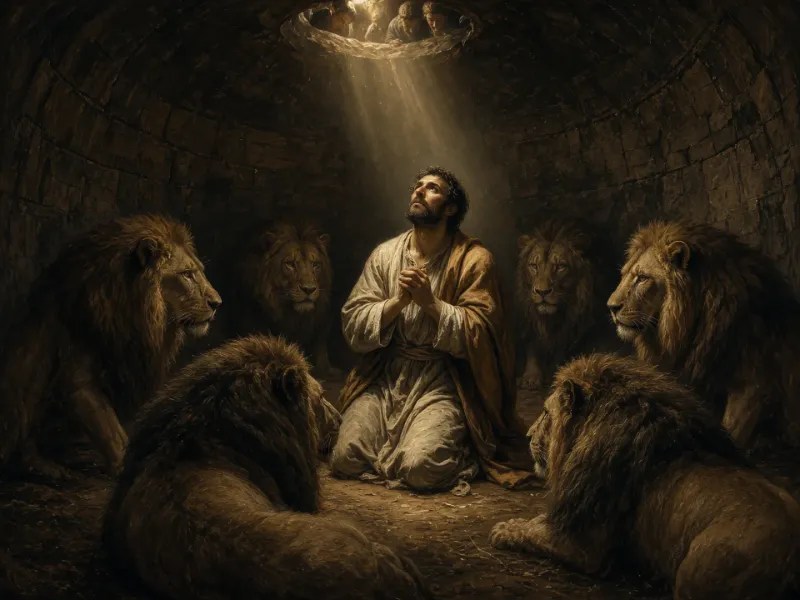
“Mean” here means lowly, and the line asks why a king should lie in so poor a place, “Where ox and ass are feeding”. Luke tells us that Mary “laid him in a manger; because there was no room for them in the inn” (Luke 2:7). He does not mention an ox or an ass, and the Hymnology Archive hears in them the opening of Isaiah: “The ox knoweth his owner, and the ass his master’s crib: but Israel doth not know, my people doth not consider” (Isaiah 1:3). Read beside Isaiah, the animals at the manger know whose crib it is, and the carol leaves us to ask whether we know him as well as they do. What a manger was, and where this one may have stood, we tell in Почему Иисус родился в яслях.
Dix answers his own question in the next lines: “Good Christian, fear: for sinners here The silent Word is pleading”. The Word is John’s name for Christ, who “was made flesh, and dwelt among us” (John 1:14), and we take it that the Word is silent here because he lies in the manger as a baby who cannot yet speak. We hear in the line, too, the servant in Isaiah who “opened not his mouth: he is brought as a lamb to the slaughter” (Isaiah 53:7), and the Christ of whom Hebrews says, “he ever liveth to make intercession for them” (Hebrews 7:25). In the carol he is pleading for sinners from the manger, before he has said a word.
Then come the lines the refrain versions leave out: “Nails, spear, shall pierce Him through, The Cross be borne, for me, for you”. Thomas would one day ask to see “in his hands the print of the nails” (John 20:25), and John tells us that at the cross “one of the soldiers with a spear pierced his side” (John 19:34). “For me, for you” is Isaiah again: “he was wounded for our transgressions, he was bruised for our iniquities … and the Lord hath laid on him the iniquity of us all” (Isaiah 53:5–6). When Novello brought out its illustrated edition in 1871, W. J. Wiegand’s engraving for this carol showed Mary and Joseph with the child, and beside them the nails, the spear and the cross that this verse names.
The wise men’s gifts and the Virgin’s lullaby
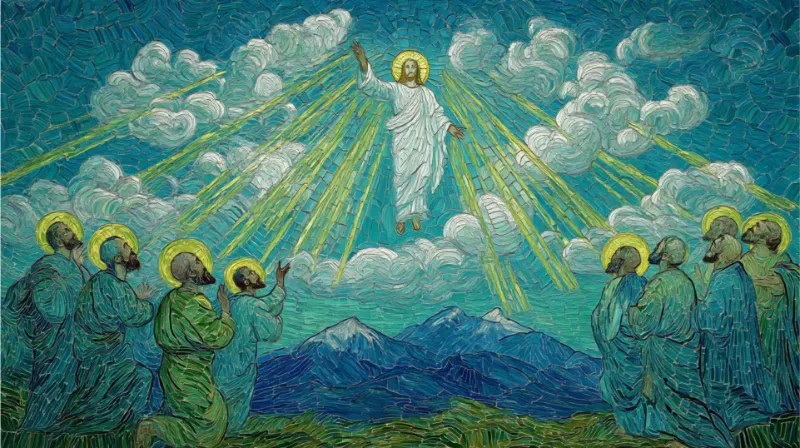
The third verse brings in the wise men, who, as Matthew tells it, “presented unto him gifts; gold, and frankincense and myrrh” (Matthew 2:11). “Come peasant, king, to own Him” calls the poor and the great alike to acknowledge him, and “The King of kings” is the name written on the vesture of the rider in Revelation, “KING OF KINGS, AND LORD OF LORDS” (Revelation 19:16). What each of the three gifts meant to the early Church we tell in our page on We Three Kings.
The carol ends where it began, with the child and his mother, the Virgin singing her lullaby: “Joy, joy, for Christ is born, The Babe, the Son of Mary!” Luke tells us that after the shepherds had come and told what they had heard, “Mary kept all these things, and pondered them in her heart” (Luke 2:19).


Добавить комментарий