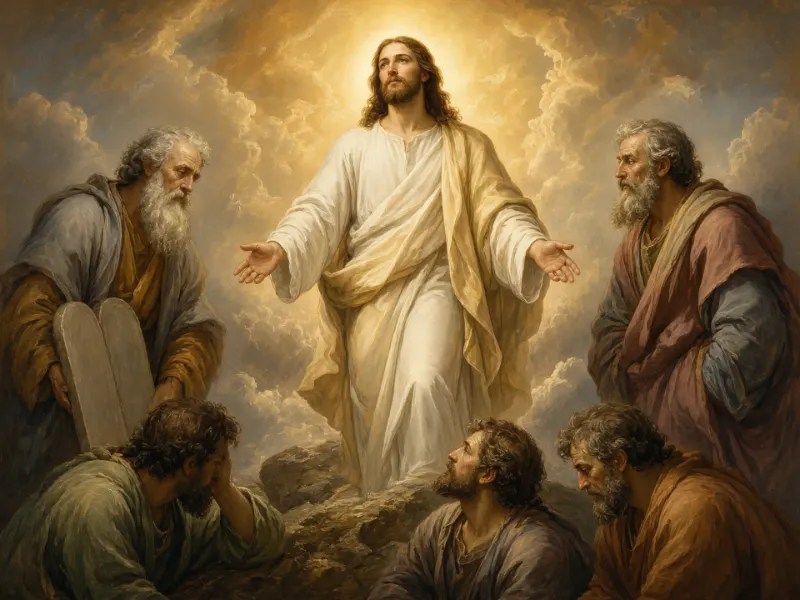
Ebraico vs Aramaico: qual è la differenza e quale parlava Gesù?


  • L'ebraico e l'aramaico sono lingue separate ma strettamente correlate nel gruppo nord-occidentale della famiglia semitica.
  • Gli storici concordano ampiamente sul fatto che Gesù parlasse l'aramaico come lingua quotidiana, leggesse le Scritture in ebraico e probabilmente conoscesse un po' di greco.
  • I Vangeli conservano diverse parole aramaiche di Gesù e le traducono, tra cui talitha cumi, ephphatha, abba ed Eloi, Eloi, lama sabachthani.
  • Le parti in aramaico dell'Antico Testamento sono Daniele 2:4-7:28, Esdra 4:8-6:18 e 7:12-26, Geremia 10:11 e due parole in Genesi 31:47.
  • I caratteri quadrati usati oggi per l'ebraico sono stati adattati dall'alfabeto aramaico dopo il ritorno degli ebrei da Babilonia.
  • Nel periodo del Secondo Tempio, le Scritture venivano lette in ebraico nella sinagoga e tradotte in aramaico per il popolo.
  • L'aramaico è ancora parlato in alcuni villaggi in Siria e da piccole comunità cristiane, mentre l'ebraico è stato ripreso come lingua parlata ed è la lingua ufficiale di Israele.

Hebrew and Aramaic are two related Semitic languages that share the same 22-letter alphabet and many words. In Jesus’s time Aramaic was the everyday language of Judea and Galilee, the language he spoke and taught in, while Hebrew was the language of Scripture and worship. Most of the Old Testament is Hebrew, and a few chapters are Aramaic. They are not the same language, and neither grew out of the other. Both belong to the northwestern branch of the Semitic…

Continue reading with a subscription

Get unlimited access to all our premium content and exclusive features.

Enjoy unlimited access, cancel anytime.


Risposte

Lascia un commento

Scopri di più da Christian Pure

Abbonati ora per continuare a leggere e avere accesso all'archivio completo.

Continua a leggere

Share to...