
 English
 Chinese
 Dutch
 Arabic
 Spanish
 Portuguese
 Russian
 French
 Italian
 German
 Japanese
In the Bible, togetherness is both a blessing God gives and a task he sets: people living in unity, meeting and sharing, and holding together across old divisions. Psalm 133:1 calls it good and pleasant, Ecclesiastes 4:9 says two are better than one, and Jesus prays that his followers “may be one” (John 17:21).
Paul’s appeals for unity were written to churches with real disputes: rival factions in Corinth (1 Corinthians 1:12), two women at odds in Philippi (Philippians 4:2), and believers in Rome divided over food and holy days (Romans 14:1-5).
Two are better than one

Psalm 133:1
“How good and pleasant it is when God’s people live together in unity!”
Reflection: The psalm compares God’s people living together in unity to two things that come down from above: oil running down Aaron’s beard onto the collar of his robe, and the dew of Hermon falling on Mount Zion. It ends, “For there the Lord bestows his blessing, even life forevermore” (133:3). The King James Version keeps the family word: “for brethren to dwell together in unity.”

Ecclesiastes 4:9-10
“Two are better than one, because they have a good return for their labor: If either of them falls down, one can help the other up. But pity anyone who falls and has no one to help them up.”
Reflection: The Teacher has just described a man “all alone,” with “neither son nor brother,” toiling for wealth that does not content him (4:8). Against that picture he lists what two can do: share the return on their work, pick each other up, keep warm and defend themselves. He ends, “A cord of three strands is not quickly broken” (4:12).
A church that met and shared
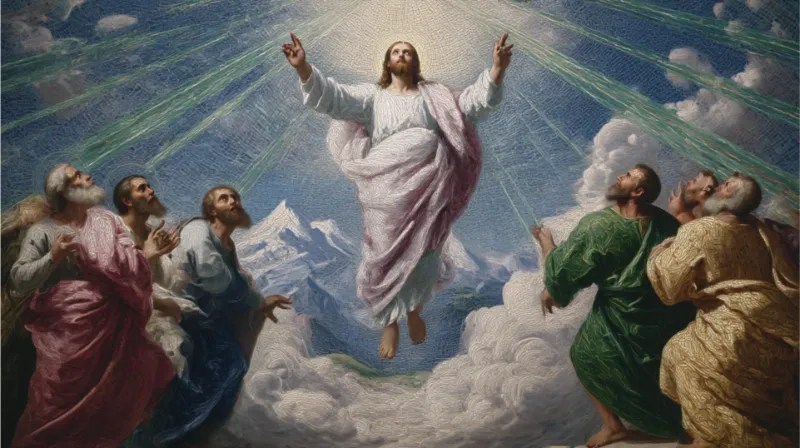
Acts 2:44-45
“All the believers were together and had everything in common. They sold property and possessions to give to anyone who had need.”
Reflection: Luke describes the believers in Jerusalem after Pentecost: they were together, held everything in common, and sold property to give to anyone in need. The next verses add daily meetings in the temple courts and meals in their homes “with glad and sincere hearts” (2:46). The sharing was voluntary; when Peter confronts Ananias, he says the land and the money from it had been his own (Acts 5:4).

Hebrews 10:24-25
“And let us consider how we may spur one another on toward love and good deeds, not giving up meeting together, as some are in the habit of doing, but encouraging one another—and all the more as you see the Day approaching.”
Reflection: The letter gives the ground for meeting just before this: believers can now “draw near to God” through the blood of Jesus (10:19-22). Meeting together is how they spur one another on, and some had already fallen out of the habit. The call grows more urgent “as you see the Day approaching.”
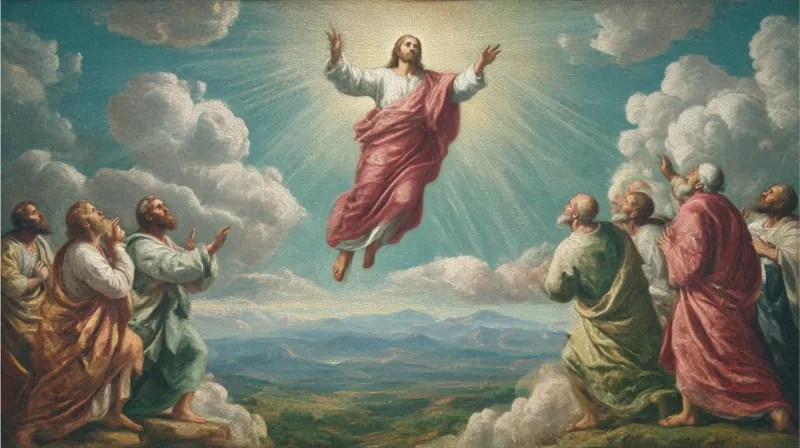
1 John 1:7
“But if we walk in the light, as he is in the light, we have fellowship with one another, and the blood of Jesus, his Son, purifies us from all sin.”
Reflection: John’s word for fellowship is koinonia, which also means participation and sharing. Earlier in the chapter he says he proclaims what he has seen and heard “so that you also may have fellowship with us,” a fellowship that is “with the Father and with his Son, Jesus Christ” (1:3). Here walking in the light has two results: fellowship with one another, and the blood of Jesus purifying believers from all sin.

Galatians 6:2
“Carry each other’s burdens, and in this way you will fulfill the law of Christ.”
Reflection: Paul’s example of a burden comes in the verse before: someone “caught in a sin,” whom those who live by the Spirit should restore gently (6:1). Carrying such burdens fulfills “the law of Christ.” Three verses later he tells each person to “test their own actions,” for “each one should carry their own load” (6:4-5). Believers carry one another’s burdens, and each still answers for his own conduct.
Unity prayed for and worked at
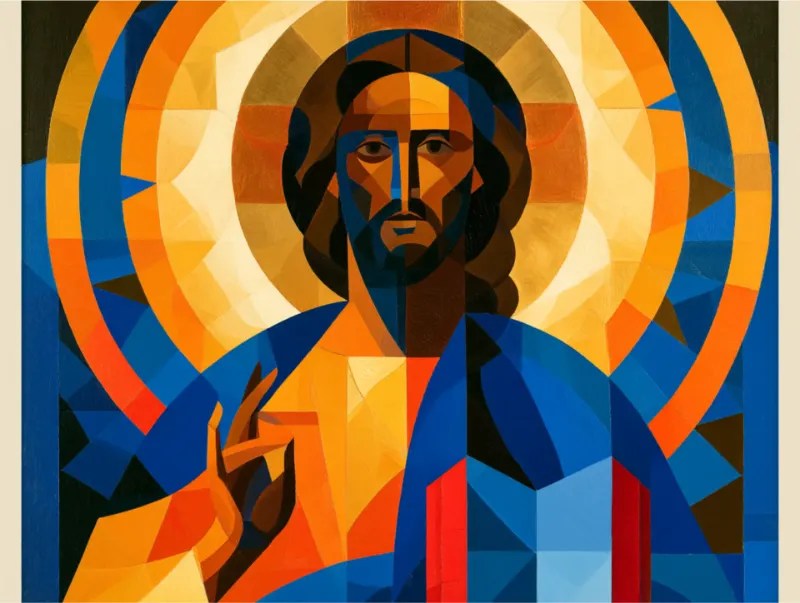
John 17:21
“That all of them may be one, Father, just as you are in me and I am in you. May they also be in us so that the world may believe that you have sent me.”
Reflection: Jesus prays this just before he crosses the Kidron Valley to the garden where he is arrested (John 18:1-12). He widens the prayer from the disciples with him to “those who will believe in me through their message” (17:20). The unity he asks for is modeled on his own with the Father, and it has a purpose beyond the church: “so that the world may believe that you have sent me.”
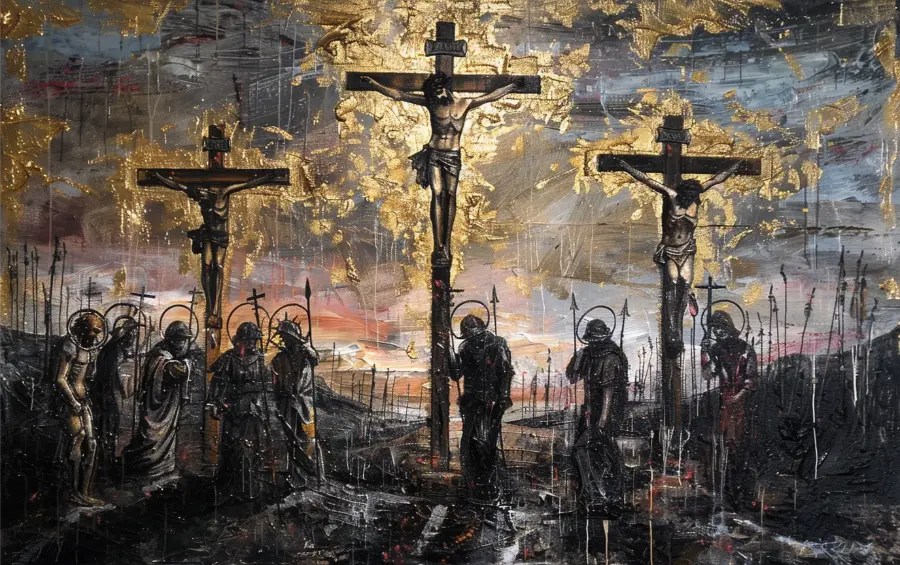
Ephesians 4:3
“Make every effort to keep the unity of the Spirit through the bond of peace.”
Reflection: Paul writes as “a prisoner for the Lord” (4:1), and the unity he asks for belongs to the Spirit; the church’s part is to keep it “through the bond of peace.” The verses that follow list what they already share: “one body and one Spirit… one Lord, one faith, one baptism; one God and Father of all” (4:4-6).
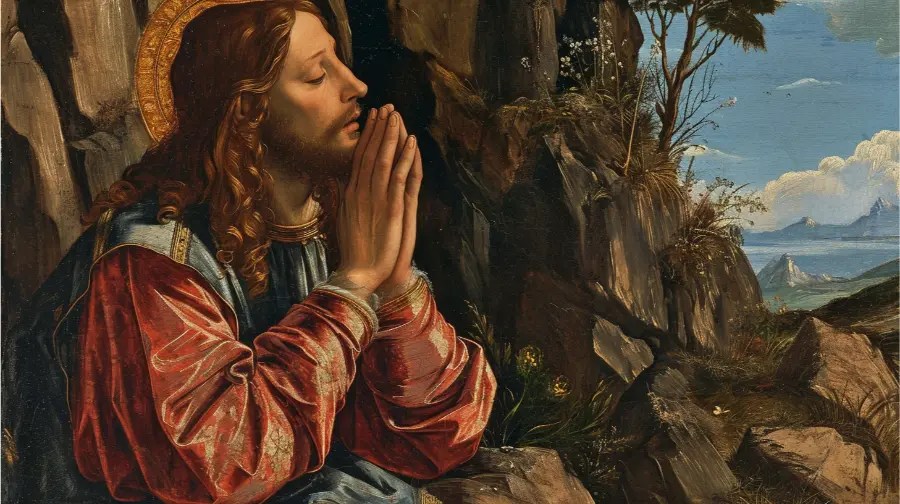
Colossians 3:14
“And over all these virtues put on love, which binds them all together in perfect unity.”
Reflection: Paul pictures the Christian life as clothing: compassion, kindness, humility, gentleness and patience, then bearing with each other and forgiving “if any of you has a grievance against someone” (3:12-13). Love goes on over all of them, and it is love that “binds them all together in perfect unity.”
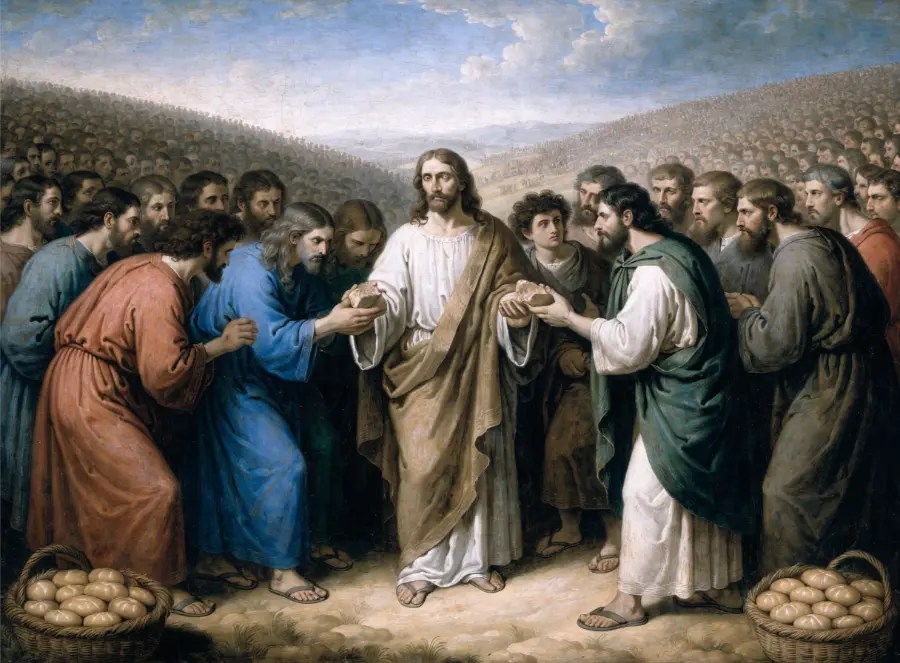
1 Corinthians 1:10
“I appeal to you, brothers and sisters, in the name of our Lord Jesus Christ, that all of you agree with one another in what you say and that there be no divisions among you, but that you be perfectly united in mind and thought.”
Reflection: The appeal answers a report from “Chloe’s household” of quarrels in Corinth, where believers were lining up behind leaders: “I follow Paul,” “I follow Apollos,” “I follow Cephas,” “I follow Christ” (1:11-12). Paul’s reply is a question: “Is Christ divided?” (1:13).
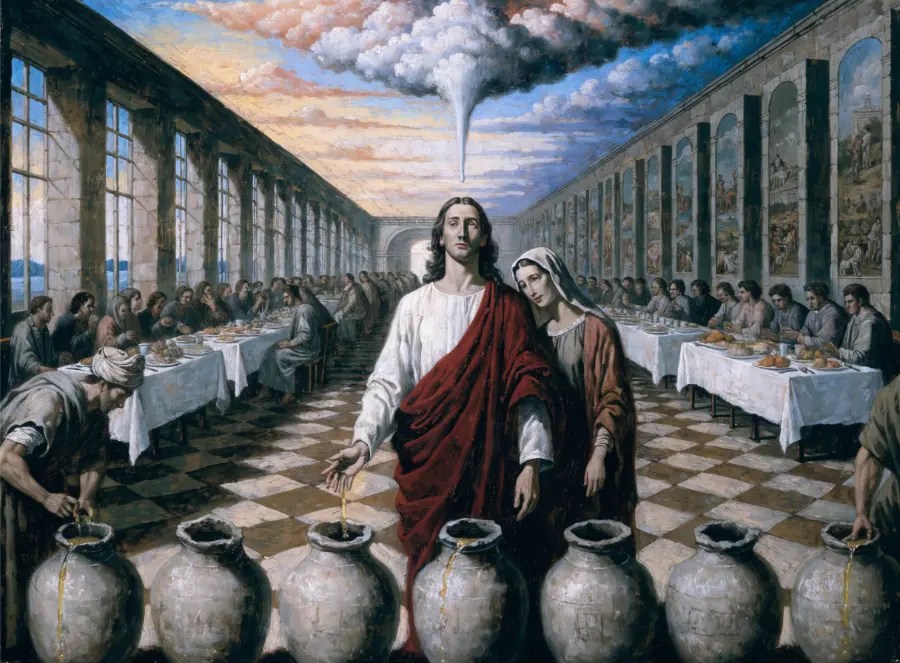
Philippians 2:2
“Then make my joy complete by being like-minded, having the same love, being one in spirit and of one mind.”
Reflection: Paul grounds the appeal in what the Philippians already have: encouragement from being united with Christ and “common sharing in the Spirit” (2:1). The next verses spell out one mind as humility, “value others above yourselves, not looking to your own interests” (2:3-4), and then point to the mindset of Christ Jesus (2:5). Later in the letter Paul pleads with Euodia and Syntyche “to be of the same mind in the Lord” (4:2).
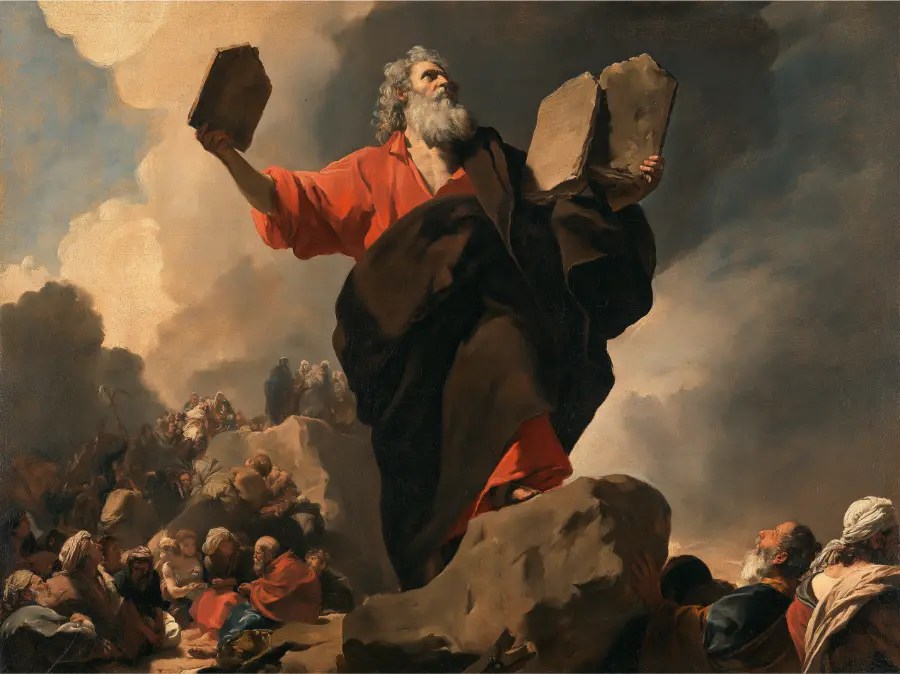
Romans 12:16
“Live in harmony with one another. Do not be proud, but be willing to associate with people of low position. Do not be conceited.”
Reflection: The command to live in harmony comes in a list of how believers treat one another, just after “Rejoice with those who rejoice; mourn with those who mourn” (12:15). Paul ties harmony to humility and to the company a person keeps: associate with people of low position, and do not be conceited.
One body from many kinds of people
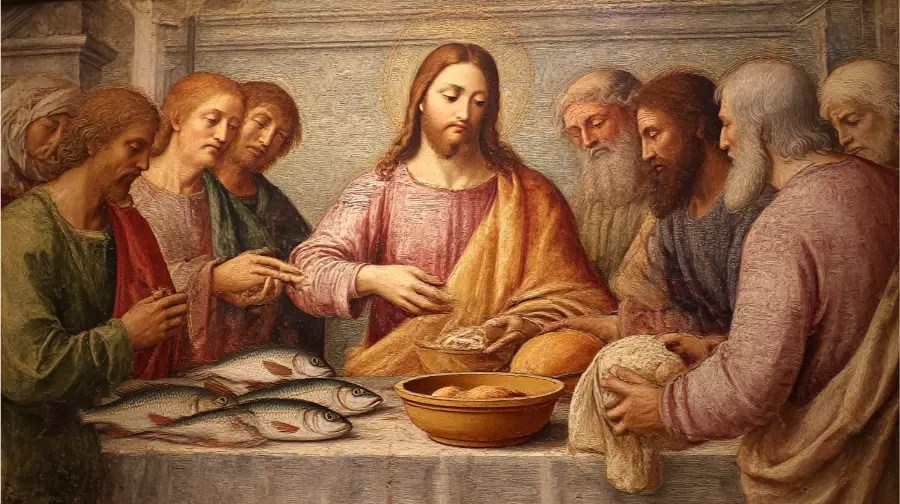
1 Corinthians 12:12
“Just as a body, though one, has many parts, but all its many parts form one body, so it is with Christ.”
Reflection: Paul’s picture of the church is a body with many parts, and he names the differences it holds: “Jews or Gentiles, slave or free,” all baptized by one Spirit into one body (12:13). No part can say to another, “I don’t need you!” (12:21).
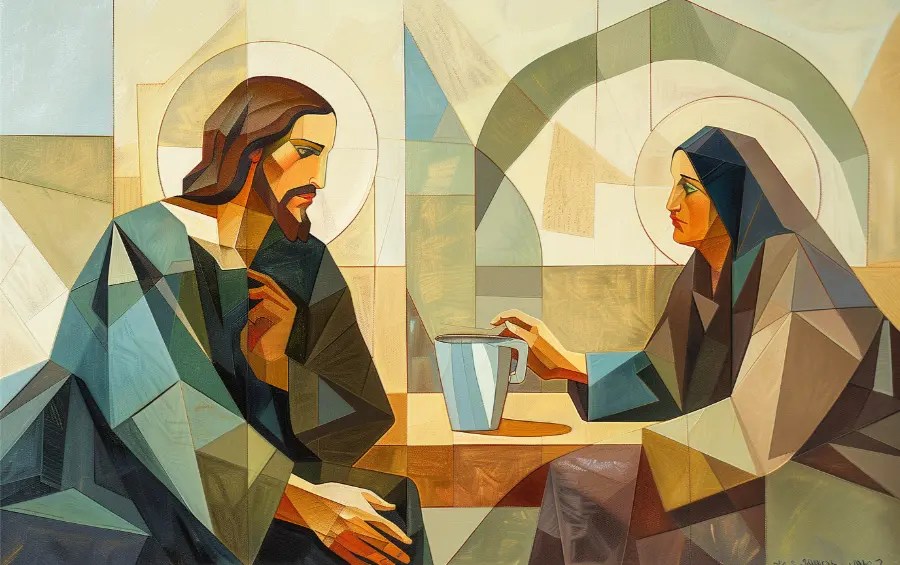
1 Corinthians 12:25-26
“So that there should be no division in the body, but that its parts should have equal concern for each other. If one part suffers, every part suffers with it; if one part is honored, every part rejoices with it.”
Reflection: God, Paul says, has put the body together and given greater honor to the parts that lacked it, so that there would be no division (12:24-25). Togetherness here means shared experience: when one part suffers, every part suffers, and when one is honored, every part rejoices. The next verse applies it: “Now you are the body of Christ, and each one of you is a part of it” (12:27).

Galatians 3:28
“There is neither Jew nor Gentile, neither slave nor free, nor is there male and female, for you are all one in Christ Jesus.”
Reflection: Paul writes this about baptism: all who were baptized into Christ “have clothed yourselves with Christ” (3:27). Jew and Gentile, slave and free, male and female are “all one in Christ Jesus,” and the next verse makes all of them Abraham’s heirs (3:29). Earlier in the same letter Paul tells how he opposed Cephas at Antioch for drawing back from eating with Gentiles (2:11-14).
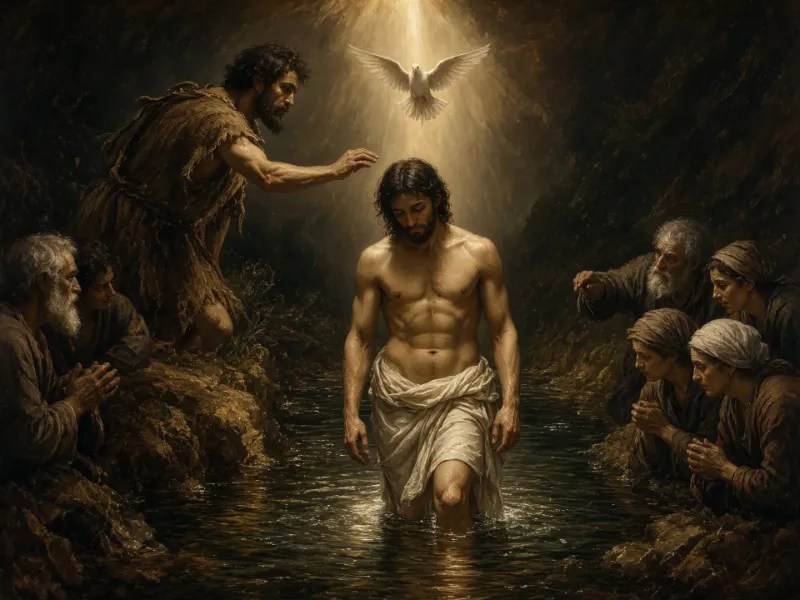
Romans 15:7
“Accept one another, then, just as Christ accepted you, in order to bring praise to God.”
Reflection: This closes a long section on believers who disagreed about food and about keeping one day more sacred than another (14:1-15:6). Paul tells both sides to accept each other because Christ accepted them, and the prayer just before asks that “with one mind and one voice” they may glorify God (15:6).
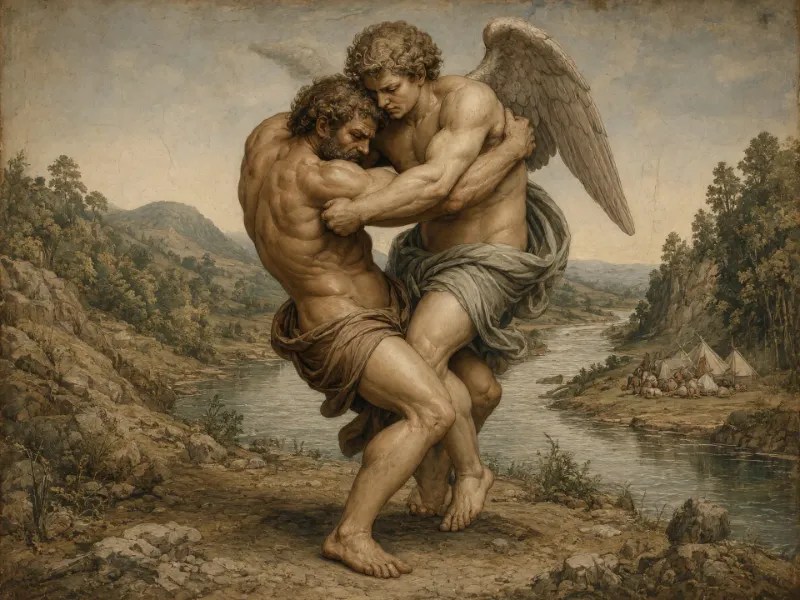
Ephesians 2:21-22
“In him the whole building is joined together and rises to become a holy temple in the Lord. And in him you too are being built together to become a dwelling in which God lives by his Spirit.”
Reflection: The building is made of Jews and Gentiles, whom Christ has made “one new humanity out of the two” by destroying “the dividing wall of hostility” (2:14-15). Those who were “foreigners and strangers” are now “fellow citizens with God’s people and also members of his household” (2:19). The joining has a purpose: a dwelling in which God lives by his Spirit.


Leave a Reply