
 English
 Chinese
 Dutch
 Arabic
 Spanish
 Portuguese
 Russian
 French
 Italian
 German
 Japanese
The Bible’s teaching on giving runs from the tithe, a tenth set apart for God, through freewill offerings and gifts to the poor, to the collections of the first churches. Jesus praised a poor widow’s two coins (Mark 12:41-44), and Paul gathered money for the poor in Jerusalem (Romans 15:26).
In the law the tithe was a fixed tenth, while a freewill offering was given in proportion to the blessings God had given (Deuteronomy 16:10). Much of the giving the Bible asks for goes to people in need: the poor of Israel’s towns and freed servants (Deuteronomy 15), and the believers of Jerusalem and Judea (Acts 2:44-45, Acts 11:29, Galatians 2:10).
Offerings and gifts to God

Exodus 35:29
“All the Israelite men and women who were willing brought to the Lord freewill offerings for all the work the Lord through Moses had commanded them to do.”
Reflection: Moses asked for materials for the tabernacle, and the gifts came from “everyone who was willing and whose heart moved them” (Exodus 35:21): gold jewelry, yarn, skins, acacia wood, spun goat hair and gems. This verse closes the account of the gifts by calling them freewill offerings; the chapter then turns to the craftsmen Bezalel and Oholiab (35:30-35). In the next chapter the craftsmen report that “the people are bringing more than enough,” and Moses sends word through the camp to stop (Exodus 36:5-7).
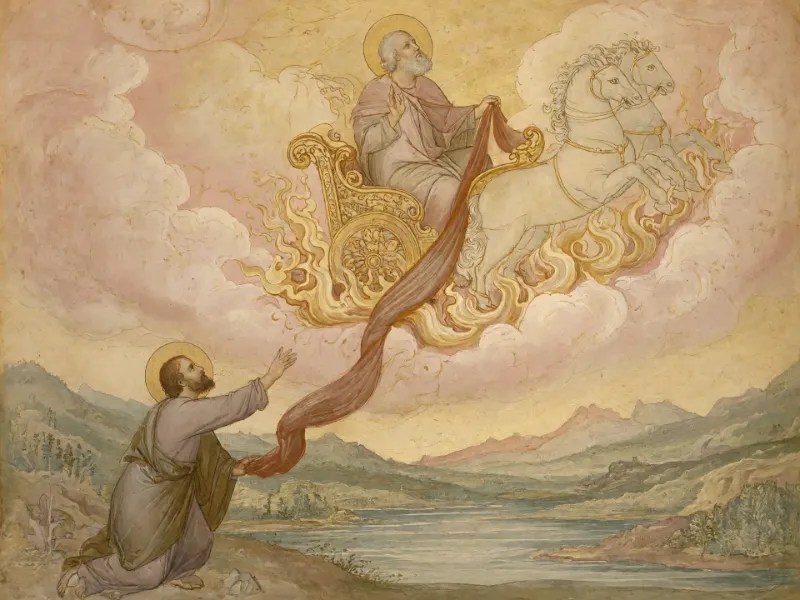
Deuteronomy 16:17
“Each of you must bring a gift in proportion to the way the Lord your God has blessed you.”
Reflection: Three times a year every man in Israel was to appear before the Lord, at the Festivals of Unleavened Bread, Weeks and Tabernacles, and “no one should appear before the Lord empty-handed” (16:16). The gifts belong to feasts: at the Festival of Weeks the household was to rejoice together with “the Levites in your towns, and the foreigners, the fatherless and the widows living among you” (16:11).

Proverbs 3:9-10
“Honor the Lord with your wealth, with the firstfruits of all your crops; then your barns will be filled to overflowing, and your vats will brim over with new wine.”
Reflection: Firstfruits were the first of the crops, and the law told Israel to “bring the best of the firstfruits of your soil to the house of the Lord your God” (Exodus 23:19). The proverb ties honouring the Lord to them and describes the result in a farmer’s terms, full barns and vats running over with new wine. The verses belong to a father’s teaching to his son (Proverbs 3:1), a few lines after “Trust in the Lord with all your heart” (3:5).

1 Chronicles 29:14
“But who am I, and who are my people, that we should be able to give as generously as this? Everything comes from you, and we have given you only what comes from your hand.”
Reflection: David had given his personal gold and silver for the temple and then asked, “Who is willing to consecrate themselves to the Lord today?” (1 Chronicles 29:3-5). The leaders gave, and “the people rejoiced at the willing response of their leaders” (29:9). David’s words here come from the prayer of praise he spoke before the whole assembly (29:10).

Mark 12:43-44
“Calling his disciples to him, Jesus said, ‘Truly I tell you, this poor widow has put more into the treasury than all the others. They all gave out of their wealth; but she, out of her poverty, put in everything—all she had to live on.’”
Reflection: Jesus sat opposite the temple treasury, watched rich people throw in large amounts, and then saw a poor widow put in two very small copper coins (Mark 12:41-42). He calls his disciples over to tell them she gave more than all the others, because they gave out of their wealth and she gave all she had to live on. Luke 21:1-4 tells the same scene. In Mark it comes straight after Jesus warns against teachers of the law who “devour widows’ houses” (12:40).
Giving to the poor

Deuteronomy 15:10
“Give generously to them and do so without a grudging heart; then because of this the Lord your God will bless you in all your work and in everything you put your hand to.”
Reflection: At the end of every seven years Israel was to cancel debts (Deuteronomy 15:1-2), and the verse tells lenders to give to the poor without a grudging heart as that year approaches. The same chapter applies the command to a Hebrew servant set free in the seventh year: “do not send them away empty-handed,” but supply them from flock, threshing floor and winepress, remembering “that you were slaves in Egypt” (15:13-15).
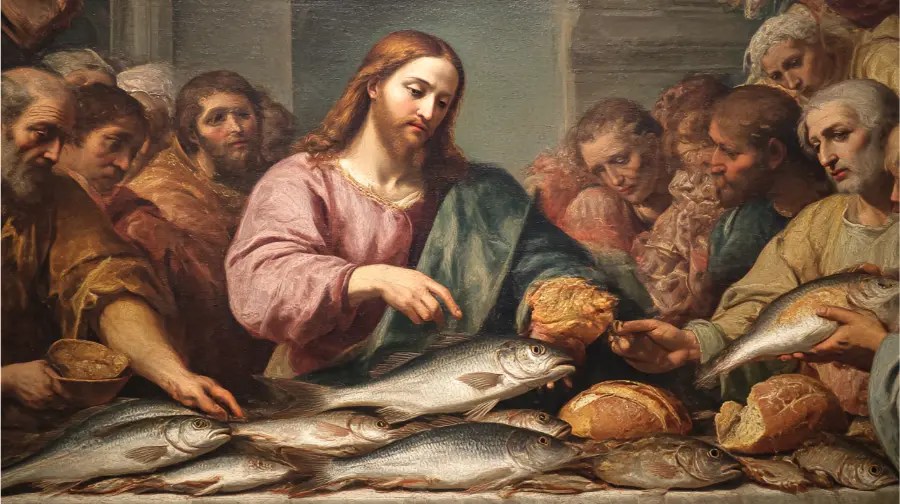
Proverbs 28:27
“Those who give to the poor will lack nothing, but those who close their eyes to them receive many curses.”
Reflection: The proverb sets two outcomes side by side: the one who gives lacks nothing, and the one who looks away from the poor is cursed. Proverbs 22:9 makes a like promise: “The generous will themselves be blessed, for they share their food with the poor.”

Matthew 6:3-4
“But when you give to the needy, do not let your left hand know what your right hand is doing, so that your giving may be in secret. Then your Father, who sees what is done in secret, will reward you.”
Reflection: Jesus opens this part of his teaching with a warning against practising righteousness “in front of others to be seen by them” (Matthew 6:1), and giving to the needy is his first example. The same pattern follows for prayer and for fasting, each with the verdict on the hypocrites, “they have received their reward in full” (6:5, 6:16).
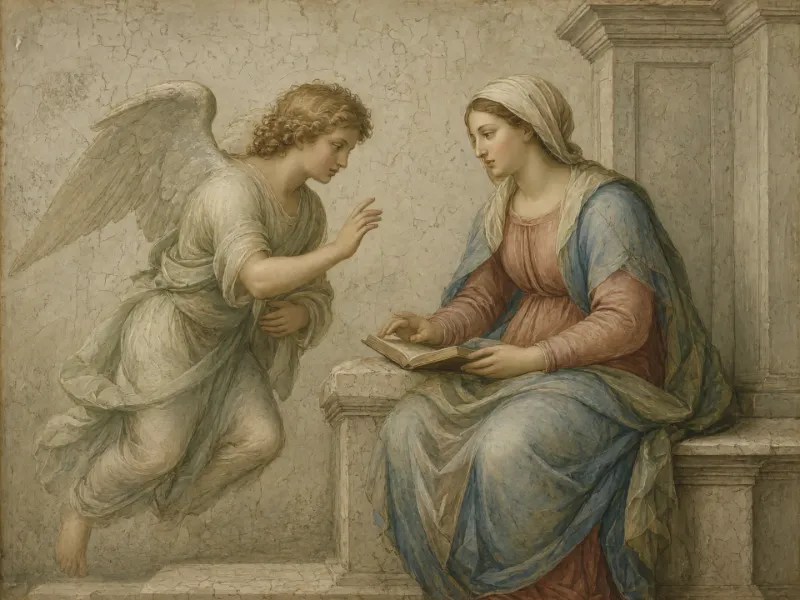
Luke 19:8
“But Zacchaeus stood up and said to the Lord, ‘Look, Lord! Here and now I give half of my possessions to the poor, and if I have cheated anybody out of anything, I will pay back four times the amount.’”
Reflection: Zacchaeus was a chief tax collector and wealthy (Luke 19:2), and the crowd muttered when Jesus chose to stay at his house (19:7). He gives half his possessions to the poor and promises fourfold repayment to anyone he has cheated, and Jesus answers, “Today salvation has come to this house” (19:9).

Ephesians 4:28
“Anyone who has been stealing must steal no longer, but must work, doing something useful with their own hands, that they may have something to share with those in need.”
Reflection: Paul lists habits of the old life to be put off: falsehood, anger, theft and unwholesome talk (Ephesians 4:25-29). For the thief, the change runs from taking to working, and the work has a stated purpose: having something to share with those in need.
Giving among the first churches

Acts 2:44-45
“All the believers were together and had everything in common. They sold property and possessions to give to anyone who had need.”
Reflection: After Pentecost the believers in Jerusalem sold property to give to anyone in need, and Acts 4:34 adds that “there were no needy persons among them.” The selling was not required: when Ananias kept back part of the price of his land, Peter told him that the land and the money had been his own (Acts 5:4). His sin was lying about the amount (5:3).
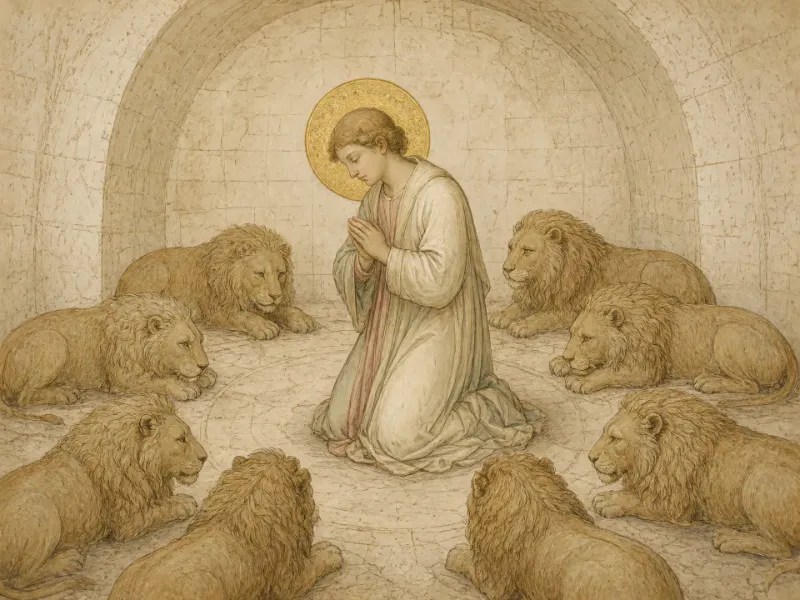
Acts 11:29
“The disciples, as each one was able, decided to provide help for the brothers and sisters living in Judea.”
Reflection: Prophets came down from Jerusalem to Antioch, and one of them, Agabus, predicted a severe famine over the Roman world, which Luke notes came in the reign of Claudius (Acts 11:27-28). The disciples sent their help to the elders in Judea by Barnabas and Saul (11:30).

Galatians 2:10
“All they asked was that we should continue to remember the poor, the very thing I had been eager to do all along.”
Reflection: In Jerusalem, James, Cephas and John gave Paul and Barnabas “the right hand of fellowship” and agreed that the two would go to the Gentiles (Galatians 2:9). Their one request was about the poor, and Paul says he had been eager to do it all along.
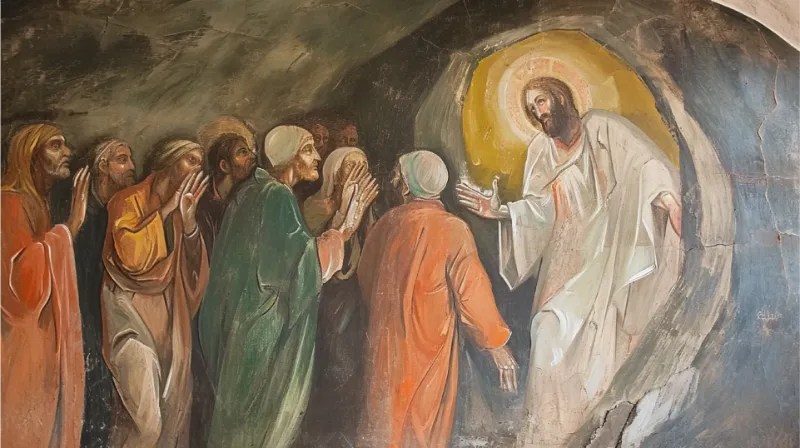
1 Corinthians 16:2
“On the first day of every week, each one of you should set aside a sum of money in keeping with your income, saving it up, so that when I come no collections will have to be made.”
Reflection: The collection was for “the Lord’s people” and was to be carried to Jerusalem (1 Corinthians 16:1, 3), and Paul had given the Galatian churches the same instruction. What he adds here is a method: a sum set aside on the first day of every week, so that nothing would have to be gathered when he arrived. Romans 15:26 describes the same collection as “a contribution for the poor among the Lord’s people in Jerusalem.”

2 Corinthians 8:12
“For if the willingness is there, the gift is acceptable according to what one has, not according to what one does not have.”
Reflection: Paul holds up the Macedonian churches, who gave out of “extreme poverty” and “even beyond their ability” (2 Corinthians 8:2-3), and grounds his request in Christ, who “though he was rich, yet for your sake he became poor” (8:9). He says, “I am not commanding you” (8:8). The Corinthians had been the first to want to give, the year before, and this verse follows his call to finish the work “according to your means” (8:10-11).
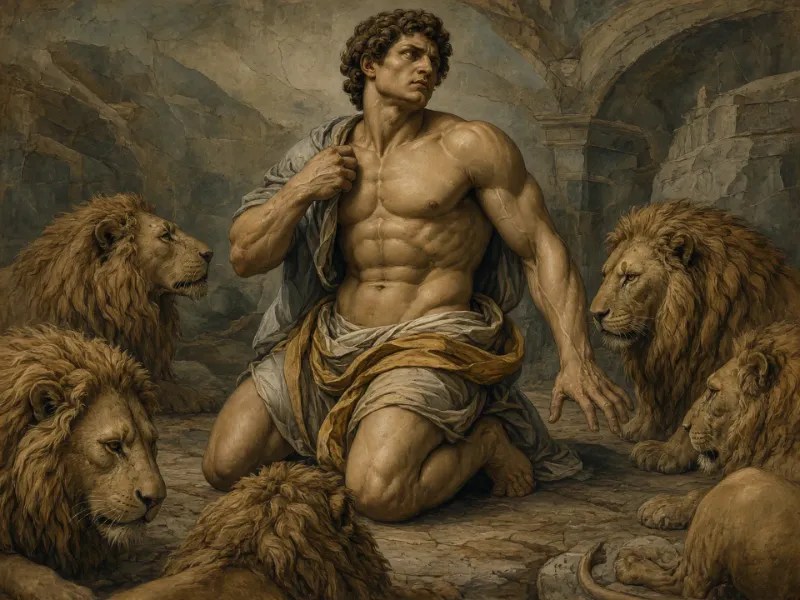
2 Corinthians 9:6-7
“Remember this: Whoever sows sparingly will also reap sparingly, and whoever sows generously will also reap generously. Each of you should give what you have decided in your heart to give, not reluctantly or under compulsion, for God loves a cheerful giver.”
Reflection: Paul backs the sowing picture with a line of Scripture: “They have freely scattered their gifts to the poor; their righteousness endures forever” (2 Corinthians 9:9). He then names what the gift will do beyond supplying “the needs of the Lord’s people”: the people who receive it will praise God for the givers’ generosity and pray for them (9:12-14).

Philippians 4:18
“I have received full payment and have more than enough. I am amply supplied, now that I have received from Epaphroditus the gifts you sent. They are a fragrant offering, an acceptable sacrifice, pleasing to God.”
Reflection: Paul thanks the Philippians for gifts brought by Epaphroditus. He has learned “to be content whatever the circumstances” (Philippians 4:11), yet says, “it was good of you to share in my troubles” (4:14). When he left Macedonia, no other church had shared with him “in the matter of giving and receiving” (4:15).
What Jesus said about giving and possessions
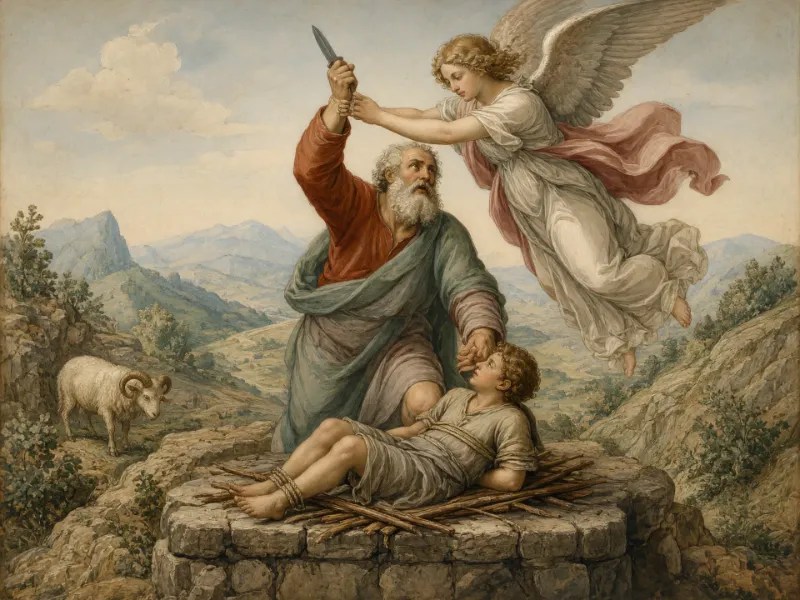
Luke 6:38
“Give, and it will be given to you. A good measure, pressed down, shaken together and running over, will be poured into your lap. For with the measure you use, it will be measured to you.”
Reflection: Luke sets this teaching on a level place (Luke 6:17), and the saying on giving follows commands not to judge or condemn and to forgive (6:37). The measure is poured into the lap, pressed down and shaken so that it holds more, then filled until it runs over. The closing line, “with the measure you use, it will be measured to you,” comes after all four commands: not judging, not condemning, forgiving and giving.
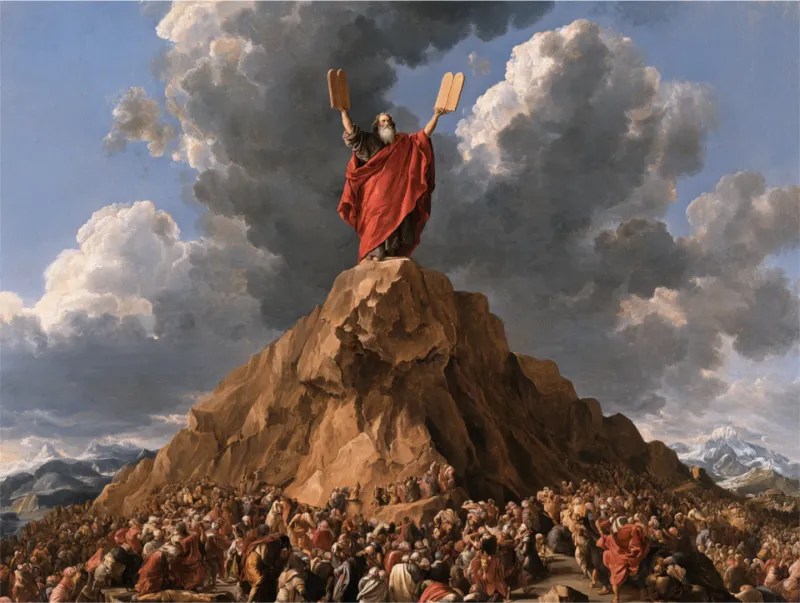
Luke 12:33
“Sell your possessions and give to the poor. Provide purses for yourselves that will not wear out, a treasure in heaven that will never fail, where no thief comes near and no moth destroys.”
Reflection: Jesus says this to his disciples after the parable of a rich man who built bigger barns for his surplus grain and whose life God demanded “this very night”; Jesus applies the parable to “whoever stores up things for themselves but is not rich toward God” (Luke 12:16-21). The command follows “Do not be afraid, little flock, for your Father has been pleased to give you the kingdom” (12:32). The next verse is the saying Matthew 6:21 also records: “For where your treasure is, there your heart will be also.”
Acts 20:35
“In everything I did, I showed you that by this kind of hard work we must help the weak, remembering the words the Lord Jesus himself said: ‘It is more blessed to give than to receive.’”
Reflection: These words close Paul’s farewell to the elders of the church at Ephesus. Just before them he says, “I have not coveted anyone’s silver or gold or clothing” (Acts 20:33), and when he had finished speaking, “he knelt down with all of them and prayed” (20:36). The saying of Jesus he quotes is given as the reason to work hard and help the weak.


Leave a Reply