
 English
 Chinese
 Dutch
 Arabic
 Spanish
 Portuguese
 Russian
 French
 Italian
 German
 Japanese
In the Bible, help in time of need comes from God. Psalm 46:1 calls him “an ever-present help in trouble,” and the phrase “time of need” comes from Hebrews 4:16, which invites believers to approach “God’s throne of grace with confidence” to receive mercy and grace to help.
The Psalms record people who called for help and were heard (Psalm 18:6, Psalm 34:17-18, Psalm 138:3). Deuteronomy 31:6 and Hebrews 13:5-6 promise that God will not leave his people, Psalm 55:22 and 1 Peter 5:7 tell the anxious to hand their cares to him, Matthew 6:26 and Philippians 4:19 speak of needs supplied, and John 14:26 and Romans 8:26 describe the help of the Holy Spirit. In 2 Corinthians 12:9 and Philippians 4:13, help comes as strength while the hardship stays.
God as refuge and help in trouble

Psalm 46:1
“God is our refuge and strength, an ever-present help in trouble.”
Reflection: The psalm is headed as a song of the Sons of Korah. The trouble it pictures is the earth giving way and the mountains falling into the sea (verses 2-3), and nations in uproar (verse 6). Verse 5 says of the city of God, “God will help her at break of day,” and a refrain repeated in verses 7 and 11 says, “The LORD Almighty is with us; the God of Jacob is our fortress.”
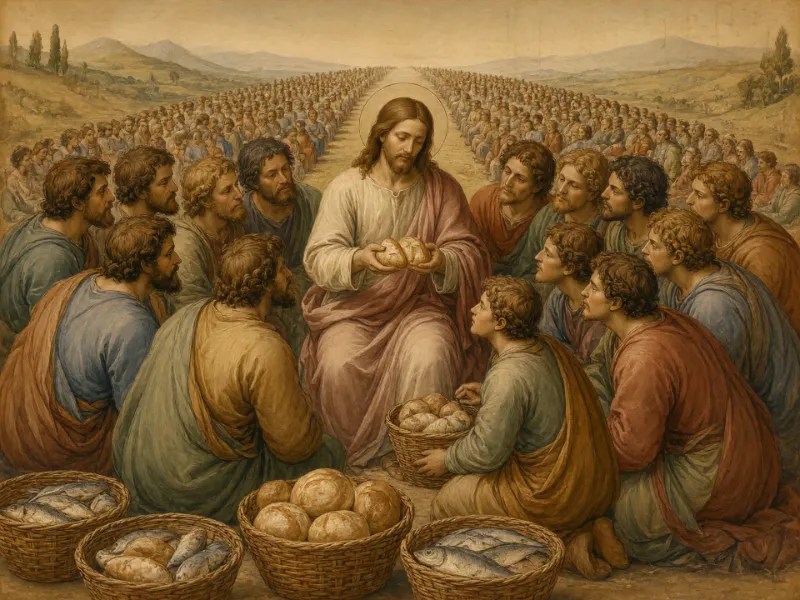
Psalm 121:1-2
“I lift up my eyes to the mountains—where does my help come from? My help comes from the LORD, the Maker of heaven and earth.”
Reflection: A song of ascents that asks where help comes from and answers in the next line: from the Maker of heaven and earth. The rest of the psalm describes that help as keeping watch. The LORD “will neither slumber nor sleep” (verse 4) and “will watch over your coming and going both now and forevermore” (verse 8).

Psalm 9:9-10
“The LORD is a refuge for the oppressed, a stronghold in times of trouble. Those who know your name trust in you, for you, LORD, have never forsaken those who seek you.”
Reflection: In this psalm of David, the verses before describe the LORD enthroned to judge “the peoples with equity” (verse 8). Verse 12 adds that “he does not ignore the cries of the afflicted.” The assurance in verse 10 is given to “those who seek you.”

Nahum 1:7
“The LORD is good, a refuge in times of trouble. He cares for those who trust in him.”
Reflection: Nahum’s book is “a prophecy concerning Nineveh” (Nahum 1:1), and the verses before this one describe the LORD’s wrath against his foes. Verse 7 calls the same God “a refuge in times of trouble” for those who trust him, and verse 8 continues the sentence: “but with an overwhelming flood he will make an end of Nineveh.”
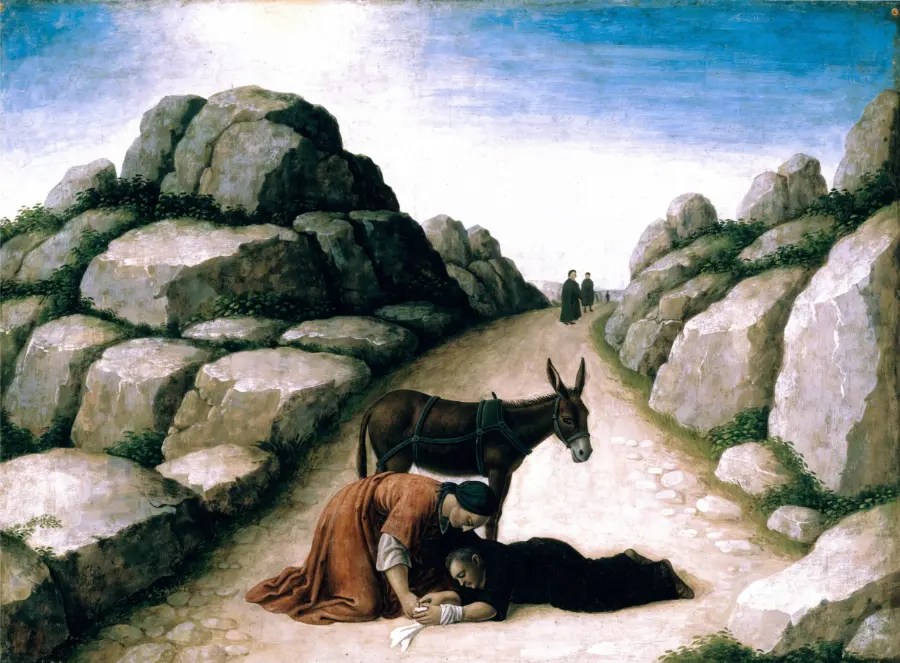
Psalm 18:2
“The LORD is my rock, my fortress and my deliverer; my God is my rock, in whom I take refuge, my shield and the horn of my salvation, my stronghold.”
Reflection: The heading says David sang this song when the LORD delivered him from all his enemies and from Saul. Rock, fortress, shield and stronghold are all names drawn from defence in war. Verse 6 tells how the help came: “In my distress I called to the LORD; I cried to my God for help. From his temple he heard my voice.”

Psalm 62:7-8
“My salvation and my honor depend on God; he is my mighty rock, my refuge. Trust in him at all times, you people; pour out your hearts to him, for God is our refuge.”
Reflection: David describes enemies who want to topple him as if he were “this leaning wall, this tottering fence” (verse 3). In verses 5-7 he speaks to himself (“Yes, my soul, find rest in God,” verse 5); in verse 8 he turns to others and tells them to trust God “at all times” and to pour out their hearts to him.
Asking for help and being answered

Hebrews 4:16
“Let us then approach God’s throne of grace with confidence, so that we may receive mercy and find grace to help us in our time of need.”
Reflection: The verse before gives the reason for the confidence: “we do not have a high priest who is unable to empathize with our weaknesses, but we have one who has been tempted in every way, just as we are—yet he did not sin.” The throne is called a throne of grace, and what is received there is mercy and grace to help.
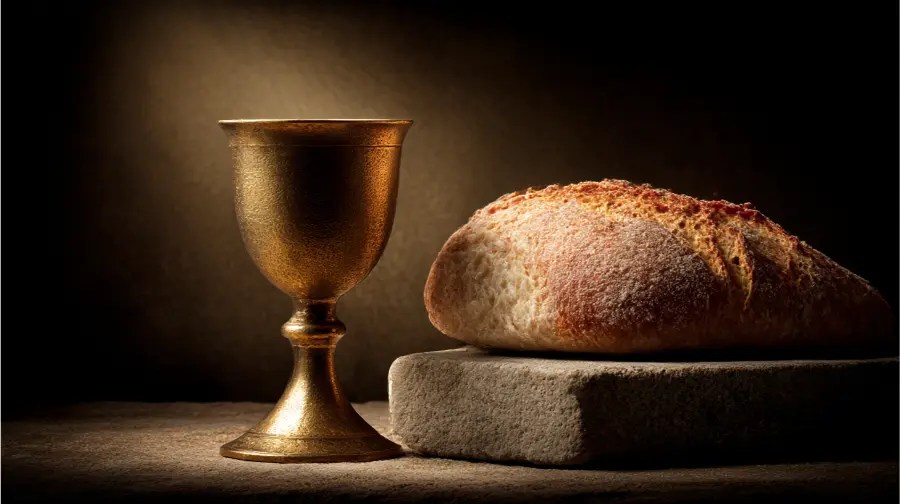
Psalm 34:17-18
“The righteous cry out, and the LORD hears them; he delivers them from all their troubles. The LORD is close to the brokenhearted and saves those who are crushed in spirit.”
Reflection: The heading sets the psalm after David pretended to be insane before Abimelek and was driven away. Verse 6 tells it in the first person: “This poor man called, and the LORD heard him; he saved him out of all his troubles.” Verse 19 qualifies the promise: “The righteous person may have many troubles, but the LORD delivers him from them all.”
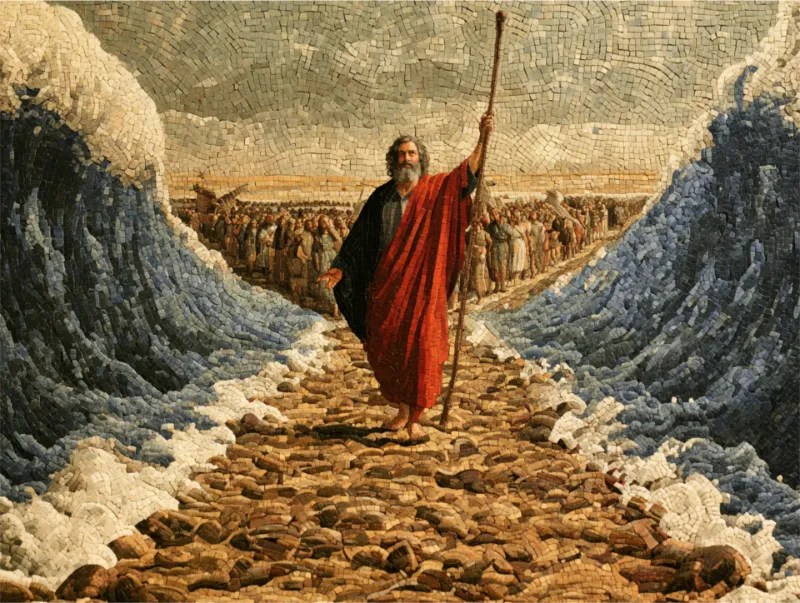
Psalm 138:3
“When I called, you answered me; you greatly emboldened me.”
Reflection: David thanks God for an answer already given. The help in verse 3 is courage: God “greatly emboldened” him. Verse 7 adds rescue, “Though I walk in the midst of trouble, you preserve my life,” and the psalm closes with a request: “do not abandon the works of your hands.”
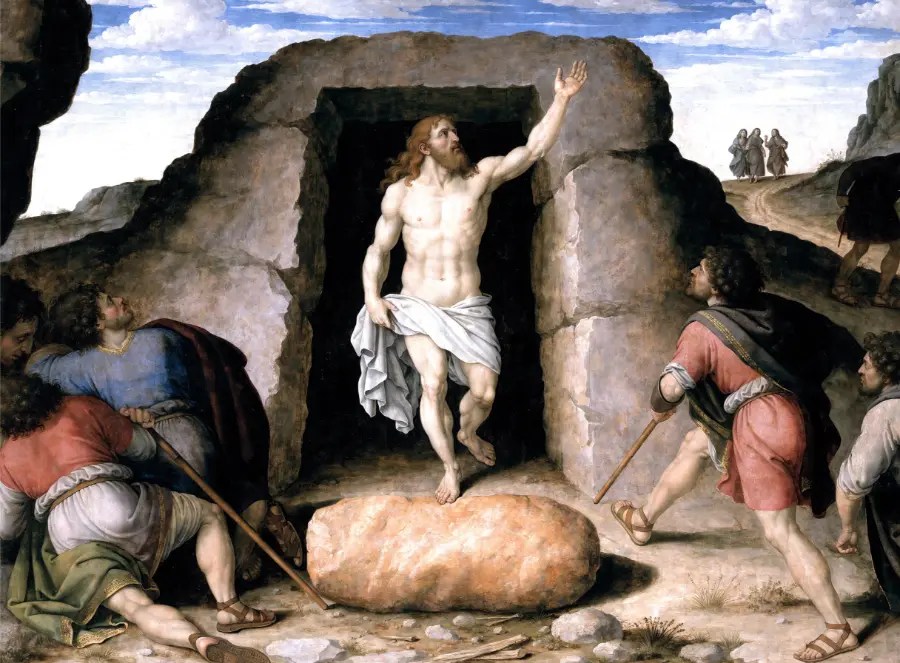
Philippians 4:6-7
“Do not be anxious about anything, but in every situation, by prayer and petition, with thanksgiving, present your requests to God. And the peace of God, which transcends all understanding, will guard your hearts and your minds in Christ Jesus.”
Reflection: Paul writes in chains (Philippians 1:13), and the verse just before reads, “The Lord is near.” The instruction covers “every situation,” and requests come with thanksgiving. The promise attached is peace guarding the heart and mind; the verse does not say each request will be granted as asked.
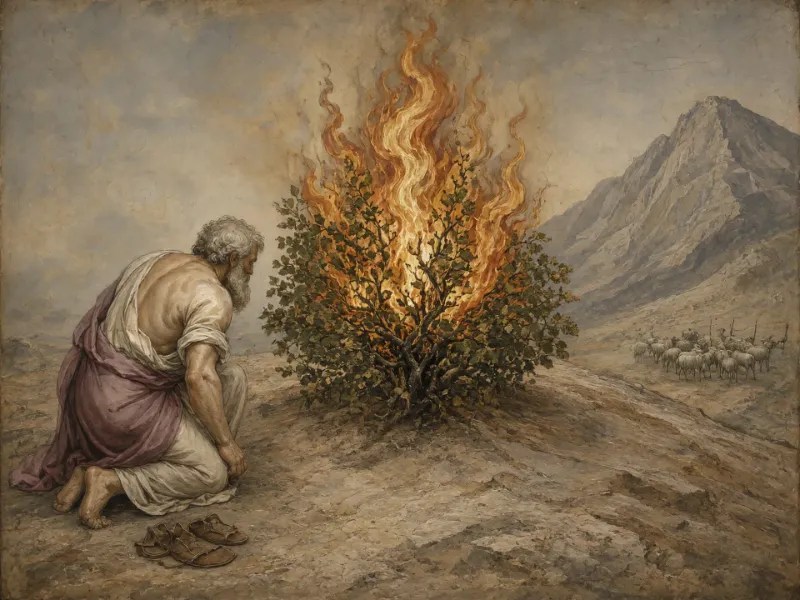
James 1:5
“If any of you lacks wisdom, you should ask God, who gives generously to all without finding fault, and it will be given to you.”
Reflection: The verse comes straight after James says that trials produce perseverance, so that his readers may be “mature and complete, not lacking anything” (verse 4), and it picks up the same word: “If any of you lacks wisdom.” God is described as giving “generously to all without finding fault.” Verses 6-8 add a condition: the one who asks “must believe and not doubt.”
The promise not to leave
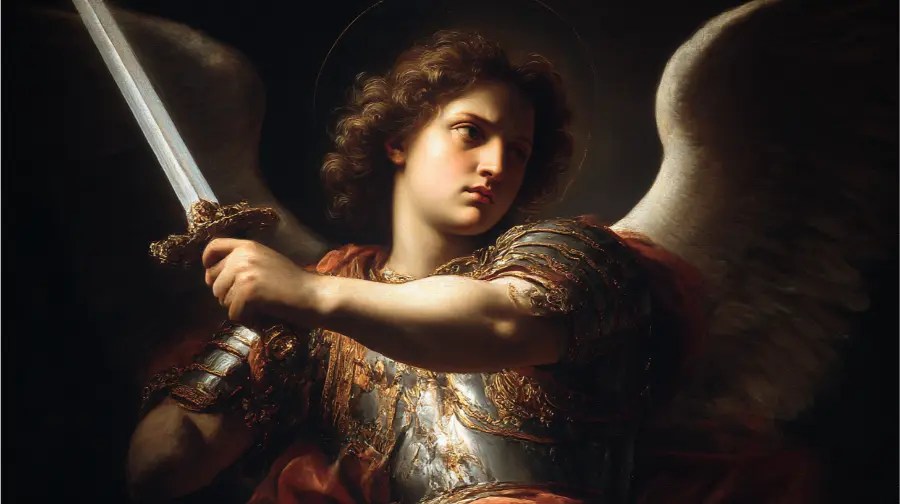
Deuteronomy 31:6
“Be strong and courageous. Do not be afraid or terrified because of them, for the LORD your God goes with you; he will never leave you nor forsake you.”
Reflection: Moses, a hundred and twenty years old and “no longer able to lead” (verse 2), speaks to all Israel before they cross the Jordan without him. He repeats the promise to Joshua in verse 8, and after Moses dies the LORD gives it to Joshua again: “I will never leave you nor forsake you” (Joshua 1:5). The courage Moses commands rests on the LORD going with them.

Hebrews 13:5b-6
“…because God has said, ‘Never will I leave you; never will I forsake you.’ So we say with confidence, ‘The Lord is my helper; I will not be afraid. What can mere mortals do to me?’”
Reflection: The writer joins two Old Testament lines. The first is the promise of Deuteronomy 31:6 and Joshua 1:5; the second is close to Psalm 118:6-7, “The LORD is with me; I will not be afraid. What can mere mortals do to me?” The setting is money: the first half of verse 5 says, “Keep your lives free from the love of money and be content with what you have.”

Isaiah 41:10
“So do not fear, for I am with you; do not be dismayed, for I am your God. I will strengthen you and help you; I will uphold you with my righteous right hand.”
Reflection: The words are addressed to “Israel, my servant, Jacob, whom I have chosen” (verse 8). The promise of help comes again in verse 13, “Do not fear; I will help you,” and in verse 14, which calls the people “you worm Jacob, little Israel” and says, “I myself will help you.”

Isaiah 43:2
“When you pass through the waters, I will be with you; and when you pass through the rivers, they will not sweep over you. When you walk through the fire, you will not be burned; the flames will not set you ablaze.”
Reflection: Verse 1 gives the ground for the promise: “Do not fear, for I have redeemed you; I have summoned you by name; you are mine.” Isaiah 43:2 speaks of passing through the waters and walking through the fire, and promises God’s presence there; it does not say the waters and the fire will be avoided.

Psalm 23:4
“Even though I walk through the darkest valley, I will fear no evil, for you are with me; your rod and your staff, they comfort me.”
Reflection: In David’s shepherd psalm, the darkest valley comes between the quiet waters of verse 2 and the table of verse 5. At this verse the psalm moves from speaking about the LORD (“he leads me”) to speaking to him (“you are with me”). The rod and staff, a shepherd’s tools, are named as the comfort.
Handing over the burden
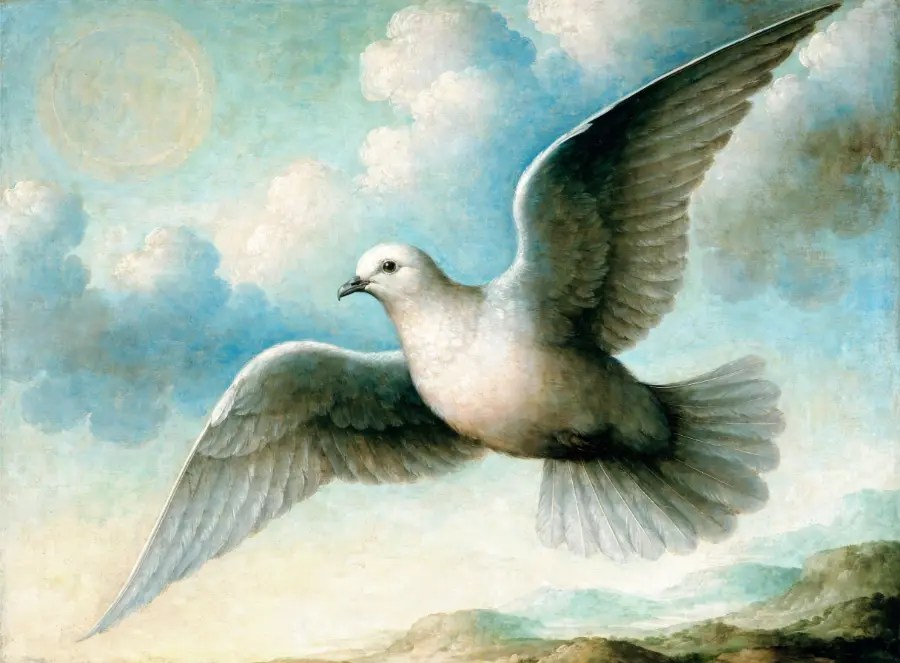
Psalm 55:22
“Cast your cares on the LORD and he will sustain you; he will never let the righteous be shaken.”
Reflection: David’s complaint in this psalm is against a companion who “attacks his friends” and whose words were “smooth as butter, yet war is in his heart” (verses 20-21). Earlier he wished for “the wings of a dove” to fly away (verse 6). Verse 17 says how often he prays: “Evening, morning and noon I cry out in distress, and he hears my voice.”
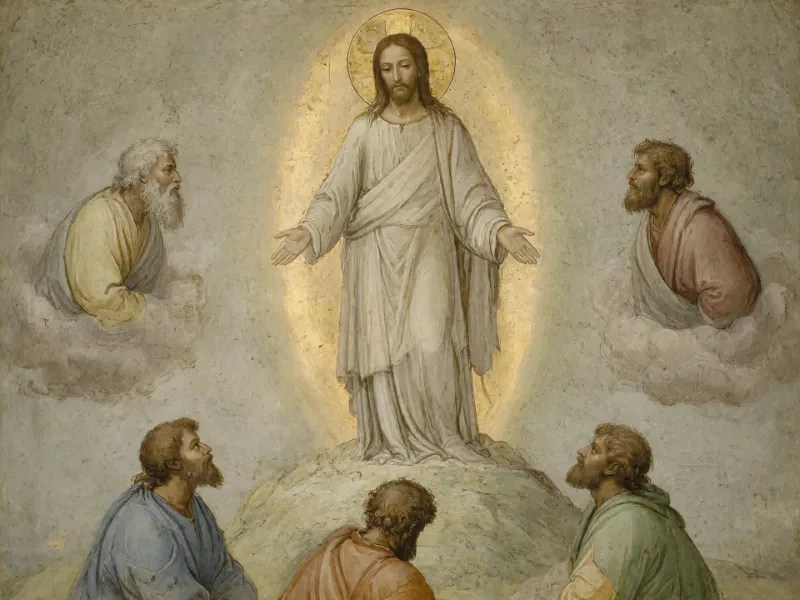
1 Peter 5:7
“Cast all your anxiety on him because he cares for you.”
Reflection: The verse follows “Humble yourselves, therefore, under God’s mighty hand, that he may lift you up in due time” (verse 6). Peter’s readers are suffering, and verse 9 says believers “throughout the world” share the same sufferings. Verse 10 promises that God, “after you have suffered a little while, will himself restore you.” Psalm 55:22 gives a similar instruction.
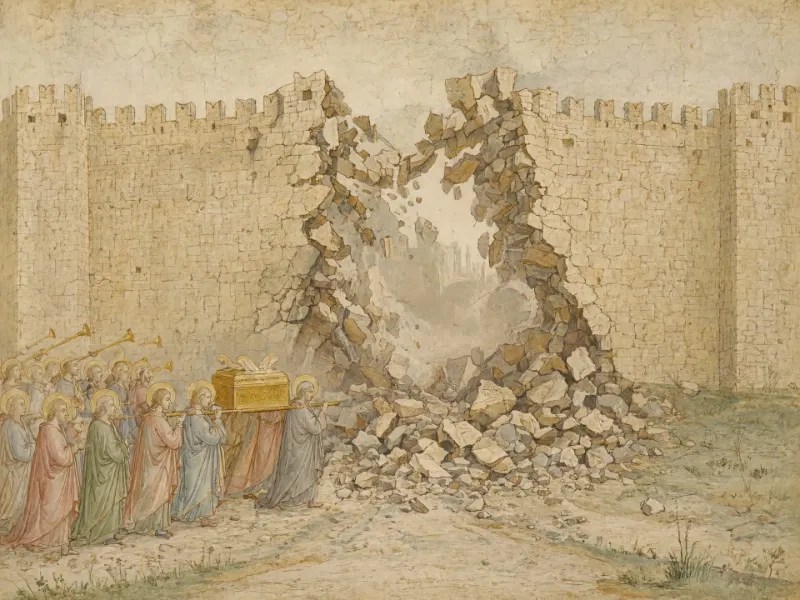
Matthew 11:28-30
“Come to me, all you who are weary and burdened, and I will give you rest. Take my yoke upon you and learn from me, for I am gentle and humble in heart, and you will find rest for your souls. For my yoke is easy and my burden is light.”
Reflection: Jesus speaks after thanking the Father for revealing “these things” to little children rather than to the wise and learned (verse 25). The words “you will find rest for your souls” also appear in Jeremiah 6:16, where the LORD tells Israel to ask for the ancient paths and walk in them. The rest offered comes with a yoke: those who come are to learn from him.
When needs are supplied
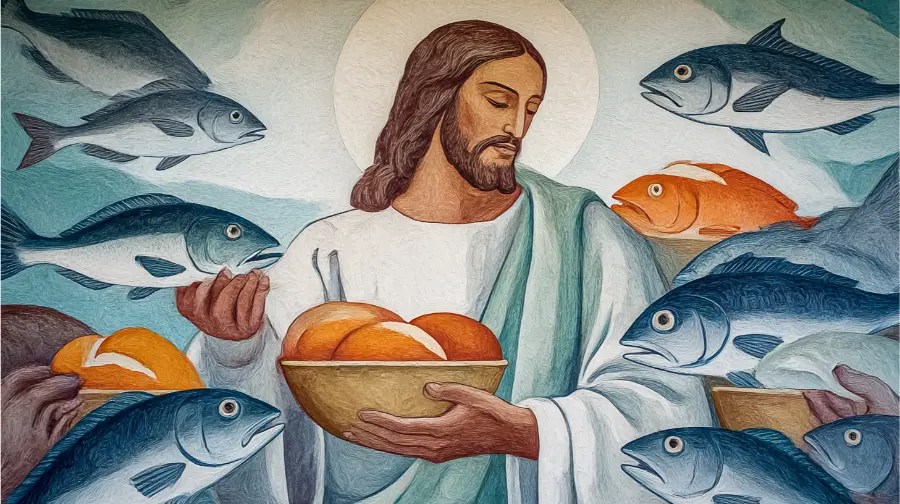
Matthew 6:26
“Look at the birds of the air; they do not sow or reap or store away in barns, and yet your heavenly Father feeds them. Are you not much more valuable than they?”
Reflection: Jesus gives the birds as an example in teaching his hearers not to worry about what they will eat, drink or wear (verse 25). Verse 32 says, “your heavenly Father knows that you need them,” and verse 33 sets the order: “seek first his kingdom and his righteousness, and all these things will be given to you as well.”
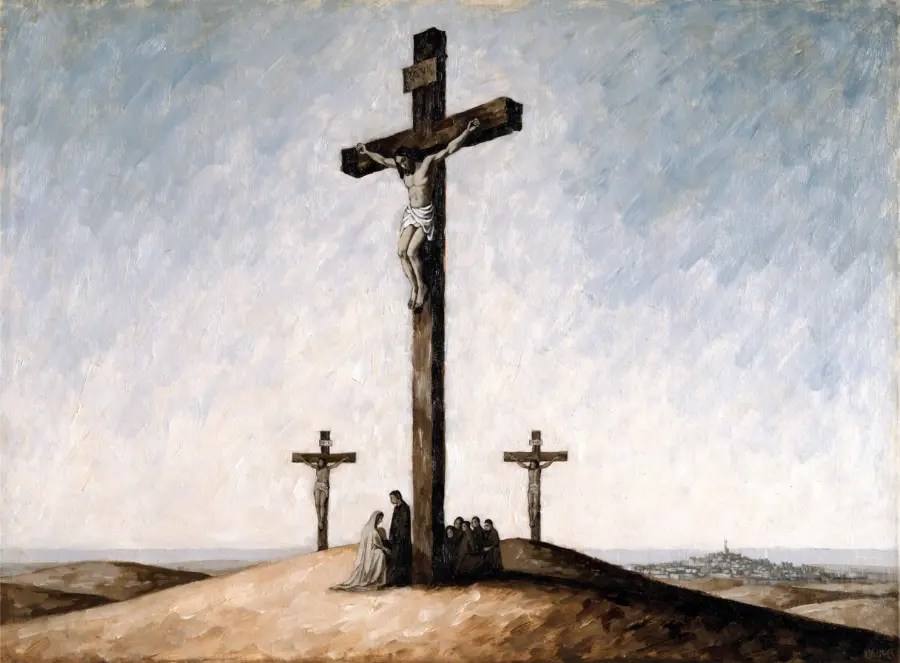
Philippians 4:19
“And my God will meet all your needs according to the riches of his glory in Christ Jesus.”
Reflection: Paul writes this after receiving the Philippians’ gifts (verses 14-18). In verse 16 he recalls that in Thessalonica “you sent me aid more than once when I was in need.” Having been supplied by them, he tells them that God will meet their own needs.
The Spirit’s help

John 14:26
“But the Advocate, the Holy Spirit, whom the Father will send in my name, will teach you all things and will remind you of everything I have said to you.”
Reflection: Jesus tells his disciples that he is going away (verse 28). Earlier in the chapter he promises that the Father will give them “another advocate to help you and be with you forever” (verse 16) and says, “I will not leave you as orphans” (verse 18). In John 14:26 the Spirit’s help is to teach the disciples and remind them of everything Jesus said.

Romans 8:26
“In the same way, the Spirit helps us in our weakness. We do not know what we ought to pray for, but the Spirit himself intercedes for us through wordless groans.”
Reflection: The help is in prayer: the Spirit intercedes when believers “do not know what we ought to pray for.” Verse 27 adds that God, “who searches our hearts,” knows the mind of the Spirit, and that the Spirit intercedes “in accordance with the will of God.”
Help when the hardship remains
2 Corinthians 12:9
“But he said to me, ‘My grace is sufficient for you, for my power is made perfect in weakness.’ Therefore I will boast all the more gladly about my weaknesses, so that Christ’s power may rest on me.”
Reflection: Paul pleaded three times for his “thorn in my flesh” to be taken away (verses 7-8). He does not say what the thorn was, and he does not record that it was removed; this verse is the answer he reports. Verse 10 draws the conclusion: “For when I am weak, then I am strong.”
Isaiah 40:31
“but those who hope in the LORD will renew their strength. They will soar on wings like eagles; they will run and not grow weary, they will walk and not be faint.”
Reflection: Verse 27 records Israel’s complaint: “My way is hidden from the LORD; my cause is disregarded by my God.” The answer begins with who God is: “the everlasting God, the Creator of the ends of the earth,” who “will not grow tired or weary” (verse 28) and “gives strength to the weary” (verse 29). Verse 30 sets the contrast: “Even youths grow tired and weary, and young men stumble and fall.”

Philippians 4:13
“I can do all this through him who gives me strength.”
Reflection: The “all this” refers to verse 12: being “well fed or hungry,” “living in plenty or in want.” Paul is thanking the Philippians for gifts sent with Epaphroditus (verse 18) and says he has “learned to be content whatever the circumstances” (verse 11). The strength named here is strength to be content in need as well as in plenty.
Romans 8:28
“And we know that in all things God works for the good of those who love him, who have been called according to his purpose.”
Reflection: The verse follows directly on the Spirit’s intercession in verses 26-27. Earlier the chapter names suffering: “our present sufferings are not worth comparing with the glory that will be revealed in us” (verse 18). The good in verse 28 is promised to “those who love him, who have been called according to his purpose.”
Praying these verses
Several of the psalm verses are addressed to God and can be prayed as written: Psalm 23:4 (“you are with me”), Psalm 9:10 (“you, LORD, have never forsaken those who seek you”) and Psalm 138:3 (“When I called, you answered me”). Psalm 62:8, Philippians 4:6-7 and James 1:5 tell the reader to pray, and Psalm 121:1-2 asks and answers the question of where help comes from.


Leave a Reply