
 English
 Chinese
 Dutch
 Arabic
 Spanish
 Portuguese
 Russian
 French
 Italian
 German
 Japanese
The main image Scripture uses for a hard season is refining, and it promises less than it is usually made to promise.
A crucible for silver, a furnace for gold, faith tested by fire. Refining separates the metal from what was mixed into it and adds nothing to it. Proverbs 17:3 keeps to that: the crucible and the furnace test, and the Lord tests the heart. Scripture also records suffering it declines to explain. Paul calls his own thorn a messenger of Satan, and Job’s friends are told at the end that they had not spoken rightly. The fourteen verses below keep the refining passages and that limit together.
The image itself
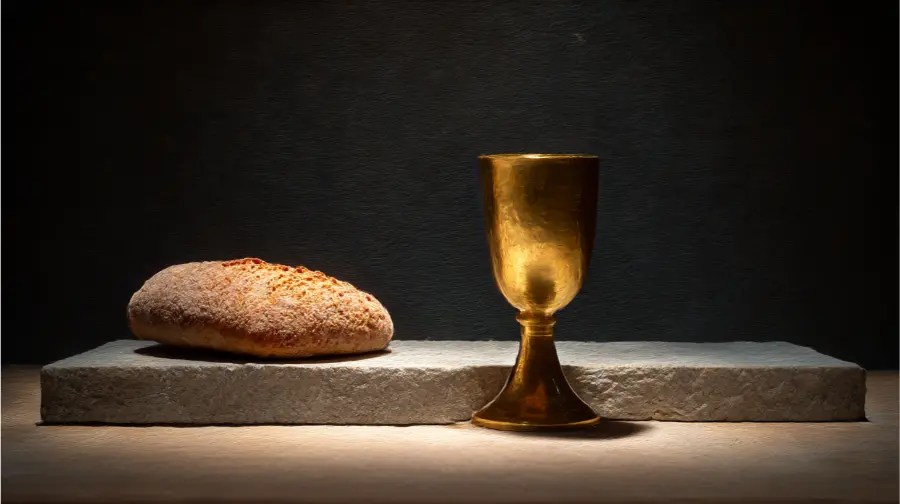
Proverbs 17:3
“The crucible for silver and the furnace for gold, but the Lord tests the heart.”
Reflection: Two pieces of equipment and one comparison. Proverbs does not say God supplies the heat; it says he does what a crucible does, which is find out what a thing is made of.

1 Peter 1:6-7
“…so that the proven genuineness of your faith—of greater worth than gold, which perishes even though refined by fire—may result in praise, glory and honour.”
Reflection: Peter picks gold, the most durable thing his readers handled, and then points out that it perishes too. The comparison is to something worth more than that.

James 1:2-4
“Consider it pure joy, my brothers and sisters, whenever you face trials of many kinds, because you know that the testing of your faith produces perseverance.”
Reflection: The reason arrives straight after the instruction: the testing of faith produces perseverance. What is asked for is a judgement about the trial rather than a feeling about it.

Hebrews 12:11
“No discipline seems pleasant at the time, but painful. Later on, however, it produces a harvest of righteousness and peace.”
Reflection: The writer concedes the pain twice before he reaches the harvest. Later on carries the whole sentence.
Where the image stops

1 Peter 4:12-13
“Do not be surprised at the fiery ordeal that has come on you to test you, as though something strange were happening to you.”
Reflection: Peter’s first instruction is about expectation. He assumes his readers had been promised something easier, and he is correcting that.
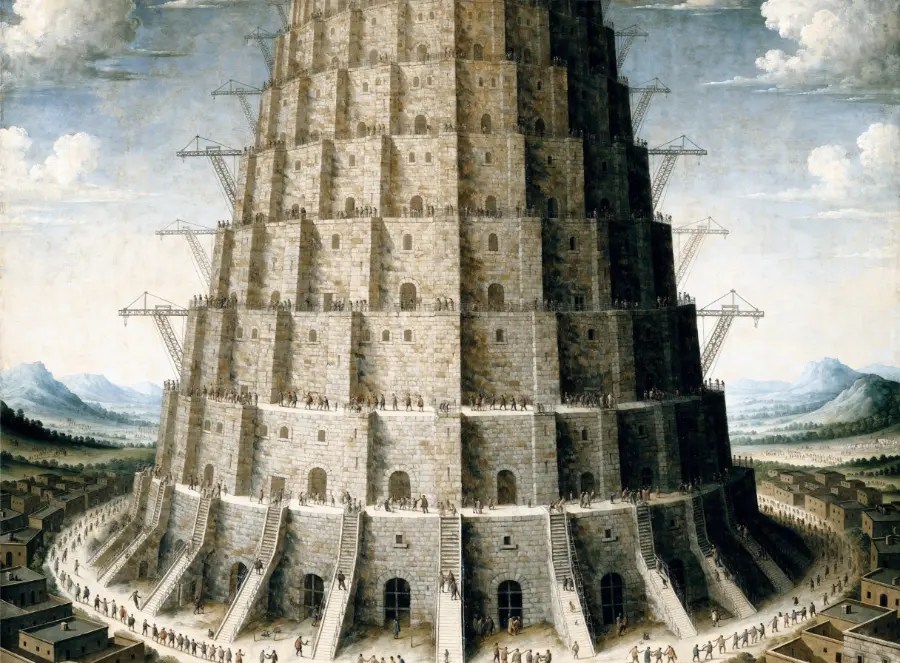
2 Corinthians 12:9-10
“My grace is sufficient for you, for my power is made perfect in weakness.”
Reflection: Paul asked three times for the thorn to be taken away, and this was the answer. He calls it a messenger of Satan a few verses earlier, so he did not treat every affliction as coming from God’s hand.
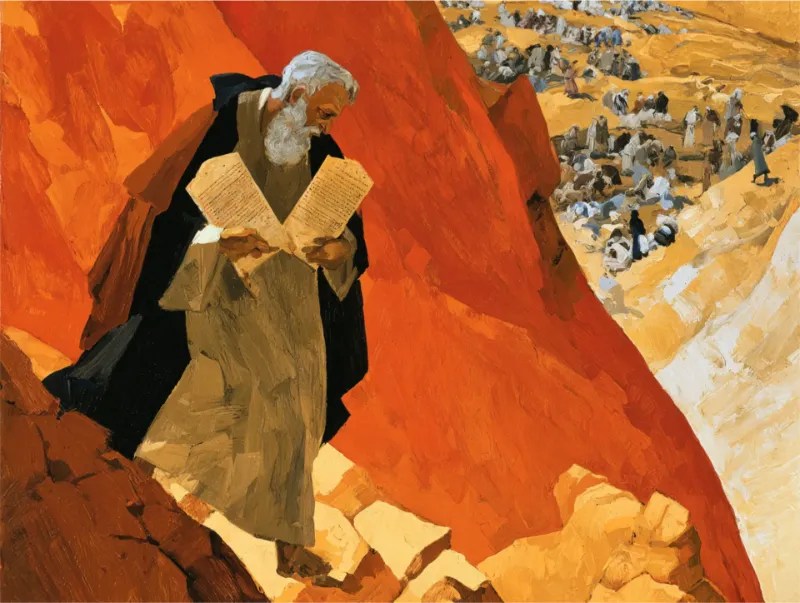
Psalm 34:17-19
“The righteous cry out, and the Lord hears them; he delivers them from all their troubles. The Lord is close to the broken-hearted and saves those who are crushed in spirit. The righteous person may have many troubles, but the Lord delivers him from them all.”
Reflection: May have many troubles is the concession, and the psalm applies it to the righteous specifically. Nothing here suggests that doing right reduces the number.
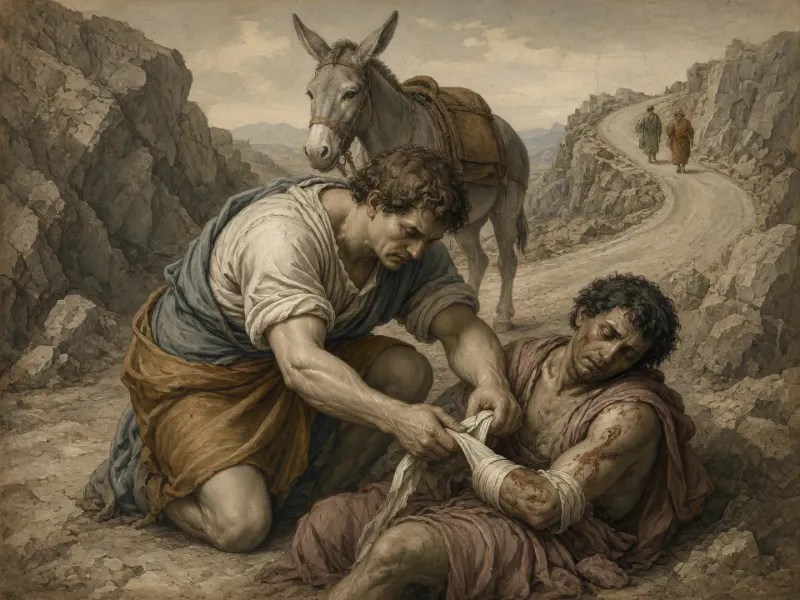
Romans 8:28
“And we know that in all things God works for the good of those who love him.”
Reflection: In all things, which is not the same sentence as all things are good. Paul’s claim is about what God does with the material rather than about the material.
What is offered while it lasts
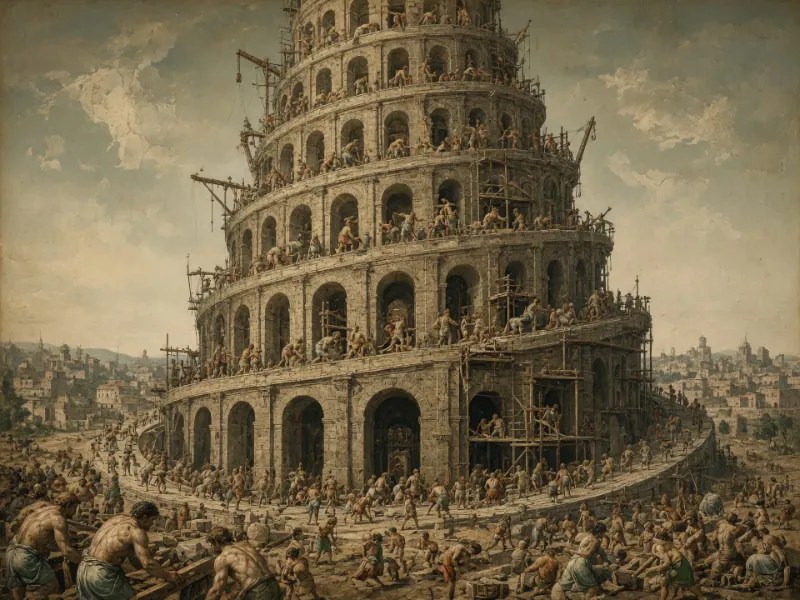
2 Corinthians 1:3-4
“…the God of all comfort, who comforts us in all our troubles, so that we can comfort those in any trouble with the comfort we ourselves receive.”
Reflection: The comfort in this passage travels between people: received, and then passed on. Paul writes a few verses later that he had despaired of life itself.
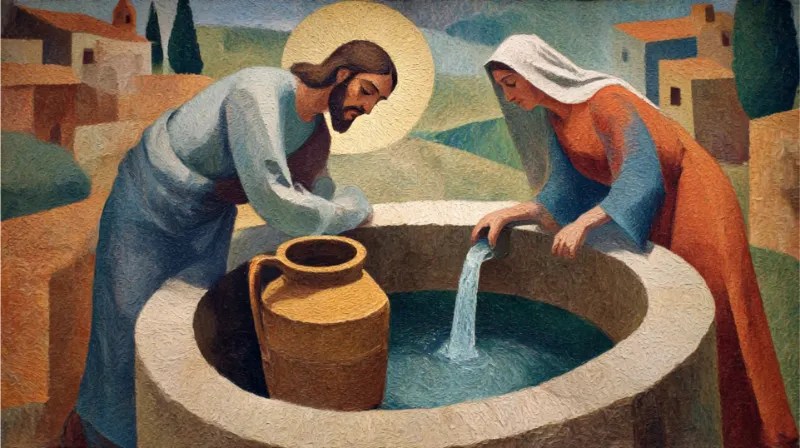
Hebrews 4:15-16
“For we do not have a high priest who is unable to empathize with our weaknesses, but we have one who has been tempted in every way, just as we are, yet he did not sin. Let us then approach God’s throne of grace with confidence.”
Reflection: The sympathy rests on experience rather than information. What follows is permission to approach, and it is stated without hedging.

Philippians 4:12-13
“I know what it is to be in need, and I know what it is to have plenty. I have learned the secret of being content in any and every situation, whether well fed or hungry, whether living in plenty or in want. I can do all this through him who gives me strength.”
Reflection: The famous sentence has an antecedent, and it is contentment in both directions. Paul names plenty as well as need, and says he had to learn it.

Philippians 4:6-7
“…and the peace of God, which transcends all understanding, will guard your hearts and your minds.”
Reflection: The peace is described as guarding the heart and mind. It follows prayer, petition and thanksgiving rather than replacing them.
Where it is going
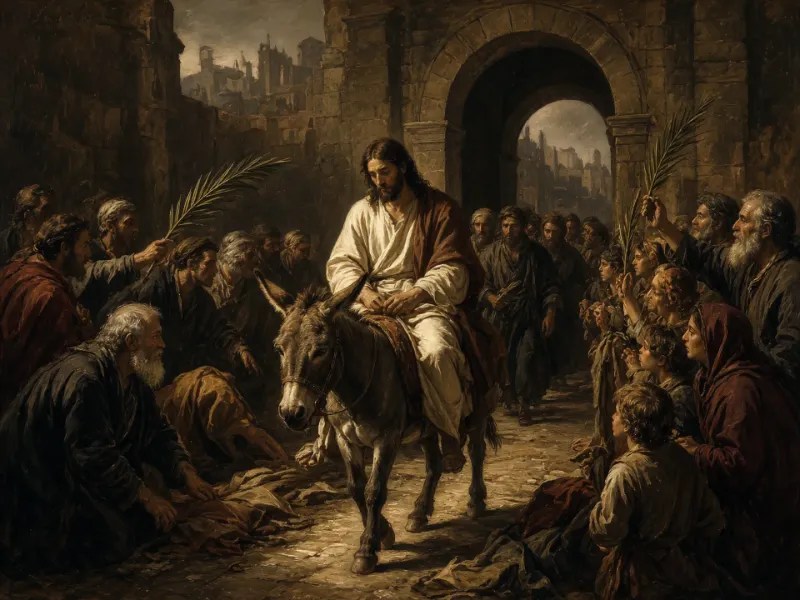
1 Peter 5:10
“And the God of all grace, who called you to his eternal glory in Christ, after you have suffered a little while, will himself restore you and make you strong, firm and steadfast.”
Reflection: After you have suffered a little while is part of the promise rather than an aside. What is described at the end is being put back into working order.
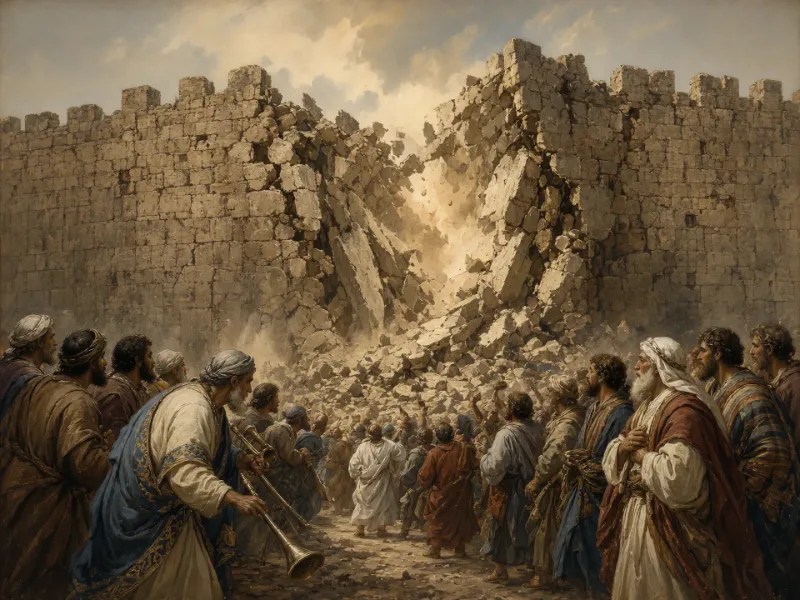
Revelation 21:4
“He will wipe every tear from their eyes. There will be no more death or mourning or crying or pain.”
Reflection: Every tear, one at a time. The rest of the verse removes death, mourning, crying and pain, and it is the furthest off of anything promised here.
What the metaphor does and does not claim
Refining separates out what was mixed in. That is a real promise and a narrow one: it says a hard season can show what a person is made of. It does not say the season was sent, or deserved, or good.
Scripture guards that limit. Paul calls his thorn a messenger of Satan. Job’s friends spend most of the book explaining his suffering and are told at the end that they had not spoken rightly. Romans 8:28 says God works in all things, which is a different sentence from all things are good. For the related material, see Bible verses about physical healing.


Leave a Reply