
 English
 Chinese
 Dutch
 Arabic
 Spanish
 Portuguese
 Russian
 French
 Italian
 German
 Japanese
The Bible treats love for oneself both as the measure for loving a neighbour and as a vice. “You shall love your neighbor as yourself” (Leviticus 19:18) is quoted by Jesus, Paul and James (Mark 12:31; Romans 13:9; James 2:8), while 2 Timothy 3:2 lists “lovers of self” among the sins of the last days.
Ephesians 5:28-30 and Proverbs 19:8 also speak of love for oneself. Other passages ground a person’s worth in God’s making and God’s love (Genesis 1:27; Psalm 139:14; 1 John 3:1; Romans 5:8) and in forgiveness (Psalm 103:12; Romans 8:1).
The commandment that takes self-love as its measure
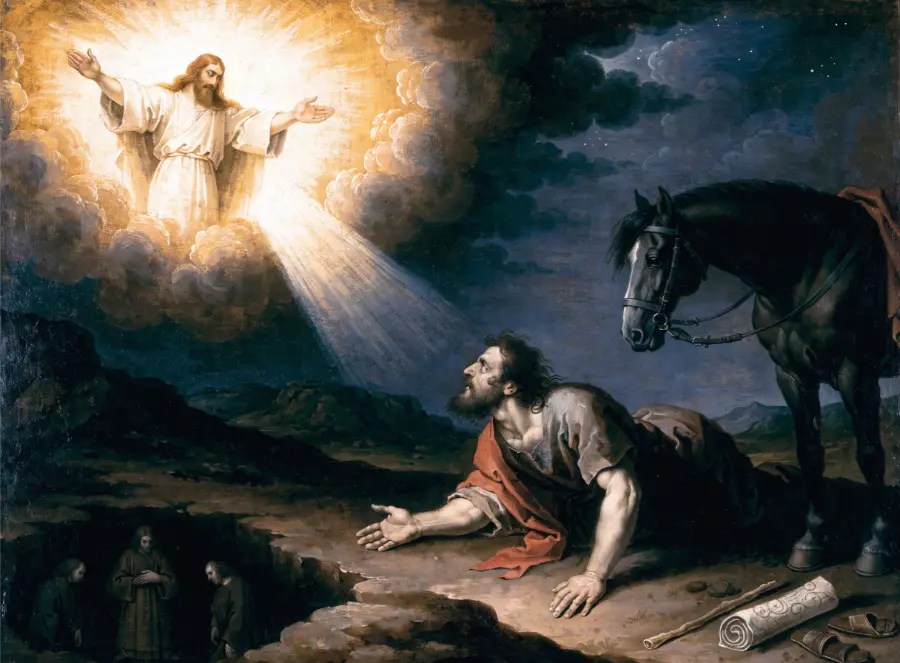
Leviticus 19:18
“You shall not take vengeance or bear a grudge against the sons of your own people, but you shall love your neighbor as yourself: I am the Lord.”
Reflection: The command sits among the laws of Leviticus 19, which the Lord gives Moses for the people of Israel. The verse before forbids hating a brother in the heart and tells the hearer to “reason frankly with your neighbor”; this verse forbids vengeance and grudges against “the sons of your own people.” The command is to love the neighbour, and “as yourself” gives the measure. Verse 34 applies the same measure to the stranger living in Israel: “you shall love him as yourself, for you were strangers in the land of Egypt.”
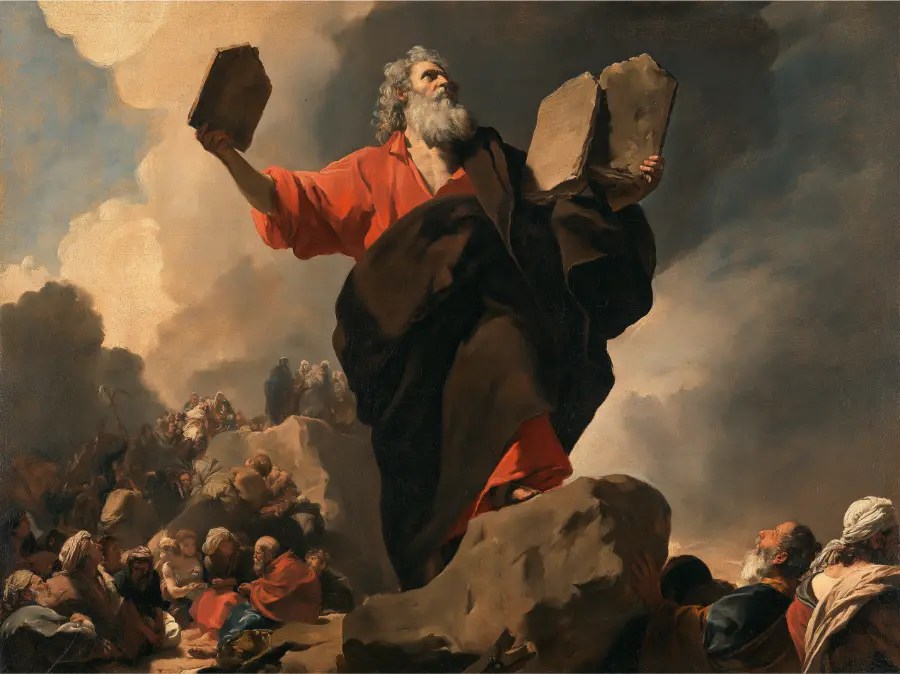
Mark 12:31
“The second is this: ‘You shall love your neighbor as yourself.’ There is no other commandment greater than these.”
Reflection: A scribe asked Jesus which commandment was the most important (Mark 12:28). Jesus answered with “Hear, O Israel” and the command to love God with all the heart, soul, mind and strength, then added this second one from Leviticus 19:18. The scribe replied that loving God and loving one’s neighbour “as oneself” is “much more than all whole burnt offerings and sacrifices,” and Jesus told him, “You are not far from the kingdom of God.” In Matthew’s account Jesus adds, “On these two commandments depend all the Law and the Prophets” (Matthew 22:40).
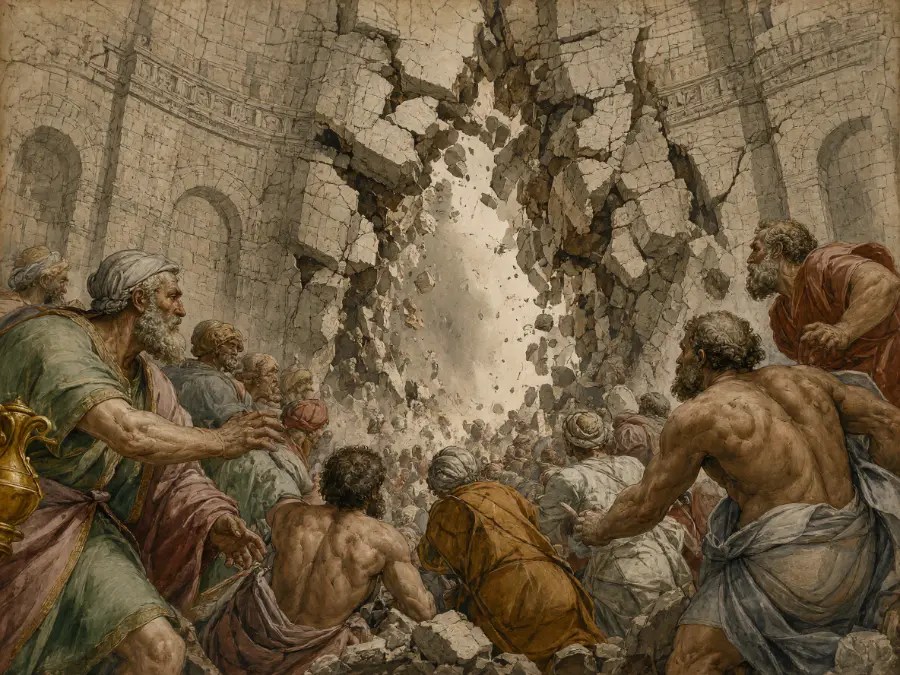
Ephesians 5:28-30
“In the same way husbands should love their wives as their own bodies. He who loves his wife loves himself. For no one ever hated his own flesh, but nourishes and cherishes it, just as Christ does the church, because we are members of his body.”
Reflection: Paul is writing to husbands, and he argues from how a person treats his own body: no one hates it, everyone “nourishes and cherishes it.” He treats that care as ordinary and makes it the pattern for a husband’s care for his wife, then compares both to the care Christ gives the church, “because we are members of his body.”
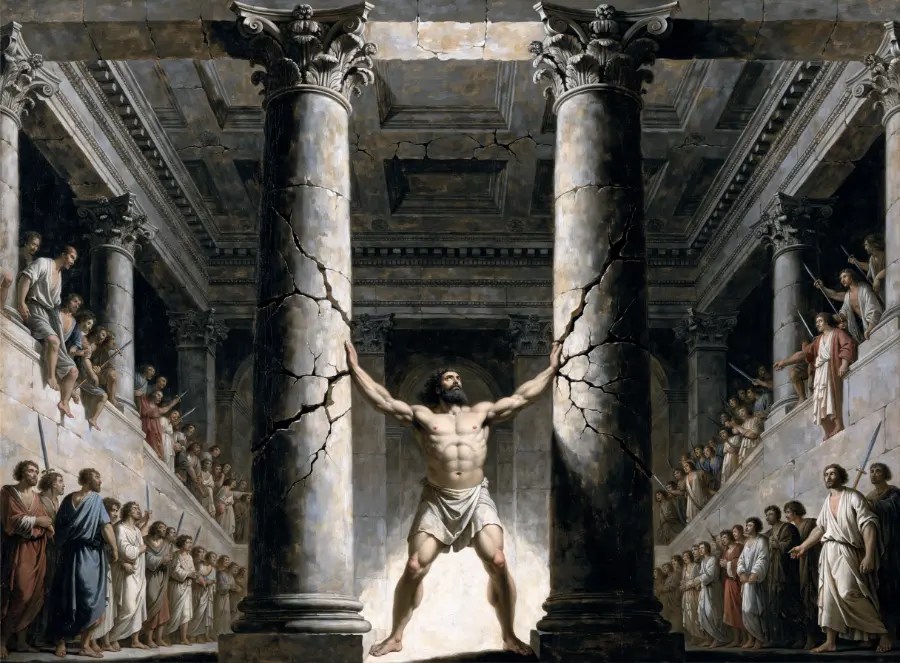
Proverbs 19:8
“Whoever gets sense loves his own soul; he who keeps understanding will discover good.”
Reflection: In this proverb, loving one’s own soul means getting sense. The second line restates the first: the one who keeps understanding “will discover good.” The proverb counts the pursuit of wisdom as acting in one’s own interest.
Where a person’s worth comes from

Genesis 1:27
“So God created man in his own image, in the image of God he created him; male and female he created them.”
Reflection: The verse repeats “created” three times and names the image of God twice. It follows God’s words in verse 26, “Let us make man in our image, after our likeness,” and the image is given to humankind as male and female together. In verse 28 God blesses them and gives them the earth to fill and rule.

Psalm 139:14
“I praise you, for I am fearfully and wonderfully made. Wonderful are your works; my soul knows it very well.”
Reflection: David’s praise is addressed to God, and what he praises is God’s work: “Wonderful are your works; my soul knows it very well.” The verse before says “you knitted me together in my mother’s womb,” and verse 16 says God’s eyes saw his “unformed substance” and wrote his days in a book before any of them came to be.

Ephesians 2:10
“For we are his workmanship, created in Christ Jesus for good works, which God prepared beforehand, that we should walk in them.”
Reflection: The verse follows Paul’s statement that salvation “is not your own doing; it is the gift of God, not a result of works, so that no one may boast” (Ephesians 2:8-9). “Workmanship” names the believer as something God has made, and the verse gives that making a purpose: good works God prepared in advance.

1 John 3:1
“See what kind of love the Father has given to us, that we should be called children of God; and so we are. The reason why the world does not know us is that it did not know him.”
Reflection: John points to the Father’s love through the name it gives, “children of God,” and adds, “and so we are.” Verse 2 repeats it, “we are God’s children now,” while saying that what they will be “has not yet appeared.” The world’s failure to know them is explained by its failure to know God.
Love received before it is given

Romans 5:8
“But God shows his love for us in that while we were still sinners, Christ died for us.”
Reflection: Paul sets God’s love against ordinary human love. “One will scarcely die for a righteous person,” he says in verse 7, but Christ died for people “while we were still weak” and “ungodly” (verse 6). The love Paul describes was given before any change in the people who received it.

Galatians 2:20
“I have been crucified with Christ. It is no longer I who live, but Christ who lives in me. And the life I now live in the flesh I live by faith in the Son of God, who loved me and gave himself for me.”
Reflection: The verse comes in Paul’s argument about the law: “through the law I died to the law, so that I might live to God” (Galatians 2:19). Paul describes himself as crucified with Christ, so that “it is no longer I who live,” and his present life as lived “by faith in the Son of God.” In the same sentence the love is personal: the Son of God “loved me and gave himself for me.”

1 John 4:19
“We love because he first loved us.”
Reflection: John has just written “God is love” (4:16) and “perfect love casts out fear” (4:18). Here he gives God’s love as the source of human love, and verses 20-21 apply it at once: whoever says “I love God” and hates his brother “is a liar.”
Forgiven and not condemned

Psalm 103:12
“As far as the east is from the west, so far does he remove our transgressions from us.”
Reflection: In this psalm of David, God “does not deal with us according to our sins” (verse 10), and his steadfast love toward those who fear him is as great as the heavens are high above the earth (verse 11). Verses 13-14 compare the Lord to a father who shows compassion to his children, “for he knows our frame; he remembers that we are dust.”
Romans 8:1
“There is therefore now no condemnation for those who are in Christ Jesus.”
Reflection: The “therefore” follows the end of Romans 7, where Paul cries out, “Wretched man that I am! Who will deliver me from this body of death?” and answers, “Thanks be to God through Jesus Christ our Lord!” (Romans 7:24-25). Verse 2 gives the reason there is no condemnation: the law of the Spirit of life “has set you free in Christ Jesus from the law of sin and death.” Verse 3 says where the condemnation fell instead: God sent his own Son and “condemned sin in the flesh.”
Warnings about self, and whom the body belongs to

2 Timothy 3:1-5
“But understand this, that in the last days there will come times of difficulty. For people will be lovers of self, lovers of money, proud, arrogant, abusive, disobedient to their parents, ungrateful, unholy, heartless, unappeasable, slanderous, without self-control, brutal, not loving good, treacherous, reckless, swollen with conceit, lovers of pleasure rather than lovers of God, having the appearance of godliness, but denying its power. Avoid such people.”
Reflection: Paul tells Timothy what people will be like “in the last days.” The list opens with “lovers of self” and “lovers of money,” includes “lovers of pleasure rather than lovers of God,” and describes people “having the appearance of godliness, but denying its power.” The Greek word for lovers of self is philautos, built from the words for friend and self; Strong’s glosses it “fond of self, i.e. selfish.” Paul’s instruction is “Avoid such people.”

Philippians 2:3-4
“Do nothing from selfish ambition or conceit, but in humility count others more significant than yourselves. Let each of you look not only to his own interests, but also to the interests of others.”
Reflection: Paul rules out “selfish ambition or conceit” and asks the Philippians to count others “more significant than yourselves” and to look “to the interests of others.” The verses that follow give Christ as the pattern, who “emptied himself, by taking the form of a servant” (Philippians 2:7).
Romans 12:3
“For by the grace given to me I say to everyone among you not to think of himself more highly than he ought to think, but to think with sober judgment, each according to the measure of faith that God has assigned.”
Reflection: Paul warns everyone in the Roman church against thinking of himself “more highly than he ought to think” and asks for “sober judgment” instead, measured by the faith God has assigned to each. Verses 4-5 compare the church to one body whose members “do not all have the same function” and are “individually members one of another.”

1 Corinthians 6:19-20
“Or do you not know that your body is a temple of the Holy Spirit within you, whom you have from God? You are not your own, for you were bought with a price. So glorify God in your body.”
Reflection: Paul is warning the Corinthians against sexual immorality, a sin he says is committed “against his own body” (verse 18). The body is “a temple of the Holy Spirit,” and the believer is “not your own” but “bought with a price.” The command that follows is “glorify God in your body.”


Leave a Reply