
 English
 Chinese
 Dutch
 Arabic
 Spanish
 Portuguese
 Russian
 French
 Italian
 German
 Japanese
In the Bible, distraction is attention pulled away from God, often by ordinary needs and duties. Martha is “distracted by all the preparations” for her guest (Luke 10:40), and in the parable of the sower those who hear “are choked by life’s worries, riches and pleasures” (Luke 8:14).
The passages set a single aim against these: the “one thing” David asks for (Psalm 27:4) and eyes fixed on Jesus (Hebrews 12:2). Luke’s verb for Martha is perispao, to be pulled away or over-occupied, and Paul uses a related adverb, aperispastos, in 1 Corinthians 7:35, where the NIV has “in undivided devotion to the Lord” and the King James Version “that ye may attend upon the Lord without distraction.”
Worries and duties that crowd out God
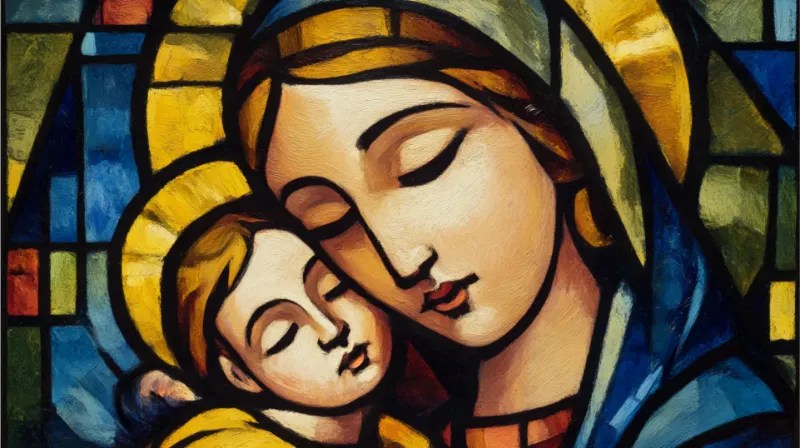
Luke 10:40-42
“But Martha was distracted by all the preparations that had to be made. She came to him and asked, ‘Lord, don’t you care that my sister has left me to do the work by myself? Tell her to help me!’ ‘Martha, Martha,’ the Lord answered, ‘you are worried and upset about many things, but few things are needed—or indeed only one. Mary has chosen what is better, and it will not be taken away from her.’”
Reflection: Martha had opened her home to Jesus (Luke 10:38), and her sister Mary “sat at the Lord’s feet listening to what he said.” Luke’s word for Martha’s state is perispao, to be pulled away or over-occupied. Jesus answers her complaint by naming her worry: she is “worried and upset about many things,” while “few things are needed—or indeed only one.” Mary’s choice, he says, “will not be taken away from her.”
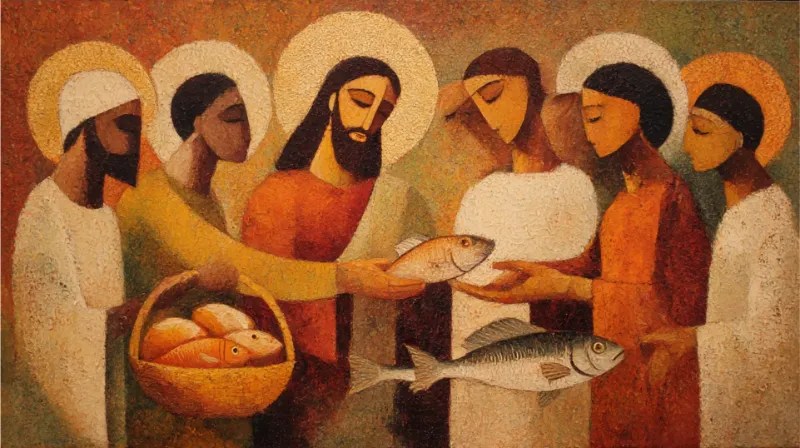
Luke 8:14
“The seed that fell among thorns stands for those who hear, but as they go on their way they are choked by life’s worries, riches and pleasures, and they do not mature.”
Reflection: Jesus explains the parable of the sower to his disciples. In the story the thorns “grew up with it and choked the plants” (Luke 8:7), so the seed does come up; what goes wrong is that these hearers “do not mature.” The good soil in the next verse stands for those who “hear the word, retain it, and by persevering produce a crop.” The list puts life’s worries alongside riches and pleasures as the things that choke those who hear.
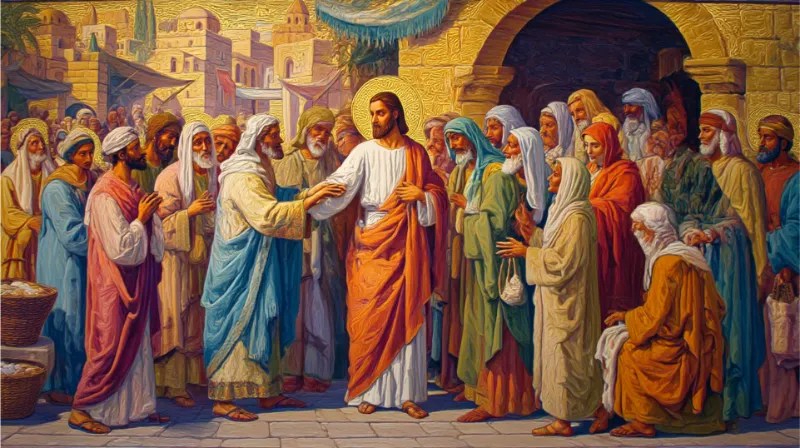
Matthew 6:33
“But seek first his kingdom and his righteousness, and all these things will be given to you as well.”
Reflection: The command comes near the end of a passage about worry over food, drink and clothing (Matthew 6:25-34). Jesus grants that the needs are real, “your heavenly Father knows that you need them,” and contrasts his hearers with the pagans who “run after all these things.” The verse after this one turns to the future: “Therefore do not worry about tomorrow, for tomorrow will worry about itself.”
One thing, or two masters
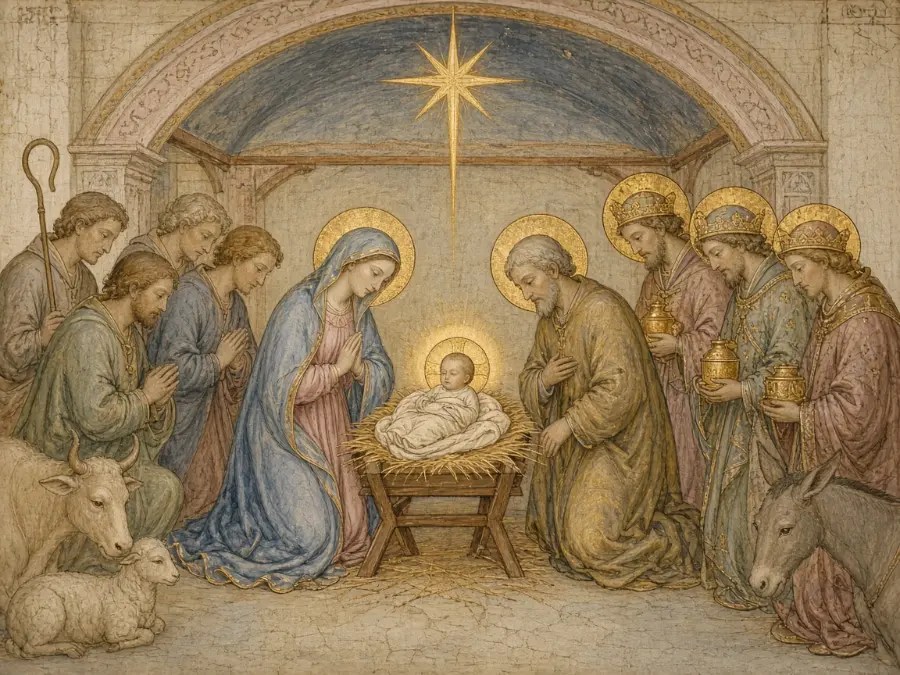
Psalm 27:4
“One thing I ask from the LORD, this only do I seek: that I may dwell in the house of the LORD all the days of my life, to gaze on the beauty of the LORD and to seek him in his temple.”
Reflection: The psalm is headed “Of David,” and verses 2-3 describe enemies advancing and an army besieging. Out of that danger David asks for “one thing”: to stay in the Lord’s house and “gaze on the beauty of the Lord.” Verse 5 gives the reason, “For in the day of trouble he will keep me safe in his dwelling,” and verse 8 repeats the single aim as a prayer: “Your face, Lord, I will seek.”
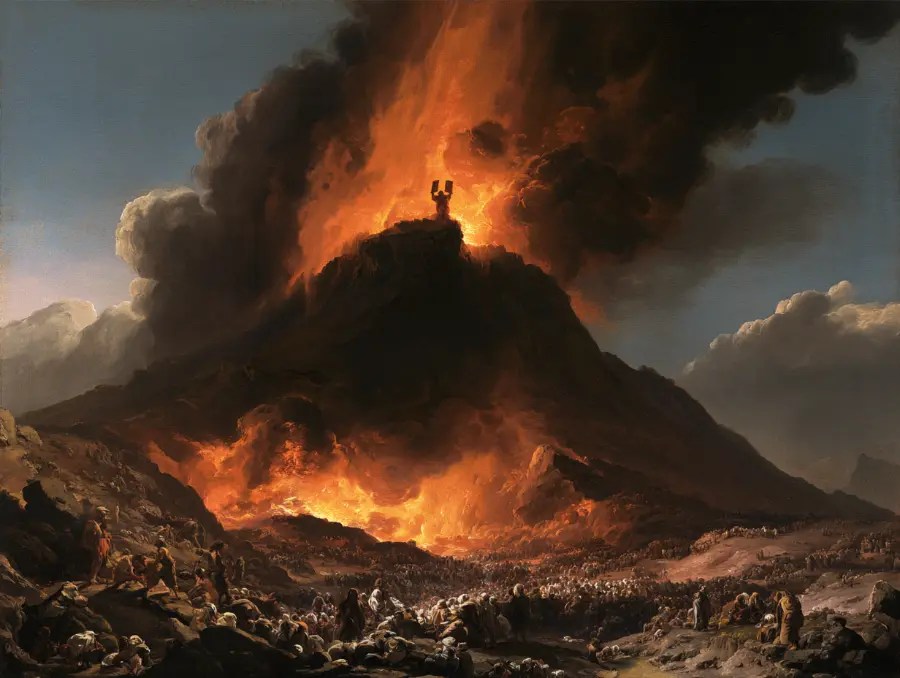
Matthew 6:22-23
“The eye is the lamp of the body. If your eyes are healthy, your whole body will be full of light. But if your eyes are unhealthy, your whole body will be full of darkness. If then the light within you is darkness, how great is that darkness!”
Reflection: In the Sermon on the Mount these verses sit between the saying “where your treasure is, there your heart will be also” (Matthew 6:21) and the saying about two masters. The Greek word the NIV translates “healthy” is haplous, single or sound, and the King James Version reads “if therefore thine eye be single.” Jesus sets one eye against the other: the healthy eye fills the whole body with light, the unhealthy one with darkness.
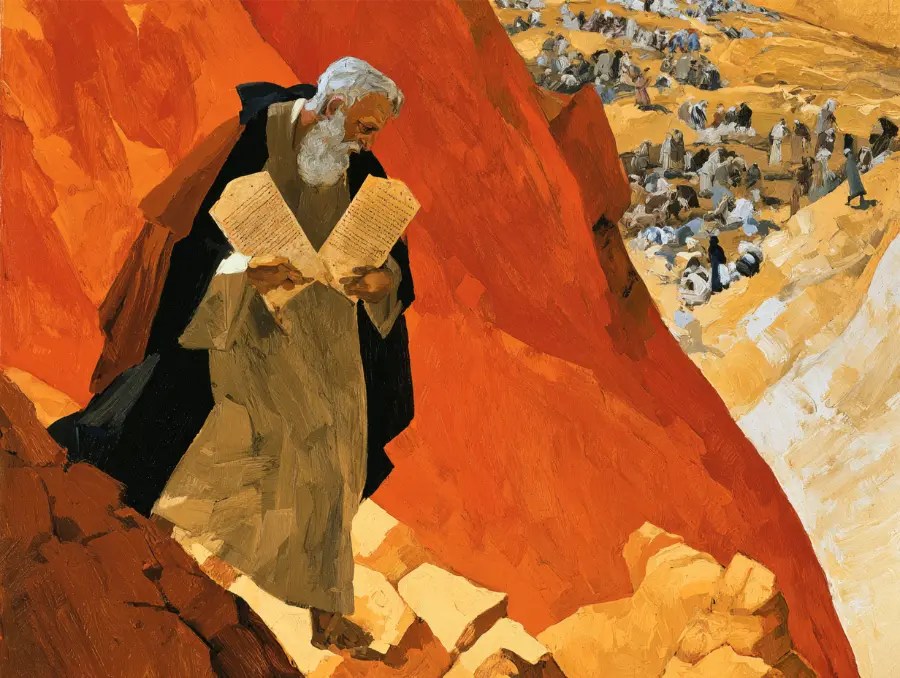
Matthew 6:24
“No one can serve two masters. Either you will hate the one and love the other, or you will be devoted to the one and despise the other. You cannot serve both God and money.”
Reflection: Jesus names money as the rival master, and the verse allows two outcomes only: hating one and loving the other, or devotion to one and contempt for the other. The next verse begins “Therefore I tell you, do not worry about your life” (Matthew 6:25), joining divided service to the worry about food and clothing that follows.
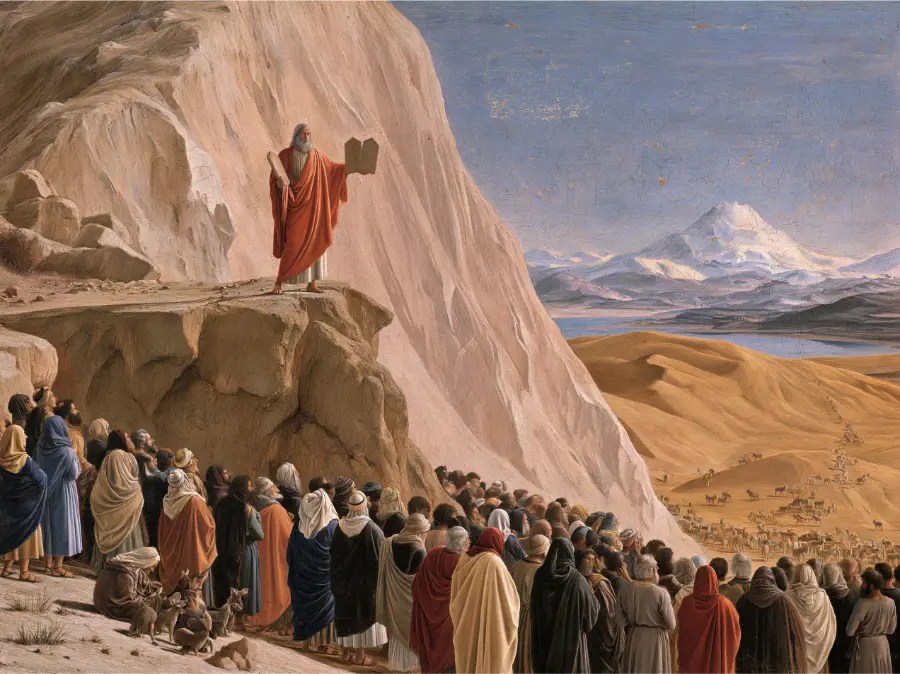
1 Corinthians 7:35
“I am saying this for your own good, not to restrict you, but that you may live in a right way in undivided devotion to the Lord.”
Reflection: Paul is writing to the Corinthians about marriage. He wants them “free from concern” (1 Corinthians 7:32) and observes that a married man is concerned with how he can please his wife, “and his interests are divided” (7:34). He says this “not to restrict you.” The Greek word behind “undivided” is aperispastos, related to the verb Luke uses for Martha in Luke 10:40, and the King James Version renders the phrase “that ye may attend upon the Lord without distraction.”
Where the eyes and the mind are fixed

Proverbs 4:25
“Let your eyes look straight ahead; fix your gaze directly before you.”
Reflection: A father is instructing his son (“My son, pay attention to what I say,” Proverbs 4:20), and he works through the body: ear, heart, mouth, eyes and feet. Two verses earlier comes “Above all else, guard your heart, for everything you do flows from it.” The verses after this one keep to the image of a path: “Give careful thought to the paths for your feet” and “Do not turn to the right or the left; keep your foot from evil.”
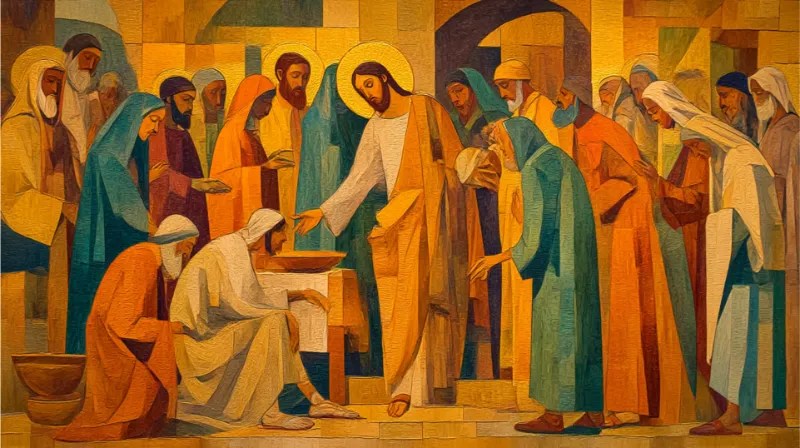
Psalm 119:37
“Turn my eyes away from worthless things; preserve my life according to your word.”
Reflection: The prayer sits in the section of Psalm 119 headed with the Hebrew letter He (verses 33-40). Several requests there ask God to steer the speaker: “Direct me in the path of your commands,” and “Turn my heart toward your statutes and not toward selfish gain.” Verse 37 makes the same request for the eyes and asks in the same breath for life: “preserve my life according to your word.”
Isaiah 26:3
“You will keep in perfect peace those whose minds are steadfast, because they trust in you.”
Reflection: The verse belongs to a song that “will be sung in the land of Judah” “in that day” (Isaiah 26:1), about a strong city whose walls and ramparts are salvation. Perfect peace is promised to those whose minds are steadfast, and the verse names the cause: “because they trust in you.” Verse 4 continues, “Trust in the Lord forever, for the Lord, the Lord himself, is the Rock eternal.”
Colossians 3:2
“Set your minds on things above, not on earthly things.”
Reflection: Paul grounds the command in what has already happened: “Since, then, you have been raised with Christ” (Colossians 3:1), and “your life is now hidden with Christ in God” (3:3). Verse 1 gives the same command for the heart: “set your hearts on things above, where Christ is.” Verse 5 then names what belongs to “your earthly nature”: “sexual immorality, impurity, lust, evil desires and greed, which is idolatry.”
Philippians 4:8
“Finally, brothers and sisters, whatever is true, whatever is noble, whatever is right, whatever is pure, whatever is lovely, whatever is admirable—if anything is excellent or praiseworthy—think about such things.”
Reflection: Just before this list Paul tells the Philippians, “Do not be anxious about anything,” and promises that “the peace of God, which transcends all understanding, will guard your hearts and your minds in Christ Jesus” (Philippians 4:6-7). The list names what to dwell on instead. Verse 9 moves from thought to action: “put it into practice. And the God of peace will be with you.”
Aim, discipline and alertness
Hebrews 12:1-2
“Therefore, since we are surrounded by such a great cloud of witnesses, let us throw off everything that hinders and the sin that so easily entangles. And let us run with perseverance the race marked out for us, fixing our eyes on Jesus, the pioneer and perfecter of faith.”
Reflection: The “great cloud of witnesses” are the people of faith named in Hebrews 11, who “were all commended for their faith, yet none of them received what had been promised” (11:39). Two things are to be thrown off, “everything that hinders” and “the sin that so easily entangles,” and the runner’s eyes go to Jesus, who “endured the cross, scorning its shame.” Verse 3 gives the purpose: “so that you will not grow weary and lose heart.”
1 Corinthians 9:26
“Therefore I do not run like someone running aimlessly; I do not fight like a boxer beating the air.”
Reflection: Paul takes his pictures from athletic games: “in a race all the runners run, but only one gets the prize” (1 Corinthians 9:24), and competitors go “into strict training” for “a crown that will not last.” A runner with no course and a boxer who hits nothing describe effort that goes nowhere. The next verse describes his own training: “I strike a blow to my body and make it my slave so that after I have preached to others, I myself will not be disqualified for the prize.”
2 Timothy 2:4
“No one serving as a soldier gets entangled in civilian affairs, but rather tries to please his commanding officer.”
Reflection: Paul asks Timothy to “join with me in suffering, like a good soldier of Christ Jesus” (2 Timothy 2:3) and then gives three pictures: the soldier, the athlete who competes “according to the rules,” and the hardworking farmer. The soldier’s picture sets two things against each other, entanglement in civilian affairs and the aim of pleasing his commanding officer. Paul ends the set with “Reflect on what I am saying, for the Lord will give you insight into all this” (2:7).
Ephesians 5:15-16
“Be very careful, then, how you live—not as unwise but as wise, making the most of every opportunity, because the days are evil.”
Reflection: Paul’s reason for using time carefully is that “the days are evil.” The verses that follow fill in what wise living means: “understand what the Lord’s will is,” and instead of getting drunk on wine, “be filled with the Spirit” (Ephesians 5:17-18). He goes on to singing and “always giving thanks to God the Father for everything” (5:20).
1 Peter 4:7
“The end of all things is near. Therefore be alert and of sober mind so that you may pray.”
Reflection: Peter ties alertness to prayer: a sober, alert mind comes first, “so that you may pray,” and the reason given is that “the end of all things is near.” The instructions that follow are about the church’s life together: “Above all, love each other deeply” (1 Peter 4:8), hospitality “without grumbling,” and using each gift “to serve others” (4:9-10).
Praying against distraction
Psalm 119:37 is addressed to God and asks him to do the turning: “Turn my eyes away from worthless things.” The requests around it in the same section, “Direct me in the path of your commands” and “Turn my heart toward your statutes,” can be prayed with it as written. Psalm 27:8 is also spoken to God: “Your face, Lord, I will seek.”
Psalm 119:37 asks God to turn the eyes, while 1 Peter 4:7 puts alertness first, “so that you may pray.”


Leave a Reply