
 English
 Chinese
 Dutch
 Arabic
 Spanish
 Portuguese
 Russian
 French
 Italian
 German
 Japanese
The Bible presents truth as something God makes known, both what he has kept hidden and what people try to hide. John 1:18 says the Son “has made him known,” Jesus told Pilate he had come “to bear witness to the truth” (John 18:37), and Daniel praises the God who “reveals deep and hidden things” (Daniel 2:22).
The disclosure also runs the other way: nothing people cover up will stay covered (Luke 12:2, Mark 4:22), and the Lord will “bring to light the things now hidden in darkness” when he comes (1 Corinthians 4:5). Psalm 51:6 and 1 John 1:9 turn the subject inward, to truth in a person’s own heart and the confession of sin.
God made known in Jesus
John 1:14
“And the Word became flesh and dwelt among us, and we have seen his glory, glory as of the only Son from the Father, full of grace and truth.”
Reflection: The prologue of John’s Gospel says the Word who was with God “became flesh” and “dwelt among us,” and that his glory was seen. Three verses later John contrasts the law given through Moses with grace and truth through Jesus Christ (John 1:17).
John 1:18
“No one has ever seen God; God the only Son, who is at the Father’s side, he has made him known.”
Reflection: The verse sets what no one has done, seen God, against what the Son has done: the one “at the Father’s side” has made him known. Four verses earlier the same Gospel calls the Word “full of grace and truth” (John 1:14).
John 18:37
“Then Pilate said to him, ‘So you are a king?’ Jesus answered, ‘You say that I am a king. For this purpose I was born and for this purpose I have come into the world—to bear witness to the truth. Everyone who is of the truth listens to my voice.’”
Reflection: Jesus says this on trial before Pilate, who has asked whether he is a king. He describes his whole purpose in coming into the world as bearing witness to the truth. Pilate asks, “What is truth?”, then goes back outside to the Jews and tells them, “I find no guilt in him.”
God reveals what was hidden
Daniel 2:22
“He reveals deep and hidden things; he knows what is in the darkness, and the light dwells with him.”
Reflection: Nebuchadnezzar has demanded that his wise men tell him both his dream and its meaning, on pain of death. Daniel and his three companions ask God for mercy, the mystery is revealed to Daniel “in a vision of the night,” and this verse is part of the blessing he speaks in response. He goes on to thank God for having “made known to us the king’s matter.”

Jeremiah 33:3
“Call to me and I will answer you, and will tell you great and hidden things that you have not known.”
Reflection: Jeremiah receives this word while “still shut up in the court of the guard,” with Jerusalem under siege. The “great and hidden things” the Lord then tells him are about the city: health and healing, the restored fortunes of Judah and Israel, and the forgiveness of “all the guilt of their sin” (Jeremiah 33:6-8).
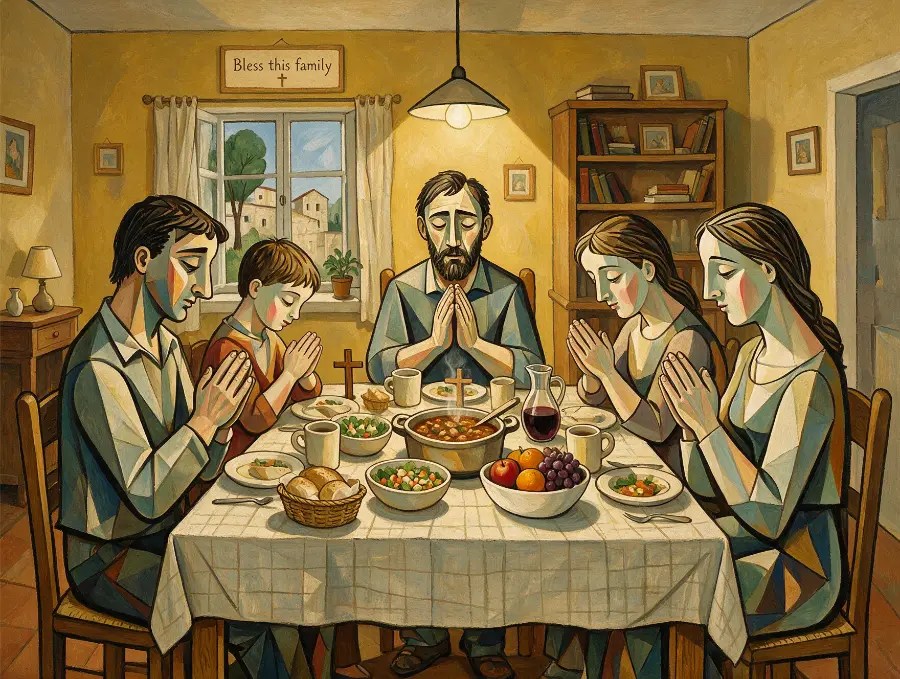
Colossians 2:2-3
“…that their hearts may be encouraged, being knit together in love, to reach all the riches of full assurance of understanding and the knowledge of God’s mystery, which is Christ, in whom are hidden all the treasures of wisdom and knowledge.”
Reflection: Paul writes of his struggle for the churches at Colossae and Laodicea, which had not seen him face to face. A few verses earlier he calls his message “the mystery hidden for ages and generations but now revealed to his saints,” which is “Christ in you, the hope of glory” (Colossians 1:26-27). Here he names Christ as the place where all the treasures of wisdom and knowledge are hidden.
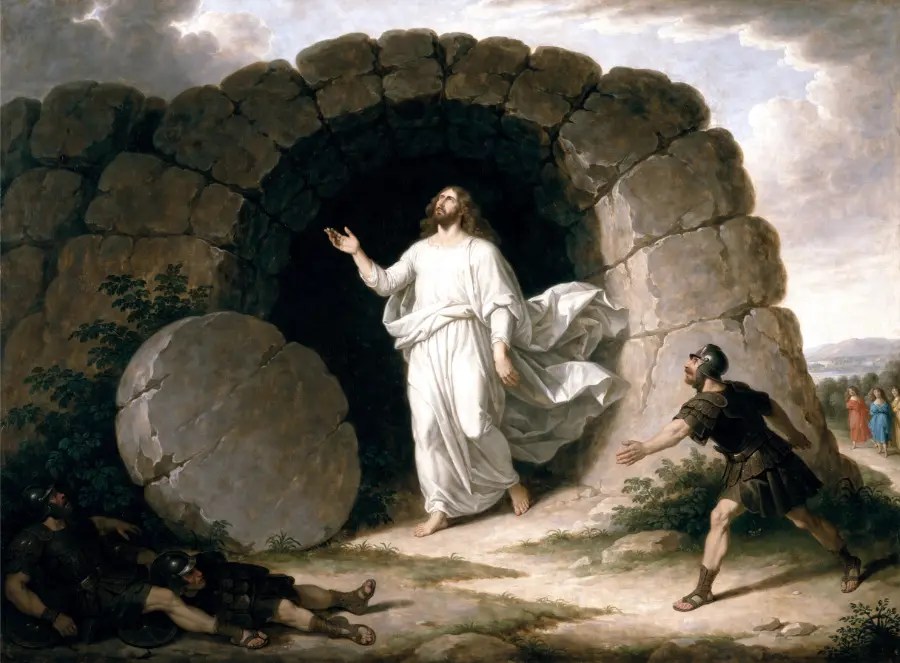
1 Corinthians 2:10
“…these things God has revealed to us through the Spirit. For the Spirit searches everything, even the depths of God.”
Reflection: Paul contrasts God’s “secret and hidden wisdom” with the wisdom of the rulers of this age, who did not understand it, “for if they had, they would not have crucified the Lord of glory.” What no eye has seen, God has revealed through the Spirit. Verse 11 gives the reason: as only a person’s own spirit knows that person’s thoughts, “no one comprehends the thoughts of God except the Spirit of God.”
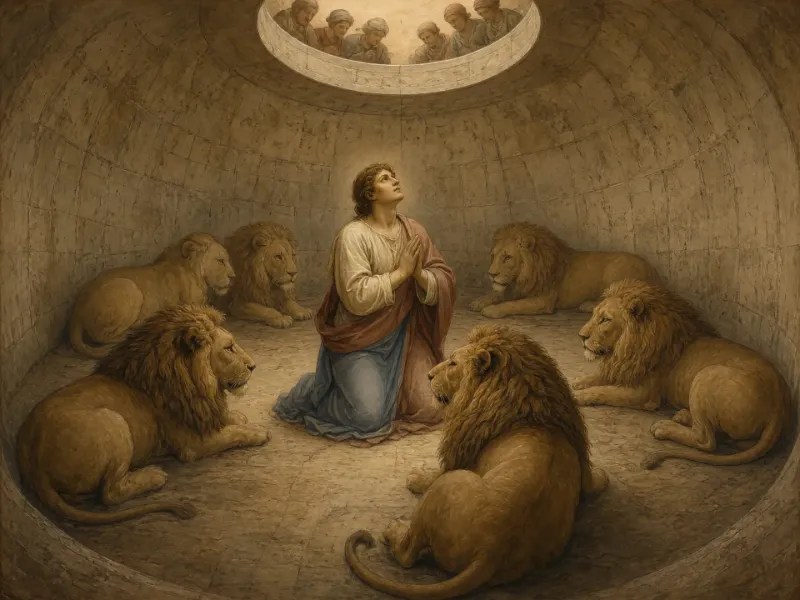
Ephesians 1:17
“…that the God of our Lord Jesus Christ, the Father of glory, may give you the Spirit of wisdom and of revelation in the knowledge of him,”
Reflection: Paul reports what he asks for when he remembers the Ephesians in his prayers: the Spirit of wisdom and of revelation. The following verse names what that revelation is for, the eyes of their hearts being enlightened so that they know “the hope to which he has called you” and the riches of God’s inheritance in the saints.

John 16:13
“When the Spirit of truth comes, he will guide you into all the truth, for he will not speak on his own authority, but whatever he hears he will speak, and he will declare to you the things that are to come.”
Reflection: On the night before his death Jesus tells the disciples, “I still have many things to say to you, but you cannot bear them now.” The Spirit of truth will lead them into the rest, speaking what he hears rather than on his own authority. Verse 14 adds that the Spirit “will glorify me, for he will take what is mine and declare it to you.” More verses on the Spirit’s work are collected under the Holy Spirit.
What people hide will come to light
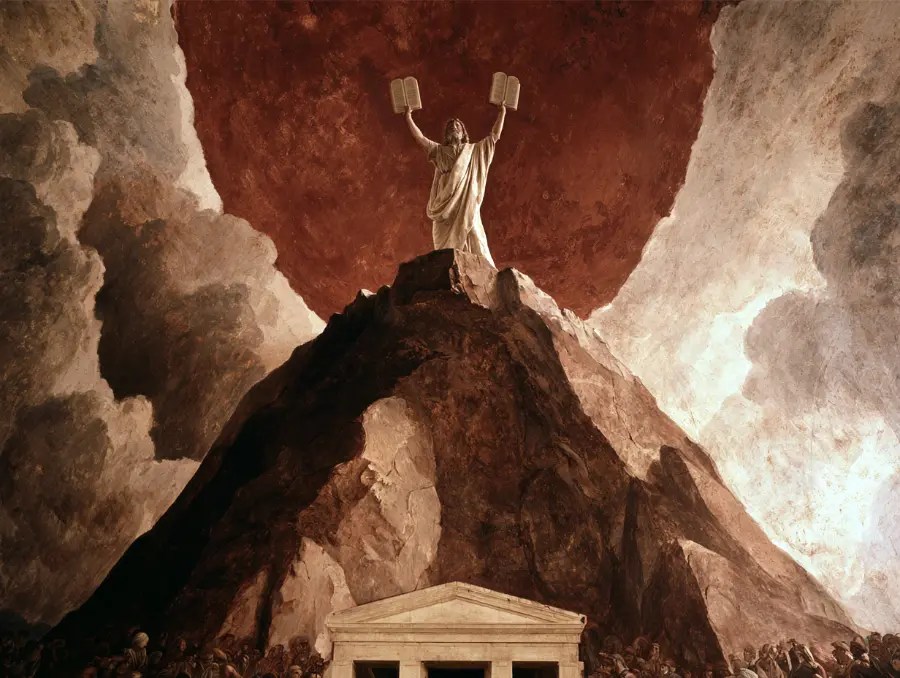
Luke 12:2
“Nothing is covered up that will not be revealed, or hidden that will not be known.”
Reflection: A crowd of many thousands has gathered, but Jesus speaks “to his disciples first”: “Beware of the leaven of the Pharisees, which is hypocrisy.” The saying about hidden things follows as the reason, and verse 3 applies it to speech: what was said in the dark will be heard in the light, and what was whispered in private rooms proclaimed on the housetops. Matthew 10:26 records the same saying with a different purpose, introduced by “So have no fear of them.”
Mark 4:22
“For nothing is hidden except to be made manifest; nor is anything secret except to come to light.”
Reflection: Jesus has just asked whether anyone brings in a lamp to put it under a basket or a bed rather than on a stand. In Mark the saying follows his private explanation of the parables to the twelve, to whom “has been given the secret of the kingdom of God” (Mark 4:11). What is hidden is hidden in order to be made known, and the next verse calls for attention: “If anyone has ears to hear, let him hear.”

Ephesians 5:11-13
“Take no part in the unfruitful works of darkness, but instead expose them. For it is shameful even to speak of the things that they do in secret. But when anything is exposed by the light, it becomes visible,”
Reflection: Paul has told the Ephesians, “at one time you were darkness, but now you are light in the Lord,” and that “the fruit of light is found in all that is good and right and true” (Ephesians 5:8-9). Exposing the works of darkness follows from that change. Verse 14 follows with a call quoted as a saying: “Awake, O sleeper, and arise from the dead, and Christ will shine on you.”
Proverbs 26:26
“Though his hatred be covered with deception, his wickedness will be exposed in the assembly.”
Reflection: The two verses before describe the person in view: one who “disguises himself with his lips and harbors deceit in his heart,” and whose gracious speech should not be believed. The proverb says the disguise does not last, and that the exposure happens in the assembly, in front of the community.

1 Timothy 5:24
“The sins of some people are conspicuous, going before them to judgment, but the sins of others appear later.”
Reflection: Paul is instructing Timothy on charges against elders and warns him, “Do not be hasty in the laying on of hands” (1 Timothy 5:22). Some people’s sins are plain at once, while others’ come out later, so an early impression is not the whole account. Verse 25 says the same of good works: “even those that are not cannot remain hidden.”
Hebrews 4:13
“And no creature is hidden from his sight, but all are naked and exposed to the eyes of him to whom we must give account.”
Reflection: The verse before describes the word of God as “living and active, sharper than any two-edged sword,” discerning “the thoughts and intentions of the heart.” Hebrews 4:13 widens that from the word to God himself: no creature is hidden from his sight, and the one who sees everything is the one to whom an account is given.
When hidden things are fully known
1 Corinthians 4:5
“Therefore do not pronounce judgment before the time, before the Lord comes, who will bring to light the things now hidden in darkness and will disclose the purposes of the heart.”
Reflection: The Corinthians have been passing judgment on Paul and the other apostles. Paul answers that he does not even judge himself: “I am not aware of anything against myself, but I am not thereby acquitted. It is the Lord who judges me.” When the Lord comes he will disclose the purposes of the heart, and the sentence that follows is about praise: “Then each one will receive his commendation from God.”
Romans 2:16
“…on that day when, according to my gospel, God judges the secrets of men by Christ Jesus.”
Reflection: Paul has been describing Gentiles who do not have the law yet show “the work of the law is written on their hearts,” with their conscience bearing witness and their thoughts accusing or excusing them. This verse sets all of that on the day when God judges the secrets of men, and Paul names Christ Jesus as the one through whom he judges.

1 Corinthians 13:12
“For now we see in a mirror dimly, but then face to face. Now I know in part; then I shall know fully, even as I have been fully known.”
Reflection: The verse comes near the end of Paul’s chapter on love, after he has said that prophecies, tongues and knowledge will pass away: “we know in part and we prophesy in part, but when the perfect comes, the partial will pass away.” Present knowledge is like a dim reflection. The full knowledge he looks forward to is matched to the way God already knows him: “even as I have been fully known.”
Truth in the heart and in how a person lives
Psalm 51:6
“Behold, you delight in truth in the inward being, and you teach me wisdom in the secret heart.”
Reflection: The psalm’s heading places it after the prophet Nathan came to David over Bathsheba. Just before this line David confesses, “Against you, you only, have I sinned,” and that he was “brought forth in iniquity.” He tells God, “you delight in truth in the inward being,” and David says God teaches him wisdom in the secret heart.
1 John 1:9
“If we confess our sins, he is faithful and just to forgive us our sins and to cleanse us from all unrighteousness.”
Reflection: The verses on either side set the terms: “If we say we have no sin, we deceive ourselves, and the truth is not in us” (1 John 1:8), and denying sin altogether makes God a liar (1 John 1:10). Confession is the alternative to that self-deception, and John grounds forgiveness in God’s character, “faithful and just.”
Two kinds of hidden things
The verses on this subject speak of two different things being hidden. In Daniel 2:22, Jeremiah 33:3, Colossians 2:2-3 and 1 Corinthians 2:10, God is the one who has kept something hidden, and its disclosure is a gift: an answer to Daniel’s request, a promise to a prophet under arrest, a mystery now preached. In Luke 12:2, Proverbs 26:26, 1 Timothy 5:24 and Hebrews 4:13, people are the ones hiding, and disclosure is a warning.
1 Corinthians 4:5 places the full disclosure at the Lord’s coming, and 1 Corinthians 13:12 at the time “when the perfect comes.” Neither presents it only as a threat: Paul expects commendation from God and to know as he is known. Psalm 51:6 is addressed to God and says he delights in truth in the inward being.


Leave a Reply