
 English
 Chinese
 Dutch
 Arabic
 Spanish
 Portuguese
 Russian
 French
 Italian
 German
 Japanese
Gisela is not in the Bible. It is Germanic, and it means a pledge — specifically the kind given by handing over a person.
Which turns out to be exactly the image the New Testament uses for the Holy Spirit.

What the name means
Gisela comes from the Old German element gisal, meaning pledge or hostage. The same root appears in Giselle and in the second part of several older Germanic names.
In early medieval Europe this was not a grim thing to be called. A hostage in that world was a guarantee of a treaty — often a noble child, sent to live in another household, well treated, whose presence meant the agreement would hold. The word for surety and the word for hostage were the same word because the practice was the same practice.
Several notable women carried it, including a daughter of Charlemagne and a sister of the emperor Henry II who became queen of Hungary.
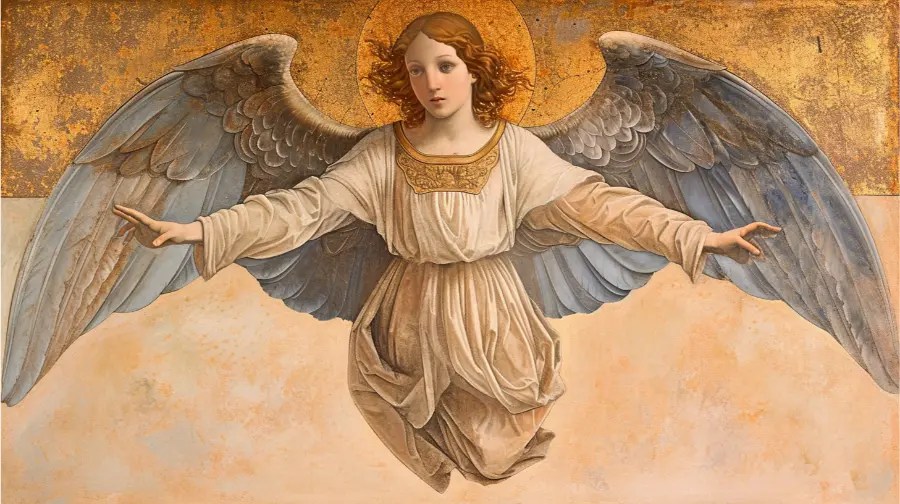
Is Gisela in the Bible?
No. Old German is centuries away from any language of Scripture.
The idea, though, is at the centre of the New Testament’s account of how anyone can be sure of anything.
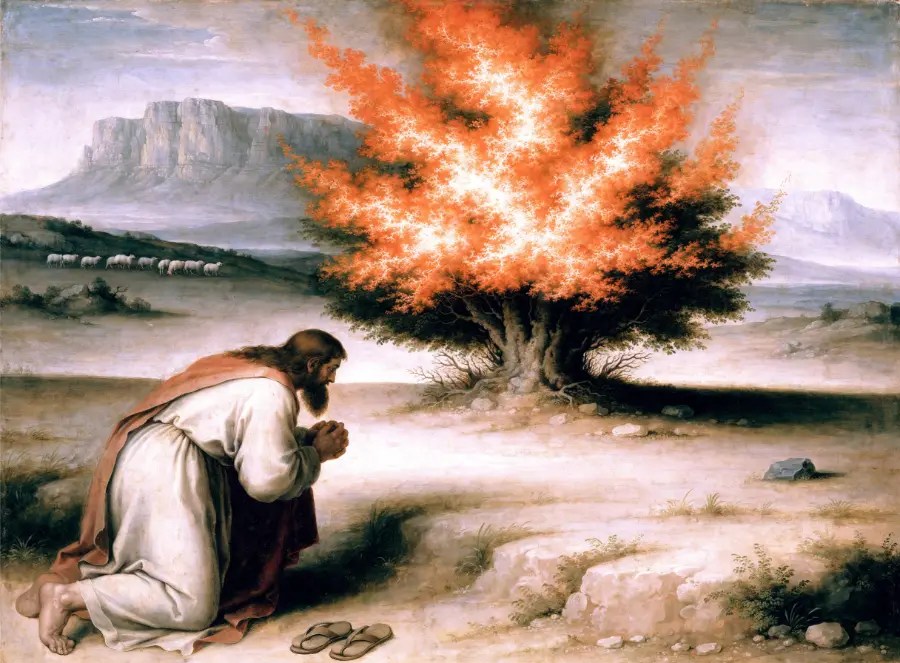
The deposit
Paul uses a commercial word three times, and it is the most concrete thing he says about assurance.
When you believed, you were marked in him with a seal, the promised Holy Spirit, who is a deposit guaranteeing our inheritance until the redemption of those who are God’s possession. (Ephesians 1:13-14)
The Greek is arrabon, a down payment. Not a token or a symbol — a first instalment of the same currency, handed over so that the rest is owed.
He says it again: He anointed us, set his seal of ownership on us, and put his Spirit in our hearts as a deposit, guaranteeing what is to come. (2 Corinthians 1:21-22)
And once more, about the resurrection body: Now the one who has fashioned us for this very purpose is God, who has given us the Spirit as a deposit, guaranteeing what is to come. (2 Corinthians 5:5)
Three times, in two letters, the same word. Paul evidently thought it was the clearest thing he could say.
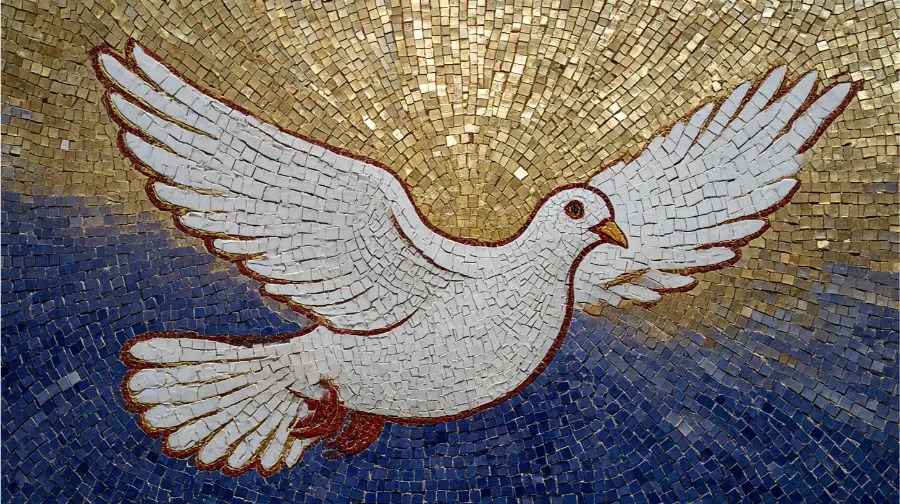
Why the image is unsettling as well as comforting
A deposit binds the one who gives it. That is the whole point of a deposit, and it is why anyone accepts one.
Which means Paul’s claim is not that Christians feel assured. It is that God has put something down, and is therefore committed. The assurance is on his side of the transaction.
The older hostage version of the image says the same thing more bluntly. The guarantee of a treaty was not a document. It was a person, present and visible.
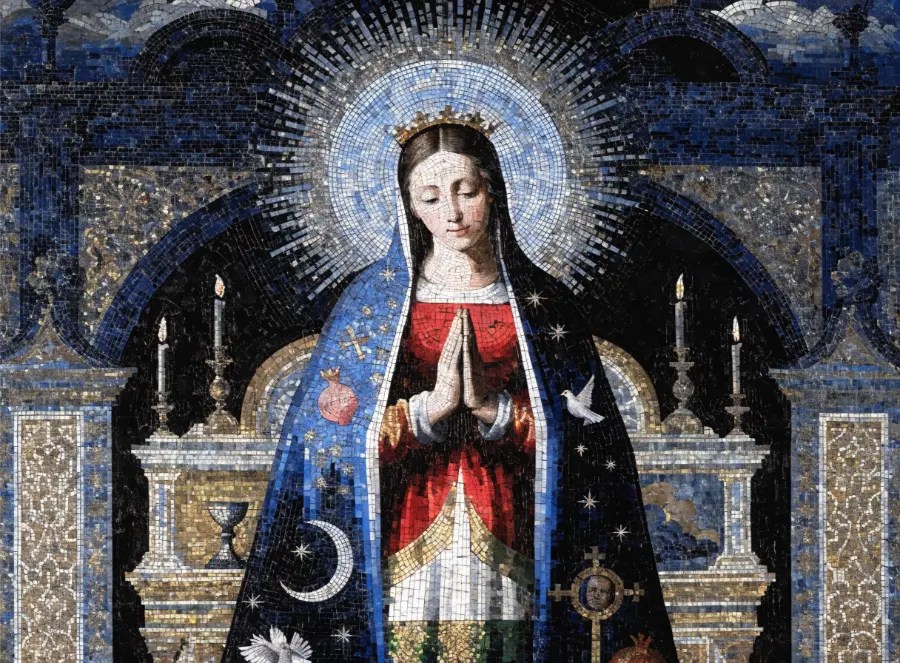
The other pledge
There is a smaller and more domestic version of this in the Old Testament, and it is worth knowing.
Judah, trying to persuade Tamar, leaves his seal, his cord and his staff as a pledge until he can send payment (Genesis 38:17-18). They are the items that identify him. When she later produces them, he cannot deny whose they are, and says: She is more righteous than I.
A pledge is a thing nobody can afford to leave behind. That is what makes it a pledge.

A blessing for Gisela
May we be people whose word is secured by something.
May we hold lightly what we are owed and seriously what we have promised.
And may we know what has been put down on our behalf, and by whom.
Frequently asked
Is Gisela a biblical name?
No. It is Germanic, from the element gisal, and has no biblical occurrence.
What does Gisela mean?
A pledge or hostage. In early medieval Europe a hostage was a guarantee of a treaty, often a noble child, and the words for surety and hostage were the same.
Does the Bible use the idea of a pledge?
Centrally. Paul calls the Holy Spirit a deposit — Greek arrabon, a first instalment — three times (Ephesians 1:14; 2 Corinthians 1:22; 5:5).
What does that image mean?
That a deposit binds the giver. The assurance rests on God’s side of the transaction rather than on how certain anyone feels.

Related reading
- Is Your Name in the Bible? A Directory of 231 Names
- Francine Is Not in the Bible — the Name Means Free


Leave a Reply