
 English
 Chinese
 Dutch
 Arabic
 Spanish
 Portuguese
 Russian
 French
 Italian
 German
 Japanese
The KJV says “shepherd” 45 times and “shepherds” 38 times, 83 in all, and most of them are in the prophets. A shepherd in the Bible is the one who feeds, leads and guards a flock, and Scripture gives that name to God himself: “The LORD is my shepherd; I shall not want” (Psalm 23:1).
In Hebrew the shepherd’s word is a verb before it is a title. Ra’ah means to tend a flock, to pasture it, and the King James translators render it “feed” 75 times and “shepherd” 63 times. So in the Bible’s own language a shepherd is someone who feeds. Old Jacob knew it. Blessing Joseph’s two sons at the end of a hard life, he called on “the God which fed me all my life long unto this day” (Genesis 48:15), and the word for “fed” is the shepherd’s word. He had kept Laban’s sheep for twenty years. He knew what it cost to keep a flock alive, and he knew who had kept him.
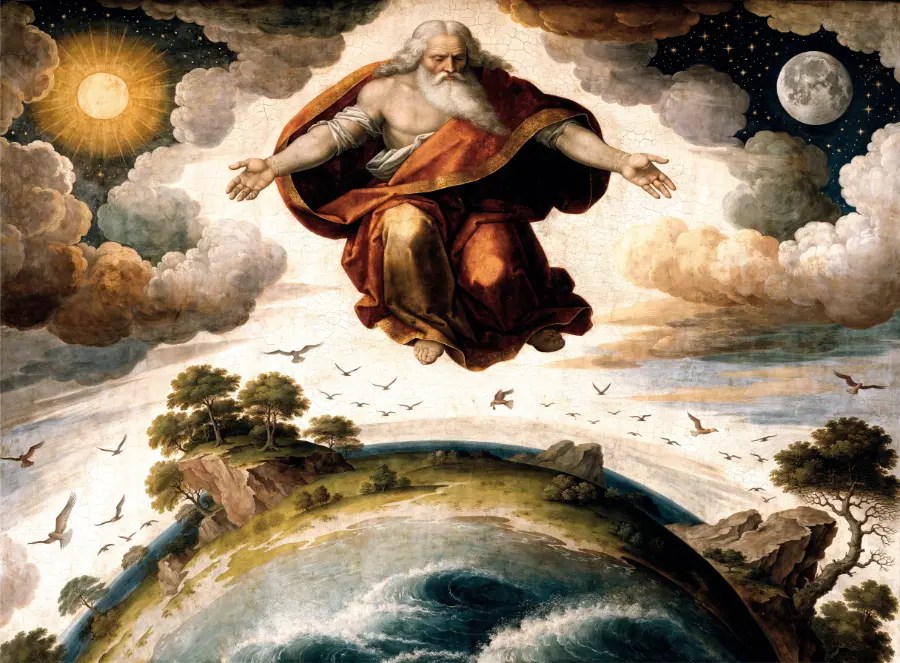
How many times does the Bible mention shepherds?
In the King James Version, “shepherd” (with “shepherd’s”) comes 45 times and “shepherds” (with “shepherds’”) 38 times, 83 times in 74 verses. The Old Testament has 65 and the New Testament 18. Ezekiel says it most, 16 times, because his thirty-fourth chapter is a long prophecy against Israel’s shepherds, and 15 of the 16 are there. Jeremiah follows with 12, Zechariah with 10 and Isaiah with 7. In the New Testament, John has 6, every one in Jesus’ own words in John 10, and Luke has 4, all of them the shepherds of Bethlehem.
The King James Bible also says “pastor” once and “pastors” eight times, and these are the same Hebrew and Greek words: Jeremiah’s “pastors” are shepherds, and so are the “pastors and teachers” of Ephesians 4:11. The New Testament’s Greek word, poimen, comes 18 times, and the King James renders it “shepherd” 17 times and “pastor” that once. If you read in Spanish, the two meanings share one word. The Reina-Valera 1960 says pastor 47 times and pastores 59 times, 106 in all, and Psalm 23 begins, “Jehová es mi pastor; nada me faltará.” Every Bible counts a little differently, because translators choose between “shepherd”, “herdman”, “pastor” and “keeper of sheep” verse by verse.
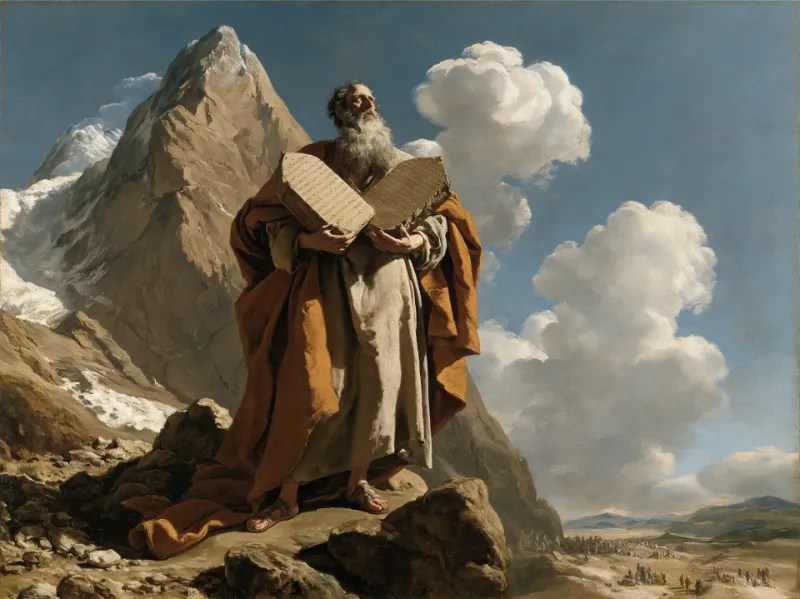
What did a shepherd do in Bible times?
He stayed. Jacob’s complaint to Laban, his mother’s brother, tells the whole job in a few lines: the ewes did not lose their young, the rams were not eaten, and whatever the wild beasts tore, “I bare the loss of it”. Then he says, “Thus I was; in the day the drought consumed me, and the frost by night; and my sleep departed from mine eyes” (Genesis 31:38–40). Sun by day, cold by night, and the losses on his own account.
He fought. Young David told King Saul, “Thy servant kept his father’s sheep, and there came a lion, and a bear, and took a lamb out of the flock: And I went out after him, and smote him, and delivered it out of his mouth” (1 Samuel 17:34–35). Then he went out to Goliath with “his staff in his hand” and five stones in “a shepherd’s bag” (1 Samuel 17:40). Amos knew the shepherd who comes too late and can save only “two legs, or a piece of an ear” from the lion’s mouth (Amos 3:12).
He watched, and he knew his sheep. The shepherds near Bethlehem were “abiding in the field, keeping watch over their flock by night” (Luke 2:8). Jesus described a shepherd who “calleth his own sheep by name, and leadeth them out”, who “goeth before them, and the sheep follow him: for they know his voice” (John 10:3–4). And he carried a rod and a staff, the two things David names in his psalm: “thy rod and thy staff they comfort me” (Psalm 23:4).
It was not honoured work everywhere. When Jacob’s family went down to Egypt, Joseph told his brothers what to say to Pharaoh, and warned them that “every shepherd is an abomination unto the Egyptians” (Genesis 46:34). God kept choosing shepherds anyway.
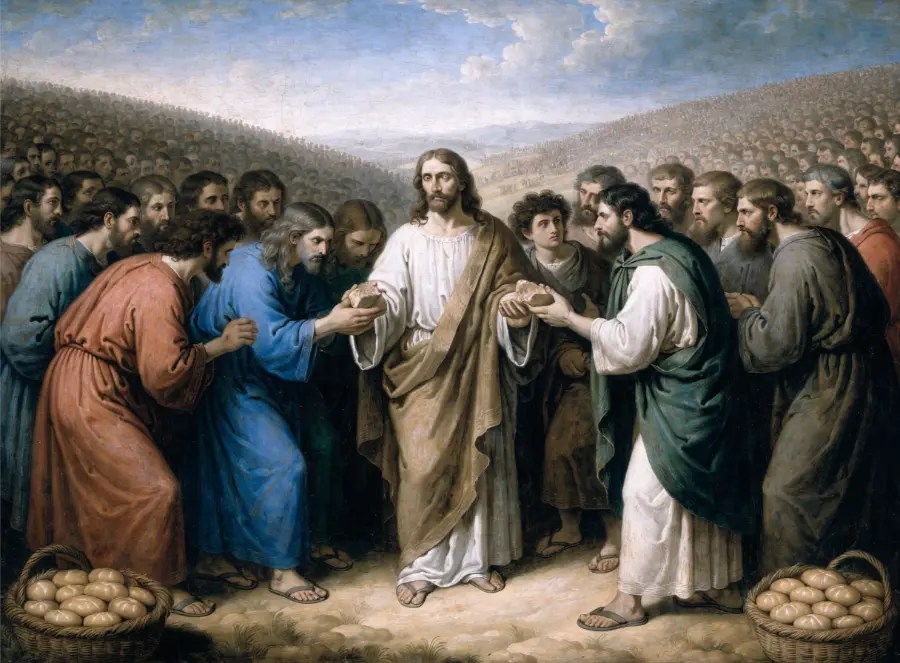
Who were the shepherds in the Bible?
Abel was the first: “Abel was a keeper of sheep, but Cain was a tiller of the ground” (Genesis 4:2). Rachel first met Jacob at a well, coming “with her father’s sheep; for she kept them” (Genesis 29:9). Moses was keeping the flock of his father-in-law Jethro when he came to Horeb and saw a bush that burned and was not consumed (Exodus 3:1–2). David was the youngest son, out with the sheep, when Samuel came to anoint a king, and Samuel would not sit down until the boy was fetched (1 Samuel 16:11). God “took him from the sheepfolds” to feed Israel instead (Psalm 78:70–71).
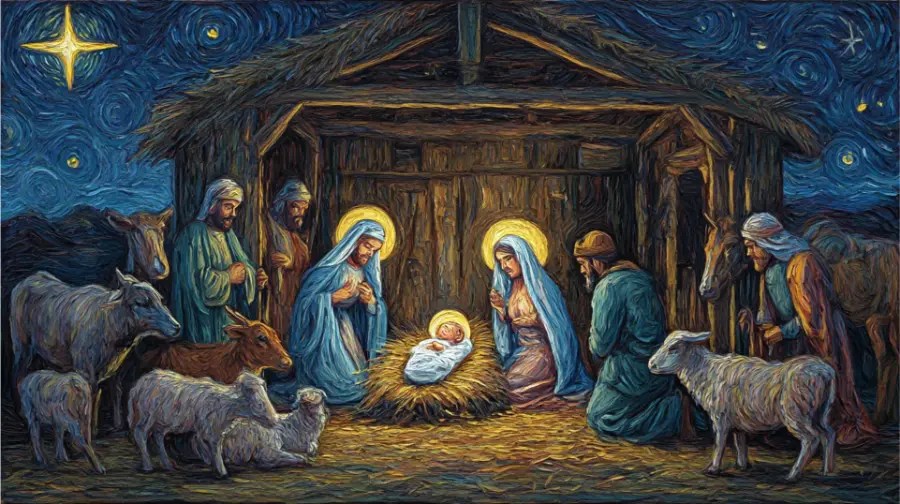
Amos was a herdsman when the call came: “the LORD took me as I followed the flock, and the LORD said unto me, Go, prophesy unto my people Israel” (Amos 7:15). And on the night Christ was born, the angel came first to shepherds in the fields, who “came with haste” to Bethlehem and went home “glorifying and praising God” (Luke 2:16, 2:20). There is more on them in who the nativity shepherds were.
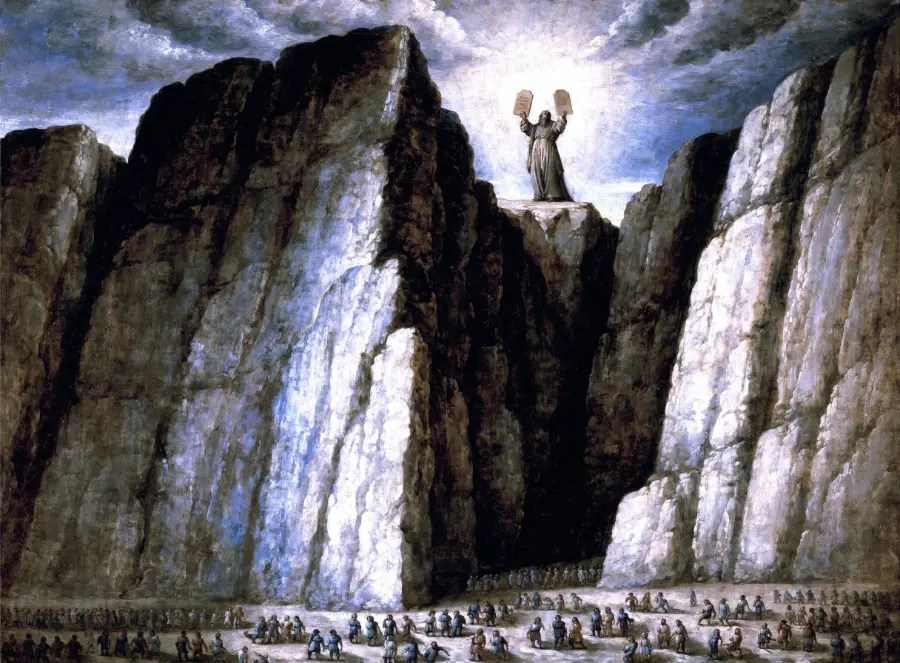
How is God a shepherd in the Old Testament?
The psalmists called him so in their prayers. “Give ear, O Shepherd of Israel, thou that leadest Joseph like a flock” (Psalm 80:1). The best loved of all is David’s: “He maketh me to lie down in green pastures: he leadeth me beside the still waters. He restoreth my soul” (Psalm 23:2–3). The whole psalm is walked through in Psalm 23 explained verse by verse.
Isaiah drew the gentlest picture. “He shall feed his flock like a shepherd: he shall gather the lambs with his arm, and carry them in his bosom, and shall gently lead those that are with young” (Isaiah 40:11). The strong arm of God, holding a lamb against his chest.
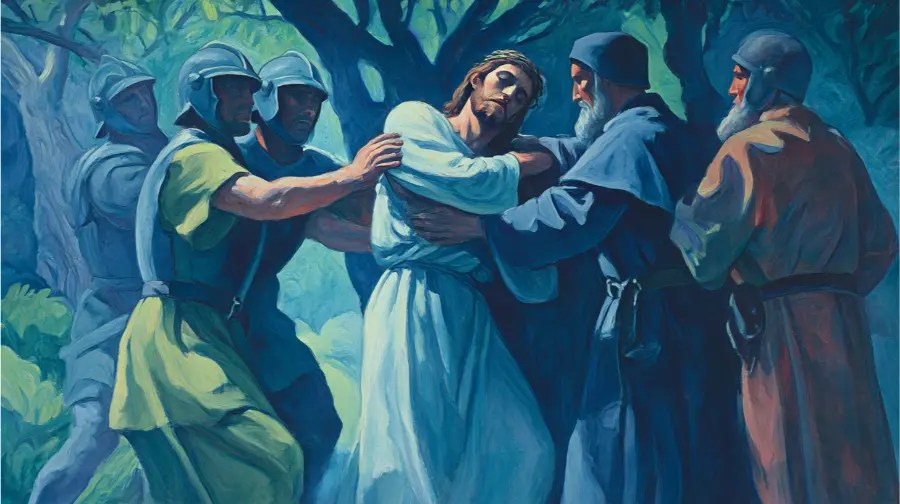
Then Ezekiel, who says “shepherd” more than anyone, turns on the men who were meant to do this work. “Woe be to the shepherds of Israel that do feed themselves! should not the shepherds feed the flocks?” (Ezekiel 34:2). They ate the fat and wore the wool. They did not strengthen the weak or bind up the broken or seek the lost, and the sheep scattered across the mountains with “none” to “search or seek after them” (Ezekiel 34:3–6). So God says he will come himself: “Behold, I, even I, will both search my sheep, and seek them out”, and “I will seek that which was lost, and bring again that which was driven away, and will bind up that which was broken, and will strengthen that which was sick” (Ezekiel 34:11, 34:16). He promises to “set up one shepherd over them”, “even my servant David” (Ezekiel 34:23). David had long been dead when Ezekiel prophesied among the exiles “in the land of the Chaldeans” (Ezekiel 1:3), so the promise looks ahead to a shepherd from David’s line.
Why did Jesus call himself the good shepherd?
Because he came to do what Ezekiel promised, and more. “I am the good shepherd: the good shepherd giveth his life for the sheep” (John 10:11). A hired hand runs when he sees the wolf, Jesus says, because the sheep are not his. “I am the good shepherd, and know my sheep, and am known of mine” (John 10:14). He has “other sheep” too, “which are not of this fold”, and “there shall be one fold, and one shepherd” (John 10:16). And no one will take them from him: “My sheep hear my voice, and I know them, and they follow me: And I give unto them eternal life; and they shall never perish, neither shall any man pluck them out of my hand” (John 10:27–28).
We see it in the way he looked at crowds. “When he saw the multitudes, he was moved with compassion on them, because they fainted, and were scattered abroad, as sheep having no shepherd” (Matthew 9:36). We hear it in his story of the man with a hundred sheep who leaves the ninety-nine to go after the one, and “when he hath found it, he layeth it on his shoulders, rejoicing” (Luke 15:5). On the night before he died, he quoted Zechariah about himself: “I will smite the shepherd, and the sheep of the flock shall be scattered abroad” (Matthew 26:31). The apostles kept the title after the resurrection. He is “that great shepherd of the sheep” (Hebrews 13:20), “the Shepherd and Bishop of your souls” (1 Peter 2:25), and “the chief Shepherd” who will appear again (1 Peter 5:4).
Why are church leaders called pastors?
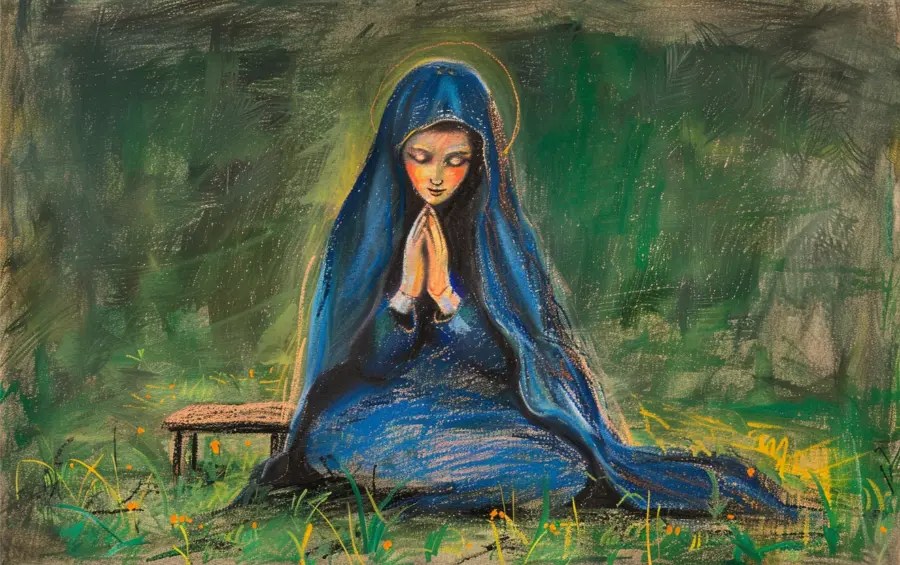
Because Jesus handed his flock to people. After the resurrection he asked Peter three times, “lovest thou me?”, and each time gave him a charge: “Feed my lambs”, “Feed my sheep”, “Feed my sheep” (John 21:15–17). Paul called the elders of the church at Ephesus to meet him and told them to “feed the church of God, which he hath purchased with his own blood” (Acts 20:28). Peter, writing as one “who am also an elder”, passed the charge on: “Feed the flock of God which is among you … Neither as being lords over God’s heritage, but being examples to the flock” (1 Peter 5:2–3). So “pastor” is the old shepherd’s word, and a pastor answers to the chief Shepherd. The titles churches use today are set side by side in reverend, minister and pastor.
Feed my sheep. The words Ezekiel threw at Israel’s bad shepherds, Jesus gave back to Peter as a gift. And in Revelation the shepherd and the lamb turn out to be one, for the verb used there of the Lamb is the Greek shepherd’s word, to tend a flock. John sees a great multitude out of every nation, and he hears that they will never hunger or thirst again, “For the Lamb which is in the midst of the throne shall feed them, and shall lead them unto living fountains of waters: and God shall wipe away all tears from their eyes” (Revelation 7:17).


Leave a Reply