
 Portuguese
 English
 Chinese
 Dutch
 Arabic
 Spanish
 Russian
 French
 Italian
 German
 Japanese
Across Scripture, strength belongs to God first, and he gives it to the weary, the weak, and anyone asked to step forward while afraid.
Strength when you feel weary or weak
Isaías 40:29-31
“Ele dá força aos cansados e aumenta o poder dos fracos. Até os jovens se cansam e se fatigam, e os rapazes tropeçam e caem; mas aqueles que esperam no Senhor renovarão as suas forças. Voarão com asas como águias; correrão e não se cansarão, caminharão e não se fatigarão.”
Reflexão: Three verses earlier, Isaiah points to the stars God calls by name so that “not one of them is missing,” then turns that same power toward exhausted people. The promise descends from soaring to running to ordinary walking, meeting you even on a day when you only have strength for the next step.

Isaías 41:10
“Por isso não temas, pois estou contigo; não te assustes, pois eu sou o teu Deus. Eu te fortalecerei e te ajudarei; eu te sustentarei com a minha mão direita vitoriosa.”
Reflexão: God speaks to Israel while enemies “rage against you” and “wage war against you” (verses 11-12), answering a real threat with his presence and hand. Whatever stands against you today, this promise grounds your courage in God’s nearness beside you.
2 Coríntios 12:9-10
“Mas ele disse-me: ‘A minha graça é suficiente para ti, pois o meu poder aperfeiçoa-se na fraqueza.’ Portanto, gloriar-me-ei ainda mais alegremente nas minhas fraquezas, para que o poder de Cristo repouse sobre mim. É por isso que, por amor de Cristo, me deleito nas fraquezas, nos insultos, nas dificuldades, nas perseguições, nas angústias. Pois quando sou fraco, então é que sou forte.”
Reflexão: Only the first sentence of verse 9 is the Lord’s reply; from “Therefore” on, Paul answers by listing insults, hardships, persecutions and difficulties. Your limits do not shut Christ’s power out of your day, because he meets you inside them.
Filipenses 4:13
“Tudo posso naquele que me fortalece.”
Reflexão: Right before this line, Paul explains that he has learned to be content with plenty and with little (4:11-12). Those changing circumstances are the “all things” he means. This verse meets you on days when supplies run low and you still have to keep going.
Salmos 73:26
“My flesh and my heart faileth: but God is the strength of my heart, and my portion for ever.”
Reflexão: Earlier in the psalm, the writer admits his feet “were almost gone” while envying the wicked (verses 2-3). Everything turns when he enters “the sanctuary of God” (verse 17) and sees God holding his right hand (verse 23). Even when body and resolve fail, God stays with you as your lasting strength.
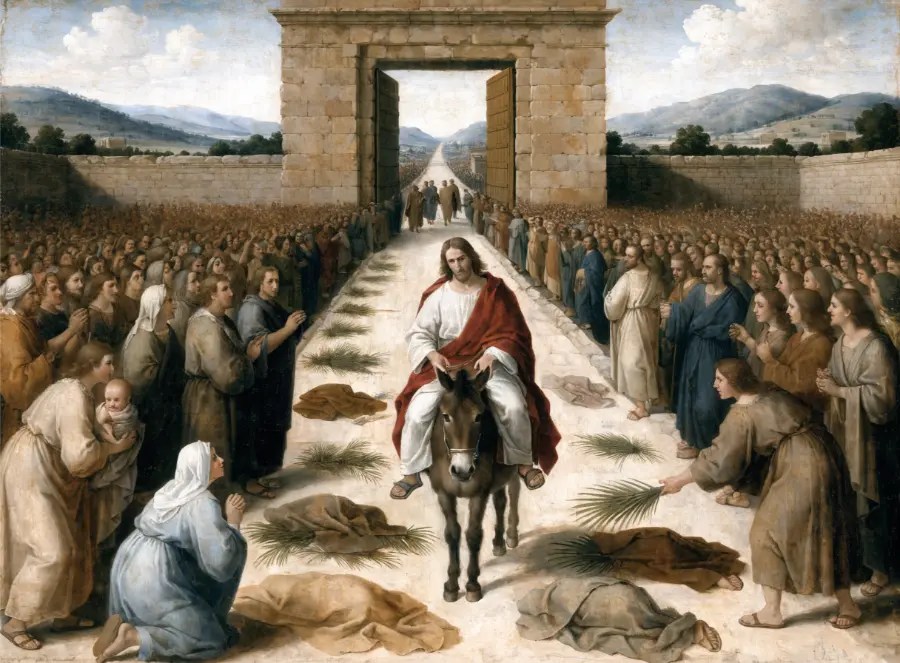
Salmos 119:28
“A minha alma consome-se de tristeza; fortalece-me segundo a tua palavra.”
Reflexão: In the Daleth stanza of Psalm 119, the psalmist lies “laid low in the dust” (verse 25) and asks God to keep him alive “according to your word.” Grief leaves few words, and this single line can be prayed straight back to God.
Want one Bible verse for how you feel today? Pick a feeling in our verse finder to copy, share, or save as a picture.
Quando o Senhor é chamado de minha força
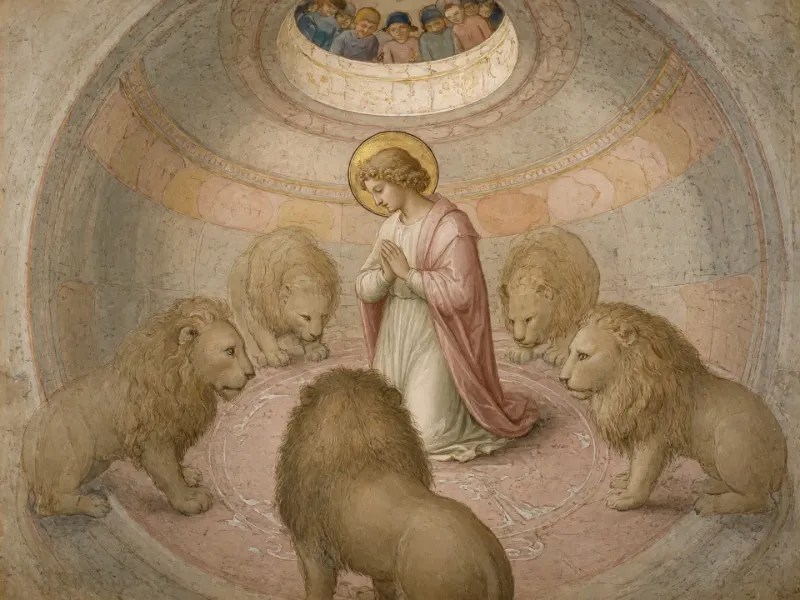
Salmos 46:1
“Deus é o nosso refúgio e fortaleza, socorro bem presente na angústia.”
Reflexão: Verse 2 pictures the earth giving way and mountains sliding into the sea, and still answers, “we will not fear.” You do not have to wait for the ground to steady before turning to God as shelter.

Salmos 28:7
“O Senhor é a minha força e o meu escudo; nele o meu coração confia, e dele recebo ajuda. Meu coração exulta de alegria, e com o meu cântico lhe darei graças.”
Reflexão: David opens this psalm pleading not to be dragged away with the wicked (verses 1-5), then breaks into praise once God “has heard my cry for mercy” (verse 6). Trust comes before the song, letting you lean on God as a shield while you wait for relief.
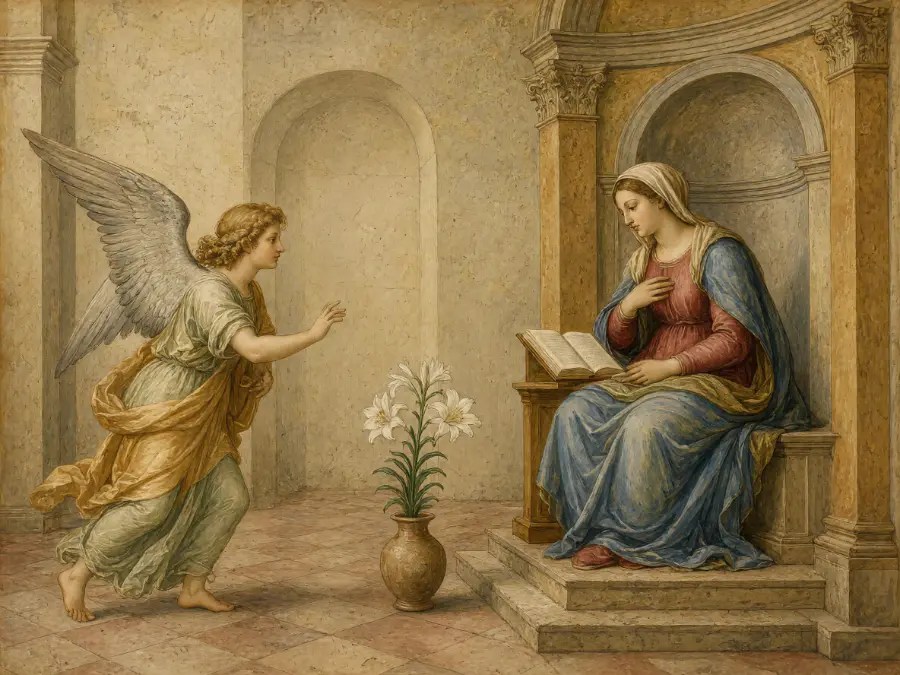
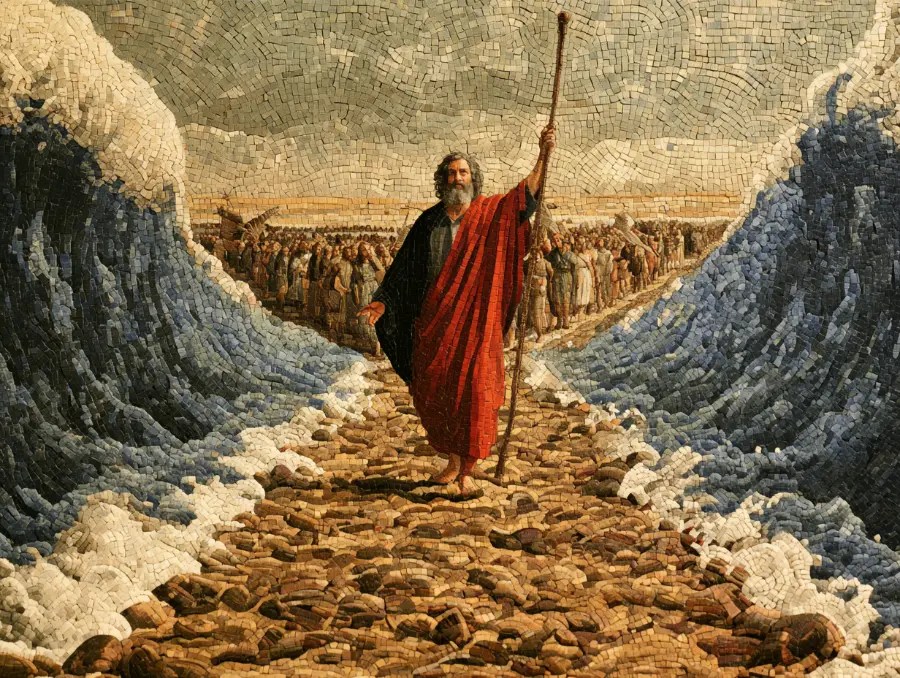
Êxodo 15:2
“O Senhor é a minha força e o meu escudo; ele tornou-se a minha salvação. Ele é o meu Deus, e eu louvá-lo-ei, o Deus do meu pai, e eu exaltá-lo-ei.”
Reflexão: Moses and Israel sing this on the far shore of the sea after God hurled “both horse and driver” into the water (verse 1). Psalm 118:14 later repeats the first half of Exodus 15:2 word for word. Remembering where God has already rescued you gives you courage for what lies ahead.
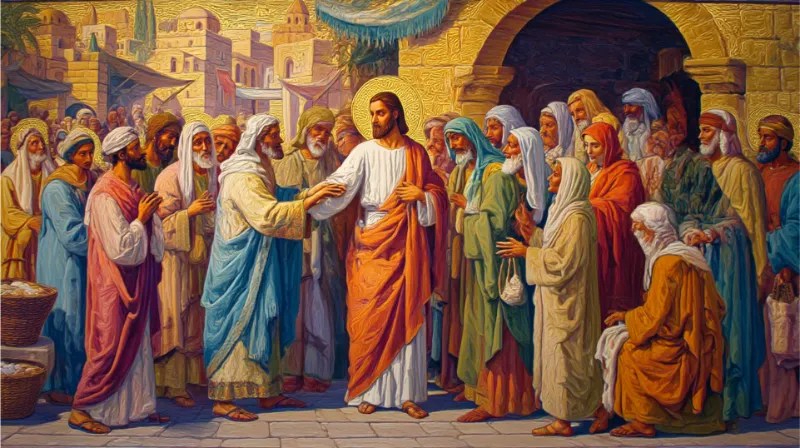
Isaías 12:2
“Certamente Deus é a minha salvação; confiarei e não temerei. O Senhor, o próprio Senhor, é a minha força e a minha defesa; ele tornou-se a minha salvação.”
Reflexão: Isaiah 12 echoes the first half of Exodus 15:2 with “the Lord himself” added, sung on the day God’s anger “has turned away” and comfort replaces it (verse 1). Verse 3 follows with drawing water “from the wells of salvation,” inviting you to rest in God’s mercy when fear weighs on you.
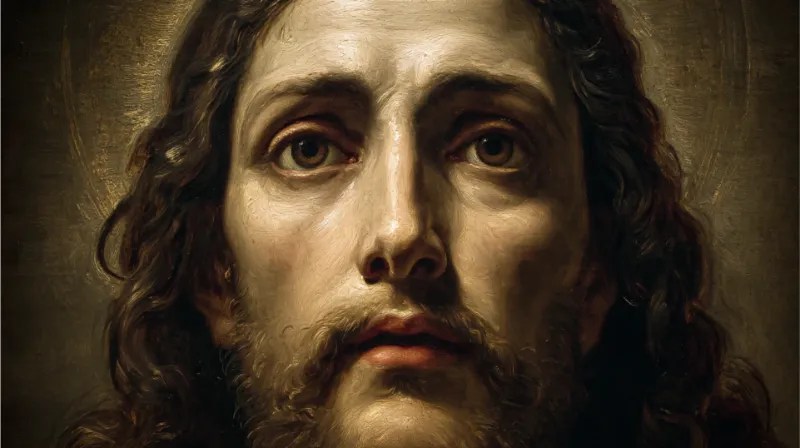
Habacuque 3:19
“O SENHOR Soberano é a minha força; ele faz os meus pés como os pés de um cervo, ele capacita-me a caminhar nas alturas.”
Reflexão: Habakkuk closes his prayer after naming total loss in verse 17—no figs, grapes, olives, crops, sheep or cattle—and answering, “yet I will rejoice in the Lord” (verse 18). Even when every earthly supply fails, God can keep your feet steady on steep ground.

2 Samuel 22:33
“Deus é a minha fortaleza e a minha força, e ele perfeitamente desembaraça o meu caminho.”
Reflexão: Near the end of David’s story, in a song nearly identical to Psalm 18, David credits God with both his shelter and his path. After a long, exhausting season, you can ask God to guard both your life and your next steps.

Neemias 8:10
“Ide, comei carnes gordas, e bebei bebidas doces, e enviai porções aos que não têm nada preparado para si; porque este dia é consagrado ao nosso Senhor. Portanto não vos entristeçais; porque a alegria do Senhor é a vossa força.”
Reflexão: The people wept as they heard the law read aloud (8:9), and Nehemiah told them to share a meal and send food to those with nothing. Gratitude and shared gladness before God renew your strength on hard days.
If you want written words to pray straight from these promises, read our orações por força for worn-out, anxious, or hard days.
Commands to be strong and courageous
Josué 1:9
“Não te mandei eu? Sê forte e corajoso. Não temas; não te desencorajes, pois o Senhor teu Deus estará contigo por onde quer que andares.”
Reflexão: God gives this charge to Joshua after “Moses my servant is dead” (verse 2), with the Jordan still uncrossed. It repeats the promise of verse 5: “As I was with Moses, so I will be with you.” Whenever a duty feels larger than you are, that same promise goes with you into it.
Deuteronômio 31:6
“Sê forte e corajoso. Não temas nem te espantes por causa deles, porque o SENHOR, teu Deus, é quem vai contigo; não te deixará, nem te desamparará.”
Reflexão: At a hundred and twenty years old, knowing he will not cross the Jordan, Moses steadies all Israel and repeats the charge to Joshua (verses 7-8). Through any major transition, the ground of courage is that the Lord goes with you.
Josué 1:7
“Sê forte e muito corajoso. Tem o cuidado de obedecer a toda a lei que o meu servo Moisés te deu; não te desvies dela nem para a direita nem para a esquerda, para que sejas bem-sucedido onde quer que fores.”
Reflexão: Here the command adds the word “very” and ties courage directly to keeping “this Book of the Law” (verse 8) on Joshua’s lips day and night. Daily courage shows itself in faithful obedience to what God has already made clear.
1 Crônicas 28:20
“Disse também David a Salomão, seu filho: Sê forte e corajoso, e faze a obra. Não temas, nem te desanimes, porque o SENHOR Deus, meu Deus, está contigo. Ele não te falhará nem te abandonará até que toda a obra para o serviço do templo do SENHOR esteja terminada.”
Reflexão: David has already given Solomon the temple plans “in writing” (verse 19), and he adapts Moses’ charge for a specific task: “do the work.” When an unfinished job intimidates you, God’s promised presence is reason enough to begin.
Medo, confiança e ousadia nos Salmos
Salmos 27:1
“O SENHOR é a minha luz e a minha salvação; a quem temerei? O SENHOR é a fortaleza da minha vida; a quem temerei?”
Reflexão: David carries those two questions into siege in verse 3 (“Though an army besiege me, my heart will not fear”) and closes with “Wait for the Lord; be strong and take heart” (verse 14). Remembering who God is first reduces the power of what tries to intimidate you today.
Salmos 56:3-4
“Quando estou com medo, ponho a minha confiança em ti. Em Deus, cuja palavra louvo — em Deus confio e não temo. O que podem os meros mortais fazer-me?”
Reflexão: The psalm’s heading places these words when the Philistines seized David in Gath with enemies in “hot pursuit” (verses 1-2), and verses 10-11 repeat them as a refrain. Saying “When I am afraid” admits the fear plainly and gives you a line to pray the moment fear arrives.
Salmos 31:24
“Esforcem-se e tenham bom ânimo, todos vocês que esperam no SENHOR.”
Reflexão: This closing line comes from a psalmist who earlier felt “in a city under siege” and cried “I am cut off from your sight!” before God answered (verses 21-22). The King James Version reads “Be of good courage, and he shall strengthen your heart,” tying steady courage directly to hope in God.
Salmos 138:3
“Quando clamei, tu respondeste-me; deste-me grande ousadia.”
Reflexão: David praises God for his “unfailing love” and “faithfulness” (verse 2) before recalling this answered cry, even while verse 7 expects more trouble ahead. God often answers prayer by giving you new courage inside before the trouble ends.
Courage when you must stand up for your faith
Ester 4:16
“Vai, reúne todos os judeus que se encontram em Susã, e jejuai por mim. Não comais nem bebais durante três dias, noite ou dia. Eu e as minhas servas também jejuaremos como vós. Quando isto for feito, irei ter com o rei, embora seja contra a lei. E se eu perecer, pereci.”
Reflexão: Anyone who went to the king unsummoned faced death, and Esther had not been called for thirty days (verse 11). She asked her people to fast for three days, then went anyway. Courage names the risk, asks others to pray, and still takes the right step.
Daniel 3:17-18
“Se formos lançados na fornalha ardente, o Deus a quem servimos é capaz de nos livrar dela, e ele livrar-nos-á da mão de Vossa Majestade. Mas, mesmo que não o faça, queremos que saiba, Vossa Majestade, que não serviremos os seus deuses nem adoraremos a imagem de ouro que o senhor ergueu.”
Reflexão: Nebuchadnezzar threatens Shadrach, Meshach and Abednego with the blazing furnace (verse 15). They trust that God can rescue them, yet refuse to bow “even if he does not.” Their answer sets a clear standard for days when you cannot control how others react to your faithfulness.
Atos 4:13
“Ao verem a coragem de Pedro e João e ao perceberem que eram homens sem instrução e comuns, ficaram admirados e reconheceram que estes homens tinham estado com Jesus.”
Reflexão: Peter, “filled with the Holy Spirit” (verse 8), has spoken plainly before the council while the healed lame man stood beside them (verse 14). Boldness in Christian witness grows out of staying close to Jesus, even when you feel ordinary and untrained.
Atos 4:29
“Agora, Senhor, considera as suas ameaças e capacita os teus servos para falarem a tua palavra com grande ousadia.”
Reflexão: The early church brings the rulers’ threats straight to God and asks for boldness to keep speaking. Verse 31 reports what followed: “they were all filled with the Holy Spirit and spoke the word of God boldly.” Under pressure to stay quiet, you can pray these exact words.
Strength and courage in Paul’s letters
1 Coríntios 16:13
“Vigiem, permaneçam firmes na fé, sejam corajosos, sejam fortes.”
Reflexão: Paul places four brief commands near the close of his letter to Corinth, followed immediately by a fifth: “Do everything in love” (verse 14). Watchfulness and firmness belong beside love in your daily conduct.
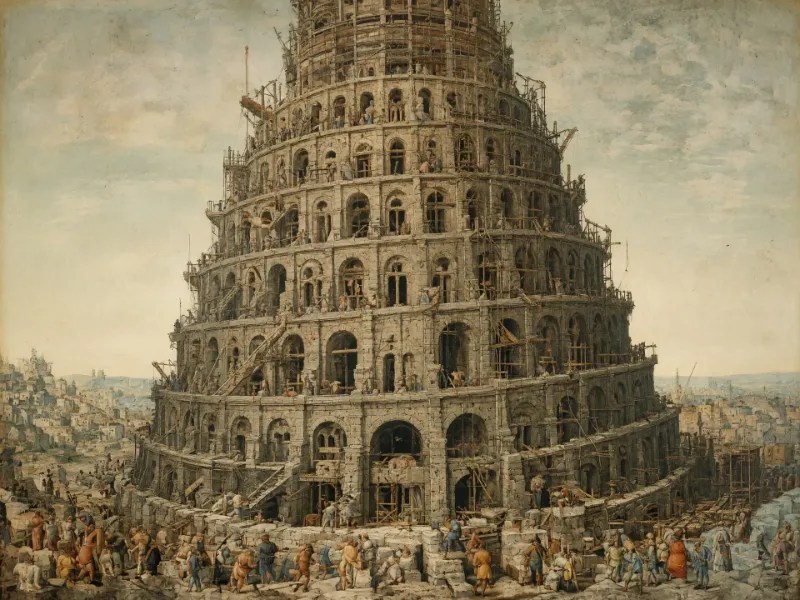
1 Coríntios 15:58
“Portanto, meus amados irmãos, sede firmes e constantes, sempre abundantes na obra do Senhor, sabendo que o vosso trabalho não é vão no Senhor.”
Reflexão: After describing the resurrection, Paul tells the Corinthians why they can stand firm in their work. He looks ahead to the day when “Death has been swallowed up in victory” (verse 54) and thanks God for that victory through Jesus Christ (verse 57).
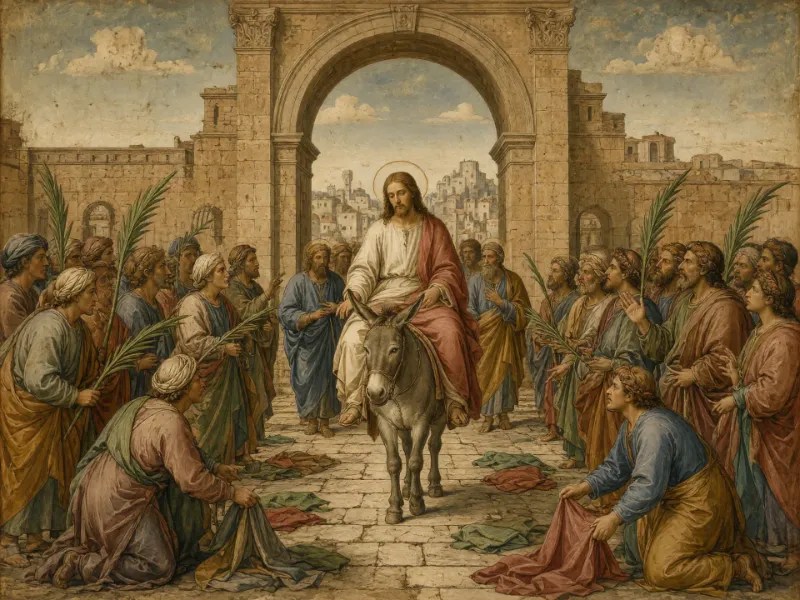
2 Timóteo 1:7
“Porque o Espírito que Deus nos deu não nos torna tímidos, mas dá-nos poder, amor e autodisciplina.”
Reflexão: Paul writes while remembering Timothy’s tears (verse 4) and the faith of his grandmother Lois and mother Eunice (verse 5). Against what the King James Version calls “the spirit of fear,” the Spirit gives power, love and self-discipline. When fear makes you hesitate, you can rely on the steady self-control the Spirit supplies.
Efésios 6:10
“Finalmente, sede fortes no Senhor e no seu poder poderoso.”
Reflexão: This verse introduces the letter’s closing section on the armor of God, where Paul tells the church that “our struggle is not against flesh and blood” (verses 11-13). Standing firm begins by relying on the Lord’s mighty power each day.

Efésios 3:16
“Para que, segundo as riquezas da sua glória, vos conceda que sejais fortalecidos com poder pelo seu Espírito no homem interior.”
Reflexão: Paul kneels before the Father (verse 14) and asks for strength in the inner person “so that Christ may dwell in your hearts through faith” (verse 17). Even when outside pressures remain, you can ask God to strengthen you from within.
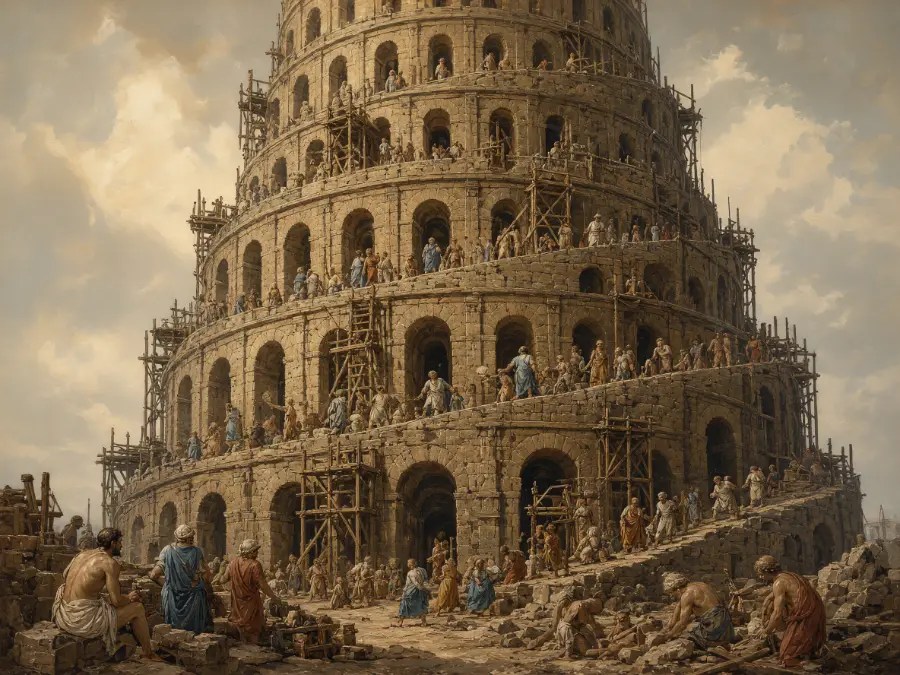
2 Timóteo 2:1
“Tu, pois, meu filho, fortifica-te na graça que há em Cristo Jesus.”
Reflexão: Paul tells Timothy to be strengthened and points straight to the source: “the grace that is in Christ Jesus.” You receive the strength for faithful living as a gift in Christ.
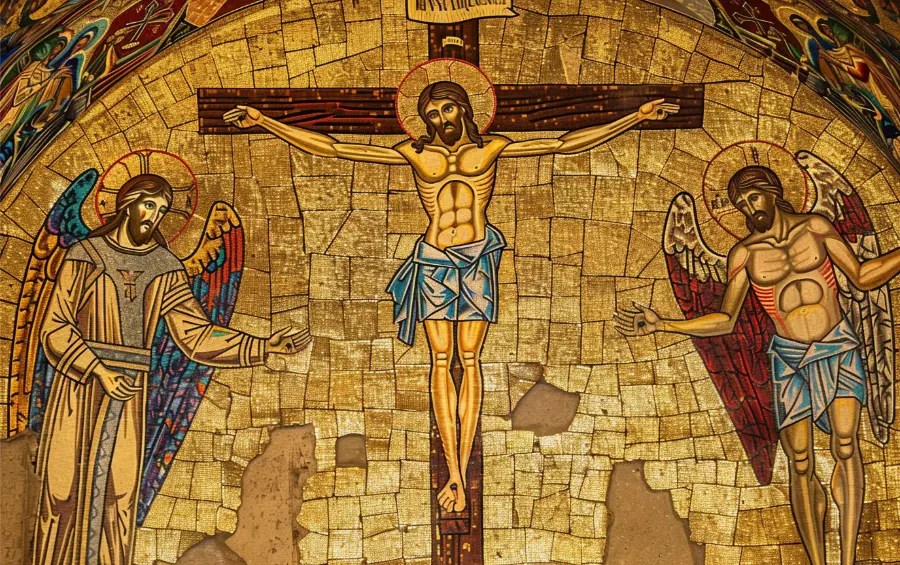
Colossenses 1:11
“Sendo fortalecidos com todo o poder, segundo a força da sua glória, em toda a perseverança e longanimidade, com alegria.”
Reflexão: Paul prays for strength “with all power” and names its fruit: endurance and patience with joy. In a slow, difficult season, God’s might often shows itself in steady, unhurried patience.
For Romans 8:37 and more passages aimed at hard times and comfort, see our collection of encouraging Bible verses for strength in hard times.
Strength that looks different from what you expect
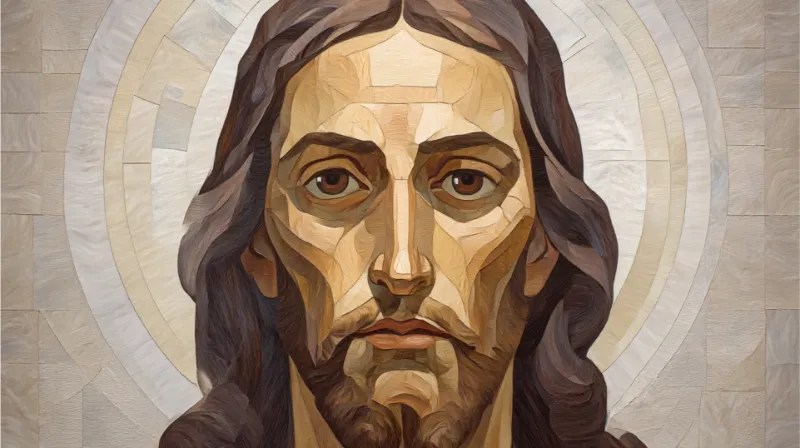
Isaías 30:15
“No regresso e no descanso sereis salvos; na quietude e na confiança estaria a vossa força.”
Reflexão: The rest of the verse adds, “But you were unwilling,” because in verse 16 the people chose to flee on horses instead. Whenever panic tempts you to rush for control, this verse calls you back to quiet trust.
Hebreus 11:34
“...apagaram a força do fogo, escaparam do fio da espada, da fraqueza tiraram forças, tornaram-se poderosos na guerra.”
Reflexão: Right after these rescues, verses 35-37 list believers who were tortured, mocked, flogged, stoned and sawn in two, counting both groups as examples of faith. God makes weak people strong both in deliverance and in faithful suffering.
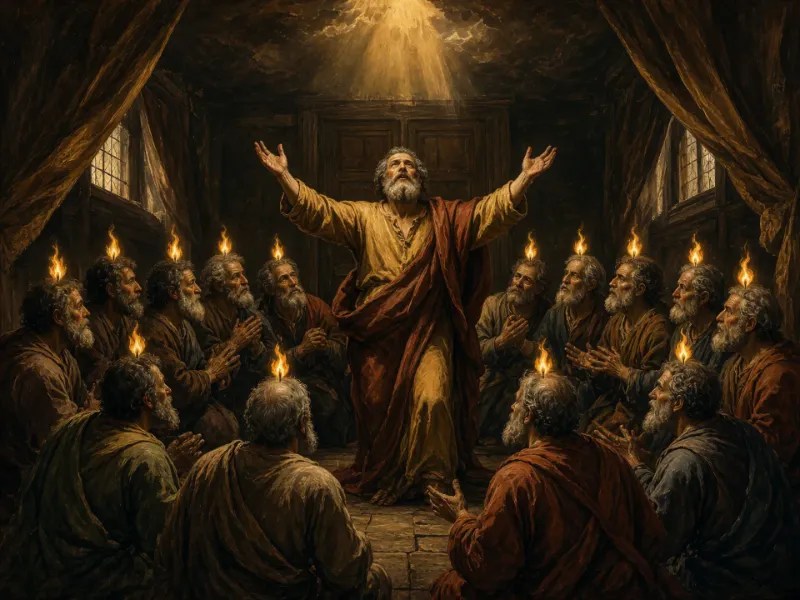
Joel 3:10
“Forjai espadas das vossas relhas de arado e lanças das vossas foices; diga o fraco: Eu sou forte.”
Reflexão: This line reverses Isaiah 2:4 and Micah 4:3, where swords become plowshares. Joel is summoning the nations to the valley of judgment (3:12), and the boast is theirs. Reading the full verse keeps you from mistaking a warning to proud nations for the strength Isaiah 40 and 2 Corinthians 12 promise.
Using your strength to help someone else
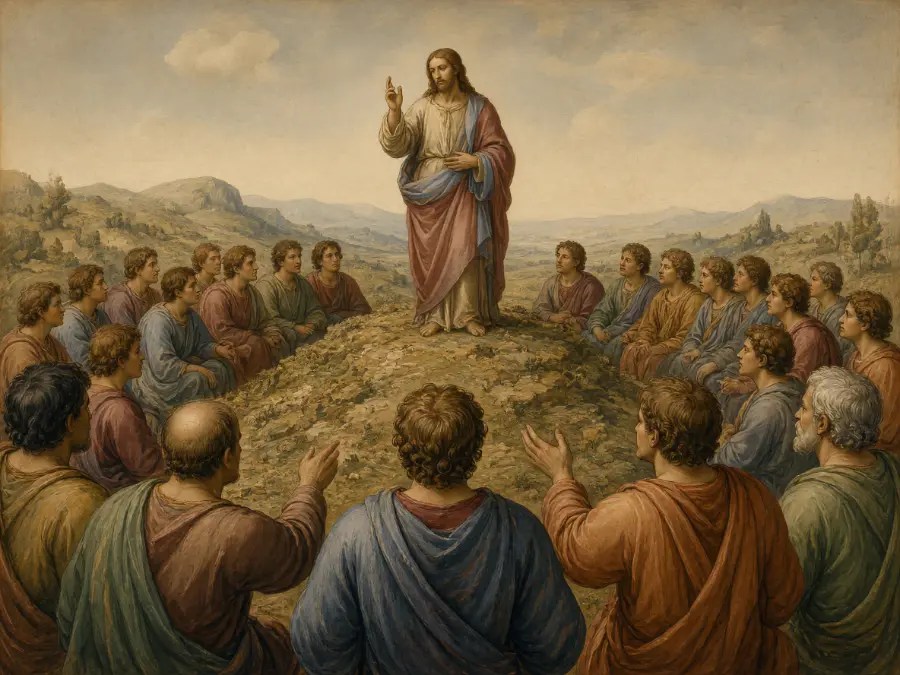
Romanos 15:1
“Ora, nós, que somos fortes, devemos suportar as fraquezas dos fracos, e não agradar a nós mesmos.”
Reflexão: Strength brings an obligation to carry the weak, and verse 2 adds, “Let each of us please his neighbor for his good.” On days when you feel steady, Scripture turns that strength outward toward whoever beside you is struggling.
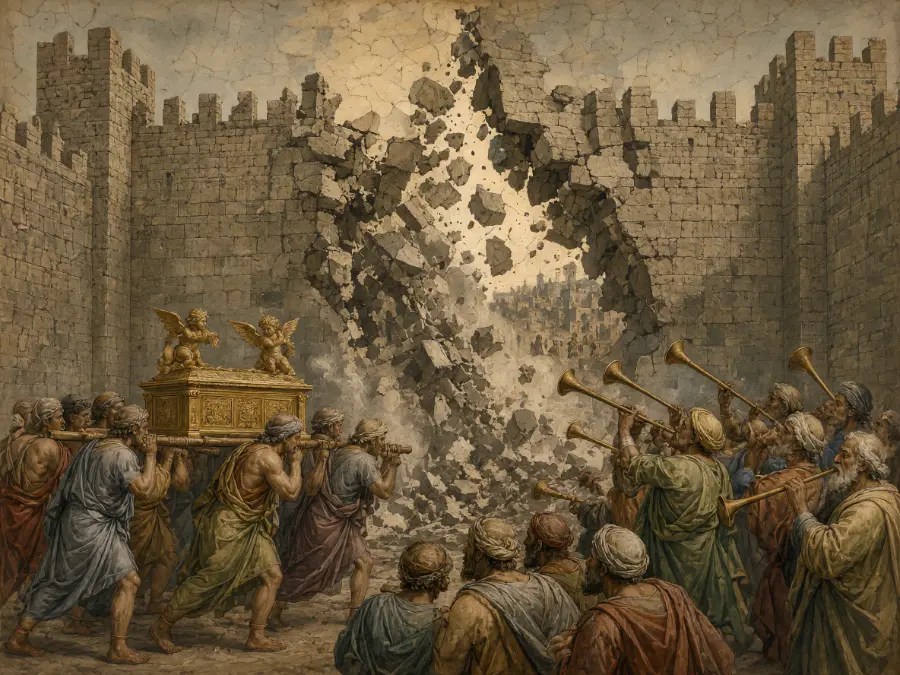
Eclesiastes 4:9-10
“É melhor serem dois do que um, porque têm melhor paga pelo seu trabalho: Se um cair, o outro levanta o seu companheiro. Mas ai do que estiver só; pois, caindo, não haverá outro que o levante.”
Reflexão: After describing a man who works alone, the writer pictures two companions working together. Either can lift the other after a fall, and the same pair can stand together against an attacker. As verse 12 puts it, “Though one may be overpowered, two can defend themselves.”
Provérbios 27:17
“Como o ferro com o ferro se afia, assim o homem, ao seu amigo.”
Reflexão: Iron sharpens iron through contact and friction, and both pieces are changed by it. Staying close to trusted friends in the faith builds steadier strength than enduring alone.
Leitura relacionada
- 21 Versículos Bíblicos Sobre Não Ter Medo — Scripture’s “fear not” promises from Genesis to Revelation, read in context.
- 16 Versículos Bíblicos sobre Suportar Tempos Difíceis, e o que Significa Perseverança — passages on steadfastness when trouble lasts longer than expected.
- O que é a Armadura de Deus? As Seis Peças de Efésios 6 — a walkthrough of the full passage that begins with Ephesians 6:10.
- Orações Contra o Medo: Para o Pânico, Ansiedade, a Noite e o Futuro — written prayers to say aloud when fear and worry press in.
- 20 Versículos Bíblicos sobre a Fé em Tempos Difíceis — verses on holding fast to God when circumstances shake your confidence.
- O que diz a Bíblia sobre…? — browse more than 6,500 biblical topics with the verses and surrounding passages for each one.


Deixe um comentário